What Merry Means in the Bichon Frise Standard
One of the most charming and enduring qualities of the Bichon Frise is their famously "merry" temperament, a descriptor that often leaves new owners wondering what exactly that means in practical terms. It's not just a cute adjective; it's a fundamental part of their breed standard, reflecting centuries of selective breeding for companionship. This guide will delve into the true essence of a merry Bichon Frise, exploring how this delightful trait manifests in their daily lives, what influences it, and how you can nurture and protect this joyful spirit in your own furry family member.
Deciphering "Merry" in the Breed Standard
When you read a breed standard for a Bichon Frise, "merry" isn't just a throwaway word; it's a deeply meaningful term that encapsulates the very essence of their personality. It speaks to a dog designed to bring joy and light into a household, historically and presently. For many, this cheerful disposition is what draws them to the breed in the first place, hoping for that bright, engaging companion they've heard so much about.
The Historical Roots of the Merry Disposition
To truly understand what "merry" means, we have to take a quick trip back in time to the origins of the Bichon Frise. These dogs weren't bred for hunting, guarding, or herding. Their sole purpose, from their days on ships with sailors to their time charming the French nobility, was companionship and entertainment. Imagine a small, fluffy dog that could perform tricks and lighten the mood – that's the ancestral blueprint. This history of being a companion animal meant that a happy, outgoing, and engaging personality was highly prized. Dogs that were shy, aggressive, or aloof wouldn't have fit the bill. The "merry" aspect is a direct inheritance from this rich past, a testament to their role as joyful companions throughout history. They were literally bred to be happy little entertainers, and that spirit lives on today. You can learn more about their journey in The French Court That Made the Bichon Frise Fashionable.
What the Standard Means by a Cheerful Nature
The breed standard typically describes a merry Bichon as having a cheerful, playful, and charming disposition. It means they should be outgoing and eager to please, without being overly boisterous or aggressive. A truly merry Bichon exhibits a certain sparkle in their eyes and a bounce in their step. They're generally happy to meet new people and dogs, always ready for a game, and quick to forgive. This isn't just about being "happy" in a generic sense; it's about a consistent, good-natured enthusiasm for life and interaction. They thrive on being part of the family, often following their humans from room to room, offering gentle nudges for attention or a game of fetch. It’s a quiet confidence and joy, not a frantic energy, though they certainly have their moments of exuberance, often referred to as The Bichon Blitz and What It Means.
Why Temperament is a Cornerstone of the Breed
For the Bichon Frise, temperament isn't just a secondary trait; it's as crucial as their white, curly coat or their dark, expressive eyes. A Bichon without that inherent merriness isn't truly representative of the breed's ideal. This emphasis on temperament ensures that the breed remains true to its purpose as a loving, adaptable companion. It's a hallmark that breeders strive to maintain, carefully selecting breeding pairs not just for physical traits but also for their disposition. A stable, joyful temperament makes them wonderful family pets, suitable for various living situations, from apartments to larger homes, as long as they are part of the family action. It’s this dependable good nature that makes them so beloved.
Everyday Expressions of a Merry Bichon Frise
So, what does this "merry" disposition actually look like in the day-to-day life of a Bichon Frise? It's often expressed in a multitude of adorable ways that can melt your heart and fill your home with laughter. These are the behaviors that make Bichon owners fall in love with the breed time and time again.
Playfulness and Enthusiasm for Life
A merry Bichon Frise is, above all, a playful dog. They possess a youthful exuberance that often extends well into their senior years. You'll see it in their enthusiastic tail wags, their eager pounces on toys, and their readiness for a game of chase or tug. They love their toys, often engaging in playful "battles" with squeaky balls or plush creatures. Their enthusiasm for even the simplest things, like a walk around the block or a new chew toy, is infectious. They greet each day with a zest that reminds us to appreciate the small joys. This enduring playfulness is a trait that many owners cherish, constantly asking Whether a Bichon Frise Is Playful Into Old Age as their companions mature. It’s not uncommon to see a ten-year-old Bichon still tearing around the living room with the same gusto as a puppy after a bath.
Sociability with People and Other Animals
Another key aspect of their merry nature is their sociability. A well-socialized Bichon Frise is typically friendly and outgoing, often greeting everyone they meet with a happy wiggle and a polite sniff. They tend to be quite people-oriented, enjoying interaction and attention. They are rarely shy or reserved, preferring to be in the thick of things rather than on the sidelines. This extends to other animals too; many Bichons get along wonderfully with other dogs and even cats, seeing them as potential playmates or sources of affection. This open, welcoming demeanor is a huge part of their charm and what makes them such delightful companions. They are truly social creatures who thrive on connection. If you've ever wondered Whether a Bichon Frise Greets Every Visitor, the answer is often a resounding yes, sometimes with a little happy dance!
Adaptability and Resilience in Daily Routines
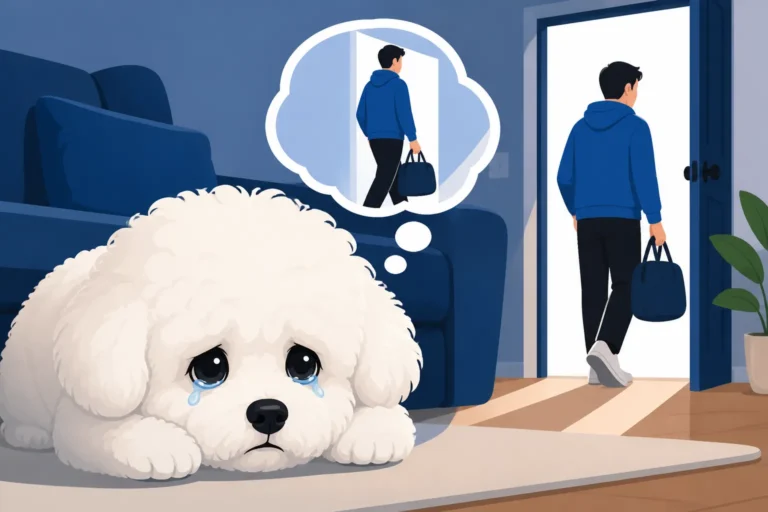
While every dog has their preferences, the merry Bichon Frise generally displays a good degree of adaptability. They tend to take changes in stride, whether it's a new routine, a car ride, or a visit to a new place. This isn't to say they don't have their moments of being a bit particular – some certainly do! – but their fundamental cheerfulness helps them adjust. They bounce back quickly from minor upsets, like being startled by a loud noise or having a toy momentarily confiscated. This resilience makes them less prone to anxiety in novel situations and more pleasant companions overall. They understand that life has its ups and downs, but a good mood is always within reach. Their core merry temperament allows them to be flexible and generally happy as long as they feel loved and included.
When Health Challenges Cloud a Bichon's Merriness
It's vital for any Bichon Frise owner to understand that even the merriest dog can have their spirit dampened by underlying health issues. A sudden change in temperament, a withdrawal from usual activities, or a reluctance to engage often points to physical discomfort rather than a shift in their core personality. It’s never "just being grumpy" if it’s out of character for your typically joyful Bichon.
Pain and Discomfort's Impact on Temperament
Pain is a significant factor that can extinguish a Bichon's merry spark. A dog that is usually eager to play might suddenly refuse, or one who loves cuddles might growl when touched in certain spots. Common issues like dental disease, arthritis, or even a minor injury can cause chronic discomfort that makes a dog less inclined to be cheerful. Imagine how you'd feel if you had a constant ache; it's hard to be truly merry. If your Bichon is suddenly withdrawn, grumpy, or snapping, a vet visit should be your first port of call. They can't tell us directly where it hurts, so we have to be vigilant observers of their behavior. For instance, a Bichon with a sore paw from a minor injury might be reluctant to run, affecting their playful disposition. This is especially true if you find yourself Handling a Bichon Frise Whose Skin Is Sore, as skin discomfort can be constant and frustrating for them.
How Chronic Conditions Can Alter Behavior
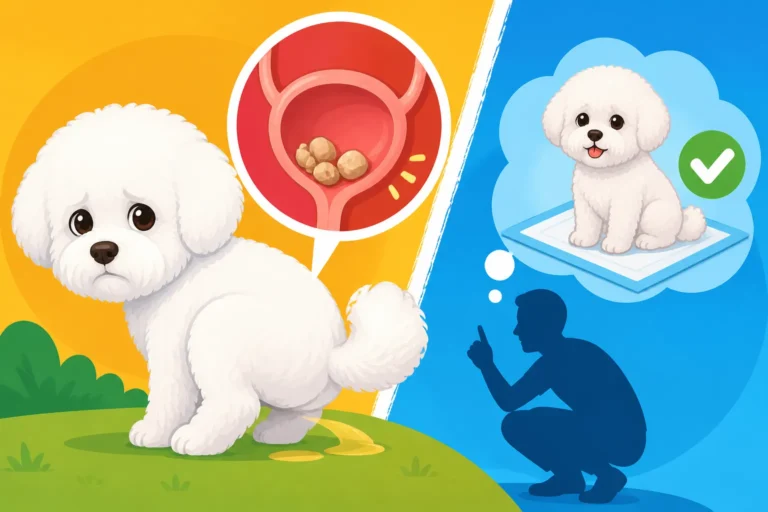
Bichon Frises are prone to certain chronic conditions that, even if not acutely painful, can significantly impact their overall well-being and, by extension, their temperament. Conditions such as allergies, bladder stones, or even early-stage Cushing's disease might not always present with overt symptoms like limping or vomiting. Instead, they might cause a general feeling of malaise, itchiness, increased thirst, or frequent urination, all of which can make a dog less enthusiastic about life. A dog constantly itching from What Atopic Dermatitis Does to a Bichon Frise will be far less merry than one with comfortable skin. Similarly, a dog with a urinary tract infection or developing stones might be uncomfortable, anxious about needing to go outside frequently, or in subtle pain, which can manifest as irritability or a lack of interest in play. These conditions require ongoing management to restore a dog's comfort and their merry disposition.
The Subtle Signs of a Less-Than-Merry Bichon
Sometimes, the changes are very subtle. It's not always a sudden snarl or limp. It might be a slight decrease in tail wags, a tendency to sleep more, a reluctance to jump on the sofa, or less enthusiastic greetings at the door. Perhaps they stop bringing you their favorite toy, or they're slower to respond to an invitation to play. They might start avoiding certain interactions or places. These small shifts are often the earliest indicators that something is amiss. As owners, we know our dogs best, and noticing these nuanced changes is crucial. Keeping a close eye on their routines, appetite, energy levels, and social interactions can help you catch these subtle signs early, allowing for prompt veterinary attention and hopefully, a swift return to their usual merry selves.
Cultivating and Preserving Your Bichon's Joyful Spirit
The good news is that while some of the Bichon's merriness is inherent, a significant portion of it can be nurtured and preserved through the right environment, care, and understanding. As their guardians, we play a crucial role in ensuring their happiness and well-being.
Providing a Stimulating and Secure Environment
A merry Bichon thrives in an environment that is both stimulating and secure. They need opportunities to play, explore, and interact, but also a safe, predictable space where they can relax. This means having a variety of toys, both for independent play and for interaction with you. Puzzle toys from brands found on Amazon can be fantastic for mental stimulation, keeping their sharp minds engaged. Regular walks and playtime in a secure yard or park provide physical exercise and mental enrichment. Equally important is a comfortable, safe place to call their own, like a cozy bed or crate, where they can retreat when they need quiet time. A consistent routine also provides a sense of security, helping to prevent anxiety that could chip away at their joyful demeanor.
The Role of Consistent Training and Socialization
Consistent, positive reinforcement training is key to building a confident and merry Bichon. Training isn't just about teaching commands; it's about building a strong bond and clear communication between you and your dog. A dog that understands what's expected of them, and is rewarded for good behavior, is a happier, more confident dog. Early and ongoing socialization is also paramount. Exposing your Bichon puppy to a variety of sights, sounds, people, and other well-behaved dogs in a positive way helps them develop into a well-adjusted, friendly adult. Puppy classes, like those offered by BAXTER & Bella, can be invaluable for this, providing structured opportunities for learning and social interaction. A well-socialized Bichon is less likely to be fearful or anxious, allowing their natural merriness to shine through. Teaching your Bichon even simple cues, like Teaching a Bichon Frise a Quiet Cue, can boost their confidence and your bond.
Proactive Healthcare and Wellness for Lifelong Merriness
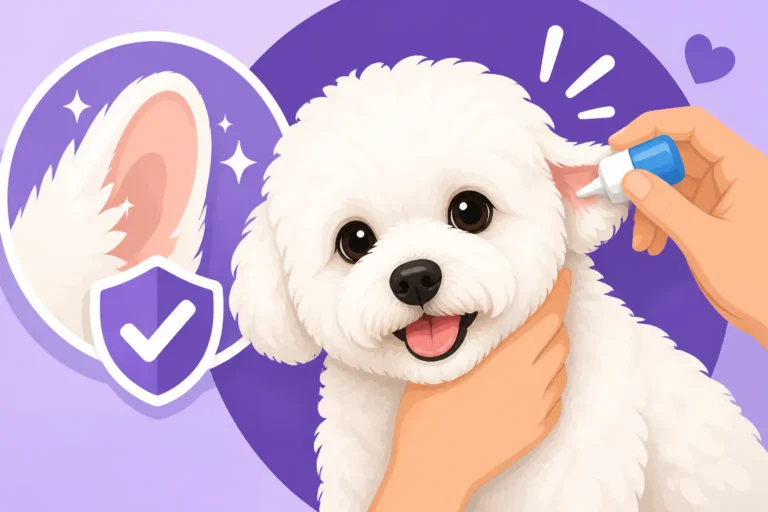
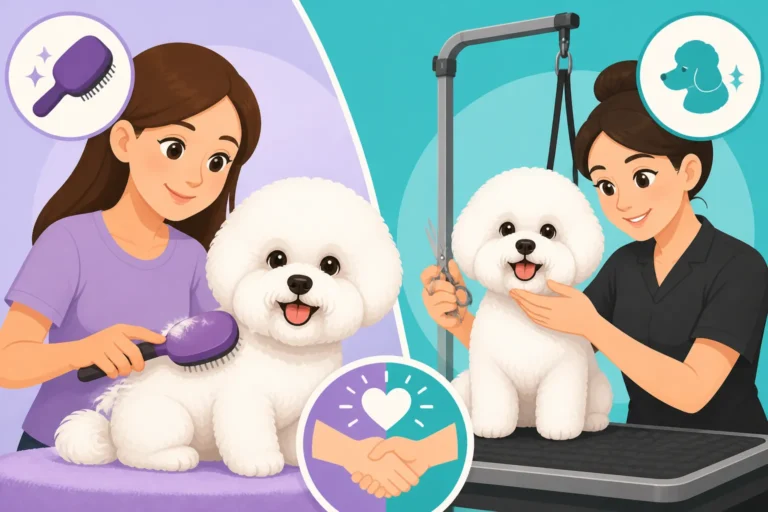
Preventative healthcare is perhaps the most important factor in preserving a Bichon's merry spirit. Regular vet check-ups, appropriate vaccinations, parasite control, and a high-quality, balanced diet are non-negotiable. Being proactive means addressing potential health issues before they become significant problems. This includes proper dental care, as painful teeth can quickly turn a happy dog into a miserable one, and regular grooming to prevent painful mats that can cause skin irritation. Monitoring their weight is also crucial, as obesity can lead to joint problems and other health issues. Remember, a healthy dog is a happy dog, and a happy dog is a merry Bichon. Staying on top of their health is truly What a Bichon Frise Needs Every Day to thrive.
Differentiating True Merriness from Similar Traits
Sometimes, what appears to be "merry" behavior might actually be something else entirely. It’s important for owners to learn to distinguish genuine joy and good nature from behaviors that might stem from anxiety, poor training, or even underlying issues. Understanding the nuances helps you address the root cause and support your Bichon better.
Energetic Play Versus Anxiety-Driven Behavior
A truly merry Bichon's play is joyful, reciprocal, and often accompanied by loose, happy body language. They might do the "zoomies" – that sudden burst of energy where they race around – which is a perfectly normal expression of high spirits. However, sometimes excessive, frantic energy, or repetitive behaviors, can be mistaken for playfulness but actually stem from anxiety or stress. For example, a dog that incessantly chases its tail or appears hyper-vigilant might be expressing underlying nervousness rather than pure joy. Similarly, a dog that runs around frantically without engaging with toys or people might be burning off anxious energy. Observant owners will notice the difference in their dog's overall demeanor, the context of the behavior, and whether the dog seems genuinely relaxed and happy during the activity. For instance, the infamous The Bichon Blitz and What It Means is generally joyful, but distinguishing it from stress-induced running is important.
Attention-Seeking vs. Genuine Sociability
A merry Bichon is genuinely sociable, enjoying interaction for its own sake. They love being near their family, appreciate a good cuddle, and are happy to engage in a game. However, some dogs learn that certain behaviors, even negative ones, can garner attention. Persistent barking, nudging, pawing, or even destructive behaviors can sometimes be attention-seeking tactics rather than expressions of a naturally sociable disposition. A truly social Bichon will respond well to positive attention and enjoy quiet companionship, not just demand interaction. If your Bichon seems to constantly be "on" and needing your focus, it might be worth assessing if they are genuinely seeking connection or have learned that being demanding gets them what they want. It’s a subtle but important distinction in ensuring a healthy bond.
The Fine Line Between Assertiveness and Aggression
A merry Bichon is not typically aggressive. They are confident but gentle. However, sometimes assertiveness can be misinterpreted, or conversely, early signs of aggression can be dismissed as "just being a spunky Bichon." A confident Bichon might stand their ground, politely decline an unwanted interaction, or show clear body language when they've had enough. This is healthy assertiveness. Aggression, on the other hand, involves behaviors like growling, snarling, snapping, or biting, even if subtle. It's crucial not to dismiss these signs, especially if they appear suddenly. While rare for a true Bichon temperament, any sign of aggression should be taken seriously and investigated by a professional behaviorist or vet to ensure the dog's well-being and the safety of those around them. This is where proper training and socialization, discussed in topics like Whether a Bichon Frise Is Stubborn, become crucial to guide their confident nature.
The following table summarizes some key differences to help differentiate true merriness from other behaviors:
| Behavior Trait | Signs of True Merriness | Signs of Potential Underlying Issues (Not Merriness) |
|---|---|---|
| Playfulness | Loose body, wagging tail, reciprocal play, varied games. | Frantic, repetitive play, panting, unengaged eyes, self-soothing behaviors. |
| Sociability | Relaxed greetings, seeks gentle attention, enjoys presence. | Demanding barks, constant nudging, clinginess, over-excitement (hyper-arousal). |
| Energy Levels | "Zoomies" followed by quick settling, eager for walks. | Inability to settle, constant pacing, destructive chewing despite exercise. |
| Vocalizations | Happy barks during play, alert barks, soft greetings. | Persistent, high-pitched barking, growling during normal handling/interaction. |
| Adaptability | Takes new experiences in stride, recovers quickly from upsets. | Extreme fear of novelty, withdrawal, freezing, or aggression in new situations. |
| Physical Health | Healthy coat, clear eyes, good appetite, comfortable movement. | Dull coat, discharge, weight changes, reluctance to move, sensitivity to touch. |
Disclaimer
This article is for general informational purposes only and does not constitute professional advice. Laws, prices and regulations vary by location and change over time. Consult a qualified professional for guidance on your specific situation.