Whether a Bichon Frise Is Ever Aloof
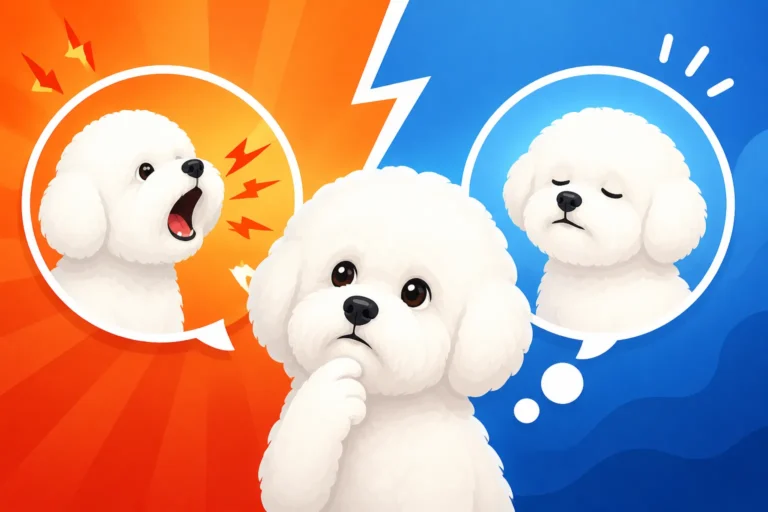
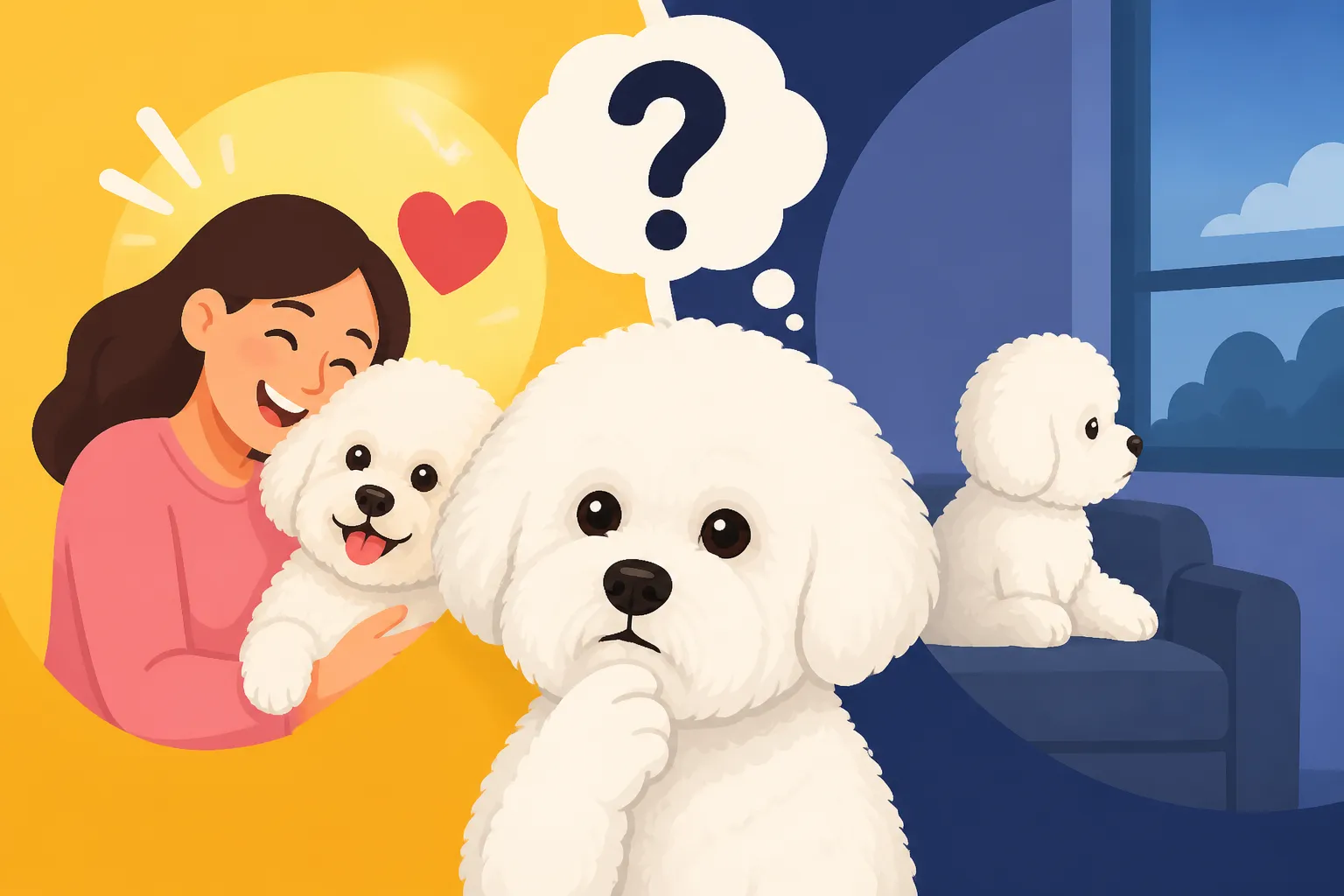
It's incredibly disheartening when your beloved Bichon Frise, a breed celebrated for its cheerful and outgoing nature, suddenly seems distant or withdrawn. We often expect these little fluffy clouds of joy to be perpetually "merry," as their breed standard suggests, so encountering what feels like aloofness can leave you feeling confused, worried, and even a little rejected. This guide aims to explore whether a Bichon Frise can genuinely be aloof, what might cause such behavior, and how you can help your furry friend rediscover their natural zest for life and connection.
The Hallmark Merry Temperament of a Bichon Frise
Let's be clear from the outset: true aloofness is not a characteristic of a well-adjusted Bichon Frise. These dogs are renowned for their effervescent personalities, their love of companionship, and their generally happy-go-lucky disposition. When you picture a Bichon, you envision a playful, affectionate, and utterly charming little dog, eager to engage with its family and often, with strangers too. This breed thrives on interaction and being at the heart of family life.
What the Breed Standard Emphasizes
The official breed standards, such as those from the American Kennel Club, consistently highlight the Bichon Frise's cheerful, outgoing, and playful nature. Words like "merry," "charming," and "gay" are frequently used to describe their temperament. They are meant to be intelligent, sensitive, and naturally sociable, flourishing in environments where they receive plenty of attention and affection. It's this innate desire for connection that makes them such wonderful companion dogs. They're often described as having a permanent smile on their face, and their tail is usually wagging, a clear indicator of their contented and approachable demeanor. For more on this, you might find The Merry Temperament the Bichon Frise Standard Demands a helpful read.
A healthy, well-socialized Bichon Frise is typically quite adaptable and enjoys being part of various activities, from a quiet evening on the couch to an energetic romp in the park. They form strong bonds with their human companions and often seek out physical closeness, whether it's cuddling on your lap or simply being in the same room. They're not usually the type of dog to hide away or ignore overtures of affection. Their default setting is one of joyful engagement, not detached observation.
The Expectation of an Engaging Companion
When you choose a Bichon Frise, you're usually doing so with the expectation of welcoming a vibrant, interactive pet into your home. This expectation is rooted in the breed's historical role as a companion dog, known for entertaining royalty and charming families with their antics. They were bred to be lap dogs, entertainers, and loyal friends, roles that demand an engaging and responsive personality. So, when a Bichon deviates from this expected norm and appears aloof, it can be quite alarming for an owner.
This natural outgoingness means they typically enjoy meeting new people and other friendly animals, though proper socialization is always key to fostering this confidence. They tend to be curious and bold rather than timid or reserved. An owner's ideal experience with a Bichon usually involves a dog that greets them enthusiastically, follows them from room to room, and readily participates in playtime. If your Bichon isn't doing these things, it's natural to wonder why and what might be going on beneath the surface.
When a Bichon Frise Seems Aloof: Deciphering the Reasons
If your Bichon Frise is displaying behavior that seems aloof or withdrawn, it's rarely because they've suddenly decided to be emotionally distant for no reason. Instead, it's almost always a sign that something deeper is at play. Their inherent nature is to be friendly, so a change in temperament is a clear signal that an underlying issue needs to be investigated. This could range from physical discomfort to emotional distress or a lack of proper foundational experiences.
Fear, Anxiety, or Trauma
One of the most common reasons a Bichon might appear aloof is underlying fear or anxiety. A dog that is afraid may retreat, avoid eye contact, or seem uninterested in interaction because they are feeling overwhelmed or unsafe. This isn't true aloofness; it's a coping mechanism. For instance, a Bichon who has experienced a traumatic event, like being roughly handled by a child or attacked by another dog, might become wary of similar situations or individuals. This caution can manifest as avoidance, which to an observer might look like indifference.
Consider a scenario where your Bichon was once outgoing but suddenly starts to shy away from visitors, retreating to another room when the doorbell rings. This isn't them being rude; they might associate visitors with a past negative experience, like a loud voice or an accidental step on their paw. This fear can cause them to shut down. Even subtle changes in routine or environment can trigger anxiety in sensitive dogs, leading them to withdraw. If you suspect fear is at play, providing a safe, quiet space for them to retreat to can be incredibly helpful. An appropriately sized crate, made comfortable with soft bedding, can be a great den for them to feel secure, and you can find many options on Amazon.
Undersocialization or Lack of Exposure
Another significant factor leading to seemingly aloof behavior is insufficient socialization during crucial developmental periods. A Bichon Frise puppy, like any young dog, needs to be exposed to a wide variety of sights, sounds, smells, people, and other friendly dogs in a positive and controlled manner. Without this early, consistent exposure, they can grow up to be fearful or uncertain in new situations. This isn't aloofness by choice; it's a lack of understanding how to interact confidently with the world around them. For guidance on early development, see The First Year With a Bichon Frise Puppy.
Imagine a Bichon puppy who spent its first few months in a very quiet home, rarely encountering strangers or going to new places. When suddenly faced with a busy park or a bustling family gathering, this dog might become overwhelmed, freezing up or trying to hide. Their lack of prior positive experiences means they haven't learned that new situations can be enjoyable. They don't know how to engage, so they disengage. This can easily be mistaken for being standoffish or unapproachable when in reality, they're simply unequipped to handle the stimuli. Investing in a comprehensive online training program, like those offered by BAXTER & Bella, can provide structured socialization guidance even if you missed some early opportunities.
Pain or Discomfort
Perhaps the most crucial reason to investigate when a Bichon Frise becomes withdrawn is physical pain or discomfort. Dogs, being masters of masking pain, will often change their behavior rather than overtly cry out. A dog that is hurting might become less tolerant of being touched, might avoid play, or might simply lie in one spot, appearing disengaged. What looks like aloofness could be their way of saying, "I hurt, please don't touch me." This is especially true for Bichons, who are prone to certain health issues that can cause chronic pain.
For example, a Bichon suffering from arthritis, a luxating patella (Slipping Kneecaps in a Bichon Frise), or even something as seemingly minor as a persistent ear infection (Recurrent Ear Infections in a Bichon Frise) might not want to jump on your lap or play their usual games. They might avoid certain movements or simply conserve energy, leading them to seem less interactive. If your normally cuddly Bichon suddenly starts moving away when you reach to pet them, especially over a particular area, a vet visit is absolutely in order. It's not that they don't love you; it's that they are in pain and trying to protect themselves.
Distinguishing True Aloofness from Other Behaviors
It's vital for Bichon Frise owners to understand that what appears to be aloofness might actually be a symptom of something else entirely. True aloofness, as in an intentional detachment or disinterest, is rare for the breed. More often, it's a misinterpretation of behaviors rooted in fear, pain, stress, or even just being tired. Learning to "read" your dog's body language and considering the context of their actions can help you pinpoint the real issue.
Shyness vs. Aloofness
Shyness is distinct from aloofness. A shy Bichon might avoid direct eye contact, lower their body, tuck their tail, or even tremble slightly when new people or situations arise. They might back away or try to hide behind your legs. However, given enough time, gentle reassurance, and positive experiences, a shy Bichon will often warm up and eventually seek interaction. Their initial reluctance isn't a lack of interest; it's a lack of confidence. They want to engage, but they're scared.
An aloof dog, on the other hand, would typically show a general lack of interest or acknowledgement, without the overt signs of fear. They might simply turn their head, walk away with a neutral posture, or ignore commands, rather than displaying apprehension. With a Bichon, however, even these "aloof" signs are usually a deeper signal of discomfort or anxiety. For instance, if your Bichon ignores your call from across the room, it could be that they're feeling insecure in that particular space, rather than genuinely choosing to disregard you. They might be scanning for threats or simply feeling overwhelmed by their surroundings.
Illness or Pain vs. Emotional Detachment
As we touched upon, physical ailments are a major cause of behavioral changes that can mimic aloofness. A dog that isn't feeling well or is in pain will naturally conserve energy and avoid activities that exacerbate their discomfort. They might sleep more, be less enthusiastic about walks or playtime, and resist being handled, even by their most trusted family members. This isn't emotional detachment; it's a physiological response to feeling unwell.
A classic example is a Bichon with bladder stones. The discomfort and frequent urge to urinate might make them restless, less playful, and perhaps even irritable if they are trying to manage their pain. They might be less inclined to cuddle or engage because they're simply not feeling up to it. The First Signs a Bichon Frise Has Stones can give you an idea of what to look for. Similarly, a dog with dental disease might be reluctant to play with toys or even eat, which can manifest as a lack of enthusiasm. Observing any other subtle physical changes – a limp, a change in appetite, increased panting, or difficulty getting comfortable – is crucial. A physical exam by a vet is always the first step if a behavioral change is sudden and unexplained.
Overwhelm or Stress vs. Indifference
Sometimes, a Bichon Frise might appear aloof because they are simply overwhelmed by too much stimulation or are experiencing chronic stress. This isn't indifference; it's a protective mechanism where their brain is trying to cope with an overload of information or a perceived threat. A busy household with constant activity, loud noises, or a lack of predictable routine can be very stressful for some dogs, even outgoing breeds.
Imagine your Bichon at a large, bustling family gathering with many new faces, loud conversations, and children running around. Instead of engaging, they might retreat under a table or find a quiet corner and simply observe, or even fall asleep. This isn't them being rude or disinterested; they're trying to manage an environment that's too much for their sensory system. They might be so overstimulated that they can't process requests or engage in play. Providing a calm, quiet retreat for your Bichon is crucial in such situations, allowing them to decompress and feel safe. This kind of thoughtful management can prevent long-term stress that might otherwise make them seem perpetually disengaged.
Cultivating a Confident and Engaged Bichon Frise
If you suspect your Bichon Frise is exhibiting behaviors that appear aloof, the good news is that there are many proactive steps you can take to help them. Understanding the root cause is the first step, and then implementing strategies tailored to address that specific issue. The goal is always to build confidence, reduce stress, and ensure their physical and emotional well-being.
Building Positive Associations
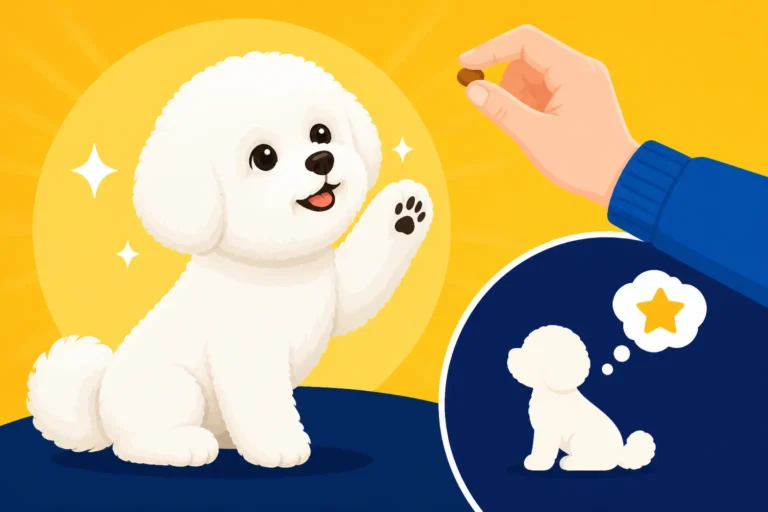
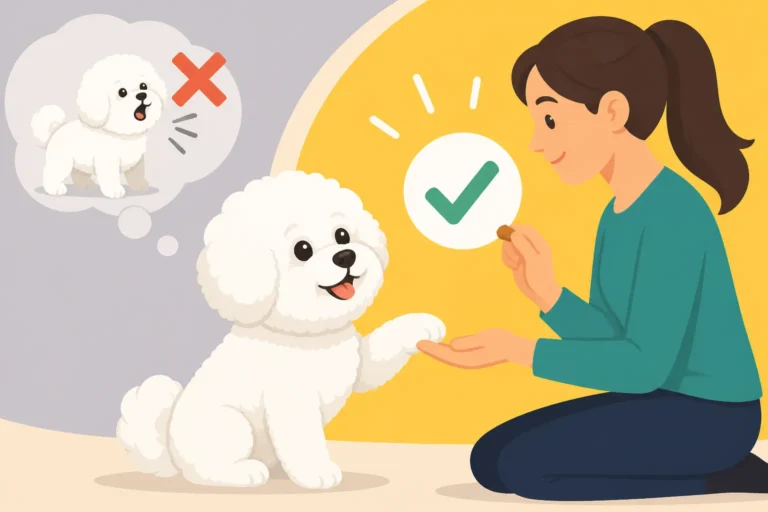
For a Bichon who seems shy or fearful, the key is to create positive associations with the things that trigger their withdrawal. This is a gradual process that requires patience and consistency. If your dog is fearful of new people, don't force interaction. Instead, ask visitors to ignore your dog initially, perhaps tossing a high-value treat on the floor near them without making eye contact. Over time, your Bichon will start to associate new people with good things (treats!) and less pressure.
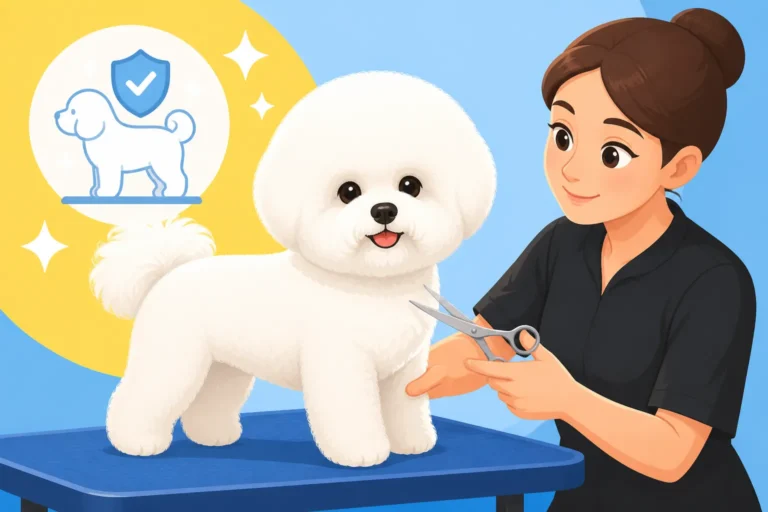
This approach applies to various situations. If they are wary of the grooming table, start by simply praising and rewarding them for standing near it, then for putting one paw on it, and so on. Never rush or punish them for their fear, as this will only intensify their negative associations. Positive reinforcement, using treats, praise, and gentle encouragement, is your most powerful tool. Consistency is key; small, frequent positive interactions are far more effective than infrequent, intense ones. A variety of high-quality treats can be found easily on Amazon to help with this.
Providing a Safe and Predictable Environment
A stable and predictable environment goes a long way in helping a Bichon Frise feel secure and confident. Dogs thrive on routine, knowing what to expect and when. This includes consistent feeding times, regular potty breaks, and predictable exercise routines. If your Bichon is prone to anxiety, minimize sudden changes in their environment or schedule as much as possible.
Creating a designated "safe space" where they can retreat when feeling overwhelmed is also crucial. This could be a comfortable dog bed in a quiet corner, a soft crate, or even a small room where they won't be disturbed. Teach your Bichon that this space is their sanctuary, a place where good things happen (like receiving a special chew toy) and where they can always feel secure. This personal haven gives them control and reduces the need to appear aloof as a coping mechanism. Ensuring this safe space is always available can make a huge difference to their overall emotional stability.
Engaging with Enrichment and Play
Mental and physical enrichment are vital for a Bichon Frise's overall well-being and can help to combat withdrawn behaviors. A bored or under-stimulated dog might appear lethargic or disinterested simply because their needs aren't being met. Regular playtime, interactive toys, and short training sessions can boost their confidence and reinforce their bond with you.
Consider puzzle toys that dispense treats, which engage their problem-solving skills, or simply engaging in a game of fetch with their favorite squeaky toy. Short, positive training sessions using positive reinforcement can also be incredibly beneficial. Learning new cues or tricks not only provides mental stimulation but also builds their confidence and strengthens your communication. For ideas on what motivates them, check out What a Bichon Frise Will Work For. Even five to ten minutes of focused, fun activity a few times a day can make a remarkable difference in their engagement levels and help prevent them from retreating into themselves.
The Role of Socialization and Ongoing Training in Bichon Frise Development
Early and consistent socialization, coupled with ongoing positive reinforcement training, are cornerstones in raising a well-adjusted, confident, and engaging Bichon Frise. These practices help prevent fear-based behaviors that might be mistaken for aloofness and ensure your Bichon feels comfortable and happy in a variety of situations.
Early Socialization Foundations
The critical socialization window for puppies typically closes around 16 weeks of age. During this time, it's essential to introduce your Bichon Frise puppy to a diverse range of positive experiences. This includes meeting different people (men, women, children of various ages), other friendly, vaccinated dogs, and being exposed to different environments (parks, stores that allow dogs, car rides) and sounds (traffic, household noises). Each positive encounter builds their confidence and teaches them that the world is a safe and interesting place, not something to be feared.
However, it's important that these exposures are always positive and never overwhelming. A bad experience during this sensitive period can have lasting negative effects. Always ensure safety and positive outcomes, even if it means carrying your puppy or having them observe from a distance at first. If you have an older Bichon who missed out on early socialization, it's never too late to start, but the process will likely be slower and require more patience. A structured online program, like the Puppy S.T.A.R.T.er program from BAXTER & Bella, can provide excellent guidance on safe and effective socialization techniques for new puppies and older dogs alike. This program provides step-by-step instructions on how to introduce new experiences in a controlled manner, fostering confidence rather than fear.
Consistent Positive Reinforcement Training
Ongoing training isn't just about teaching commands; it's about building a language between you and your Bichon, strengthening your bond, and fostering their confidence. Using positive reinforcement methods – rewarding desired behaviors with treats, praise, or toys – makes training a fun and engaging activity for your dog. This positive interaction reinforces their trust in you and encourages them to actively participate.
Training helps your Bichon understand what is expected of them, reducing confusion and anxiety in new situations. For example, a well-trained "stay" can help them remain calm when visitors arrive, rather than feeling the need to retreat. A strong "come" cue ensures their safety and your peace of mind in varied environments. Moreover, achieving small training successes boosts their confidence, making them more likely to engage with you and their surroundings. Consistent training, even just 10-15 minutes a day, maintains their mental sharpness and keeps them connected. Consider how How Fast a Bichon Frise Learns a New Cue can impact your training strategy.
Preventing Fear-Based Behaviors
Effective socialization and training are powerful tools in preventing the development of fear-based behaviors that often masquerade as aloofness. By proactively exposing your Bichon to a variety of situations and teaching them appropriate responses, you equip them with the resilience to navigate new experiences confidently. This means they are less likely to react with fear or withdrawal when faced with the unknown.
For example, if your Bichon is well-socialized to different types of people, they are less likely to bark incessantly at delivery drivers or hide when guests come over. If they have learned good leash manners, they are more likely to enjoy walks and confidently explore new places. The more positive experiences a Bichon has, the less likely they are to develop anxieties that would lead to them shutting down or appearing disinterested. By investing in these foundational elements, you're not just training a dog; you're nurturing a truly confident, happy, and inherently sociable Bichon Frise.
Addressing Underlying Health Concerns Mimicking Aloofness
When a normally outgoing and affectionate Bichon Frise suddenly or gradually becomes withdrawn, quiet, or seems aloof, it's critical to consider their physical health. Dogs are incredibly adept at hiding pain and discomfort, and a change in behavior is often the only indicator that something is wrong. What looks like emotional detachment could very well be a silent plea for help.
The Importance of a Veterinary Check-up
Any unexplained behavioral change in a Bichon Frise, especially a sudden shift towards withdrawal or irritability, warrants an immediate visit to your veterinarian. Your vet can perform a thorough physical examination to check for any underlying medical conditions. This might include checking their joints for pain, their ears for infections, their teeth for dental disease, and their abdomen for discomfort. Blood tests or imaging might also be recommended to rule out systemic illnesses that could be causing them to feel unwell.
Conditions like arthritis, chronic ear infections, back pain, or even internal organ issues can make a dog less inclined to move, play, or be handled. They might become reluctant to jump on furniture, struggle with stairs (Whether Stairs Damage a Bichon Frise's Knees), or simply spend more time resting. If they flinch when touched in a certain area, or groan when they lie down, these are all signs of pain that need veterinary attention. It's not that your Bichon suddenly wants to be alone; it's that physical discomfort is making interaction painful or undesirable. Don't delay a vet visit if you notice these changes.
Common Bichon Frise Health Issues to Consider
Bichon Frises, like many purebred dogs, have predispositions to certain health conditions that can impact their behavior. Being aware of these can help you and your vet narrow down potential causes if your dog is exhibiting "aloof" tendencies.
Common Health Issues and Potential Behavioral Impact:
| Health Issue | Potential Behavioral Symptoms (Mimicking Aloofness) | Why it might cause "aloofness" |
|---|---|---|
| Bladder Stones | Frequent straining, accidents, increased thirst, restlessness, reluctance to play. | Pain during urination or chronic discomfort makes them irritable and less engaging. |
| Luxating Patella | Limping, "skipping" gait, reluctance to jump or run, favoring a leg. | Pain in the knee joint makes physical activity and playful interactions difficult. |
| Dental Disease | Decreased appetite, bad breath, pawing at mouth, reluctance to chew. | Oral pain can make eating and playing with toys uncomfortable, reducing overall engagement. |
| Allergies/Skin Issues | Excessive scratching, licking, paw chewing, ear infections, restless sleep. | Constant itching and discomfort can lead to irritability, distraction, and withdrawal. |
| Cushing's Disease | Increased thirst/urination, pot-belly, thinning coat, lethargy, muscle weakness. | General malaise, weakness, and discomfort from the disease can reduce energy and enthusiasm. |
| Arthritis | Stiffness, difficulty moving, reluctance to jump or play, irritability when touched. | Joint pain makes movement difficult and can lead to grumpiness if handled roughly. |
It’s easy to dismiss some of these signs as "just getting old" or "being lazy," but for a Bichon, any deviation from their typically active and joyful self warrants investigation. For example, if your Bichon is licking their paws raw, it might not just be a habit; it could be severe allergies causing discomfort, which in turn makes them less interested in other activities. What Atopic Dermatitis Does to a Bichon Frise goes into more detail on this common skin condition.
The Link Between Physical Well-being and Mental State
It's undeniable that a dog's physical health profoundly impacts their mental and emotional state. A Bichon Frise who is constantly dealing with pain, chronic itching, or other health challenges cannot be expected to maintain their naturally merry disposition. When their body is in distress, their behavior will reflect that. They might become grumpier, more sensitive, or simply withdraw into themselves as a coping mechanism.
Treating the underlying medical condition is often the fastest and most effective way to see your Bichon's personality return to normal. Once their pain is managed, their itching alleviated, or their illness brought under control, you'll likely see their characteristic playfulness and affectionate nature re-emerge. Always work closely with your veterinarian to develop a comprehensive treatment plan, which might include medication, dietary changes (like a prescription diet for urinary stones, as discussed in The Diet a Bichon Frise Stays On for Life), or even surgery. Addressing their physical needs is paramount to restoring their emotional well-being and ensuring they don't appear aloof out of necessity.
Disclaimer
This article is for general informational purposes only and does not constitute professional advice. Laws, prices and regulations vary by location and change over time. Consult a qualified professional for guidance on your specific situation.