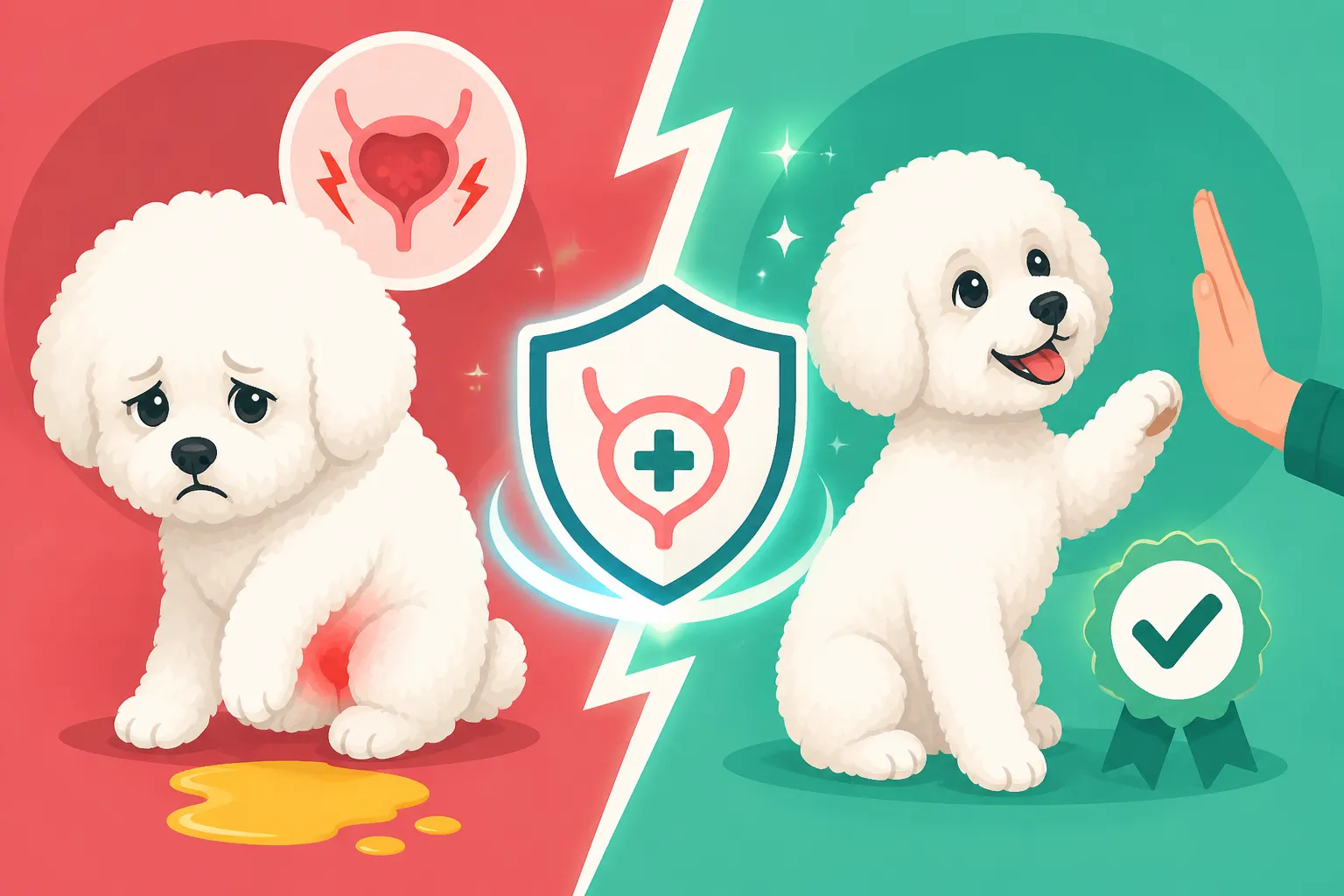
Whether a Urinary Infection Undoes a Bichon Frise’s Training
It’s a truly disheartening moment for any Bichon Frise owner when their diligently housetrained little fluff ball suddenly starts having accidents indoors again. You’ve worked so hard, celebrated every successful outdoor potty, and then, seemingly out of nowhere, you find puddles or worse. Before you despair and think all your training efforts are undone, it’s crucial to understand that a sudden regression often points not to a lapse in discipline, but to an underlying medical issue, especially a urinary tract infection (UTI). This guide will walk you through how a UTI can completely derail your Bichon Frise's housetraining, how to spot the signs, and what steps to take to get your beloved companion back on track and feeling comfortable.
Understanding the Link Between Urinary Infections and Housetraining
For a breed often described as "famously hard to housetrain" from the get-go, a urinary tract infection can feel like an absolute setback of epic proportions. It's not just a minor inconvenience; it fundamentally changes how your dog's bladder functions and how they perceive their toilet habits. When your Bichon, who once reliably signaled to go outside, suddenly starts having accidents inside, it’s rarely a defiant act. It’s their body signaling distress, and that distress directly impacts their ability to maintain their housetraining.
How a UTI Affects a Bichon Frise's Bladder Control
Imagine having a constant, uncomfortable urge to use the restroom, coupled with pain or burning, and an inability to "hold it" like you normally would. That's a pretty close approximation of what a Bichon Frise experiences with a urinary tract infection. The bacteria irritate the bladder lining, causing inflammation and increasing the frequency and urgency of urination. Their bladder simply can't hold as much urine, and the signals to their brain to "go now" become much stronger and more immediate than what their trained habits can handle. This isn't a willful disobedience; it's a physical compulsion that overrides their learned behavior.
Because the discomfort can be acute, your Bichon may squat frequently, even just producing a few drops of urine each time. They might not even make it to the door, let alone outside. The urge is so overwhelming that they relieve themselves wherever they are, often in places they'd never normally consider, leading to messes you haven't seen since puppyhood. This can be especially frustrating if you’ve been so proud of their progress, sometimes wondering Whether a Bichon Frise's Small Bladder Is the Problem even without infection.
Differentiating Training Regression from Medical Issues
It's easy to jump to conclusions and assume your dog has "forgotten" their training or is being spiteful. However, true training regression, where a dog simply decides not to adhere to learned rules, usually shows up differently. A dog who has forgotten training might just be inconsistent or easily distracted, but they won't typically exhibit the sudden, urgent, and frequent urination seen with a UTI. If your Bichon is suddenly having multiple accidents a day, especially after being reliably housetrained for months or years, the first thought should always be a medical one.
Consider the context: if your Bichon is otherwise acting normally, but just having accidents, it might be a training lapse. But if you notice other subtle changes—like drinking more water, licking their genital area excessively, or even seeming a bit lethargic or off-color—these are big clues pointing towards a medical problem. It's also worth noting that problems like Whether Frequent Squatting Means Stones Not Training can also present similarly, which emphasizes the need for veterinary attention.
Why Bichon Frises Are Prone to UTIs
Unfortunately, Bichon Frises, like many small breeds, can be more susceptible to urinary tract issues. Their anatomy, particularly in females, can sometimes make them more prone to bacteria entering the urethra. Factors like a thick coat around the urinary opening (which can trap moisture and bacteria), or even underlying issues like bladder stones, can predispose them to infections. These tiny anatomical quirks, combined with their dense, non-shedding coats that can sometimes obscure symptoms, mean owners need to be extra vigilant.
Their propensity for certain types of bladder stones, such as calcium oxalate stones, can also complicate matters. While a UTI is distinct from stones, an infection can sometimes be a precursor or occur concurrently with stones, or even be confused with the discomfort stones cause. This breed often finds itself high on the list for urinary problems, so any change in urination habits should always be taken seriously.
Recognizing the Signs of a Urinary Infection
Spotting a urinary infection in your Bichon Frise can sometimes be tricky because they're such stoic little dogs, and their fluffy white coats can hide a lot. However, knowing what to look for can help you get them the treatment they need quickly, minimizing discomfort and preventing further housetraining setbacks.
Subtle Behavioral Changes to Watch For
Sometimes, the first signs aren't as obvious as a puddle on the floor. Pay close attention to subtle shifts in their normal routine or demeanor. Your Bichon might start asking to go out more often than usual, pacing restlessly by the door, or even whining in a way that’s different from their usual "play with me" vocalizations. They might seem more agitated or anxious, constantly shifting positions or struggling to get comfortable. You might also observe them squatting to urinate, then moving a few steps and squatting again, as if trying to relieve a persistent urge. This can easily be mistaken for a deliberate attempt to pee in multiple spots, rather than an underlying physical need.
Another common behavioral change is increased licking of their genital area. While dogs groom themselves, excessive or obsessive licking of this region is a strong indicator of irritation or discomfort. They might also appear to strain when trying to urinate, hunching their back more than usual, or taking longer in their squatting position without producing much urine.
Physical Symptoms That Indicate a Problem
Beyond behavioral cues, there are more direct physical symptoms that scream "urinary infection." The most obvious one is, of course, accidents in the house, particularly if your Bichon was previously well-housetrained. But look closer at those accidents:
- Blood in the urine: This can range from a faint pinkish tinge to noticeable red streaks. Don't panic, but take it seriously. Whether Blood in a Bichon Frise's Urine Means Stones or infection, it warrants a vet visit.
- Cloudy or strong-smelling urine: Normal dog urine is usually clear and has a mild odor. If it suddenly appears cloudy, murky, or has a very strong, pungent, or unusual smell, it's a red flag.
- Increased frequency of urination: Your Bichon might be asking to go out every hour or two, when normally they could hold it for much longer.
- Straining or difficulty urinating (dysuria): They might assume the position, strain, and only produce a few drops, or nothing at all. This is particularly concerning, as it can indicate a blockage, which is an emergency.
- Pain or sensitivity in the abdominal area: If your Bichon flinches, growls, or tries to bite when you touch their lower abdomen, it could be a sign of discomfort from bladder inflammation.
Keep a close eye on your dog's water intake as well. While some dogs with UTIs might drink more due to discomfort, others might not change their habits significantly. Monitoring these things helps paint a complete picture for your vet.
When to Contact Your Veterinarian
If you notice any of the behavioral or physical signs mentioned above, it's time to call your veterinarian. Do not wait. Urinary tract infections can escalate quickly, leading to kidney infections if left untreated, which are much more serious and painful. Furthermore, straining or inability to urinate, especially in male Bichons, can indicate a complete urethral obstruction, which is a life-threatening emergency. Whether a Straining Bichon Frise Is an Emergency cannot be overstated.
Your vet will likely ask for a fresh urine sample (they may collect one via cystocentesis for the most sterile sample) to perform a urinalysis and possibly a urine culture to identify the specific bacteria causing the infection and the most effective antibiotic. They might also suggest imaging, like X-rays or ultrasound, to rule out bladder stones, which can often accompany or predispose a dog to UTIs.
The Impact of a UTI on a Bichon Frise's Training
A urinary tract infection doesn't just cause physical discomfort; it creates significant behavioral and psychological fallout for your Bichon Frise, effectively "undoing" their housetraining in the most distressing way. Understanding this impact is crucial for a compassionate and effective recovery plan.
Psychological Effects of Discomfort and Accidents
Imagine being in constant pain and having no control over a basic bodily function. This is incredibly stressful for a dog. Your Bichon, who once took pride in pleasing you by toileting outside, suddenly finds themselves unable to meet those expectations. They might feel confusion, anxiety, and even fear when an accident happens, especially if they've been reprimanded for previous accidents in the past. This can lead to a dog who starts to sneak off to urinate, trying to hide their accidents because they anticipate a negative reaction. This isn't defiance; it's a learned response to feeling unwell and the perceived displeasure of their human.
The discomfort itself can make them more withdrawn or irritable. A dog in pain is less likely to engage in play or training, and their focus will be primarily on their internal discomfort. This means that even simple cues they once knew perfectly might be ignored, not out of stubbornness, but because they are too distracted by their physical state.
The Vicious Cycle of Punishment and Anxiety
One of the most damaging things an owner can do when a previously housetrained dog starts having accidents is to punish them. Punishment for accidents during a UTI is counterproductive and harmful. Your dog isn't choosing to have accidents; their body is betraying them. Punishing them for something they cannot control will only increase their anxiety, make them fearful of you, and teach them to hide their accidents even more effectively. This creates a vicious cycle: the dog has an accident due to a UTI, is punished, becomes anxious about urinating in front of you, tries to hide it, and the problem gets worse.
Instead of solving the problem, punishment creates new behavioral issues. If your Bichon associates peeing in front of you with punishment, they might become hesitant to urinate even when taken outside, holding it in for fear of your reaction. This can paradoxically worsen the infection or lead to further complications. Remember, Whether Punishing Accidents Sets a Bichon Frise Back applies even more so when there's an underlying medical issue.
Re-establishing Trust and Routine Post-Treatment
Once the UTI is diagnosed and your Bichon starts on antibiotics, you should begin to see an improvement in their symptoms within a few days. As the physical discomfort subsides, you can start the process of rebuilding trust and re-establishing their housetraining routine. It's vital to approach this with patience and understanding, acting as if you are housetraining a new puppy all over again.
Start with a clean slate. Use an enzymatic cleaner like those found on Amazon to thoroughly clean any accident spots indoors, eliminating residual odors that might attract your Bichon back to the same areas. Revisit a strict potty schedule: take your Bichon out frequently (every hour or two initially), praise and reward heavily for success outdoors, and supervise them closely indoors. Consider using a program like BAXTER & Bella, which offers structured training guidance, to help reinforce positive habits and rebuild your dog's confidence in their potty routine. Focus entirely on positive reinforcement. If an accident happens, clean it up without fuss or scolding. Your goal is to make going potty outside a positive, rewarding experience every single time. The Toilet Routine That Finally Works on a Bichon Frise should be reviewed and implemented with renewed dedication.
Supporting Your Bichon Frise During and After a UTI
Helping your Bichon Frise through a urinary tract infection and getting them back to their reliable housetraining isn't just about medication; it's about comprehensive care and patient re-training. Your support during this time is invaluable for their physical and emotional recovery.
Practical Steps to Manage Accidents During Treatment
While your Bichon is on medication, they will still likely experience urgency and accidents, especially in the first few days. Here’s how to manage it without stress:
- Increase potty breaks: Take your Bichon out much more frequently than usual. Set a timer if you need to, aiming for every 1-2 hours, especially after waking up, eating, or playing.
- Use potty pads or waterproof coverings: While ideally, you want your Bichon to go outside, during an active infection, an indoor potty solution can reduce stress for both of you. Place potty pads (available widely, including on Amazon) in designated areas. Waterproof covers on furniture and beds can also save your upholstery.
- Supervise closely: Keep your Bichon tethered to you or in a contained, easy-to-clean area when you can’t actively watch them. This helps you catch them before an accident happens, allowing you to quickly redirect them outside.
- Clean thoroughly: As mentioned, enzymatic cleaners are your best friend. They break down the urine at a molecular level, removing the scent that encourages repeat marking. Regular household cleaners often just mask the odor, which dogs can still detect.
Remember, this is a temporary phase. The goal is to minimize accidents and stress while the medication does its work, not to expect perfection from a dog that's not feeling well.
Reinforcing Positive Housetraining Habits
Once the infection clears and your Bichon is feeling better, it's time to diligently reinforce their housetraining.
- Consistency is key: Stick to a very consistent schedule for potty breaks, feeding times, and bedtime. Dogs thrive on routine, and after the disruption of an illness, predictability is even more comforting.
- High-value rewards: When your Bichon successfully goes potty outside, make it a party! Offer enthusiastic praise, a favorite treat, and maybe even a quick game of fetch. Make the outdoor experience highly rewarding.
- "Go potty" cue: Re-teach or reinforce a specific "go potty" command. Say it as they are squatting to urinate, then immediately praise and reward when they finish. This helps them associate the phrase with the action and can prompt them to relieve themselves on cue, which is incredibly helpful in the long run.
- Be patient: Some Bichons might take a little longer to regain their full confidence and reliability. Don't rush the process. If you find yourself needing structured guidance for retraining, programs like BAXTER & Bella can offer step-by-step videos and support to help you through the process, even when dealing with post-illness behavior.
Long-Term Prevention Strategies
Preventing future UTIs is crucial, especially given the Bichon Frise’s predisposition to urinary issues.
- Adequate hydration: Encourage your Bichon to drink plenty of water. This helps to flush bacteria from the bladder. Consider a pet water fountain (many good options on Amazon) to entice them, or add a bit of water to their meals. Whether Wet Food Suits a Bichon Frise Better is also a good question to explore with your vet for increasing water intake.
- Frequent potty breaks: Even after recovery, maintaining a schedule with regular potty breaks can help prevent urine from sitting in the bladder for too long, reducing the chance of bacterial growth.
- Good hygiene: For female Bichons, ensuring the area around the vulva is kept clean and trimmed can reduce the chance of bacteria migrating into the urethra. Regular grooming is essential for this breed, so be sure to discuss specific hygiene needs with your professional groomer.
- High-quality diet: Discuss your Bichon's diet with your vet. Sometimes, specific diets can help maintain urinary health, especially if your dog is prone to certain types of stones. Whether a Low Oxalate Diet Is Enough for a Bichon Frise is a common question for this breed.
- Regular vet check-ups: Routine veterinary visits are critical for early detection of potential issues. Your vet might recommend yearly urine tests, especially for breeds prone to urinary problems, to catch issues before they become full-blown infections or lead to stones. Whether a Bichon Frise Should Be Urine Tested Yearly is a topic well worth exploring with your veterinarian.
By understanding the real impact of a urinary infection, providing compassionate care, and implementing consistent preventative measures, you can help your Bichon Frise recover fully and get back to being the reliably housetrained, happy companion you know and love.
Disclaimer
This article is for general informational purposes only and does not constitute professional advice. Laws, prices and regulations vary by location and change over time. Consult a qualified professional for guidance on your specific situation.