Whether a Bichon Frise Signals When It Needs Out
It's a common, often exasperating, question for Bichon Frise owners: will my little fluffy cloud ever actually tell me when they need to go outside, or am I forever destined to interpret a frantic sniffing spree as a last-second potty emergency? Many of us wrestle with understanding our Bichon's subtle (or sometimes non-existent) signals, leading to frustration and, let's be honest, cleaning supplies. This comprehensive guide is here to shed light on how Bichons communicate their needs, how you can teach them to be clearer, and what to do when something feels off.
The Reality of Bichon Frise Potty Signals
Let's face it, no dog comes with a built-in "I need to pee!" button. And while some breeds might be more vocal or obvious in their requests, Bichon Frises can sometimes be a bit… enigmatic. Their signals can range from incredibly subtle to seemingly non-existent, leaving us scratching our heads and often cleaning up unexpected puddles. It's not a reflection of their intelligence, but often a combination of their small stature, quick metabolism, and sometimes, our own missed cues.
Why Expectations Differ from Reality
When you bring home that adorable Bichon puppy, you probably envision a future where they politely stand by the door, maybe even give a little whimper, to indicate their need. The reality often hits hard: a puppy that just goes without much preamble. This isn't just a Bichon thing, but it can feel particularly pronounced with small breeds. Their bladders are tiny, meaning they fill up quickly, and the urge can be sudden and intense. They might not have the luxury of holding it long enough to perform a grand announcement. Furthermore, many Bichons, especially as puppies, simply haven't learned how to communicate this specific need effectively. They communicate in their own way, through body language, but we, as humans, often aren't fluent in "dog speak." This can make the already challenging task of housetraining feel even more daunting. Why a Bichon Frise Is Famously Hard to Housetrain delves into more reasons behind these challenges.
Decoding Subtle Cues
While your Bichon Frise might not ring a bell on their own initiative right away, they do give signals. They're just often very subtle and easily missed if you're not paying close attention. Imagine a tiny white dog, often busy playing or napping, suddenly shifting. Here are some common, subtle cues that many Bichon owners learn to recognize:
- Sudden Sniffing and Circling: This is probably the most classic and often the last-minute signal. If your Bichon is suddenly sniffing the ground with intense focus, especially in an area they haven't been sniffing for toys or crumbs, it's a huge red flag. They might start circling or pacing restlessly.
- Restlessness or Pacing: Your calm, sleepy Bichon suddenly gets up and starts wandering around, looking a bit agitated. They might go towards the door, then hesitate, then walk away, only to return.
- Whining or Soft Barks: Some Bichons will give a soft whine or a single, low bark at the door. This is a dream scenario for many owners, but it's often a learned behavior rather than an innate one.
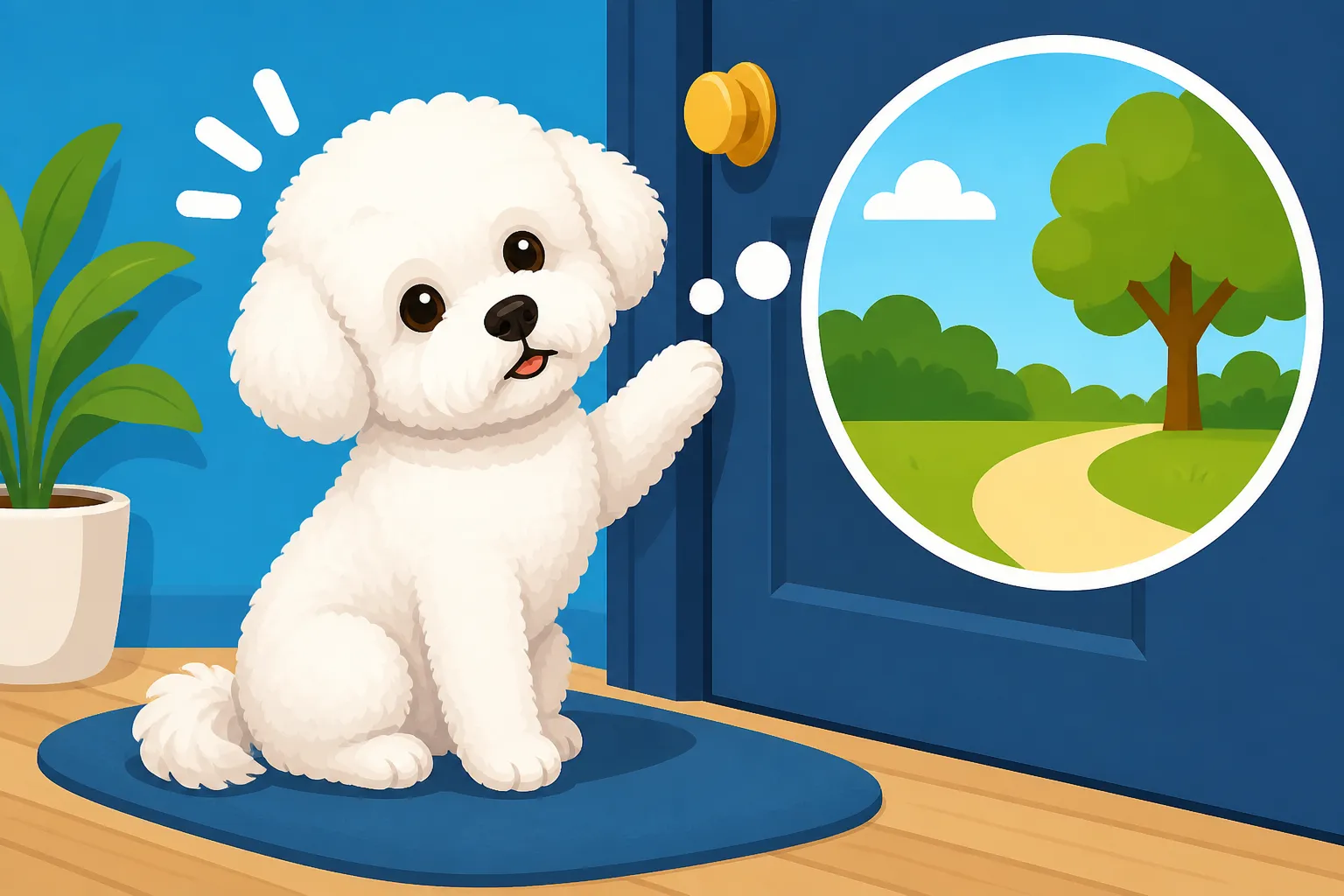
- Standing by the Door: They might just stand by the door, looking at it, then at you. No noise, just a silent plea. This is often the signal that we want them to give.
- Loss of Focus During Play: If your Bichon suddenly disengages from a game or playtime to quietly wander off, it could be a sign. They might be trying to find a secluded spot to relieve themselves.
- Squatting Posture (Before the Act): This is the most immediate pre-potty signal. If you see them drop into the squatting position, even for a split second, you know it's happening or about to happen. At this point, it's a mad dash to get them outside!
Learning these subtle cues requires vigilance and a lot of repetition. You'll start to notice patterns in your own dog's behavior. Observing them closely, especially after waking up, eating, or playing, will help you connect their actions to their needs.
Training Your Bichon Frise to Signal
The good news is that you can teach your Bichon Frise to give a clear signal. It takes patience, consistency, and positive reinforcement, but it's absolutely achievable. The goal is to create a strong association between their need to go out and a specific, easily recognizable action.
Bell Training
Bell training is a widely popular and effective method for teaching dogs to signal. It provides a clear, auditory cue that you can't easily miss.
Step-by-Step Guide to Bell Training:
- Choose the Right Bells: You can find doorbells specifically designed for dogs on Amazon, often with adjustable straps to hang on your doorknob. They should be low enough for your Bichon to reach comfortably with their nose or paw.
- Introduce the Bells Positively: Before doing anything, make the bells a positive thing. Gently touch your Bichon's nose or paw to the bells, then immediately offer a high-value treat and praise. Repeat this a few times a day for a day or two, even when you're not going out. The aim is to create a positive association with the sound and touching the bells.
- Associate Bells with Going Out: Every single time you take your Bichon out for a potty break, just before you open the door, gently guide their paw or nose to touch the bells. As soon as they make contact and the bells jingle, say "Good potty!" (or your chosen phrase), open the door, and immediately take them outside. Even if they don't potty, the important thing is that they touched the bells and went outside.
- Reward for Pottying Outside: The moment your Bichon actually potties outside, shower them with enthusiastic praise and a special treat. This reinforces the entire sequence: touch bells -> go outside -> potty -> reward.
- Be Consistent: This is the most crucial step. Every single time, without fail, ensure they touch the bells before going out. Family members need to be on board too.
- Gradual Independence: After a few days or weeks of consistent practice, you'll start to see your Bichon touch the bells on their own initiative. The first time they do it without your guidance will feel like a huge victory! When they do, open the door immediately and take them out. Even if they don't need to go right then, reward the signaling behavior.
- Troubleshooting: If your Bichon starts ringing the bells just to go outside and play, that's okay! It means they understand the signal. Take them out, and if they don't potty within a few minutes, bring them back in. They'll quickly learn that ringing the bells for a potty break leads to a potty break, not just playtime.
For more in-depth training resources, platforms like BAXTER & Bella offer excellent online programs and support for new puppy owners, which can be invaluable when tackling housetraining challenges like signaling.
Verbal Cues and Body Language
Bell training is fantastic, but you can also reinforce signaling with verbal cues and by understanding their natural body language.
- Use Consistent Language: Decide on a phrase, like "Potty time?" or "Outside?" and use it every single time you take them out. Eventually, they might start to associate the phrase with the action of needing to go out.
- Observe and Respond: When you see those subtle cues (sniffing, pacing, heading for the door), immediately acknowledge them verbally ("Oh, do you need to go out?"), gently guide them to the door, and take them out. This helps them understand that their actions communicate something important to you.
- Praise Small Steps: If your Bichon even looks at the door with purpose, praise them and take them out. You're building confidence in their ability to communicate.
Remember, the goal is to make communication a two-way street. The more you listen and respond to their attempts, the more likely they are to become confident communicators. The Toilet Routine That Finally Works on a Bichon Frise offers additional strategies for building a solid housetraining foundation.
Consistency is Key
I cannot stress this enough: consistency is the absolute cornerstone of successful housetraining and teaching your Bichon to signal. Every single person in the household must be on the same page, using the same methods and cues.
- Routine, Routine, Routine: Bichons thrive on routine. Scheduled potty breaks (after waking, after eating, after playing, before bed, and frequently in between for puppies) are essential. When they know when to expect to go out, it reduces accidents and creates opportunities for them to practice their signaling. Whether a Bichon Frise Should Be Taken Out Hourly provides more insights into frequency.
- Supervision is Gold: Actively supervising your Bichon, especially during the housetraining phase, allows you to catch those subtle signals before an accident happens. When you catch them in the act of preparing to potty indoors, a quick, firm "No!" (without scaring them) and immediately scooping them up and taking them outside can help them redirect their behavior.
- Clean Accidents Thoroughly: If an accident does happen, clean it with an enzymatic cleaner (you can find many options on Amazon) to eliminate the odor that might attract them back to the same spot. Punishment after the fact is ineffective and can make your Bichon fearful of pottying in front of you, which will hinder signaling.
When Signals Go Wrong: Addressing Underlying Issues
Sometimes, a sudden change in signaling or an inability to learn can point to something more than just a training hiccup. It's crucial to rule out any underlying medical or environmental factors.
Medical Concerns Disguised as Poor Signaling
A dog that was once reliably signaling, or a puppy that's struggling more than expected, might have a medical issue. Bichon Frises are unfortunately prone to certain health conditions that can directly impact their urinary habits.
- Urinary Tract Infections (UTIs): A UTI can cause increased urgency, discomfort, and frequent urination. Your Bichon might suddenly need to go out more often, have accidents indoors despite signaling, or strain to urinate. This can easily be mistaken for a regression in housetraining. Whether a Urinary Infection Undoes a Bichon Frise's Training explains this in more detail.
- Bladder Stones: Bichons are notoriously susceptible to calcium oxalate bladder stones. These stones can cause irritation, pain, and blockages, leading to increased frequency, straining, and accidents. A dog with stones might try to signal, but the urgency is too great, or they might associate going out with pain, making them reluctant. The First Signs a Bichon Frise Has Stones is an important read if you suspect this issue.
- Cushing's Disease: For older Bichons, a sudden increase in drinking and urination, leading to more accidents, could be a sign of Cushing's disease. This hormonal disorder causes the body to produce too much cortisol, leading to a host of symptoms, including polydipsia (increased thirst) and polyuria (increased urination).
- Diabetes: Similar to Cushing's, diabetes can lead to excessive thirst and urination, overwhelming even a well-trained Bichon's ability to hold it or signal effectively.
If your Bichon Frise suddenly starts having accidents after being reliably housetrained, or if you notice other symptoms like straining, blood in urine, excessive licking of the genital area, increased thirst, or lethargy, a vet visit is imperative. Never assume it's just a behavioral issue without ruling out health problems.
Age-Related Changes
A Bichon's ability to signal and hold their bladder changes throughout their life.
- Puppies: Young puppies have very little bladder control. They simply cannot hold it for long. Expect them to need to go out every 1-2 hours, especially after waking, eating, and playing. Their "signals" might be nothing more than suddenly stopping play and squatting. It's up to you to pre-empt their needs. How Many Weeks a Bichon Frise Takes to Be Clean provides realistic timelines.
- Seniors: As Bichons age, their bladder muscles can weaken, and they may become incontinent. They might still try to signal, but simply can't hold it long enough for you to respond. Arthritis can also make it difficult for them to get up quickly or navigate stairs to the door. Whether an Old Bichon Frise Becomes Incontinent explores these challenges. For senior dogs, increased potty breaks, easy access to outdoor areas, or even doggy diapers can help manage accidents and maintain their dignity.
Environmental Factors
Sometimes, external factors can temporarily disrupt even the best signaling habits.
- Weather Changes: Many Bichons, with their delicate paws and fluffy coats, are not fans of wet grass, rain, or snow. Whether a Bichon Frise Hates Wet Grass is a common sentiment! They might be reluctant to go outside in inclement weather, or rush their business, leading to incomplete emptying and quick return trips, or worse, accidents indoors. Creating a covered potty area or investing in dog boots and a rain slicker can help.
- New Environments: A new home, a stay at a pet sitter's, or even a different room in your house can throw off a Bichon's routine. They might be unsure where the appropriate potty spot is, or feel anxious and forget their signals. Re-establish the routine and actively guide them in new spaces.
- Stress or Anxiety: Changes in household dynamics, new pets, loud noises, or separation anxiety can all lead to inappropriate urination, which might look like a failure to signal. Addressing the underlying stress is key.
Tools and Resources to Help Your Bichon Frise Signal
In addition to training and understanding their behavior, several tools can make the signaling process easier for both you and your Bichon.
Potty Bells and Door Hangs
As mentioned earlier, potty bells are a fantastic tool. They come in various styles:
- Door Knob Bells: These are typically straps with several bells that hang from your doorknob, easy for your Bichon to nudge with their nose or paw. They're usually quite audible.
- Button Bells: Some electronic versions are like large "easy buttons" that your dog presses with their paw. These can be louder and placed anywhere, not just on the door.
When choosing, consider durability, ease of cleaning, and how loud they are. You want them loud enough to hear from another room but not so jarring that they startle your dog. Regularly check the bells for wear and tear, especially if your Bichon is a vigorous ringer. You can find a wide variety of these bells, from simple string-and-bell designs to more elaborate electronic options, by searching "dog potty bells" on Amazon.
Smart Monitoring Solutions
Technology can offer some assistance, especially for those working from home or needing to monitor their dog's habits more closely.
- Pet Cameras: Simple indoor pet cameras with two-way audio can allow you to observe your Bichon during the day. You might catch those subtle signals you'd otherwise miss if you're in another room. Some even have motion alerts.
- Absorbent Pads with Indicators: While not teaching signaling directly, pee pads that change color or have specific scent attractants can be useful for puppies or seniors prone to accidents. If you're using pads, try to place them consistently in one spot so your Bichon knows where to go if they can't make it outside. However, be aware that Whether a Bichon Frise Learns to Use a Pad can sometimes lead to delaying outdoor training if not managed carefully.
Professional Help
Sometimes, despite your best efforts, you might feel stuck. Don't hesitate to reach out for professional help.
- Veterinarian: If you suspect any medical issues, your vet is your first point of contact. They can perform tests to rule out UTIs, stones, diabetes, or other conditions. Catching these early is vital for your Bichon's health and can save you a lot of frustration.
- Certified Professional Dog Trainer (CPDT): A good dog trainer can offer personalized advice, observe your Bichon's behavior, and help you fine-tune your housetraining and signaling strategies. They can also help address any underlying anxiety or behavioral issues that might be contributing to accidents. Many trainers offer virtual consultations, making it easier to get expert help right from your home. Organizations like BAXTER & Bella also provide access to trainers who can guide you through specific challenges.
By being observant, consistent, and willing to seek help when needed, you can absolutely teach your Bichon Frise to signal their potty needs, making life much cleaner and happier for both of you.
Disclaimer
This article is for general informational purposes only and does not constitute professional advice. Laws, prices and regulations vary by location and change over time. Consult a qualified professional for guidance on your specific situation.