Whether a Bichon Frise Hides to Toilet Indoors
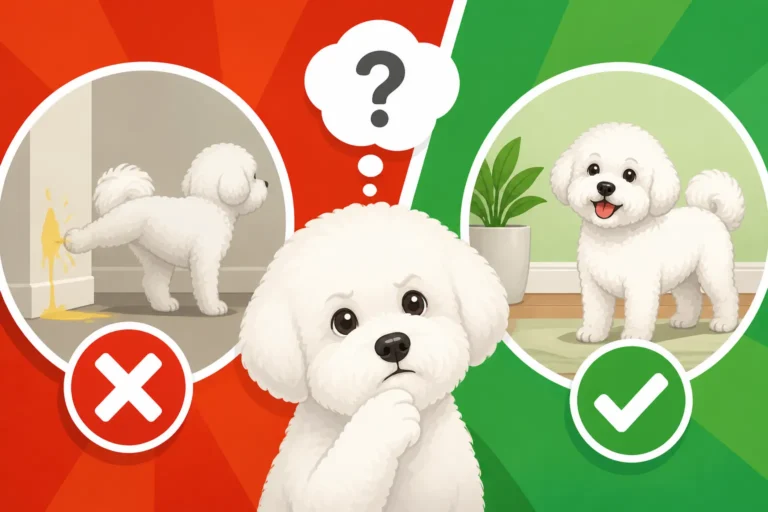
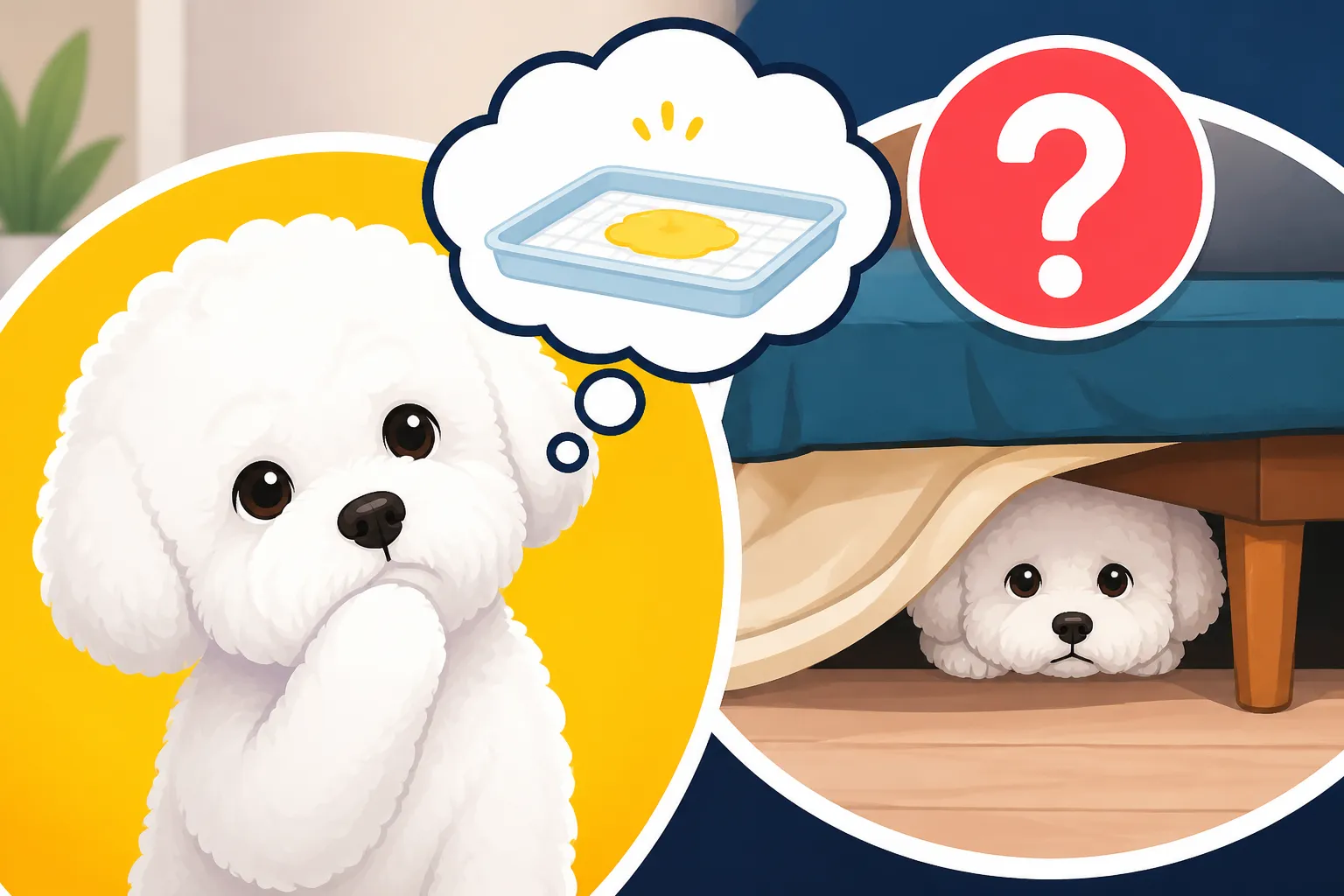
It's incredibly frustrating when you find an unexpected "surprise" in a hidden corner of your home, especially when you thought your sweet Bichon Frise was reliably housetrained. You might walk into the laundry room, peek behind a curtain, or discover a wet spot under the dining table, and your heart sinks. This behavior, where your Bichon actively seeks out a secluded spot to relieve themselves indoors, isn't just an accident; it often feels like a deliberate act of secrecy, leaving you wondering why they're doing it and what it truly means. This comprehensive guide will delve into the nuances of why a Bichon Frise might hide to toilet indoors, separating medical concerns from behavioral quirks, and offering practical, empathetic solutions to help you and your furry friend achieve consistent indoor cleanliness.
The Instinct Behind Hiding to Toilet
When our dogs do something we don't understand, especially when it comes to potty habits, it's easy to project human intentions onto their actions. We might think they're being "naughty" or "defiant" by hiding their accidents. However, it's crucial to remember that a dog's world, and their motivations, are often much simpler and deeply rooted in instinct. Understanding these underlying reasons can shift our perspective from frustration to a place of effective problem-solving.
Why Dogs Seek Seclusion for Elimination
For many dogs, particularly small breeds like the Bichon Frise, there's a natural inclination to seek out a secure, quiet, and sometimes hidden spot to eliminate. In the wild, animals often prefer not to eliminate in their main living or sleeping areas. They also might instinctually seek privacy to avoid predators or to feel vulnerable while doing their business. While our domestic Bichons aren't facing sabertooth tigers, this primal wiring can still influence their behavior. A hidden spot might simply feel safer, less exposed, and more appropriate to them, especially if they've learned that urinating or defecating in "open" indoor spaces leads to disapproval or stress from their humans.
Think about it from their tiny perspective. If every time they potty in the living room, you react with a loud "No!" or a sigh of exasperation, they might associate the act of eliminating, rather than the location, with your displeasure. To avoid that negative interaction, they'll try to do it where you won't see them. It's not about malice; it's about avoiding conflict and seeking a peaceful way to meet a biological need. This can be particularly true if they're feeling a bit unsure or anxious, making a private corner seem like the best option.
The Impact of Punishment on Potty Habits
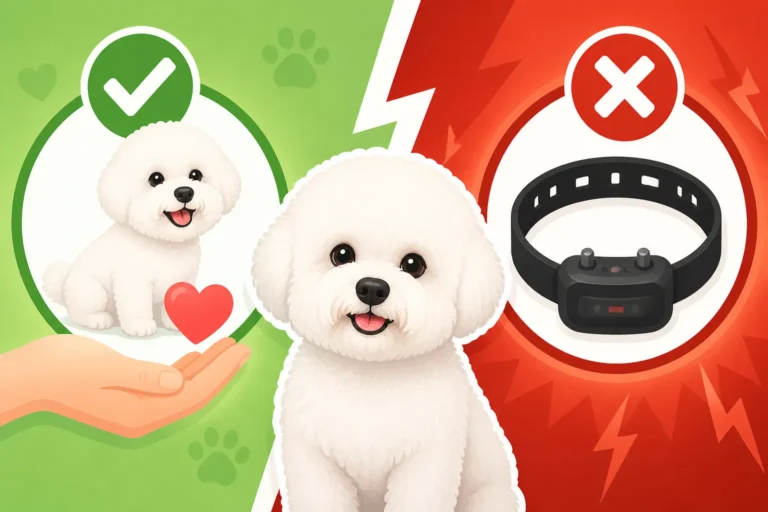
One of the most common, yet counterproductive, reactions to finding an indoor accident is to scold or punish your dog. While it's a natural human response to frustration, especially when cleaning up a mess, for a dog, it often creates confusion and fear rather than teaching them where to go. If your Bichon has been punished for accidents in the past, even if it was just a stern tone or a pointed finger, they learn that eliminating in front of you or where you can see it is bad. They don't necessarily connect the punishment to the act of peeing on the rug.
This leads directly to the hiding behavior. Instead of learning that the outdoors is the designated toilet area, they learn that going potty is a secretive activity best performed away from human eyes. This creates a cycle where you find more hidden accidents, you get more frustrated, and they become even more adept at finding secluded spots. It essentially reinforces the idea that going potty is something they need to hide, rather than something they should do in an appropriate, open outdoor space. It sets back any progress you might have made with proper housetraining. Whether Punishing Accidents Sets a Bichon Frise Back is a topic worth exploring further if this resonates with your situation.
Common Reasons a Bichon Frise Might Be Hiding Accidents
Hiding to toilet indoors isn't usually a single issue but rather a symptom of several possible underlying factors. It's like a little puzzle your Bichon is presenting you with, and it's our job to piece together the clues to figure out what's really going on. These reasons can range from incomplete training to subtle health problems or even emotional stress.
Housetraining Challenges and Inconsistency
Let's be honest, Why a Bichon Frise Is Famously Hard to Housetrain is a struggle many of us Bichon owners know all too well. They are adorable, smart, and charming, but sometimes their potty training journey feels like an uphill battle. If a Bichon Frise is hiding accidents, incomplete or inconsistent housetraining is a very common culprit. Maybe they were never fully trained in the first place, or perhaps a previously reliable routine broke down.
Here are a few ways inconsistencies can lead to hiding:
- Infrequent Potty Breaks: Bichons have small bladders, and expecting them to hold it for long periods, especially as puppies or seniors, is unrealistic. If breaks aren't frequent enough, they'll be forced to go inside, and to avoid reprimand, they'll seek a hidden spot. Whether a Bichon Frise Should Be Taken Out Hourly is a good guideline, especially for younger dogs.
- Lack of Supervision: Without constant supervision indoors, especially during the housetraining phase, it's easy for a Bichon to slip away unnoticed and have an accident. If this happens repeatedly without immediate redirection, the hidden spot becomes their go-to.
- Mixed Signals: Sometimes, we inadvertently send mixed signals. For example, allowing them to use pee pads indoors indefinitely can confuse them about the ultimate goal of outdoor-only elimination. They might think "any soft surface is fine" or "indoors is sometimes okay."
- Regression After a Setback: A move to a new home, a change in routine, or even a scary outdoor experience can cause a previously housetrained Bichon to regress. If they're unsure or stressed, they might revert to old habits or develop new hiding behaviors. How Many Weeks a Bichon Frise Takes to Be Clean can vary wildly, and setbacks are normal.
Medical Issues Mimicking Behavioral Problems
Before you jump to the conclusion that your Bichon is being deliberately difficult, it is absolutely crucial to rule out any underlying medical conditions. Many health problems can cause a dog to lose bladder or bowel control, and if they've learned that accidents lead to negative attention, they'll often try to hide these medically-induced accidents. They're not trying to be sneaky; they're genuinely unable to control themselves and are just trying to avoid getting in trouble.
Consider these common medical culprits:
- Urinary Tract Infections (UTIs): A UTI is incredibly common and causes frequent, urgent, and sometimes painful urination. Your Bichon might feel the sudden urge to go and simply can't make it outside in time. Because they associate pottying indoors with negative reactions, they'll find a discreet place. Whether a Urinary Infection Undoes a Bichon Frise's Training is a very real concern.
- Bladder Stones: Bichon Frises are unfortunately prone to bladder stones. These can cause inflammation, discomfort, increased frequency of urination, and even blockages. If your Bichon is in pain or experiences sudden urgency due to stones, hiding an accident is a natural response. Whether a Bichon Frise's Small Bladder Is the Problem isn't just about size, but also susceptibility to issues like stones.
- Diabetes or Kidney Disease: These conditions can lead to increased thirst and, consequently, increased urination. A dog with diabetes might be drinking so much that their bladder simply can't hold it all, leading to more frequent accidents.
- Cushing's Disease: This hormonal disorder can cause increased thirst and urination, along with a pot-bellied appearance and hair loss. An older Bichon with undiagnosed Cushing's might start having accidents and try to hide them.
- Arthritis or Other Mobility Issues: For an older Bichon, getting up and moving quickly to the door, or holding a squatting position comfortably, might be painful. If they associate discomfort with going outside, or simply can't make it in time, they might find a closer, hidden spot to relieve themselves. This isn't about naughtiness; it's about physical limitations.
A trip to the vet for a thorough check-up, including a urine analysis and potentially blood tests, is always the first step if your housetrained Bichon suddenly starts having accidents, especially if they are hiding them.
Environmental Factors and Stress
Beyond training and health, a Bichon Frise's emotional state and environment play a huge role in their potty habits. Stress, anxiety, or changes in their living situation can absolutely lead to a breakdown in housetraining, including the development of hidden accidents.
Think about these scenarios:
- Changes in the Household: A new baby, a new pet, a family member moving in or out, or even a sudden change in your work schedule can be a major source of stress for a sensitive Bichon. They thrive on routine and stability.
- Separation Anxiety: If your Bichon gets anxious when left alone, they might have accidents during these times. They often hide these accidents because they are stressed and, again, may have learned that pottying indoors leads to your displeasure upon your return.
- Fear of the Outdoors: Some Bichons develop a fear of going outside, perhaps due to a scary encounter with another dog, loud noises, or simply disliking certain weather conditions. Whether a Bichon Frise Hates Wet Grass is a real issue for many, leading them to hold it until they come back inside where they feel safer, then find a hidden spot.
- Inadequate Potty Area: Is their designated outdoor potty spot clean and appealing? If it's dirty, or if they're forced to go in an area they perceive as unsafe or uncomfortable, they might seek an alternative.
- New Home or Adoption: A newly adopted Bichon, especially a rescue, might arrive with an unknown history of housetraining or past trauma. They might be stressed by the new environment and hide accidents as a coping mechanism. Whether a Bichon Frise Can Be Returned highlights the importance of understanding their background and being patient. Even a dog from a reputable breeder needs time to adjust.
Understanding these factors allows us to approach the problem with empathy, knowing that our Bichon isn't being "bad," but rather communicating a need or a problem.
Strategies to Address Hiding and Improve Housetraining
Once you've ruled out medical issues, or are actively treating them with your vet, it's time to tackle the behavioral aspect of your Bichon hiding to toilet indoors. The good news is that with consistency, patience, and a positive approach, you can definitely improve the situation. It's all about retraining, rebuilding trust, and making the right choices easier for your dog.
Re-evaluating Your Housetraining Routine
A solid, predictable housetraining routine is the cornerstone of success for any dog, especially a Bichon Frise. If your Bichon is hiding accidents, it's time to go back to basics and scrutinize every aspect of their potty schedule.
- Frequent and Consistent Outings: This is paramount. Take your Bichon out much more often than you think they need to, especially after waking up, after eating or drinking, after playing, and before bedtime. Stick to a strict schedule, even on weekends. For younger dogs or those prone to accidents, consider taking them out every 1-2 hours initially. The Toilet Routine That Finally Works on a Bichon Frise emphasizes the importance of regularity.
- Leashed Potty Breaks: Even if you have a fenced yard, it's beneficial to take your Bichon out on a leash for potty breaks during this retraining phase. This ensures they actually do their business and aren't just sniffing around or getting distracted. Stand still and wait for them to go, then praise them enthusiastically and reward them with a small, high-value treat immediately after they finish.
- Supervision Indoors (or Confinement): This is where you prevent the opportunity to hide accidents. When your Bichon is inside and not actively eliminating, they should be either:
- Directly Supervised: Keep them within your sight at all times. Use a tether, baby gate, or simply keep them in the same room as you.
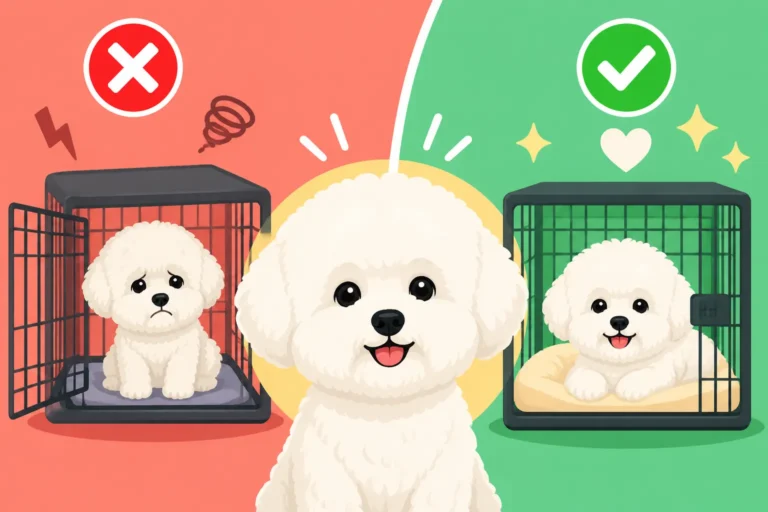
- Crated or Confined: When you can't actively supervise (e.g., when you're busy, cooking dinner, or stepping out), put them in a crate or a small, dog-proofed area (like a playpen or a small room with easy-to-clean floors). Dogs generally don't like to soil their sleeping area, so a properly sized crate can be a powerful tool. Whether Crate Training Works on a Bichon Frise is a topic many owners explore. You can find excellent quality crates and playpens on platforms like Amazon.
- Cleaning Accidents Thoroughly: When an accident does happen (and it will, don't despair!), clean it immediately and thoroughly with an enzymatic cleaner. This type of cleaner breaks down the urine odors that dogs can detect, which can otherwise encourage them to re-soil the same spot. A product like Nature's Miracle or Rocco & Roxie, widely available on Amazon, is essential. Whether Enzyme Cleaner Matters for a Bichon Frise – spoiler: it absolutely does!
By being incredibly consistent and proactive, you teach your Bichon that the outdoors is the only acceptable place to go, and you minimize opportunities for them to practice the undesirable behavior of hiding indoors.
Consulting Your Veterinarian
As mentioned earlier, health issues are frequently confused with behavioral problems. Even if you think you've got the training down, if your Bichon Frise is still having hidden accidents, don't hesitate to go back to your veterinarian for a re-evaluation. Sometimes, subtle conditions can be missed on an initial check-up, or a new issue might have developed.
- Comprehensive Health Check: Ask for a full physical exam, including a thorough check of their urinary and digestive systems. Your vet might recommend blood work, a urinalysis, and potentially imaging like X-rays or ultrasound to check for bladder stones or other internal issues. How a Vet Confirms Stones in a Bichon Frise often involves these diagnostic steps.
- Discuss Behavioral History: Be completely open with your vet about the frequency, location, and circumstances of the accidents. Share any changes in diet, routine, or behavior you've observed. The more information you provide, the better equipped your vet will be to connect the dots.
- Medication Review: If your Bichon is on any medications, discuss whether they could be contributing to increased urination or changes in bladder control. Some medications have side effects that can impact housetraining.
- Seek a Specialist: If your primary vet can't pinpoint a cause, don't be afraid to ask for a referral to a veterinary internal medicine specialist or a veterinary behaviorist. These specialists have advanced training and diagnostic tools to uncover more complex issues.
Always remember, your vet is your partner in your Bichon's health journey. Never feel embarrassed to discuss potty accidents; it's a very common concern.
Creating a Safe and Predictable Potty Environment
A dog's environment plays a huge role in their comfort and willingness to go potty in designated areas. If your Bichon feels uncomfortable, unsafe, or stressed in their outdoor potty spot, they're much more likely to seek out a "safer" hidden spot indoors.
- Designate a Specific Potty Spot: Choose one or two consistent outdoor areas for your Bichon to relieve themselves. Always take them to this spot. They learn to associate that particular area with going potty. Keep this area clean, as dogs generally prefer not to eliminate where they've gone before, especially if it's messy.
- Ensure Comfort in All Weather: Some Bichons are notoriously particular about weather. If Whether a Bichon Frise Hates Wet Grass is true for your dog, or if they dislike cold or heat, consider creating a small, sheltered outdoor area or investing in a doggy raincoat or boots. The goal is to make going outside as pleasant and comfortable as possible, minimizing reasons for them to refuse to go.
- Minimize Stressful Outdoor Experiences: If your Bichon is anxious about other dogs, loud noises, or strangers when outside, try to schedule potty breaks during quieter times or find a more secluded area. You want their outdoor potty experience to be calm and positive.
- Establish a "Potty Cue": While on their leash in the designated outdoor spot, use a consistent verbal cue like "Go potty!" or "Do your business!" when they're about to eliminate. Over time, they'll associate the phrase with the act, and it can even encourage them to go on command, which is incredibly useful.
- Rewards, Rewards, Rewards: Every single time your Bichon successfully potties outside, immediately shower them with praise, a small, delicious treat, and maybe even a quick game. Make it the most exciting event of their day! This positive reinforcement is key to making them want to go outside.
Consistency in the outdoor environment helps to solidify the connection between that specific spot and the rewarding experience of eliminating there.
Tools and Resources to Support Your Bichon Frise's Training
You're not alone in this journey! There are many tools and resources available to help reinforce good habits and address lingering housetraining challenges. From physical aids to expert advice, these can provide the extra support you need to finally get your Bichon Frise reliably housetrained and eliminate those hidden accidents.
Leveraging Training Aids Effectively
Smart use of various training aids can make a significant difference in preventing accidents and encouraging proper potty habits.
- Enzymatic Cleaners (Again!): I can't stress this enough. If you don't fully eliminate the odor from past accidents, your Bichon will be drawn back to those spots. Stock up on a good quality enzymatic cleaner (like the ones you can easily find on Amazon) and use it liberally on any soiled areas. This is non-negotiable for successful housetraining.
- Pet Cameras: If you're unsure when your Bichon is having hidden accidents, a pet camera can be a game-changer. Position it in areas where they tend to hide. This allows you to observe their behavior when you're not actively supervising and catch them in the act, giving you the opportunity to interrupt and redirect them outside. Many smart cameras are available that connect to your phone.
- Water Fountains: Encouraging your Bichon to drink more water can help flush their urinary system, which is beneficial, especially if they are prone to stones. A pet water fountain can often entice dogs to drink more than a stagnant bowl. They find the circulating water more appealing.
- Belly Bands (for Males) / Diapers (for Females): If you have a male Bichon who marks indoors, or either sex that struggles with incontinence due to age or medical issues, a belly band or dog diaper can be a temporary solution to prevent soiling. While not a training solution in itself, it can help keep your home clean while you work on the underlying issues. Remember to change them frequently to avoid skin irritation.
- Long Lines: For those who don't have a fenced yard, a long line (a 15-30 foot leash) allows your Bichon more freedom to explore and find a potty spot outdoors, while still keeping them under your control. This can be particularly helpful if they're hesitant to potty right next to you.
Remember, these tools are aids, not replacements for consistent training and supervision. They help manage the problem while you implement the core strategies.
Professional Help and Online Programs
Sometimes, despite our best efforts, we need a little extra guidance. There's absolutely no shame in seeking professional help when you're struggling with a persistent behavioral issue like hidden indoor accidents. In fact, it's often the quickest way to achieve lasting success.
- Certified Professional Dog Trainers (CPDT-KA): A good dog trainer, especially one experienced in housetraining small breeds, can offer personalized advice and hands-on guidance. They can observe your Bichon's behavior, assess your routine, and help you troubleshoot specific challenges. They can teach you effective communication methods and positive reinforcement techniques tailored to your dog.
- Veterinary Behaviorists (DACVB): If the hiding behavior is deeply ingrained, or if you suspect a strong anxiety component contributing to the accidents, a board-certified veterinary behaviorist might be the best resource. These professionals are veterinarians with advanced training in animal behavior and can prescribe medication if necessary, alongside behavior modification plans.
- Online Training Programs: For those who prefer to work at their own pace or have budget constraints, online training programs can be an excellent resource. Many reputable trainers offer comprehensive courses that walk you through housetraining step-by-step. For example, BAXTER & Bella offers an online puppy school that covers everything from foundational skills to troubleshooting common problems like housetraining. Their structured approach can provide the consistency and guidance many owners need, and it can be accessed from the comfort of your home. These programs often include video tutorials, printable guides, and sometimes even direct support.
Finding the right professional or program can feel like a huge relief. They bring a wealth of knowledge and an objective perspective that can be invaluable when you're feeling overwhelmed by a challenging behavior.
Hiding to toilet indoors is a frustrating behavior, but it's rarely malicious. More often than not, it's a plea for understanding, a symptom of an underlying issue, or a miscommunication in their training. By approaching the problem with patience, consistency, and a keen eye for both their physical and emotional well-being, you can guide your Bichon Frise toward reliable housetraining and strengthen the bond you share. Remember, every little success is a step forward, and with the right approach, those hidden surprises will soon be a distant memory.
Comparison of Reasons for Hidden Indoor Accidents
| Reason Category | Common Signs/Behaviors | What Your Bichon Might Be Thinking | Key Solutions |
|---|---|---|---|
| Incomplete Training | Frequent small puddles, accidents in various spots, inconsistent outdoor success. | "I need to go, but I don't know where or when is right." | Strict schedule, leashed potty breaks, constant supervision. |
| Learned Secrecy | Only potties indoors when unsupervised, actively seeks hidden spots. | "Pottying makes my human unhappy, so I'll do it where they won't see." | Positive reinforcement, stop punishment, clean thoroughly. |
| Medical Issues | Sudden onset of accidents, increased frequency/urgency, straining, changes in appetite/thirst. | "I can't hold it, or it hurts. I'll go where I won't get yelled at." | Vet visit, urine analysis, blood work, treatment of underlying condition. |
| Anxiety/Stress | Accidents accompanied by other stress signals (pacing, whining, destructiveness), related to specific events. | "I'm scared/uncomfortable, and I can't control my bladder." | Identify stressors, gradual desensitization, create safe spaces, consider vet behaviorist. |
| Environmental Aversion | Hesitation or refusal to potty outdoors in certain weather, specific outdoor areas. | "It's too cold/wet/scary out there, so I'll wait until I'm inside." | Address comfort (coats, sheltered spot), positive association with outdoor potty area. |
Disclaimer
This article is for general informational purposes only and does not constitute professional advice. Laws, prices and regulations vary by location and change over time. Consult a qualified professional for guidance on your specific situation.