Whether an Itchy Bichon Frise Is Grumpier
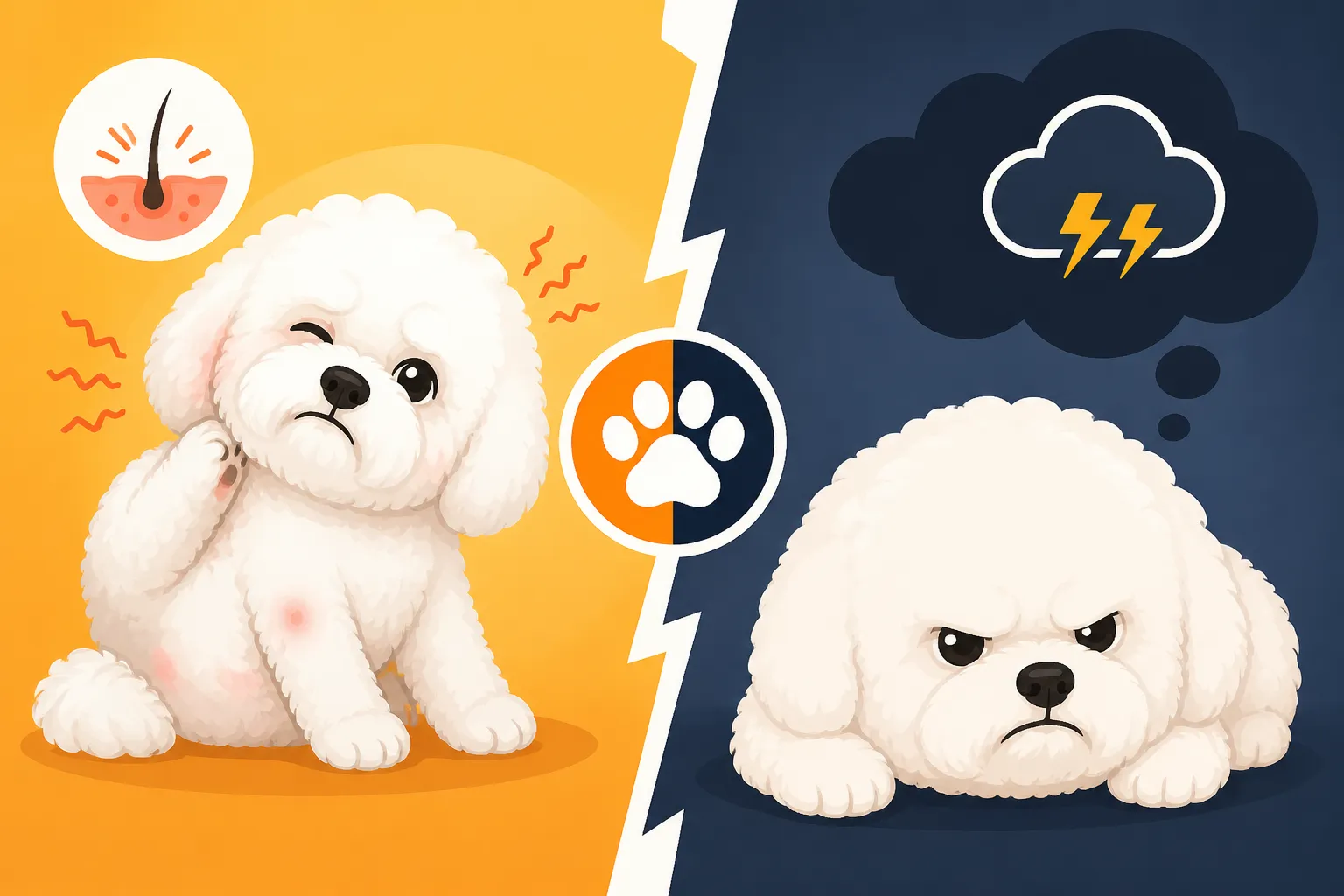
It’s a heart-wrenching thing to see your normally cheerful, fluffy Bichon Frise suddenly seem withdrawn, snippy, or just plain grumpy. When the constant scratching and licking take over their daily joy, it's easy to wonder if that relentless itch is truly affecting their sweet disposition. This guide will explore the undeniable link between an itchy Bichon Frise and changes in their mood, helping you understand why it happens and what you can do to bring back their sunny personality.
The Relentless Agony of an Itchy Bichon Frise
Imagine having an itch you can never fully scratch, a sensation that gnaws at you day and night, making it impossible to relax or concentrate. That's often the reality for a Bichon Frise suffering from chronic skin irritation. These delightful dogs are predisposed to various skin conditions, with atopy being a prime suspect. It's not just a minor annoyance; it’s a pervasive discomfort that impacts every aspect of their lives, from sleep quality to their willingness to play.
When we talk about an itchy Bichon Frise, we're not just referring to an occasional scratch behind the ear. We're talking about dogs that might lick their paws raw, rub their faces against the carpet until their eyes are stained, or scratch their sides with such fervor that their delicate skin becomes red and inflamed. This constant physical sensation is incredibly taxing. It drains their energy, makes them restless, and prevents them from finding true peace. Think about how irritable you get when you haven't slept well or are constantly bothered by something minor – now multiply that by a dog's inability to truly express their frustration in words. It's a significant burden for them to carry every single day. What Atopic Dermatitis Does to a Bichon Frise delves deeper into the specifics of this condition.
How Chronic Itchiness Affects a Bichon Frise's Temperament
It's absolutely true: an itchy Bichon Frise is very likely to be a grumpier Bichon Frise. Their inherently joyful and friendly nature can be overshadowed by persistent discomfort, leading to behavioral changes that can be upsetting for both the dog and their family. This isn't them being "naughty" or "stubborn"; it's a direct consequence of their physical state.
The Impact on Mood and Patience
When a dog is constantly itchy, their tolerance for things they once enjoyed can plummet. A gentle pat from a child might now be met with a growl because their skin is sensitive and sore. What was once a fun game of fetch might seem too irritating when every movement causes their skin to pull or tingle. They might stop greeting visitors with their usual enthusiasm, preferring to retreat to a quiet corner where they can continue to scratch or lick in peace. This isn't a willful change; it's a physiological response to pain and discomfort. Their patience wears thin, making them more prone to snapping or showing irritation at even minor disturbances. It's a cry for help, signaling that something is deeply bothering them.
Moreover, chronic itch can disrupt sleep patterns significantly. A Bichon Frise might wake up frequently to scratch, unable to settle into deep, restorative sleep. Just like humans, a sleep-deprived dog can be irritable, less tolerant, and more prone to anxiety or stress. This creates a vicious cycle: the itch causes poor sleep, which exacerbates grumpiness, which in turn might make them less receptive to treatments or comforting gestures. We often see them Whether a Bichon Frise Snaps When Its Ears Hurt when their ears are inflamed due to constant itching, highlighting how localized discomfort can lead to widespread grumpiness.
Withdrawal and Reduced Sociability
An itchy Bichon Frise might start to withdraw from interactions they once cherished. They might not want to cuddle as much, avoid playtime, or even shy away from being picked up. This isn't because they love you less; it's because their skin is simply too sensitive or they're too focused on alleviating their discomfort. Imagine your favorite activity being interrupted constantly by an overwhelming urge to scratch. It would make you less likely to engage, too.
This withdrawal can be particularly heartbreaking for owners who cherish the close bond with their Bichons. You might find them spending more time alone, perhaps under a bed or in a crate, seeking solitude rather than company. This behavior is a clear indicator that they're not feeling well and are trying to cope with their discomfort in their own way. Encouraging interaction must be done gently and with an understanding of their current state. The Atopic Skin a Bichon Frise Is Born With is a good read if you're wondering about the genetic predisposition to these skin woes.
Recognizing the Signs of Grumpiness in an Itchy Bichon
It's crucial to understand that "grumpy" in a dog doesn't always look like a snarl or a bite. Especially in smaller breeds like Bichons, their expressions of discomfort can be much more subtle. Learning to read these nuanced signals is key to identifying when their itch is turning them irritable.
Subtle Behavioral Cues
Watch for changes in their usual demeanor. A Bichon who normally greets you with excited tail wags might now offer a more subdued welcome, or even turn their head away. They might become less tolerant of grooming, even light brushing, which used to be a pleasant interaction. When their itch is flaring, they might suddenly become very still when touched, or even flinch. Observe their posture: are they hunched, tense, or avoiding eye contact? These are all quiet ways they communicate their unhappiness.
Consider how they react to normal daily routines. Are they reluctant to go for walks, even though they usually love them? Do they seem less enthusiastic about meal times? A normally food-motivated Bichon who suddenly seems disinterested could be experiencing physical discomfort that makes even eating less appealing. This isn't just a physical symptom of the itch, but the mental toll it's taking on their overall well-being. Sometimes, they might express this by Whether a Bichon Frise Licks Its Paws Raw or continuously Whether a Bichon Frise Rubs Its Face, behaviors that are obsessive and often indicative of deep-seated irritation.
Aggression or Avoidance
While rare for the typically sweet Bichon, chronic pain and irritation can, in extreme cases, lead to aggressive displays. This might be a growl when you try to apply medication, a snap when a child approaches, or even a sudden lunge when a grooming tool comes near their sensitive skin. This is almost always a fear-based response, stemming from their expectation of pain or discomfort. They are not being "mean" but are trying to protect themselves from something that hurts.
More commonly, they might display avoidance. They might leave the room when you enter, hide under furniture, or simply turn their back to you. This is their way of saying, "Please, just leave me alone, I'm not feeling well." It’s important not to punish these behaviors, but rather to understand them as signals of underlying distress. A good training foundation, perhaps from resources like BAXTER & Bella, can help with gentle handling techniques, but addressing the root cause of the itch is paramount.
Here’s a quick overview of potential signs:
| Normal Bichon Behavior | Itchy/Grumpy Bichon Behavior | Underlying Cause |
|---|---|---|
| Enthusiastic greetings | Subdued or no greeting, avoids eye contact | Discomfort, lack of energy |
| Enjoys petting/cuddling | Flinches, moves away, growls when touched | Skin sensitivity, pain, irritation |
| Eager for walks/playtime | Reluctant, lethargic, disinterested | General malaise, exhaustion |
| Tolerates grooming | Struggles, snaps, tries to escape | Painful skin, fear of handling |
| Sleeps soundly | Restless, wakes to scratch/lick | Constant itch, disrupted sleep |
| Happy and alert | Tense posture, withdrawn, irritable | Chronic discomfort, stress |
Strategies for Managing Itch-Related Behavioral Changes
The good news is that by addressing the underlying itch, you can very often bring your Bichon Frise back to their happy, bubbly self. It requires a multi-faceted approach, combining veterinary care with supportive home management.
Veterinary Intervention and Diagnosis
The first and most critical step is always a visit to your veterinarian. Self-diagnosis and treatment can prolong your dog's suffering and potentially make things worse. Your vet can accurately diagnose the cause of the itch, whether it's allergies (like Whether a Bichon Frise's Itching Is Food or Pollen), parasites, fungal infections, or something else entirely. They might recommend skin scrapes, blood tests, or even allergy testing to pinpoint the culprit.
Once a diagnosis is made, your vet will prescribe the appropriate treatment. This could involve medications like antihistamines, anti-itch drugs, or antibiotics if there's a secondary infection. Sometimes, special medicated shampoos are needed. You can often find vet-recommended sensitive skin shampoos on platforms like Amazon, but always consult your vet before trying new products, especially if your dog's skin is already compromised. The goal is to break the itch-scratch cycle and provide much-needed relief.
Consistent Treatment and Comfort
Following your vet's treatment plan diligently is paramount. If your Bichon needs daily medication or regular medicated baths, consistency is key. This is where patience and gentle handling really come into play. A grumpy, itchy dog might resist these treatments. Make the experience as positive as possible with treats, praise, and a calm demeanor. For tips on making baths easier, check out Teaching a Bichon Frise to Tolerate Medicated Baths.
Consider creating a comfortable, quiet space for your Bichon where they can rest without interruption. Soft bedding, away from high-traffic areas, can make a huge difference in their ability to relax and potentially get better sleep. Anything that reduces their overall stress levels will help them cope with their discomfort.
Environmental Adjustments and Grooming
Managing the environment can also play a significant role. If your Bichon has outdoor allergies, rinsing their paws and wiping their coat after walks can help remove pollen and other irritants. Keeping your home clean and dust-free might also alleviate symptoms. Regular, gentle grooming is still essential, but it needs to be adapted to their sensitivity. You might need softer brushes or combs, and very short sessions. Managing a Bichon Frise's Skin Without Steroids offers advice on non-steroidal approaches.
For Bichons with sensitive skin, even the choice of collar or harness matters. Opt for soft, breathable materials that won't rub or irritate. When grooming, be extra careful around sore spots. If your dog is really struggling, a professional groomer who is experienced with sensitive dogs might be a good option, but always inform them of your Bichon's condition and temperament changes. Whether a Groomer Refuses a Difficult Bichon Frise sheds light on scenarios where a dog's discomfort makes professional grooming challenging.
Behavioral Support and Patience
Remember, their grumpiness is a symptom, not a character flaw. Your patience and understanding are their greatest assets. Avoid scolding or punishing them for their reactions, as this can exacerbate their stress and fear. Instead, reward calm behavior and cooperative participation in treatments.
If the behavioral changes are severe, or if you're struggling with handling, consider consulting a certified professional dog trainer or a veterinary behaviorist. They can provide strategies for counter-conditioning and desensitization, helping your Bichon to associate necessary treatments with positive experiences. Online training platforms, such as BAXTER & Bella, can offer valuable insights and techniques for positive reinforcement, which can be adapted to help your Bichon cope with uncomfortable situations and build confidence during recovery. The journey to recovery, both physical and emotional, might be slow, but with consistent care and love, your cheerful Bichon Frise will likely return. Whether a Bichon Frise Is Genuinely Cheerful is a reminder of their true spirit, waiting to re-emerge.
Disclaimer
This article is for general informational purposes only and does not constitute professional advice. Laws, prices and regulations vary by location and change over time. Consult a qualified professional for guidance on your specific situation.