Whether a Bichon Frise Snaps When Its Ears Hurt
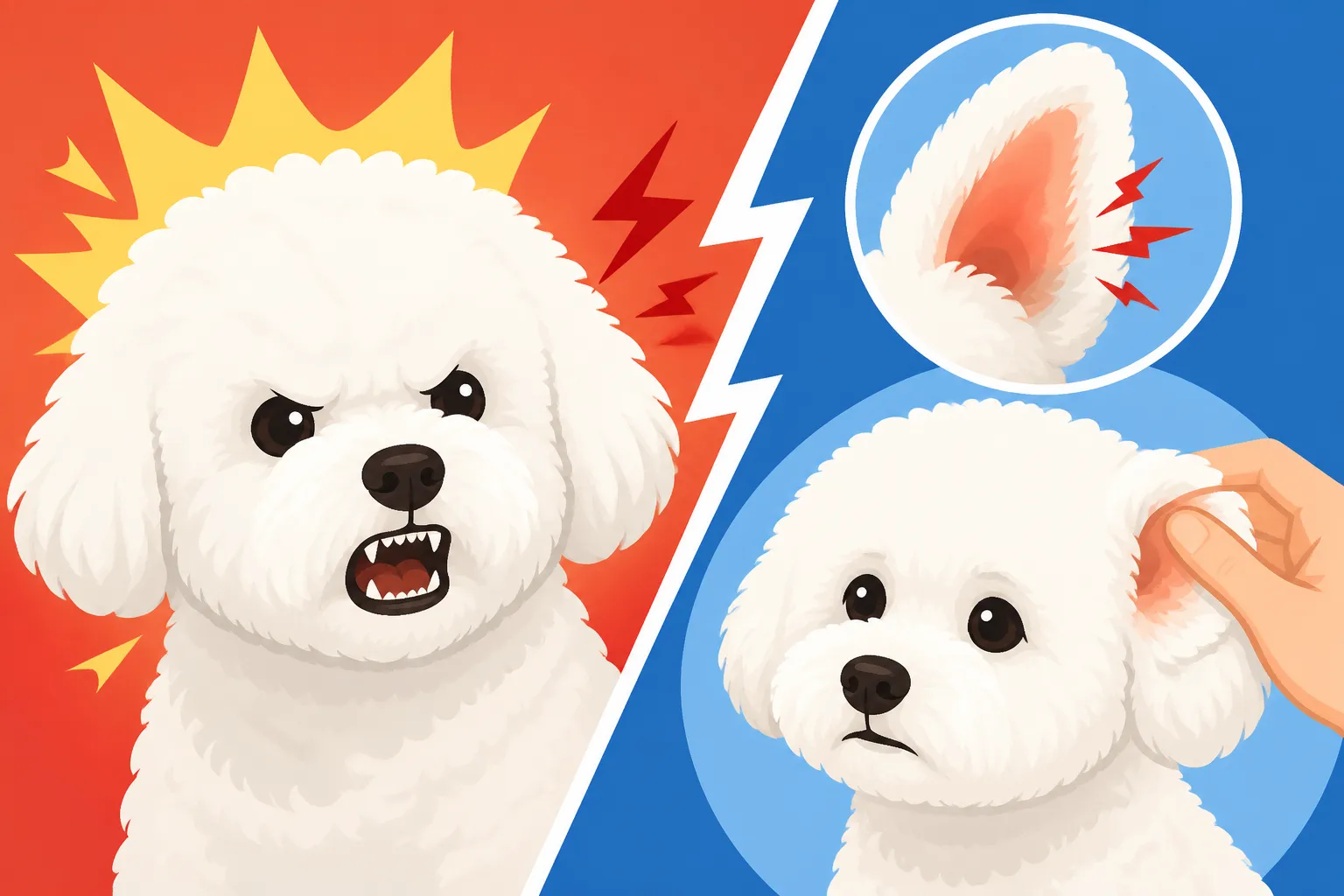
It's incredibly unsettling and often heartbreaking when your normally sweet, affectionate Bichon Frise suddenly snips or even snaps at you, especially if you're just trying to give them a loving pat. When this happens out of the blue, particularly around their head or ears, it's a huge red flag that your little companion might be in significant pain and trying to tell you in the only way they know how. This guide will help you understand why ear pain can lead to such a drastic change in behavior and how to navigate these sensitive situations with care and confidence.
Why Ear Pain Turns Even the Sweetest Bichon Snappy
Bichon Frises are known for their delightful, merry temperaments. They're typically gentle, eager to please, and thrive on human companionship. So, when a Bichon suddenly reacts aggressively, especially with a snap or growl when touched, it's almost always a direct consequence of pain or fear. Their natural instinct, just like ours, is to protect themselves from anything that causes discomfort, and a sore ear can be excruciatingly painful.
The Instinct to Protect a Painful Area
Imagine having a throbbing headache or a toothache so bad that even a gentle touch sends jolts of pain through you. You'd likely flinch, pull away, or verbally express your discomfort, wouldn't you? Dogs operate on a similar principle, but their communication methods are more primal. When a Bichon Frise has an ear infection, an ear mite infestation, or even a foreign body lodged deep within the ear canal, that area becomes incredibly sensitive. Any unexpected contact, even from their beloved owner, can be perceived as an attack or an exacerbation of their already intense pain. They might snap not out of malice, but as a desperate attempt to say, "Stop! You're hurting me!"
It's a survival mechanism. In the wild, showing weakness or pain makes an animal vulnerable. While our pampered Bichons are far from the wild, these deep-seated instincts remain. A sudden, sharp yelp followed by a quick snap is their way of establishing a boundary and protecting themselves. It can feel like a betrayal when your fluffy friend lashes out, but it's vital to remember that their behavior stems from distress, not a sudden change in their loving nature. They're telling you, loud and clear, that something is very wrong, and they need your help, not your anger.
How Chronic Pain Changes Behavior
Beyond immediate reactions, ongoing, chronic ear pain can significantly alter a Bichon's overall demeanor. A dog living with constant discomfort might become withdrawn, less playful, and generally more irritable. They might start avoiding interactions they once cherished, such as cuddling or playing fetch, simply because moving their head or being touched inadvertently worsens their pain. You might notice they're sleeping more, or conversely, having trouble settling down because the pain keeps them awake.
This sustained level of discomfort can lead to a shorter fuse. Where they once tolerated a clumsy pat or a playful tug, they now might react defensively with a growl or a snap. This isn't because they've "turned bad" but because their coping reserves are depleted. They're tired, sore, and constantly on edge, making them more prone to defensive reactions. It's crucial to approach them with extra patience and understanding during this time. Ignoring these signs or reprimanding them for snapping can further erode trust and make the situation worse, potentially leading to more frequent or severe reactions. Remember, a happy Bichon is rarely a snappy Bichon. Recurrent Ear Infections in a Bichon Frise are a common problem that can lead to chronic discomfort.
Spotting the Silent Signs of Ear Trouble
Before a Bichon Frise resorts to snapping, they often display a host of more subtle signs that their ears are bothering them. Learning to recognize these earlier cues can help you intervene sooner, alleviate their discomfort, and prevent the situation from escalating to a defensive bite. These signs can range from obvious physical manifestations to more nuanced behavioral shifts.
Physical Indicators of Ear Discomfort
The ears themselves often provide the most direct evidence of a problem. A healthy Bichon's ears should be clean, free of odor, and pale pink inside. If you notice any of the following, it's time for a closer look (and likely a vet visit):
- Head Shaking and Ear Rubbing: This is often one of the first and most obvious signs. Your Bichon might vigorously shake their head, tilt it to one side, or rub their ears against furniture, the carpet, or even your leg. This constant rubbing and scratching is an attempt to relieve the itch or discomfort. Whether a Bichon Frise Shakes Its Head can be a clear indicator.
- Redness or Swelling: Gently lift your Bichon's ear flap and observe the skin inside. Is it red, inflamed, or swollen? This suggests irritation or infection.
- Discharge and Odor: Any abnormal discharge from the ear canal – whether it's waxy, crusty, yellowish, or black – is a definite sign of trouble. Coupled with a foul odor, which is often described as yeasty or pungent, it almost certainly indicates an infection.
- Sensitivity to Touch: If your Bichon flinches, pulls away, or vocalizes when you try to touch their ears or even the side of their head, it's a strong indicator of pain.
- Scabs or Hair Loss Around the Ears: Constant scratching can lead to self-inflicted wounds, scabs, and patches of hair loss around the ear flaps or behind them.
It's important to remember that Bichons have very fluffy ears, and it can be hard to see deep inside without gently parting the hair. However, if you notice any of these external signs, it's usually enough to warrant contacting your veterinarian. Don't try to deep-clean or poke around with cotton swabs, as you could push debris further in or injure the ear canal.
Behavioral Changes Due to Ear Pain
Beyond the physical signs, ear pain can manifest in a variety of behavioral changes that, initially, might not seem related to their ears at all. These shifts can be subtle at first, but over time, they can become quite pronounced.
- Changes in Temperament: As we discussed, a typically cheerful Bichon might become withdrawn, quiet, or irritable. They might not greet you with their usual enthusiasm or seem less interested in playtime.
- Loss of Appetite or Lethargy: Pain can significantly reduce a dog's desire to eat. If your Bichon is turning up their nose at mealtime or seems unusually tired and listless, it could be a sign of underlying discomfort.
- Reluctance to Play or Cuddle: Activities that involve head movement, like vigorous play or even a tight cuddle where their ear might be pressed, can be painful. They might shy away from these interactions.
- Yelping or Whining: While snapping is an extreme reaction, a Bichon in pain might also yelp spontaneously, whine softly, or make low growls when resting or trying to get comfortable.
- Favoring One Side: You might notice your Bichon tilting their head consistently to one side, perhaps the side of the affected ear, or sleeping with one ear up to avoid pressure on the painful ear.
Keeping a close eye on your Bichon's normal routines and behaviors is key. If anything seems "off" for more than a day or two, it’s always best to consult your vet. Early detection and treatment can make all the difference, preventing both prolonged suffering for your dog and potential defensive snaps for you. This table summarizes common signs that your Bichon Frise might be experiencing ear pain:
| Category | Signs of Ear Pain in Bichon Frises | Severity Indicator |
|---|---|---|
| Physical | Head shaking, ear scratching/rubbing | Mild to Moderate |
| Redness or swelling inside ear flap | Moderate | |
| Foul odor from ear | Moderate to Severe | |
| Waxy, crusty, or colored discharge | Moderate to Severe | |
| Scabs, open sores, or hair loss around ears | Moderate to Severe | |
| Sensitivity/pain when ears are touched | Moderate to Severe | |
| Behavioral | Withdrawal, lethargy, decreased playfulness | Mild to Moderate |
| Loss of appetite or reluctance to chew | Moderate | |
| Whining, yelping, or low growls spontaneously | Moderate to Severe | |
| Head tilting or favoring one side | Moderate | |
| Snapping or guarding ears when approached | Severe |
Approaching a Bichon with Suspected Ear Pain Safely
When you suspect your Bichon Frise is experiencing ear pain, your immediate instinct might be to rush in, comfort them, and inspect the ear. However, this can inadvertently trigger a defensive snap if not done carefully. Your goal is to assess the situation without causing further distress or injury to yourself or your beloved pet.
Creating a Calm and Safe Environment
The very first step is to create an environment that minimizes stress for your Bichon. A quiet, familiar space where they feel secure is ideal. Avoid cornering them or making sudden, loud movements. Speak in a soft, reassuring voice, letting them know you're there to help.
Never approach a dog in pain directly from above or behind, as this can be perceived as a threat. Instead, approach from the side, allowing them to see you clearly. Offer your hand slowly, palm up, and let them sniff it. The idea is to give them control and choice – they should be able to move away if they need to. If they appear overtly defensive, growling or pinning their ears back, do not push the interaction. Your safety is paramount, and a distressed dog in pain might bite even those they love most. It’s better to observe from a slight distance and call your vet for advice. In some cases, a vet might even suggest a light muzzle for safety during examination if the pain is severe and the dog is prone to snapping, but this should only be done under professional guidance.
Gentle Examination and When to Stop
If your Bichon allows you to approach, you can attempt a very superficial, gentle examination. Sit down on the floor near them, bringing yourself to their level. Slowly extend your hand towards their head, focusing on touching their cheek or neck before attempting to touch the ear itself. Watch their reaction closely. If they tolerate this, you can try to gently lift the ear flap to peer inside. Look for redness, discharge, or a strong odor. Again, proceed with extreme caution and be ready to stop immediately at any sign of discomfort – a flinch, a low growl, or a quick turn of the head.
It is absolutely crucial to know when to stop. If your Bichon shows any sign of heightened pain or aggression, do not force the issue. Trying to clean the ear or administer drops without professional guidance, especially into an already inflamed and painful ear, can be incredibly counterproductive. You could injure the ear canal, push an infection deeper, or worsen their fear and pain, making future treatments even harder. At this point, the best and safest course of action is to contact your veterinarian immediately. They can provide a proper diagnosis, prescribe appropriate medication, and demonstrate how to administer treatment safely. Sometimes, a professional groomer who is familiar with handling sensitive Bichons may notice early signs before you do, so regular grooming is key. How Often a Bichon Frise Needs Grooming is more than just about looking good; it's about health checks too.
Proactive Steps to Keep Those Ears Healthy and Happy
Preventing ear pain and subsequent defensive behaviors in your Bichon Frise is far easier and kinder than treating an active infection. A proactive approach to ear care can keep your fluffy friend comfortable and your bond strong. This involves routine hygiene, regular veterinary check-ups, and understanding the unique needs of the Bichon Frise breed.
Routine Ear Hygiene and Maintenance
Bichon Frises, with their abundant hair and drop ears, are particularly prone to ear issues. The long hair inside the ear canal can trap moisture and debris, creating a warm, damp environment that's perfect for bacteria and yeast to thrive. Regular cleaning is therefore essential.
- Weekly Checks: Make it a habit to gently lift your Bichon's ear flaps once a week. Check for any redness, odor, or discharge. If you see a little bit of waxy buildup, that's usually normal.
- Gentle Cleaning: If the ears look a little dirty but not inflamed, you can use a veterinary-approved ear cleaning solution. You can often find these readily available on platforms like Amazon or ask your vet for a recommendation. Apply the solution as directed, typically by squirting a small amount into the ear canal, gently massaging the base of the ear for 30 seconds, and then allowing your Bichon to shake their head. After the shake, use a cotton ball or a soft tissue to wipe away any excess solution and loosened debris from the outer ear. Never use cotton swabs inside the ear canal, as this can damage the eardrum or push debris deeper. How Often a Bichon Frise's Ears Should Be Cleaned really does depend on their individual needs and history of infections.
- Hair Plucking/Trimming: The hair inside a Bichon's ears can be a significant culprit in trapping moisture and creating issues. Many professional groomers will pluck or trim this hair as part of their routine service. Discuss this with your groomer or vet, as some dogs are more sensitive to plucking than others. Whether a Bichon Frise's Ear Hair Should Be Plucked is a common debate, but for many Bichons, it's crucial for air circulation. If you're considering doing it yourself, speak to a professional first to learn the correct technique.
Introducing these routines from a young age, with lots of positive reinforcement and treats, can make your Bichon more tolerant of ear handling throughout their life. Resources like BAXTER & Bella offer online puppy training programs that can help socialize your puppy to grooming and handling procedures, making future ear care much less stressful for everyone involved.
Regular Vet Check-ups and Early Intervention
Even with the best home care, ear problems can still arise. This is where your veterinarian becomes your most valuable partner in keeping your Bichon's ears healthy.
- Annual Exams: During your Bichon's annual wellness exam, your vet will always check their ears thoroughly. They have specialized tools (an otoscope) that allow them to see deep into the ear canal, checking for issues like ear mites, foreign bodies, or signs of deeper infection that you might miss.
- Prompt Attention to Concerns: If you notice any of the signs of ear pain or discomfort we discussed earlier, don't wait. A mild infection can quickly become severe and very painful. Contact your vet as soon as possible. Early intervention often means simpler, less expensive treatment and prevents unnecessary suffering for your dog. For example, What an Ear Infection Costs to Treat on a Bichon Frise can quickly escalate if left untreated, requiring more aggressive medications or even sedation for cleaning.
- Addressing Underlying Causes: Sometimes, ear infections are a symptom of a larger problem, such as allergies. Bichon Frises are prone to allergies, which can manifest as itchy skin and recurrent ear infections. If your Bichon experiences chronic ear issues, your vet might recommend further investigations to identify and manage these underlying conditions, which could include dietary changes or allergy medication. Whether a Bichon Frise's Allergies Get Worse With Age is a concern for many owners, and these allergies often show up in the ears first.
By staying vigilant, maintaining a consistent cleaning routine, and working closely with your veterinarian, you can significantly reduce the risk of your Bichon Frise developing painful ear conditions. A healthy, comfortable Bichon is a happy Bichon, and one that is far less likely to resort to snapping out of pain.
Disclaimer
This article is for general informational purposes only and does not constitute professional advice. Laws, prices and regulations vary by location and change over time. Consult a qualified professional for guidance on your specific situation.