Whether a Bichon Frise With Sore Paws Refuses Nail Trims
It’s incredibly frustrating when you know your beloved Bichon Frise needs a nail trim, but every attempt is met with resistance, fear, or even a snap. This struggle intensifies tenfold when you suspect—or know for sure—that their little paws are actually sore. This guide aims to validate those feelings and offer compassionate, realistic advice on navigating nail trims when your Bichon Frise is experiencing paw discomfort, helping you understand why they refuse and what you can do about it.
The Obvious Truth: Pain Makes Everything Harder
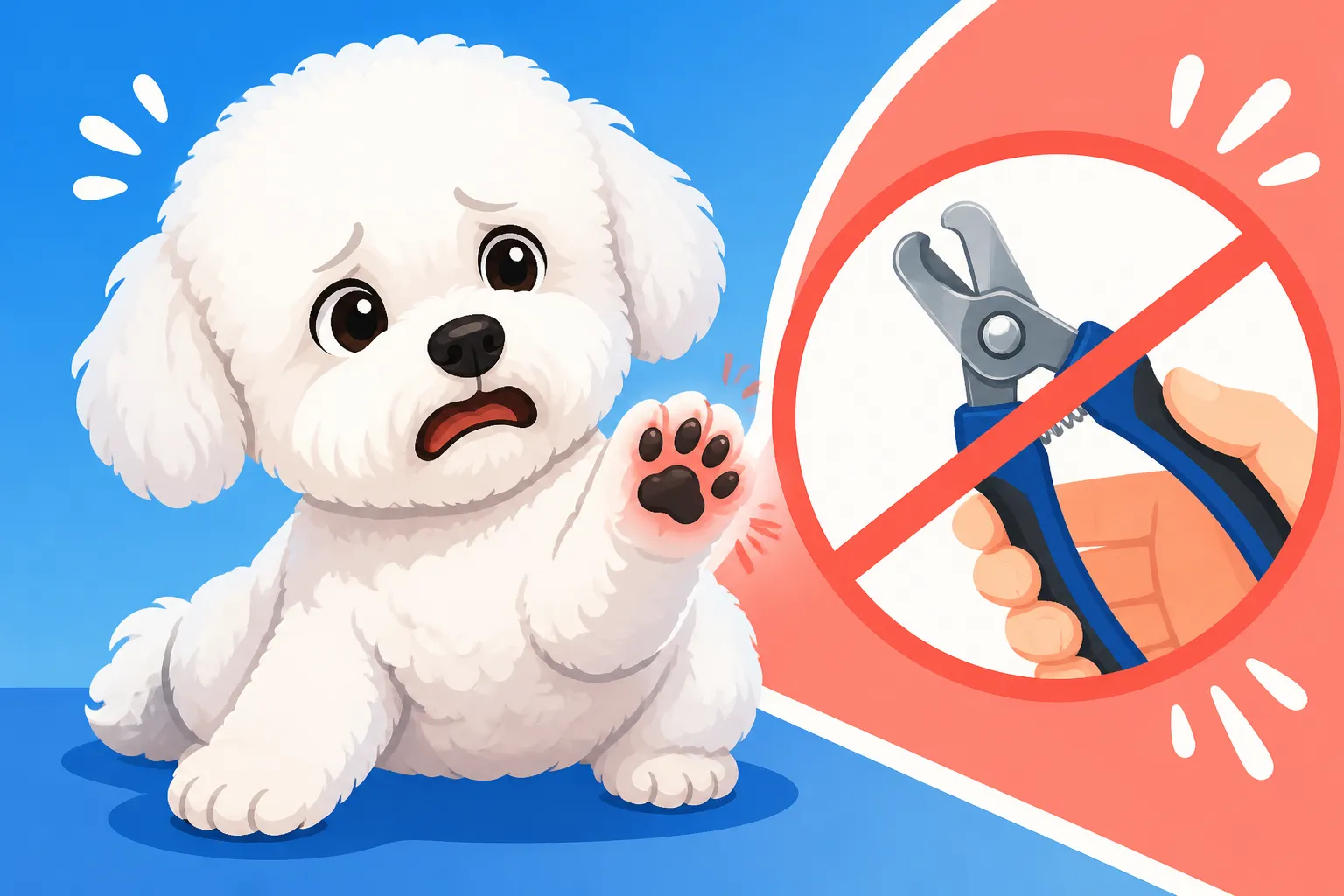
Let's be real: no one, dog or human, enjoys having a painful area touched, let alone worked on with clippers or a grinder. If your Bichon Frise has sore paws, asking them to sit still while you manipulate their sensitive toes and nails is like asking someone with a throbbing headache to concentrate on a complex puzzle. Their refusal isn't about being stubborn or "bad"; it's a perfectly understandable, instinctual reaction to discomfort. It's a plea for you to stop the perceived threat to an already tender spot.
Imagine your own ingrown toenail, or a blister on your heel. Would you happily let someone apply pressure to it, or try to trim it without extreme caution? Of course not! Your Bichon Frise feels the same way. Their paws are their primary mode of interaction with the ground, essential for walking, running, and playing. Any pain there profoundly impacts their quality of life, and any grooming that exacerbates it will be met with staunch opposition.
This resistance can manifest in many ways: pulling their paw away, yelping, nipping, or even trying to hide. These aren't personal affronts; they're desperate communications. A Bichon Frise relies on you to understand their distress, and when you push through pain, it can severely erode the trust you've built. This is particularly true for a breed like the Bichon, which thrives on close companionship and can be quite sensitive to handling.
Uncovering the Mystery of Sore Paws in Your Bichon Frise
Before you can even think about nail trims, you absolutely have to figure out what's making those paws sore. It’s not always obvious, and sometimes what looks like a simple issue can be a symptom of something bigger. Skipping this detective work means you're just putting a band-aid on a deeper wound, and the problem will likely keep recurring, making future nail trims even more traumatic.
Common Culprits Behind Paw Pain
There's a whole host of reasons why a Bichon Frise might develop sore paws. Some are easy fixes, while others require a vet's keen eye and specific treatment. Let’s break down the most frequent offenders:
- Overgrown Nails: This might seem ironic since you're trying to trim them, but excessively long nails can push up into the nail bed, causing significant pain and pressure with every step. They can also alter a dog's gait, leading to strain on their paw joints and even higher up in their legs. When the quick, the sensitive part of the nail with blood vessels and nerves, is pushed back by overgrown nails, any attempt to cut them too short will be incredibly painful and likely cause bleeding, reinforcing their fear.
- Allergies: Ah, allergies, the bane of many a Bichon Frise owner! If your Bichon is constantly licking, chewing, or biting their paws, especially between the toes, it's a huge red flag for allergies. This irritation can lead to inflamed skin, yeast infections, bacterial infections, and overall tenderness. Common allergens include environmental triggers like pollen, dust mites, or certain grasses, and sometimes even food sensitivities. You might notice their paws are pink or reddish, swollen, or have a strange odor. Whether a Bichon Frise Licks Its Paws Raw is a good indicator to look for.
- Injuries: Just like us, dogs can step on sharp objects – a rogue thorn, a piece of glass, or even a small stone that gets lodged between their paw pads. Minor cuts, scrapes, or punctures can be incredibly painful. Sometimes, a pad might be bruised from a hard landing or from walking on rough surfaces. Always check thoroughly for foreign objects or visible wounds, especially after walks.
- Fungal or Bacterial Infections: These often go hand-in-hand with allergies, as irritated skin creates a perfect breeding ground for microbes. Yeast infections (often smelling like Fritos or stale bread) and bacterial infections can make the paws red, itchy, swollen, and very painful to touch. They can be particularly stubborn to get rid of without proper veterinary care.
- Arthritis or Orthopedic Issues: As Bichon Frises age, or if they have underlying conditions like Slipping Kneecaps in a Bichon Frise or even hip dysplasia, they might compensate by putting more weight on certain paws, leading to strain and soreness. Even mild arthritis in the paw joints themselves can make every step painful. You might notice limping, stiffness, or reluctance to bear weight.
- Dry or Cracked Pads: Especially in harsh weather conditions (very hot pavement, icy sidewalks, or dry indoor air), paw pads can become dry, cracked, and painful. These cracks can deepen, exposing sensitive tissue and making walking, let alone trimming, agonizing.
- Matting Between Toes: The fluffy Bichon Frise coat is adorable but high maintenance. If the hair between their paw pads isn't regularly trimmed, it can mat, trapping dirt and moisture. These mats can pull on the skin, causing extreme discomfort and even infection.
When to Call the Vet
You've done your best to play detective, but sometimes, a professional is simply indispensable. If you notice any of the following, it’s time to call your veterinarian:
- Persistent Limping or Reluctance to Walk: This is a clear sign of significant pain or injury that needs immediate attention.
- Swelling, Redness, or Discharge: These are classic signs of infection or severe inflammation.
- Excessive Licking, Chewing, or Obsessive Paw Attention: If your Bichon is constantly bothering their paws despite your attempts to soothe them, they're telling you something is seriously wrong. Whether a Bichon Frise Licks Its Paws Raw is never normal.
- Fever or Lethargy: These are systemic signs that their body is fighting something more serious.
- Bleeding from the Paws: Any uncontrolled bleeding needs vet attention.
- Inability to Identify the Cause: If you've looked and can't find a clear reason for the soreness, don't just guess. Let a professional diagnose it.
A vet can perform a thorough examination, check for foreign bodies, conduct allergy tests, or even take X-rays if they suspect an orthopedic issue. Getting to the bottom of the paw pain is the first and most crucial step towards happy, healthy paws and, eventually, calmer nail trims.
Gentle Grooming Techniques for Sensitive Bichon Frise Paws
Once you've addressed any underlying medical issues with your vet, or if the soreness is minor (like slight dryness or very mild matting that you can gently work out), you still need a strategy for those nail trims. Rushing in with standard clippers when your dog is already wary is a recipe for disaster. The key here is patience, positive reinforcement, and incredibly gentle handling.
Building Positive Associations
Forget about "getting the job done" for now. Your immediate goal is to rebuild trust and create positive associations with paw handling and grooming tools. This is a long game, not a quick fix.
- Start Slow: Don't even think about trimming nails on day one. Begin by simply touching their paws gently, praising and rewarding with high-value treats (like tiny pieces of cheese or cooked chicken). Do this for just a few seconds, several times a day.
- Increase Duration Gradually: Once they're comfortable with light touches, gradually increase the duration and intensity. Hold a paw for a bit longer, gently run your fingers between their toes, and apply light pressure to each toe pad. Always stop before they show any signs of discomfort or resistance. The moment they pull away, you've gone too far for that session.
- Introduce Tools: Once paw handling is completely comfortable, introduce the nail clippers or grinder. Don't use them yet! Just let your Bichon see them, sniff them, and hear the sound they make (e.g., click the clippers, turn on the grinder briefly in another room). Pair this with treats. Slowly work up to touching the tools to their paws without actually trimming. This desensitization process is vital. BAXTER & Bella offers excellent online resources and training programs that can guide you through these desensitization steps with positive reinforcement.
Choosing the Right Tools and Environment
The tools you use and the environment you create can make a world of difference.
- Sharp Clippers or a Grinder: Dull clippers can crush the nail rather than cut cleanly, causing more pain. Ensure your clippers are sharp. Alternatively, a nail grinder can be less jarring for sensitive dogs, as it shaves down the nail gradually, reducing the risk of hitting the quick. However, some dogs are fearful of the vibration and sound. Experiment to see what your Bichon prefers.
- Paw Balm: If dry or cracked pads are part of the issue, a soothing paw balm (many are available on Amazon) can make a huge difference in comfort. Apply it regularly, making sure to massage it in gently. This can also be a nice, calming touch point between you and your dog.
- Non-Slip Surface: A slippery floor can make a dog feel insecure and anxious, leading to more resistance during grooming. Use a bath mat or a non-slip rug. If you use a grooming table, make sure it has a non-slip surface.
- Calm and Quiet Space: Choose a time when your Bichon Frise is relaxed and a place free from distractions. A quiet corner of the house, perhaps with some soft music playing, can help.
- Proper Lighting: Good lighting is crucial so you can clearly see the quick and avoid cutting it.
The Trimming Process Itself
When you finally get to the actual trim, remember "less is more."
- Small Snips or Grinds: Only take off the very tip of the nail. If using clippers, aim for a tiny snip. If using a grinder, do quick, gentle passes. It's far better to do tiny bits more frequently than to try and do too much at once.
- Focus on One Paw (or even one nail) Per Session: If your Bichon is still very sensitive, just doing one paw, or even just one or two nails, and then taking a break, can be a huge win. Gradually build up to more nails.
- Positive Reinforcement Throughout: Praise continuously and offer treats after each successful snip or grind. Make it the most positive experience possible. If you notice signs of stress, stop, reassure them, and try again later, or another day.
- Have Styptic Powder Ready: Accidents happen. Even with the best intentions, you might nick the quick. Having styptic powder (available at most pet stores and on Amazon) on hand will stop the bleeding quickly and minimize your dog's distress. If you do cut too deep, don't scold them; just focus on stopping the bleeding, comforting them, and perhaps taking a longer break or ending the session.
- Consider Professional Help: If you’re truly struggling, a professional groomer or vet tech can offer assistance. They often have specialized tools, techniques, and the patience to work with fearful or sensitive dogs. They can also teach you how to perform trims safely and effectively. Remember, Whether a Bichon Frise Learns to Fear the Groomer After Pain is a real concern, so consistency in positive experiences, even with a pro, is important.
Long-Term Paw Health and Stress-Free Maintenance
Dealing with sore paws and difficult nail trims can feel like an endless battle, but with consistent effort and a focus on long-term paw health, you can turn things around. The goal isn't just to get the nails trimmed this one time, but to ensure your Bichon Frise has healthy, comfortable paws and views grooming as a neutral, or even pleasant, experience.
Regular Paw Inspections and Care
Proactive care is your best defense against paw problems. Make a habit of checking your Bichon's paws regularly, ideally a few times a week or after every walk.
- Visual Check: Look at the paw pads for any redness, swelling, cuts, cracks, or foreign objects.
- Tactile Check: Gently feel between the toes for mats, lumps, or any tender spots. Pay attention to their reaction – do they pull away, flinch, or lick? This can give you early warning signs.
- Moisture Management: Bichons have dense coats, and the hair between their paw pads can trap moisture, especially after walks in wet grass or baths. Ensure their paws are thoroughly dried. Consider using a forced air dryer (on a low setting and from a safe distance) or even a towel to absorb excess moisture.
- Hair Trimming: Regularly trim the hair between their paw pads. This not only prevents matting but also allows better air circulation, reducing the risk of skin infections. A small pair of blunt-nosed scissors or a tiny clipper can work wonders.
- Paw Protection: In extreme weather, consider paw wax or dog booties. Hot pavement can burn, and ice, salt, and chemicals can cause irritation and cracking. Whether a Bichon Frise's Paws Need Rinsing after walks is also a good habit, especially in areas with potential irritants.
The Importance of Consistent, Positive Training
Training isn't just for tricks; it's fundamental for cooperative care. Even if your Bichon Frise is past the puppy stage, you can absolutely teach an old dog new tricks and reshape their feelings about grooming.
- Daily Desensitization: Continue to practice paw handling as a regular, non-threatening activity. Touch their paws during cuddle time, gently massage them, and associate it with calm praise and treats. Even just a few seconds a day can make a big difference over time.
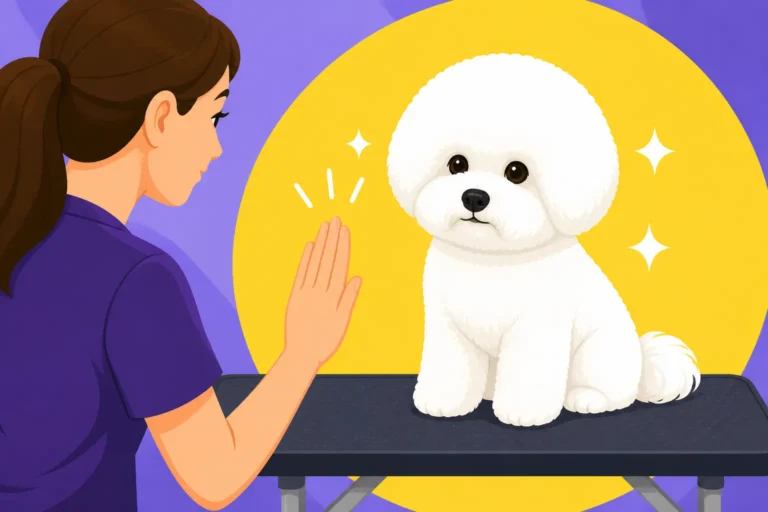
- Grooming Table Training: If you plan to do much of your Bichon's grooming at home, getting them comfortable on a grooming table can be incredibly helpful. This elevates them to a comfortable working height and can signal that it's "grooming time." Again, use positive reinforcement, making the table a good place to be. Teaching a Bichon Frise to Hold Still on a Table is a skill worth investing in.
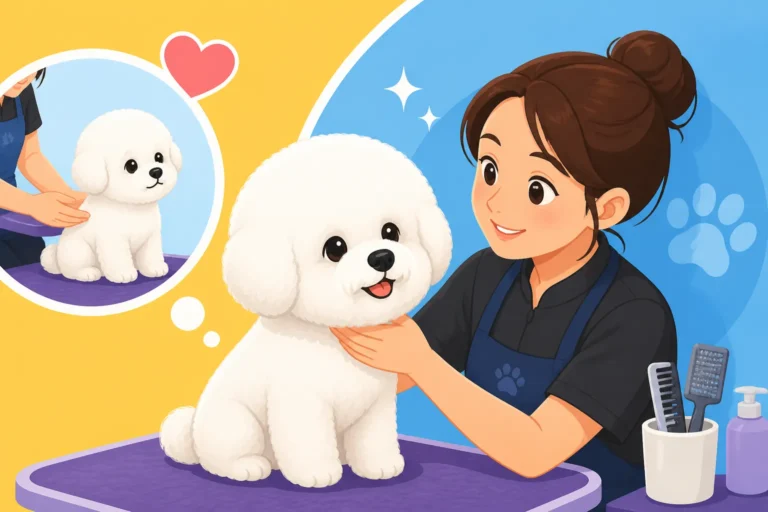
- Professional Groomer's Role: A skilled groomer who understands positive reinforcement can be an invaluable partner. They can help maintain paw health, safely trim nails, and further desensitize your dog to the process. Look for groomers who prioritize comfort and positive experiences, rather than just "getting it done."
Holistic Health and Nutrition
A healthy body supports healthy paws. Good nutrition and overall well-being play a role in preventing paw problems.
- Quality Diet: A balanced, high-quality diet contributes to healthy skin and coat, which includes the skin on their paws. Ensure they are getting all necessary nutrients.
- Hydration: Proper hydration is important for skin elasticity and overall health. Make sure your Bichon always has access to fresh water.
- Allergy Management: If allergies are a recurring issue, work with your vet to manage them effectively. This might involve special diets, medications like Apoquel or Cytopoint (if prescribed by your vet), or environmental control. Untreated allergies will make paw issues a constant battle. Whether Allergy Treatment Can Avoid Steroids is a common question, and there are many non-steroidal options available now.
By taking a holistic approach—addressing pain, using gentle techniques, and focusing on long-term preventive care and positive training—you can transform nail trims from a dreaded wrestling match into a manageable, even calm, routine for both you and your beloved Bichon Frise.
Disclaimer
This article is for general informational purposes only and does not constitute professional advice. Laws, prices and regulations vary by location and change over time. Consult a qualified professional for guidance on your specific situation.