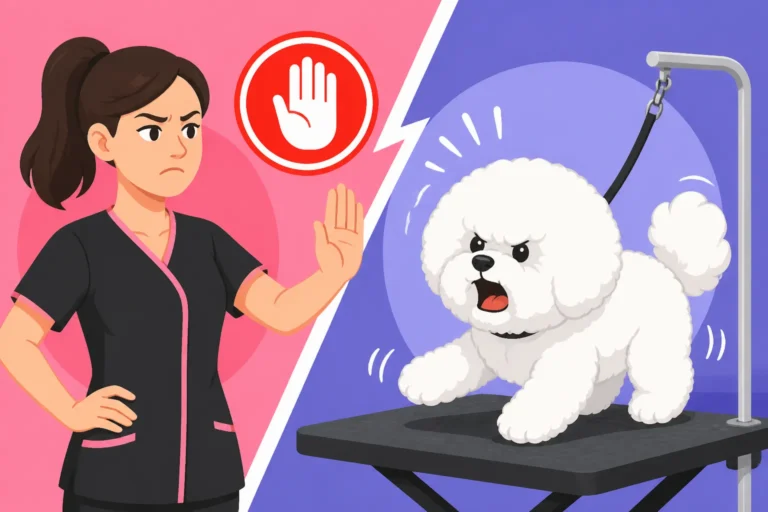
Whether a Bichon Frise Panics at a High Velocity Dryer
It's a common and genuinely frustrating scenario for many Bichon Frise owners: you've committed to keeping that gorgeous fluffy coat in tip-top shape, but the thought of bathing and drying your beloved little cloud fills you with dread because of the absolute panic your pup exhibits at the sight or sound of a high velocity dryer. It's heartbreaking to see them so distressed, and it makes the essential grooming process incredibly stressful for everyone involved. This guide will walk you through understanding why your Bichon might react this way and offer practical, empathetic strategies to help them become more comfortable, or at least tolerant, of the high velocity dryer, making grooming a less terrifying experience for both of you.
Understanding Your Bichon Frise's Reaction to a High Velocity Dryer
Let's face it, a high velocity dryer isn't exactly a gentle breeze. It's a powerful tool designed to blast water off a dog's coat quickly and efficiently, and while it's a lifesaver for groomers dealing with thick, double-coated breeds, it can be quite a shock to a small, sensitive Bichon Frise. Their inherent nature and physical characteristics can make them particularly susceptible to distress when confronted with this powerful piece of equipment. It’s not just about being "stubborn" or "difficult"; there are genuine reasons behind their fear.
The Bichon Frise's Sensitive Nature
Bichons are known for their cheerful, affectionate, and intelligent personalities, but they can also be quite sensitive. They thrive on routine and positive interactions, and sudden, loud, or intense stimuli can be genuinely startling. Imagine yourself suddenly being subjected to a loud, roaring machine blasting air at you – it would be unsettling, right? For a Bichon Frise, whose world is often much more attuned to subtle sounds and vibrations, a high velocity dryer can feel like an assault on their senses. Their small size also means they might feel more vulnerable to such powerful forces. What might be a slight annoyance to a larger, more robust breed can be truly frightening for a little Bichon.
The Loud Noise and Intense Airflow
The two main culprits behind a Bichon Frise's potential panic are the noise level and the force of the air. High velocity dryers, by design, are loud. Even models marketed as "quiet" are still significantly louder than a human hairdryer. This intense, unfamiliar noise can trigger a flight or fight response. Dogs have far more acute hearing than humans, so what sounds loud to us is amplified for them. Furthermore, the sheer force of the air can be disorienting and uncomfortable. It's not just the sound; it's the sensation of being buffeted by strong air currents. This can make them feel out of control, especially if they are already prone to anxiety. Many Bichons also have sensitive skin, and while the dryer isn't hot, the concentrated blast of air can feel strange or even a bit abrasive if not used correctly. This is particularly true if they have underlying skin conditions or are experiencing an allergic flare-up, which can make their skin feel tender. Handling a Bichon Frise Whose Skin Is Sore can be a challenge even without a dryer, so adding that element of discomfort just compounds the issue.
Past Negative Experiences
Sometimes, a fear isn't innate but learned. If your Bichon Frise had a bad experience with a dryer as a puppy, or even with another grooming tool, that memory can stick. Maybe they were accidentally burned by a hot dryer (though high velocity dryers don't use heat, some regular human dryers can), or perhaps they were restrained too tightly during a previous drying session. They might have gotten a blast of air directly in their face or ears, causing discomfort. These negative associations can cement a lifelong fear. It's also possible they simply weren't introduced to grooming tools gradually and positively during their critical socialization period. How Early a Bichon Frise Should Meet a Groomer is crucial for setting them up for success.
Strategies for Introducing Your Bichon Frise to a High Velocity Dryer
The key to overcoming dryer panic is a slow, patient approach using desensitization and counter-conditioning. This isn't a quick fix, but it's the most effective and humane way to help your Bichon Frise learn that the dryer isn't a monster.
Desensitization: A Step-by-Step Approach
Desensitization means gradually exposing your dog to the scary thing (the dryer) at a level where they don't react fearfully, and slowly increasing the intensity.
- Start with the Sight: Begin by simply having the dryer in the same room, unplugged. Let your Bichon Frise see it, sniff it. Reward them with high-value treats and praise for simply being calm in its presence. Don't push them; let them approach it on their own terms. If they are too scared, start by just bringing it into the house but in a different room, gradually moving it closer over days.
- Introduce the Sound, Distantly: Plug in the dryer but turn it on in a different room, at the lowest setting, perhaps with a door almost closed. Your goal is for the sound to be barely perceptible. As soon as you hear it, give your Bichon a super special treat (like cooked chicken or cheese). Repeat this many times over several sessions. The moment they hear the sound, good things happen! Gradually, over days or weeks, decrease the distance or open the door a little more, always ensuring the sound remains low enough that your dog doesn't react negatively.
- Low-Level Exposure with Treats: Once your Bichon is comfortable with the low, distant sound, try turning it on in the same room, still on the lowest setting, but pointed away from them. Don't aim it at them at all. Just let it run for a few seconds while you give them treats. Turn it off. Repeat. Keep these sessions short and positive. You want them to associate the sound with delicious rewards, not fear.
- Introducing the Airflow: When they are okay with the low sound in the room, gently direct the off-speed air (the lowest setting) towards their body, starting with an area they are less sensitive about, like their back or hindquarters, never the face, ears, or paws initially. Keep the dryer a good distance away, so the airflow is very gentle. Give treats continuously while the air is on. Turn it off immediately if they show any signs of stress (see the table below). Build up the duration and gradually move closer, always watching their body language. For training guidance on remaining calm during handling, resources from BAXTER & Bella can be incredibly helpful, as they focus on positive reinforcement from puppyhood.
Counter-Conditioning: Changing the Emotional Response
Counter-conditioning works hand-in-hand with desensitization. It's about changing your Bichon Frise's emotional response from fear to something more positive, like excitement for treats or playtime. Every time the dryer is present, good things happen.
- Treat Association: As described above, pair the sight and sound of the dryer with their absolute favorite, high-value treats. These treats should be reserved only for dryer training, making them extra special.
- Playtime Integration: For some Bichons, a favorite toy or a quick game of tug can be a great counter-conditioner. Turn on the dryer (low setting, far away), and immediately engage them in play. This diverts their attention and creates a positive association with the "dryer time."
- Calm and Confident Handling: Your own demeanor is critical. If you're stressed or anxious about the grooming, your Bichon Frise will pick up on that. Remain calm, speak in a cheerful, reassuring voice, and move deliberately. Your confidence can help build theirs. When teaching them to relax for other grooming tasks, remember that Teaching a Bichon Frise to Hold Still on a Table requires consistent, calm effort.
Essential Tools and Tips for Home Grooming
To make this process as smooth as possible, having the right tools and knowing how to use them safely is vital.
- Invest in a "Quiet" Dryer: While no high velocity dryer is truly silent, some are significantly quieter than others. Research models online (check reviews on platforms like Amazon) that specifically mention low noise levels. A variable speed setting is non-negotiable, allowing you to start at the absolute lowest airflow.
- Ear Protection: This is huge! Bichons have excellent hearing. Consider dog-specific ear muffs or snoods designed to reduce noise. Introducing these before the dryer comes out, with positive reinforcement, is crucial. Let them wear the snood for short periods with treats and praise, building up their comfort.
- Non-Slip Surface: Always dry your Bichon Frise on a non-slip surface, like a rubber mat on a grooming table or even a bath mat on the floor. This helps them feel more secure and prevents slips that could add to their anxiety. Whether a Bichon Frise Should Jump Off Furniture and Whether Slippery Floors Hurt a Bichon Frise highlight the importance of stability for their joints and overall well-being.
- Proper Brushing: Before even thinking about the dryer, ensure your Bichon Frise is thoroughly brushed out. Mats trap moisture and air, making drying uncomfortable and inefficient. A matted coat will pull painfully when blasted with air, creating a truly negative experience. Regular brushing, even daily for a Bichon, can take How Long Brushing a Bichon Frise Takes, but it's essential.
- Short Sessions: Keep initial drying sessions very brief – just a few seconds at a time. End on a positive note, even if it means turning off the dryer before they're fully dry. You want them to associate the dryer with a pleasant, short experience, not an endurance test.
- Plenty of Praise and Rewards: Every single step of progress, no matter how small, deserves a reward. Verbal praise, gentle petting, and those high-value treats will reinforce the positive associations.
Recognizing and Responding to Fear Signals
It's absolutely critical to understand your Bichon Frise's body language to avoid pushing them past their threshold and exacerbating their fear. What might look like mild discomfort to us could be true terror for them.
Subtle and Overt Signs of Stress
Dogs communicate their discomfort long before they resort to growling or biting. Learning to read these subtle cues is key to successful desensitization.
- Subtle Cues: Look for lip-licking, yawning (when not tired), averted gaze (turning head away), flattened ears, tail tucked low, stiffness in their body, shivering, or trying to move away slightly. They might also pant excessively even if not hot. These are early warning signs that they are uncomfortable.
- Overt Cues: If the subtle cues are ignored, your Bichon Frise might escalate to whining, frantic struggling, trying to escape, cowering, growling, or even snapping. These are clear indications that they are overwhelmed and need a break immediately. Continuing past this point will only reinforce their fear.
The Importance of Thresholds
Every dog has a "threshold" – a point at which they can no longer cope with a stimulus without becoming fearful or reactive. During desensitization, your goal is to stay below this threshold. If your Bichon Frise shows any sign of stress, you've gone too far, too fast. You need to reduce the intensity (move the dryer further away, lower the speed, shorten the duration) and try again at a lower level in the next session. This means your training might take longer, but it will be more effective and less traumatic for your dog. Remember, this isn't about "winning" or forcing them; it's about building trust and comfort.
How to Respond When Your Bichon Shows Fear
If your Bichon Frise shows fear, stop immediately. Do not push through it.
- Stop the Stimulus: Turn off the dryer.
- Remove from Situation: If necessary, move your dog to a quiet, safe space.
- Offer Comfort (But Don't Overdo It): Gently reassure them, but avoid overly coddling or making a huge fuss, which can sometimes inadvertently reinforce the idea that there is something to be scared of. A calm, gentle "It's okay, you're safe" and a few strokes can be helpful.
- Re-evaluate and Adjust: For your next session, go back a few steps in your desensitization process. Maybe the dryer was too close, or the setting was too high. The pace of progress is entirely dictated by your Bichon Frise.
When to Seek Professional Help or Alternatives
Sometimes, despite your best efforts, a Bichon Frise's fear of the high velocity dryer is so deeply ingrained that home efforts just aren't enough. It's important to know when to call in the experts or consider different approaches.
Consulting a Professional Groomer
A professional groomer, especially one experienced with anxious dogs or Bichon Frises, can be an invaluable resource.
- Experienced Handling: They have a knack for handling dogs calmly and efficiently. They might use techniques you haven't considered, or simply have the confidence that helps an anxious dog relax.
- Specialized Equipment: Many professional groomers have various dryers, including cage dryers or stand dryers that provide a more ambient, less direct airflow. They also often use grooming loops and tables that offer stability, which can be comforting. They might use ear protection or offer "happy hoodies" to muffle the sound.
- Gradual Introductions: A good groomer will also employ desensitization techniques, often over several short "happy visit" sessions where the dog simply gets treats and positive reinforcement in the salon environment, without actual grooming. Ask about their approach to fearful dogs.
Here's a comparison of common drying methods:
| Drying Method | Pros | Cons | Best For |
|---|---|---|---|
| High Velocity Dryer | Fastest drying, blasts water off efficiently, excellent for thick coats. | Very loud, intense airflow, can be frightening, requires training. | Dogs acclimated to it, professional groomers. |
| Stand Dryer | Hands-free, adjustable height, less direct airflow than HV. | Still produces noise, can be less powerful, takes longer. | Dogs needing hands-on drying, calmer dogs. |
| Cage Dryer | Hands-off, dog rests in kennel, even drying. | Can overheat if not monitored, some dogs dislike confinement, can be dehydrating. | Groomers with multiple dogs, well-ventilated settings. |
| Human Hairdryer | Accessible, familiar sound. | Can get too hot, inefficient for dog coats, not powerful enough. | Spot drying small areas, absolutely no heat setting. |
| Towel Drying | No noise, no intense air. | Very slow, doesn't fully dry, promotes matting, can leave dampness. | Quick initial dry, sensitive areas. |
Whether a Bichon Frise Needs a Force Dryer is a common question, and while ideal for efficiency, it's not always the best starting point for a sensitive dog.
When to Consult a Vet or Behaviorist
If your Bichon Frise's fear is severe, leading to aggression, extreme hiding, or uncontrollable shaking, a consultation with your veterinarian or a certified veterinary behaviorist might be necessary.
- Medical Causes: Sometimes, underlying pain or medical conditions can exacerbate fear. For example, an ear infection or dental pain could make the noise or sensation of a dryer unbearable. Your vet can rule out any health issues.
- Anxiety Medication: In cases of extreme anxiety, your vet might suggest short-term anti-anxiety medication to help your Bichon Frise cope during training, or for grooming appointments. This isn't a permanent solution but can lower their anxiety enough to make desensitization possible.
- Behavioral Modification Plans: A veterinary behaviorist can design a tailored behavioral modification plan, potentially incorporating specialized techniques or even prescription medication, to address severe phobias. They are experts in understanding canine fear and can provide the most comprehensive guidance. Whether a Bichon Frise Needs Sedation for Grooming is a discussion best had with your vet or a certified behaviorist.
Ultimately, helping your Bichon Frise overcome dryer panic is a journey of patience, understanding, and consistent positive reinforcement. It might take time, but the reward of a calmer, happier grooming experience for both of you is well worth the effort.
Disclaimer
This article is for general informational purposes only and does not constitute professional advice. Laws, prices and regulations vary by location and change over time. Consult a qualified professional for guidance on your specific situation.