Whether a Bichon Frise Ever Sulks
Oh, the ever-so-charming Bichon Frise! We all adore them for their seemingly endless well of cheerfulness, those fluffy white clouds of joy bouncing around, tails wagging like enthusiastic metronomes. But if you’re a Bichon owner, you’ve probably had that moment where you look at your beloved puffball and wonder, "Are they… sulking? Did I just offend my dog?" It's a common and often bewildering experience, and this comprehensive guide is here to unravel the mystery behind those moments when your Bichon Frise seems to be giving you the silent treatment or acting a little less than their usual bubbly self.
The Myth of the Always-Cheerful Bichon Frise
It’s easy to fall for the idea that Bichon Frises are perpetually happy-go-lucky. Their breed standard often mentions their "merry temperament," and certainly, most of them live up to it, greeting the world with an infectious enthusiasm. They're known for their clown-like antics and their genuine desire to be at the center of attention, showering their humans with affection. This picture of unadulterated joy is a huge part of their appeal.
However, just like us, dogs are complex beings with a range of emotions and physical sensations. To expect any living creature to be 100% cheerful, 100% of the time, simply isn't realistic. While a Bichon Frise might not "sulk" in the human sense of nursing a grudge or intentionally trying to make you feel guilty, they absolutely experience feelings of discomfort, fear, sadness, or displeasure. The way they express these feelings might look a lot like what we interpret as sulking. It's a natural reaction to disappointment or an unwanted experience, and it's essential for us as owners to learn to differentiate between genuine emotional distress, physical discomfort, and a mere canine expression of "I'm not thrilled about this."
Understanding Canine Emotions Beyond Human Terms
When we talk about a dog "sulking," we're often projecting human emotions onto them. For us, sulking implies a deliberate act of withdrawing, pouting, or displaying displeasure to get a reaction or express a grievance. Dogs, however, operate on a more immediate and instinctual level. They don't have the same capacity for complex abstract thought or long-term emotional manipulation that we do. They live very much in the present moment, reacting to stimuli and circumstances as they occur.
So, while your Bichon Frise might not be plotting revenge for that impromptu bath, they can certainly express that they are unhappy about it. Their emotional range includes joy, fear, anxiety, frustration, contentment, excitement, and even grief. When a dog appears to be sulking, it's usually a manifestation of one of these more basic emotions, perhaps triggered by something you did or a situation they found themselves in. Understanding this distinction is the first step in correctly interpreting their behavior and responding in a way that truly addresses their needs, rather than just dismissing it as "pouting." This sensitivity means they often react quite strongly to changes in routine or perceived injustices, and it can sometimes be mistaken for something more profound.
Bichon Temperament and Sensitivity: A Double-Edged Sword
The very qualities that make Bichons so endearing—their affectionate nature, their desire for companionship, and their keen sensitivity to their owner's moods—can also be the root of behaviors we might call "sulking." A Bichon Frise thrives on positive interaction and attention. They are deeply connected to their human families, often described as "velcro dogs" because they stick so closely to their people. This means they are incredibly attuned to your body language, tone of voice, and overall emotional state.
When a sensitive Bichon feels ignored, scolded, or perceives a change in the household dynamic that isn't in their favor (like a new baby getting all the attention, or you spending too much time on your phone), their reaction can be quite pronounced. They might withdraw, avoid eye contact, or move to another room. It’s not necessarily a calculated act of sulking, but rather their way of processing disappointment or confusion, or simply coping with a situation they find unpleasant. They might retreat to their safe space, perhaps their crate or a favorite bed, to decompress. This sensitivity also extends to physical discomfort, which can significantly impact their mood, as we'll explore later. They are generally quite vocal in their displays of happiness, so a sudden silence or withdrawal is often a clear signal that something is amiss. The Merry Temperament the Bichon Frise Standard Demands might imply constant joy, but even the merriest of dogs have their off days.
What "Sulking" Might Look Like in Your Bichon
So, what exactly does Bichon Frise "sulking" entail? Since they don't consciously decide to "pout," their apparent sulking behaviors are typically expressions of underlying discomfort, dissatisfaction, or a plea for attention. It's about interpreting their body language and changes in routine.
The "Cold Shoulder" and Ignoring You
This is perhaps the most classic manifestation of perceived sulking in a Bichon. You might have just given them a necessary but disliked bath, or perhaps clipped their nails (a common point of contention!), or even just told them off for getting into the trash. After the "offense," your Bichon might visibly turn their back on you, lie down with their head facing away, or refuse to acknowledge your calls. They might even refuse to make eye contact when you approach, seemingly preferring to gaze intently at the wall or floor.
It can feel deeply personal when your usually cuddly companion suddenly acts as if you don't exist. You might feel a pang of guilt or frustration. In reality, this behavior is likely a dog's way of disengaging from a negative interaction. They're not necessarily mad at you as a person, but rather displeased with the event that just occurred. They might be trying to self-soothe, or perhaps they've learned that ignoring you sometimes makes the unpleasantness stop or earns them extra coaxing and attention, which, to a Bichon, is always a win. It’s their way of saying, "I do not approve of your recent actions."
Retreating and Hiding
Another common "sulking" behavior is when your Bichon Frise retreats to a secluded spot. This could be their crate, under a bed, behind a piece of furniture, or even just in a different room from where you are. This is often seen after a scolding, a vet visit, or any experience they found frightening or uncomfortable.
When a dog retreats, it's typically a self-preservation mechanism. They're seeking a safe haven where they can feel secure and regulate their emotions. It’s important not to misinterpret this as a deliberate attempt to punish you. Instead, view it as a signal that your Bichon is feeling overwhelmed, anxious, or simply needs a break from stimulation. If you've ever felt the need to step away from a stressful situation, you can appreciate that your Bichon might feel the same. For a breed that loves being close to their people, a retreat like this is a strong indicator of their emotional state.
Refusing Food or Play
Imagine your Bichon, usually eager for mealtime or a game of fetch, suddenly turning their nose up at their bowl or ignoring their favorite squeaky toy. This can definitely feel like a dramatic act of sulking, especially if it happens right after a perceived "wrong" committed by you.
While sometimes it can be linked to feeling upset, a refusal of food or play should always be taken seriously and warrants further investigation. It could be due to a loss of appetite from stress or anxiety, or it might point to a more serious underlying health issue. A dog who is genuinely feeling unwell, perhaps with a tummy ache or dental pain, won't be interested in food or play. Similarly, if they are overly anxious or fearful, their appetite can be suppressed. Before attributing it solely to "sulking," consider if there are other, more pressing physical or emotional needs at play. A truly playful Bichon, known for Whether the Bichon Blitz Happens Every Day, suddenly going still is a definite red flag.
Deeper Reasons Behind the "Sulking" Behavior
It’s easy to label a dog’s withdrawal or aloofness as "sulking," but as loving owners, we owe it to our Bichons to dig a little deeper. More often than not, what appears to be a temper tantrum or a deliberate cold shoulder is actually a symptom of something else entirely.
Physical Discomfort or Pain
This is arguably the most crucial factor to consider when your Bichon Frise acts out of character. Dogs are masters at hiding pain and discomfort, often due to their evolutionary instincts to avoid appearing weak to predators. However, when they are genuinely suffering, it can manifest as irritability, withdrawal, aggression, or a general lack of enthusiasm – behaviors that can easily be mistaken for sulking.
Think about it: if you had a headache or an aching joint, you probably wouldn't be in the mood to socialize or play. The same goes for your Bichon. They might be experiencing anything from mild gastrointestinal upset to a more chronic issue like arthritis or even bladder stones, which are unfortunately common in the breed. A dog who suddenly resists being picked up, or doesn't want to engage in their usual activities, might be experiencing pain in their back, neck, or joints. Skin issues, which many Bichons are prone to, can also cause constant irritation; Whether an Itchy Bichon Frise Is Grumpier is a real question with a real answer. An untreated ear infection can also make them feel miserable and withdrawn, making handling or even just petting painful. If you notice a sudden shift in behavior, especially if it involves reluctance to move, eat, or interact, a vet check-up should always be your first step. It's far better to rule out a medical issue than to assume they're just being dramatic.
Anxiety, Fear, or Stress
Bichons are sensitive souls, and they can be quite prone to anxiety, fear, and stress. These emotions can trigger behaviors that look a lot like sulking but are actually coping mechanisms. For instance, separation anxiety is a significant concern for many Bichon owners. A dog suffering from separation anxiety might appear withdrawn or "moody" when you return home, as they are still recovering from the stress of being left alone. They might also appear to be "ignoring" you as a way to manage their internal distress rather than as an intentional slight. Whether a Bichon Frise Cries When You Leave is an important indicator of this.
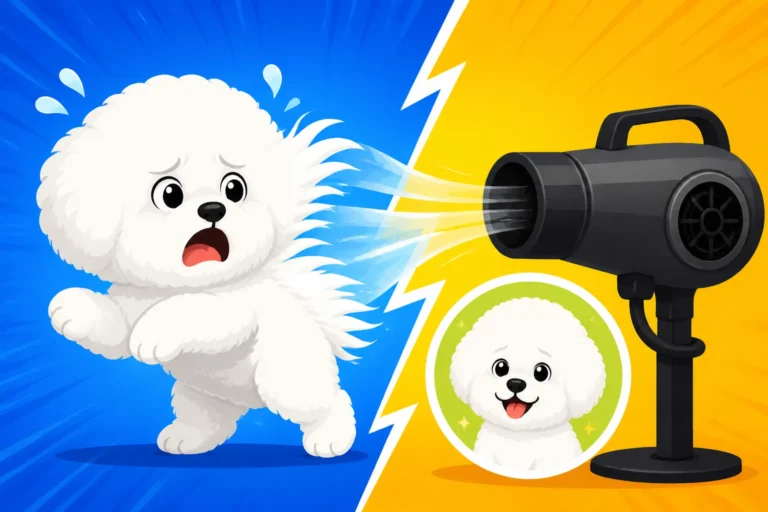
Loud noises, unfamiliar environments, new people, or changes in routine can all be significant stressors. A Bichon who is scared of the vacuum cleaner might retreat and refuse to come out, which you might interpret as sulking, but they're genuinely frightened. Grooming, while essential for the breed, can also be a source of stress for some dogs, especially if they've had negative experiences. A dog who "sulks" after a bath or a session with the hairdryer might actually be feeling relief that the ordeal is over, but still a bit overwhelmed or traumatized by the experience. A high-velocity dryer, for example, can be quite startling, and Whether a Bichon Frise Panics at a High Velocity Dryer is a valid concern for groomers and owners alike. These reactions aren't about being stubborn; they're about feeling unsafe or overwhelmed.
Training Issues or Misunderstandings
Sometimes, what we perceive as sulking is simply a communication breakdown between human and dog. Bichons are intelligent and can be very trainable, but they also have a playful, sometimes stubborn streak. If a command isn't clear, or if expectations are inconsistent, your Bichon might "shut down" or appear to ignore you. This isn't necessarily sulking; it could be confusion or a lack of motivation.
For example, if you're trying to teach a new trick, and your Bichon seems to "refuse" to perform, it might be because they don't understand what you're asking, or they're not motivated enough by the reward. Punishing them for this can lead to fear and withdrawal, which can then be mistaken for sulking. Consistent, positive reinforcement-based training is key. If your Bichon is being Whether a Bichon Frise Is Stubborn, it often means you need to rethink your approach, not that they're giving you attitude. Online training resources, such as those found through BAXTER & Bella, can provide excellent guidance on clear communication and positive reinforcement techniques, helping to bridge any gaps in understanding.
Attention-Seeking Behavior
Let's be honest, Bichons are masters of charm and adore being the center of attention. If they feel like they're not getting enough of your focus, they might resort to behaviors that inadvertently look like sulking, because they've learned that these behaviors sometimes elicit a response from you. For example, if your Bichon walks away and lies down with their back to you every time you pick up your phone, they might have learned that this often results in you putting the phone down and trying to coax them back with pets and sweet talk.
This isn't malicious sulking; it's a learned behavior. They've discovered that withdrawal gets your attention. While it can be frustrating, it highlights their deep need for connection and interaction. It’s a subtle way of saying, "Hey, remember me? I'm right here!" Rather than getting annoyed, recognize it as an opportunity to reinforce positive ways of getting attention, like quiet sitting or bringing a toy.
How to Address Apparent Sulking in Your Bichon
When your Bichon Frise seems to be sulking, it's crucial to approach the situation with empathy and a detective's mindset. Instead of getting frustrated, try to understand the root cause of the behavior.
Rule Out Physical Causes First
As we've discussed, physical discomfort or pain is a primary reason for a change in behavior. If your Bichon suddenly starts acting withdrawn, grumpy, or unlike their usual self, especially if it’s accompanied by changes in appetite, thirst, urination, or lameness, a trip to the veterinarian is non-negotiable.
Don't wait. Issues like bladder stones (a common Bichon problem), dental pain, ear infections, or joint discomfort can profoundly impact their mood and energy levels. The vet can perform a thorough examination, including blood work, urine analysis, or X-rays if necessary, to rule out any underlying medical conditions. Until you've gotten a clean bill of health, always assume that physical discomfort might be the reason behind the "sulking." Even seemingly minor issues like needing Whether a Bichon Frise Needs Its Glands Emptied can cause enough irritation to make a dog miserable and withdrawn.
Re-evaluate Your Training and Routine
Consistency and clear communication are key in dog training and management. If your Bichon appears to be "sulking" after being told off, or if they're not responding to commands, it might be time to re-evaluate your approach. Are your commands clear? Are you being consistent with rules? Are you using positive reinforcement effectively?
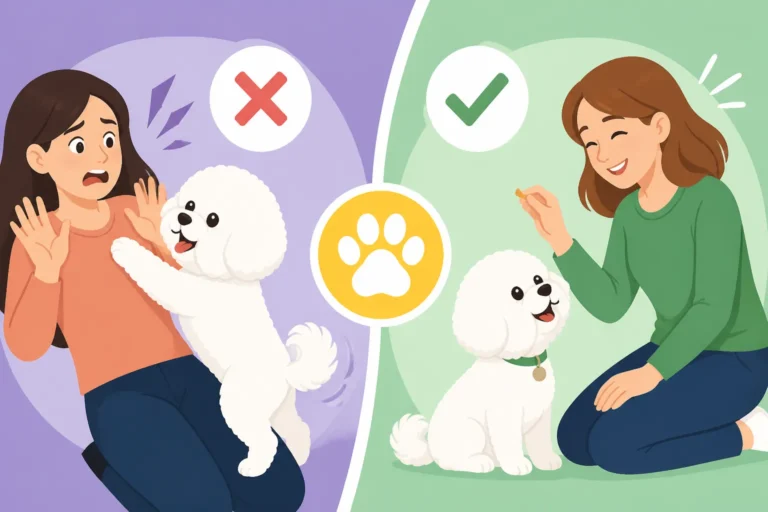
Avoid punishment-based methods, as these can lead to fear, anxiety, and a breakdown in trust, which can then manifest as withdrawal or avoidance—behaviors easily mistaken for sulking. Focus on positive reinforcement, rewarding desired behaviors, and making training a fun and engaging experience. Resources like the online puppy training program from BAXTER & Bella can offer structured guidance to improve communication and build a stronger bond, ensuring both you and your Bichon understand each other better. Sometimes, a dog is merely confused, and a clear, gentle approach can quickly resolve the apparent "stubbornness." What a Bichon Frise Will Work For is usually positive attention and tasty treats!
Provide Enrichment and Comfort
A bored, under-stimulated, or uncomfortable Bichon is more likely to exhibit unwanted behaviors. Ensure your Bichon has plenty of opportunities for mental and physical enrichment. This includes daily walks, playtime, and puzzle toys. These activities burn energy, engage their minds, and strengthen your bond.
A comfortable and secure environment is also essential. Ensure your Bichon has a quiet, safe space where they can retreat when they feel overwhelmed or tired. This could be a cozy crate, a soft dog bed, or a designated corner of the room. Offering new, engaging toys, perhaps a snuffle mat or a durable chew toy from Amazon, can redirect their focus and reduce feelings of boredom or frustration. Remember, a dog who has appropriate outlets for their energy and instincts is generally a happier, more well-adjusted dog.
Practice Patience and Positive Reinforcement
When your Bichon seems to be giving you the cold shoulder, it's natural to feel a mix of annoyance and concern. However, reacting with frustration or anger will only exacerbate the situation. Instead, practice patience and continue to offer positive interactions.
Avoid trying to "force" them out of their "sulking" phase by dragging them out from under the bed or showering them with unwanted attention if they're clearly trying to decompress. Instead, calmly invite them to engage with you on their terms. Speak in a gentle, reassuring tone. When they do choose to re-engage, even if it's just a subtle tail wag or a glance in your direction, acknowledge it with positive reinforcement—a soft "good dog," a gentle pet, or a small treat. Over time, your Bichon will learn that positive interactions are always available, even after an unpleasant experience. Never punish what appears to be sulking, as Whether Punishment Accidents Sets a Bichon Frise Back also applies to emotional reactions. If your older Bichon seems withdrawn, consider if Whether an Old Bichon Frise Gets Confused might be at play, requiring even more patience.
It’s important to remember that true "sulking" in the human sense is likely beyond a dog's emotional capacity. What we observe as sulking is often a complex interplay of physical sensations, emotional reactions, and learned behaviors. By understanding these nuances and responding with care, patience, and a commitment to their well-being, you can help your Bichon Frise navigate their feelings and return to their naturally joyful self.
Here's a quick look at common "sulking" behaviors and what might truly be behind them:
| Apparent "Sulking" Behavior | Potential Underlying Causes | How to Respond |
|---|---|---|
| Turning Back/Ignoring | Displeasure with a recent event (bath, scolding), overstimulation, learned attention-seeking. | Give them space; don't force interaction. When they choose to re-engage, offer gentle praise or a calm pet. Re-evaluate if the "offense" was too harsh or if they've learned this gets attention. |
| Retreating/Hiding | Fear (loud noises), anxiety (separation), seeking a safe space, physical discomfort. | Ensure they have a comfortable, quiet retreat. Do not invade their space. Check for potential stressors. If it's a new behavior, consider a vet visit. |
| Refusing Food/Play | Physical pain/illness, severe stress/anxiety, genuine disinterest in the offering, very rarely learned attention-seeking. | Always consult a vet first if this is a new behavior or persists. Rule out medical issues. If health is clear, reduce stressors, offer high-value treats (ensure they are safe for their diet), or vary play to find what motivates them. |
| Lethargy/Low Energy | Illness, pain, aging, stress, under-stimulation, genuine sadness (e.g., grief). | Always consult a vet first. Once medical causes are ruled out, evaluate their daily routine for sufficient exercise and mental enrichment. Consider if recent changes (loss of a companion, move) could be causing sadness. |
| Excessive Licking | Itchiness (allergies, skin issues), pain (joint, paw injury), anxiety, boredom. | Consult a vet to rule out medical causes like allergies or pain. Provide mental enrichment to address boredom or anxiety. Consider Whether a Bichon Frise Licks Its Paws Raw as a symptom of deeper issues. |
Disclaimer
This article is for general informational purposes only and does not constitute professional advice. Laws, prices and regulations vary by location and change over time. Consult a qualified professional for guidance on your specific situation.