Whether a Bichon Frise Guards Its Owner’s Lap
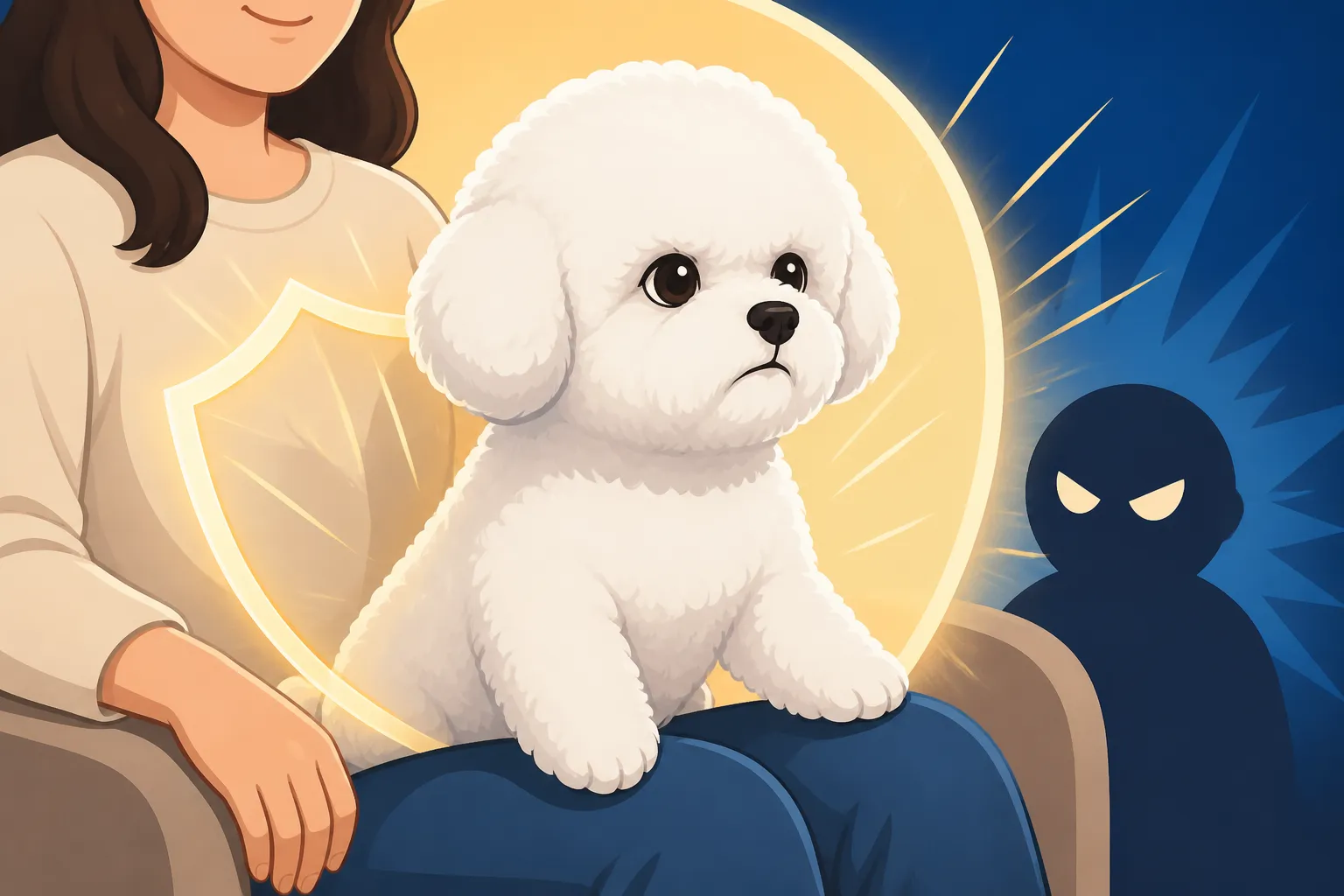
It’s a scenario many Bichon Frise owners know all too well: you’re relaxing on the sofa, your beloved fluffy companion curled up sweetly on your lap, when suddenly someone approaches – maybe another family member, a visitor, or even your other pet. What seemed like an idyllic moment of canine cuddles quickly turns into a low growl, a stiffening body, or even a snap directed at the innocent newcomer. This guide will walk you through why your gentle Bichon might suddenly become a fierce lap guardian, how to recognize the early signs, and practical, empathetic ways to address this challenging behavior.
Understanding Why Your Bichon Frise Guards the Lap
It can be truly perplexing when your usually sweet and affectionate Bichon Frise suddenly acts like a tiny, snarling lion defending its turf – especially when that turf is your lap. You might think, "But he's so loving! He just wants to be close to me." And while that's true, there's a deeper instinct at play when it comes to resource guarding, even in our smallest companions.
Resource Guarding Basics in Tiny Packages
At its core, lap guarding is a form of resource guarding. In the wild, animals guard valuable resources like food, mates, or prime den sites to ensure their survival. For a domestic dog, especially a small breed like a Bichon Frise, your lap can become an incredibly high-value resource. Think about it: your lap is often the warmest, safest, most comfortable spot in the house. It's where they get pets, attention, and a sense of security. To them, it's a prime piece of real estate, and they've learned that keeping it means keeping all those wonderful things that come with it.
This isn't about your Bichon being "mean" or "dominant" in a malicious way. It’s an instinctual behavior that sometimes manifests in unexpected ways. It's easy to feel confused and even a little hurt when your fluffy friend snaps at a loved one, especially since The Merry Temperament the Bichon Frise Standard Demands is usually one of the breed's most cherished traits. But understanding that it stems from a natural drive to protect something valuable helps us approach the problem with patience and empathy, rather than frustration or punishment. They're not trying to be naughty; they're simply acting on an instinct that needs careful guidance.
The Role of Early Socialization and Personality
Just like with humans, a dog's early experiences and inherent personality play a huge role in how they develop behaviors. A Bichon Frise puppy that didn't receive ample, positive socialization experiences with a wide variety of people, other dogs, and different environments during their critical developmental period (roughly 3 to 16 weeks) might be more prone to resource guarding. If they weren't taught that new people or other dogs approaching doesn't mean their comfort or safety is threatened, they might default to a defensive posture.
Some Bichons are also simply born with a more sensitive or insecure personality. While many Bichons are famously cheerful and outgoing, others can be a bit more reserved or easily startled. A more anxious Bichon might cling more to their perceived safe space (your lap) and react more strongly to anything that threatens that security. It’s not necessarily a reflection of bad ownership, but rather a combination of genetics and early learning. It's crucial not to dismiss these behaviors as "small dog syndrome" – it’s a real behavioral challenge that needs addressing, regardless of the dog's size. Building confidence through positive training and consistent exposure to new things, as outlined in articles like The First Year With a Bichon Frise Puppy, can make a huge difference in preventing these issues from taking root or helping an already insecure dog.
Unintentional Reinforcement by Owners
Here's the tricky part: we, as loving owners, often inadvertently reinforce lap guarding without even realizing it. Imagine this common scenario: your Bichon is on your lap, another family member approaches, and your Bichon growls. What do you do? Many of us, out of habit or concern, might immediately pick up the dog, soothe them, or gently push the other person away, saying, "Oh, he doesn't like that." While our intention is to comfort or prevent a conflict, what the Bichon learns is: "Growling or stiffening makes the scary thing (the approaching person) go away and keeps me on the lap. Success!"
Another common mistake is to scold or punish the growling. While it might seem like the natural response to an undesirable behavior, punishment often suppresses the warning signs (like growling) without addressing the underlying anxiety or possessiveness. This can lead to a dog who skips the growl and goes straight to a bite, which is far more dangerous. Instead of solving the problem, it makes it harder to predict and manage. Understanding how these unintentional reinforcements work is the first step in breaking the cycle and teaching your Bichon a more appropriate way to behave when others approach. Addressing issues like Whether a Bichon Frise Is Stubborn can sometimes involve untangling these ingrained, unintentionally reinforced patterns.
Recognizing the Signs of Lap Guarding in Your Bichon
Catching resource guarding early, before it escalates, is absolutely vital. Our Bichons, though small, are capable of expressing a wide range of emotions and intentions if we just know how to read their signals. Ignoring these early warnings can lead to more serious problems down the line, potentially resulting in bites.
Subtle Cues Before Overt Aggression
Before your Bichon resorts to a full-blown growl or snap, they'll almost always offer more subtle "calming signals" or warning signs. These might be easy to miss if you’re not looking for them, but learning to spot them is key to preventing escalation. When another person or pet approaches while your Bichon is on your lap, watch for:
- Stiffening of the body: Their muscles might tense, and their posture becomes rigid, rather than relaxed and cuddly.
- Hard stare: They might fix their gaze intently on the approaching person or animal, rather than looking at you or casually observing.
- Low growl or rumble: This can be barely audible at first, a tiny grumble deep in their throat.
- Lip curl or wrinkled muzzle: A quick flash of teeth or a slight tightening of the lips.
- A quick air snap: A warning snap in the air, not making contact, but clearly signaling "stay away."
- Freezing: They might suddenly stop whatever they were doing and become very still.
These are all signals that your Bichon feels threatened or is trying to assert ownership over their perceived resource (your lap). It's their way of saying, "I'm uncomfortable with you approaching this close," or "This is mine." Taking these signs seriously and intervening gently at this stage is much safer and more effective than waiting until the situation becomes more intense. For Bichons with skin issues, even handling them can be sensitive, so recognizing these cues is important for preventing discomfort, as discussed in Handling a Bichon Frise Whose Skin Is Sore.
When Guarding Escalates to Bites
Unfortunately, if the subtle warning signs are missed or ignored, a Bichon's lap guarding can escalate to nips and bites. This is particularly concerning if you have children, elderly family members, or even other pets in the home. A small dog bite might seem less serious than a bite from a larger dog, but it can still break the skin, cause infection, and erode trust between the dog and the people or animals they interact with.
Consider these escalating scenarios:
- When a child reaches for the dog: A small child, unaware of the dog's signals, might innocently reach out to pet the Bichon on your lap. If the Bichon has a history of guarding, they might snap, potentially catching the child's hand or face. This is why Whether a Bichon Frise Is Fragile Around Children is such an important topic, as proper management is crucial.
- When you try to move the dog: You might need to get up from the sofa, or you want to pass the dog to another person. If your Bichon views your lap as "theirs," they might resist being moved, growling, or even snapping as you try to dislodge them.
- When another pet tries to join you: If you have another dog or a cat, and they try to jump up or lie near you while your Bichon is on your lap, the Bichon might launch a quick, sharp attack to drive them away. This can create tension and fear between your pets.
It's absolutely frustrating and disheartening when your beloved pet behaves this way. It's not a reflection of your love for them, but a behavior that requires clear, consistent training and management. The goal is to teach your Bichon that approaching people or other pets means good things happen, and that your lap isn't something they need to aggressively protect.
Strategies to Gently Discourage Lap Guarding
Addressing lap guarding requires a thoughtful, positive reinforcement approach. The aim is not to punish your Bichon for feeling possessive but to change their emotional response to the perceived threat, turning negative associations into positive ones.
Desensitization and Counter-Conditioning
This is the gold standard for addressing resource guarding. It involves slowly changing your Bichon's emotional response (from fear/possessiveness to positive anticipation) to the trigger (someone approaching your lap).
Here’s how you can implement it:
- Identify the Trigger: Pinpoint exactly what causes your Bichon to guard. Is it any person approaching? Only certain people? Other pets? The closer they get?
- Start at a Safe Distance: Begin with your Bichon on your lap, relaxed. Have the "approaching person" (or another pet on a leash) stand far enough away that your Bichon notices them but shows absolutely no signs of guarding (no stiffening, no growling).
- Introduce a High-Value Treat: The moment the person appears at that safe distance, immediately give your Bichon a super high-value treat – something they absolutely adore, like cooked chicken, cheese, or special training treats from a reputable brand like BAXTER & Bella. The key is to deliver the treat as the person is visible.
- Repeat and Move Closer Gradually: Repeat this process multiple times. The person appears, treat is given. Person disappears (or moves further away), treats stop. Once your Bichon consistently looks happy and expectant when the person appears at that distance, you can very, very slowly decrease the distance.
- Pairing the Approach with Good Things: The goal is for your Bichon to associate the approach of others with getting amazing treats. They should think, "Oh, someone's coming! This means delicious things are about to happen!"
- Consistency is Key: Everyone in the household must participate and follow the same rules. Consistency, as highlighted in "Whether Short Sessions Suit a Bichon Frise", helps your dog learn faster. This process can take weeks or even months, so patience is essential.
| Approach Distance | Bichon's Reaction (Goal) | Owner's Action (Example) |
|---|---|---|
| Person 10 feet away | Relaxed, looks at person, looks at owner | "Good boy!" Give high-value treat. |
| Person 7 feet away | Curious, no tension | "Yes!" Give high-value treat. |
| Person 5 feet away | Happy, tail wag, expects treat | "Yay!" Give high-value treat. |
| Person 2 feet away | Anticipatory, no growl | "Super!" Give high-value treat. |
| Person tries to pet | Accepts, no guarding | "Fantastic!" Give high-value treat after the pet. |
This table illustrates the gradual progression you're aiming for. Remember, if your Bichon shows any guarding signs, you've moved too quickly. Go back a step to where they were comfortable and try again.
Teaching an "Off" or "Place" Command
While desensitization works on the underlying emotional response, teaching a reliable "Off" or "Place" command gives you practical tools to manage the situation and give your Bichon an alternative, appropriate behavior.
- The "Off" Command: This teaches your Bichon to get off the furniture (or your lap) when asked. Start by luring them off with a treat. As their feet touch the floor, say "Off!" and immediately give the treat. Practice this repeatedly when no one is approaching, making it a positive and rewarding experience. You want "Off" to mean "move to the floor and get a treat," not "get off or else." Over time, you can fade the lure and introduce a hand signal.
- The "Place" Command: This teaches your Bichon to go to a designated spot (like their dog bed or a mat) and stay there until released. This is incredibly useful because it gives them a comfortable, safe alternative to your lap when guests are over or when you anticipate a potential guarding trigger. Start by luring them onto their "place" with a treat, reward them for staying, and gradually increase the duration. You can find excellent dog beds and training mats on Amazon to help with this. Both of these commands empower you to manage the situation proactively, rather than reacting to guarding behavior. This aligns with teaching your Bichon useful skills, as detailed in What a Bichon Frise Will Work For.
Managing the Environment and Preventing Situations
Management is a critical component of addressing lap guarding, especially while you're working on desensitization and counter-conditioning. It means setting up your environment to prevent your Bichon from practicing the unwanted behavior in the first place.
- Restrict Lap Access in Certain Situations: If you know your Bichon guards your lap when visitors are over, don't allow them on your lap when guests are present. Provide them with their comfortable "place" bed instead, giving them high-value chews or toys there.
- Use Physical Barriers: When you have company, or if another pet is trying to join you, use baby gates or a playpen to keep your Bichon in a designated safe space where they can still be near you but not directly on your lap. This prevents the opportunity for guarding. Many suitable gates and playpens are readily available from online retailers like Amazon.
- Provide Alternative Comfort Spots: Make sure your Bichon has several comfortable, secure beds or mats around the house. If their primary source of comfort is your lap, they'll naturally guard it more fiercely. Giving them other appealing spots can help reduce the pressure on your lap.
- Supervise Interactions Closely: Always supervise interactions, especially with children or other pets, until the guarding behavior is completely resolved. If you can't supervise, then manage the environment by separating your Bichon or putting them in their "place."
- Address Other Anxieties: Sometimes, lap guarding is just one symptom of a more general anxiety or insecurity. Ensuring your Bichon feels safe and confident in other areas of their life, perhaps through consistent routines and positive training, can indirectly help. Addressing underlying anxiety, as discussed in Whether a Bichon Frise Cries When You Leave or Whether an Undersocialized Bichon Frise Recovers, often has a positive ripple effect on other behaviors.
When to Seek Professional Help for Lap Guarding
While many cases of lap guarding can be addressed with consistent, positive reinforcement methods at home, there are times when professional help isn't just beneficial—it's absolutely necessary. Knowing when to call in an expert can make all the difference for your Bichon's well-being and the safety of your household.
Understanding When It's Beyond Home Training
You know your Bichon best, and if you find yourself feeling overwhelmed, frustrated, or fearful, it's time to reach out. Here are some clear indicators that your Bichon's lap guarding is likely beyond what you can effectively manage on your own:
- Severity of Aggression: If your Bichon's guarding behavior involves frequent, hard bites that break the skin, causes significant pain, or is directed at multiple people, it's a serious concern that warrants immediate professional intervention. You shouldn't try to manage this level of aggression alone.
- Rapid Escalation: If the warning signs are minimal or absent, and your Bichon goes straight to biting without much preamble, it indicates a high level of stress or a lack of inhibition that needs expert guidance.
- Risk to Others: If you have children, elderly family members, or individuals who are less mobile or quick to react in your home, the risk of injury from even a small dog bite is too high to take chances. Whether a Child Can Injure a Bichon Frise is important to consider, but so is the reciprocal risk.
- Your Own Safety and Comfort: If you feel uneasy, anxious, or constantly on edge because of your Bichon's guarding, or if you're avoiding having guests over, it's impacting your quality of life. You deserve to feel safe and relaxed in your own home with your pet.
- Lack of Progress: You've diligently tried the desensitization, counter-conditioning, and management strategies, but after several weeks or months, you're seeing little to no improvement, or the behavior is getting worse.
In these situations, it's not a failure on your part, but rather an acknowledgment that some behavioral issues require the nuanced understanding and experience of a trained professional.
What a Professional Trainer Can Offer
Don't hesitate to reach out to a certified professional dog trainer or a veterinary behaviorist. These experts have the knowledge and tools to provide a comprehensive solution:
- Personalized Assessment: A professional will observe your Bichon in their home environment, assess the specific triggers and intensity of the guarding, and evaluate any underlying anxieties or medical conditions that might be contributing to the behavior. They’ll look at the whole picture, not just the single issue of lap guarding.
- Tailored Training Plan: Based on their assessment, they'll develop a customized, step-by-step training plan that is specifically designed for your Bichon's personality, your household dynamics, and the severity of the guarding. This isn't a one-size-fits-all approach.
- Hands-On Guidance: They can provide invaluable hands-on guidance, teaching you the precise timing and techniques for desensitization, counter-conditioning, and obedience commands. They can show you how to read your Bichon's subtle body language cues that you might have missed.
- Behavior Modification Techniques: For more severe cases, they might employ advanced behavior modification techniques that you wouldn't be able to implement safely or effectively on your own.
- Medical Considerations: A veterinary behaviorist, who is a veterinarian with specialized training in animal behavior, can also rule out or address any medical conditions (like pain from arthritis or even a urinary tract infection) that might be contributing to irritability and guarding behavior. They can also discuss medication options if anxiety is a significant factor.
- Ongoing Support: A good professional will offer ongoing support, adjusting the plan as needed and celebrating your successes with you.
Choosing the right professional is important. Look for trainers who use positive reinforcement, force-free methods, and have experience with resource guarding. Organizations like the Certification Council for Professional Dog Trainers (CCPDT) or the American College of Veterinary Behaviorists (ACVB) can help you find qualified individuals in your area. Investing in professional help for a significant behavioral issue like lap guarding is an investment in your Bichon's long-term happiness and the harmony of your home. It can sometimes feel like a daunting task, especially given the costs associated with pet care, as explored in What a Bichon Frise Costs a Year to Keep, but the peace of mind and safety it brings are truly priceless.
Disclaimer
This article is for general informational purposes only and does not constitute professional advice. Laws, prices and regulations vary by location and change over time. Consult a qualified professional for guidance on your specific situation.