Whether a Bichon Frise Is Stubborn
It’s a common frustration for many Bichon Frise owners: you swear your sweet, fluffy companion understands exactly what you want, but they just… won't do it. This isn't true defiance, but rather a unique combination of intelligence, sensitivity, and sometimes, simply a preference for their own agenda. This guide will explore why your Bichon might appear stubborn, helping you understand their charming quirks and offering practical ways to work with their personality, not against it.
Understanding the Bichon Frise Temperament: More Than Just "Stubborn"
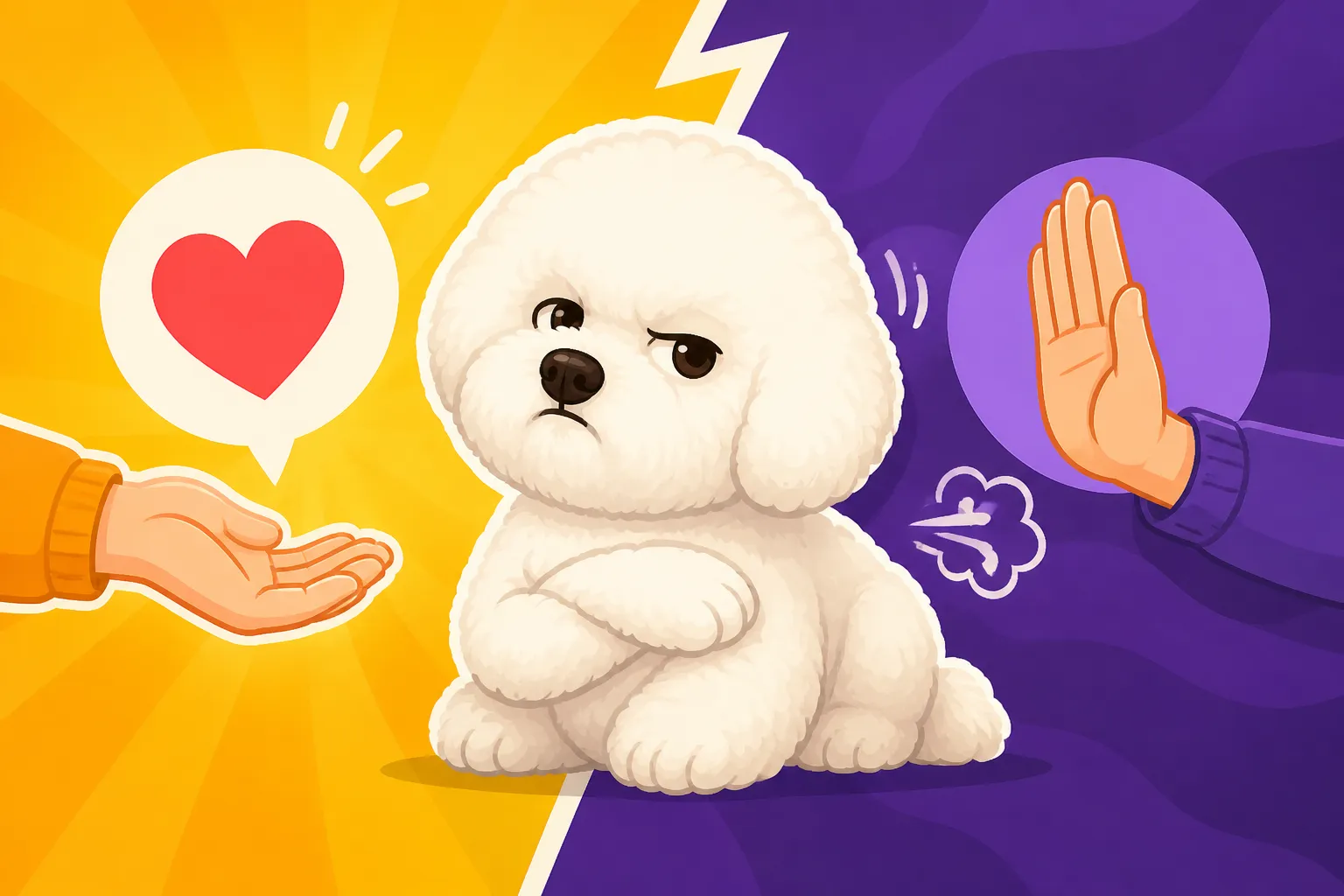
When you describe your Bichon Frise as "stubborn," it's easy to picture them deliberately being difficult, digging in their heels just to spite you. But for a Bichon, what often comes across as stubbornness is actually a blend of their inherent independence, sensitivity, and sometimes, a misunderstanding on our part about what truly motivates them. They're not trying to be a pain; they're just being a Bichon!
The Independent Streak
Bichon Frises have a long and storied history as companion dogs, often entertaining royalty and later, performing in circuses. This background, while fostering a deep bond with humans, also cultivated a certain level of independent thinking and problem-solving. They weren't bred to be mindless followers like some working breeds; they were valued for their charm, wit, and ability to engage. Because of this, they often have a strong sense of self and aren't always keen to follow commands if they don't see the immediate benefit or if something more interesting catches their eye.
This independent streak isn't about being disobedient; it's about making choices. If your Bichon decides that sniffing a particularly interesting patch of grass is more rewarding than coming when called, it's not personal. It's simply their preference system at play. They're smart enough to weigh their options, and sometimes, their options win! It means you need to be smarter and more appealing than the distractions around them.
Sensitivity and Motivation
One crucial aspect of the Bichon Frise personality that often gets mistaken for stubbornness is their sensitivity. These aren't dogs that respond well to harsh tones, heavy-handed training, or punishment. In fact, such approaches are likely to make them shut down, become fearful, or simply refuse to engage at all – which, again, can look like stubbornness. They are exquisitely attuned to human emotions and react strongly to disapproval.
Instead, Bichons thrive on positive reinforcement, praise, and making training feel like a fun game. They want to please you, but they also want to be happy and comfortable. If an activity is unpleasant or scary, they'll resist, and that resistance can be labeled as stubbornness. Understanding what truly motivates your individual Bichon – whether it's a specific high-value treat, a favorite squeaky toy, or simply your enthusiastic praise – is key to unlocking their cooperation. Without proper motivation, their independent nature will often override your requests, making them seem like they're just not listening.
Common Areas Where Bichons Seem Stubborn
It’s easy to feel like your Bichon is being deliberately difficult, especially when you encounter consistent challenges in certain areas of their care and training. But often, what we perceive as stubbornness is actually a reaction to discomfort, a physical limitation, or simply a lack of understanding on both sides. Let's look at some common scenarios.
Housetraining Challenges
Ah, housetraining. If you own a Bichon Frise, you've likely encountered the legendary tales of their perceived difficulty in this area. It's a common point of frustration for many owners, making them wonder if their fluffy friend is just plain stubborn about going outside. However, there's more to it than simple defiance.
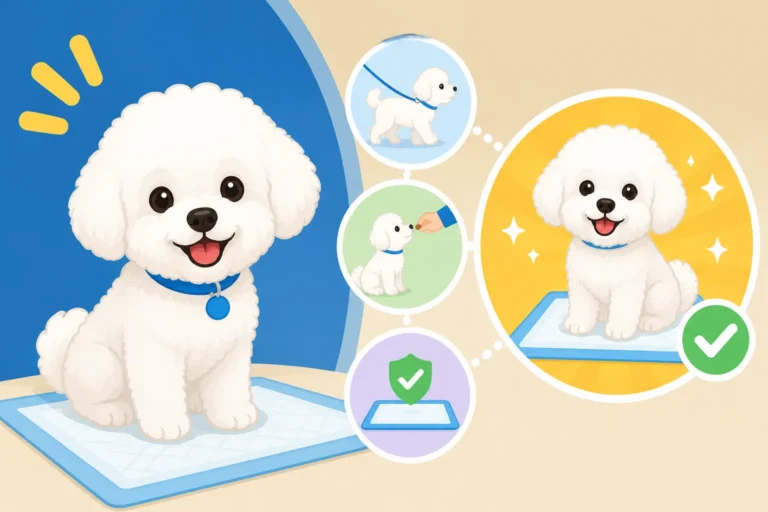
Firstly, Bichons have relatively small bladders compared to larger breeds, meaning they genuinely need to relieve themselves more frequently. What might seem like a refusal to go outside could just be that they physically couldn't hold it any longer. Secondly, they are often sensitive to weather conditions. Many Bichons express a strong dislike for rain, cold, or even wet grass, preferring the comfort and dryness of indoors. If your pup pauses at the door, looks at the drizzle, and then backs away, it's not necessarily stubbornness; it's an intelligent decision to avoid unpleasantness. Why a Bichon Frise Is Famously Hard to Housetrain delves into this in more detail. Moreover, medical issues like bladder stones or urinary tract infections can cause accidents and urgency, making a perfectly housetrained dog suddenly seem "stubborn." It's vital to rule out any underlying health problems, as explored in Whether Frequent Squatting Means Stones Not Training. A consistent The Toilet Routine That Finally Works on a Bichon Frise is essential, and understanding that Whether a Bichon Frise Refuses to Go Out in Rain is a common trait, not defiance, can save a lot of frustration.
Grooming Resistance
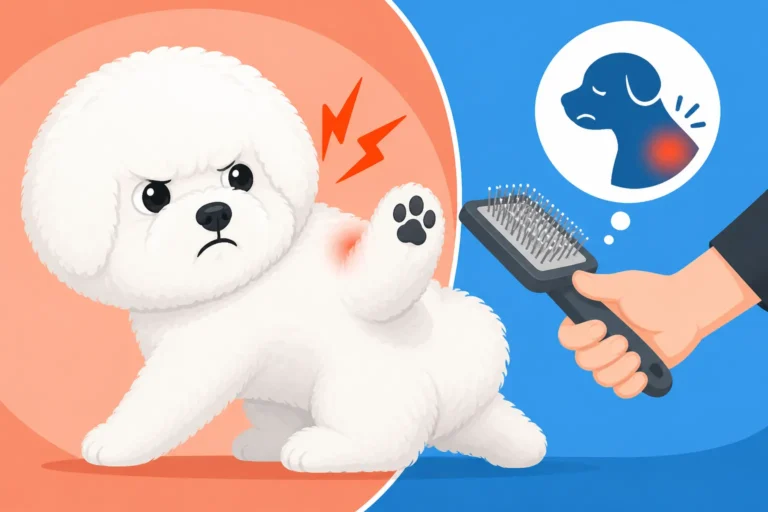
The iconic "powder puff" look of a Bichon Frise requires diligent and regular grooming, and this can become another battleground where perceived stubbornness shines. If your Bichon wriggles, bites, or outright refuses to cooperate during brushing, bathing, or trimming, it's incredibly frustrating. You might think they're being stubborn, but their resistance often stems from discomfort, fear, or a lack of proper conditioning.
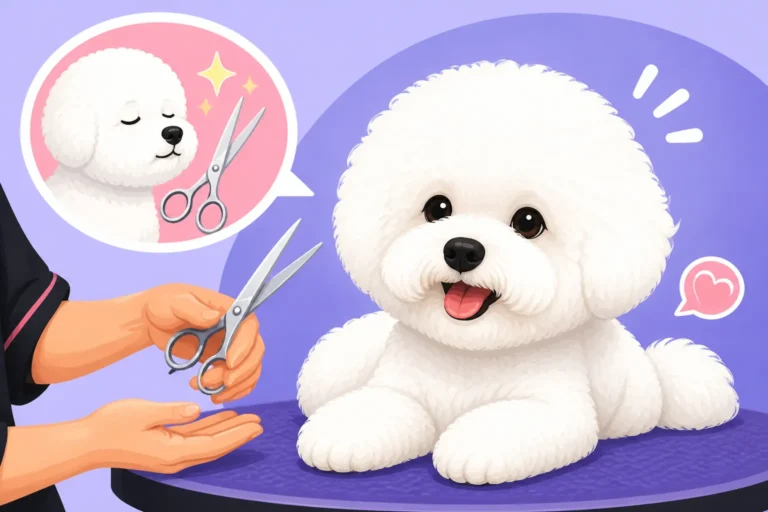
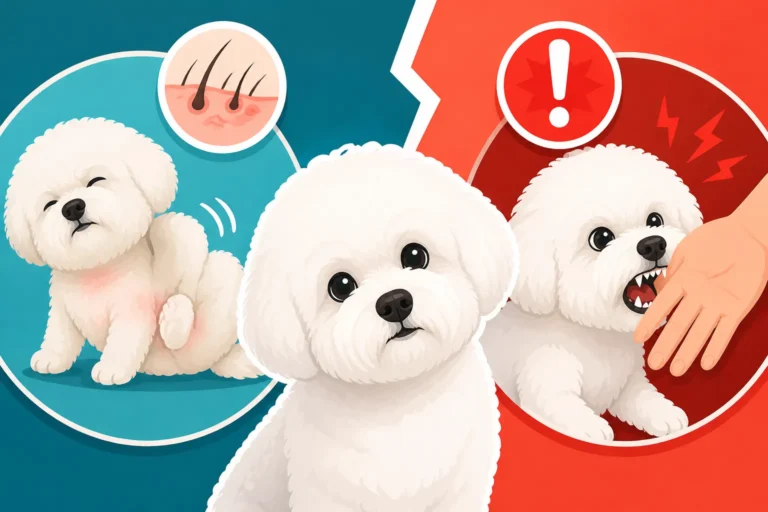
Imagine trying to stand still for an hour while someone pulls at your hair and uses buzzing clippers around your face – it can be unsettling! If a Bichon has experienced painful matting in the past, or if they haven't been gradually introduced to grooming tools and procedures from a young age, they will naturally resist. This isn't them being stubborn; it's them trying to protect themselves from an unpleasant or scary experience. Teaching a Bichon Frise to Stand for an Hour of Scissoring is a long process that requires immense patience. Furthermore, underlying skin conditions or ear infections, which are common in Bichons, can make grooming painful, leading to resistance. If you notice your Bichon snapping or growling during grooming, it’s worth considering if Whether an Itchy Bichon Frise Bites When Handled or has another discomfort. Gradually introducing tools and making the experience positive with treats and praise, as discussed in Getting a Bichon Frise Used to Scissors, can transform their attitude.
Selective Hearing During Walks
Picture this: you're out for a lovely walk, your Bichon is happily trotting beside you, and then a squirrel darts across the path. You call their name, but they might as well be deaf. They pull on the leash, straining to chase, seemingly ignoring your every command. This "selective hearing" is a classic example of what owners often label as stubbornness.
However, a Bichon's world is full of fascinating sights, sounds, and smells. Their curiosity is high, and their prey drive, while not as intense as a hunting dog, can certainly kick in for a fast-moving squirrel or bird. When their senses are overwhelmed by exciting environmental stimuli, their focus shifts dramatically. They're not deliberately ignoring you; they're simply responding to a stronger, more immediate stimulus. Their world is vibrant and exciting, and sometimes, your voice just gets lost in the background noise. This often highlights a need for more consistent recall training in distracting environments, rather than a deep-seated stubborn streak. Learning to teach a Whether a Bichon Frise Walks on a Loose Leash effectively can help manage these distractions.
Strategies for Working With Your Bichon's Personality
Understanding why your Bichon acts in a certain way is the first step, but the next is implementing strategies that actually work with their unique personality, rather than constantly battling against perceived stubbornness. It’s all about creating a positive, clear, and rewarding environment for them.
Embrace Positive Reinforcement and Consistency
This cannot be stressed enough: positive reinforcement is the cornerstone of successful training with a Bichon Frise. Forget harsh corrections or scolding; these sensitive dogs will simply shut down or become fearful. Instead, focus on rewarding the behaviors you want to see. When your Bichon does something right, even if it's just a tiny step in the right direction, let them know with enthusiastic praise, a favorite toy, or a high-value treat. Think about what your Bichon truly loves – perhaps it’s a specific chewy stick or a tiny piece of cooked chicken. You can find a wide variety of suitable training treats on platforms like Amazon.
Consistency is equally vital. If "sit" means sit every single time, in every situation, and with every family member, your Bichon will learn it much faster. Short, frequent training sessions (5-10 minutes a few times a day) are far more effective than one long, tedious session. Their attention spans are not limitless! For new puppy owners or those looking to refine their dog's manners, programs like BAXTER & Bella offer excellent online resources that emphasize positive, consistent training methods, making it easier to integrate learning into your daily routine. This consistent, positive approach makes them want to participate, rather than feeling forced.
Make Training a Game, Not a Chore
Bichons are playful, intelligent dogs with a zest for life. Tap into this natural exuberance by turning training into an engaging game. Instead of repetitive, drill-like exercises, incorporate commands into playful interactions. For instance, toss a toy and then ask for a "sit" before they get to retrieve it, or hide treats around the house and ask for a "stay" before releasing them to find them. This makes learning fun and mentally stimulating, which is incredibly important for such bright dogs.
Mental stimulation is just as important as physical exercise for a Bichon. Puzzle toys, interactive feeders, and learning new tricks can keep their minds sharp and engaged, reducing boredom that can sometimes manifest as "naughty" behaviors. Teaching them a variety of tricks, as explored in Whether a Bichon Frise Learns Tricks, not only strengthens your bond but also gives them an outlet for their intelligence. When training is a joyful experience, their perceived stubbornness often melts away, replaced by eagerness to play and learn with you.
Understand and Address Underlying Issues
Sometimes, what appears to be stubbornness is a symptom of an underlying issue. It's crucial to be a detective when your Bichon's behavior suddenly changes or they resist something they once did willingly. A sudden regression in housetraining, for instance, could be a sign of a urinary tract infection or the formation of bladder stones, a common problem for the breed. How Stones Wreck a Bichon Frise Housetraining Routine highlights just how impactful these health issues can be on behavior. If your dog is suddenly refusing to be groomed or is becoming grumpy when handled, it could indicate pain, discomfort from skin allergies, or an ear infection. Whether an Itchy Bichon Frise Bites When Handled is a good question to ask yourself if you notice this.
Always consult your veterinarian to rule out any medical causes for behavioral changes. Once health issues are addressed, you can then focus on behavior modification. Furthermore, fear or anxiety can also manifest as stubbornness. A dog who is afraid of the vacuum cleaner might "refuse" to enter a room, or one with separation anxiety might resist being crated. Recognizing these emotions and working to alleviate them with patience, counter-conditioning, and sometimes professional help, will yield far better results than simply labeling them as stubborn.
The Joy of the Bichon's "Stubborn" Spirit
While the term "stubborn" might carry negative connotations, when it comes to a Bichon Frise, their strong-willed nature is often intertwined with their most endearing qualities. It's not about them being difficult; it's about them having a distinct personality and an intelligent mind. Embracing this perspective can actually deepen your bond and lead to a more harmonious relationship.
A Dog With Character
A Bichon Frise with a bit of "stubbornness" is, at its heart, a dog with immense character. They aren't automatons; they have opinions, preferences, and a charming independent streak. This means they are thinking, feeling beings who engage with the world on their own terms. When a Bichon decides to do something, they do it with conviction! Their intelligence allows them to quickly grasp concepts, but that same intelligence also enables them to weigh whether your request is truly worth their effort at that moment.
They respond best to owners who are consistent, fair, and above all, fun. When you earn their cooperation, it's not because they were forced, but because they chose to engage with you. This makes the achievements all the more rewarding. The breed standard calls for a "merry" temperament, as discussed in What Merry Means in the Bichon Frise Standard, and that cheerful, independent spirit is often what people fall in love with. It's the delightful spark behind their eyes that makes them so unique.
Building a Stronger Bond
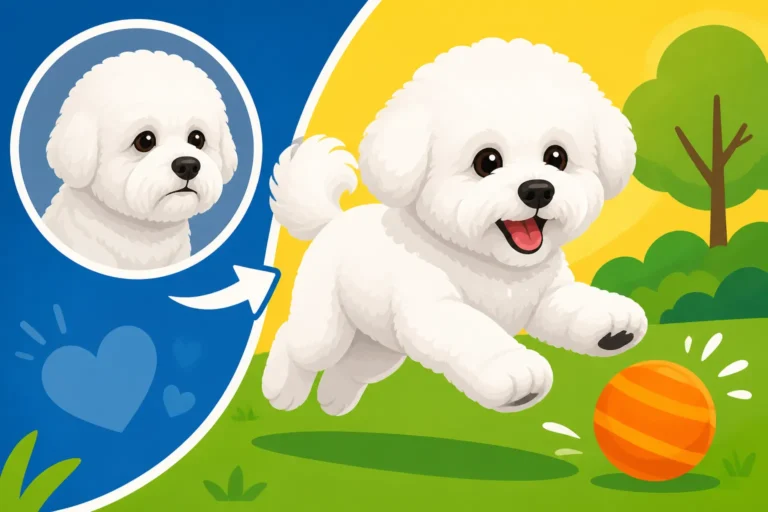
Navigating your Bichon's perceived stubbornness actually presents a wonderful opportunity to build a stronger, more trusting relationship. By understanding their motivations, respecting their sensitivities, and using positive, game-based training methods, you're communicating with them in a way they understand and appreciate. This leads to a deeper mutual respect and a more profound connection than if you were to constantly try to impose your will.
When you learn to anticipate their quirks – whether it's the sudden burst of energy known as The Bichon Blitz and What It Means or their aversion to wet grass – you can adjust your approach and prevent frustration before it even begins. It's about meeting them where they are and guiding them with patience and love. The result is a well-adjusted, confident Bichon who is a joyful, albeit sometimes opinionated, companion. Their independent spirit means they're not just your pet; they're a partner, and learning to work together transforms any perceived stubbornness into a delightful trait that makes them uniquely them.
Here's a quick way to reframe those "stubborn" moments:
| Perceived "Stubbornness" | Bichon Trait/Reason | Your Approach |
|---|---|---|
| Refusing to go out in the rain | Dislike of wetness/cold, small bladder | Provide a covered potty area, use positive reinforcement for outdoor success, check for urgency issues. |
| Ignoring recall on a walk | High curiosity, environmental distractions | Practice recall in low-distraction areas, use high-value rewards, keep sessions short and fun. |
| Wriggling during grooming | Discomfort from matting/pain, lack of conditioning | Start grooming early, use positive associations, check for skin/ear issues. |
| Not wanting to learn a new command | Lack of clear motivation, feeling pressured | Make it a game, use high-value treats, keep sessions brief and positive. |
| Suddenly having indoor accidents | Potential medical issue, inconsistent routine | Consult vet immediately, review and reinforce The Toilet Routine That Finally Works on a Bichon Frise. |
Disclaimer
This article is for general informational purposes only and does not constitute professional advice. Laws, prices and regulations vary by location and change over time. Consult a qualified professional for guidance on your specific situation.