Whether Short Sessions Suit a Bichon Frise
One of the most common frustrations new Bichon Frise owners face is feeling like their adorable little fluffball has the attention span of a gnat when it comes to training. You start a lesson with all the best intentions, only for your Bichon to be distracted by a dust bunny, a passing bird, or even their own reflection in a matter of seconds. This guide is all about embracing that reality and showing you how remarkably effective short, focused training sessions can be for your Bichon Frise.
Understanding the Bichon Frise Mindset for Training
Before we dive into the "how," let's chat about why short sessions are practically tailor-made for our beloved Bichons. They are intelligent, yes, and eager to please, but they're also exuberant, easily excitable, and possess a delightful, if sometimes challenging, zest for life. Trying to force a long, drawn-out training session on a Bichon is often a recipe for frustration for both of you.
The Bichon Frise Attention Span
Let's be real: Bichons aren't known for their marathon focus. They're bright, quick learners, but their minds tend to flit from one interesting thing to the next. Imagine asking a toddler to sit through a two-hour lecture; it’s just not going to happen. Your Bichon, with all their puppy energy and curiosity, operates on a similar principle. They thrive on novelty and engagement, but too much of one thing, even if it's fun, can quickly lead to disinterest or even acting out.
Think about how quickly they get bored with a new toy if it doesn't offer immediate gratification. Training is no different. If a session drags on and they stop getting rewarded or the exercises become repetitive, their little brains will simply check out. This isn't stubbornness; it's simply how they're wired. Recognizing this is the first step to successful and enjoyable training.
The Playful, Easily Distracted Nature
Bichon Frises are, by nature, merry and playful dogs. They love to interact, to be the center of attention, and to generally have a good time. This joyful disposition is one of their most endearing qualities, but it also means they can be easily sidetracked. A crinkling wrapper, a reflection on the floor, or the sound of someone walking by outside can instantly pull their focus away from the task at hand. It's not that they don't want to learn; it's just that the world is so full of exciting things!
This is why short, punchy sessions are so effective. You can capture their attention, work on a specific command, get a few successful repetitions in, and then end on a high note before their natural inclination to play or explore takes over. This keeps training feeling like a fun game rather than a chore, which is exactly what a Bichon needs. It's about working with their personality, not against it.
Preventing Boredom and Frustration
Long training sessions can quickly lead to boredom for a Bichon Frise, and boredom often escalates into frustration. For a dog, frustration can manifest in a few ways: they might start offering incorrect behaviors, get mouthy, wander off, or even begin "acting silly" to try and redirect your attention. This isn't productive for learning and can actually create negative associations with training. If every session ends with your Bichon feeling bored or you feeling exasperated, progress will grind to a halt.
Short sessions, on the other hand, allow you to always end on a positive note. You can finish before your Bichon gets tired or distracted, ensuring they always feel successful and eager for the next session. This builds a strong, positive foundation for learning and strengthens your bond. It's like leaving them wanting more, which keeps the enthusiasm high for future lessons.
Structuring Effective Short Training Sessions
Now that we understand why short sessions are the way to go, let's talk about how to implement them. It's not just about making them short; it's about making them impactful.
Optimal Duration and Frequency
For a Bichon Frise, "short" truly means short. We're generally talking about 2 to 5 minutes at a time, especially when you're introducing new concepts or working with a young puppy. As your Bichon matures and their focus improves, you might stretch this to 7-10 minutes, but rarely much longer for a single session. The key is quality over quantity.
Instead of one long session, aim for multiple short sessions throughout the day. This could be 3-5 (or even more for a puppy!) mini-sessions, each just a few minutes long. This frequent, brief exposure helps solidify learning without overwhelming your dog. Think of it like taking a few small sips of water throughout the day rather than chugging a whole bottle at once; it's more digestible and effective. Incorporate them into natural breaks, like before meals, after a potty break, or during a play session.
Keeping It Positive and Engaging
The foundation of successful Bichon Frise training, especially in short bursts, is positive reinforcement. This means using rewards like tasty treats, enthusiastic praise, and exciting toys to mark and encourage desired behaviors. For a Bichon, who loves attention and a good time, this approach works wonders. Keep your tone light and happy, your movements energetic, and your rewards immediate and exciting. If you're finding your Bichon losing focus, it might be a sign you need to up the value of your reward or make the game more exciting.
Varying your rewards can also keep things fresh. Sometimes it's a small piece of cooked chicken, other times it's a quick game of tug with their favorite toy. Remember, the goal is to make training the most fun thing happening at that moment. This means being more interesting than the dust bunny, the bird, or their own reflection! If you notice their tail wagging and their eyes on you, you're doing it right.
Using High-Value Rewards
Bichons are often highly food-motivated, which is a fantastic advantage in training. However, not all treats are created equal. For short, impactful sessions, especially when teaching something new or working in a distracting environment, you'll want to use "high-value" rewards. These are treats your Bichon absolutely adores and would do almost anything for. Think small pieces of cooked meat (chicken, turkey, lean beef), cheese, or specialized training treats they don't get at any other time.
Keep these high-value treats small, pea-sized or even smaller, so your Bichon isn't spending too much time chewing, which can break their focus. The idea is a quick reward that keeps them engaged and ready for the next cue. You can find many excellent options on Amazon for high-value training treats. Reserve these super special treats for training only, so they retain their "wow" factor. For general maintenance of known commands, you can use their regular kibble or lower-value treats.
Sample Short Session Training Schedule
Here's a quick look at how you might structure training sessions throughout a typical day for a Bichon Frise puppy, though the principles apply to adults too.
| Time Slot | Duration | Focus Area | Rewards Used | Notes |
|---|---|---|---|---|
| Morning | 3-5 min | Potty Training & Recall | High-value treats | After waking/first potty. Call, reward, then free play. |
| Mid-Morning | 2-3 min | Sit & Down | Kibble/mid-value treats | Before breakfast portion. Incorporate into feeding routine. |
| Lunchtime | 3-5 min | Leash Manners (indoors) | High-value treats | Short walk simulation in living room before outdoor potty. |
| Afternoon | 2-3 min | Stay (short duration) | Mid-value treats | While you're working or doing chores, brief practice. |
| Evening | 5-7 min | New Trick or Problem Area | High-value treats | Dedicated playtime that includes training. Maybe practice Whether a Bichon Frise Learns Tricks. |
| Before Bed | 1-2 min | Calm Settle | Gentle praise, belly rub | Focus on relaxing, a few easy cues like "place" or "down". |
This table illustrates how many small bursts of training can add up to significant progress over the day, without ever taxing your Bichon's attention span.
Common Training Challenges and How Short Sessions Help
Bichon Frises, despite their charming demeanor, can present a few specific training challenges. The good news is that short, consistent sessions are often the perfect solution to tackling these hurdles.
Housetraining Hurdles and Patience
Ah, housetraining a Bichon Frise. It's almost a rite of passage for owners, isn't it? They're famously known for being a bit slower to housetrain than some other breeds. Their small bladders, combined with their sometimes fastidious nature about where they "go," can make it feel like an uphill battle. You might think longer stretches of outdoor time would help, but often, it's about frequent, short, and highly reinforced trips outside.
Short sessions here mean taking your Bichon out very frequently – every hour or two for a puppy, and immediately after waking, eating, or playing, even for adults. Each successful potty break outside should be met with immense praise and a tiny, delicious treat. The quick in-and-out, rewarding positive behavior without a long, drawn-out affair, reinforces the correct spot quickly. If you extend the outdoor time too long without success, they might just get distracted and forget why they're out there. Consistent, positive, and brief trips are far more effective than hoping they'll eventually go during a 20-minute outing. This approach also helps identify if you have a genuine urgency problem, which might signal a medical issue like a urinary tract infection or even Whether a Bichon Frise Has Excitement Wetting, rather than a training lapse.
Managing the "Bichon Blitz" and Barking
The "Bichon Blitz," or "zoomies," is a sudden burst of frantic energy where your Bichon races around the house like a fluffy white rocket. It's endearing but can be chaotic. Similarly, Bichons can be quite vocal, often engaging in alert barking at every leaf that blows by the window or person walking past the house. Trying to train them out of these behaviors during a long session is futile when they're in the throes of excitement.
Short, strategically timed sessions can help manage both. For the "Blitz," you can incorporate short bursts of training before the energy peaks, or immediately after a short outdoor play session to help them transition to a calmer state. Teaching a "settle" or "place" command in brief intervals, with high rewards for stillness, can be very effective. As for barking, instead of trying to silence them once they're already barking their heads off, use very short, focused sessions to teach an alternative behavior before the triggers appear. For example, practicing "look at me" when a distant sound occurs, and rewarding heavily for focus on you, rather than the distraction. This is about prevention and redirection in small, manageable steps. You can teach them a Teaching a Bichon Frise a Quiet Cue command in short bursts, rewarding silence.
Grooming and Handling Tolerance
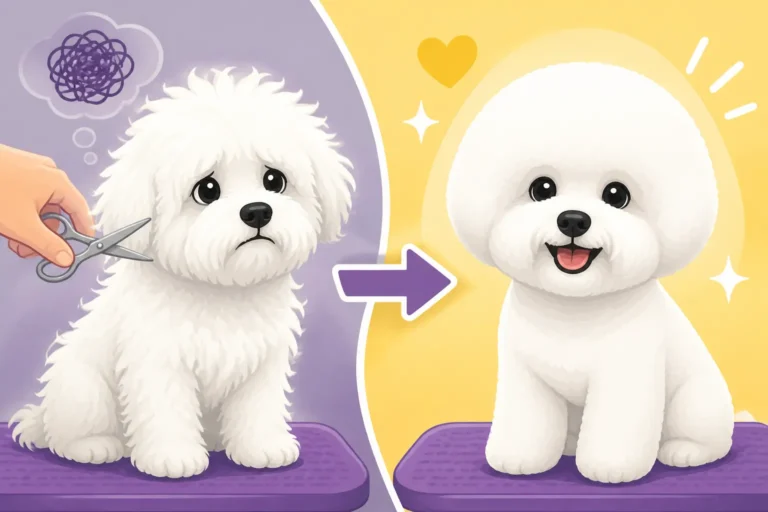
Bichons require regular grooming, and this can become a major point of contention if not handled correctly from a young age. Trying to force a reluctant Bichon to endure a 30-minute brushing or ear cleaning session will likely make them dread it even more. Here, short sessions are absolutely critical.
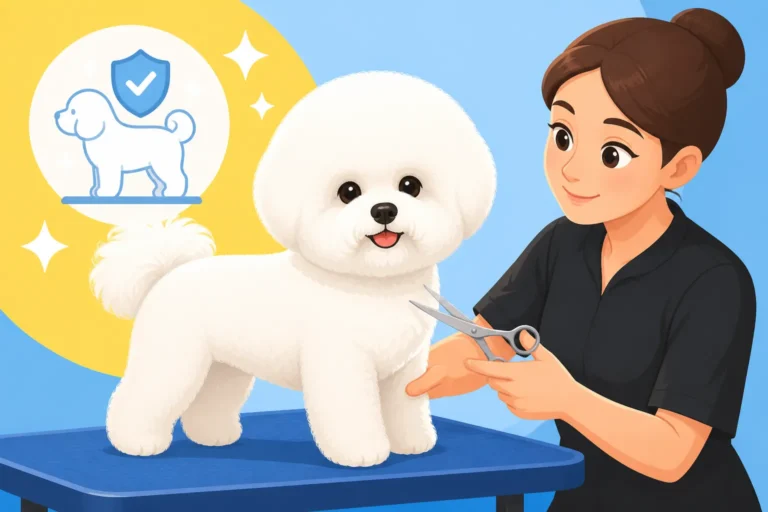
Break down grooming into tiny, positive steps. For example, one 2-minute session might just involve touching their paw and giving a treat. The next might be one quick brush stroke and a treat. Build up gradually. If you need to clean their ears, do one ear in a 1-minute session, reward heavily, and then tackle the other ear later or the next day. This gradual desensitization, coupled with positive reinforcement, helps them associate grooming with good things. Teaching a Bichon Frise to Hold Still on a Table and Teaching a Bichon Frise to Accept Ear Treatment are perfect examples where short, patient sessions will yield much better results than trying to power through. You can even find specialized grooming tools on Amazon that can make these short sessions more comfortable for your pup.
Integrating Short Sessions into Daily Life
The true power of short training sessions comes from weaving them seamlessly into your everyday routine. It's not about blocking out huge chunks of time; it's about making training a natural and frequent part of your life with your Bichon Frise.
Making Training a Lifestyle, Not a Chore
When training feels like a "thing" you have to do, it can quickly become burdensome for both you and your Bichon. But when you look at it as an ongoing conversation, a way to communicate and bond, it transforms into something enjoyable. Short sessions make this integration effortless. Think of all the tiny moments throughout your day where you could ask for a "sit" or a "down" – before you put their food bowl down, before you open the door for a walk, when a guest arrives, or even when you just want a moment of calm.
These micro-training opportunities add up significantly. They don't just reinforce commands; they help your Bichon understand that learning isn't confined to a specific place or time. It's just part of being a well-mannered, happy member of the family. This approach also keeps you, the owner, engaged and less likely to feel overwhelmed by the "chore" of training. It becomes second nature, like giving them water or cuddles.
Consistency is Key, Even in Short Bursts
While sessions are short, consistency is paramount. Doing one 20-minute session once a week is far less effective than doing four 5-minute sessions spread throughout the day, every day. Frequent repetition, even in brief doses, helps to solidify the learning and makes the behaviors more automatic for your Bichon. It's like building muscle memory; tiny, regular workouts are more effective than sporadic, intense ones.
Everyone in the household should ideally be on the same page regarding cues and rewards to maximize this consistency. If one person uses "sit" and another uses "butt down," your Bichon will get confused. A unified approach, even for quick interactions, strengthens the message. Remember, your Bichon is always learning, whether you're actively "training" or not. Consistent expectations, even in short moments, teach them how to navigate their world.
The Role of Professional Guidance
Sometimes, even with the best intentions and consistent short sessions, you might encounter a training plateau or a specific behavioral challenge that feels overwhelming. This is where professional guidance can be invaluable. A good trainer can observe your interactions, help you refine your technique, and offer personalized strategies for your Bichon Frise. They can help you identify triggers for unwanted behaviors and design short, effective intervention plans.
Online resources and programs, such as those offered by BAXTER & Bella, can provide structured curricula that break down complex training goals into manageable, short steps. They often offer video tutorials and live Q&A sessions that can guide you through the process, ensuring you're using positive, effective methods tailored to a dog's learning style. Investing in professional guidance, whether in-person or online, can significantly enhance your training journey and ensure those short sessions are as productive as possible. Remember, asking for help isn't a sign of failure; it's a sign of commitment to your Bichon's well-being and a happy, well-adjusted life together.
Disclaimer
This article is for general informational purposes only and does not constitute professional advice. Laws, prices and regulations vary by location and change over time. Consult a qualified professional for guidance on your specific situation.