The Age a Bichon Frise Puppy Stops Biting
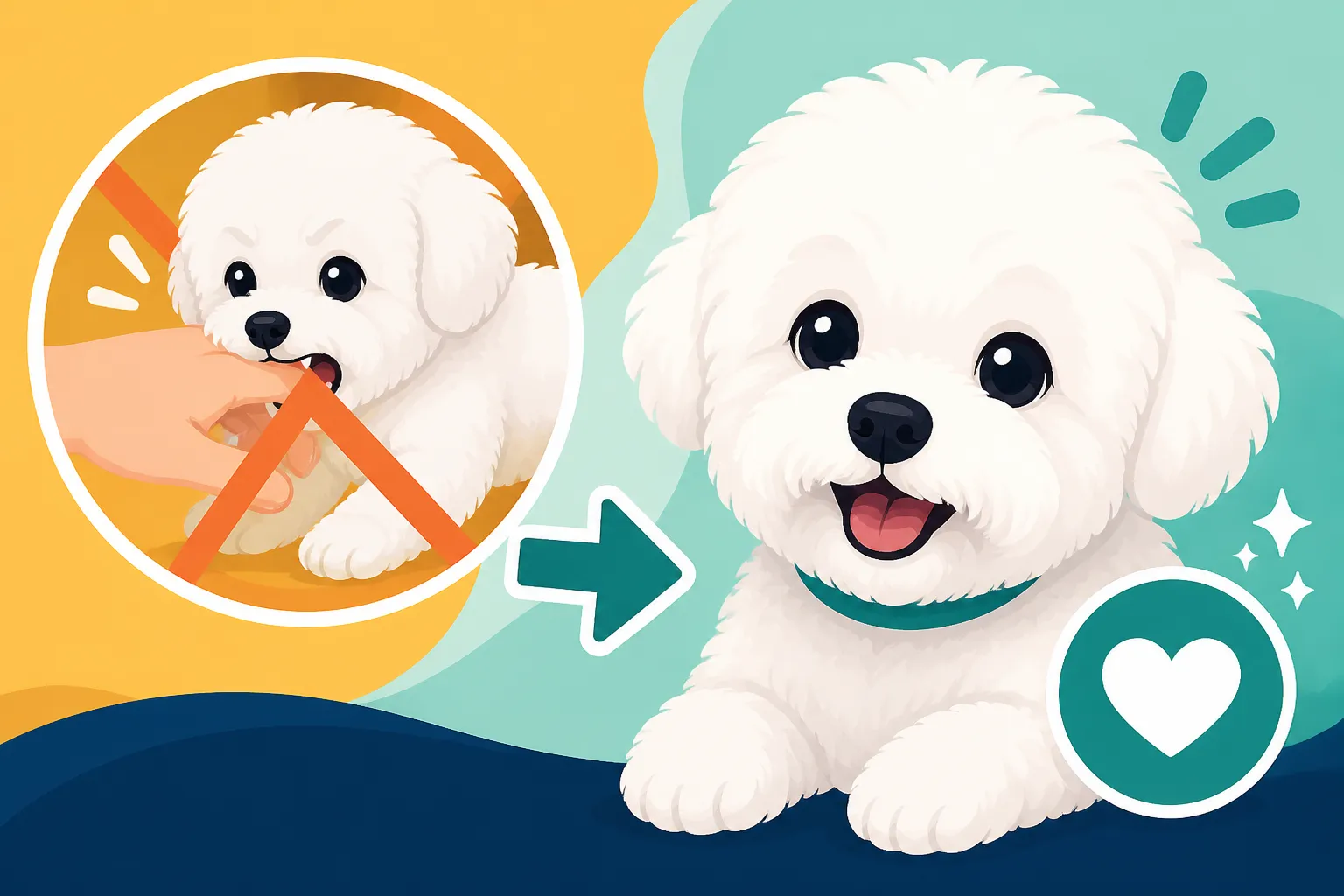
If you've recently welcomed a fluffy Bichon Frise puppy into your home, you're likely experiencing the delightful joy and, perhaps, the sharp sting of their playful nips! Puppy biting, often affectionately called the "sharky" phase, is a completely normal but undeniably frustrating part of raising a young dog. This comprehensive guide will walk you through the typical timeline of when Bichon Frise puppies generally stop biting, offering practical strategies to help your little land shark become a gentle companion.
Understanding Normal Puppy Biting Phases in Bichon Frises
It's easy to feel like your adorable Bichon Frise puppy is deliberately trying to inflict pain, especially when those needle-sharp teeth connect with your bare skin. However, understanding why puppies bite is the first step toward managing this behavior effectively. It's rarely malicious; it's almost always a natural part of their development.
The "Sharky" Puppy Phase Teething and Exploration
Think of your Bichon Frise puppy's mouth as their primary tool for understanding the world. Just like human babies explore by putting everything in their mouths, puppies use their mouths to investigate textures, communicate, and relieve discomfort. This intense oral exploration typically peaks between 8 and 16 weeks of age. During this time, everything becomes a chew toy: your fingers, your toes, furniture legs, electrical cords (heaven forbid!), and even their littermates. This is also when those tiny, incredibly sharp puppy teeth are making way for adult teeth, a process known as teething. The discomfort of erupting teeth can make them seek out things to chew on to soothe their gums. It's a tough time for both pup and parent, and it often feels like it will never end.
Your puppy's mouth is their primary way to interact with their environment, much like we use our hands. They learn what's soft, what's hard, what's edible, and what isn't, all through mouthing. While it's crucial for their development, it doesn't make those nips any less startling or painful. Patience is truly a virtue during this period, as is having a huge variety of appropriate chew toys readily available. Without proper redirection, they'll just keep practicing on whatever's handy, and that often means you.
The Socialization Bite Inhibition Phase
One of the most crucial lessons a puppy learns, ideally from their mother and littermates, is bite inhibition. This is the understanding of how much pressure they can apply with their jaws before causing pain. When puppies play together, if one bites too hard, the bitten puppy will yelp and stop playing. This teaches the biter that "oops, that hurt, and now the fun has stopped." It's a powerful natural consequence. If a puppy is removed from its litter too early, or doesn't have sufficient interaction with other puppies, they might miss out on fully developing this crucial skill.
As owners, we step into the role of these early teachers. When your Bichon Frise puppy nips you too hard, your reaction becomes their lesson. A sharp yelp (mimicking a puppy's protest) and immediately withdrawing your attention can go a long way. This teaches them that biting hard makes the good things (your attention, playtime) disappear. It's not about punishing them, but about providing clear, consistent feedback. This phase is critical because it lays the foundation for how they'll use their mouth throughout their life.
The Adolescent Nipping and Boundary Testing Phase
Even after the initial "sharky" phase, some Bichon Frise puppies might still exhibit nipping behaviors as they enter adolescence, usually around 4 to 6 months of age. This period can sometimes feel like a regression, and it often correlates with a renewed burst of energy and a growing sense of independence. During this time, they might not be teething as intensely, but they're certainly testing boundaries and their place in the "pack" – your family. They might nip more forcefully during play, or when they're overstimulated or overtired.
This type of nipping isn't necessarily about exploration or teething pain, but more about communication and seeking attention, or simply letting off steam. It's vital during this phase to maintain consistency in your training and expectations. If you've been lax, they'll quickly pick up on it and push the limits further. Adolescent Bichons are still very much puppies, but they're stronger and faster, which means their nips can pack more of a punch. Many owners find that their The Age a Bichon Frise Finally Calms Down often coincides with successfully navigating these adolescent behaviors.
Factors Influencing When a Bichon Frise Puppy Stops Biting
There isn't a magical age where all Bichon Frise puppies suddenly stop biting. It's a developmental process influenced by several key factors. Understanding these can help you tailor your approach and manage your expectations.
Individual Puppy Personality and Breed Tendencies
Just like people, every Bichon Frise puppy has a unique personality. Some are naturally more "mouthy" and prone to nipping, while others might be more reserved. You might have a pup who is a persistent chewer and nips everything, or one who learned quickly from their littermates and rarely uses their teeth on you. While Bichon Frises aren't typically known as particularly aggressive biters, their playful nature and energetic bursts can certainly lead to frequent mouthing, especially when they're excited.
Consider your puppy's energy levels and how they interact with their environment. A high-energy Bichon might be more prone to excitement-induced nipping, while a more timid one might nip out of fear or uncertainty. Observing your puppy's individual quirks will give you valuable insight into the best training strategies for them. For instance, some Bichons might have a higher drive for carrying things in their mouths, which can translate into more mouthing behavior. This is also where their What a Bichon Frise Will Work For comes in handy for training purposes.
Early Socialization and Bite Inhibition Training
The importance of early socialization cannot be overstated when it comes to curbing puppy biting. A puppy that has had positive interactions with its mother, littermates, and a variety of friendly, vaccinated adult dogs learns crucial social cues, including bite inhibition. They learn from their peers what is acceptable and what causes playtime to stop. A puppy taken from its litter too young (before 8 weeks) might be at a disadvantage in this regard.
Furthermore, intentional bite inhibition training from you, the owner, is paramount. This isn't just about stopping the biting; it's about teaching them how to use their mouth gently. A dog that learns to inhibit its bite during puppyhood is much less likely to cause serious injury if they ever do bite as an adult, even if it's in fear or defense. Without this early training, you might find that your Bichon Frise struggles more with appropriate interactions, and issues like Whether an Itchy Bichon Frise Bites When Handled can escalate into more serious defensive reactions if they haven't learned to control their mouth pressure. It's also vital to ensure that experiences like grooming aren't traumatic, as a pup who has had painful experiences can Whether a Bichon Frise Learns to Fear the Groomer After Pain, potentially leading to defensive nipping during handling.
Consistency in Training and Management
Consistency is the golden rule of puppy training, especially with biting. Every member of the household needs to be on the same page regarding how to respond to nips. If one person yelps and stops play, but another tolerates hard bites, your Bichon Frise will get mixed signals and take longer to learn. They're smart little dogs and will quickly figure out who they can get away with what with! This also applies to managing their environment. If you consistently provide appropriate chew toys and remove tempting forbidden items, they'll learn what's okay to chew and what's not.
Establishing clear rules and boundaries from day one, and enforcing them kindly but firmly, sets your Bichon Frise up for success. This consistency also extends to other aspects of their routine, such as potty training and crate training. A consistent schedule for potty breaks, for example, helps with house-training, as described in How Long a Bichon Frise Puppy Holds It Overnight and Whether a Bichon Frise Puppy Should Be Crated at Night, and minimizes frustration that might lead to redirected biting. Consistent positive reinforcement for desired behaviors will reinforce good habits and help to fade out the unwanted ones.
Practical Strategies to Gently Curb Biting in Your Bichon Frise
So, you're in the thick of the puppy biting phase and looking for ways to gently guide your Bichon Frise toward better manners. Here are some actionable strategies that many owners find incredibly helpful.
Redirection and Appropriate Chews
The key here is not just to stop the biting, but to offer an alternative. When your Bichon Frise puppy starts nipping your hands or clothes, immediately redirect their attention to an appropriate chew toy. Keep a variety of toys handy in every room you spend time in. Some puppies prefer soft, plush toys, others love a crinkly texture, and many adore tougher, more durable chews. Experiment to find what excites your particular pup. You can find a huge selection of durable and engaging chew toys on Amazon, perfect for keeping those busy Bichon mouths occupied.
When you redirect, make the toy seem more exciting than your hand. Wiggle it, squeak it, or toss it gently. Praise them enthusiastically when they choose to chew the toy instead of you. This teaches them that "chewing this toy gets me praise and attention, while chewing hands makes the fun stop." Rotate toys to keep them novel and interesting, and consider puzzle toys that dispense treats to keep them mentally stimulated and focused on chewing something acceptable.
Teaching Bite Inhibition The "Ouch!" Method
This method mimics how puppies learn from their littermates. When your Bichon Frise puppy bites too hard:
- Yelp or say "Ouch!" loudly and clearly: Make it sound genuinely surprised and hurt, like a puppy would.
- Immediately withdraw: Pull your hand away and stop all interaction. Turn your back, cross your arms, or even get up and walk out of the room for 10-20 seconds.
- Resume interaction calmly: After the short "time out," calmly re-engage with your puppy. If they nip hard again, repeat the process.
The goal is for your puppy to connect their hard bite with the immediate cessation of attention and fun. They learn that a soft mouth keeps the good times rolling, but a hard bite makes everything stop. This method is incredibly effective because it uses a language your puppy already understands. The eventual goal is to teach them to apply even less pressure, until they can mouth you without causing any discomfort at all – a crucial life skill.
Managing Over-Excitement and Nap Times
Bichon Frise puppies, like human toddlers, can get "overtired" or overstimulated, leading to an increase in nipping and general unruly behavior. A puppy that's zooming around, barking, and nipping might not be asking for more play; they might desperately need a nap! Look for signs of overstimulation: frantic running, aggressive nipping, ignoring cues, or hyper-focused biting. If you see these, it's often a cue that your puppy needs quiet time.
Enforce regular nap times in their crate or a quiet, puppy-proofed area. A young Bichon Frise puppy needs a lot of sleep – often 18-20 hours a day. Think of their biting as a cranky child's tantrum; rest can often resolve it. A consistent schedule with plenty of rest, balanced with appropriate exercise and training, will help regulate their energy levels and reduce frustration-induced nipping. Remember, The First Year With a Bichon Frise Puppy is full of rapid development and change, and adequate rest supports healthy learning.
Professional Help and Training Resources
Sometimes, despite your best efforts, puppy biting can feel overwhelming, or it might persist longer or with more intensity than you anticipated. There's absolutely no shame in seeking professional help! A certified professional dog trainer or a veterinary behaviorist can assess your specific situation, provide personalized advice, and teach you advanced techniques. They can offer invaluable insights into your Bichon Frise's body language and help you understand the root cause of persistent biting.
Online resources can also be a fantastic support. Programs like BAXTER & Bella offer comprehensive puppy training systems that guide you through all aspects of puppyhood, including nipping. These programs often include video tutorials, live Q&A sessions, and structured curriculums that can be incredibly helpful for first-time owners or those needing a refresher. Engaging in puppy classes or one-on-one sessions with a trainer can also solidify your pup's manners, proving that Whether a Bichon Frise Passes a Group Class is a real possibility with the right guidance.
What to Do If Biting Persists Past the Puppy Stage
If your Bichon Frise is past the typical puppy biting stage (usually around 4-6 months) and still exhibiting frequent, intense, or concerning biting, it's time to investigate further. Persistent biting in an older puppy or adult dog often points to underlying issues that need to be addressed proactively.
Ruling Out Medical Issues
Before assuming a behavioral problem, it's always wise to rule out any potential medical causes for persistent biting. Pain or discomfort can make a normally docile dog lash out or become defensive. A dog experiencing pain, whether it's dental issues, an injury, or an internal condition, might nip or bite when touched, especially in the affected area. For example, a Bichon Frise suffering from skin allergies might bite or snap when an itchy spot is touched, as explored in Whether an Itchy Bichon Frise Bites When Handled. Even seemingly minor discomfort can lead to a change in behavior, and some Bichons, unfortunately, are prone to skin issues, with The Age Atopic Dermatitis Starts in a Bichon Frise being quite early for some.
A visit to your veterinarian for a thorough check-up is the first step. They can perform a physical examination, check for dental problems, rule out pain, and assess for any underlying health conditions that might be contributing to the biting. If your vet gives your Bichon Frise a clean bill of health, then you can confidently focus on behavioral interventions. Don't overlook this crucial step; sometimes, the simplest explanation for a behavioral shift is physical discomfort.
Addressing Behavioral Roots
Once medical issues are ruled out, persistent biting in a dog past puppyhood usually stems from behavioral issues. These can be complex and varied, including fear, anxiety, resource guarding, frustration, or even a lack of proper socialization and bite inhibition during their critical development period. A dog that nips out of fear, for instance, might be reacting to something perceived as a threat, whether it's a stranger, another dog, or a novel environment.
Anxiety can manifest in many ways, and sometimes nipping is a coping mechanism. A Bichon Frise that wasn't adequately socialized might become overwhelmed in new situations and resort to nipping to create distance. Resource guarding (protecting food, toys, or even their owner) can also lead to snapping or biting. Understanding the context of the biting is crucial. When does it happen? Who does it happen to? What triggers it? Keeping a detailed log can provide valuable clues for you and any professional you consult. Understanding why Whether an Undersocialized Bichon Frise Recovers is important helps highlight the impact of early experiences.
Seeking a Certified Professional Dog Trainer
When biting persists or escalates, the best course of action is to engage a certified professional dog trainer or a veterinary behaviorist. These experts have the knowledge and experience to accurately diagnose the cause of the biting and develop a tailored training plan. They can help you implement safe and effective behavior modification techniques, teach you how to read your dog's body language, and equip you with the skills to prevent future incidents.
Look for trainers who use positive reinforcement methods and avoid punitive or force-based approaches, which can exacerbate fear and aggression. A good trainer will work with you one-on-one, observe your dog in their home environment, and create a plan that addresses the specific triggers and motivations behind the biting. They can also provide guidance on managing the environment to reduce opportunities for biting and rebuild your relationship with your Bichon Frise based on trust and clear communication.
Typical Biting Phases & Strategies for Bichon Frises
Here's a quick overview of the typical biting phases you might encounter with your Bichon Frise puppy and the general strategies to employ.
| Age Range | Typical Biting Behavior | Underlying Reason(s) | Owner Strategies |
|---|---|---|---|
| 8-16 Weeks | Frequent, needle-sharp nips; targeting hands/feet. | Exploration, teething discomfort, learning communication. | Redirection to toys, "Ouch!" method, enforced naps. |
| 16 Weeks – 6 Months | Play biting, sometimes harder; testing boundaries. | Continued bite inhibition learning, adolescent energy. | Consistent "Ouch!"/time-outs, structured play, mental exercise. |
| 6 Months+ (Persistent) | Intense nipping, snapping, guarding, fearful bites. | Underlying pain, anxiety, fear, poor socialization. | Vet check-up, professional trainer/behaviorist consultation. |
Conclusion
Raising a Bichon Frise puppy, with all their charming fluff and spirited personality, is a deeply rewarding experience, but the puppy biting phase can certainly test your patience. The good news is that for most Bichon Frises, the intense "sharky" biting naturally subsides as they mature, typically calming down significantly by 4 to 6 months of age, provided you're consistent with your training and management. By understanding why they bite, offering appropriate outlets, and teaching bite inhibition gently but firmly, you can guide your little furball to become the well-mannered, loving companion you envision. Remember, consistency, patience, and positive reinforcement are your greatest tools in transforming those sharp puppy nips into gentle nudges of affection.
Disclaimer
This article is for general informational purposes only and does not constitute professional advice. Laws, prices and regulations vary by location and change over time. Consult a qualified professional for guidance on your specific situation.