Grooming an Old Bichon Frise That Cannot Stand Long
As our beloved Bichon Frise enters their golden years, many of us notice a shift in their energy, their gait, and even their tolerance for routine activities. Grooming, once a relatively straightforward affair, can become a source of stress and discomfort, turning a necessary task into a dreaded chore for both you and your furry companion. The once spry little dog who happily pranced onto the grooming table might now struggle to stand, fidget uncomfortably, or even vocalize pain. This guide is here to help you navigate the unique challenges of grooming an older Bichon Frise, focusing on gentle techniques, specialized tools, and a compassionate approach to ensure their comfort and maintain their pristine coat.
Understanding the Challenges of Senior Bichon Frise Grooming
It’s completely normal for older Bichons to have different needs than their younger counterparts. What once was easy might now be quite difficult, and recognizing these changes is the first step in adapting your grooming routine. Their bodies aren't as resilient as they used to be, and patience becomes your most valuable tool.
Physical Limitations and Pain
One of the most significant hurdles when grooming an older Bichon is the onset of physical discomfort and pain. Just like us, dogs can develop arthritis, joint stiffness, and muscle weakness as they age. Imagine trying to stand still for a long time or balance on one leg if your joints are aching or your muscles are less stable – it's incredibly challenging, and for our senior Bichons, it's no different. They might find it hard to stand on all fours on a slippery surface, lift a paw for nail trims without wobbling, or even tolerate being brushed in certain areas where their body is sore. You might notice them shifting their weight constantly, trembling slightly, or even whimpering when you touch a particular spot. Ignoring these signs can lead to a negative association with grooming, making future sessions even harder.
This underlying discomfort is a huge factor. A dog with hip dysplasia or luxating patellas that have worsened with age will find it excruciating to stand on a hard table for extended periods. Even picking them up might cause a yelp if their back is sore. It's crucial to be observant and gentle, noting any areas they react to. Perhaps they flinch when you brush near their lower back, or they pull their paw away more sharply when you try to trim a nail. These aren't necessarily signs of stubbornness but rather indicators of genuine pain or discomfort. Understanding these limitations helps you adjust your approach, prioritizing their well-being above a perfectly coiffed finish. If you suspect your Bichon is experiencing chronic pain, a vet visit is essential to explore options like pain management. You might find more information on common senior ailments in Arthritis in a Bichon Frise at Eleven.
Decreased Stamina and Patience
Another common challenge with senior Bichons is their diminished stamina and patience. The energetic puppy who could play for hours has mellowed into a dog that tires more easily. Grooming, even when comfortable, requires a certain level of mental and physical endurance. Older dogs often have shorter attention spans and can become fatigued or overwhelmed much more quickly than when they were young. A 45-minute grooming session that once flew by might now feel like an eternity to your senior companion, leading to restlessness, frustration, or even mild panic.
This isn't just about physical tiredness; it's also about mental energy. Processing sounds, sights, and touch can be more taxing for an older dog, especially if their senses are already declining. They might get bored or annoyed by repetitive actions, or simply decide they've had enough and try to get off the table. It's a natural part of aging, and it means we, as their caregivers, need to adjust our expectations and methods. Instead of pushing through a long session, it becomes vital to break grooming down into smaller, more manageable chunks. Five minutes of brushing here, a quick ear clean there, and nail trims on another day can make a world of difference in keeping your senior Bichon calm and cooperative, turning grooming into a series of positive, short interactions rather than one daunting marathon.
Sensory Changes and Anxiety
As Bichons age, their senses can decline, leading to increased anxiety during grooming. Diminished eyesight might make a familiar grooming area seem disorienting, and loss of hearing could mean they're startled by the unexpected sound of clippers or a dryer, even if it was previously tolerated. Imagine trying to navigate a situation where you can’t quite see or hear what’s happening, and you’re being touched and handled—it can be incredibly unsettling. This sensory decline can manifest as increased fear, confusion, or even aggression, as they might feel vulnerable or perceive grooming tools as threats.
The sounds and vibrations of grooming equipment, which once might have been ignored, can become frightening. A once calm dog might now become jumpy or resist more forcefully simply because they can't fully comprehend what's happening. The bright lights of a grooming salon or even just the change in routine can trigger anxiety. It’s important to pay close attention to subtle cues: excessive panting, yawning, lip-licking, or trying to hide are all signs your Bichon is feeling anxious. Creating a calm, predictable environment and using gentle, slow movements can help alleviate some of this stress. Introducing tools gradually and allowing them to sniff and investigate before use can also build a sense of safety. Remember, their world is changing, and your gentle reassurance can be their anchor during these potentially stressful times.
Creating a Comfortable Grooming Environment
Making sure your Bichon is physically and emotionally comfortable before you even pick up a brush is paramount. The environment itself plays a huge role in setting the tone for a positive grooming experience. Think of it as creating a mini-spa day, but specifically tailored to their senior needs.
The Importance of a Stable, Non-Slip Surface
One of the most immediate and impactful changes you can make for an older Bichon is to provide a stable, non-slip surface for grooming. An old dog with creaky joints or weak muscles will feel incredibly insecure on a slick countertop or a wobbly table. This instability can exacerbate pain, cause them to lose their footing, and lead to falls, which can be dangerous and traumatic. A fearful fall can instantly make future grooming sessions a battleground.
A dedicated grooming table with a rubberized non-slip surface is ideal. If you don't have one, a sturdy kitchen counter covered with a thick bath mat or a yoga mat can work wonders. For Bichons who are very unsteady or prefer to be closer to the ground, consider grooming them on the floor on a rug or mat. This removes the fear of falling from a height entirely and can be a game-changer. The goal is to provide a surface where they can feel completely secure, allowing them to relax their muscles and focus on the task at hand rather than constantly trying to maintain their balance. This simple step can significantly reduce their anxiety and physical strain, making them much more cooperative. Ensuring good traction is essential for their confidence and safety.
Adjusting Lighting and Sound
The sensory input in the grooming area can greatly influence your senior Bichon’s comfort level. As mentioned, older dogs often experience declines in vision and hearing, making them more sensitive to their surroundings. Harsh, bright lights can be jarring, especially for eyes that might be developing cataracts or are simply more sensitive. Loud, sudden noises, like the whirring of a powerful dryer or the clatter of dropped tools, can be terrifying if their hearing is already impaired or if they're more prone to anxiety.
To mitigate this, opt for soft, diffused lighting in your grooming space. Avoid direct overhead lights that create harsh shadows or glare. Choose a quiet time of day when there’s less ambient noise in your home or neighborhood. If using electric clippers or a force dryer, consider lower settings or models specifically designed for quiet operation. Speak in a calm, soothing voice throughout the session, offering gentle reassurance. You might even play soft, calming music in the background to mask any unavoidable grooming sounds. The aim is to create a serene and predictable atmosphere where your Bichon feels safe and unthreatened, allowing them to relax and not be overwhelmed by sensory overload. A peaceful environment goes a long way in reducing stress.
Temperature Control and Comfort
An older Bichon Frise might be more susceptible to temperature fluctuations and chills, especially during and after a bath. Their circulation may not be as efficient, and their metabolism can slow down, making it harder for them to regulate their body temperature. Getting cold can be uncomfortable, even painful for stiff joints, and can lead to shivers that add to their stress.
Ensure your grooming area is comfortably warm, perhaps a few degrees warmer than usual. Avoid grooming near open windows or drafts. If you're bathing your Bichon, use lukewarm water, never cold or overly hot. Have plenty of warm, absorbent towels ready to wrap them immediately after the bath. When drying with a hairdryer, use a low heat setting and keep it moving to prevent any hot spots. For dogs that get particularly chilled, you might even consider a warm, lightweight blanket or a doggy robe to snuggle them in after their bath while they finish air-drying. The goal is to keep them cozy and comfortable throughout the entire process, minimizing any physical stress from temperature extremes. Their comfort is paramount.
Essential Tools for Gentle Senior Grooming
Just as you wouldn't use the same gardening shears for delicate flowers and thick branches, your grooming tools should evolve with your Bichon's needs. Investing in the right equipment can make grooming sessions smoother, safer, and far more comfortable for your aging companion.
Brushes and Combs for Sensitive Skin
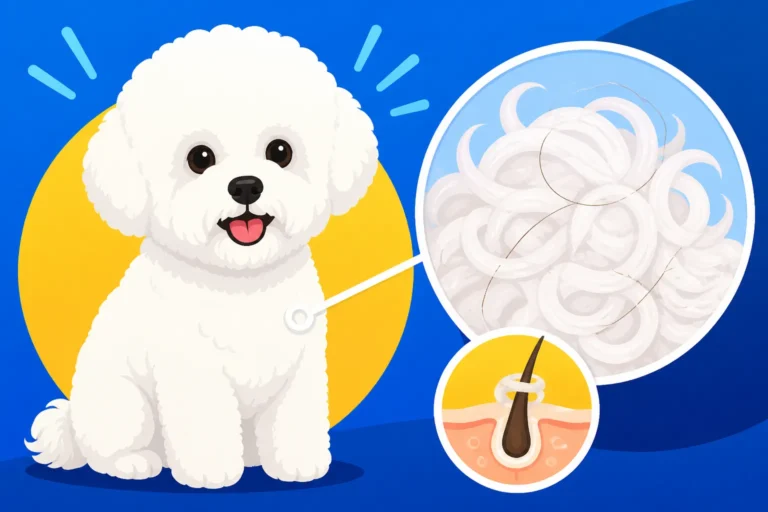
The beautiful Bichon coat, while non-shedding, requires diligent care. For a senior Bichon, whose skin might be thinner, more delicate, or prone to dryness and irritation, selecting the right brushes and combs is crucial. Harsh bristles or sharp comb teeth can easily scratch or irritate sensitive skin, turning a grooming session into an unpleasant experience. You want tools that glide smoothly through the coat without pulling or tugging.
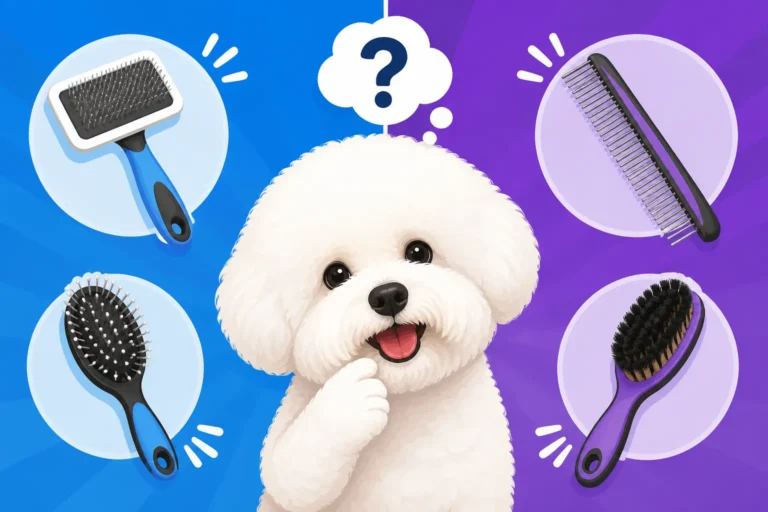
A good quality, soft slicker brush with rounded pins is a must-have. These are effective for removing loose hair and small tangles but gentle enough not to scratch the skin. Always brush with light strokes, moving in the direction of hair growth. Follow up with a wide-toothed metal comb, specifically designed for smaller breeds, to check for any hidden mats, being extra careful around sensitive areas like ears, armpits, and groin. For stubborn tangles, a detangling spray can be a lifesaver, allowing you to gently work through knots rather than yanking them. You can find excellent options on platforms like Chewy or Amazon. Remember, the goal is to be effective without causing pain or discomfort. For more details on suitable brushes, check out Which Brush Suits a Bichon Frise.
Quiet Clippers and Grinders
The sounds and vibrations of grooming tools can be a major source of anxiety for older dogs, especially those with hearing loss or increased sound sensitivity. Loud clippers can startle them, and the vibration can be uncomfortable on sensitive joints or if they have tremors. Traditional nail clippers can also exert pressure that might be painful for arthritic toes.
Investing in low-noise or cordless clippers can make a significant difference. Many modern clippers are designed with quieter motors, which are less intimidating for nervous dogs. Cordless options offer greater maneuverability and eliminate the trip hazard of a cord, which is beneficial if your Bichon is unsteady. For nail care, a high-quality, quiet nail grinder is often preferred over traditional clippers. Grinders allow for a gentler, more gradual shortening of the nail, reducing the risk of cutting into the quick and avoiding the crushing sensation that can be uncomfortable for older, more brittle nails. Some dogs also find the vibration of the grinder less startling than the sharp snip of clippers. It's a small change that can vastly improve their comfort during paw grooming. For further information on alternative nail care, read Whether a Bichon Frise Needs a Nail Grinder.
Specialty Shampoos and Conditioners
A senior Bichon's skin and coat can undergo changes with age. Their skin might become drier, more prone to flakiness, or develop sensitivities they didn't have before. Their coat might also become coarser or thinner in places. Using harsh, stripping shampoos can exacerbate these issues, leading to itchiness and discomfort.
Opt for hypoallergenic, moisturizing shampoos and conditioners specifically formulated for sensitive skin or aging pets. Look for ingredients like oatmeal, aloe vera, or natural oils that soothe and hydrate. Tearless formulas are also a wise choice, especially around their eyes, which might be more prone to irritation. If your Bichon has chronic skin issues, a medicated shampoo prescribed by your vet might be necessary, but always ensure it’s gentle. After shampooing, a good conditioner will help restore moisture to their skin and coat, making it softer and easier to comb through, minimizing pulling and tangles. A well-conditioned coat is not only beautiful but also more comfortable for your dog. For insight into choosing appropriate bathing products, refer to Which Shampoo Suits an Itchy Bichon Frise.
Tailoring the Grooming Process for Comfort
Once you have the right tools and a comfortable environment, the next step is to adapt your actual grooming techniques. The key here is empathy and flexibility, understanding that your senior Bichon can’t tolerate what they once did.
Shorter, More Frequent Sessions
One of the most effective strategies for grooming an older Bichon is to break down the process into shorter, more frequent sessions. Trying to tackle a full groom—brushing, bathing, drying, nail trimming, and clipping—all in one go is often too much for an elderly dog. Their stamina is limited, and prolonged standing or handling can quickly lead to fatigue, pain, and anxiety.
Instead of one long session, aim for multiple mini-sessions spread throughout the week. For example, Monday could be a gentle brush-out, Tuesday a quick ear cleaning, Wednesday a nail trim, and Friday a bath. This approach allows your Bichon to rest in between, prevents them from becoming overly stressed or tired, and makes each individual task seem less daunting. Each session should be brief—think 5 to 10 minutes at most for a specific task. If you notice signs of discomfort or fatigue, stop immediately and try again later or the next day. This phased approach also makes it easier to keep their coat in good condition, preventing the severe matting that often requires uncomfortable, longer grooming sessions. It’s about consistency and kindness, not speed or perfection.
Supporting Your Bichon's Body
Proper physical support during grooming is crucial for senior Bichons, especially those suffering from arthritis, back pain, or general weakness. Asking them to stand unsupported for any length of time can be painful and destabilizing, increasing their anxiety.
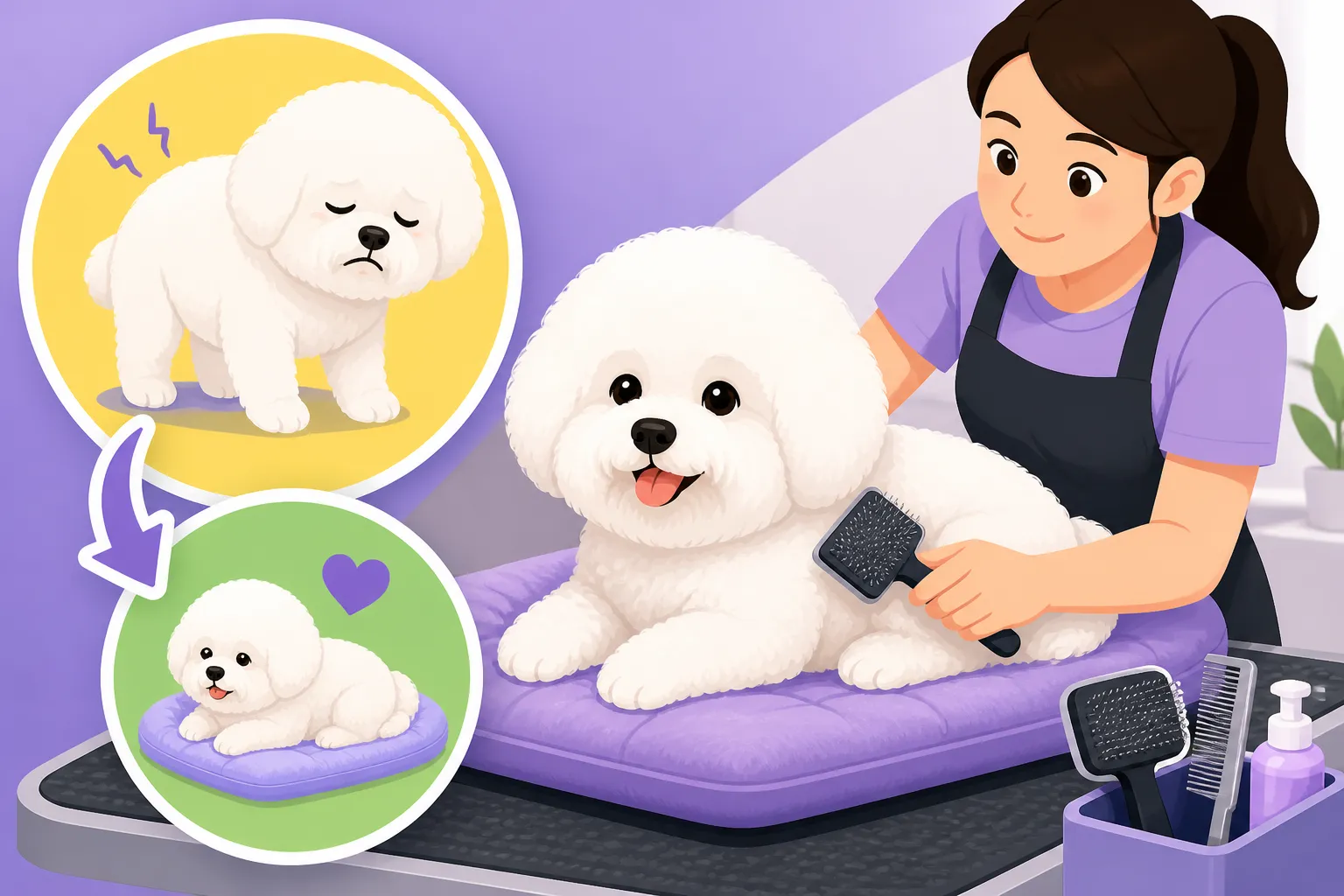
If grooming on a table, consider using a grooming sling or harness that supports their belly, taking some weight off their legs and joints. You can even fashion a makeshift sling from a towel. For tasks like paw trims or brushing under the belly, having a second person gently support their weight or hold them steady can be invaluable. If your Bichon prefers to lie down, try to accommodate this. You can place a soft mat or pillow on the floor and groom them while they are reclining, focusing on one side at a time. For areas that require them to stand, keep these segments as short as possible and ensure they have a stable, non-slip surface. Gentle massage before and after handling can also help warm up muscles and soothe any aches. The goal is to minimize strain on their joints and spine, making them feel secure and reducing any potential pain. This might mean adjusting your trim style, opting for a shorter, more practical cut, as discussed in Whether an Old Bichon Frise Should Be Kept Clipped.
Gentle Handling and Positive Reinforcement
The way you interact with your senior Bichon during grooming is just as important as the tools and environment. Gentle handling and consistent positive reinforcement are key to building trust and making grooming a tolerable, if not enjoyable, experience. Their emotional well-being is paramount.
Approach your Bichon calmly and slowly, giving them time to acknowledge your presence and relax. Use a soft, reassuring voice, praising them frequently for even the smallest cooperation. Avoid sudden movements, loud noises, or any actions that might startle them. When handling their paws, ears, or tail, do so gently and deliberately. Stop if they show signs of pain or distress and reassess your approach. High-value treats are your secret weapon. Offer small, delicious treats frequently throughout the session, especially after completing a step they might find challenging. For example, after trimming one nail, offer a treat. After brushing one side, another treat. These positive associations help them connect grooming with good things. You can find a wide variety of high-value treats on platforms like Chewy, making it easy to keep your Bichon motivated. A lick mat with a smear of peanut butter (xylitol-free, of course) can also be a wonderful distraction during tougher parts of the groom. The more positive experiences they have, the less they will dread the next grooming session.
Specific Grooming Tasks for Seniors
Let's dive into some specific grooming tasks and how to modify them for your senior Bichon, ensuring their comfort remains the top priority.
Coat Care: Brushing and Dematting
Maintaining the fluffy, white coat of a Bichon Frise is a continuous task, and for seniors, it requires even more finesse. Their skin can become thinner and less elastic, and they might have bony prominences that are more sensitive to pressure. Regular brushing is crucial to prevent matting, which can be incredibly painful to remove once it sets in, especially on delicate senior skin.
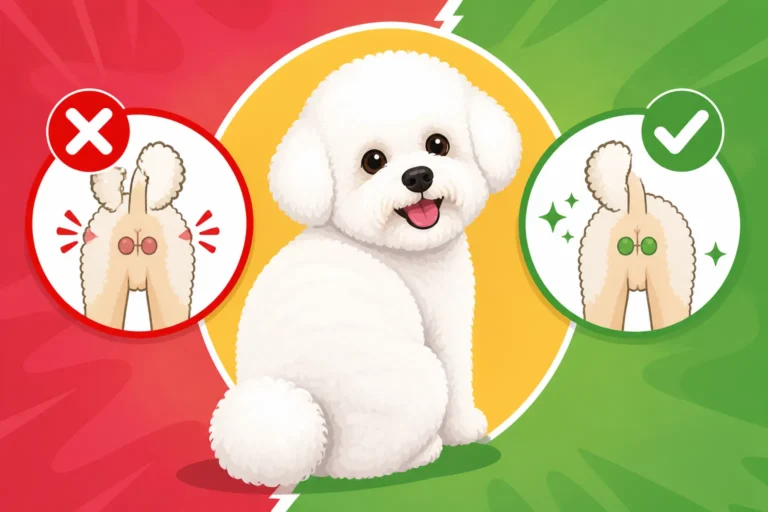
When brushing, always use the line brushing technique. This involves parting the coat down to the skin and brushing small sections from the skin outwards, working in rows. For a senior Bichon, this technique is particularly important as it ensures you’re reaching the undercoat and thoroughly removing loose hair without excessive pulling. Use your soft slicker brush and follow up with a wide-toothed comb to check your work. Pay extra attention to common matting areas: behind the ears, under the armpits, on the belly, and around the sanitary area. If you encounter a mat, do not yank. Instead, use a detangling spray generously, gently tease the mat apart with your fingers, and then carefully work through it with the wide-toothed comb, starting from the outside edges. If a mat is too tight or too close to the skin, or if your Bichon is showing clear signs of pain, it's always better to carefully clip it out using a rounded-tip safety clipper or consult a professional groomer. Remember, removing severe mats can be extremely painful and might even require sedation at the vet if they are too close to the skin. Sometimes, for their comfort, a shorter, all-over trim is the kindest option. You can read more about dealing with stubborn mats in Whether a Matted Bichon Frise Must Be Shaved.
Bathing an Older Bichon Frise
Bathing a senior Bichon requires extra care to ensure they remain safe, comfortable, and don't get chilled. Their ability to stand for long periods in a tub and regulate their body temperature might be compromised.
Before you start, gather all your supplies: shampoo, conditioner, several warm towels, cotton balls for ears, and a non-slip mat for the tub. Place the non-slip mat in the bottom of the tub or sink to provide secure footing. Use lukewarm water – test it on your wrist to ensure it's not too hot or too cold. Gently lower your Bichon into the water, speaking soothingly. Avoid using a strong spray directly on their face; instead, use a washcloth or your hands to gently wet their face. Protect their ears with cotton balls to prevent water from entering the ear canal. Lather the shampoo gently, massaging their coat rather than scrubbing vigorously, which could irritate sensitive skin. Rinse thoroughly, as any shampoo residue can cause itchiness. After rinsing, gently squeeze excess water from their coat and immediately wrap them in a warm, absorbent towel. If using a hairdryer, set it to a low-heat, low-speed setting and keep it moving constantly to prevent burns. Ensure they are completely dry before letting them roam freely, as dampness can lead to chills or skin issues. Getting them dry is especially important, and you can learn more about this in Whether a Bichon Frise Needs Ear Drying After a Bath.
Nail Trims, Ear Cleaning, and Eye Care
These smaller but vital grooming tasks require particular attention in senior Bichons, as their senses and physical capabilities can make them more challenging.
Nail Trims: Overgrown nails can cause pain, affect gait, and even lead to splayed feet or infections. For senior Bichons with brittle or thick nails, or those sensitive to the pressure of clippers, a nail grinder is often a better choice. Introduce the grinder slowly, letting them sniff it and get used to the sound before touching their nails. Grind small amounts at a time, frequently checking the length, and offer treats throughout. If using clippers, use sharp ones and trim only the very tip, being mindful of the quick, which can be harder to see in older, thicker nails. Always have styptic powder on hand in case of a quick bleed.
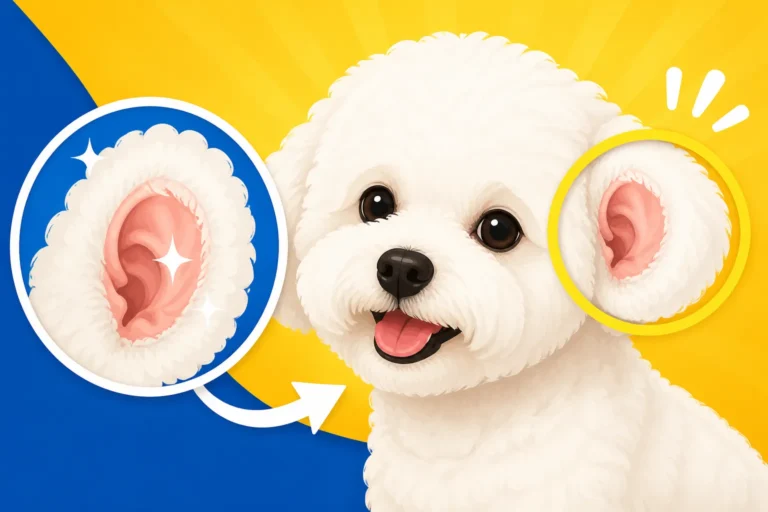
Ear Cleaning: Older Bichons can be prone to ear infections, and regular cleaning is crucial. Gently lift their ear flap and check for redness, discharge, or odor. Use a vet-recommended ear cleaner, applying a small amount into the ear canal. Gently massage the base of the ear for 30 seconds, then allow your Bichon to shake their head. Wipe away any loosened debris with a soft cotton ball or gauze – never use cotton swabs deep in the ear canal. If you notice any signs of infection, consult your vet before attempting to clean. Regular ear maintenance is key for Bichons. You can find helpful routines in The Ears a Bichon Frise Needs Cleaned Every Week.
Eye Care: Many senior Bichons experience increased tear staining or develop dry eye. Gently wipe around their eyes daily with a soft, damp cloth or a vet-approved eye cleaner to remove discharge and prevent staining. Be exceptionally gentle, as their eyes might be more sensitive. If you notice any redness, excessive tearing, discharge, or cloudiness in their eyes, consult your vet immediately, as these could be signs of a more serious issue. You can often find specific eye-cleaning solutions and wipes on Amazon, which can be useful for daily maintenance.
| Grooming Task | Senior Bichon Modification | Why It Helps |
|---|---|---|
| Brushing | Shorter sessions, soft slicker brush, line brushing, detangling spray | Prevents fatigue, avoids skin irritation, gently removes mats. |
| Bathing | Non-slip mat, lukewarm water, gentle massage, quick drying, warm towels | Prevents falls, avoids chills, reduces physical strain and anxiety. |
| Nail Trimming | Nail grinder preferred, short sessions, frequent treats | Less pain on brittle nails, reduces stress from clipping sensation. |
| Ear Cleaning | Gentle wipe, vet-approved cleaner, cotton balls, inspect regularly | Prevents infections, gentle on sensitive ears. |
| Eye Wiping | Soft cloth, daily gentle wiping | Prevents irritation, reduces tear stains. |
| Overall Duration | Break into multiple mini-sessions | Reduces fatigue, anxiety, and physical discomfort. |
When to Seek Professional Help and How to Choose
Even with the most dedicated home grooming efforts, there will be times when professional help is the best, safest, and kindest option for your aging Bichon. Recognizing these moments and knowing how to find the right support is crucial for their well-being.
Recognizing When Home Grooming Isn't Enough
There comes a point for many senior Bichon owners where home grooming simply isn't cutting it anymore, or it's causing too much distress. This can be a tough realization, as we often want to do everything for our beloved pets, but knowing your limits is part of responsible pet ownership. Signs that it's time to call in the professionals include severe matting that you can't gently remove without causing pain, or if your Bichon becomes genuinely aggressive or extremely fearful during grooming sessions, despite your best efforts at positive reinforcement.
Perhaps your dog’s arthritis has progressed to a point where even standing for a few minutes is agonizing, making brushing or clipping impossible. Maybe their vision is so poor they become disoriented and panicky on the table, or their anxiety is so severe it’s leading to tremors or excessive panting. Sometimes, the sheer physical exertion of bathing and drying a fluffy Bichon becomes too much for the owner, especially if you have physical limitations yourself. When grooming becomes a battle that leaves both of you stressed and unhappy, it's a clear signal that a different approach is needed. Don't feel guilty; seeking professional help is a compassionate choice that prioritizes your Bichon's comfort and safety.
Finding a Senior-Friendly Groomer
If you decide to seek professional help, finding a groomer who specializes in or has extensive experience with senior dogs is paramount. Not all groomers are equipped or inclined to handle the unique needs of an elderly, potentially frail or anxious Bichon.
When interviewing potential groomers, ask specific questions. Inquire about their experience with older dogs and those with mobility issues or anxiety. Do they have a quiet grooming space away from the hustle and bustle of younger, more boisterous dogs? What kind of grooming tables do they use – do they have hydraulic tables that can be lowered for easy access, or non-slip mats? How do they handle a dog that cannot stand for long periods? Do they offer shorter, more frequent appointments or allow for breaks? Will they use hand-drying techniques instead of force dryers if your dog is sensitive to noise? Many groomers who cater to seniors will prioritize comfort and safety over a perfect show-ring finish, often recommending shorter, more practical "comfort clips" that are easier to maintain. You might also consider mobile groomers who come to your home, as this eliminates the stress of car travel and an unfamiliar environment, allowing your Bichon to be groomed in their own familiar surroundings.
Communicating with Your Vet About Pain Management
Often, resistance to grooming in older dogs stems directly from physical pain or discomfort. If your Bichon is showing signs of pain during grooming, or generally seems stiff and uncomfortable, it's crucial to consult your veterinarian. Grooming struggles can be an important indicator of underlying health issues that need addressing.
Your vet can perform a thorough examination to identify sources of pain, such as arthritis, spinal issues, or muscle weakness. They might suggest diagnostic tests like X-rays to get a clearer picture. Based on their findings, they can recommend appropriate pain management strategies. This could include anti-inflammatory medications, joint supplements, physical therapy, or even alternative therapies like acupuncture. Some vets might suggest specific diets or supplements for senior dogs that support joint health and overall well-being. Brands like Ollie often offer senior-specific food options tailored to their nutritional needs. Addressing the underlying pain can dramatically improve your Bichon’s quality of life, making them more comfortable not just during grooming, but in their everyday activities. A comfortable dog is a more cooperative dog, and managing their pain is the kindest thing you can do for your aging friend. Keep a close eye on their overall health as they age, as discussed in Caring for a Bichon Frise Past Eleven.
Disclaimer
This article is for general informational purposes only and does not constitute professional advice. Laws, prices and regulations vary by location and change over time. Consult a qualified professional for guidance on your specific situation.