Feeding an Old Bichon Frise
As your beloved Bichon Frise enters their golden years, you might notice subtle shifts in their eating habits and overall energy. Many senior Bichons face challenges like a reduced appetite, dental discomfort, or a slowing metabolism, leaving their dedicated owners wondering how best to support their aging furry family member. This comprehensive guide will walk you through the essential dietary adjustments, common feeding hurdles, and nutritional strategies to ensure your older Bichon Frise remains as healthy and happy as possible through their senior years.
The Shifting Nutritional Landscape for Your Senior Bichon Frise
Just like us, dogs undergo significant physiological changes as they age. What worked for your Bichon Frise as a spry youngster or a lively adult might not be the best approach now that they're considered a senior. Their bodies become less efficient in certain areas and require different support from their diet. Recognizing these changes is the first step to tailoring their nutrition effectively.
Why Their Calorie Needs Change with Age
One of the most noticeable changes in a senior Bichon Frise is their activity level. Those famous "Bichon blitzes" might become less frequent, and naps might take up a larger portion of their day. This reduced activity directly translates to lower energy expenditure. If you continue to feed your senior Bichon the same amount of food they ate as a younger, more active dog, they're likely to put on weight. Excess weight can exacerbate common senior issues like arthritis and heart problems, making it crucial to manage their caloric intake carefully.
Their metabolism also tends to slow down. Even if your Bichon still enjoys a good walk, their internal furnace isn't burning through calories quite as quickly. This combination of decreased activity and a slower metabolism means that simply offering less of their regular adult food might not be enough. Senior-specific diets are often formulated with a slightly lower caloric density to address this, allowing them to still feel satisfied without overeating. It’s all about finding that delicate balance to prevent unnecessary weight gain while still providing all the vital nutrients they need.
Key Nutrients an Older Bichon Frise Needs More (or Less) Of
As metabolism shifts, so does the optimal balance of macronutrients. Protein remains incredibly important for maintaining muscle mass, which can naturally decline with age – a condition known as sarcopenia. High-quality, easily digestible protein sources are vital to help your senior Bichon retain strength and mobility. However, if your Bichon has underlying kidney issues, your vet might recommend a diet with controlled, rather than excessively high, protein levels to reduce strain on the kidneys.
Beyond protein, the types and amounts of fats, carbohydrates, and micronutrients also become more critical. For instance, diets designed for senior dogs often contain beneficial omega-3 fatty acids, like EPA and DHA, which are fantastic for supporting joint health and reducing inflammation, issues that are sadly common as dogs age. Antioxidants such as vitamins E and C can help combat cellular damage, supporting their immune system and cognitive function. On the flip side, some diets might feature reduced phosphorus and sodium to support kidney and heart health, respectively, which are common areas of concern for aging small breeds.
Common Eating Hurdles for Senior Bichon Frises
It's not just about what they eat, but how they eat it. Our aging Bichons often encounter physical and sensory challenges that can make mealtime less enjoyable, or even painful. Recognizing these hurdles is key to helping them continue to eat well and thrive. Without proper attention, these issues can quickly lead to weight loss, malnutrition, and a diminished quality of life.
Navigating Dental Disease and Sore Mouths
Dental problems are incredibly prevalent in small breeds like Bichon Frises, and they tend to worsen with age. Dental Disease in a Bichon Frise is a common concern. Imagine trying to eat crunchy kibble with a painful toothache or inflamed gums – it's no wonder your senior Bichon might turn their nose up at their bowl. Loose teeth, broken teeth, gum recession, and even oral tumors can make chewing excruciating. Sometimes, the pain is so subtle that your dog doesn't vocalize it, but their reluctance to eat hard foods is a clear signal.
If you suspect dental pain, a vet check-up is absolutely essential. They can assess your Bichon's oral health and recommend appropriate treatment, which might range from a professional cleaning to extractions. In the meantime, switching to softer foods like wet food, or softening dry kibble with warm water or broth, can make a world of difference. Your Bichon needs to be able to eat comfortably to get the nutrition they need, so don't hesitate to make texture changes that accommodate their tender mouths.
Dealing with Decreased Appetite and Pickiness
A loss of appetite, or an increase in pickiness, is a common complaint among owners of senior dogs. Sometimes it's due to dental pain, as mentioned above, but other factors can also play a role. Their sense of smell and taste might decline, making their usual food less appealing. Perhaps the texture is off, or they simply find it harder to digest. What was once a favorite meal can suddenly become boring or even offensive. This can be incredibly frustrating when you're trying your best to keep them nourished.
To combat this, try warming their food slightly to enhance its aroma, or add a small amount of low-sodium broth or a vet-approved food topper to entice them. Offering smaller, more frequent meals might also help, as a large portion can sometimes overwhelm an older dog. Experimenting with different textures, like mixing a little high-quality wet food with their dry kibble, can also rekindle their interest. Just be sure any additions are balanced and won't upset their stomach or interfere with a prescription diet if they're on one.
When a Medical Condition Affects Their Desire to Eat
Unfortunately, many senior Bichons develop chronic health conditions that can directly impact their appetite and nutritional needs. Kidney disease, heart disease, diabetes, or even certain types of cancer can cause nausea, discomfort, or a general feeling of malaise that reduces their desire to eat. For example, a dog with kidney disease might feel nauseous, while a dog with Cushing's Disease in a Bichon Frise Past Seven might experience a change in appetite. Arthritis pain, even if not directly in the mouth, can make it uncomfortable for them to stand and eat from a bowl on the floor.
It’s vital to work closely with your veterinarian if your senior Bichon's appetite significantly decreases or changes. They can diagnose underlying medical issues and recommend specific therapeutic diets designed to support their condition while still providing complete nutrition. Often, these prescription diets are formulated to be highly palatable to encourage eating, which is a huge relief when you're struggling to get your dog to consume enough calories. Always discuss any drastic dietary changes with your vet, especially if your dog has an ongoing health condition. Managing an Insulin Dependent Bichon Frise or a dog with kidney issues through diet requires precise guidance.
Selecting the Perfect Senior Diet for Your Bichon Frise
Choosing the right food for your aging Bichon Frise isn't as simple as grabbing any bag labeled "senior formula." There's a lot to consider, from the specific nutrient balance to the texture and digestibility. The goal is to find a diet that supports their changing body, addresses any emerging health concerns, and remains appealing enough for them to eat consistently.
Deciphering "Senior" Dog Food Labels
The term "senior" on a dog food bag can mean different things across brands. Generally, a good senior diet for a small breed like a Bichon Frise will feature a slightly lower calorie count to prevent weight gain, while maintaining a high-quality protein level to preserve muscle mass. It should also be highly digestible, as an older dog's digestive system can become more sensitive. Look for ingredients that support joint health, like glucosamine and chondroitin, and brain health, such as omega-3 fatty acids and antioxidants.
Some brands might categorize their senior foods further, perhaps offering formulas for "active seniors" versus "less active seniors," or specific options for small breeds. Always check the guaranteed analysis and ingredient list. Don't be swayed by marketing alone; consult your vet for recommendations based on your individual Bichon's health profile, activity level, and any specific predispositions. Products from reputable brands often found on platforms like Chewy or Amazon will clearly list their ingredients and nutritional breakdown, making it easier to compare.
Wet Food vs. Dry Kibble: Pros and Cons for Older Bichons
The great debate between wet and dry food becomes even more significant as your Bichon Frise ages.
Dry Kibble Pros for Seniors:
- Dental Health: Some specially designed kibbles can help scrape plaque off teeth, though this is often minimal for dogs with existing dental disease.
- Convenience: Easier to store, measure, and leave out for longer periods without spoiling.
- Cost-Effective: Generally more economical than wet food.
Dry Kibble Cons for Seniors:
- Hard to Chew: Can be painful for Bichons with dental issues, leading to reluctance to eat.
- Lower Palatability: May be less appealing to a dog with a diminished sense of smell or taste.
- Lower Hydration: Contains significantly less moisture than wet food, which can be a concern if your Bichon doesn't drink enough water.
Wet Food Pros for Seniors:
- Increased Hydration: High moisture content helps boost water intake, which is critical for kidney health and general well-being.
- High Palatability: Stronger aroma and softer texture are often more appealing to picky or sore-mouthed seniors.
- Easier to Chew: Soft texture is gentle on aging teeth and gums.
Wet Food Cons for Seniors:
- Cost: Typically more expensive than dry kibble.
- Storage: Once opened, it spoils quickly and needs refrigeration.
- Dental Impact: Doesn't offer any abrasive action for teeth, potentially allowing plaque to build up faster (though this is less a concern if dental disease is already severe).
Many owners find a combination of both works well, mixing wet food with dry kibble to get the benefits of both worlds, particularly for picky eaters or those needing extra hydration.
Considering Specialized Veterinary Diets
For Bichon Frises dealing with specific age-related health issues, generic "senior" foods might not be enough. This is where veterinary therapeutic diets come into play. These prescription foods are formulated with precise nutrient profiles to manage and support various medical conditions.
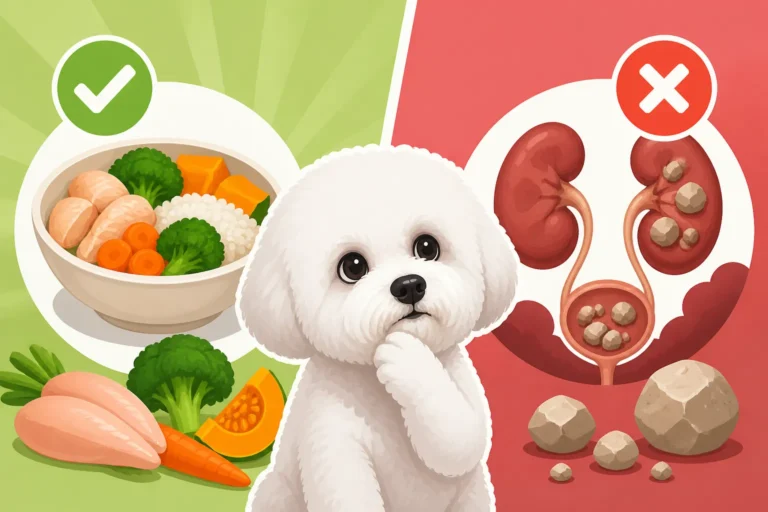
For example, if your Bichon Frise is developing kidney disease, your vet might recommend a kidney-specific diet. These diets are typically lower in phosphorus and controlled protein levels to reduce the workload on the kidneys, and often have added omega-3 fatty acids to help manage inflammation. Similarly, there are diets formulated for heart disease (lower sodium), diabetes (controlled carbohydrate and fiber levels to help regulate blood sugar), or advanced joint support (higher levels of joint-supporting nutrients and sometimes specific antioxidants). If your Bichon has had issues like bladder stones, a specific urinary diet may be The Diet a Bichon Frise Stays On for Life.
It's crucial to understand that these are medical tools and should only be used under the guidance of your veterinarian. They are not one-size-fits-all solutions, and feeding an inappropriate therapeutic diet could potentially harm your dog. Your vet will assess your Bichon Frise's specific health needs and guide you toward the best option. Many of these specialized diets are available directly from your vet's office or through authorized online retailers like Chewy with a vet's prescription.
Tailoring Diet to Specific Senior Health Concerns
As our Bichons mature, they can become more susceptible to certain health issues. The good news is that diet can play a powerful role in managing many of these conditions, helping to improve their quality of life and potentially slow the progression of disease.
Supporting Joint Health with Targeted Nutrition
Arthritis and other joint issues are incredibly common in older dogs, especially in small breeds prone to conditions like Slipping Kneecaps in a Bichon Frise or Arthritis in a Bichon Frise at Eleven. You might notice your Bichon is slower to get up, hesitates before jumping, or seems stiff after a nap. Their diet can be a powerful tool in supporting their joint comfort and mobility.
Look for senior dog foods or supplements that contain key ingredients like glucosamine and chondroitin. These compounds are natural components of cartilage and can help support its health and repair. Omega-3 fatty acids, particularly EPA and DHA found in fish oil, are also incredibly beneficial due to their anti-inflammatory properties. By reducing inflammation in the joints, omega-3s can significantly alleviate pain and stiffness. Some diets might even include ingredients like green-lipped mussel or turmeric, also known for their anti-inflammatory effects. Providing this targeted nutritional support can make a noticeable difference in your senior Bichon's comfort and ability to move freely.
Dietary Management for Kidney and Heart Health
Kidney and heart conditions are often intertwined in older dogs and can significantly impact their well-being. Dietary management is a cornerstone of treatment for both. For kidney disease, the primary goal of diet is to reduce the workload on the kidneys and slow the progression of the disease. This typically involves feeding a diet that is lower in phosphorus and has controlled, but still high-quality, protein levels. Lowering phosphorus helps prevent the buildup of toxins that can occur when kidneys aren't filtering efficiently, and carefully managed protein ensures muscle mass is maintained without overtaxing the kidneys.
For heart disease, particularly congestive heart failure, the focus of dietary therapy is often on sodium restriction. High sodium intake can lead to fluid retention, which puts extra strain on a compromised heart. Therefore, specialized cardiac diets are formulated to be very low in sodium. These diets may also contain L-carnitine and taurine, amino acids that are important for heart muscle function. Again, these are prescription diets that must be used under veterinary guidance, as their specific formulations are designed to complement medical treatment and can have a profound impact on your Bichon's prognosis and comfort.
Managing Blood Sugar in a Diabetic Senior Bichon Frise
If your senior Bichon Frise has been diagnosed with diabetes, diet becomes a critical part of their daily management, often alongside insulin therapy. Whether a Bichon Frise Gets Diabetes is a real concern. The key is consistency: consistent timing of meals, consistent caloric intake, and a consistent nutritional composition. This helps to stabilize blood sugar levels, making it easier to regulate their insulin dosage and prevent dangerous spikes or drops.
Veterinary diabetic diets are formulated to be higher in fiber and complex carbohydrates, which help to slow down glucose absorption and minimize post-meal blood sugar fluctuations. They also often have a controlled fat content. Maintaining a healthy weight is paramount for diabetic dogs, as obesity can worsen insulin resistance. Your vet will work with you to establish a precise feeding schedule, usually around their insulin injections, and recommend the best specific diet. Avoiding treats or table scraps that are not approved by your vet is absolutely essential, as even a small deviation can throw off blood sugar control and put your Bichon's health at risk.
Enhancing Hydration and Considering Supplements for Aged Bichons
Beyond the food itself, how much your senior Bichon Frise drinks and whether they receive additional supplements can profoundly affect their health and longevity. Hydration is often overlooked but becomes even more critical as dogs age, and targeted supplements can fill nutritional gaps or support specific body systems.
Creative Ways to Encourage Water Intake
Many senior dogs simply don't drink enough water, which can contribute to kidney issues, urinary tract infections, and constipation. This is especially true if they're eating mostly dry kibble. Getting Enough Water Into a Bichon Frise is paramount. Dehydration can exacerbate existing health problems and make your Bichon feel generally unwell.
To encourage more drinking, consider these strategies:
- Multiple Water Bowls: Place several bowls around the house in easily accessible spots.
- Water Fountains: Some dogs are enticed by the running water of a pet fountain. Brands available on Amazon often offer various designs.
- Add Water to Food: Mixing warm water, low-sodium broth, or even goat's milk (if tolerated) into their kibble or wet food can significantly boost their fluid intake.
- Ice Cubes: Many Bichons love to crunch on ice cubes, which can be a fun way to hydrate.
- Wet Food: As discussed earlier, switching to or incorporating wet food is an excellent way to increase moisture.
- Flavored Water: A tiny splash of low-sodium chicken broth or tuna juice (in water, not oil) can make plain water more appealing. Just make sure it's a very small amount to avoid upsetting their stomach.
- Cleanliness: Always keep their water bowls sparkling clean. Stale or dirty water is a major turn-off.
Deciding on Appropriate Senior Supplements
While a well-balanced senior diet should ideally provide most of the necessary nutrients, sometimes specific supplements can offer an extra layer of support for aging Bichons. However, it's crucial to approach supplementation cautiously and always consult your veterinarian first. Over-supplementation can be just as harmful as deficiency.
Common supplements considered for senior Bichons include:
- Joint Supplements: As mentioned, glucosamine, chondroitin, and MSM are popular for supporting cartilage health and reducing inflammation. Omega-3 fatty acids are also often recommended for their anti-inflammatory effects.
- Probiotics/Prebiotics: These can help support a healthy gut microbiome, which is vital for digestion and immune function, especially if your senior Bichon experiences occasional digestive upset.
- Antioxidants: Vitamins C and E, along with other antioxidants, can help combat free radical damage and support cellular health, potentially slowing cognitive decline and boosting immunity.
- Cognitive Support: Some supplements contain ingredients like medium-chain triglycerides (MCTs) or specific antioxidants aimed at supporting brain health and reducing signs of canine cognitive dysfunction (CCD), which can manifest as disorientation or changes in interaction.
- Multivitamins: Generally, if your Bichon is on a complete and balanced senior diet, a multivitamin isn't necessary unless recommended by your vet for a specific deficiency. Too many vitamins can be problematic.
Always ensure any supplement you choose is from a reputable manufacturer and specifically formulated for dogs. Products from trusted online pet supply stores like Chewy or Ollie often provide detailed ingredient lists and customer reviews, but your vet's professional recommendation is always the best starting point.
Optimizing Mealtime Experience for Your Aging Companion
Feeding your senior Bichon Frise isn't just about the food itself; it's also about the entire mealtime experience. As they get older, small adjustments to their routine and environment can make a big difference in their comfort, digestion, and willingness to eat. A calm, predictable, and physically accessible feeding environment can turn mealtime from a potential struggle into a peaceful ritual.
Adjusting Feeding Schedules and Portion Sizes
A young, active Bichon Frise might thrive on two meals a day, but an older dog's digestive system can become less robust. Digestion can slow down, and larger meals might cause discomfort or lead to acid reflux. For this reason, many veterinarians recommend splitting your senior Bichon's daily food allowance into three or even four smaller meals throughout the day. This reduces the burden on their digestive system, helps maintain more stable blood sugar levels (especially important for diabetics), and can make them feel more comfortable overall.
When it comes to portion sizes, it’s crucial to be precise. As discussed, their calorie needs generally decrease. Use a measuring cup and stick to the recommended guidelines on the food packaging, adjusting as needed based on your vet's advice and your Bichon's body condition. Regular weight checks are vital – an unexpected weight loss or gain can be a sign that their diet needs tweaking or that an underlying health issue is emerging. Caring for a Bichon Frise Past Eleven often means extra attention to these details.
Creating a Comfortable and Accessible Dining Space
Imagine having to bend down low or strain your neck to eat when your joints are achy. That's what it can feel like for a senior Bichon Frise with arthritis or neck pain if their food bowl is on the floor. An elevated food and water bowl can be a game-changer for many older dogs. Raising the bowls to a comfortable height allows them to eat and drink without excessive stooping, reducing strain on their neck, back, and hip joints. You can find various elevated feeders on platforms like Amazon or Chewy, some even adjustable to find the perfect height.
Beyond height, consider the location. Choose a quiet, low-traffic area where your Bichon won't feel rushed, startled, or threatened by other pets or household activity. This allows them to eat at their own pace without stress. Ensure the flooring around their eating area isn't slippery, as instability can deter them from approaching their bowls. A non-slip mat or rug can provide secure footing. If your senior Bichon also has some vision or hearing impairment, keeping their bowls in the same, predictable spot every day is crucial for their sense of security and routine. Creating this serene and accessible dining spot shows them you're attuned to their needs, making mealtime a truly positive experience.
| Senior Bichon Frise Dietary Needs | Younger Adult Bichon Frise Dietary Needs |
|---|---|
| Calorie Needs: Lower | Calorie Needs: Moderate to High |
| Protein: High-quality, digestible; controlled if kidney issues present | Protein: High-quality, for muscle maintenance |
| Fat: Moderate, digestible; often includes beneficial Omegas | Fat: Moderate to High, for energy |
| Carbohydrates: Complex, digestible, often higher fiber | Carbohydrates: Moderate, for energy |
| Key Supplements: Glucosamine, chondroitin, Omega-3s, antioxidants | Key Supplements: Generally not needed in a balanced diet |
| Dental Focus: Soft foods, easily chewable, promote oral comfort | Dental Focus: Kibble for dental abrasion (with regular brushing) |
| Hydration: Crucial, often needs encouragement (wet food, multiple bowls) | Hydration: Important, but often self-sufficient |
| Meal Frequency: Smaller, more frequent meals often preferred | Meal Frequency: Typically 2 meals per day |
| Specialized Diets: Common for kidney, heart, diabetes, etc. | Specialized Diets: Less common, unless for specific issues |
Disclaimer
This article is for general informational purposes only and does not constitute professional advice. Laws, prices and regulations vary by location and change over time. Consult a qualified professional for guidance on your specific situation.