Whether a Harness Mats a Bichon Frise
It’s a tale as old as time for Bichon Frise owners: you adore that fluffy, cloud-like coat, but oh, the maintenance! One common frustration that pops up again and again is the mystery of why harnesses seem to cause mats, turning that pristine puff into a tangled mess right where the straps sit. This guide will walk you through exactly why your Bichon’s harness might be contributing to matting, what you can do about it, and how to keep that beautiful coat mat-free, even with daily harness wear.
Understanding the Bichon Frise Coat and Its Matting Tendencies
Let's get real about the Bichon Frise coat for a moment. It's truly unique and absolutely gorgeous, but it's also a high-maintenance affair. Unlike many other breeds that have a shedding undercoat, your Bichon has a double coat that doesn't shed in the traditional sense. Instead, any loose hair gets trapped within the dense, curly outer layer. This is fantastic news for allergy sufferers, but it means that if those dead hairs aren't brushed out regularly, they quickly intertwine with the live hair, forming knots, tangles, and eventually, solid mats.
The Double-Layered "Powder Puff"
The Bichon Frise is known for its distinctive "powder puff" appearance, which is a direct result of its unique coat structure. You have a soft, dense undercoat and a coarser, curly outer coat. When these two layers intertwine, especially when friction is involved, it creates the perfect recipe for matting. Think of it like a miniature wool sweater that's constantly being agitated – the fibers lock together. This is why you need to be so diligent with brushing, often more than you might initially expect. If you've ever wondered Whether a Bichon Frise Has an Undercoat, the answer is a resounding yes, and it’s a major player in the matting game.
Why Matting Happens So Quickly
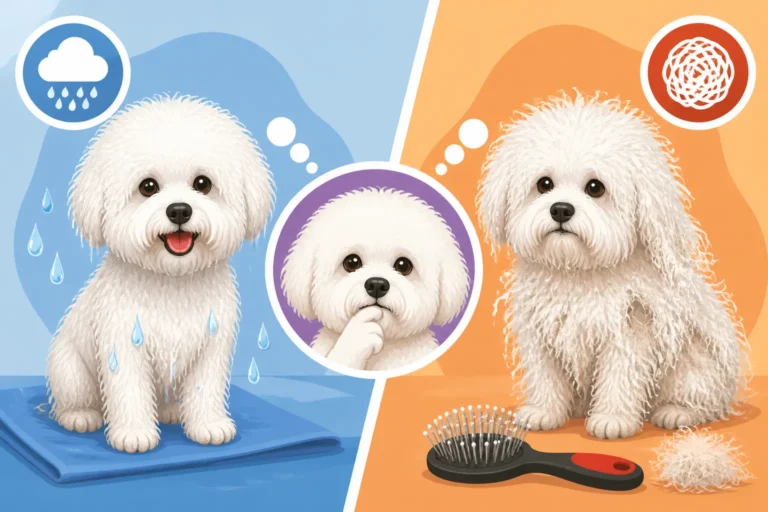
It seems almost unfair, doesn't it? You brush your Bichon one day, and the next, there's a knot. This rapid matting isn't a sign you're doing anything wrong, but rather a characteristic of the breed. Every time your Bichon rolls, plays, or even just moves, those trapped hairs have another opportunity to bind together. Add moisture from a bath or even damp weather, and mats can tighten like cement. Areas of high friction, like behind the ears, armpits, and, yes, under a harness, are always the first to show signs of trouble. It’s a constant battle, but an understandable one once you know the science behind it.
How Harnesses Contribute to Matting
Now, let's zero in on the main culprit: the harness. While harnesses are fantastic for safety and often preferred over collars for preventing neck strain, they introduce a significant matting challenge for a Bichon Frise. The issue isn't necessarily the harness itself, but rather the constant pressure and rubbing it creates against that delicate, non-shedding coat.
Friction and Compression: The Matting Duo
Imagine wearing a backpack every day, and how the straps might rub on your shoulders. For your Bichon, a harness does something similar, but with far more severe consequences for their coat. The straps of a harness sit snugly against the body, typically across the chest, shoulders, and under the armpits. Every time your dog moves, walks, or even shakes, these straps create friction. This friction acts like a tiny knitting machine, pushing and pulling the hairs together. Compounding this, the pressure from the harness itself compresses the hair, making it even easier for those loose hairs to get trapped and form dense knots. It’s a double-whammy: rubbing and squishing the hair into submission.
Moisture and Dirt Trapping
Harnesses also have a less obvious, but equally problematic, effect: they can trap moisture and dirt. If your Bichon gets wet from rain, dew, or even a little romp through a damp patch of grass, the harness material can hold that moisture against the coat. Damp hair mats far more easily and tightly than dry hair. Similarly, dirt, dust, and tiny bits of debris can get caught under the harness, adding to the friction and providing more material for mats to grab onto. It’s like adding glue to the already sticky situation of trapped hairs. This is especially true for the underside of the chest where dirt splashes up.
Overlooked Areas: Armpits and Chest
While you might be focused on the top strap, don't forget the armpits and the underside of the chest. These are often the worst culprits for matting, simply because they are areas of high movement and the harness straps are often tucked into these sensitive spots. Your Bichon's legs are constantly moving, rubbing the harness against the hair in the armpits. These mats can be particularly painful because they pull on the skin in a very tender area. It's a common oversight for new owners, but paying close attention to these hidden spots is crucial. When you're brushing, make sure to thoroughly address these areas, perhaps even more than the top of the back. Whether a Bichon Frise Mats Behind the Ears is another common complaint, and similar principles of friction apply there too.
Preventing Harness Mats: Practical Solutions
The good news is that living with a harness-wearing Bichon Frise doesn’t have to mean a constant battle with mats. With a few proactive steps and smart choices, you can significantly reduce the risk and keep your fluffy friend comfortable and knot-free. It takes dedication, but it's absolutely achievable.
Regular and Thorough Grooming
This is the absolute cornerstone of mat prevention, harness or no harness. If you're using a harness, you must commit to daily grooming, especially in the areas where the harness sits. This means taking the harness off as soon as you're home from your walk and brushing out all those pressure points. Don't just skim the surface! You need to perform what's called "line brushing" to ensure you're getting down to the skin. How Long Brushing a Bichon Frise Takes can vary, but for daily harness wearers, expect at least 15-20 minutes of focused effort.
Use a good quality slicker brush that reaches the skin, followed by a metal comb to check for any missed tangles. If your slicker isn't doing the job, you might need a firmer one. Which Brush Suits a Bichon Frise is critical; a soft slicker might feel nice but won't penetrate the dense coat. Always brush in small sections, lifting the top layer of hair and brushing the hair underneath, working your way up. Then, Whether a Comb Should Follow the Brush is not even a question – it's a necessity to find those hidden tangles. If you find small knots, gently work them out with your fingers, a detangling spray, and the comb, rather than pulling.
Choosing the Right Harness Material and Fit
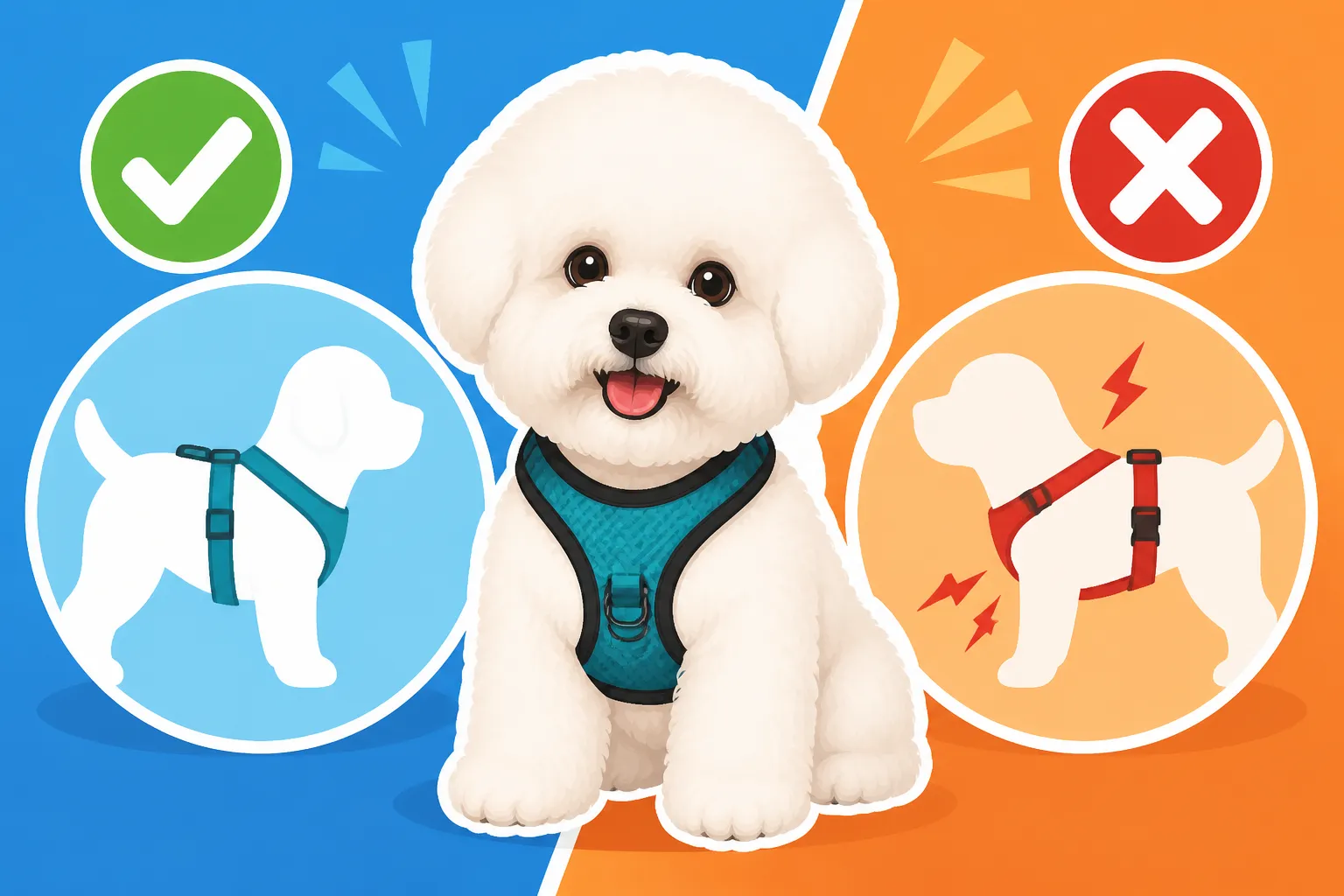
The type of harness you choose and how well it fits makes a huge difference. Look for harnesses made from smooth, soft materials that are less likely to snag hair. Neoprene, padded mesh, or even some types of soft, wide webbing can be better than rougher nylon. Avoid harnesses with excessive stitching, buckles, or rigid edges that can dig into the coat.
Fit is paramount. A harness that’s too loose will chafe and rub more, while one that’s too tight can compress the hair and cause discomfort. You should be able to fit two fingers comfortably under any strap. If you’re ever unsure, ask your vet or a professional groomer for advice on getting the right fit. Brands like Ollie and those available on Amazon often offer a variety of styles and materials, so you can shop around for the best fit and feel. Consider a harness that has minimal coverage, perhaps just strapping over the shoulders and chest rather than a full vest style, to minimize contact points.
Harness Holidays and Alternatives
While harnesses are great for walks, do you really need your Bichon to wear it all day? Give your dog's coat a break! As soon as you come back from your walk, take the harness off. This allows the coat to breathe and reduces the constant friction. If your Bichon is well-behaved on a leash, consider alternating between a harness and a flat collar for shorter, supervised potty breaks in a secure area. However, for longer walks or dogs that pull, a harness is still the safer option to protect their delicate necks. The aim is to minimize the amount of time the harness is on the coat.
Another option for specific situations might be a soft fabric vest-style harness for very short periods, which distributes pressure more evenly, or even a soft martingale collar for controlled walks if appropriate for your dog’s training level. Always weigh the safety benefits against the grooming challenge.
Keeping the Coat Clean and Dry
As mentioned, moisture and dirt exacerbate matting. Make sure your Bichon is thoroughly dry before putting on a harness, especially after a bath or a rainy walk. If your Bichon gets wet outdoors, towel-dry the harness area thoroughly as soon as you're inside. Regular bathing, perhaps every 2-3 weeks, with a good quality shampoo and conditioner designed for long-coated breeds can also help keep the coat clean, soft, and less prone to tangles. Always make sure to rinse every speck of shampoo out – residue can also contribute to matting. Rinsing paws after a walk also applies to the body, especially under the harness where dirt can accumulate.
Choosing the Best Harness for Your Bichon Frise
Selecting the right harness for your Bichon Frise isn't just about color or style; it's about comfort, safety, and coat health. Given their unique coat, a little extra thought goes a long way in preventing those dreaded mats.
Material Matters: Softness and Smoothness
When you're shopping for a harness, feel the material. Is it soft and smooth, or is it rough and textured? Rougher materials, like some heavy-duty nylons, can act like sandpaper on your Bichon's delicate hair, actively promoting matting. Look for harnesses made from materials like:
- Padded Mesh: This is often a good choice as it's soft, breathable, and spreads pressure evenly. Many brands, including those found on Chewy, offer mesh harnesses.
- Neoprene: Smooth and wetsuit-like, neoprene harnesses can be gentle on the coat and are often water-resistant, which is a bonus.
- Soft Fabric/Fleece Lined: Harnesses with a fleece lining or made entirely of soft fabric can reduce friction. Just be sure the fabric itself isn't prone to attracting and holding burrs or debris.
Avoid harnesses with exposed stitching, hard edges, or abrasive fasteners that can rub. The goal is to create as little friction as possible.
Design Considerations: Minimal Contact Points
Some harnesses are designed with more straps and broader coverage than others. For a Bichon Frise, less is often more when it comes to harness contact points.
- Y-Front Harnesses: These harnesses have a strap that goes vertically down the chest and then separates into two straps around the front legs. They often distribute pressure well and avoid putting strain on the neck. They also tend to have fewer straps rubbing on the main body.
- Vest-Style Harnesses (with caveats): While a vest-style harness covers a larger area, if it's made of a very smooth, breathable material, it might be okay as it distributes pressure over a wider area rather than concentrating it on narrow straps. However, the increased surface area means more coat coverage, which can trap more heat and moisture if not carefully selected.
- Avoid Back-Clip Only Harnesses if your dog pulls: While a back-clip harness can avoid rubbing the chest area extensively, if your Bichon pulls significantly, it can encourage pulling and put more pressure on the back, which isn't ideal for their structure. For dogs that are good on a leash, a lightweight back-clip harness can be a good option.
Sizing and Adjustability: A Perfect Fit is Key
We’ve touched on fit, but it truly bears repeating. An ill-fitting harness is a matting machine and can be uncomfortable or even dangerous for your dog.
- Measure Carefully: Before you buy, measure your Bichon's chest girth (just behind the front legs) and neck circumference. Compare these measurements to the sizing chart provided by the manufacturer.
- Adjustability: Look for harnesses with multiple adjustment points – usually at the neck, chest, and sometimes even the belly. This allows you to customize the fit precisely to your dog's unique shape.
- Check Regularly: Dogs can gain or lose weight, and their coat can change density with seasons. Recheck the harness fit periodically, especially before a walk, to ensure it’s still snug but not tight.
Remember, a perfect fit means the harness doesn't shift excessively, nor does it dig in. There should be enough room for two fingers under all straps. If a harness from a particular brand, say from Chewy, doesn't quite fit your Bichon's unique proportions, don't be afraid to try another brand or style. Finding the "one" might take a bit of trial and error, but it’s worth it for your dog's comfort and coat health. Investing in What a Harness for a Bichon Frise Costs is an investment in their well-being.
Grooming Tools and Techniques for Harness-Wearing Bichons
Even with the perfect harness, you'll still need to be diligent with grooming. Having the right tools and knowing how to use them effectively can make all the difference in keeping mats at bay. This isn't just about brushing; it's about a comprehensive approach to coat care.
Essential Grooming Tools
To effectively prevent harness mats, you’ll need a few key tools in your grooming kit:
- Slicker Brush: A good quality slicker brush with firm but flexible pins is essential. It needs to be able to reach through the dense outer coat down to the undercoat without scratching the skin. Whether a Slicker Reaches a Bichon Frise's Skin is the true test of effectiveness. You might need one with longer pins for a fluffier coat.
- Metal Comb: A greyhound comb with both wide and fine teeth is crucial for checking your work and finding any small tangles the slicker brush might have missed. Always use the comb after the slicker to confirm the coat is truly tangle-free.
- Detangling Spray: A good detangling spray can be a lifesaver. Spritz it on before brushing, especially in areas prone to matting, to lubricate the hair and make knots easier to work out.
- Blunt-Nosed Scissors or Dematting Tool: For very stubborn mats that you can't brush out, these tools can help. However, always use extreme caution. It’s incredibly easy to cut skin, especially with tight mats close to the body. If a mat is too close to the skin or too large, a professional groomer is always the safest option. Whether a Matted Bichon Frise Must Be Shaved is sometimes the only humane solution.
Mastering Line Brushing
Line brushing is the technique you must use for a Bichon Frise, especially if they wear a harness. It ensures you're brushing every single strand of hair, from root to tip.
- Section the Coat: Start by gently parting the hair against the grain, exposing a line of skin.
- Brush from the Skin Out: Hold the section of hair above the line with one hand. With the other, use your slicker brush to brush the hair below the line, working outwards from the skin.
- Work in Layers: Once that section is tangle-free, drop a little more hair from the section you're holding and repeat the process, working your way across the entire area where the harness sits.
- Comb Through: After brushing, follow up with your metal comb. If the comb catches, go back and brush that spot again. You want the comb to glide smoothly through the hair.
This technique is more time-consuming but far more effective than just brushing the top layer. Remember, mats start from the skin and work their way out.
Addressing Existing Mats Gently
If you do find a mat, don't just pull at it with a brush! This is painful for your Bichon and can make the mat worse.
- Isolate the Mat: Gently separate the mat from the surrounding hair.
- Apply Detangling Spray: Liberally spray the mat with a detangling solution.
- Work from the Outside In: Use the fine teeth of your metal comb or your fingers to gently pick apart the very edges of the mat, working your way towards the center. You might use the tip of a blunt-nosed scissor to carefully cut into the mat horizontally (parallel to the skin, never pointing towards it) to break it up into smaller sections.
- Be Patient: This process takes time and patience. If your Bichon shows discomfort, take a break.
- When to Call a Pro: If a mat is large, solid, or very close to the skin, it’s best to let a professional groomer handle it. They have specialized tools and techniques to remove mats safely and with minimal stress to your dog. Trying to remove a severe mat yourself can cause skin irritation, bruising, or even accidental cuts, leading to a much more painful experience for your Bichon. Whether Dematting Hurts a Bichon Frise is a resounding yes if done improperly.
By being proactive with your grooming routine and choosing the right tools, you can ensure your Bichon Frise stays happy, healthy, and beautifully fluffy, even with daily harness adventures.
When Professional Grooming Becomes Essential
Even the most dedicated home groomer can sometimes face challenges with a Bichon Frise's coat, especially if a harness is part of their daily routine. Professional groomers are not just for aesthetics; they are an invaluable resource for maintaining your dog's skin and coat health, particularly when mats become an issue.
The Expertise of a Professional Groomer
Think of your professional groomer as an expert ally in your Bichon's care. They possess specialized tools, techniques, and knowledge that can make a world of difference. When it comes to mats, particularly those caused or worsened by harness wear, a groomer can:
- Assess Coat Condition: A professional can quickly identify areas of concern, gauge the severity of matting, and recommend the best course of action. They can tell if a mat is easily brushable or if it needs more drastic measures.
- Safe Mat Removal: As discussed, removing tight mats close to the skin is risky. Groomers are trained to remove mats safely, minimizing discomfort and preventing skin injuries. They have specialized clippers and blades that can get under mats without cutting the skin.
- Proper Bathing and Drying: Groomers use professional-grade shampoos, conditioners, and high-velocity dryers that thoroughly clean and dry the coat, preventing new mats from forming and setting the coat correctly. How Long Drying a Bichon Frise Takes is significant, and a pro can do it faster and more effectively.
- Advice and Guidance: A good groomer can offer personalized advice on brushing techniques, product recommendations, and even suggest harness types that might work better for your specific Bichon's coat and lifestyle. They often have insights into How Many Weeks Between Bichon Frise Grooms is ideal for preventing matting.
Recognizing When to Seek Help
It’s tempting to try and tackle every mat yourself, but there are definite signs that it’s time to call in the professionals:
- Large, Solid Mats: If a mat feels like a solid lump and you can't easily see skin underneath, it's likely too severe for home removal. These mats can cause pain, restrict movement, and hide skin infections.
- Mats in Sensitive Areas: Mats in the armpits, groin, or very close to the ears are best left to a professional due to the delicate skin in these areas.
- Your Dog is Showing Discomfort: If your Bichon cries, flinches, or tries to bite when you attempt to brush out a mat, it’s a clear sign they are in pain. Continued attempts will only make them dread grooming.
- Time Constraints: Life gets busy! If you simply don't have the time for daily thorough grooming, scheduling regular professional grooming appointments (perhaps every 4-6 weeks) is essential to stay on top of the coat. How Often a Bichon Frise Needs a Full Groom is often more frequent than owners realize, particularly for harness wearers.
- Skin Irritation: If you notice redness, sores, or flaky skin under or around a mat, it's crucial to have a professional examine it. Mats can pull on the skin, leading to painful irritation and infections.
Don't feel guilty about needing professional help. It's a sign of a responsible pet owner who prioritizes their dog's well-being over DIY struggles. A regular schedule with a groomer, combined with diligent home care, is the best strategy for keeping your harness-wearing Bichon Frise in tip-top, mat-free condition.
Disclaimer
This article is for general informational purposes only and does not constitute professional advice. Laws, prices and regulations vary by location and change over time. Consult a qualified professional for guidance on your specific situation.