Whether Ice Cubes Get More Water Into a Bichon Frise
It’s a common frustration for Bichon Frise owners: you know how vital proper hydration is for your fluffy companion, especially with their predisposition to certain health issues, but getting them to drink enough water can feel like an uphill battle. This guide delves into a popular trick – using ice cubes – to see if this simple addition can genuinely boost your Bichon Frise's water intake and contribute positively to their overall health.
Why Hydration is Crucial for Bichon Frises
For such a cheerful and seemingly robust little dog, the Bichon Frise has a few health predispositions that make diligent care absolutely essential. One of the most significant, and directly impacted by water intake, is the risk of developing bladder stones, particularly calcium oxalate stones. It's not just about quenching thirst; it's about safeguarding their delicate internal systems. Every sip your Bichon takes plays a role in flushing out waste products and keeping their urinary tract healthy.
The Hidden Dangers of Dehydration in Small Breeds
Dehydration isn't just about feeling parched; for a small breed like the Bichon Frise, it can quickly escalate into a serious health concern. Their smaller body mass means they can dehydrate faster than larger dogs, and the effects can be more pronounced. Think about a hot summer day, or even just a brisk walk that’s a bit longer than usual. A Bichon Frise that isn't taking in enough fluids might become lethargic, have dry gums, or experience a loss of skin elasticity. More insidious, however, are the internal effects that aren't immediately visible.
When a dog is consistently under-hydrated, even mildly, their urine becomes more concentrated. This concentration means that minerals and waste products that would normally be diluted and easily flushed out through urination start to build up. For a Bichon Frise, this creates a fertile ground for the formation of bladder stones. Imagine a tiny, delicate internal system where crystalline structures are forming because there isn't enough liquid passing through to wash them away. It's a silent threat that can lead to immense pain and costly medical interventions down the line. We know Whether a Bichon Frise's Small Bladder Is the Problem isn't the whole story, but concentrated urine definitely contributes.
How Water Dilutes Urine and Prevents Stone Formation
The science behind proper hydration and stone prevention is relatively straightforward. The more water your Bichon Frise drinks, the more dilute their urine becomes. This diluted urine reduces the concentration of the stone-forming minerals and salts, such as calcium and oxalate, that would otherwise clump together. Picture a small stream versus a stagnant pond: the stream keeps moving, washing everything away, while the pond allows sediment to settle and accumulate. Your Bichon Frise's urinary tract needs to be that free-flowing stream.
Beyond just dilution, increased water intake also encourages more frequent urination. This "flushing" action physically helps to remove any microscopic crystals before they have a chance to grow into larger, troublesome stones. It’s a natural defense mechanism that you, as an owner, can actively support. Many Bichon Frise owners dread hearing about stones, especially knowing The Stone That Comes Back a Year After Bichon Frise Surgery, so prevention is key. Ensuring they drink enough is one of the most effective, and often overlooked, preventative measures.
The Appeal and Potential of Ice Cubes for Hydration
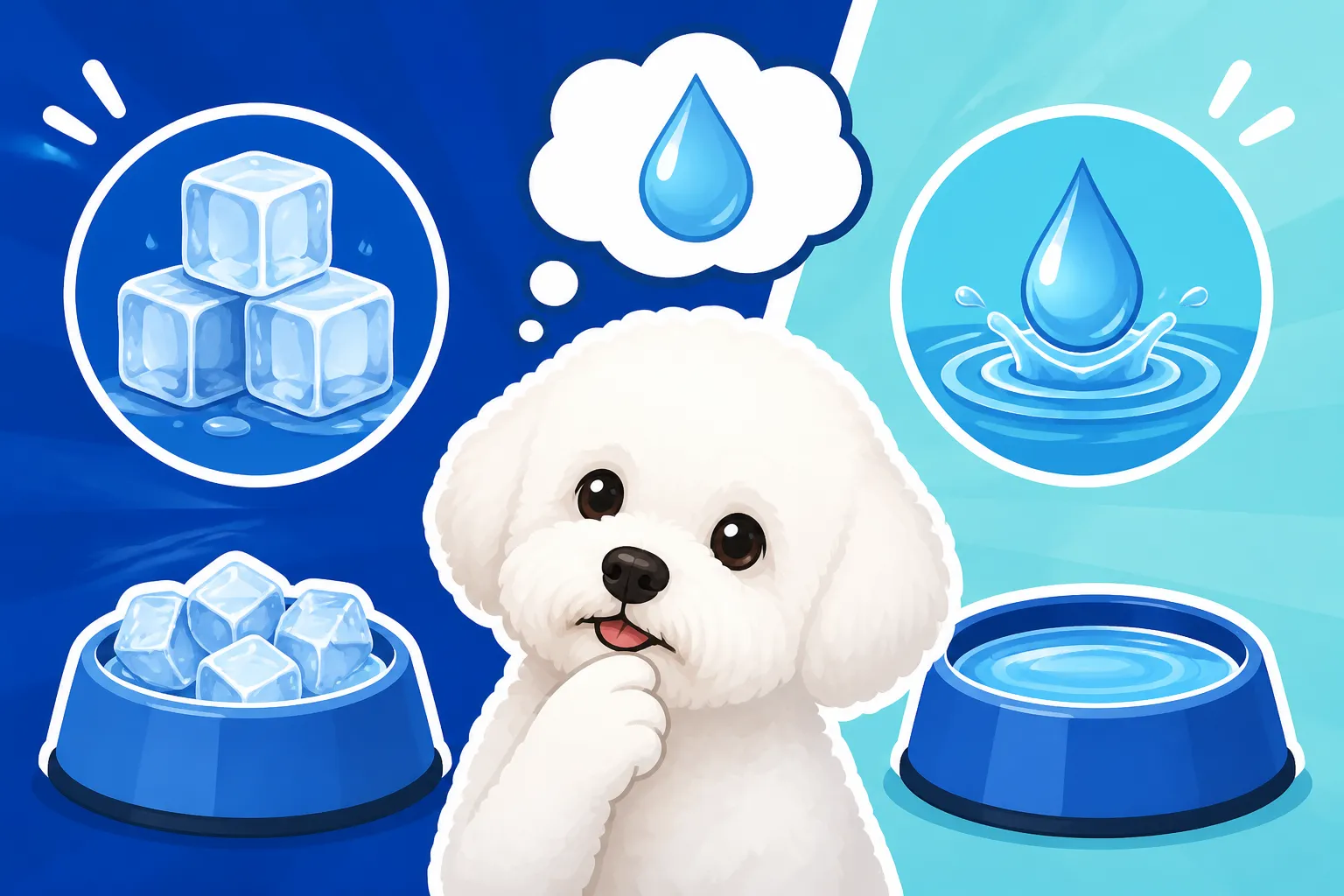
So, you know hydration is important. But how do you get a finicky Bichon Frise to drink more? This is where ice cubes often enter the conversation. Many dogs, Bichon Frises included, seem to have a particular fascination with ice. It's not just a cute quirk; there are several reasons why this simple, frozen treat can be an effective tool in your hydration arsenal.
Why Dogs Love Ice Cubes
Dogs, much like us, are often driven by novelty and sensory experiences. An ice cube offers a unique texture, a satisfying crunch, and a playful element that a still bowl of water simply can't provide. For a Bichon Frise, known for their playful and curious nature, a floating ice cube can be an intriguing toy, a refreshing reward, and an exciting challenge all rolled into one. The sound it makes as they bat it around or crunch it can also be highly appealing.
Beyond the sheer fun factor, ice cubes offer a refreshing chill, which can be particularly enticing on warmer days or after playtime. Imagine coming in from a walk on a sunny afternoon; a regular bowl of water is fine, but a bowl with a few clinking ice cubes feels like a special treat. This perceived "treat" status can often lead to a greater intake of water than they might get from just plain water. It taps into their natural instincts for play and reward, subtly encouraging them to consume more liquid. Many owners notice their Bichon Frise goes for the ice first, then finishes the melted water.
Different Ways to Offer Ice for Hydration
Offering ice cubes isn't just about tossing a few into their water bowl. There are several creative ways to incorporate ice into your Bichon Frise's routine, making hydration an enjoyable experience rather than a chore.
- Classic Water Bowl Addition: The simplest method is to just drop a few regular-sized ice cubes into their water bowl. The cold water and the opportunity to crunch on ice chips can be very appealing. Ensure the cubes are small enough for your Bichon not to choke on, especially if they gulp them down quickly.
- Flavored Ice Cubes: This is where you can get really creative. Instead of plain water, consider freezing low-sodium chicken or beef broth (ensure it's onion and garlic-free!), diluted fruit juice (like apple juice, very diluted, and only in small amounts), or even pureed vegetables mixed with water. Brands like Ollie, known for fresh, healthy pet food, might offer broths or purees that could be frozen into delicious and hydrating treats. You can find fun silicone molds on Amazon or Chewy to make paw-print or bone-shaped ice cubes, adding to the novelty.
- Ice Licks/Blocks: For a longer-lasting hydration activity, you can freeze a larger block of ice with treats or toys embedded inside. As the ice melts, your Bichon Frise will lick at it, slowly consuming water while working to get to the prize. This works wonders for mental stimulation too, especially if your Bichon is home alone for a bit. Just be sure the block is too large for them to carry off and potentially chip teeth on.
- Puzzle Toy Integration: Many puzzle toys can be filled with water and frozen. This turns a regular chew toy into a hydrating activity. As your Bichon Frise chews and plays, the ice melts, providing water. This is particularly effective for dogs who enjoy working for their rewards. Just ensure the toy is robust enough to handle freezing and chewing.
These methods can transform passive water drinking into an engaging activity, potentially increasing your Bichon Frise's fluid intake significantly. It all ties back to Getting Enough Water Into a Bichon Frise and exploring every avenue possible.
Practical Considerations and Potential Pitfalls of Ice Cubes
While ice cubes can be a fantastic tool for encouraging hydration, it's not a "set it and forget it" solution. There are important considerations to keep in mind to ensure your Bichon Frise benefits safely and effectively. Like any supplement or change to their routine, a thoughtful approach is best.
Size Matters: Preventing Choking Hazards
This is perhaps the most critical point when offering ice cubes to a small dog like a Bichon Frise. Their relatively small mouths and throats mean that a standard-sized ice cube, which might be perfectly safe for a Golden Retriever, could pose a serious choking risk for a Bichon. Dogs, especially when excited, often try to swallow things whole or crunch them down quickly.
Always ensure that any ice offered is appropriately sized.
- Crushed Ice: This is often the safest option, as the small pieces are less likely to cause a blockage.
- Small Shavings: Even smaller than crushed ice, these are excellent for adding to water bowls or letting them lick off your hand.
- Mini Ice Cubes: You can buy trays that make tiny ice cubes, or simply break larger ones into smaller, manageable pieces before serving.
- Ice Chips from a Dispenser: If you have a refrigerator with an ice dispenser, the chipped ice setting can be perfect.
Never give large, whole ice cubes if your Bichon Frise tends to gulp or not chew thoroughly. Observe their behavior closely the first few times you offer ice to understand how they interact with it. A quick gulp of a large cube could lead to a frightening emergency.
Temperature Sensitivity and Dental Health
While most dogs tolerate cold temperatures well, some might be more sensitive. If your Bichon Frise has very sensitive teeth, extremely cold ice might cause discomfort. This is less common, but worth noting, especially if they react negatively or shy away from the ice. Another potential concern is dental damage. Hard ice can be tough on teeth, particularly for dogs prone to weaker enamel or those with existing dental issues. Just as we wouldn't let a person chew on hard candy all day, excessive crunching on large, hard ice can lead to cracked teeth or worn enamel over time. This is another reason why smaller, softer ice forms (like crushed ice or ice shavings) are preferable. They still offer the cooling and novelty without putting undue stress on their precious little teeth. Ensuring good dental hygiene is important for Bichons, as Dental Disease in a Bichon Frise can be common.
Beyond Just Ice: Other Hydration Strategies
Ice cubes are a fantastic addition to a hydration strategy, but they shouldn't be your only tactic. A holistic approach will yield the best results for your Bichon Frise.
- Multiple Water Bowls: Place several fresh water bowls around your home, in different rooms, to encourage more frequent drinking. Sometimes, convenience is all it takes.
- Water Fountains: Many dogs are enticed by moving water. A pet water fountain can often increase intake because it’s perceived as fresher and more stimulating. You can find a wide variety of these on platforms like Amazon or Chewy. We've talked before about Whether a Water Fountain Encourages a Bichon Frise, and the answer is often yes!
- Wet Food Diet: One of the most effective ways to increase water intake is through their food. Wet dog food contains significantly higher moisture content than dry kibble. If your Bichon Frise is prone to stones, a prescription urinary diet will likely be wet, but even adding some wet food to a dry diet can help. Brands like Ollie offer fresh, moisture-rich meals that can contribute greatly to overall hydration. This aligns with Whether Wet Food Helps a Bichon Frise's Stones.
- Add Water to Kibble: If you feed dry kibble, simply adding warm water or low-sodium broth to it can turn mealtime into a hydrating event. Let it sit for a few minutes to soften the kibble and absorb the liquid.
- Encourage Drinking After Exercise: Always have fresh water readily available after walks or play sessions when your Bichon Frise is naturally thirstier.
- Avoid Certain Treats: Some treats are very dry and can actually contribute to lower overall hydration. Always opt for moisture-rich treats or those specifically designed for urinary health, particularly if your Bichon is on The Diet a Bichon Frise Stays On for Life.
By combining ice cubes with these other methods, you create a robust hydration plan that maximizes your Bichon Frise’s fluid intake and supports their long-term health.
Integrating Ice Cubes into a Comprehensive Hydration Plan
Thinking of ice cubes as just one piece of a larger puzzle is key to successful long-term hydration for your Bichon Frise. It's about consistency, variety, and understanding your individual dog's preferences. A comprehensive plan considers not just how you offer water, but also when and what kind of water.
Monitoring Your Bichon Frise's Water Intake
Knowing roughly how much your Bichon Frise is drinking is crucial for monitoring their health. While you don't need to be precise down to the milliliter, getting a general idea can help you spot issues early.
- Measure Water: Fill your Bichon's water bowl with a measured amount each morning. Before refilling, note how much is left. Doing this over a few days can give you an average intake.
- Observe Urination: Increased hydration should lead to more frequent and less concentrated urination. Pay attention to how often your Bichon Frise asks to go outside, and the color of their urine. Pale yellow urine usually indicates good hydration. Darker, more concentrated urine can be a sign they need more fluids.
- Gums and Skin: Gently check your Bichon Frise's gums. They should be moist and pink. If they're sticky or dry, it's a sign of dehydration. You can also do a skin turgor test: gently pinch the skin on their back and release. It should spring back immediately. If it's slow to return, they might be dehydrated.
- Track Ice Cube Consumption: If you're using ice cubes, keep a mental note of how many they consume each day. This can add a significant amount of fluid, especially if they are enthusiastic ice crunchers!
It’s important to remember that changes in thirst can also be an early indicator of underlying health issues, so regular monitoring is a good habit. For Bichons on a prescription diet, knowing Whether a Bichon Frise Needs Urine pH Monitored is also an important part of their routine care, and hydration plays a direct role in that.
When to Consult Your Vet About Hydration
While ice cubes and other strategies can help, sometimes insufficient hydration, or excessive thirst, points to something more serious. Don't hesitate to reach out to your veterinarian if you notice any concerning patterns:
- Sudden Changes in Thirst: If your Bichon Frise suddenly starts drinking far less or far more than usual, it warrants a vet visit. Increased thirst can be a symptom of conditions like diabetes or kidney disease, which are sometimes seen in Bichons.
- Persistent Dehydration Signs: If, despite your best efforts with hydration tricks, your Bichon Frise continues to show signs of dehydration (dry gums, lethargy, poor skin elasticity), it's time to seek professional advice.
- Urinary Issues: Any signs of straining to urinate, frequent small urinations, blood in the urine, or accidents indoors that aren't typical for your housetrained Bichon should be investigated immediately. These could indicate a urinary tract infection or, more seriously, bladder stones. We know The First Signs a Bichon Frise Has Stones can be subtle.
- Refusal of Water: If your Bichon Frise completely refuses to drink water for an extended period, especially in warm weather, this is an emergency and requires immediate veterinary attention.
Your vet can provide tailored advice based on your Bichon Frise's specific health needs, especially if they are predisposed to conditions like bladder stones. They can help you craft the most effective hydration plan, whether it involves specific dietary changes, medications, or just creative ways to encourage water intake.
By proactively managing your Bichon Frise's hydration, using tools like ice cubes wisely, and staying vigilant for any changes, you're investing directly in their long-term health and happiness.
Here's a quick overview of hydration methods and their benefits for your Bichon Frise:
| Hydration Method | Key Benefit | Considerations | Brand Example (if applicable) |
|---|---|---|---|
| Plain Water Bowls | Constant, accessible hydration | Needs frequent refreshing; some dogs find it boring | Any |
| Ice Cubes (small) | Encourages playful drinking; cooling treat | Choking hazard if too large; dental wear if excessive | Silicone molds on Amazon |
| Flavored Ice Cubes | Adds enticing flavor; hidden hydration | Use vet-approved, dog-safe ingredients; moderation is key | Ollie (broths/purees) |
| Pet Water Fountains | Entices with moving water; often filtered | Requires cleaning and filter replacement; some noise | Various on Chewy |
| Wet Food/Added Water | Significant moisture intake via diet | Can be more expensive; some dogs prefer dry food; may need vet approval for prescription diets | Ollie, specific brands on Chewy or Amazon |
| Post-Exercise Access | Replenishes fluids when thirst is high | Must be readily available; often need to carry water on walks | Any |
Disclaimer
This article is for general informational purposes only and does not constitute professional advice. Laws, prices and regulations vary by location and change over time. Consult a qualified professional for guidance on your specific situation.