The Eyes a Bichon Frise Inherits
It's absolutely heartbreaking to watch your cheerful, fluffy Bichon Frise start bumping into furniture or struggle to catch a toy they once loved. When you first notice those cloudy eyes or a hesitant gait, a wave of worry washes over you, often accompanied by the terrifying thought: Is something seriously wrong with their vision, and is it something I could have prevented? This guide is here to walk you through the inherited eye conditions that Bichon Frises can be prone to, helping you understand the signs, the veterinary journey, and the crucial steps you can take to protect their precious eyesight and quality of life.
Understanding the Delicate Nature of Bichon Frise Eyes
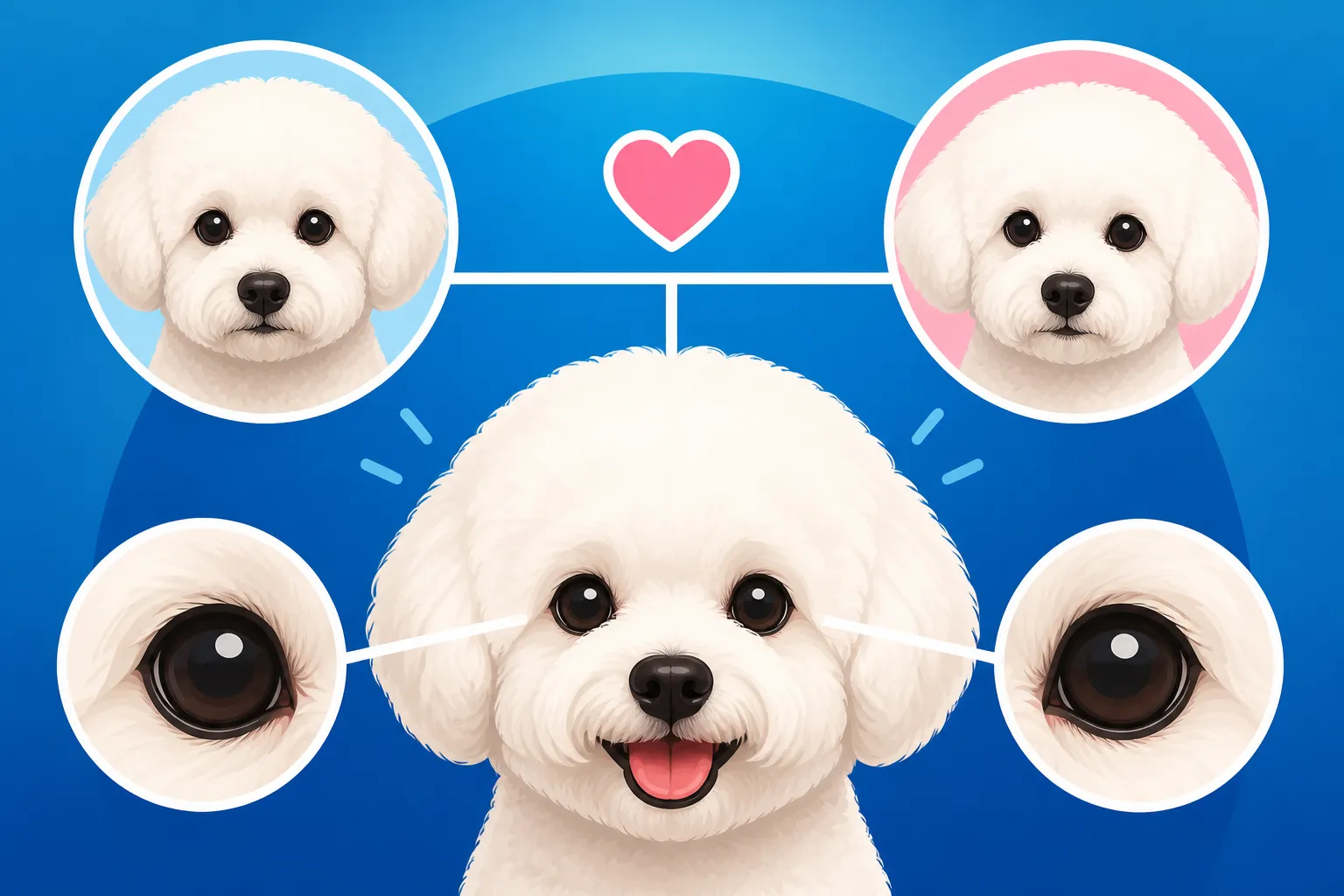
Bichon Frises are known for their bright, dark, expressive eyes that twinkle with mischief and affection. These eyes are a key part of their charming appeal, but like many purebred dogs, they can also be predisposed to certain genetic conditions that affect their vision. It's a cruel twist of fate when the very traits we adore in our furry companions also carry potential health vulnerabilities.
Why Bichons Are Prone to Eye Issues
The truth is, all breeds have their Achilles' heel, and for many smaller breeds, the eyes can be a particular area of concern. For Bichon Frises, some of their genetic predispositions stem from their lineage and selective breeding over generations. While breeders strive to eliminate these issues, the genetic blueprint can still carry dormant genes that, unfortunately, surface in some pups. Think of it like a family tree where certain health issues pop up unexpectedly down the line. Their fluffy faces, while adorable, can sometimes mask underlying issues or even contribute to problems like tear staining, which can make it harder to spot early signs of trouble. It’s not about blaming the breed, but about understanding its unique biological makeup so we can be better guardians for our pets. Their beautiful, often dark eyes are designed for cuteness, but sometimes the very features that make them so appealing can hide or even contribute to problems. The dense hair around their eyes, for example, can trap moisture, irritate the delicate eye surface, or even prevent proper tear drainage, creating a breeding ground for secondary issues even before genetic conditions fully manifest.
The Importance of Early Detection and Vet Care
When it comes to eye health, time is often of the essence. Catching a problem early can make a world of difference in the prognosis and management of many conditions, potentially saving your Bichon's sight or preventing discomfort. It’s so easy to dismiss a little redness or a squint as just "allergies" or a "bit of irritation," especially if your dog is otherwise acting normally. But those subtle changes can be the first whispers of something more serious brewing beneath the surface. Regular check-ups with your primary veterinarian are vital, but don't hesitate to ask for a referral to a veterinary ophthalmologist if you notice anything unusual or if your vet suspects a specific inherited condition. These specialists have advanced diagnostic tools and expertise that can pinpoint issues long before they become painfully obvious, offering the best chance for effective intervention. This proactive approach is particularly important for breeds like Bichon Frises, who, as we'll explore, have a higher genetic likelihood of developing certain eye diseases. Remember, your vet is your partner in this journey, and open communication about any concerns, no matter how minor they seem, is always the best policy.
Common Inherited Eye Conditions in Bichon Frises
When you bring a Bichon Frise into your life, you're not just getting an adorable companion; you're also embracing a breed with a known genetic predisposition to specific health challenges. Eye conditions are certainly high on that list, and understanding the most common inherited ones can help you be more vigilant. It’s easy to feel overwhelmed by medical jargon, but let's break down what these conditions actually mean for your fluffy friend.
Juvenile Cataracts in a Bichon Frise
Cataracts are probably the most well-known eye condition, even among humans, and they can affect dogs too. For Bichon Frises, there's a particular concern for what's known as Juvenile Cataracts in a Bichon Frise. Unlike age-related cataracts that develop much later in life, juvenile cataracts can appear in dogs as young as a few months old, typically before the age of six. It’s a terrifying prospect to think of your lively puppy developing a condition that could cloud their world before they’ve even fully experienced it.
A cataract essentially means the lens of the eye becomes opaque, blocking light from reaching the retina. Imagine looking through a frosted window – that’s a bit what a dog with cataracts experiences. In Bichons, these can be bilateral, meaning they affect both eyes, and progressive, worsening over time. The signs might be subtle at first: a slight cloudiness that you only notice in certain lights, or your dog might start to hesitate going down stairs or in dimly lit rooms. As the cataracts mature, the cloudiness becomes more pronounced, appearing as a milky white or bluish haze over the pupil. If left untreated, juvenile cataracts can lead to significant vision impairment and even blindness. The good news is that veterinary ophthalmologists can often perform cataract surgery, where the cloudy lens is removed and, in many cases, replaced with an artificial one, much like in human medicine. This procedure can restore much of a dog's vision, making a profound difference to their quality of life. For more detailed information, you can also look into The Age Cataracts Appear in a Bichon Frise.
Progressive Retinal Atrophy PRA
Progressive Retinal Atrophy, or PRA, is another devastating inherited eye disease that Bichon Frises can unfortunately inherit. Unlike cataracts, which affect the lens, PRA targets the retina – the light-sensitive tissue at the back of the eye that's crucial for converting light into signals the brain can interpret. This is a truly heartbreaking condition because it’s degenerative, meaning it progressively worsens over time, ultimately leading to complete blindness.
There are different forms of PRA, but they all involve the gradual degeneration of the photoreceptor cells (rods and cones) in the retina. Typically, night vision is affected first, as the rod cells that help with low-light vision begin to fail. Owners might notice their Bichon becoming more clumsy in the evening, bumping into familiar objects, or being reluctant to go outside after dark. As the disease progresses, daytime vision also deteriorates. The dog's pupils may appear more dilated than usual, and their eyes might have a reflective, greenish glow when light catches them, due to changes in the tapetum lucidum behind the thinning retina. Sadly, there is currently no cure for PRA, and treatment focuses on supportive care and helping your dog adapt to vision loss. The crucial aspect here is genetic testing. Responsible breeders will screen their breeding stock for the genes associated with PRA to avoid passing this devastating condition on to their puppies. While it's a tough diagnosis to receive, understanding it helps you prepare to support your Bichon. For related information, you might also find our guide on Whether a Bichon Frise Goes Blind helpful.
Primary Lens Luxation PLL
Primary Lens Luxation, or PLL, is a condition where the suspensory ligaments that hold the eye's lens in place weaken or break down, causing the lens to shift from its normal position. Imagine a button coming loose from its thread – that's essentially what happens with the lens. For Bichon Frises, this can be an inherited problem, meaning the genetic predisposition runs in certain lines. When the lens dislocates, it can either move forward (anterior luxation) into the anterior chamber of the eye or backward (posterior luxation) into the vitreous humor.
Anterior luxation is particularly dangerous because the lens can block the flow of fluid within the eye, leading to a sudden and severe increase in intraocular pressure – a condition known as secondary glaucoma. This is an extremely painful emergency that can rapidly cause irreversible blindness if not addressed immediately. Signs of PLL can include acute redness of the eye, squinting, excessive tearing, a cloudy cornea, and of course, visible displacement of the lens. Your Bichon might paw at their eye, become withdrawn, or show signs of intense discomfort. Diagnosis is made by a veterinary ophthalmologist who can examine the eye's internal structures. Treatment typically involves surgical removal of the luxated lens to alleviate pain and prevent further complications, especially if glaucoma is a risk. While challenging, early diagnosis and swift action can make a critical difference in managing PLL and preserving some vision or at least ensuring comfort. Like PRA, genetic testing is available for PLL, allowing breeders to make informed decisions and reduce the incidence of this painful inherited condition.
Other Eye Concerns and Genetic Predispositions
Beyond the more severe inherited conditions like cataracts and PRA, Bichon Frises can also be genetically predisposed to a range of other eye issues that, while perhaps less dramatic, can still significantly impact their comfort and quality of life. These often involve structural abnormalities or chronic conditions that require ongoing management. It's not always about outright blindness, but about persistent irritation and potential secondary infections that can make their lives miserable.
Whether a Bichon Frise Gets Dry Eye KCS
"Dry eye," scientifically known as Keratoconjunctivitis Sicca (KCS), is a surprisingly common and chronically uncomfortable condition that can affect Bichon Frises. You might wonder, Whether a Bichon Frise Gets Dry Eye, and the answer is a resounding yes, often due to an inherited autoimmune component that causes the tear glands to stop producing enough watery tears. Tears aren't just for crying; they are vital for lubricating the eye, flushing away irritants, and providing essential nutrients to the cornea. Without adequate tears, the surface of the eye becomes dry, irritated, and highly susceptible to damage and infection.
The signs of KCS can include persistent redness of the whites of the eyes, a thick, yellowish, or greenish discharge, frequent blinking or squinting, and dull, dry-looking corneas. Over time, the cornea can become scarred and pigmented, taking on a brownish-black appearance, which further impairs vision. Your Bichon might rub their face frequently or seem generally uncomfortable around their eyes. Diagnosis usually involves a simple Schirmer Tear Test, which measures tear production over a minute. While KCS is typically a lifelong condition, it is manageable with daily medication, often in the form of cyclosporine or tacrolimus eye drops, which stimulate tear production, along with artificial tears to provide lubrication. Regular follow-ups with your vet or a veterinary ophthalmologist are crucial to monitor progress and adjust treatment as needed to keep your Bichon comfortable and protect their vision.
Eyelid Abnormalities Entropion and Ectropion
Eyelid abnormalities are structural issues that, while sometimes present from birth due to genetics, can worsen or become problematic as a Bichon grows. The two most common types are entropion and ectropion. Entropion is where the eyelid, usually the lower one, rolls inward, causing the eyelashes and surrounding hair to rub against the delicate surface of the cornea. This constant irritation is incredibly painful and can lead to corneal ulcers, scarring, and eventually, vision impairment or even blindness if left unaddressed. You might notice your Bichon squinting frequently, tearing excessively, or having a thick discharge from the affected eye.
Ectropion, on the other hand, is when the eyelid rolls outward, exposing the sensitive conjunctiva and the lower part of the eye. While less immediately damaging than entropion, ectropion leaves the eye vulnerable to dryness, irritation from environmental debris, and chronic conjunctivitis. The "droopy" look can also collect dust and foreign particles easily. Both conditions can be inherited in Bichon Frises, and their fluffy coat can sometimes exacerbate the problem by directing hair into the eye. While mild cases might be managed with lubricating drops or careful grooming, surgical correction is often necessary for more severe or symptomatic cases of both entropion and ectropion. The goal of surgery is to reposition the eyelid to its normal anatomy, relieving discomfort and preventing future damage, ensuring your Bichon's eyes are properly protected and comfortable.
Distichiasis and Ectopic Cilia
These might sound like complicated medical terms, but they refer to common and often irritating genetic eyelid problems that Bichon Frises can encounter. Distichiasis is a condition where extra eyelashes grow from abnormal locations on the eyelid margin, often emerging from the meibomian glands, which are usually responsible for producing oil for the tear film. These extra hairs can grow inward, rubbing against the cornea, much like entropion. While some dogs with distichiasis never show symptoms, others experience chronic irritation, squinting, tearing, and sometimes develop corneal ulcers or abrasions from the constant friction.
Ectopic cilia is a similar but often more severe condition. In this case, one or more eyelashes grow from the inside of the eyelid, poking directly out of the conjunctiva and rubbing directly against the cornea. Because these hairs are typically stiffer and have a very direct point of contact, they cause intense pain and are highly prone to causing deep, painful corneal ulcers. Both distichiasis and ectopic cilia are inherited conditions, meaning they are passed down through genetics. Diagnosis usually requires a veterinary ophthalmologist using specialized magnification to visualize these tiny, misplaced hairs. Treatment almost always involves surgical removal of the offending cilia, often using cryosurgery (freezing) or electrocautery to destroy the hair follicle and prevent regrowth. Trying to simply pluck these hairs is rarely effective long-term and can even cause scar tissue that makes future treatment more difficult. For any Bichon showing signs of persistent eye irritation, especially if no obvious foreign body is present, it's crucial to have them examined by a specialist to rule out these subtle but painful genetic conditions.
Recognizing the Signs of Eye Problems in Your Bichon
One of the most challenging aspects of pet ownership is that our furry friends can't tell us when something hurts or when their vision is fading. They are masters at masking discomfort, a holdover from their wild ancestors who wouldn't show weakness. This is why it's incredibly important for us, their human companions, to be vigilant and learn to recognize even the most subtle changes in their behavior or appearance that might signal an eye problem. Your keen observation can be the first line of defense in preserving their sight and comfort.
Subtle Changes to Look Out For
The earliest signs of an eye problem in your Bichon Frise might be so subtle that you barely notice them at first. It’s not always a dramatic red eye or a sudden collision. Sometimes it’s a slight shift in their routine or how they interact with their environment. Pay close attention to how they navigate familiar spaces, especially in different lighting conditions. Are they hesitating before jumping off the couch? Do they seem to be more cautious when going down stairs, or do they occasionally bump into the corner of the coffee table in the evening? These could be early indicators of declining vision, potentially due to something like cataracts or progressive retinal atrophy.
Beyond navigation, observe their actual eyes. Is there any change in the clarity of their pupils – perhaps a faint cloudiness you haven't seen before, or a slightly bluish tint? Are their pupils always dilated, even in bright light? Look for any excessive tearing, or conversely, a noticeable dryness around the eyes, sometimes accompanied by a stringy, mucous-like discharge. Your Bichon might blink more frequently, squint, or even hold one eye partially closed. Are they rubbing their face more often with their paws or against furniture? Any redness of the whites of the eyes (sclera) or inflammation of the eyelids should also raise a flag. Even changes in behavior, such as becoming more withdrawn, less playful, or more easily startled, can sometimes be linked to discomfort or reduced vision, as their world becomes less predictable. A good habit is to gently examine your Bichon's eyes weekly, in good light, to get familiar with their normal appearance, making it easier to spot deviations. You can also refer to Whether a Bichon Frise Needs a Yearly Eye Exam to understand the importance of professional check-ups.
When to Seek Immediate Veterinary Attention
While subtle changes warrant a vet visit soon, some signs demand immediate, emergency veterinary attention. These are situations where delaying care by even a few hours could mean the difference between saving an eye, preserving vision, or condemning your Bichon to irreversible damage and pain. If you observe any of the following, do not wait; contact your emergency veterinarian or a veterinary ophthalmologist right away:
First and foremost, a sudden onset of intense pain in the eye is a red flag. This might manifest as severe squinting, the eye being held tightly shut, profuse tearing, or your Bichon pawing at their face constantly and crying out when the eye is touched. This level of pain often indicates conditions like acute glaucoma, a severe corneal ulcer, or a foreign object lodged in the eye. A sudden cloudiness in one or both eyes, especially if accompanied by pain or redness, is also an emergency. This could be a rapidly developing cataract, a dislocated lens (Primary Lens Luxation), or acute inflammation within the eye. Any visible trauma to the eye, such as a puncture wound, a deep scratch, or swelling around the eye after an injury, needs immediate assessment. Furthermore, if you notice one eye suddenly appears much larger or bulging compared to the other, or if one pupil is significantly dilated and unresponsive to light while the other is normal, this could indicate a serious neurological or internal eye issue, such as glaucoma, requiring urgent intervention. When it comes to eye health, it's always better to err on the side of caution. Even if it turns out to be minor, knowing you acted quickly can prevent a far worse outcome.
Diagnosing and Managing Inherited Eye Conditions
Once you suspect an eye issue, the next step is getting a proper diagnosis. This isn't always as simple as a quick look from your general practice vet, especially with complex inherited conditions. It often requires specialized knowledge and equipment, which is where a veterinary ophthalmologist comes in. Understanding this process can help ease some of the anxiety and prepare you for the journey ahead.
The Role of Veterinary Ophthalmologists
When it comes to the intricate world of canine eye health, a veterinary ophthalmologist is your best friend. These are veterinarians who have undertaken extensive additional training, including an internship and a multi-year residency, specifically focusing on the diagnosis, treatment, and surgery of eye diseases in animals. They are the specialists with the advanced knowledge and tools required to accurately identify inherited conditions in Bichon Frises. Think of it like seeing a heart specialist for a cardiac issue; for complex eye problems, an ophthalmologist is indispensable.
During an appointment, they will perform a thorough ophthalmic examination, which goes far beyond what a general vet can typically do. This might involve using a slit-lamp biomicroscope to examine the internal structures of the eye under high magnification, tonometry to measure intraocular pressure (checking for glaucoma), indirect ophthalmoscopy to view the retina, and often, specialized tests like the Schirmer Tear Test for dry eye or fluorescein staining to detect corneal ulcers. They can also perform electroretinography (ERG) to assess retinal function, which is critical for diagnosing conditions like PRA. For inherited conditions, they may also recommend genetic testing, which involves a simple cheek swab, to identify specific gene mutations. Their expertise ensures an accurate diagnosis, which is the cornerstone of effective management, whether it leads to medical treatment, surgical intervention, or a long-term care plan. Having such a specialist involved, especially with a breed prone to these issues, offers immense peace of mind.
Treatment Options and Long-Term Care
The treatment and long-term care plan for an inherited eye condition in your Bichon Frise will depend entirely on the specific diagnosis. There's no one-size-fits-all approach, and each plan is tailored to your dog's individual needs, the severity of the condition, and its progression. For conditions like juvenile cataracts, surgical intervention is often the most effective solution to restore vision. This involves carefully removing the cloudy lens and sometimes implanting an artificial one, a delicate procedure performed by a veterinary ophthalmologist. Post-surgery, there's usually a period of intensive eye drop administration and restricted activity to ensure proper healing and prevent complications.
For conditions like KCS (dry eye), treatment is typically lifelong and medical. This involves daily application of prescription eye drops that either stimulate tear production (like cyclosporine or tacrolimus) or provide artificial lubrication to keep the eye comfortable and healthy. Regular monitoring with Schirmer Tear Tests is essential to ensure the medication is effective. For conditions like Progressive Retinal Atrophy (PRA), where no cure currently exists, long-term care focuses on supportive measures. This means helping your Bichon adapt to their gradually declining vision or eventual blindness. This might involve keeping furniture in consistent locations, using scent markers or different textured rugs to guide them, and maintaining a predictable routine. Safety is paramount, so consider things like gates to block stairs and supervised outdoor time.
In all cases, regular follow-up appointments with your veterinary ophthalmologist are crucial. These visits allow them to monitor the condition's progression, adjust medications, or detect any new issues developing. Many of these conditions, even if treated, can have secondary complications, so ongoing vigilance and professional care are key to maintaining your Bichon's quality of life and comfort for The Fourteen to Fifteen Years a Bichon Frise Lives.
Proactive Steps for Bichon Frise Eye Health
While some inherited conditions are simply a matter of genetic lottery, there are significant proactive steps you can take as a responsible Bichon Frise owner to minimize risks and maximize their chances of maintaining good eye health throughout their lives. It's about being informed, making smart choices, and establishing a routine that prioritizes their well-being.
Choosing a Responsible Breeder
This is, without a doubt, one of the most critical steps in preventing inherited eye conditions in your Bichon Frise. A responsible breeder is not just someone who loves puppies; they are dedicated to the health and welfare of their breed, which includes rigorously screening their breeding dogs for known genetic diseases. They understand the importance of The Health Tests Both Bichon Frise Parents Should Have and will be transparent about the health history of their lines.
When you're looking for a puppy, ask prospective breeders about the eye health of both parents. Specifically, inquire if they have had an annual eye examination by a board-certified veterinary ophthalmologist (OFA Eye Certification or similar) and if they are clear of conditions like juvenile cataracts, PRA, and PLL. These certifications should be verifiable through public databases like the Orthopedic Foundation for Animals (OFA) or the Canine Health Information Center (CHIC). A reputable breeder will happily provide you with these certifications and explain their breeding philosophy regarding health screening. They won't breed dogs that carry genes for serious inherited eye conditions, or they will do so very carefully with clear understanding of the risks, to avoid producing affected puppies. Be wary of breeders who claim their dogs are "healthy" without providing verifiable documentation, or those who dismiss the importance of genetic testing. Choosing a puppy from health-tested parents significantly reduces your Bichon's risk of inheriting these heartbreaking conditions, giving you a much better start for your new family member. Remember, a cheap puppy often comes with hidden health costs down the line, so understanding What a Bichon Frise Puppy Costs From a Real Breeder is important context.
Regular Eye Examinations and Screening
Even with the best breeding practices, genetic conditions can sometimes manifest, or other eye issues can develop. This is why regular professional eye examinations are a non-negotiable part of proactive care for your Bichon Frise. Your primary veterinarian will perform a basic eye check during annual wellness exams, looking for obvious signs of trouble. However, for a breed like the Bichon, it's often recommended to go a step further.
Consider scheduling a specialized eye examination with a board-certified veterinary ophthalmologist, especially if there's any history of eye problems in your Bichon's lineage, or if you notice even subtle changes. For breeding dogs, these exams are typically required annually by breed clubs to maintain certification. Even for pet Bichons, a baseline exam by a specialist early in life, and then periodic follow-ups, can be invaluable. These specialists can detect nascent signs of conditions like PRA or early-stage cataracts long before they become apparent to the untrained eye. They can also screen for structural abnormalities that might predispose your dog to future problems. Early detection means early intervention, which can significantly improve outcomes and prevent further vision loss or discomfort. Don't wait until there's an obvious problem; being proactive with regular screenings can quite literally save your Bichon's sight and quality of life.
Everyday Eye Care at Home
Beyond professional veterinary care and responsible breeding, there's a lot you can do at home on a daily basis to support your Bichon's eye health and minimize irritation. Because of their fluffy coats and sometimes copious tearing, Bichon Frises often struggle with tear staining and the potential for hair to irritate their eyes.
Daily cleaning around the eyes is crucial. Gently wipe away any discharge or tear stains using a soft, damp cloth or a veterinarian-approved eye wipe. This not only keeps their beautiful white fur clean but also removes irritants and prevents moisture from accumulating, which can lead to skin irritation or secondary infections. Make sure to use separate cloths for each eye to avoid cross-contamination if one eye is infected. Regular grooming is also vital: keep the hair around their eyes trimmed short to prevent it from poking into their eyes, which can cause painful abrasions or ulcers. You can ask your professional groomer to pay special attention to this area, or learn to do careful trims at home with blunt-nosed scissors. Be extremely careful when trimming near the eyes to avoid accidental injury. Additionally, pay attention to their environment. Protect your Bichon from irritants like dust, strong winds, or even chemical fumes from cleaning products. If you live in an area with high pollen counts, wiping their face after outdoor walks can help reduce allergens from settling in their fur and potentially irritating their eyes. Providing clean, filtered water can also sometimes help reduce tear staining, as hard water minerals can contribute to the issue. Regular inspection during your daily cuddle time can go a long way in catching any new issues early, ensuring your Bichon’s eyes stay bright and healthy. For more specific information, you can read about Whether a Bichon Frise's Tear Ducts Block to understand related issues.
Living with a Bichon Frise with Vision Impairment
Receiving a diagnosis of vision loss or blindness in your beloved Bichon Frise can be devastating. It’s natural to grieve the potential changes to your dog's quality of life and your shared activities. However, it’s important to remember that dogs are incredibly resilient and adaptable. Many Bichons can live full, happy lives even with significantly impaired vision or complete blindness. Your role as their guardian shifts slightly, focusing on creating a safe and predictable environment that caters to their other heightened senses.
Adapting Your Home Environment
When your Bichon Frise starts to lose their sight, their world can become disorienting and frightening if their environment isn’t adapted to their changing needs. The key is to create a consistent, safe, and predictable home. Start by keeping furniture in consistent locations. Avoid rearranging rooms, as your dog will quickly map out their environment in their mind. Every piece of furniture, every wall, becomes a landmark. Moving things can cause unnecessary collisions and anxiety. Use baby gates to block off stairways or dangerous areas like pools, especially if your Bichon is completely blind.
Consider adding tactile cues to help them navigate. Different textured mats or rugs can indicate doorways, steps, or important areas like their food and water bowls. Scent markers, such as dabbing a unique essential oil (diluted and safe for pets, like a drop of lavender) on specific furniture legs, can also help them identify objects and navigate. Protect sharp corners on furniture with child-proofing bumpers. When outside, always keep your visually impaired Bichon on a leash in unfamiliar areas, and ensure your yard is securely fenced. You might also want to introduce a "halo" device, like a Muffin's Halo, which is a lightweight ring attached to a harness that acts as a bumper, protecting their head from bumping into obstacles. This allows them to explore with a bit more confidence. Patience and consistency are your greatest tools during this transition, helping your Bichon regain confidence and security in their familiar surroundings.
Maintaining Quality of Life
Beyond physical adaptations, maintaining your Bichon's emotional and mental well-being is paramount when they have vision impairment. Their other senses – hearing and smell – will become significantly more acute, so lean into these. Engage them with squeaky toys, crinkly balls, or toys that dispense treats, allowing them to use their hearing and smell for play. Scent work, even simple "find the treat" games, can be incredibly enriching and stimulating.
Continue with regular routines as much as possible. Consistent meal times, potty breaks, and walk schedules provide a sense of predictability and security. When approaching your Bichon, always speak to them first so they know you're there and aren't startled. Touch them gently on their side or back, rather than directly on their head, to avoid surprising them. Introduce new people or pets slowly, again, letting your Bichon hear and smell them before direct interaction. Maintain their grooming routine, as a well-groomed dog feels better, and it gives you another opportunity for gentle, reassuring touch. Regular exercise is still important, often on a leash in familiar, safe areas where they can explore scents. For Caring for a Bichon Frise Past Eleven, these adaptations become even more important as other senses might also decline. Remember, your calm demeanor and consistent affection will be their guiding light. They rely on you more than ever, and with your help, they can continue to live a fulfilling and happy life, proving that love truly is blind.
Financial Considerations for Eye Care
Let's be realistic: veterinary care, especially specialized care like ophthalmology, can be expensive. When you're dealing with an inherited eye condition in your Bichon Frise, the costs can quickly add up, from diagnostics to ongoing medication or even surgery. It's a tough topic, but one that needs to be addressed openly so you can be prepared.
The Cost of Diagnosis and Treatment
The initial diagnostic work-up for an eye problem can range widely depending on the suspected condition. A comprehensive eye exam by a general vet might cost under $100, but a consultation with a veterinary ophthalmologist, which includes specialized tests like tonometry, slit-lamp examination, and indirect ophthalmoscopy, could easily run $200-$500 or more. If advanced diagnostics like electroretinography (ERG) or genetic testing are needed to pinpoint conditions like PRA or PLL, these can add several hundred dollars to the bill.
Once a diagnosis is made, treatment costs can vary dramatically. For a chronic condition like KCS (dry eye), daily prescription eye drops like cyclosporine or tacrolimus can cost anywhere from $30 to $80 per month, for the rest of your dog's life. This really adds up over years. If surgery is required, such as for cataracts or a luxated lens, you're looking at a significant investment. Cataract surgery for one eye can cost between $2,000 and $4,000, and often both eyes need surgery. These figures usually include the specialist fees, anesthesia, the surgery itself, and post-operative medications and follow-up checks. Emergency surgeries for conditions like acute glaucoma or a painful lens luxation can be even more expensive, often incurring emergency clinic surcharges. These numbers aren't meant to scare you, but to provide a realistic picture of the financial commitment involved in managing complex inherited eye conditions.
Pet Insurance and Pre-Existing Conditions
Given the potential for high costs, many Bichon Frise owners look to pet insurance as a way to manage these unexpected expenses. This is where researching policies carefully becomes critical. Generally, pet insurance works best when you enroll your pet before any conditions develop. Most policies, including those from reputable providers like Healthy Paws, have clauses regarding "pre-existing conditions."
A pre-existing condition is typically defined as any illness or injury that your pet showed signs of or was diagnosed with before your insurance policy's waiting period ended. If your Bichon develops an inherited eye condition like cataracts or PRA before you have insurance, or within the waiting period, most policies will consider it pre-existing and may not cover the costs associated with its diagnosis or treatment. This is why getting pet insurance when your Bichon Frise is a young, healthy puppy is often the smartest financial decision.
When comparing policies, pay close attention to what they cover (accidents, illnesses, hereditary conditions), their deductibles, reimbursement percentages, and annual limits. Some policies might offer wellness riders that contribute to annual eye exams, but the main benefit for inherited conditions comes from comprehensive accident and illness coverage. While it adds a monthly expense (you can research What Insuring a Bichon Frise Runs Monthly), having a good pet insurance policy in place before an inherited eye condition manifests can make a world of difference, allowing you to focus on your Bichon's health rather than worrying about astronomical vet bills. Always read the fine print and ask specific questions about how hereditary conditions are handled to ensure you choose the best plan for your furry family member.
| Condition | Description | Typical Age of Onset | Key Symptoms | Treatment & Prognosis |
|---|---|---|---|---|
| Juvenile Cataracts | Lens opacification, blocking light to the retina. | Young (6 months – 6 years) | Cloudy appearance in pupil, hesitant movement in dim light, bumping into objects. | Surgical removal of lens (phacoemulsification) with potential intraocular lens implant. Good prognosis for vision restoration if no other underlying issues. |
| Progressive Retinal Atrophy (PRA) | Degeneration of retinal photoreceptor cells (rods and cones), leading to blindness. | Varies (often young to middle age) | Night blindness progressing to daytime blindness, dilated pupils, reflective eye glow. | No cure. Management focuses on adapting home environment and stimulating other senses. Genetic testing crucial for breeders. |
| Primary Lens Luxation (PLL) | Breakdown of ligaments holding the lens, causing it to dislocate. | Middle age (3-8 years) | Acute eye redness, pain (squinting, pawing), cloudy cornea, visible lens displacement. Often leads to glaucoma. | Surgical removal of the luxated lens (especially anterior luxation) to prevent secondary glaucoma and alleviate pain. Emergency situation. Genetic testing available. |
| Keratoconjunctivitis Sicca (KCS) | Autoimmune condition causing insufficient tear production ("dry eye"). | Any age (often young to middle) | Chronic red eyes, thick yellowish/green discharge, frequent blinking, dull/dry cornea. Can lead to corneal scarring. | Lifelong medical management with tear-stimulating eye drops (e.g., cyclosporine) and artificial tears. Regular monitoring required. |
| Entropion / Ectropion | Eyelid rolls inward (entropion) or outward (ectropion), causing irritation or exposure. | Present from birth/young adulthood | Entropion: Squinting, tearing, rubbing, corneal ulcers. Ectropion: Red exposed conjunctiva, dryness, irritation. | Mild cases may be managed with drops; surgical correction (blepharoplasty) often necessary for symptomatic cases to reposition the eyelid. |
| Distichiasis / Ectopic Cilia | Extra eyelashes growing from abnormal locations, rubbing against the cornea. Ectopic cilia are more severe. | Young adulthood | Chronic eye irritation, tearing, squinting, corneal abrasions/ulcers. | Surgical removal of offending hairs and destruction of the follicle (e.g., cryosurgery). |
Disclaimer
The information provided in this article is for educational and informational purposes only, and does not constitute veterinary advice. Always consult with a qualified veterinarian or veterinary ophthalmologist for any health concerns or before making any decisions about your Bichon Frise's medical care.