Whether an Old Bichon Frise Needs More Toilet Trips
It’s a common scenario for many of us who share our lives with a beloved Bichon Frise: as they age, you might start noticing little changes, and one of the most frequent (and sometimes frustrating!) is an increase in their potty breaks. What used to be a predictable routine suddenly involves more frequent trips outside, or even worse, accidents indoors. This can leave you wondering if it's just a normal part of getting older, or if there's something more serious going on. This guide is here to help you understand why your senior Bichon Frise might need to go more often and how to best support them through these changes, ensuring their comfort and your peace of mind.
Understanding Normal vs. Abnormal Changes in Senior Bichon Frise Urination
When our Bichons start to reach their golden years, typically around The Age a Bichon Frise Counts as Senior mark, we expect some shifts in their habits and physical capabilities. Just like humans, dogs experience the effects of aging, and their urinary system is no exception. However, it's crucial to learn to differentiate between what might be considered a natural, albeit inconvenient, part of aging and what signals a potential health issue that needs veterinary attention.
The Natural Aging Process and Bladder Control
As your Bichon Frise gracefully enters their senior years, their body undergoes various physiological changes. One of these changes often affects the urinary tract. The muscles that control the bladder, known as the urethral sphincters, can naturally weaken over time. These muscles are responsible for holding urine in the bladder until it’s appropriate to release it. When they become less effective, your dog might find it harder to "hold it" for as long as they once did.
Think of it like us getting older; we might not be able to wait as long for a restroom break as we did in our younger days. For a senior Bichon, this can mean needing to urinate more frequently or experiencing small leaks when they cough, sneeze, or even get excited. Their bladder capacity itself might also slightly diminish, meaning it fills up quicker, prompting more frequent urges to go. These mild increases in frequency, especially if there are no other alarming symptoms, can indeed be a normal part of the aging process.
When to Be Concerned: Signs of a Potential Problem
While some increase in urination frequency can be normal, there are definite red flags that should prompt a call to your veterinarian. It’s not about causing undue worry, but rather about being proactive for your furry family member’s health. If you observe a sudden, dramatic increase in urination – going from a few times a day to needing to go every hour or two – that's a significant change. Pay close attention if your Bichon starts having accidents indoors, especially if they were perfectly housetrained for years. This isn't just "bad behavior" in an old dog; it's often a sign that something physical is amiss.
Other concerning signs include straining to urinate, passing only small amounts of urine despite repeated attempts, or visible blood in the urine. Changes in the urine itself, such as it appearing cloudy, having a strong odor, or an unusually pale color (suggesting very dilute urine), are also important indicators. If your Bichon seems to be drinking excessively, panting more, showing a duller coat, or experiencing changes in appetite or energy levels alongside the increased urination, these are all strong signals that a vet visit is needed sooner rather than later. Early detection often leads to more effective treatment and better outcomes for whatever might be bothering them.
Common Health Conditions Causing Increased Urination in Senior Bichon Frises
It's natural to jump to conclusions when your senior Bichon starts urinating more, but it’s vital to understand that this symptom can be a sign of several different underlying health issues. Many of these conditions are manageable, especially with early diagnosis, which is why a trip to the vet is so important. Let's look at some of the most common culprits.
Urinary Tract Infections UTIs
Urinary tract infections are surprisingly common in older dogs, and Bichons are no exception. Bacteria can ascend the urethra and colonize the bladder, leading to inflammation and infection. The classic signs of a UTI in a senior Bichon often include increased frequency of urination, straining, sometimes crying out during urination, and even having accidents in the house. You might notice them squatting repeatedly but only producing a few drops, or their urine might appear cloudy or have a strong, unpleasant smell.
Senior dogs can be more susceptible to UTIs due to weakened immune systems, changes in urine pH, or underlying conditions like diabetes that can create a more favorable environment for bacterial growth. Diagnosing a UTI usually involves a urinalysis, often with a urine culture to identify the specific bacteria and determine the most effective antibiotic. Treatment is typically straightforward with a course of antibiotics, and your Bichon should show improvement fairly quickly. Ignoring a UTI can lead to more serious kidney infections, so prompt veterinary care is essential.
Kidney Disease
Kidney disease is another significant concern for aging dogs, and increased urination is a hallmark symptom. The kidneys play a vital role in filtering waste products from the blood and concentrating urine. As kidney function declines, they become less efficient at concentrating urine, leading to your Bichon producing large volumes of very dilute urine. To compensate for the fluid loss, they'll often drink much more water, creating a vicious cycle of increased thirst and increased urination.
Other signs of kidney disease can include a decrease in appetite, weight loss, lethargy, vomiting, and bad breath. Diagnosis involves blood tests to check kidney values (like BUN and creatinine) and a urinalysis to assess urine concentration. While kidney disease isn't curable, it's often manageable with dietary changes (special renal diets), fluid therapy, and medications to support kidney function and alleviate symptoms. Regular monitoring of kidney values through blood work is crucial for long-term management and maintaining your Bichon's quality of life.
Diabetes Mellitus
Just like people, dogs can develop diabetes, especially as they get older. Whether a Bichon Frise Gets Diabetes is a real concern, and it's another condition that prominently features increased thirst (polydipsia) and increased urination (polyuria) as key symptoms. In diabetic dogs, their bodies either don't produce enough insulin or can't use it effectively, leading to high blood sugar levels. When blood sugar is too high, the kidneys try to flush out the excess sugar through the urine, taking a lot of water with it. This loss of fluid makes your dog excessively thirsty.
Beyond the frequent urination and drinking, you might notice your Bichon losing weight despite a good appetite, experiencing lethargy, or even developing cataracts that can lead to blindness. Diagnosing diabetes involves checking blood and urine sugar levels. Management typically requires daily insulin injections, a carefully controlled diet, and regular monitoring of blood glucose. It’s a commitment, but with proper care, diabetic Bichons can live full and happy lives. If you notice signs like Whether a Cushing's Bichon Frise Drinks Constantly but suspect diabetes, it's time for a vet visit.
Cushing's Disease
Cushing's disease, or hyperadrenocorticism, is a condition where the adrenal glands produce too much cortisol, a stress hormone. This disease commonly affects older dogs, and Bichons can be susceptible. One of the most classic signs of Cushing's is indeed increased thirst and urination. The excess cortisol interferes with the kidney's ability to conserve water, leading to dilute urine and frequent trips outside. The Signs of Cushing's in a Bichon Frise are varied but this is definitely one of the most noticeable ones.
Other symptoms can include a pot-bellied appearance, thinning skin, hair loss (especially on the trunk), increased appetite, and muscle weakness. Diagnosing Cushing's can be a bit more complex, often involving several blood tests like an ACTH stimulation test or a low-dose dexamethasone suppression test. While not curable, Cushing's is manageable with medication that helps control cortisol production. With consistent treatment, your Bichon's quality of life can improve significantly, and their excessive thirst and urination should decrease.
Environmental and Lifestyle Factors
Sometimes, the reason your senior Bichon Frise is needing more toilet trips isn't solely a medical condition, though those should always be ruled out first. Environmental and lifestyle factors can play a significant role, either by exacerbating existing tendencies or by directly influencing their urination habits. Paying attention to these aspects can help you make simple adjustments that improve your dog’s comfort and your daily routine.
Increased Water Intake
It might seem obvious, but if your Bichon is drinking more, they'll naturally need to urinate more. Sometimes, this increased thirst is due to an underlying medical condition, as we've discussed. However, even healthy senior Bichons can sometimes drink more simply due to habit, warmer weather, or a slightly different diet. They might be a bit more dehydrated due to mild illness, or perhaps they’ve just always enjoyed a good long drink.
While it’s vital not to restrict water, as dehydration can be dangerous, you can certainly observe their drinking habits. Ensure they always have access to fresh, clean water. Some senior dogs enjoy a dog-specific water fountain (readily available on sites like Amazon), which can entice them to drink more consistently throughout the day rather than guzzling large amounts at once. If you’ve recently switched to a drier kibble, or if they're particularly active on a warm day, a slight increase in water intake is perfectly normal. Adding a bit of wet food to their diet, perhaps from a brand like Ollie, can also contribute to their overall hydration without being a direct cause of excessive drinking.
Medication Side Effects
Another common reason for increased urination in older dogs is medication. If your Bichon is on any long-term medication for chronic conditions (and many seniors are), it’s worth checking the potential side effects with your vet. Certain drugs, such as corticosteroids (often prescribed for allergies or inflammatory conditions), diuretics (used for heart conditions), or even some seizure medications, can significantly increase thirst and, consequently, urination.
If you suspect a medication is causing this side effect, never stop or alter the dosage without consulting your veterinarian. They can advise you on whether the increased urination is a known side effect, if there are alternative medications, or if adjusting the timing of the dose (e.g., giving it earlier in the day) might help manage nighttime accidents. Understanding the "why" behind the increased trips can help you manage your expectations and plan your routine around it.
Mobility Issues and Access to Outdoors
As our Bichons age, their agility and speed can decline. Conditions like arthritis, Slipping Kneecaps in a Bichon Frise, or general weakness can make it painful or difficult for them to get up, walk to the door, and go outside quickly when the urge strikes. A dog who once signaled clearly might now struggle to make it in time, leading to accidents indoors, which can be frustrating for both of you.
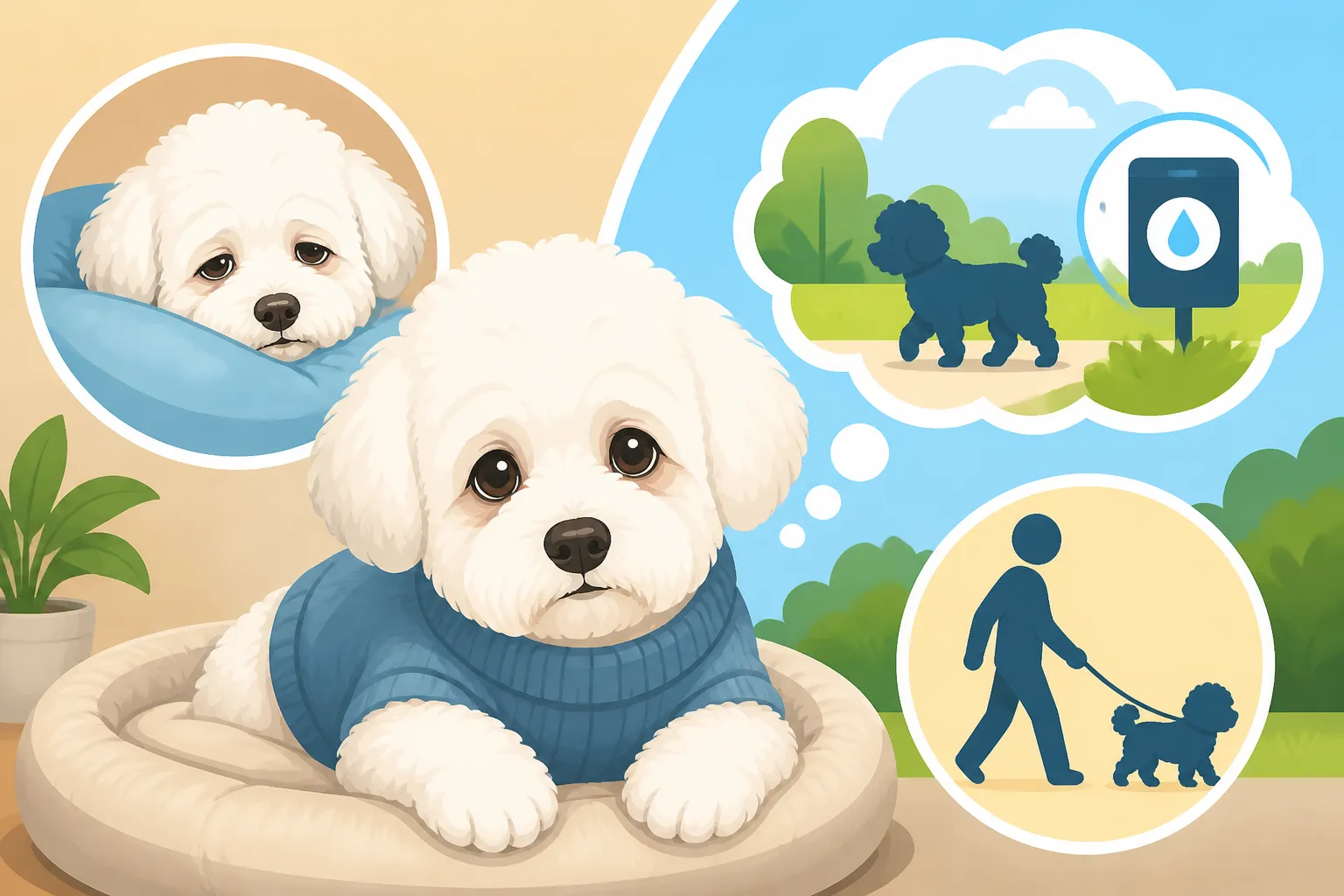
Consider their access to the outdoors. Do they have to navigate stairs? Is the doggy door too difficult to push open? Providing ramps, ensuring clear pathways, and making sure the door is easily accessible can make a big difference. Additionally, increasing the frequency of potty breaks, especially immediately after waking up, after meals, and before bed, can help. If your Bichon is taking longer to get to their spot, building in extra time can prevent those unfortunate accidents. Sometimes, the issue isn't their bladder, but their ability to respond to its call.
Practical Strategies for Managing Increased Toilet Trips
Navigating the senior years with a Bichon Frise can come with its unique challenges, and managing increased toilet trips is certainly one of them. While addressing any underlying medical conditions is paramount, there are also many practical steps you can take at home to make life more comfortable for your aging companion and reduce accidents.
Establishing a Consistent Potty Schedule
One of the most effective strategies for a senior Bichon who needs to go more often is to establish and strictly adhere to a consistent potty schedule. Forget the days when they could hold it for hours; now, frequency and predictability are your best friends. Aim for more frequent trips outside – every 2-4 hours, depending on your dog’s needs, is a good starting point. This includes making sure they go out immediately upon waking up, after every meal, after play sessions, and certainly right before you head to bed.
This routine helps to empty their bladder more regularly, reducing the chances of accidents due to a full bladder. A written schedule can be really helpful, especially if multiple family members are involved in care. Even setting alarms on your phone can serve as a gentle reminder to take your Bichon out. Consistency will help their body adjust, and you'll likely see a reduction in indoor mishaps. For more on this, you might find The Toilet Routine That Finally Works on a Bichon Frise helpful.
Utilizing Potty Pads or Dog Diapers
While outdoor trips should always be the primary goal, sometimes, due to medical conditions, mobility issues, or simply an inability to hold it, accidents might still happen. In these situations, potty pads or dog diapers can be valuable tools. Potty pads, placed in easily accessible areas or where accidents frequently occur, can provide an acceptable indoor relief spot, saving your floors and reducing stress for both you and your Bichon. Brands like Chewy and Amazon offer a wide variety of absorbent pads.
Dog diapers or male wraps (for male dogs prone to marking or leaking) can also offer a layer of protection, especially at night or when you can't supervise your dog as closely. It's important to change these regularly to prevent skin irritation and ensure hygiene. Think of these as a backup system, not a replacement for outdoor potty breaks. They are there to manage the unavoidable accidents with dignity and comfort for your senior Bichon, especially if Whether an Old Bichon Frise Becomes Incontinent is becoming a regular issue.
Veterinary Consultation and Diagnostics
When it comes to increased urination in a senior Bichon Frise, the single most important step you can take is a thorough veterinary consultation. As we've discussed, this symptom can point to a range of conditions, from mild UTIs to more serious kidney disease or diabetes. Your vet is the only one who can accurately diagnose the cause and recommend the appropriate treatment plan.
During your visit, expect your vet to perform a physical exam and likely recommend diagnostic tests. A urinalysis is almost always the first step, as it can reveal infections, sugar (indicating diabetes), protein (suggesting kidney issues), or abnormal cell types. Blood work will assess kidney and liver function, blood sugar levels, and other general health markers. In some cases, imaging like X-rays or ultrasound might be necessary to check for bladder stones (a common issue in Bichons – you might recall Why a Bichon Frise Forms Stones Twenty Times as Often) or other structural abnormalities. Don't shy away from these tests; they are crucial for getting to the bottom of the problem and setting your beloved Bichon on the path to better health and comfort. Whether a Bichon Frise Should Be Urine Tested Yearly is excellent advice for proactive senior care.
Here’s a quick overview of common causes and what to look for:
| Condition | Key Symptoms (Beyond Frequent Urination) | Common Diagnostic Tests | Management/Treatment Focus |
|---|---|---|---|
| Urinary Tract Infection | Straining, visible blood, cloudy/foul-smelling urine, discomfort | Urinalysis, Urine Culture | Antibiotics |
| Kidney Disease | Increased thirst, weight loss, lethargy, poor appetite, vomiting | Blood tests (BUN, Creatinine), Urinalysis | Special diet, fluid therapy, medications |
| Diabetes Mellitus | Excessive thirst, weight loss despite good appetite, lethargy, cataracts | Blood Glucose, Urinalysis (glucose) | Insulin injections, diet control, glucose monitoring |
| Cushing's Disease | Excessive thirst, pot-belly, hair loss, thin skin, increased appetite | ACTH stim test, LDDS test | Medications to reduce cortisol (e.g., trilostane) |
| Mobility Issues | Difficulty standing/walking, pain, reluctance to go outside | Physical exam, X-rays | Pain management, ramps, increased potty frequency, softer bedding |
| Medication Side Effects | History of recent medication changes, other drug-specific side effects | Review of current medications | Adjusting dosage/timing, alternative meds (vet-guided) |
This table provides a generalized overview. Always consult your veterinarian for an accurate diagnosis and treatment plan tailored to your Bichon Frise.
Disclaimer
This article is for general informational purposes only and does not constitute professional advice. Laws, prices and regulations vary by location and change over time. Consult a qualified professional for guidance on your specific situation.