Whether a Bichon Frise’s Allergies Get Worse With Age
It's truly heartbreaking to watch your beloved Bichon Frise suffer from relentless itching, paw chewing, or recurring ear infections, especially when it seems these issues intensify as they get older. Many Bichon owners wonder if allergies are just an unavoidable part of aging for their furry friends, or if there's something more happening beneath the surface. This guide will delve deep into why a Bichon Frise's allergies might appear to intensify with age, how to recognize the signs, and crucially, what steps you can take to bring them comfort and lasting relief.
Understanding Bichon Frise Allergies
Bichon Frises, with their charming, fluffy white coats and cheerful dispositions, are sadly also prone to certain health challenges, and allergies sit high on that list. Unlike humans who might sneeze or get a runny nose, a dog's allergies often manifest on their skin, leading to a host of uncomfortable and persistent issues. Understanding the fundamental nature of these allergies is the first step in managing them effectively, especially as your furry companion matures.
The Genetic Predisposition to Allergies in Bichons
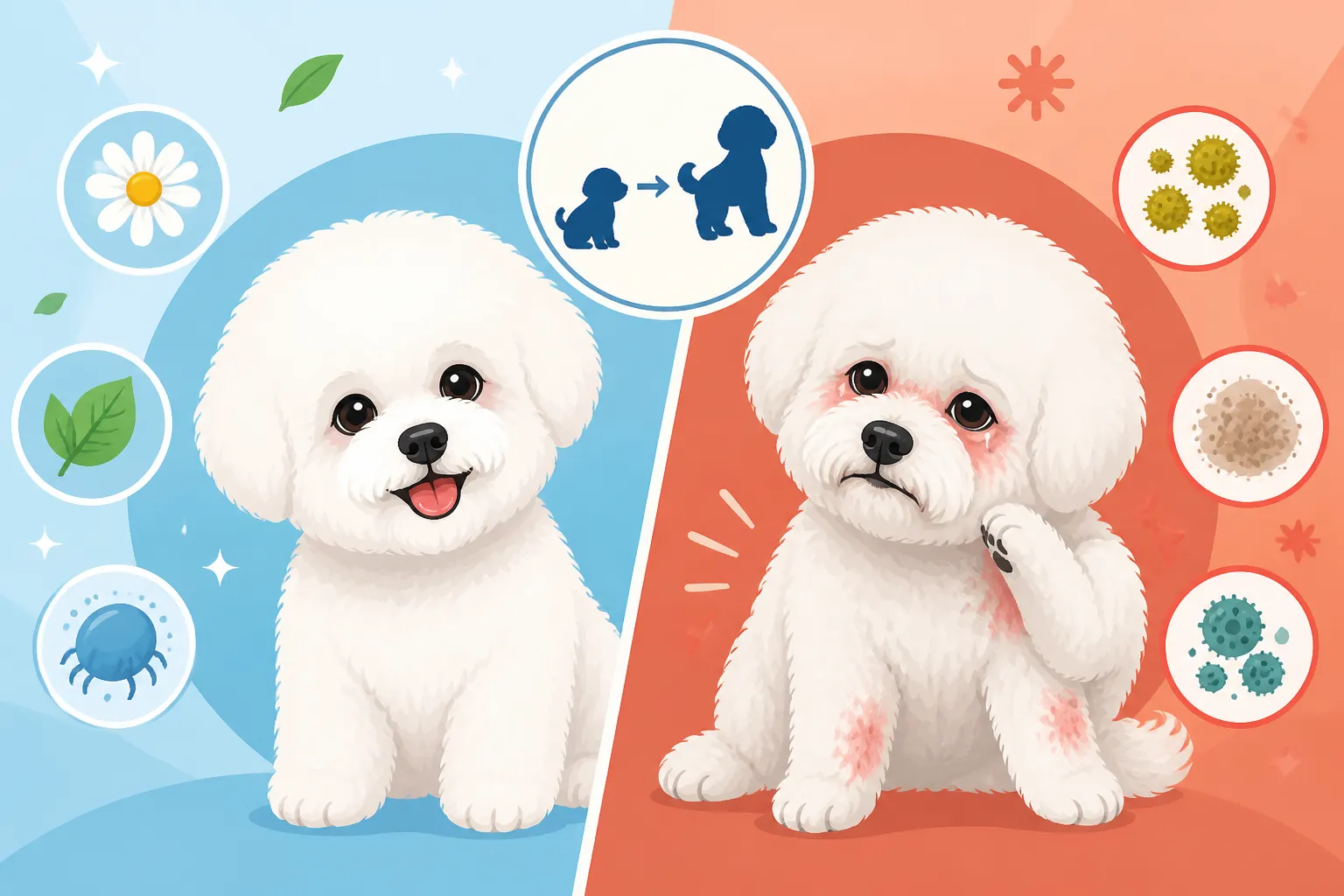
It's not just bad luck that your Bichon Frise seems more susceptible to allergies; it's often in their DNA. The breed is known to have a genetic predisposition to atopy, a condition where the immune system overreacts to common environmental substances like pollen, dust mites, or mold spores. This means that from the moment they are born, some Bichons carry the blueprint for developing allergic reactions, even if the symptoms don't show up immediately.
This underlying sensitivity is what defines The Atopic Skin a Bichon Frise Is Born With. Their skin barrier can be compromised, allowing allergens to penetrate more easily and trigger an immune response. This genetic vulnerability means that while every dog can develop allergies, Bichons often face an uphill battle, making early recognition and consistent management all the more vital. It's a foundational issue that shapes their lifelong health journey, influencing how their body reacts to the world around them.
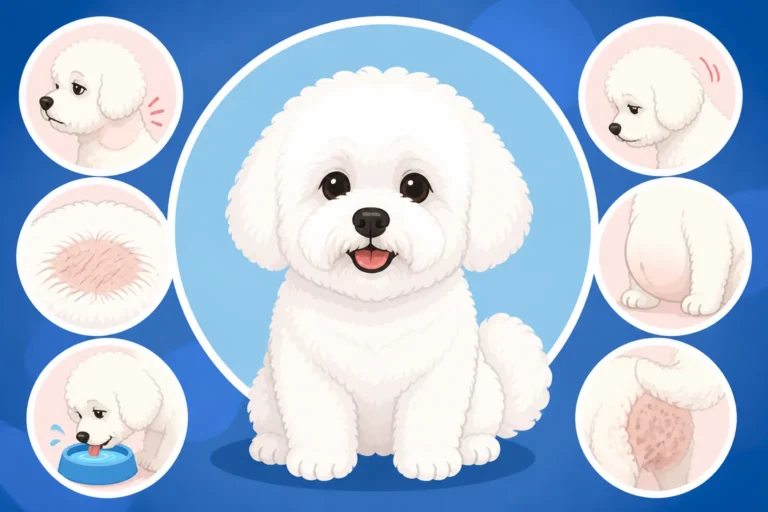
The manifestation of these genetic allergies can vary greatly. Some Bichons might primarily suffer from intensely itchy skin, leading to excessive scratching, licking, and chewing, particularly on their paws or flanks. Others may present with chronic ear infections that recur despite treatment, or irritated skin around their muzzle and eyes. These are all common signs that their inherent allergic tendencies are at play, dictating how their bodies express discomfort and inflammation.
Common Allergens and Their Impact
When we talk about allergies in Bichon Frises, we're usually talking about either environmental allergies (atopy) or food allergies, with environmental causes being far more common. Environmental allergens include things you and I encounter daily: pollen from trees, grasses, and weeds that peak seasonally, or year-round culprits like dust mites, mold, and even dander from other animals. These microscopic particles can trigger a systemic reaction that shows up prominently on a Bichon's delicate skin.
The impact of these allergens can range from mild irritation to severe, debilitating itchiness that significantly affects a dog's quality of life. For instance, a Bichon might start licking their paws incessantly after a walk in a grassy field during spring, signaling a contact or inhaled pollen allergy. Or, they might develop recurring skin infections because constant scratching breaks the skin barrier, allowing bacteria and yeast to take hold. Distinguishing between environmental and food allergies often requires careful observation and collaboration with your veterinarian. You might wonder Whether a Bichon Frise's Itching Is Food or Pollen, and diagnostic tests or elimination diets can help pinpoint the specific triggers.
Beyond the skin itself, common allergy symptoms in Bichons also frequently include recurrent ear infections, which can be frustrating for both pet and owner. The warmth and moisture in the ear canal, combined with inflammation caused by allergies, create an ideal breeding ground for bacteria and yeast. This can lead to persistent discomfort, head shaking, and even pain. It's a cycle that often requires a multi-pronged approach to break, addressing both the underlying allergy and the secondary infection.
The Progression of Allergies Over Time
It's a common, distressing observation for many Bichon Frise owners: their dog's allergies seem to become more severe and relentless as they mature. What might have started as seasonal paw licking in their younger years can evolve into a year-round battle with full-body itching, chronic ear issues, and recurring skin infections. This apparent worsening isn't just your imagination; there are several physiological reasons why allergies in Bichons often intensify with age.
Why Allergies Seem to Worsen with Age
One major factor contributing to the worsening of allergies with age is cumulative exposure. Just like a bucket slowly filling with water, a Bichon's immune system is constantly exposed to allergens throughout its life. Over years, this constant exposure can lead to a phenomenon known as "allergic march," where the immune system becomes increasingly sensitized, reacting more strongly and broadly to various triggers. What was once a mild seasonal reaction can become a chronic, pervasive problem as the body's threshold for tolerance decreases.
Furthermore, an aging immune system might not regulate itself as effectively as it once did. In younger years, the immune system is more robust and perhaps better able to manage inflammation. As a Bichon enters their senior years, the immune system can become less balanced, leading to prolonged or exaggerated inflammatory responses. This means that even the same level of allergen exposure can elicit a more severe reaction in an older dog compared to a younger one. The body simply struggles more to calm itself down once an allergic cascade begins.
The continuous cycle of scratching, inflammation, and secondary infections also plays a critical role. Chronic inflammation can permanently alter the skin barrier, making it even more permeable to allergens and pathogens, creating a vicious cycle. What started as simple itching can progress to thickened, hyperpigmented skin (lichenification), hair loss, and recurring bacterial or yeast infections that are harder to clear. This makes the dog not only more uncomfortable but also more susceptible to further skin problems, contributing to the perception that the allergies are getting worse.
Differentiating Worsening Allergies from New Conditions
While it's true that existing allergies can intensify with age, it's also vital to consider that new health conditions can emerge in senior Bichons, sometimes mimicking or exacerbating allergy symptoms. For example, dogs can develop hypothyroidism, a common endocrine disorder in older dogs, which can lead to dry skin, hair loss, and susceptibility to skin infections – all symptoms that could easily be mistaken for allergies. The key here is not to assume, but to investigate thoroughly with your vet.
Another condition to consider in an aging Bichon Frise is Cushing's disease, particularly Cushing's Disease in a Bichon Frise Past Seven. This hormonal disorder can manifest with skin thinning, hair loss, and increased susceptibility to skin infections, which can look very much like chronic allergic dermatitis. Differentiating between these conditions requires specific diagnostic tests, such as blood work and hormonal assays, because the treatments are entirely different. What appears to be worsening allergies might actually be a completely separate, treatable condition.
It’s also possible that an older Bichon might develop new allergies they didn't have before, or existing food sensitivities might become more pronounced. This isn't uncommon, as a dog's immune system and gut health can change over time. Therefore, if your senior Bichon suddenly develops severe, new or different allergy symptoms, it's worth discussing comprehensive diagnostic work-ups with your veterinarian to rule out other medical issues before attributing everything solely to "worsening allergies." Sometimes, solving a different underlying problem can dramatically improve their overall comfort and skin health.
Managing Age-Related Allergy Challenges
When your Bichon Frise's allergies seem to worsen with age, it truly feels like a new frontier of care opens up. The strategies that worked in their younger years might no longer be as effective, and the sheer persistence of their discomfort can be disheartening. However, adapting your approach and committing to a comprehensive management plan can significantly improve your senior Bichon's quality of life, even when facing chronic allergic conditions.
Adapting Treatment Plans for Senior Bichons
Treating allergies in an aging Bichon Frise often requires a more nuanced approach, as their bodies may be more fragile or have other concurrent health issues. Medications that were once tolerated well might need dose adjustments, or entirely new treatment modalities may become necessary. For instance, topical therapies like medicated shampoos, mousses, or sprays can be a gentle yet effective way to manage skin inflammation and secondary infections, reducing the need for systemic medications that might impact their aging organs. You might explore Managing a Bichon Frise's Skin Without Steroids if your senior dog has other conditions that make steroids risky.
Veterinarians often recommend exploring advanced therapies such as immunotherapy (allergy shots or oral drops) or newer medications like Apoquel or Cytopoint, especially when systemic steroids are no longer a safe or effective long-term option. These treatments specifically target the allergic response and can offer significant relief with fewer side effects. It's an investment in their comfort and well-being, but one that can dramatically improve their daily life. Discussing these options with your vet to tailor a plan that considers your Bichon's entire health profile is paramount.
Financial considerations are also a real part of this journey. Chronic allergy management in an aging dog can involve ongoing vet visits, specialized foods, and long-term medications, which can certainly add up. Having comprehensive pet insurance, such as a plan from Healthy Paws, can be incredibly helpful in mitigating these costs, ensuring you can provide your Bichon with the best possible care without constant financial worry. It's a practical step that can provide peace of mind when managing a chronic condition.
The Role of Lifestyle and Environment
Beyond medical interventions, modifying your senior Bichon's daily lifestyle and environment plays a huge role in managing their age-related allergies. Reducing exposure to known allergens is foundational. This might mean more frequent vacuuming with a HEPA filter, using allergen-proof bedding, or even limiting walks during peak pollen seasons. Simple changes to their living space can make a noticeable difference in their comfort levels and the frequency of flare-ups.
Dietary management is another critical component, particularly if your Bichon has concurrent food sensitivities or if inflammation is widespread. Working with your vet to find The Diet a Bichon Frise Stays On for Life can be transformative. Often, novel protein diets, hydrolyzed protein diets, or prescription dermatology diets are recommended to minimize allergic reactions from food and support skin health through specialized nutrient profiles. Even if food isn't the primary trigger, a supportive diet can help reduce overall inflammation.
Regular grooming is not just for aesthetics with a Bichon Frise; it's a therapeutic necessity for managing allergies. Frequent bathing with appropriate shampoos can wash away environmental allergens from their coat and skin, providing immediate relief and preventing build-up. Ensuring their ears are regularly cleaned and checked is also crucial, especially given the breed's propensity for Recurrent Ear Infections in a Bichon Frise as an allergy symptom. These routine care steps, while time-consuming, are indispensable for their ongoing comfort.
Proactive Steps and Support for Your Aging Bichon
The journey of caring for an aging Bichon Frise with allergies can feel overwhelming, but a proactive approach focused on consistent monitoring, strong veterinary partnership, and holistic support can make a world of difference. Your dedication to their well-being is the most powerful tool in their comfort arsenal.
Regular Monitoring and Veterinary Partnership
Consistent and thorough veterinary care becomes even more critical as your Bichon Frise ages and their allergies potentially worsen. Regular check-ups allow your vet to monitor the progression of their allergies, adjust medications as needed, and screen for other age-related conditions that might be complicating the picture. These visits aren't just about crisis management; they're about preventative care and optimizing their long-term health. For general guidance, considering Caring for a Bichon Frise Past Eleven highlights the importance of comprehensive senior care.
It's important to be a diligent observer of your dog's daily habits and symptoms. Keep a detailed log of when flare-ups occur, what symptoms are most prominent, and how your dog responds to different treatments. This information is invaluable to your vet in fine-tuning their care plan. Don't hesitate to take photos or videos of skin lesions, excessive licking, or discomfort to share during appointments. The more data you provide, the better equipped your vet will be to help your beloved companion.
Building a strong, communicative partnership with your veterinarian is paramount. Don't be afraid to ask questions, seek clarification, and discuss your concerns openly. Together, you and your vet form a team dedicated to your Bichon's health. They can guide you through the complexities of diagnostics and treatment options, ensuring your aging dog receives the most appropriate and effective care tailored to their specific needs. Many owners find that continuous collaboration is key to navigating chronic conditions.
Nutritional Support and Hydration
Nutrition plays a surprisingly significant role in managing allergies, especially in older dogs whose systems might be less resilient. Feeding a high-quality, balanced diet that supports skin and coat health can provide essential nutrients, fatty acids, and antioxidants that aid in reducing inflammation and strengthening the skin barrier. For Bichons already on specific urinary diets due to stone history, like those discussed in The Diet a Bichon Frise Stays On for Life, finding a compatible hypoallergenic formula becomes a critical balancing act with your vet.
Supplementation can also be a valuable tool in an aging Bichon's allergy management plan. Omega-3 fatty acids, for instance, are potent anti-inflammatories that can help calm irritated skin from the inside out. Probiotics can support gut health, which is increasingly recognized as being linked to immune function and allergy response. Always consult with your veterinarian before introducing any new supplements to ensure they are safe and appropriate for your dog, especially if they are on other medications or have underlying health issues.
Adequate hydration is often overlooked but is crucial for overall health, including skin barrier function. Encourage your Bichon to drink plenty of fresh water throughout the day. Water fountains can often entice dogs to drink more, and adding a little low-sodium broth to their water can also increase intake. Good hydration helps flush toxins and supports healthy skin from within, which can indirectly contribute to better allergy management. Ensuring What a Bichon Frise Needs Every Day includes plenty of water is a simple yet powerful step.
Financial Planning for Long-Term Care
The reality of managing chronic allergies, especially those that worsen with age, is that it can become quite expensive. From specialized diets and medications to regular vet visits and potential advanced treatments, the costs can add up quickly. This is where proactive financial planning becomes indispensable. Many pet owners find themselves unprepared for the long-term financial commitment required for a senior dog with persistent health issues.
One of the most effective ways to manage these costs is through pet insurance. A comprehensive policy can cover a significant portion of veterinary expenses for diagnostics, medications, and ongoing treatments. It’s worth researching different providers and plans early on. Companies like Healthy Paws, for example, offer customizable plans that can help cushion the financial blow of chronic conditions, allowing you to focus on your Bichon's health rather than worrying about the bills. Understanding What a Bichon Frise Costs a Year to Keep helps put these expenses into perspective.
Beyond insurance, considering a dedicated savings fund for your pet's healthcare can provide an alternative or supplement to insurance coverage. Setting aside a small amount each month can build up over time, giving you a financial cushion for unexpected flare-ups or new age-related conditions. This proactive approach ensures that when your Bichon Frise needs care, you're ready to provide it without added stress.
Here’s a comparative look at allergy signs and common associated conditions across different age groups in Bichon Frises:
| Age Group | Common Allergy Signs | Potential Underlying Factors / Complications | Treatment Focus |
|---|---|---|---|
| Puppy/Young Adult (0-3 years) | Seasonal itching, paw licking, mild ear irritation. | Initial sensitization to allergens, developing immune system. Genetic predisposition (atopy) begins to manifest. | Allergen avoidance, topical treatments, antihistamines. Early identification of triggers. |
| Adult (3-7 years) | More consistent itching, chronic ear infections, skin redness, occasional hot spots. | Increased cumulative allergen exposure, established allergic pathways. Potential for secondary bacterial/yeast infections. | Immunotherapy, targeted medications (Apoquel, Cytopoint), medicated baths, strict diet trials if food allergy suspected. |
| Senior (7+ years) | Generalized severe itching, skin thickening/darkening, recurrent skin/ear infections, hair loss, lethargy, decreased appetite. | Intensified immune response due to prolonged exposure, weakened immune system, potential new medical conditions (e.g., Cushing's, hypothyroidism), compromised skin barrier. | Comprehensive diagnostics, adapted medication dosages, multi-modal pain management, ongoing skin support, holistic care. |
Disclaimer
This article is intended for informational purposes only and does not constitute veterinary advice. Always consult with a qualified veterinarian for any health concerns or before making any decisions about your pet's medical care. Individual outcomes may vary.