Whether a Bichon Frise Gets Autoimmune Anemia
It's incredibly distressing to see your beloved Bichon Frise looking a little off, and even more so when you start to worry about serious conditions. One such concern that sometimes crosses the minds of dedicated Bichon parents is autoimmune anemia. This comprehensive guide aims to shed light on whether Bichon Frises are indeed susceptible to this challenging condition, what it entails, and how you can be the best advocate for your furry companion.
Understanding Autoimmune Anemia in Bichon Frises
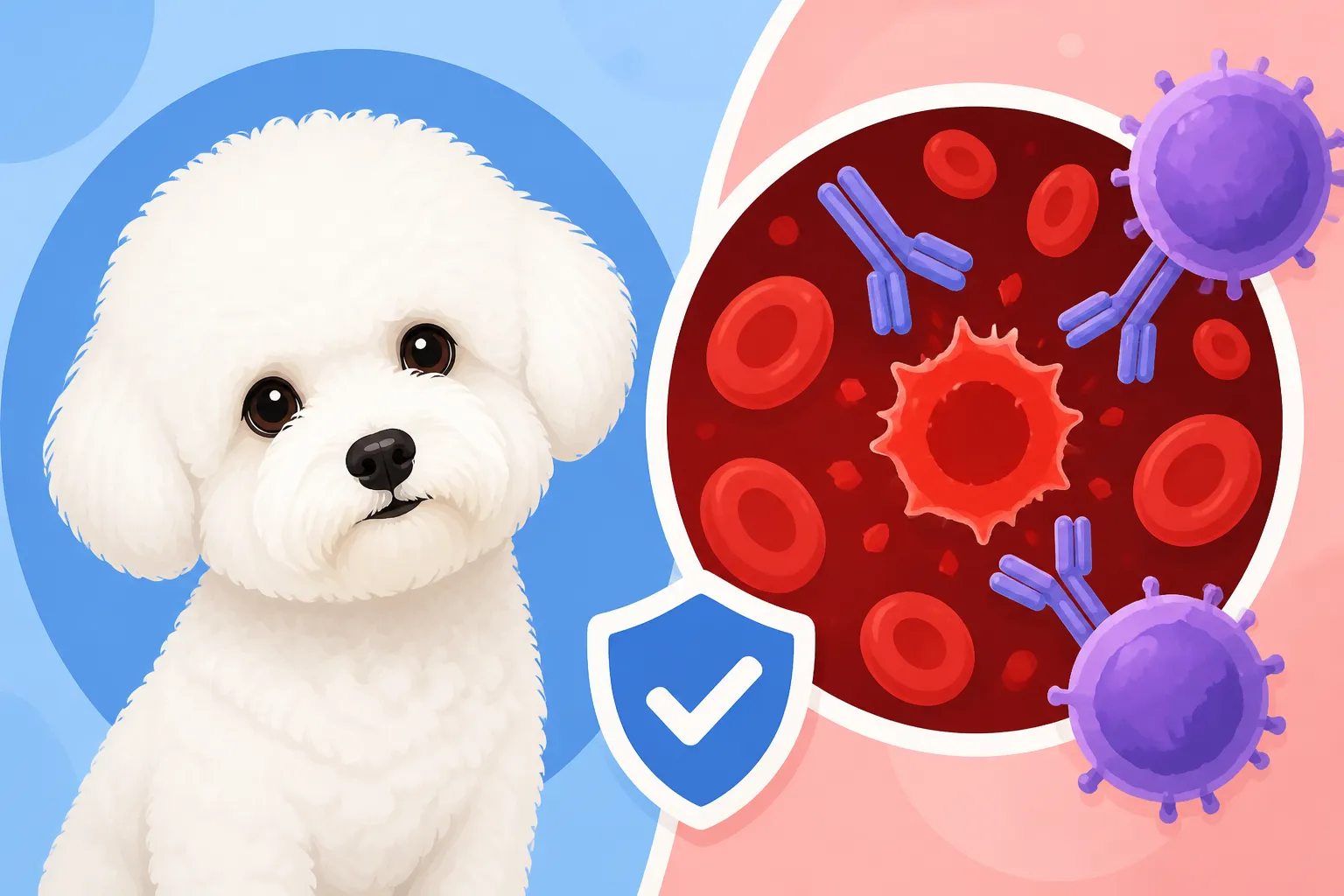
When we talk about autoimmune anemia, it sounds scary, and frankly, it can be. It refers to a group of conditions where the body's immune system, which is supposed to protect it from foreign invaders like viruses and bacteria, mistakenly attacks its own red blood cells. Imagine your own body turning against itself – that's essentially what happens. For Bichon Frise owners, understanding the specifics of this condition is the first step in being prepared.
What Exactly Is Immune-Mediated Hemolytic Anemia IMHA?
The most common form of autoimmune anemia we see in dogs is Immune-Mediated Hemolytic Anemia, or IMHA. In simple terms, "hemolytic" means the destruction of red blood cells, and "immune-mediated" means it's caused by the immune system. Red blood cells are vital because they carry oxygen from the lungs to every part of your Bichon's body, and without enough of them, organs and tissues can't function properly. When the immune system flags these essential red blood cells as foreign invaders, it then destroys them, leading to a critical shortage. This can happen suddenly and dramatically, often leaving owners reeling from the rapid decline in their dog's health. It's a truly frightening experience to witness your lively, bouncy Bichon become lethargic and weak almost overnight.
Beyond IMHA, there's also Immune-Mediated Thrombocytopenia (IMT), which is similar but targets platelets, the cells responsible for blood clotting. Sometimes, a Bichon can suffer from both conditions simultaneously, which is known as Evan's Syndrome. This combination makes the condition even more severe and complicated to manage, as both oxygen transport and blood clotting are compromised. These conditions are considered primary or idiopathic when there's no identifiable underlying cause, which is often the case. However, secondary IMHA or IMT can be triggered by things like infections, certain medications, toxins, or even cancers. Pinpointing the exact cause is crucial for effective treatment, but it's not always straightforward, adding another layer of challenge for both vets and worried pet parents.
Is There a Genetic Link for Bichon Frises?
This is where the concern for Bichon owners specifically comes in. While autoimmune conditions can technically affect any breed, some breeds do seem to have a higher predisposition, suggesting a genetic component. Unfortunately, Bichon Frises are indeed one of the breeds that appear to be overrepresented when it comes to IMHA. This doesn't mean every Bichon will develop it, but it does mean the breed is on the radar for veterinarians as being at a higher risk compared to, say, a German Shepherd. This breed-specific susceptibility is something responsible breeders are often aware of, though screening for such complex genetic predispositions can be incredibly challenging.
The exact mode of inheritance or the specific genes involved aren't fully understood yet, but the pattern of higher incidence in certain breeds points strongly to a genetic link. Other breeds commonly cited for increased IMHA risk include Cocker Spaniels, Poodles, Old English Sheepdogs, and Irish Setters, but Bichons are consistently mentioned in veterinary literature. This heightened risk means that as a Bichon owner, it's particularly important to be vigilant for any signs of illness and to discuss your concerns with your veterinarian. Knowing this predisposition helps you and your vet act quickly if symptoms arise, potentially making a significant difference in the outcome for your beloved companion. Considering the various health challenges a Bichon Frise can face, like Why a Bichon Frise Forms Stones Twenty Times as Often, being aware of another potential health hurdle can feel overwhelming, but knowledge is truly power here.
Recognizing the Subtle Signs of Anemia in Your Bichon
One of the biggest challenges with serious illnesses is that our furry friends can't tell us what's wrong. It's up to us to pick up on the subtle cues, and with something like autoimmune anemia, early detection is absolutely critical. A Bichon Frise, known for its lively and cheerful disposition, often masks discomfort until a condition is quite advanced, making your careful observation even more vital.
Common Clinical Signs to Watch For
The signs of anemia in a Bichon Frise can creep up on you, or they can hit suddenly. The most tell-tale sign of anemia, regardless of the cause, is lethargy and weakness. Your usually energetic Bichon might seem unusually tired, uninterested in play, or struggle with activities they normally love, like their daily walk. They might sleep more than usual or just seem generally subdued. Another crucial indicator is a change in the color of their gums and other mucous membranes. Instead of a healthy pink, they might appear very pale, almost white. You can check this by gently lifting their lip. Their inner eyelids might also look pale. In severe cases, you might even notice a yellowish tinge to their skin or whites of their eyes, which is called icterus or jaundice, indicating liver involvement due to the breakdown of red blood cells.
Beyond these primary signs, you might observe a lack of appetite, which for a typically food-motivated Bichon, is a huge red flag. They might also experience vomiting or diarrhea. Some dogs with IMHA develop a fever, or you might notice an increased respiratory rate or effort as their body tries to compensate for the lack of oxygen. Their urine might even appear darker, sometimes described as orange or brown, due to the presence of bilirubin from the destroyed red blood cells. If your Bichon is showing any combination of these symptoms, especially if they are getting worse rapidly, it's essential to seek veterinary attention immediately. Understanding these signs is a key part of Caring for a Bichon Frise Past Eleven or at any age, as early detection can make all the difference.
When to Seek Emergency Veterinary Care
Given the rapid progression that IMHA can sometimes take, knowing when a situation moves from "call the vet in the morning" to "this is an emergency" is paramount. If your Bichon Frise exhibits several of the signs mentioned above, particularly extreme lethargy, very pale or white gums, difficulty breathing, or collapses, it's time for an immediate trip to the emergency veterinary clinic. This isn't something you can wait out, as the lack of oxygen-carrying red blood cells can quickly become life-threatening. Every minute can count in these critical situations.
Prompt veterinary care can mean the difference between life and death for a Bichon suffering from severe autoimmune anemia. Don't hesitate because you're worried about the cost; while it's true that emergency care can be expensive, and understanding What a Bichon Frise Costs a Year to Keep includes planning for emergencies, your dog's life is on the line. Many pet insurance providers, like Healthy Paws, offer coverage for emergency treatments for unexpected illnesses, which can be a huge relief in these situations. Having a plan in place, whether it's insurance or a dedicated savings account, for potential emergencies can ease the burden during an incredibly stressful time.
The Diagnostic Journey and Treatment Pathways
Once you suspect something is seriously wrong with your Bichon Frise, the next step is getting an accurate diagnosis. This process can sometimes feel like a whirlwind, with multiple tests and discussions with your vet, but it's all aimed at understanding precisely what's happening inside your beloved pet's body so the most effective treatment can begin.
How Vets Confirm Autoimmune Anemia
When you bring your Bichon to the vet with suspected anemia, the first thing they'll do is a thorough physical examination. This includes checking gum color, heart rate, respiratory rate, and feeling their abdomen. However, to confirm IMHA or IMT, a series of diagnostic tests are essential. The cornerstone of diagnosis is a complete blood count (CBC), which will show a decrease in red blood cell count (anemia), and often an increase in white blood cells due to the immune response. The CBC might also reveal specific characteristics of the red blood cells, such as their size and shape, which can point towards immune destruction.
Beyond the basic CBC, specific tests are crucial. A Coombs test is often performed to detect antibodies attached to the surface of red blood cells, which directly supports a diagnosis of IMHA. Your vet might also look at a blood smear under a microscope for specific changes in red blood cell morphology, such as spherocytes (abnormally round red blood cells) or agglutination (clumping of red blood cells). If IMT is suspected, a platelet count will be critically low. Sometimes, further tests like a bone marrow aspirate are needed to assess red blood cell production in the marrow itself, helping to differentiate IMHA from other causes of anemia. It's a complex puzzle, and your vet will systematically work through it to ensure an accurate diagnosis, sometimes even exploring other potential causes as part of What Bichon Frises Are Most Often Treated For to rule them out.
Navigating Treatment Options
The treatment for autoimmune anemia in Bichon Frises is generally aggressive, aiming to stop the immune system from destroying red blood cells and to manage the resulting anemia. The primary line of defense is immunosuppressive medications, with corticosteroids like Prednisone being the most commonly used. These drugs work to suppress the overactive immune response. The dosage is typically high initially and then gradually tapered down as the dog responds. However, steroids come with side effects, such as increased thirst, urination, appetite, and panting, which can be tough for both the dog and the owner.
In severe cases, or if steroids alone aren't enough, other immunosuppressive drugs like Azathioprine, Cyclosporine, or Mycophenolate Mofetil might be added to the regimen. For dogs with severe anemia, blood transfusions are often life-saving, providing immediate red blood cells to stabilize the patient while the medications take effect. These transfusions can dramatically improve a Bichon's energy levels and overall condition almost instantly. Supportive care, including IV fluids, medications to protect the stomach from steroid side effects, and antibiotics if secondary infections are a concern, are also critical. Throughout this intensive treatment period, frequent blood tests are necessary to monitor response to therapy and adjust medication dosages. It's a journey that requires immense commitment, but seeing your Bichon regain their health is incredibly rewarding. Having pet insurance, especially a comprehensive plan like those offered by Healthy Paws, can significantly alleviate the financial stress associated with these intensive treatments and ongoing medication costs.
Living with a Bichon Frise with Autoimmune Anemia
Receiving a diagnosis of autoimmune anemia for your Bichon Frise is undoubtedly frightening, but it’s important to remember that many dogs can live full, happy lives with proper management. The key is understanding that this is often a long-term condition requiring ongoing vigilance and care.
Long-Term Management and Monitoring
Once the initial crisis has passed and your Bichon is stable, the focus shifts to long-term management. This typically involves a gradual reduction of immunosuppressive medications to the lowest effective dose, which can be a delicate balancing act. Too little medication, and the disease could relapse; too much, and your Bichon could suffer from unnecessary side effects. Regular follow-up appointments and blood tests are crucial to monitor your dog's red blood cell count and overall health. These tests might be monthly, then quarterly, depending on your Bichon’s stability. Your vet will guide you through this process, which can feel like a marathon rather than a sprint.
It's also essential to be hyper-vigilant for any signs of relapse. Even when on medication, an episode of IMHA or IMT can recur, sometimes years later. Any return of lethargy, pale gums, or other symptoms should prompt an immediate call to your vet. Maintaining a detailed health journal, noting medication times, appetite, energy levels, and any unusual observations, can be incredibly helpful for both you and your veterinary team. This meticulous attention to detail is similar to the ongoing care needed for other chronic conditions like Diabetes in a Bichon Frise, where daily management and consistent monitoring are key to a good quality of life.
Supporting Your Bichon's Quality of Life
Beyond the medical management, supporting your Bichon Frise’s overall quality of life is paramount. This includes providing a stress-free environment, maintaining a consistent routine, and ensuring they receive appropriate nutrition. Your vet may recommend a specific diet to support their recovery and ongoing health, especially if certain medications cause stomach upset. Gentle exercise, appropriate for their energy levels, is important, but avoid overexertion, particularly during the initial recovery phase. You might find that your Bichon needs a little more rest than before, and that's perfectly normal.
Emotional support from you is also vital. Bichons thrive on companionship, and your presence and comfort can make a huge difference. Continue to engage them in gentle play, cuddles, and positive reinforcement. Because their immune system is suppressed, it’s also important to minimize exposure to sick animals or crowded dog parks, especially during the initial high-dose steroid phase. Open communication with your vet is your best tool. Don't hesitate to ask questions about potential side effects, future concerns, or anything that worries you about your Bichon's condition. While the journey can be challenging, with dedicated care and a proactive approach, many Bichons with autoimmune anemia can continue to be the joyous, fluffy companions we adore. Thinking about Whether a Lifetime Policy Is Worth It for a Bichon Frise is important here, as ongoing medication and vet visits can be quite costly over your dog's lifetime.
| Symptom Category | Potential Signs to Watch For | What It Indicates | Urgency Level |
|---|---|---|---|
| Energy & Behavior | Lethargy, unusual tiredness, reluctance to play, increased sleeping, disinterest in walks. | Low red blood cell count, insufficient oxygen delivery to tissues. | High – immediate vet visit if severe or sudden. |
| Mucous Membranes | Pale or white gums, inner eyelids, or tongue. Yellowish tinge to skin/eyes (jaundice). | Anemia (pale) or red blood cell destruction (jaundice). | Emergency – seek immediate vet care. |
| Appetite & Digestion | Lack of appetite, decreased thirst, vomiting, diarrhea. | General illness, potential organ involvement, or medication side effects. | Medium to High – consult vet promptly. |
| Respiration | Increased breathing rate, panting more than usual, shallow breathing, difficulty breathing. | Body compensating for lack of oxygen. | Emergency – seek immediate vet care. |
| Urine Color | Dark orange or brown urine. | Presence of bilirubin from destroyed red blood cells. | High – consult vet promptly. |
| Temperature | Fever (warm to the touch, shivering). | Immune system activation or secondary infection. | Medium to High – consult vet promptly. |
Disclaimer
The information provided in this article is for general informational purposes only and is not intended as a substitute for professional veterinary advice. Always consult with a qualified veterinarian for any health concerns or before making any decisions related to your pet's health and treatment.