The Health Tests Both Bichon Frise Parents Should Have
Bringing home a new Bichon Frise puppy should be a joyous occasion, filled with fluffy cuddles and playful antics. Yet, for far too many families, that excitement quickly turns to worry when their beloved companion develops a debilitating genetic condition that could have been avoided. It's heartbreaking, and often incredibly expensive, to manage health issues like luxating patellas or recurring bladder stones that seem to plague the breed. This guide dives deep into the crucial health tests prospective Bichon Frise parents should undergo to ensure you're getting the healthiest possible puppy from a responsible breeder.
Why Health Testing Matters for Bichon Frise Parents
It's a common misconception that if a dog looks healthy, then its puppies will be too. Unfortunately, genetics are far more complex than that, and many serious health conditions in Bichon Frises can be quietly passed down through generations without the parent dog showing obvious symptoms. This hidden genetic legacy can lead to a lifetime of struggle for puppies and significant emotional and financial strain for their families.
The Frustration of Inherited Conditions
Imagine falling head over heels for an adorable Bichon Frise puppy, only to find out before its first birthday that it needs major knee surgery because of slipping kneecaps. Or perhaps your sweet companion develops a serious heart condition that limits its activity and requires costly medication. These aren't just rare occurrences; certain health issues are unfortunately prevalent within the Bichon Frise breed. The frustration stems from knowing that, often, these conditions could have been predicted, or at least significantly reduced in risk, if the parents had been properly screened. Owners often feel a sense of betrayal, not by their dog, but by the breeding practices that allowed such a risk to exist.
This isn't about blaming individuals, but about understanding the systemic issues in breeding that lead to widespread health problems. When health issues like The Stone That Comes Back a Year After Bichon Frise Surgery or severe allergies crop up repeatedly in a line, it becomes clear that there's a genetic predisposition at play. Responsible breeders are acutely aware of these breed-specific challenges and actively work to minimize their occurrence through diligent health testing and careful selection. They understand that overlooking these tests isn't just a shortcut; it's a gamble with a puppy's future health and happiness.
Beyond Just Healthy Parents
Simply stating that "the parents are healthy" isn't enough. Many genetic conditions have a late onset, meaning a breeding dog might not show symptoms until after it has already produced several litters. Furthermore, a dog can be a carrier for a recessive gene and never exhibit the disease itself, but pass it on to its offspring. This is why official health certifications are so vital. These tests aren't just a snapshot of the parent's current physical state; they delve into their genetic makeup and structural integrity, giving a much clearer picture of what they might pass on.
Without these certifications, you're essentially buying a puppy blind when it comes to potential hereditary diseases. It’s like buying a car without checking its service history – it might look good on the outside, but you have no idea what issues are lurking under the hood. Responsible breeders understand this deeply, investing time and money into these tests because they care about the health of the puppies they bring into the world. They view it as a non-negotiable part of ethical breeding, ensuring that families don't face unexpected and preventable heartache down the line.
Essential Health Tests for Bichon Frise Breeding Stock
When you're looking for a Bichon Frise puppy, one of the most important things you can do is inquire about the health testing performed on both parents. These aren't just optional extras; they're fundamental safeguards that protect the health of future generations. Organizations like the Orthopedic Foundation for Animals (OFA) and the Canine Health Information Center (CHIC) provide standardized protocols for these tests, ensuring consistency and reliability across the board.
Orthopedic Health: Patellas and Hips
Orthopedic issues can significantly impact a Bichon Frise's quality of life, leading to pain, lameness, and costly surgeries. Two of the most common concerns in the breed are luxating patellas (slipping kneecaps) and, to a lesser extent, hip dysplasia.
For patellar luxation, which is unfortunately common in small breeds like the Bichon Frise, both parents should have their knees evaluated by a veterinarian and certified through the OFA. This involves a physical examination where the vet manually checks how stable the kneecap is. The OFA assigns a grade to each knee, ranging from normal to severe luxation. You want to see parents with "Normal" patellas, or at the very least, a low grade if they are deemed suitable for breeding by an experienced vet and geneticist. This proactive screening helps reduce the risk of your puppy developing Slipping Kneecaps in a Bichon Frise later in life, saving you from potential distress and expensive veterinary bills, often covered by a good pet insurance plan like those from Healthy Paws.
While hip dysplasia is less prevalent in Bichon Frises compared to larger breeds, it's still a condition that should be screened for. OFA hip evaluations involve X-rays of the hip joints, which are then graded by a panel of experts. This helps identify dogs with malformed hip joints that could lead to debilitating arthritis and pain. Ensuring that both parents have "Good," "Fair," or "Excellent" hip scores minimizes the chance of their offspring suffering from Whether a Bichon Frise Gets Hip Dysplasia. Reputable breeders will always provide these certifications as proof of their commitment to breeding healthy puppies.
Ocular Health: Protecting Those Precious Eyes
Bichon Frises are known for their expressive, dark eyes, but they are also prone to several inherited eye conditions that can lead to vision impairment or even blindness. Regular eye examinations by a board-certified veterinary ophthalmologist are crucial for breeding dogs.
These specialized examinations look for conditions such as juvenile cataracts, progressive retinal atrophy (PRA), and distichiasis (extra eyelashes). The Canine Eye Registry Foundation (CERF), now part of the OFA, maintains a registry of dogs cleared of these conditions. Parents should have current eye certifications, ideally performed annually, to ensure they are free from any observable inherited eye diseases. This diligence is particularly important because The Eyes a Bichon Frise Inherits can sometimes carry genetic predispositions for conditions like Juvenile Cataracts in a Bichon Frise, which can manifest at a young age and cause significant issues.
A responsible breeder will not only have these certifications but will also be able to explain what they mean and address any concerns you might have. They understand that clear eyes are not just for aesthetics; they are fundamental to a dog's well-being and ability to navigate the world. Ensuring good ocular health in the parent dogs is a critical step in producing puppies with the best possible start in life, free from preventable visual impairments.
Urinary Tract Health: A Bichon's Achilles' Heel
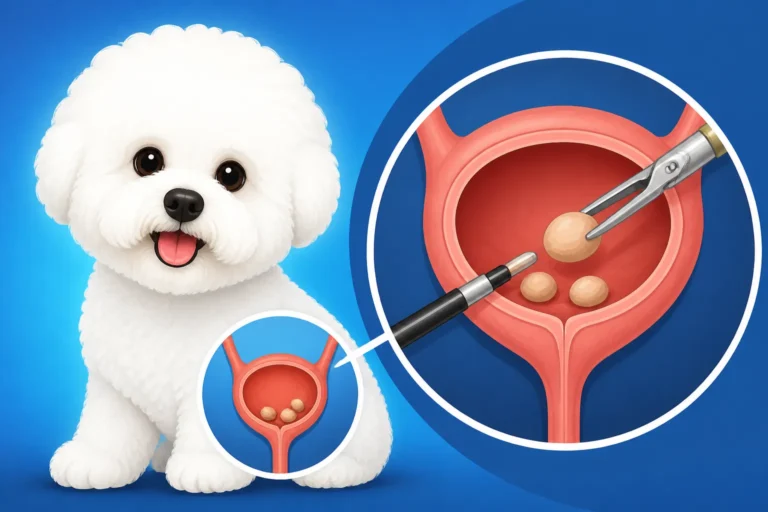
One of the most concerning and unfortunately common health issues in the Bichon Frise breed is their predisposition to forming urinary bladder stones, particularly calcium oxalate stones. This is a significant genetic issue, and it's imperative that breeding dogs are screened to reduce the risk.
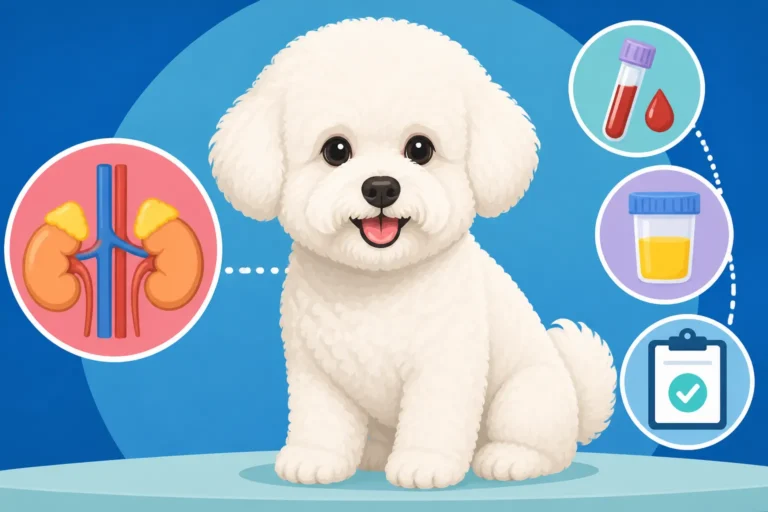
While there isn't a single "stone test" like there is for hips or eyes, responsible breeders take proactive steps to monitor urinary health. This often involves regular urinalysis to check urine pH and look for crystals, as well as routine abdominal ultrasounds to visualize the bladder and kidneys for any signs of stone formation. Breeders should also be tracking the stone history within their breeding lines. Given that Why a Bichon Frise Forms Stones Twenty Times as Often is a known breed characteristic, ignoring this aspect of health testing is negligent.
Discussing the family history of urinary stones with your potential breeder is non-negotiable. Ask if they track Whether a Bichon Frise Breeder Tracks Stone History in the Line. A breeder committed to health will be transparent about any known issues in their lines and actively work to breed away from this predisposition. While environmental factors like diet and water intake play a role, the genetic component of Whether a Bichon Frise's Stone Risk Is Inherited cannot be overstated, making parent screening absolutely essential.
Cardiac and Endocrine Screening
Beyond the more visible orthopedic and ocular issues, Bichon Frises can also be susceptible to certain heart conditions and endocrine disorders. While less common, screening for these conditions in breeding stock contributes to a holistic approach to genetic health.
For cardiac health, breeding Bichons should undergo an examination by a board-certified veterinary cardiologist, often with an echocardiogram (ultrasound of the heart), to screen for congenital heart defects, such as murmurs, and other cardiac diseases. While Whether a Bichon Frise Gets a Heart Murmur can sometimes be benign, inherited forms of heart disease can be severe. OFA also offers cardiac certifications based on these specialist evaluations.
Regarding endocrine health, while not as standardized for all breeds as other tests, responsible breeders should be aware of conditions like hypothyroidism and Cushing's disease within their lines. If there's any history in the pedigree, further screening such as thyroid panels or specific tests for Cushing's might be considered. While these aren't typically mandatory certifications, a breeder's awareness and willingness to discuss these potential issues demonstrate a deeper commitment to comprehensive health, ensuring a healthier and more resilient breed as a whole.
Understanding OFA and CHIC Certifications
When you're wading into the world of responsible dog breeding, terms like OFA and CHIC can feel like a secret language. But understanding these certifications is absolutely vital for making an informed decision about your future Bichon Frise puppy. They represent a gold standard in canine health screening, and any reputable breeder will be able to provide clear documentation for their breeding dogs.
Navigating Health Registries
The Orthopedic Foundation for Animals (OFA) is a non-profit organization that offers a vast database of health clearances for various canine conditions. They provide standardized evaluations for orthopedic issues like patellar luxation, hip and elbow dysplasia, as well as cardiac and thyroid health. When a dog is tested, the results are registered and publicly accessible on the OFA website. This transparency is key; you can look up a potential parent dog by its registered name or number and see its complete health history. For patella evaluations, for example, the OFA provides a specific grade for each knee, documenting the stability and structural integrity. Being able to independently verify these results gives you immense peace of mind.
The Canine Health Information Center (CHIC), a program sponsored by the OFA and the AKC Canine Health Foundation, takes this a step further. CHIC works with parent clubs (like the Bichon Frise Club of America) to establish a minimum set of health testing recommendations for each breed. For a Bichon Frise to receive a CHIC number, it must have undergone all the recommended tests for the breed, and the results (whether normal or affected) must be publicly available. This doesn't mean the dog is "perfect," but it guarantees that all recommended screenings have been performed and recorded. When a breeder boasts that their dogs are "CHIC certified," it means they've met these comprehensive health screening standards, covering everything from patellas to eyes, like checking for Grading a Bichon Frise's Luxating Patella.
What to Ask Your Breeder
Knowing about OFA and CHIC is great, but the real power comes from using this knowledge when speaking with breeders. Don't be shy about asking direct questions. A good breeder will welcome your questions and be eager to share their health testing results. Start by asking for the full registered names of both the dam (mother) and sire (father) of the litter. With this information, you can often look up their OFA and CHIC records online yourself, which is a fantastic way to confirm what the breeder tells you.
Specifically, ask to see the OFA certificates for patellar luxation, cardiac clearance by a board-certified veterinary cardiologist, and current eye certifications from a veterinary ophthalmologist. Also, discuss their approach to mitigating the risk of urinary stones, including any regular screenings or family history they monitor. If a breeder hesitates, provides vague answers, or claims their vet simply "checked" the parents without official certifications, consider it a red flag. Remember, investing in a puppy from health-tested parents can save you significant money in future vet bills, and a good insurance policy like Healthy Paws can only cover so much, especially if a condition becomes "pre-existing" due to lack of prior screening. Don't fall for the trap of buying an Untested Bichon Frise Litter just because the initial cost is lower.
Here's a quick overview of essential health tests for Bichon Frise parents:
| Health Condition | Recommended Test | Administering Body | Frequency | Why it Matters |
|---|---|---|---|---|
| Patellar Luxation | OFA Patella Evaluation (physical exam) | OFA | Once after 1 year of age | Prevents painful slipping kneecaps. |
| Hip Dysplasia | OFA Hip Evaluation (X-rays) | OFA | Once after 2 years of age | Reduces risk of debilitating hip arthritis. |
| Inherited Eye Diseases | OFA Eye Certification (CERF) | ACVO/OFA | Annually | Screens for cataracts, PRA, distichiasis, preventing blindness. |
| Congenital Cardiac Disease | OFA Cardiac Evaluation (Cardiologist) | ACVIM/OFA | Once after 1 year of age | Identifies inherited heart conditions. |
| Urinary Bladder Stones | Urinalysis, Abdominal Ultrasound | Veterinarian | Annually/Bi-annually | Monitors for crystal formation and presence of stones, highly recommended for the breed. |
The Long-Term Benefits of Responsible Breeding
Choosing a puppy from health-tested parents isn't just about avoiding problems; it's about investing in a future filled with joy, companionship, and fewer worries. The upfront effort in finding a responsible breeder pays dividends for years to come, offering both tangible and intangible rewards for you and your beloved Bichon Frise.
A Healthier, Happier Companion
When you bring home a Bichon Frise puppy whose parents have undergone comprehensive health screening, you're stacking the odds in your favor for a long and healthy life together. This means more time spent playing fetch in the park, enjoying quiet evenings by your side, and fewer stressful trips to the emergency vet. A dog free from debilitating genetic conditions is a happier dog, with more energy and less pain, allowing its true joyful personality to shine through. Imagine the difference between a dog constantly battling allergies or struggling with joint pain versus one that's robust and ready for anything.
This responsible approach contributes to the overall health of the breed, helping to reduce the incidence of common inherited diseases in the Bichon Frise population. Every time a discerning buyer chooses a puppy from health-tested lines, it encourages breeders to maintain and improve their standards. It's a collective effort that ensures future generations of Bichon Frises can enjoy the best possible health, fulfilling their potential as loving and lively family members. You're not just buying a pet; you're becoming part of a community dedicated to the welfare and longevity of the breed.
Financial and Emotional Peace of Mind
Let's be realistic: vet bills for serious chronic or surgical conditions can be astronomical. A single surgery for a luxating patella or bladder stones can easily run into thousands of dollars, to say nothing of ongoing medication, special diets, or repeated procedures. While pet insurance, such as a comprehensive plan from Healthy Paws, can certainly help manage these costs, even the best policy has limits and waiting periods, and pre-existing conditions are typically excluded. By choosing a puppy from health-tested parents, you significantly reduce the likelihood of facing these overwhelming financial burdens right from the start.
Beyond the money, there's the profound emotional toll. Watching your beloved pet suffer, undergoing painful treatments, and facing difficult decisions about their quality of life is incredibly stressful and heartbreaking. It’s a weight no pet parent wants to bear unnecessarily. Knowing that you've done your due diligence in selecting a puppy from a breeder who prioritized health offers immense peace of mind. It allows you to focus on the joys of pet ownership, building a deep bond with your Bichon Frise without the constant undercurrent of worry about an impending health crisis. It’s about ensuring that the fifteen years a Bichon Frise lives are filled with health and happiness, not chronic illness and expense. While What a Bichon Frise Puppy Costs From a Real Breeder might seem higher initially, this upfront investment is truly an investment in years of healthier, happier companionship and significantly reduced lifetime costs.
Disclaimer
Please remember that this article provides general information and recommendations. Always consult with a qualified veterinarian for personalized advice regarding your Bichon Frise's health and specific breeding practices. While health testing significantly reduces risks, it cannot guarantee that a dog will never develop a health issue.