Whether a Bichon Frise Hates Wet Grass
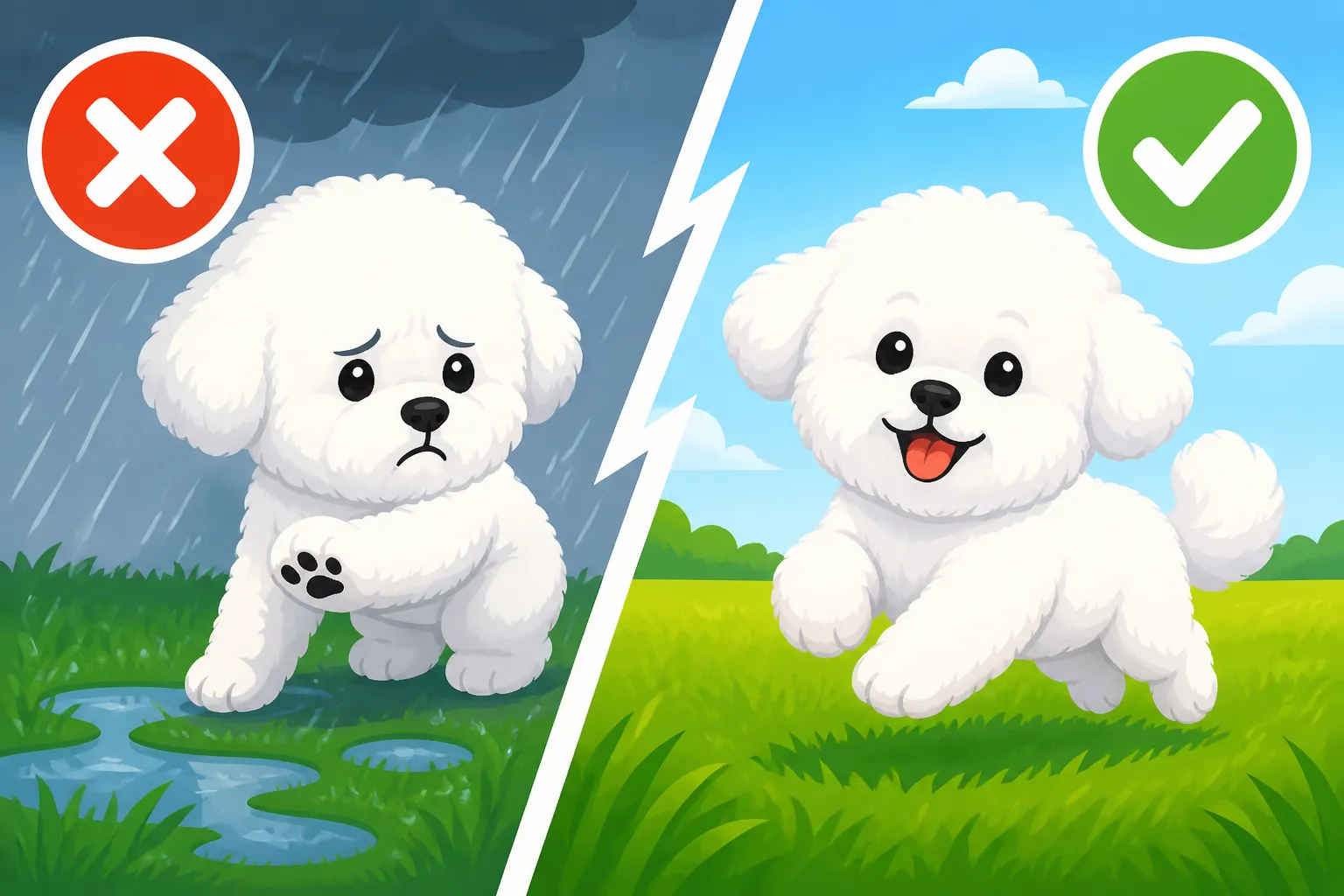
It’s a tale as old as time for many Bichon Frise owners: you open the door, it’s a bit damp outside, and your otherwise eager-to-please fluffball transforms into a statue, lifting dainty paws and giving you a look that screams, “Absolutely not!” The struggle to get a Bichon Frise to potty in wet conditions is a real and often exasperating problem, leading to delayed potty breaks, unexpected indoor accidents, and a lot of frustration for both ends of the leash. This guide is here to shed light on why your Bichon might have such a strong aversion to wet grass and, more importantly, what you can do about it.
The Dainty Paw Phenomenon: Why Wet Grass Is the Enemy
You’re not imagining it; many Bichon Frises genuinely despise wet grass, mud, or even just a light drizzle. It's not just stubbornness (though they can have a touch of that!), but a combination of physical characteristics and a desire for comfort that makes them recoil from soggy surfaces.
Sensitive Paws and Delicate Coats
Imagine walking barefoot through cold, wet grass. Now imagine doing that with tiny, delicate paws that aren't built for rough terrain, especially when they're not fully calloused. Bichon Frise paws are relatively small and sensitive. The cold, damp sensation can be quite uncomfortable, even jarring, for them. It's not just the wetness, but the temperature that comes with it, especially on a chilly day.
Beyond their paws, consider their glorious, fluffy double coat. It's a hallmark of the breed, known for its soft texture and non-shedding qualities, which many adore. However, this same coat acts like a sponge. When a Bichon walks through wet grass, their belly hair and leg furnishings quickly become soaked. This isn't just a minor inconvenience; a wet coat means being cold, potentially muddy, and undeniably uncomfortable. The coat is designed to protect them, but in this specific scenario, it works against them, holding onto moisture and chilling them to the bone. Drying them thoroughly after every damp excursion can be a monumental task, which naturally impacts their willingness to brave the elements.
Instinctive Aversion to Discomfort and Dirt
Bichons are, by nature, quite fastidious little dogs. They often enjoy being clean and comfortable, a trait perhaps refined over centuries as cherished companions in royal courts and fashionable homes. This isn't a breed that was typically bred for rough outdoor work where getting dirty was part of the job description. Instead, they were lapdogs, entertainers, and beloved pets, accustomed to softer lives.
This inherent desire for cleanliness extends to their toileting habits. Many Bichons prefer a clean, dry spot to do their business. Wet grass means not only wet paws and bellies but also potential mud and debris sticking to their pristine white fur. For a dog that inherently dislikes being messy, a patch of wet grass is far from an inviting bathroom. This instinctive aversion isn't a flaw; it's simply part of their charming, comfort-seeking personality. It's why they might perform a dramatic "rain dance" or lift their paws high, trying to minimize contact with the dreaded dampness.
The Surprise of Cold or Soggy Ground
Think about stepping into a cold puddle unexpectedly. It can be quite startling! For a Bichon Frise, especially a young puppy still exploring the world, or an older dog with diminishing senses, the sudden cold or squishy texture of wet ground can be genuinely off-putting. Puppies, in particular, are learning about their environment, and a negative experience with wet grass early on can create a lasting impression. If their first few encounters with the outdoors involve cold, uncomfortable wetness, they quickly learn to associate the sensation with displeasure.
This can be exacerbated if the wetness is accompanied by puddles or deep, squelchy mud that gets their whole undercarriage soaked. It's a full-sensory assault they'd rather avoid. They’re smart enough to remember unpleasant sensations, and once they've decided wet grass is a no-go, it takes consistent, patient effort to change their minds. This challenge is unique to breeds with their coat type and size, making it a common topic among Bichon Frise owners. You may even find yourself wondering Whether a Bichon Frise Refuses to Go Out in Rain more often than not.
Common Scenarios and the Frustration They Bring
The problem of a Bichon Frise hating wet grass isn't just about a picky dog; it leads to a cascade of real-world frustrations for owners trying to manage their pet's health and hygiene.
The Rain Dance and the Refusal
It's pouring outside, or perhaps just misty, but the grass is undoubtedly damp. You bundle up, grab the leash, and prepare for a quick potty break. Your Bichon, however, has other plans. You open the door, and they take one tentative step, sniff the air, and then quickly retreat, looking up at you with wide, pleading eyes. They might lift one paw, then another, do a little jig, or even stand completely still, refusing to move an inch. You try to coax them, gently pull on the leash, or even carry them out to their favorite spot, only for them to look even more miserable and try to dash back inside at the first opportunity.
This "rain dance" and outright refusal can turn a simple potty break into a lengthy negotiation. It's frustrating because you know they need to go, but they are clearly communicating their discomfort. This can be particularly stressful if you're on a tight schedule or if the weather is truly dreadful and you just want to get them outside and back in quickly.
When Potty Breaks Become a Battle
The biggest fallout from a Bichon's aversion to wet grass is the impact on their bladder health and housetraining. If your dog refuses to go outside when it's wet, they might hold their urine for extended periods. This isn't just uncomfortable for them; it can lead to serious health issues. Holding urine can increase the risk of urinary tract infections, and for breeds like the Bichon Frise, who are genetically predisposed to certain bladder conditions, it can elevate their risk for developing bladder stones. Whether Holding Urine Raises a Bichon Frise's Risk is a serious consideration here, as these little dogs are unfortunately prone to them.
What often happens is that the dog holds it until they absolutely cannot anymore, or until they are finally brought back inside. Then, as soon as they are on a dry, comfortable surface (like your living room rug!), they relieve themselves. This completely undermines any housetraining efforts and can be incredibly disheartening for owners who have worked hard to establish a routine. It can feel like your otherwise well-trained dog has suddenly forgotten everything they learned, when in reality, they were just too uncomfortable to go outside. This scenario highlights why a consistent The Toilet Routine That Finally Works on a Bichon Frise is so vital, even if it needs adaptations for weather.
The Muddy Aftermath
Even if you manage to convince your Bichon to venture out into the wet, you're often faced with another challenge: the muddy aftermath. Their beautiful white coat, especially on their legs and belly, acts like a magnet for mud, leaves, and damp debris. A short trip outside can result in a dog that looks like they've rolled through a swamp.
This means that every wet-weather potty break is immediately followed by a grooming session. You'll be wiping paws, drying fur, and potentially even giving them a mini-bath to prevent matting and staining. This adds a significant amount of time and effort to what should be a quick and easy routine. If left unattended, wet and dirty fur can quickly lead to painful mats, skin irritation, and discolored coats. The joy of having a pristine white Bichon can quickly turn into a chore when you're constantly battling mud and dampness. You'll quickly learn How Long Brushing a Bichon Frise Takes after every wet outing!
Strategies to Encourage Outdoor Pottying in Wet Weather
While it might feel like an uphill battle, there are definitely proactive steps you can take to make wet-weather potty breaks more manageable for your Bichon Frise.
Gear Up for Success
One of the most effective ways to combat a Bichon's aversion to wetness is to physically protect them from it. Think of it like getting yourself ready for a rainy day – you put on a raincoat and boots. Your Bichon needs the same consideration.
- Raincoats: A well-fitting raincoat can shield your Bichon's back and much of their delicate body fur from getting soaked. Look for lightweight, waterproof options that cover their back and ideally have a bit of a belly panel. Many options are available on Amazon and other pet supply retailers. Make sure it allows for full range of motion and doesn't rub or irritate their skin. It's a practical item that can make a huge difference in their comfort level.
- Dog Booties: These might take some getting used to, but booties can be a game-changer for sensitive paws. They protect against cold, wet, and even sharp objects. Start by introducing them slowly indoors with lots of positive reinforcement and treats, letting your Bichon wear them for short periods before expecting them to walk in them outside. There are various styles, from silicone to fabric, so finding a pair that stays on and is comfortable might take a little trial and error. Just like with raincoats, you can find a wide selection of different styles and sizes on Amazon.
- Towels by the Door: This isn't gear for outside, but it's essential for a quick cleanup upon re-entry. Having absorbent towels readily available will allow you to quickly dry paws and bellies, making the experience less prolonged and more pleasant for your dog. This also helps prevent muddy paw prints all over your house! Consider a dedicated "Bichon Drying Station" near the exit. You can even consider a quick spritz with a pet-safe detangler after drying to help prevent matting. Whether a Bichon Frise Needs a Coat in Winter might also be a good read for colder, wetter months.
Creating a "Dry Zone"
Sometimes, you need to create an environment where your Bichon feels safe and comfortable enough to do their business. This is especially helpful if you have a yard.
- Covered Potty Area: This can be as simple as adding a small awning over a section of your yard, creating a designated "potty porch," or placing a large umbrella over a patch of grass. The goal is to provide a dry spot where they can relieve themselves without getting drenched. Whether a Covered Potty Area Helps a Bichon Frise is a very common solution for this specific problem.
- Artificial Turf Patch: For those without a readily available covered area, or who live in apartments, an artificial turf patch can be a great solution. These are often used for indoor potty training, but a small one on a patio or balcony can offer a clean, dry, and appealing surface for your Bichon, even when the rest of the world is wet. Just ensure it's kept clean to remain appealing.
- Pea Gravel or Paved Areas: Some dogs prefer a surface that isn't grass at all when it's wet. A small area of pea gravel, or even a section of concrete or paving stones, might be more appealing as it drains quickly and doesn't feel as soggy underfoot. The key is to introduce them to this spot calmly and consistently.
Positive Reinforcement and Consistency
Training is always a core component of managing any behavioral challenge, and this is no exception. Positive reinforcement is your best friend here.
- High-Value Rewards: When it’s wet, and your Bichon does venture out and potties, make it a huge celebration! Offer their absolute favorite high-value treat immediately after they finish. This creates a strong positive association with going potty in the wet.
- Praise and Enthusiasm: Use an excited, happy tone of voice and lots of praise. "Good potty!" with a treat will go a long way. The goal is to make them feel like they've accomplished something amazing, even for a quick pee.
- Consistency is Key: Stick to your regular potty schedule as much as possible, even when it’s wet. The more routine it feels, the less of a battle it becomes. Every successful wet-weather potty break reinforces the desired behavior. Remember, Whether a Bichon Frise Should Be Taken Out Hourly is good advice, especially for puppies or those prone to holding it.
The Indoor Alternative (Temporarily)
While outdoor pottying is ideal for most dogs, sometimes, in extreme weather or during the training phase, an indoor alternative can be a lifesaver.
- Puppy Pads/Indoor Grass Patches: These can be very useful for preventing accidents when your Bichon absolutely refuses to go out. Place them in an easily accessible, quiet area. However, be mindful that relying too heavily on indoor options can sometimes confuse housetraining and make the transition back to outdoor pottying more difficult. The goal is often to use them as a bridge, not a permanent solution, unless that's your long-term plan. Whether a Bichon Frise Learns to Use a Pad can be a complex question, but they can be a temporary aid.
Long-Term Solutions and Management
Addressing a Bichon Frise's dislike for wet grass isn't a one-time fix; it requires ongoing commitment and a holistic approach to their comfort and health.
Desensitization and Gradual Exposure
The goal here is to change your Bichon's emotional response to wet surfaces from aversion to indifference, or even mild acceptance. This is a slow and patient process.
- Start Small: Don't force them into a downpour. Begin with lightly damp grass or dew. On a day with just morning dew, take them out for a very brief moment, reward heavily for any step taken into the wet, then immediately come back inside.
- Play and Treats: Make wet areas fun. Scatter some high-value treats on a slightly damp patch of grass and let them 'hunt' for them. Play a quick game of fetch in a lightly wet area. The positive experience needs to outweigh the perceived discomfort.
- Vary Surfaces: If you live somewhere with various ground types (pavement, gravel, dry dirt), try those on wet days too. Some Bichons might prefer a different texture when the grass is soggy.
- Observation: Pay attention to what exactly bothers them the most – is it the cold? The squelch? The dirt? Understanding their specific triggers can help you tailor your approach. For some, a quick toweling off after a brief excursion can make all the difference, preventing the sustained chill of a wet coat.
Keeping Them Comfortable Indoors
The post-potty routine is just as important as the pre-potty preparation. A swift and pleasant return indoors reinforces a positive experience.
- Immediate Drying: As soon as you come back inside, use those towels you have by the door. Thoroughly dry their paws, legs, and belly. A dedicated pet dryer (on a cool setting, introduced slowly to avoid fright) can be very effective for their thick coats. If they associate coming inside from the wet with immediate warmth and dryness, it makes the entire process less unpleasant. Whether a Bichon Frise Panics at a High Velocity Dryer is a real concern, so gentle introduction is key.
- Clean Paws: Use pet-safe paw wipes or a warm, damp cloth to clean off any mud or dirt. This prevents them from tracking it through the house and also reduces the chances of skin irritation between their paw pads.
- Warmth: On cold, wet days, make sure they have a warm, dry bed to snuggle into immediately after coming in. A cozy blanket or a favorite snuggle spot can provide immense comfort.
Health Considerations
Beyond the immediate discomfort, consistently avoiding wet grass can have long-term health implications for your Bichon Frise, especially if they are holding their urine.
- Urinary Tract Health: As mentioned, prolonged urine retention can lead to UTIs and potentially bladder stones. Ensuring your Bichon empties their bladder regularly, regardless of the weather, is crucial for their overall urinary health. If you notice straining, frequent squatting with little output, or blood in their urine, contact your vet immediately. These could be The First Signs a Bichon Frise Has Stones.
- Weight Management: If your Bichon isn't getting enough outdoor exercise because of weather aversion, it could contribute to weight gain. Regular, brisk walks are important for their physical and mental health. Consider indoor play or brief, dry walks on paved paths when the grass is too wet.
- Proactive Care: For Bichons, due to their stone predisposition, anything that encourages regular urination and dilutes their urine is beneficial. Whether Frequent Urination Protects a Bichon Frise is certainly true, as it flushes out potential stone-forming crystals. If your Bichon is struggling with outdoor pottying, discuss strategies with your vet to ensure their bladder health isn't compromised.
Here's a quick comparison of various strategies to help your Bichon with wet weather:
| Strategy | Pros | Cons | Best For |
|---|---|---|---|
| Raincoat & Booties | Direct physical protection from wet/cold. | May require desensitization. Booties can be tricky to keep on. | All Bichons, especially those with strong aversion. |
| Covered Potty Area | Always provides a dry spot. Eliminates weather as an excuse. | Requires space/construction. May need training to use. | Homeowners with a yard. |
| Artificial Turf Patch | Portable, always dry. Good for apartments/balconies. | Requires regular cleaning. Not a natural surface. | Apartment dwellers, small yards, or temporary solutions. |
| Positive Reinforcement | Builds positive associations. Improves compliance. | Takes time and consistency. Requires high-value treats. | All training scenarios, especially early on. |
| Indoor Potty Pads (Temporary) | Prevents accidents when all else fails. | Can confuse outdoor training. Not ideal long-term. | Emergencies, severe weather, puppies, or elderly dogs. |
| Desensitization Training | Addresses the root of the problem. Long-term solution. | Very time-consuming and requires immense patience. | Any Bichon owner committed to long-term behavioral change. |
Ultimately, managing a Bichon Frise who dislikes wet grass is a marathon, not a sprint. It takes understanding, patience, and a willingness to adapt. By implementing some of these strategies, you can help your beloved companion stay comfortable, healthy, and on their best housetraining behavior, no matter what the weather brings. Consider also looking into resources like BAXTER & Bella online puppy school which offers comprehensive training guides that can help with desensitization and positive reinforcement techniques for various situations, including weather challenges. They provide structured lessons that can be applied to many behavioral quirks, ensuring your Bichon grows into a well-adjusted companion in all seasons.
Disclaimer
This article is for general informational purposes only and does not constitute professional advice. Laws, prices and regulations vary by location and change over time. Consult a qualified professional for guidance on your specific situation.