Keeping a White Bichon Frise Actually White
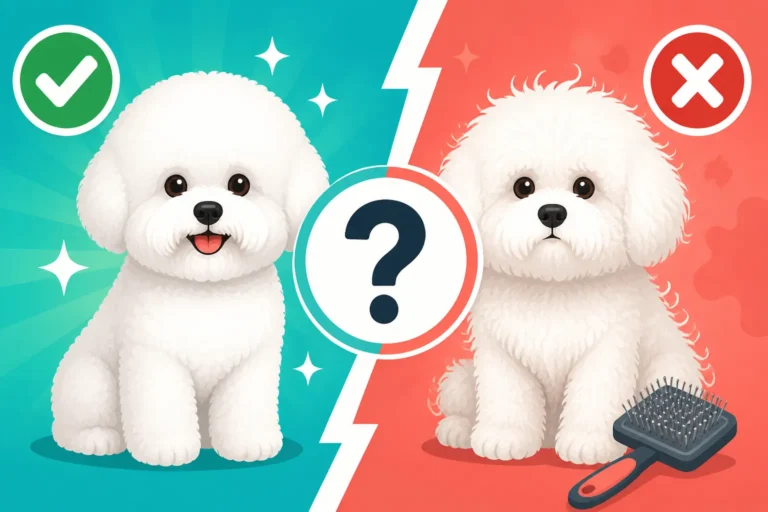
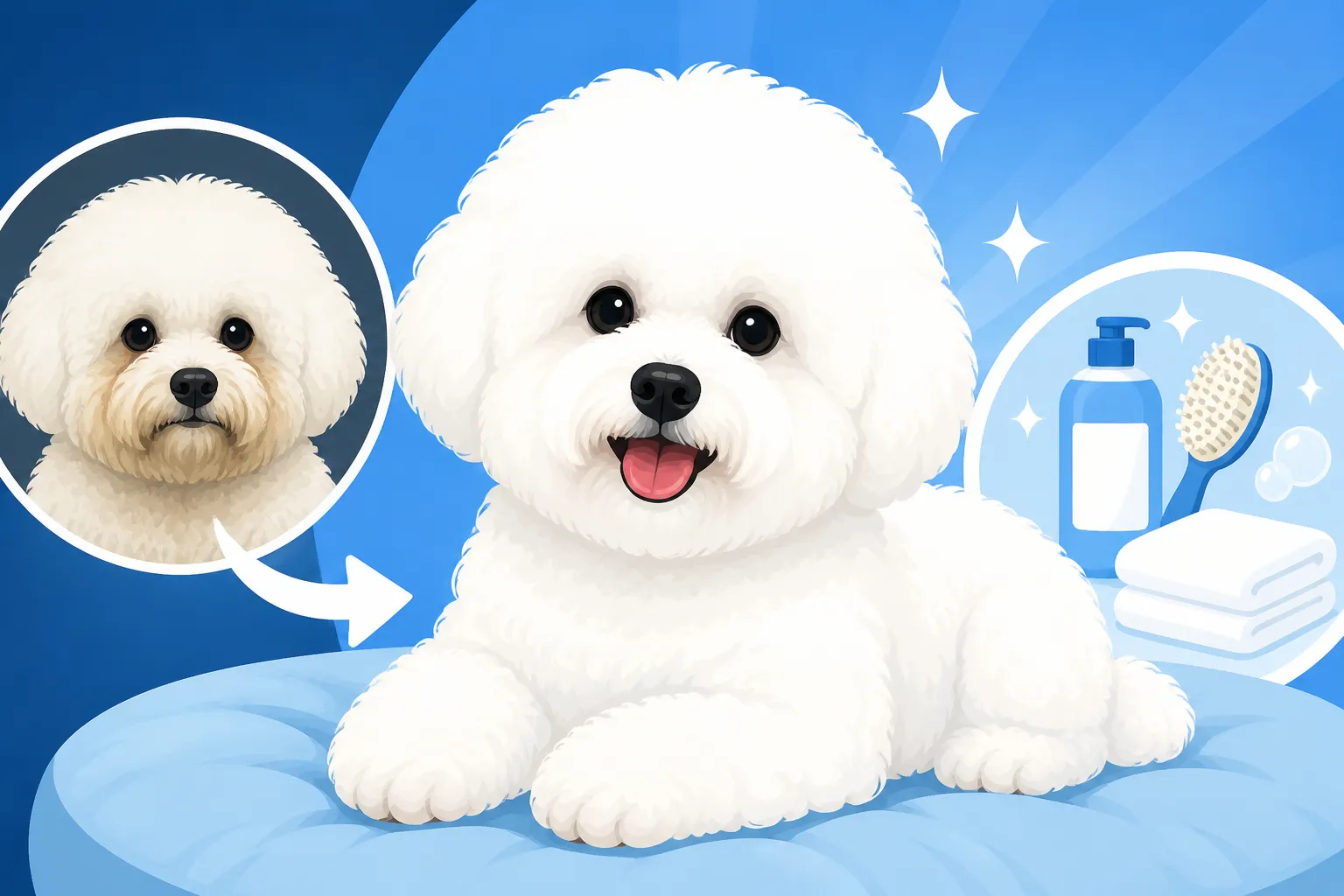
It’s a tale as old as time for Bichon Frise owners: you bring home that fluffy, pristine white little cloud, and for a glorious period, they are the epitome of snow-white perfection. Then, slowly but surely, you start noticing it – a subtle yellowing around the muzzle, those tell-tale reddish-brown streaks under the eyes, or maybe just an overall dinginess that seems to cling to their otherwise beautiful coat. It's frustrating to see that dazzling white turn dull, and this guide is all about helping you reclaim and maintain that brilliant white coat your Bichon was meant to have.
Understanding the Bichon Frise Coat: Why it's so prone to staining
The Bichon Frise coat is truly a marvel, but its unique qualities are precisely why keeping it sparkling white can feel like a Herculean task. Unlike many other breeds, Bichons have a double coat consisting of a soft, dense undercoat and coarser, curly guard hairs. This combination gives them that famous powder puff look, but it also creates an ideal environment for stains and discoloration to take hold.
The Unique Texture and Its Challenges
Imagine a sponge. Now imagine a fluffy, absorbent, white sponge. That's essentially what your Bichon's coat is like on a microscopic level. The soft, curly texture, especially when it's tightly packed, acts like a magnet for dirt, dust, and moisture. Each individual hair has a slightly porous surface, which readily absorbs pigments from anything it comes into contact with – be it mud from the park, grass stains, food particles, or even the minerals in tap water. This isn't just surface-level grime; these pigments can actually bond with the hair shaft, making them incredibly difficult to remove with a simple rinse. It’s why you can wash your Bichon and still see that stubborn yellow tint remain.
Furthermore, this dense, curly coat traps loose hair rather than shedding it onto your furniture. While this is fantastic for allergy sufferers and means less vacuuming, it also means that dead hair remains intertwined with live hair. If this trapped hair isn't regularly brushed out, it can quickly form mats. Mats aren't just uncomfortable; they create an even larger, more compact surface area for dirt, moisture, and bacteria to accumulate. This leads to deeper, more ingrained staining, especially in areas where friction is common, such as under the harness, behind the ears, or in the armpits. A matted, dirty coat not only looks awful but can also harbor skin issues underneath. You'll definitely want to get a good handle on How Long Brushing a Bichon Frise Takes to prevent this.
Why White Shows Everything
It might sound obvious, but the very fact that Bichons are purely white is their biggest grooming challenge. Any speck of dirt, any tear, any tiny bit of saliva, anything at all, stands out in stark contrast against that pristine background. If your dog had a darker coat, you might not even notice the slight discoloration from environmental factors or minor staining. But with a Bichon, every little anomaly is instantly visible.
Think about trying to keep a white rug clean in a busy household versus a patterned, darker one. The white rug shows every footprint, every spill, every stray crumb. Your Bichon's coat is the same. Reddish-brown tear stains, which might blend into a darker-faced dog, are glaringly obvious under a Bichon's eyes. The same goes for food residue around the mouth after a meal, or urine splashes on the leg hair for males. Even the subtle yellowing that can occur naturally as hair ages or from exposure to sunlight is magnified on a white coat. This isn't a flaw in your dog; it's simply the nature of having such a beautiful, bright white canvas that highlights every potential imperfection. It means that to truly keep them white, you need a far more vigilant and proactive approach to their care than you would for many other breeds.
Daily Grooming Rituals for a White Coat
Maintaining that bright white isn't just about bath time; it's a daily commitment. Think of it less as a chore and more as a series of small, consistent habits that prevent bigger problems down the line. These daily rituals are your first line of defense against the dinginess and discoloration that can quickly creep up on a Bichon Frise.
Brushing Away the Dinginess
Daily brushing is non-negotiable for a Bichon, and it's particularly crucial when your goal is a gleaming white coat. Brushing serves multiple purposes: it prevents mats, distributes natural oils, stimulates circulation, and perhaps most importantly for whiteness, it physically removes accumulated dirt, dust, and environmental debris before it can set in. Imagine dust settling on a surface – if you wipe it daily, it never builds up. The same principle applies here.
You'll need the right tools for this job. A good quality slicker brush, followed by a metal comb, is essential. The slicker brush will get through the curls and remove loose hair and surface dirt. Don't just skim the top; you need to brush down to the skin to be effective. After the slicker, use a metal comb to check for any nascent tangles or mats that the slicker might have missed. Pay extra attention to areas prone to matting and staining: behind the ears, in the armpits, under the chin, and on the legs. If you hit a snag, gently work it out with the comb or your fingers, never pulling harshly. Consistency is key here. A quick 10-15 minute brush-through every single day can make a world of difference in preventing dirt from becoming deeply ingrained and in keeping the coat free of the dead hair that traps grime. Regular brushing also means your weekly or bi-weekly bath will be far more effective, as the shampoo can penetrate a clean, untangled coat much better. It’s also vital to ensure you know Which Brush Suits a Bichon Frise for optimal coat health.
Regular Wiping of Prone Areas
Beyond general brushing, specific areas of your Bichon's face and paws require dedicated daily attention to prevent stubborn stains. These are the hotspots where moisture, food, and bodily fluids cause the most discoloration.
For Facial Stains: The areas around the eyes and mouth are constant battlegrounds. Bichons are notorious for tear staining, those reddish-brown streaks that appear under the eyes. While some of this is internal (which we'll discuss later), external moisture and bacteria play a huge role. Use a soft, damp cloth, a grooming wipe specifically designed for pets, or even a cotton ball soaked in plain water to gently wipe these areas daily, sometimes even twice a day. The goal is to remove the moisture and any small particles before they have a chance to dry and stain the fur. Similarly, after every meal or drink, gently wipe your Bichon's muzzle and beard area to remove food particles and saliva. Saliva, much like tears, contains porphyrins that can stain white fur a reddish-brown color, especially if left to dry repeatedly. There are many gentle pet-safe wipes available on platforms like Amazon or Chewy that can make this task a breeze. Consistency here can significantly lighten existing stains and prevent new ones from forming.
For Paw Stains: Bichon paws, especially the hair between their pads and on their lower legs, can quickly pick up dirt, grass stains, and even urine. After every walk, especially if it's damp outside, take a moment to wipe your Bichon's paws with a damp cloth or a pet-safe paw wipe. Pay attention to the hair on top of their feet and around the nails. For male Bichons, the leg hair is particularly susceptible to urine splashes. A quick wipe-down after they relieve themselves can prevent that unsightly yellowing. Some owners even trim the hair very short around the sanitary areas and between the paw pads to minimize absorption and make cleaning easier. This proactive approach reduces the amount of grime they track into the house and, more importantly, keeps those delicate white paws looking clean and bright.
Bathing for Brilliance: Shampoos and techniques
While daily grooming keeps things tidy, a proper bath is essential for deep cleaning and truly maintaining that dazzling white coat. However, not all shampoos are created equal, and your bathing technique plays a significant role in the outcome.
Choosing the Right Whitening Shampoo
Walking down the pet shampoo aisle, or browsing online on Chewy or Amazon, can be overwhelming. For a white Bichon, you need to be strategic. Regular shampoos might clean, but they won't necessarily whiten. You're looking for products specifically formulated to enhance brightness and counteract yellowing.
Most "whitening" shampoos for dogs fall into a few categories:
- Blueing Shampoos: These often contain optical brighteners or actual blue pigments. The blue counteracts yellow tones (think of how purple shampoo works for blonde human hair). These don't bleach the hair but rather make the white appear brighter and cleaner by neutralizing yellowing. They are fantastic for overall brightness, but you must use them correctly. Leaving them on too long, or using them too frequently without proper rinsing, can sometimes leave a subtle blue or purple tint, especially on very porous or damaged hair. Always follow the manufacturer's instructions carefully for dwell time.
- Enzymatic or Stain-Removing Shampoos: These shampoos contain enzymes or other gentle cleansers designed to break down organic stains like tear stains, urine, or food residues. They work by dissolving the bonds that pigments form with the hair shaft. These are great for targeted areas or for an initial deep clean if your Bichon has significant staining. They often don't have the "blueing" effect but are excellent for actually lifting embedded dirt.
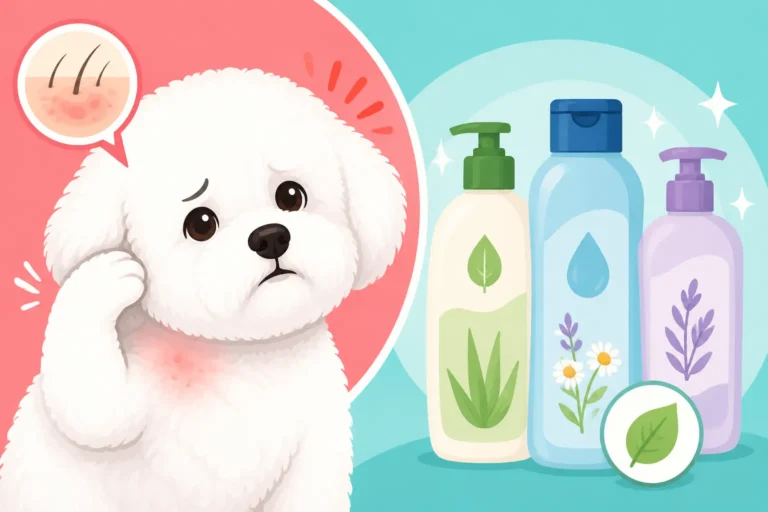
- Hypoallergenic/Sensitive Skin Shampoos: If your Bichon has sensitive skin or allergies (which is common, see The Atopic Skin a Bichon Frise Is Born With), you'll need to balance whitening with skin health. Some whitening agents can be irritating. In these cases, look for whitening shampoos that are specifically labeled as gentle, tear-free, or hypoallergenic. Alternatively, you might use a gentle, cleansing shampoo for the main bath and then follow up with a targeted whitening treatment only on the heavily stained areas, carefully avoiding prolonged contact with sensitive skin. Always do a patch test if you're unsure how your dog will react to a new product.
Regardless of the type, always opt for high-quality, pet-specific shampoos. Human shampoos have a different pH balance and can be drying or irritating to a dog's skin and coat. Diluting the shampoo as per instructions can also help ensure even application and easier rinsing, which is vital for a white coat.
The Art of Rinsing and Drying
The bath itself is only half the battle; proper rinsing and drying are just as, if not more, critical for a truly white and healthy coat. Inadequate rinsing is one of the most common reasons a Bichon's coat looks dull or feels sticky after a bath, and it can even lead to skin irritation.
When you're rinsing, take your time – more time than you think you need. Work the water through the coat thoroughly, making sure to get deep down to the skin. Residual shampoo can attract dirt more quickly, leaving the coat feeling heavy and looking dingy, almost like a film dulling the white. Continue rinsing until the water runs completely clear and you can no longer feel any slickness or suds on the fur. Pay particular attention to the belly, armpits, and under the tail, as these areas often retain shampoo. For an extra layer of protection and shine, consider using a light, pet-safe conditioner after shampooing. This can help seal the hair cuticle, making it smoother, less porous, and thus less likely to absorb stains in the future. It also makes the coat easier to brush through when wet, reducing breakage.
Drying is equally important. Air-drying a Bichon Frise is a recipe for mats and a dull coat. That dense, curly fur will clump together, trapping moisture and creating an environment ripe for skin issues and deep-set stains. You need to thoroughly dry your Bichon, preferably with a high-velocity dryer designed for dogs. This type of dryer not only speeds up the process but also helps "stretch" the curls, preventing mats and giving the coat that desired fluffy, full appearance. As you dry, continuously brush the coat against the direction of growth to lift and separate the hairs. This technique, known as fluff-drying, is crucial for achieving the signature "powder puff" look and ensuring every strand is dry, preventing matting and promoting brightness. If a high-velocity dryer isn't an option, use a regular hairdryer on a cool or low-heat setting, making sure to keep it moving and brushing constantly. A damp coat, even if it feels mostly dry on the surface, is a magnet for new dirt and can quickly undo all your hard work from the bath. Learning How Long Drying a Bichon Frise Takes is an important part of the grooming process.
Tackling Tear, Beard, and Paw Stains
These specific types of stains are persistent and can be incredibly frustrating. They require a targeted approach that goes beyond general grooming and bathing.
Addressing Tear Stains Head-On
Tear stains are arguably the most iconic and frustrating staining problem for Bichon Frise owners. Those reddish-brown streaks under the eyes are caused by excessive tearing and the presence of porphyrins (iron-containing molecules from tear breakdown) and sometimes yeast or bacterial infections that thrive in the moist environment.
Firstly, a vet check-up is always recommended to rule out underlying medical causes. Blocked tear ducts, allergies, ingrown eyelashes, or even certain eye infections can lead to excessive tearing. Your vet might suggest specialized eye drops, antibiotics, or even a procedure to flush tear ducts if necessary. For dogs prone to allergies, identifying and managing the triggers can significantly reduce tear production. You might want to consider Whether Allergy Treatment Can Avoid Steroids if allergies are a concern.
Once medical causes are addressed, or if your Bichon simply has naturally watery eyes, the battle against external staining begins. Daily wiping, as mentioned before, is paramount. Use a soft, lint-free cloth or specific pet eye wipes. Some owners find success with specialized tear stain removers, often available on Chewy or Amazon, which contain mild cleansers or astringents. Be extremely careful not to get any product in the eye. For deeply set stains, a very gentle trimming of the stained hair, if long enough, can help reset the canvas, allowing new, unstained hair to grow in while you maintain your prevention routine. Some people even use a tiny amount of cornstarch or specific tear stain powder (again, being careful near the eyes) after wiping to help keep the area dry throughout the day. Remember, it's about managing the moisture and bacterial growth on the fur itself, not trying to bleach the dog's actual tears.
Managing Beard and Mouth Stains
The hair around your Bichon’s mouth and on their chin can also become discolored from food, water, and saliva. This is especially true if they eat wet food or are messy drinkers. The porphyrins in saliva, similar to tears, oxidize and create that reddish-brown tint.
To combat this, start with prevention at meal times. After every meal, gently wipe your dog’s muzzle and beard with a damp cloth or a pet-safe facial wipe. If they are particularly sloppy eaters, consider elevated food bowls to reduce how much their beard dips into their meal. Using a stainless steel or ceramic bowl instead of plastic can also help, as plastic bowls can sometimes harbor bacteria that contribute to staining. Another tip for hydration: try offering filtered water instead of tap water. The minerals and impurities in tap water can sometimes contribute to beard and tear staining. Many owners report a noticeable difference in the severity of staining simply by switching to filtered water. For those who enjoy playing in water, be mindful of damp beard hair, as this also creates an environment for staining to flourish. Keep the hair around their mouth trimmed short enough that it doesn't constantly drag in their food and water bowls, but still maintains their cute Bichon look. If your Bichon is on a special diet, like The Diet a Bichon Frise Stays On for Life due to health issues, ensure that the diet itself isn't contributing to excessive drooling or messy eating habits that exacerbate staining.
Keeping Paws Pristine
Bichon paws can quickly go from fluffy white to muddy brown, especially if your dog loves to dig or run through damp grass. Preventing paw stains involves a combination of external cleaning and managing environmental exposure.
After every outdoor excursion, make it a habit to wipe your Bichon’s paws. Keep a towel by the door, or a container of pet-safe paw wipes. Pay attention to the hair on top of the feet and between the pads. If the weather is wet or muddy, a quick rinse under lukewarm water might be necessary, followed by thorough drying. For male Bichons, the leg hair is particularly vulnerable to urine stains, which can quickly yellow the white fur. A quick wipe after potty breaks can prevent this. You might also consider trimming the hair very short around their sanitary area and the top of their feet to reduce the surface area for dirt and urine to cling to.
For stubborn brown or yellowish paw stains, a targeted paw wash or a gentle whitening shampoo applied specifically to the feet during bath time can help. Some owners even use a small, soft brush (like a human toothbrush dedicated to dog grooming) to gently scrub the stained areas with shampoo. Ensure you rinse thoroughly and dry completely to prevent moisture-related skin issues. Beyond cleaning, think about their environment. If you have a yard, consider putting down gravel or pavers in heavily trafficked areas to minimize mud. Indoor mats at entryways can also help capture dirt before it gets tracked onto carpets. If your Bichon has sensitive paws or is prone to licking them excessively, which can also cause staining from saliva, a vet visit to rule out allergies or yeast infections is a good idea. Whether a Bichon Frise Licks Its Paws Raw is a common allergy symptom that needs attention.
Diet and Hydration: Internal factors affecting coat color
What goes into your Bichon can profoundly affect the appearance of their coat on the outside. Diet and hydration are often overlooked culprits in the battle against dull or stained white fur.
The Role of Food in Coat Whiteness
It might seem counterintuitive, but the quality of your Bichon's food can directly influence how white their coat appears. A poor-quality diet, or one that doesn't agree with your dog, can manifest in dull fur, excessive shedding, and even increase tear or saliva staining.
Foods with artificial colors, dyes, or excessive amounts of certain preservatives can, in rare cases, contribute to discoloration, especially around the mouth where it makes contact. While less common than external factors, it's something to consider. More significantly, a diet lacking in essential fatty acids (like Omega-3s and Omega-6s) can lead to dry, brittle, and less healthy fur. Damaged hair is often more porous and thus more prone to absorbing environmental pigments and staining. A healthy, strong hair shaft is better equipped to resist discoloration. Look for high-quality dog foods with identifiable meat sources as the primary ingredients and healthy fats. Some owners find that switching to a limited-ingredient diet or a fresh food diet (like what Ollie offers, or other high-quality alternatives) can improve overall skin and coat health, reducing inflammation that might contribute to excessive tearing or licking. Always introduce new foods gradually to avoid digestive upset. If your Bichon is on a prescription diet, perhaps for managing Whether a Bichon Frise Needs Urine pH Monitored due to stone issues, discuss with your vet if there are supplemental options to boost coat health without compromising their primary medical needs.
Hydration: More Than Just Thirst Quenching
Water intake is often underestimated as a factor in coat health and, by extension, coat whiteness. Proper hydration is crucial for overall bodily functions, including skin and coat health, and it also impacts the composition of tears and saliva.
Firstly, ensuring your Bichon drinks enough water helps flush out toxins from their system, promoting healthier skin and hair growth. Dehydrated hair can become dry and more susceptible to environmental damage and staining. Secondly, the type of water can matter. As mentioned, the minerals and impurities in tap water can sometimes contribute to the reddish-brown staining around the eyes and mouth. Switching to filtered water or bottled spring water is a simple step many owners take, and often report positive results. You can find excellent water filters and water bowls on Amazon.
Encouraging ample water intake is also beneficial. A dog water fountain can entice some Bichons to drink more, as they are often attracted to moving water. Adding a splash of low-sodium broth (ensure it's dog-safe) to their water bowl, or adding water to their kibble, can also boost hydration. Regularly cleaning their water bowl (daily is ideal) prevents the build-up of bacteria and biofilm, which can also contribute to staining around the mouth. If your dog is well-hydrated, their tears and saliva may be less concentrated, potentially leading to less severe staining. Hydration also supports kidney and urinary health, which is particularly relevant for Bichons given their predisposition to certain urinary issues. Proper hydration also helps dilute urine, which can lessen the impact of urine staining on leg fur. Whether Diluting Urine Prevents Bichon Frise Stones is another reason to encourage good water intake.
Environmental Factors and Lifestyle Choices
Beyond what you feed and how you groom, your Bichon's everyday environment and the choices you make about their lifestyle significantly impact how white their coat stays. These external factors can be stealthy contributors to discoloration.
Protecting Against Outdoor Elements
The great outdoors, while essential for your Bichon's mental and physical well-being, is also a prime source of coat dullness and stains. Mud, dirt, grass, pollen, and even sunlight can all affect that pristine white.
When your Bichon plays outside, especially in damp or muddy conditions, they are essentially rolling in or brushing against natural pigments. Green grass stains, brownish mud splatters, and even yellowish pollen can cling to and embed themselves in that soft, white fur. Regular brushing and paw wipes immediately after coming indoors are crucial here. Consider investing in a small paw washer for really muddy days – it's a game-changer for quick clean-ups. For walks in tall grass or during allergy season, some owners even use light, washable dog booties or full-body suits to protect the lower legs and belly from accumulating dirt and pollen. This might sound extreme, but it can drastically reduce the amount of external grime that reaches the coat.
Beyond dirt, sunlight can also contribute to yellowing. Just like human hair can lighten or develop brassy tones from sun exposure, a Bichon's white coat can acquire a yellowish tint over time. This is more pronounced in dogs that spend extensive time outdoors. While you shouldn't keep your Bichon indoors all the time, limiting prolonged sunbathing sessions, especially during peak UV hours, can help. If your Bichon has a favorite sun spot, consider moving it or providing some shade. The goal isn't to make them into hermits, but to be mindful of these everyday exposures and proactively clean or protect them from the elements when possible.
Indoor Environment and Lifestyle Choices
Even within the comforts of your home, environmental factors and your Bichon's daily routine can contribute to coat discoloration. It's about creating a white-friendly living space.
Consider the surfaces your Bichon frequently interacts with. If they love to roll around on a grubby rug, or have a favorite bed that hasn't been washed in a while, that dirt will inevitably transfer to their coat. Regularly wash dog beds, blankets, and any fabrics your Bichon sleeps or plays on. Choosing lighter-colored bedding can also give you a visual cue of when it needs cleaning. Furthermore, some household cleaners or air fresheners contain chemicals that, if your dog rubs against them, could potentially irritate skin or even affect coat color, though this is less common.
Dietary habits also extend to treats and table scraps. Whether One Treat Can Restart a Bichon Frise Stone highlights the importance of diet consistency. If your Bichon is getting colored treats, especially ones with strong dyes, these can stain the fur around their mouth. Stick to white or neutral-colored treats, or opt for fresh, plain vegetables (like small pieces of carrot or green bean) if your vet approves. Another common indoor issue is the overall cleanliness of the home. Dust and dander, even if invisible to the naked eye, can settle on your Bichon's coat and dull its brightness. Regular vacuuming and dusting can help reduce this environmental accumulation. Even holding urine too long can contribute to staining around the urethra, so ensuring frequent potty breaks is important for both house training and coat maintenance. Whether Holding Urine Raises a Bichon Frise's Risk is a good read for understanding the urinary health aspect too.
When to Seek Professional Help: Groomers and Vets
Sometimes, despite your best efforts, certain stains persist or new issues arise that are beyond the scope of home care. This is when the expertise of professionals becomes invaluable.
When a Professional Groomer Can Work Wonders
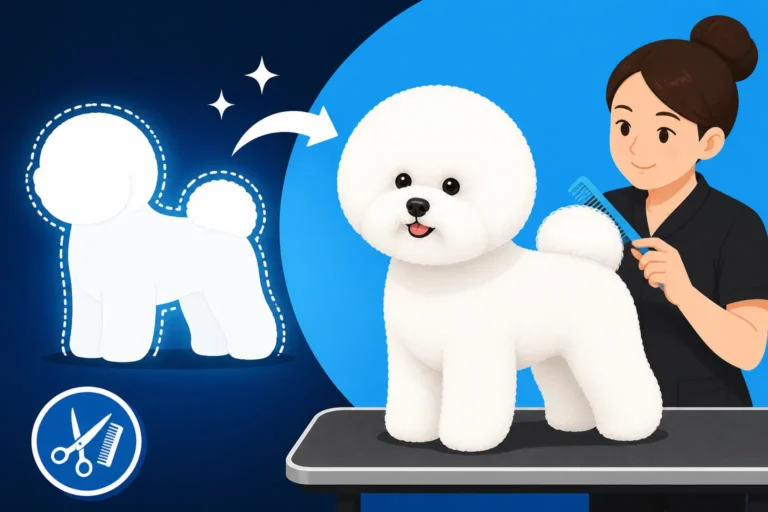
A professional groomer isn't just there to give your Bichon a cute haircut; they are equipped with specialized knowledge, tools, and products that can make a dramatic difference in the whiteness of your dog's coat. If you're struggling with stubborn yellowing or ingrained stains, a trip to the groomer is highly recommended.
Groomers have access to professional-grade whitening shampoos and conditioners that are often more potent and effective than those available to the public. They also have the experience to apply these products correctly, ensuring maximum whitening without causing irritation. Crucially, they have high-velocity dryers and expert fluff-drying techniques that are essential for thoroughly drying a Bichon's dense coat, preventing mats, and achieving that fluffy, bright white finish that's so hard to replicate at home. They can also perform detailed work, like carefully trimming stained hair around the eyes, mouth, and paws, which can provide a fresh start for your maintenance routine. If your Bichon's coat is severely matted or stained, a groomer might recommend a "shave down" to remove all the damaged, stained fur, allowing a completely new, healthy white coat to grow in. While this might be a shock initially, it's often the quickest way to get back to pristine white and then maintain it from there. Don't be afraid to discuss your goals with your groomer – they are your partners in keeping your Bichon looking their best. Getting a good understanding of How Often a Bichon Frise Needs Grooming will help you plan regular visits.
Veterinary Insights into Persistent Stains
While groomers handle the external aesthetics, veterinarians are key to addressing underlying health issues that contribute to persistent staining. If you've been diligently grooming and still can't get rid of those reddish-brown tear or beard stains, it's time for a vet visit.
As mentioned earlier, excessive tearing can be a symptom of medical problems like allergies, blocked tear ducts, eyelid abnormalities (like entropion or ectropion), or even low-grade eye infections. A vet can conduct a thorough eye examination, possibly including a Schirmer tear test to measure tear production, or a fluorescein stain test to check for corneal ulcers. If allergies are suspected, they can help you identify triggers and recommend appropriate treatments, whether it's dietary changes, antihistamines, or more advanced allergy management like immunotherapy. Persistent licking of paws, which can lead to brown staining from saliva, might also indicate allergies, yeast infections, or discomfort from conditions like arthritis.
Even chronic ear infections, which are common in Bichons (Recurrent Ear Infections in a Bichon Frise), can sometimes indirectly lead to increased facial staining if the dog is constantly rubbing its face or tearing up due to discomfort. A vet can diagnose and treat these issues. Essentially, if a stain seems linked to excessive moisture (tears, saliva, urine) or appears alongside other symptoms like itching, redness, or discomfort, your vet is the first point of contact. Treating the root cause internally often leads to a significant reduction in the external staining, making your grooming efforts far more effective.
Long-Term Maintenance and Prevention: Sustaining the White
Keeping a Bichon Frise truly white isn isn't a one-time fix; it's a lifestyle. It requires consistency, diligence, and a realistic understanding of what's achievable.
Establishing a Consistent Routine
The secret to a consistently white Bichon Frise lies in the word "consistent." Sporadic bursts of intense grooming followed by periods of neglect will not yield long-term results. Instead, think of it as a daily, weekly, and monthly routine that becomes second nature.
Daily: This is your basic preventative maintenance. A 10-15 minute session dedicated to thorough brushing, paying attention to mat-prone areas and anywhere dirt might hide. This is also the time for targeted wiping of tear-stained areas, muzzles after meals, and paws after walks. Having all your tools – slicker brush, metal comb, pet-safe wipes, and a small towel – easily accessible in a designated "grooming station" can make this ritual easier to commit to. Think about it like brushing your own teeth; it’s just something you do every day to prevent bigger issues.
Weekly/Bi-weekly: This is bath time. Depending on how active your Bichon is, or how prone they are to getting dirty, a bath every one to two weeks is generally ideal for maintaining whiteness. Use your chosen whitening shampoo, focusing on thorough scrubbing and, most importantly, meticulous rinsing and fluff-drying. This is also a good time to check ears and trim nails. Don’t wait until the coat feels truly dirty; regular baths prevent dirt from becoming deeply ingrained.
Monthly/Every 6 Weeks: This is when a professional groomer can really shine. Regular professional grooming keeps the coat in the correct "powder puff" shape, addresses any emerging mats you might have missed, and provides a deep clean and trim that is hard to achieve at home. A groomer can also advise on coat condition and specific product recommendations. Scheduling these appointments in advance ensures consistency and takes the pressure off you. By establishing and sticking to this multi-tiered routine, you create a continuous cycle of cleanliness that actively works against discoloration. You'll soon find that little things, like having Whether a Bichon Frise Needs Its Glands Emptied checked at grooming appointments, become part of this routine.
Accepting the Reality of a White Dog
Despite all the best efforts, products, and routines, it’s important to have a realistic perspective. Your Bichon Frise is a living, breathing, playing dog, not a pristine porcelain doll. There will be days they roll in something inexplicable, or come back from the park with muddy paws, or get food all over their face despite your vigilance. This is part of the joy of having a dog!
While you can strive for the brightest white possible, accepting that perfection is an elusive goal will save you a lot of stress. A slightly off-white Bichon who is happy, healthy, and allowed to be a dog is far better than a stressed owner and a dog confined indoors to preserve their coat color. Embrace the occasional stain as a sign of a life well-lived. The goal of this guide isn't to create an impossible standard, but to equip you with the knowledge and tools to manage your Bichon's coat effectively and keep them looking their best. With consistency and the right approach, you can significantly reduce staining and maintain that beautiful, fluffy white appearance for most of the time. Enjoy your white cloud, even if it sometimes has a few grey areas!
Disclaimer
This article is for general informational purposes only and does not constitute professional advice. Laws, prices and regulations vary by location and change over time. Consult a qualified professional for guidance on your specific situation.