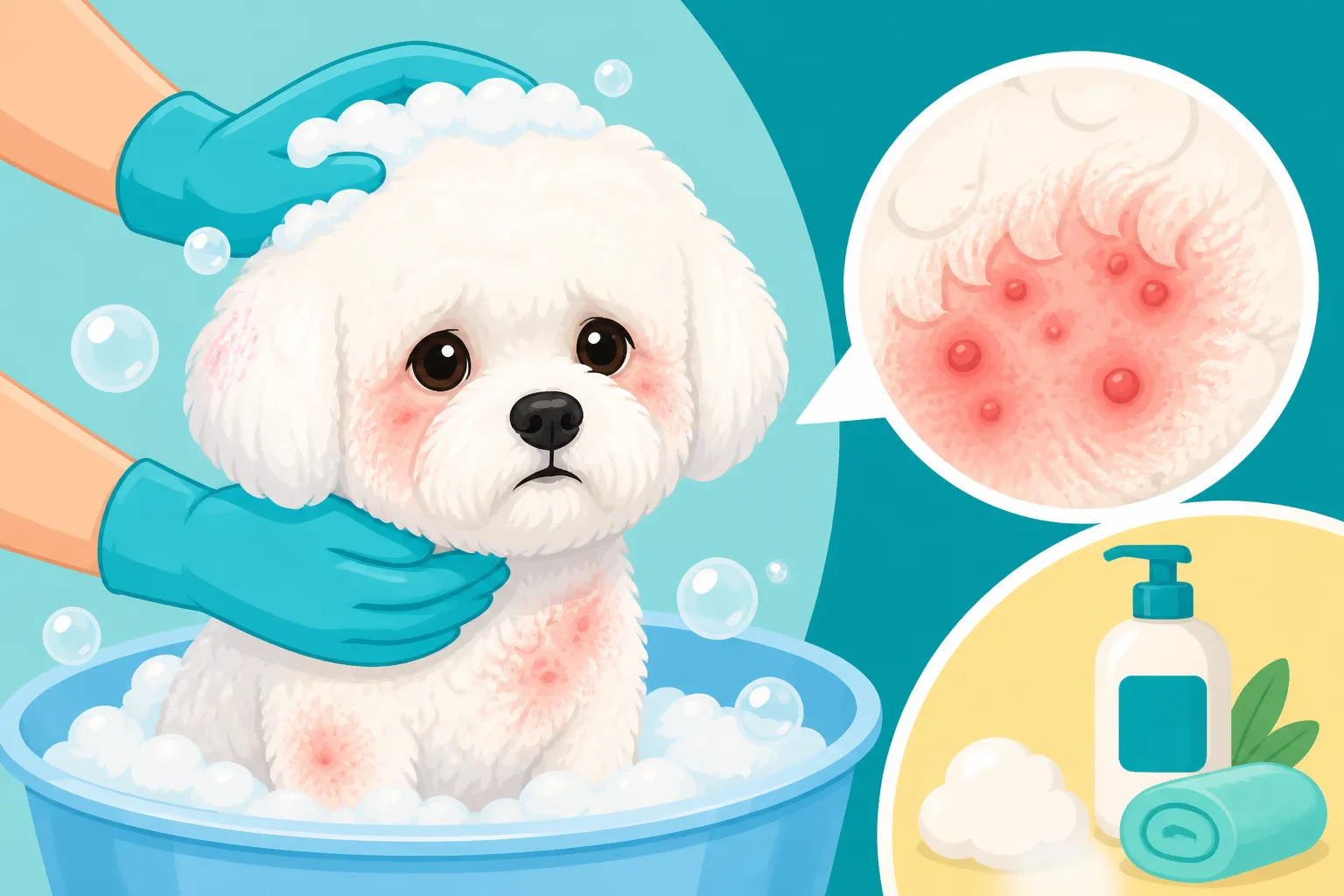
Washing a Bichon Frise Whose Skin Is Inflamed
There's nothing quite as heart-wrenching as watching your fluffy white Bichon Frise constantly scratching, licking, and rubbing at their skin, leaving it red, irritated, and sometimes even broken. That soft, cloud-like coat can hide a world of discomfort, and when you finally part the fur to see angry, inflamed skin, the urge to help immediately is overwhelming. This comprehensive guide is dedicated to walking you through the sensitive process of washing a Bichon Frise with inflamed skin, ensuring you approach it with the utmost care, using the right products, and understanding the ongoing management required to bring your beloved companion comfort and relief.
Understanding Why Your Bichon Frise's Skin is Inflamed
Before you even think about reaching for the shampoo, it's crucial to understand why your Bichon Frise's skin is inflamed in the first place. Bathing, especially with medicated shampoos, is a powerful tool, but it's often just one piece of a much larger puzzle. Treating the symptoms without addressing the root cause can lead to frustrating cycles of temporary relief followed by quick relapses, leaving both you and your dog exhausted and disheartened. Identifying the underlying issue with your veterinarian is always the first, most important step.
Common Causes of Skin Inflammation in Bichons
Bichon Frises, with their beautiful, dense coats, are unfortunately predisposed to a range of skin sensitivities and conditions. One of the most common culprits behind persistent inflammation is allergies. Environmental allergies, often referred to as atopic dermatitis, can be triggered by pollens, dust mites, and molds, leading to widespread itching and irritation. Imagine dealing with seasonal allergies yourself, but instead of sneezing, your skin is perpetually itchy and reactive. It’s an incredibly miserable experience for them. Food allergies are another significant factor, where certain proteins or ingredients in their diet can provoke an inflammatory response that manifests on the skin.
Beyond allergies, infections play a huge role. When the skin barrier is compromised by incessant scratching or an underlying allergic reaction, it becomes a prime breeding ground for opportunistic bacteria and yeasts. You might notice greasy patches, a distinct smell, or even tiny pustules and scabs. These secondary infections exacerbate the inflammation, turning mild irritation into a severe, painful condition. Parasites, though less common if your dog is on preventive medication, can also cause intense itching and inflammation. Flea bite dermatitis, for instance, can cause an extreme allergic reaction from just one bite in sensitive dogs, leading to widespread skin issues. Getting a proper diagnosis from your vet is paramount to ensure you're targeting the right problem, as a medicated shampoo for yeast won't help much if the primary issue is bacterial, or if you're not addressing the underlying allergy.
The Vicious Cycle of Itch-Scratch-Inflame
It's a heartbreaking loop that many owners of Bichon Frises with skin issues know all too well: the itch starts, leading to scratching, which further inflames the skin, and that inflamed skin then becomes even itchier. This "itch-scratch cycle" is incredibly hard to break. When your Bichon Frise scratches, licks, or chews at their irritated skin, they cause micro-traumas. These tiny abrasions damage the skin barrier, making it more permeable to allergens and irritants, and creating entry points for bacteria and yeast to flourish. The body's immune system responds by sending inflammatory cells to the area, which releases chemicals that intensify the itching sensation.
This relentless cycle isn't just uncomfortable; it can lead to secondary infections, hair loss, skin thickening (lichenification), and even changes in your dog's behavior due to chronic discomfort and stress. They might become more irritable, restless, or withdrawn. Breaking this cycle is a critical part of treatment, and carefully chosen medicated baths can be incredibly effective. By soothing the skin, washing away allergens, and delivering antiseptic ingredients, these baths can provide much-needed relief and help to calm the skin down, giving it a chance to heal. Think of it as hitting a reset button on their skin's angry response.
Why Regular Shampoo Just Won't Cut It
When your Bichon Frise's skin is inflamed, reaching for their usual conditioning or brightening shampoo, no matter how lovely it smells or how effective it is for a healthy coat, is a recipe for disaster. These products are formulated for healthy skin and hair, not for therapeutic purposes. They often contain fragrances, dyes, and harsh detergents that can strip the skin of its natural oils, further irritate an already compromised barrier, and potentially trigger allergic reactions. It's like trying to treat a skin infection with perfumed body wash; it simply won't work and will likely make things worse.
Medicated shampoos, on the other hand, are specifically formulated with active ingredients designed to address underlying skin problems. These can include antifungals for yeast infections, antibacterials for bacterial pyoderma, antiparasitics for mites or fleas, or soothing ingredients like colloidal oatmeal and ceramides for allergic flare-ups. Your veterinarian will prescribe or recommend a specific medicated shampoo based on the diagnosed condition. Using the wrong medicated shampoo, or one that isn't potent enough for the severity of the problem, can be just as ineffective as using a regular shampoo. Always follow your vet's instructions precisely regarding the type of shampoo, the frequency of bathing, and the crucial "contact time" – how long the shampoo needs to stay on the skin to work its magic. For proper management, you'll need the right tools; remember, Which Shampoo Suits an Itchy Bichon Frise is a topic worth exploring further.
Preparing for a Stress-Free Bathing Experience
Bathing a dog with inflamed skin is more than just getting them wet and sudsy. It’s an exercise in patience, gentleness, and careful preparation. A dog who is already uncomfortable might be more anxious or even reactive during bath time. Your goal is to make the experience as positive and calm as possible, minimizing stress for both of you. This involves gathering all your tools beforehand, creating a soothing environment, and ensuring their coat is ready to receive the medicinal benefits of the shampoo.
Gathering Your Essential Supplies
Before you even think about luring your Bichon Frise into the bathroom, make sure you have absolutely everything within arm's reach. There’s nothing worse than being mid-bath with a sopping wet, potentially squirming dog, and realizing you forgot the conditioner or a towel. Here’s a checklist of essentials:
- Veterinary-Prescribed Medicated Shampoo: This is non-negotiable. Ensure it's the specific one your vet recommended for your dog's condition.
- Soothing Conditioner (optional, but recommended): Your vet might also recommend a therapeutic conditioner to moisturize and protect the skin after the medicated wash.
- Plenty of Warm, Soft Towels: Have at least two or three ready. Thick, absorbent towels will make drying easier and faster.
- Cotton Balls or Ear Cleaner: For protecting their ears from water, or for cleaning afterward if directed by your vet.
- Non-Slip Bath Mat: Crucial for preventing slips and making your dog feel more secure in the tub or sink. Many pet stores and online retailers like Chewy and Amazon offer excellent options.
- Brush or Comb: For pre-bath grooming (more on this below).
- Treats! High-value, small treats are indispensable for positive reinforcement.
- A Familiar Toy: Something to distract them if they like playing in water, or just for comfort.
- Pet-Safe Eye Lubricant (optional): If your dog is prone to eye irritation, ask your vet about a protective eye lubricant.
Having everything laid out neatly helps you stay calm, which in turn helps your Bichon stay calm. This isn't just about efficiency; it's about minimizing the chaotic energy that dogs are so adept at sensing.
Creating a Calm Environment
Your Bichon Frise is already feeling itchy and miserable, so the last thing they need is a stressful bath. Creating a calm, positive environment can make a huge difference. Start by choosing a quiet time when you won't be rushed or interrupted. Close bathroom doors, minimize loud noises, and speak to your dog in a soft, reassuring voice. Some owners find that playing calming music can help, or even diffusing pet-safe essential oils (like lavender, but always check with your vet first regarding safety and dilution, especially around a dog with sensitive skin).
If your Bichon Frise is particularly anxious about baths, consider having a helper. One person can gently hold and reassure your dog, offer treats, and keep them steady, while the other focuses on the washing. For really anxious dogs, a lick mat smeared with peanut butter or a special treat can be stuck to the tub wall to distract them throughout the process. For dogs with severe anxiety, your vet might even suggest a mild calming aid or supplement to take before bath time. The key is to associate bath time with comfort and rewards, not punishment or fear. Remember, patience is your greatest ally here.
Pre-Bath Grooming: The Importance of Brushing
Before any bath, and especially a medicated one for inflamed skin, a thorough brushing is absolutely essential. Bichon Frises have a beautiful double coat that is prone to matting if not groomed regularly. When mats form, they can trap moisture, debris, and allergens against the skin, creating a warm, damp environment that is perfect for bacterial and yeast infections to flourish, further exacerbating inflammation. Trying to wash a matted dog is not only incredibly difficult but also painful for them as the water tightens the mats against their skin.
Using a slicker brush followed by a metal comb, work through their entire coat, paying special attention to areas prone to matting like behind the ears, under the legs, and on their belly. Be gentle, as their skin is already sensitive. If you encounter stubborn mats, try to carefully work them out with a detangling spray and your comb, starting from the ends and working towards the skin. If the mats are too severe, it might be safer to have them professionally shaved down before bathing to allow the medicated shampoo to reach the skin effectively. A matted coat also prevents the therapeutic ingredients in the shampoo from penetrating to where they're needed most. Knowing How Long Brushing a Bichon Frise Takes regularly can help prevent these painful mats in the first place, making bath time, even medicated ones, much smoother.
The Gentle Art of Bathing an Inflamed Bichon Frise
Now that you're prepared, it's time for the actual bath. This isn't a quick scrub-and-rinse job; it's a careful, deliberate process designed to maximize the therapeutic benefits of the shampoo while minimizing discomfort for your Bichon Frise. Every step should be performed with a gentle touch and a soothing demeanor.
Setting the Water Temperature and Environment
The water temperature is critical when bathing a dog with inflamed skin. Too hot, and it can further irritate sensitive areas; too cold, and it can be a shock to their system, causing unnecessary stress. Aim for lukewarm water – similar to what you'd use for a baby's bath. Test it on your inner wrist to ensure it's comfortable.
Place your non-slip mat in the tub or sink to give your Bichon Frise secure footing. A wobbly surface adds to anxiety. If you have a handheld shower sprayer, it’s ideal, as it allows for precise wetting and rinsing. If not, use a small cup to gently pour water over their coat. Start by wetting their paws and gradually move upwards, talking to them softly the entire time. Avoid spraying water directly into their face. Their sensitive eyes and ears need extra protection. Place cotton balls gently in their ears to prevent water from entering the ear canal, which can lead to ear infections, a common issue in Bichons already prone to allergies. Keep a soft cloth nearby to wipe their face if needed.
Applying Medicated Shampoo Carefully
Once your Bichon Frise is thoroughly wet, it's time to apply the medicated shampoo. Pour a small amount into your hand, lather it slightly, and then begin applying it to their coat, starting from the neck and working your way down to the tail and legs. Pay particular attention to the areas where the inflammation is most severe.
- Gentle Lathering: Use your fingertips to gently massage the shampoo into their skin. Avoid vigorous scrubbing, which can further irritate. Think of it as painting the shampoo onto their skin rather than scrubbing it in. Ensure the shampoo reaches the skin, not just the outer layer of the coat.
- Contact Time is Key: This is arguably the most important step for medicated shampoos. Most require a specific "contact time" – typically 5 to 10 minutes – to allow the active ingredients to work. Read the instructions on the shampoo bottle carefully or follow your vet's specific directions. This waiting period can feel long, especially with an itchy dog. This is where those high-value treats and a lick mat come in handy! Keep offering praise and small rewards to make the wait more tolerable. Never leave your dog unattended during this time, even if they are secured.
- Protect Eyes and Ears: Throughout the application and contact time, continue to protect their eyes and ears. Hold their muzzle up slightly to prevent water or shampoo from running into their eyes. If any shampoo does get into their eyes, rinse immediately with clear water or a sterile eye wash if you have one on hand.
Remember, the goal is therapeutic, not just cosmetic. The proper application and contact time ensure you're getting the most out of the prescribed treatment.
The All-Important Rinse
After the contact time is up, it's time for the rinse, and this step is just as critical as the application. Any shampoo residue left on the skin can be irritating and even counterproductive, potentially causing dryness, itching, or attracting more dirt. Imagine leaving soap on your own skin after a shower; it feels tight and uncomfortable, right? It's the same for your Bichon.
Using lukewarm water and your handheld sprayer or cup, start rinsing from the neck down. Be meticulous. Lift their legs, spread their fur, and ensure every inch of skin and coat is free of suds. It often takes longer than you think! Rinse until the water running off them is completely clear and you can no longer feel any slickness on their fur. Run your fingers through their coat to check for hidden pockets of shampoo. If you think you've rinsed enough, rinse for another minute. This thoroughness is crucial for preventing further irritation and allowing the skin to breathe.
Conditioning for Skin and Coat Health
After a medicated shampoo, your Bichon Frise's skin might feel a little stripped, and their coat can be prone to tangles. This is where a soothing or therapeutic conditioner comes in, especially if recommended by your vet. Just like in human haircare, conditioner helps to restore moisture, seal the hair cuticle, and make the coat easier to comb, while also providing an additional layer of soothing ingredients to the skin.
Apply the conditioner generously, again working from the neck down, massaging it gently into the coat and onto the skin. Allow it to sit for the recommended time (usually 2-5 minutes) to allow the nourishing ingredients to penetrate. Look for conditioners with ingredients like colloidal oatmeal, ceramides, or essential fatty acids, which can help repair the skin barrier and reduce itching. After the conditioning period, rinse thoroughly again, ensuring no residue is left behind. This two-step process of medicated shampoo followed by a therapeutic conditioner can significantly improve skin comfort and coat health for your inflamed Bichon Frise.
Drying Your Bichon Frise After a Medicated Bath
The drying process is just as important as the washing itself, especially for a Bichon Frise with inflamed skin. Improper drying can lead to new problems, such as matting, skin irritation, or even yeast infections in damp, warm areas. Your goal is to get your Bichon thoroughly dry, but gently, without causing further discomfort.
Gentle Towel Drying Techniques
Immediately after rinsing, your Bichon Frise will be dripping wet. Grab those warm, soft towels you prepared earlier. Instead of vigorously rubbing, which can tangle their delicate coat and irritate sensitive skin, use gentle patting and squeezing motions. Start by wrapping a towel around them and gently pressing to absorb excess water. Then, work in sections, patting the fur dry.
For their legs and tail, gently squeeze the water out with the towel. Pay close attention to areas like their armpits and groin, where moisture can easily get trapped. Swapping out a saturated towel for a fresh, dry one will speed up the process. The initial towel drying removes the bulk of the water and prepares their coat for further drying steps, making it more comfortable and preventing mats from forming later. It's a foundational step to ensure the rest of the drying is effective and safe.
The Role of a Force Dryer and Low Heat
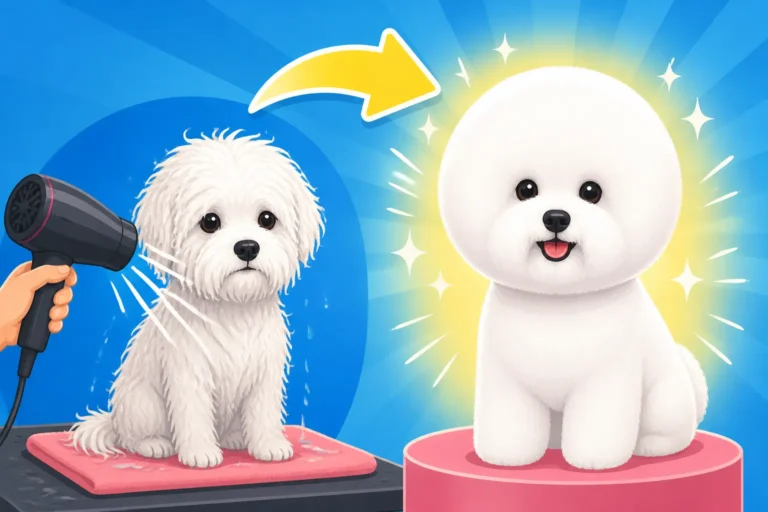
Many Bichon Frise owners, or their professional groomers, use a force dryer (also known as a high-velocity dryer) to thoroughly dry their dense coats. These dryers push air, rather than heat, to blast water out of the coat quickly and efficiently. For a Bichon Frise with inflamed skin, a force dryer can be a godsend because it significantly reduces drying time, which means less prolonged dampness on sensitive skin. However, it must be used correctly and cautiously.
Always use a force dryer on the lowest setting and hold it several inches away from their skin, constantly moving it. The powerful air stream can be startling for some dogs, so introduce it slowly and offer lots of treats. Never direct the air into their face or ears. While a force dryer primarily uses air, some do have a low heat setting. If yours does, ensure it's on the coolest possible setting to avoid overheating or burning their already sensitive skin. The main objective is to use the air pressure to separate the coat and push water out, not to bake them dry with heat. Remember, Whether a Bichon Frise Needs a Force Dryer is an important consideration for many owners due to their coat type.
If you don't have a force dryer, a regular human hairdryer can be used, but with extreme caution. Always use it on the coolest setting, or at most, a very low warmth, and keep it moving constantly. Never hold it in one spot. The heat from a human hairdryer can easily scald a dog’s skin, especially inflamed skin, which is more vulnerable. Always feel the air on your own skin first to ensure it’s not too hot. Using a stand dryer can also be helpful, as it frees up both your hands for brushing while drying.
Ensuring the Coat is Fully Dry to Prevent Further Issues
No matter what method you use, ensuring your Bichon Frise's coat is 100% dry is critical, especially when their skin is inflamed. A damp coat, particularly near the skin, creates a perfect breeding ground for yeast and bacteria to flourish, which can immediately undo all the good work of the medicated bath. This is why a simple towel dry is rarely sufficient for a Bichon's dense coat.
After towel drying and using a force dryer or hairdryer, continue to brush their coat while it dries. A pin brush or slicker brush can help lift the hair, allowing air to circulate and ensuring the undercoat dries completely. Pay meticulous attention to dense areas like the ruff, armpits, and groin. Use your fingers to feel down to the skin; if it feels cool, it's still damp. Keep drying and brushing until every inch of their skin and coat feels completely dry and fluffy. This thorough drying not only prevents skin problems but also helps prevent mats from forming. As discussed, Whether a Damp Bichon Frise Mats Faster is a real concern, so take your time with this final step.
Post-Bath Care and Ongoing Skin Management
The bath might be over, but the care for your Bichon Frise's inflamed skin isn't. The period immediately after the bath, and the days and weeks that follow, are crucial for healing and preventing recurrence. This often involves applying additional treatments, maintaining daily hygiene, and knowing when it's time to loop your vet back in.
Applying Topical Treatments and Medications
After the bath and once your Bichon Frise is completely dry, you'll often have other topical treatments to apply as part of their vet's regimen. These might include:
- Antiseptic Sprays or Mousses: These are often prescribed for localized infections or to provide ongoing antiseptic coverage between baths. Sprays should be applied evenly, ensuring they reach the skin. Mousses can be massaged gently into the affected areas.
- Steroid Creams or Ointments: For areas of severe inflammation and itching, your vet might prescribe a topical steroid. These should be used sparingly and only on the specific areas directed, as overuse can thin the skin.
- Moisturizing Lotions or Sprays: For dry, flaky skin, non-medicated, hypoallergenic moisturizers can help to restore the skin barrier. Look for products designed for sensitive dog skin.
When applying any topical treatment, gently part the fur to ensure the product makes direct contact with the skin, not just the coat. Always wear gloves if advised by your vet, especially with medicated products. Follow the frequency and duration instructions meticulously, as these treatments are often dose-dependent. Consistency is key here; a few missed applications can significantly delay healing.
Maintaining Hygiene Between Baths
While medicated baths are powerful, daily hygiene between baths is just as important for managing inflamed skin. Your Bichon Frise still needs regular attention to prevent the buildup of allergens, dirt, and excess oils that can trigger new flare-ups.
- Daily Brushing: Regular, gentle brushing helps remove loose hair, dander, and environmental allergens from their coat. It also stimulates blood flow to the skin and distributes natural oils. Use a soft slicker brush and comb daily, paying attention to areas where dirt or mats tend to accumulate.
- Paw Wipes: After walks, especially during allergy season, use hypoallergenic paw wipes to clean their paws. Paws can pick up pollen and irritants from grass and sidewalks, which can then be licked and transferred to other parts of their body. Wiping them down helps remove these allergens. For more on this, check out Whether Wipes Help a Bichon Frise After Walks.
- Spot Cleaning: If your Bichon Frise gets a small dirty patch, use a damp cloth or pet-safe cleansing wipes for spot cleaning instead of a full bath. Avoid harsh chemicals or human baby wipes, which can be irritating.
- Regular Skin Checks: Make it a habit to gently part their fur and visually inspect their skin daily. Look for any new redness, bumps, scabs, or changes in texture or odor. Early detection of a flare-up can allow for quicker intervention and prevent it from becoming severe.
This consistent, gentle hygiene routine supports the healing process and helps maintain the integrity of their skin barrier.
When to Consult Your Vet Again
Even with the most diligent care, sometimes skin issues persist or worsen. It's crucial to know when to pick up the phone and call your veterinarian again. You are your Bichon Frise's primary advocate, and observing their condition is vital.
- No Improvement or Worsening: If, after a week or two of consistent medicated bathing and topical treatments, you see no improvement in their skin, or if the inflammation, itching, or secondary infections appear to be getting worse, it's time for a recheck. This could indicate the current treatment isn't quite right, or that there's an underlying factor not yet fully addressed.
- New Symptoms: If your Bichon Frise develops new symptoms, such as lethargy, loss of appetite, increased pain, or different types of skin lesions, don't wait. These could signal a complication or a different health issue entirely.
- Increased Discomfort: If your dog seems to be in more pain, is scratching even more aggressively, or is showing signs of distress despite your efforts, seek veterinary advice immediately. Their quality of life is paramount.
- Uncertainty: If you're ever unsure about the proper application of a medication, the progress of healing, or simply feel overwhelmed, don't hesitate to reach out to your vet. They are your partner in your Bichon's health journey.
Open communication with your veterinary team is essential. They can offer guidance, adjust treatment plans, and provide reassurance. Remember, skin conditions can be complex and sometimes require multiple approaches or diagnostic tests to fully resolve.
Common Pitfalls to Avoid When Bathing an Inflamed Bichon Frise
Bathing a Bichon Frise with inflamed skin requires a specific approach. While your intentions are good, certain common mistakes can inadvertently set back the healing process or even worsen their discomfort. Being aware of these pitfalls can help you avoid them and ensure your efforts are truly beneficial.
Using the Wrong Products
This is perhaps the most significant mistake an owner can make. As discussed earlier, regular dog shampoos, human shampoos, or even the wrong type of medicated shampoo can cause more harm than good. Human shampoos are typically formulated for a different skin pH and can be too harsh for a dog's skin, stripping away essential oils and disrupting the delicate skin barrier. Many contain strong perfumes, sulfates, and dyes that are highly irritating to already sensitive or allergic canine skin.
Even within medicated shampoos, there are different active ingredients for different conditions. A shampoo designed for a bacterial infection won't be effective against a yeast infection, and vice-versa. Using an overly harsh or drying medicated shampoo for a dog whose primary issue is extreme dryness and irritation could exacerbate their discomfort. Always, always defer to your veterinarian's recommendation for specific shampoos and conditioners. If you're buying anything over the counter, ensure it's explicitly recommended for sensitive, irritated, or allergic skin, and ideally, for dogs. Retailers like Chewy and Amazon offer a wide array of specialized pet products, but always ensure they align with your vet's advice.
Rushing the Process
We all lead busy lives, and sometimes it's tempting to rush through bath time, especially with a dog who might not be thrilled about it. However, hurrying when bathing an inflamed Bichon Frise is counterproductive. Rushing can lead to:
- Incomplete Wetting: The medicated shampoo won't spread effectively or reach the skin if the coat isn't fully saturated.
- Insufficient Contact Time: If the shampoo isn't left on for the prescribed duration, the active ingredients won't have enough time to work their magic, rendering the bath less effective.
- Poor Rinsing: As emphasized, residue from shampoo or conditioner can irritate the skin, leading to new itching and inflammation. Rushing often means skipping the thorough rinse.
- Inadequate Drying: Leaving the coat damp, particularly down to the skin, creates a perfect breeding ground for yeast and bacteria, sabotaging the entire treatment.
Patience is a virtue here. Block out ample time for the entire bathing and drying process, allowing for calm, deliberate steps. Think of it as a therapeutic session rather than a chore. Your Bichon Frise, and their skin, will thank you for it.
Ignoring Your Bichon's Discomfort
While some dogs tolerate baths with good humor, a Bichon Frise whose skin is already inflamed might find the experience genuinely uncomfortable or even painful. Ignoring their body language is a significant pitfall. Signs of discomfort include:
- Trembling or Shaking: Beyond the normal post-bath shivers, persistent trembling can indicate fear or pain.
- Lip Licking, Yawning, or Panting: These can be subtle stress signals.
- Trying to Escape: Frantic attempts to jump out of the tub or resist your handling.
- Growling or Snapping: In extreme cases, a dog in pain might become defensive.
- Vocalizing: Whining or yelping.
If your Bichon Frise is showing significant signs of distress, stop and reassess. Can you make the water warmer? Is your handling too rough? Are you inadvertently hurting a particularly sore spot? Sometimes, having a second person to soothe and distract can help. If anxiety is severe, discuss it with your vet, who might suggest sedatives or anxiety medication to make the process more tolerable. Pushing a dog through extreme discomfort can lead to a lasting negative association with baths, making future treatments even harder.
Forgetting the Follow-Through
A single medicated bath, no matter how perfectly executed, is rarely a cure-all for chronic skin inflammation. Many skin conditions require ongoing management, and forgetting the "follow-through" after the bath is a common pitfall. This includes:
- Skipping Subsequent Baths: If your vet prescribed a series of baths (e.g., twice a week for three weeks), sticking to that schedule is crucial. Stopping too early can lead to a quick relapse.
- Ignoring Topical Treatments: As mentioned, post-bath sprays, creams, or oral medications are often part of a comprehensive plan. Consistency with these is vital.
- Neglecting Diet and Environmental Controls: If allergies are a factor, dietary changes (like a hypoallergenic diet) or environmental controls (such as reducing dust mites, regular vacuuming, or air purifiers) are just as important as the baths. Forgetting these aspects means the triggers for inflammation are still present. This extends to making sure you're using treats that align with any special diet. It's often difficult, but remember that The Diet a Bichon Frise Stays On for Life is a commitment if stones or allergies are an issue.
- Missing Vet Rechecks: Follow-up appointments allow your vet to assess progress, adjust medications, and ensure the skin is healing properly.
Treating inflamed skin is often a marathon, not a sprint. A holistic and consistent approach, guided by your veterinarian, offers your Bichon Frise the best chance at lasting relief.
Long-Term Strategies for a Healthy Bichon Frise Coat and Skin
While medicated baths and immediate post-bath care are essential for treating active inflammation, managing a Bichon Frise's sensitive skin is truly a long-term commitment. It requires a multi-faceted approach that considers diet, environmental factors, and consistent preventative care. The goal isn't just to put out the fire, but to prevent future flare-ups and maintain overall skin health.
Dietary Considerations for Skin Health
Diet plays a profound role in skin health, especially for Bichon Frises prone to allergies or inflammatory conditions. What goes into their bowl can directly impact the quality of their coat and the health of their skin barrier.
- Hypoallergenic Diets: If food allergies are suspected, your vet might recommend a prescription hypoallergenic diet. These diets contain hydrolyzed proteins (proteins broken down into tiny pieces too small to trigger an immune response) or novel proteins (ingredients your dog has never eaten before, like venison or duck). It’s important to stick to these diets exclusively during a food trial, meaning no other treats, table scraps, or flavored medications, for a period of 8-12 weeks. This can be challenging but is crucial for accurate diagnosis.
- Omega Fatty Acids: Supplementation with omega-3 and omega-6 fatty acids (found in fish oil, flaxseed oil, or specialized dog supplements) can significantly support skin barrier function and reduce inflammation. These "good fats" are vital for a healthy, supple skin and a shiny coat. Many high-quality dog foods, including those available on Chewy or Amazon, incorporate these, but sometimes extra supplementation is needed, especially for dogs with compromised skin.
- Limited Ingredient Diets (LID): For dogs with sensitivities but not necessarily full-blown allergies, an LID might be beneficial. These diets minimize the number of ingredients, making it easier to identify and avoid potential triggers. However, always discuss any dietary changes with your vet, especially if your Bichon Frise is on a prescription diet for other issues, like The Diet a Bichon Frise Stays On for Life to prevent bladder stones.
- Probiotics and Gut Health: Emerging research suggests a strong link between gut health and skin health. Probiotic supplements can help maintain a balanced microbiome, which may, in turn, reduce inflammatory responses throughout the body, including the skin.
Remember, every dog is different, and what works for one Bichon Frise might not work for another. Close collaboration with your vet is key to finding the optimal diet for your individual dog's needs. As you investigate the root causes of itching, consider Whether a Bichon Frise's Itching Is Food or Pollen.
Environmental Management
Environmental allergens are a huge trigger for atopic dermatitis in Bichon Frises. While you can't eliminate all allergens, you can significantly reduce your Bichon's exposure, thereby minimizing flare-ups and the need for intense treatments.
- Reduce Dust Mites: Dust mites are tiny allergens found in carpets, bedding, and upholstered furniture. Regularly vacuuming with a HEPA filter, washing dog beds weekly in hot water, and using dust mite covers on human bedding (if your dog sleeps with you) can help. Consider hard flooring over carpets where possible.
- Manage Pollen Exposure: During peak allergy seasons, limit outdoor excursions to early morning or late evening when pollen counts are lower. After walks, use those paw wipes and even a damp cloth to wipe down your Bichon's coat to remove pollen that might have settled on their fur. Regularly bathing can also wash away accumulated allergens. This goes back to Whether Pollen on the Coat Makes a Bichon Frise Itch, a common and frustrating problem.
- Air Quality: Consider using an air purifier with a HEPA filter in the rooms where your Bichon Frise spends most of their time. This can help remove airborne allergens like pollen, dust mites, and mold spores.
- Flea Control: Even if fleas aren't the primary cause, a single flea bite can trigger a massive allergic reaction in a flea-allergic dog, worsening existing inflammation. Maintain a year-round, vet-recommended flea and tick prevention program.
- Cleaning Products: Be mindful of household cleaning products, air fresheners, and candles, as these can contain irritants or fragrances that bother sensitive dogs. Opt for natural, unscented products where possible.
By proactively managing their environment, you create a safer, less irritating space for your Bichon Frise, giving their skin a better chance to heal and stay healthy.
Proactive Grooming and Regular Vet Check-ups
Consistency in grooming and regular veterinary oversight are the cornerstones of long-term skin health for a Bichon Frise. Their beautiful coat is high-maintenance, and ignoring it can lead to health problems.
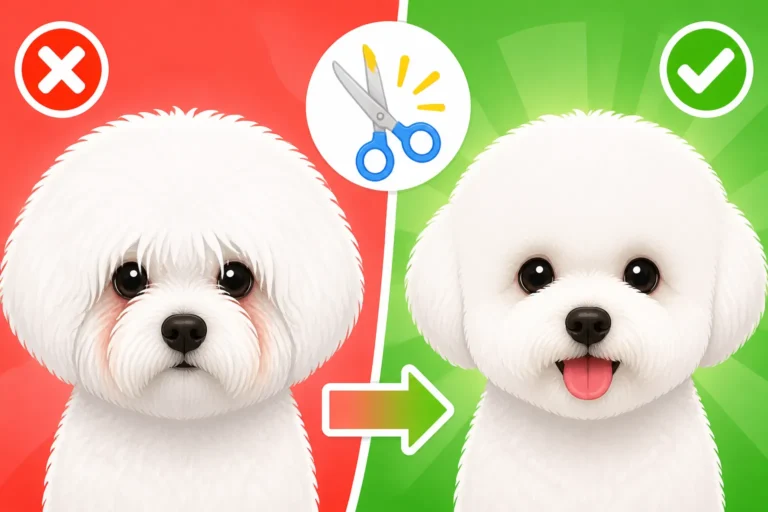
- Routine Professional Grooming: Beyond home baths, regular trips to a professional groomer are essential. A groomer can perform thorough brush-outs, clip the coat to a manageable length, and provide specialty baths with soothing or hypoallergenic shampoos (if your vet approves non-medicated ones). They can also spot early signs of skin irritation or matting that you might miss. Discuss your Bichon's skin history with your groomer so they can use appropriate products and handling techniques. Understanding How Often a Bichon Frise Needs Grooming is key to preventing mats and skin issues.
- Daily Home Grooming: This includes daily brushing and routine checks of their skin, ears, and paws. Keeping the coat free of tangles and mats is paramount. Matted fur pulls on the skin, restricts air circulation, and traps moisture, all of which contribute to inflammation and infection.
- Annual and Bi-Annual Vet Check-ups: Even when your Bichon Frise's skin seems healthy, regular vet visits are vital. These appointments allow your vet to perform a full physical examination, catch potential issues early, and discuss any new preventative strategies. For Bichons with a history of skin problems, your vet might recommend more frequent skin checks or specific diagnostic tests, such as yearly urine tests if bladder stones are also a concern, as some urinary issues can contribute to skin problems due to licking.
By combining diligent home care with professional grooming and consistent veterinary guidance, you can provide your Bichon Frise with the best possible chance for a lifetime of comfortable, healthy skin. This holistic approach ensures that you're not just reacting to flare-ups, but actively working to prevent them.
| Shampoo Type | Primary Action | Common Uses | Key Ingredients (Examples) | Important Considerations |
|---|---|---|---|---|
| Antimicrobial/Antifungal | Kills bacteria and/or yeast | Bacterial skin infections (pyoderma), yeast infections (Malassezia dermatitis) | Chlorhexidine, Miconazole, Ketoconazole | Often requires 5-10 minute contact time; can be drying if used excessively. |
| Soothing/Anti-itch | Calms irritated skin, reduces itching | Allergic dermatitis, dry skin, insect bite hypersensitivity | Colloidal Oatmeal, Aloe Vera, Pramoxine | Provides symptomatic relief; may not treat underlying cause; often moisturizing. |
| Degreasing/Keratolytic | Removes excess oil, scales, and crusts | Seborrhea (oily or dry skin with scaling), follicular plugging | Benzoyl Peroxide, Salicylic Acid, Sulfur | Can be very drying; monitor for irritation, especially on inflamed skin. |
| Hypoallergenic | Minimizes allergic reactions | General use for sensitive skin, maintenance for allergic dogs | Limited ingredients, no fragrances/dyes | Good for prevention and maintenance, but typically not for active infection. |
| Flea & Tick | Kills external parasites | Flea infestation, tick attachment | Pyrethrins, Fipronil (topical, not shampoo) | Use with caution on inflamed skin; may not be appropriate for all dogs. |
Disclaimer
This article is for general informational purposes only and does not constitute professional advice. Laws, prices and regulations vary by location and change over time. Consult a qualified professional for guidance on your specific situation.