Whether Oxalate Stones Dissolve in a Bichon Frise
Calcium oxalate bladder stones in a Bichon Frise resist diet changes and medications, requiring physical removal instead.
Know what to watch for.
Breed-specific conditions, screening and DNA tests, what surgery actually costs, and the daily habits that stretch a healthy lifespan.
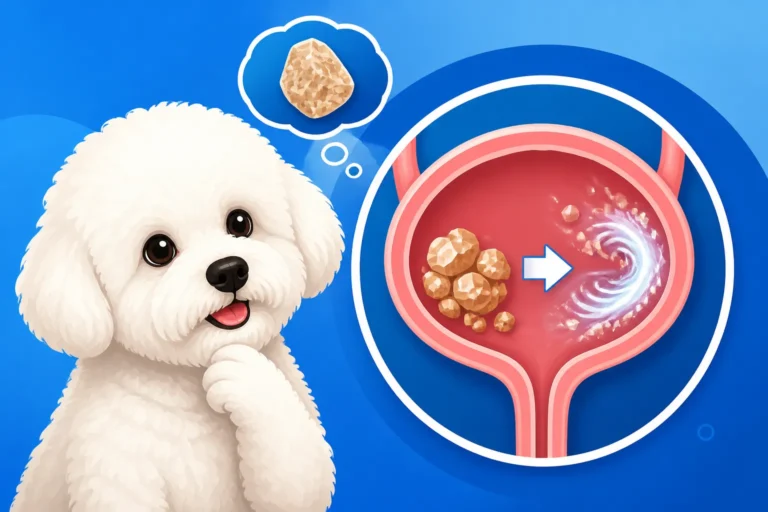
Calcium oxalate bladder stones in a Bichon Frise resist diet changes and medications, requiring physical removal instead.
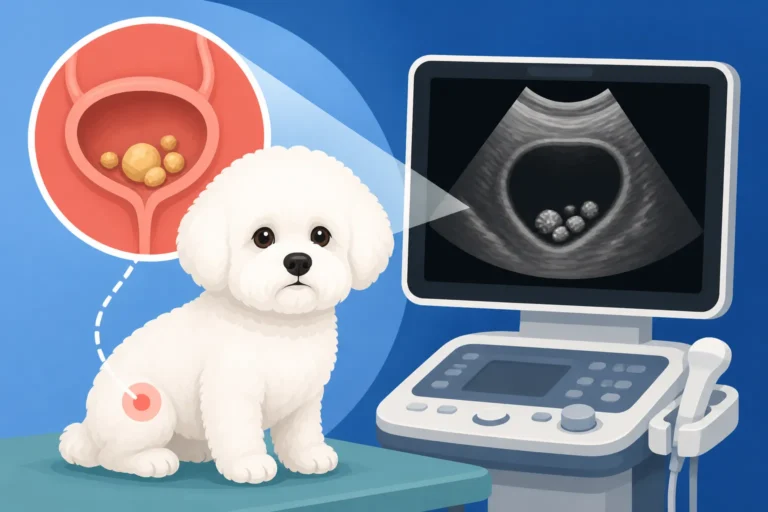
Ultrasound imaging detects radiolucent bladder stones in Bichon Frises when X-rays fail, revealing hidden objects and bladder wall inflammation.

Veterinary diagnostic methods confirm bladder stones in a Bichon Frise experiencing frequent accidents, straining, and blood in urine.

A blocked Bichon Frise faces fatal kidney failure and heart toxicity from urine buildup if urgent medical intervention is delayed.

Straining in a Bichon Frise signals a potential medical emergency, often caused by dangerous urinary or fecal blockages.
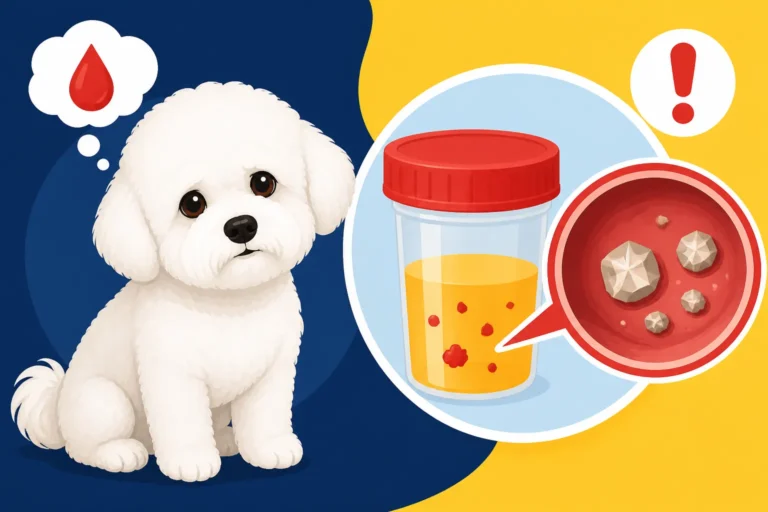
Blood in a Bichon Frise urine does not always mean bladder stones, but this symptom often indicates severe urinary distress and discomfort.

Bichon Frise bladder stones develop gradually from microscopic crystals, causing painful symptoms that require early veterinary detection.

Male Bichon Frises face higher risks of urinary blockages because calcium oxalate stones get trapped in narrow, curved urethras.

Bichon Frise stone risk stems from an inherited genetic predisposition to forming painful calcium oxalate bladder stones.

Bichon Frise dogs face a high genetic risk of calcium oxalate bladder stones, but this painful mineral deposit is not guaranteed.