Which Shampoo Suits an Itchy Bichon Frise
Oh, the heartache of watching your sweet, fluffy Bichon Frise constantly scratch, chew, or rub at their skin! It’s truly one of the most common and frustrating problems we face as Bichon parents, feeling helpless as their pristine white coat turns dull and their skin becomes red and irritated. This guide is here to walk you through understanding why your beloved companion might be so itchy and, most importantly, how to choose the right shampoo to bring them some much-needed relief and get that beautiful coat back in tip-top condition.
Understanding Why Your Bichon Frise Is Itchy in the First Place
Before you even think about reaching for a bottle of shampoo, it’s vital to understand why your Bichon Frise is scratching. Itching isn't a condition in itself; it's a symptom, a sign that something else is going on beneath that beautiful, curly coat. Without addressing the root cause, even the best shampoo will only offer temporary respite.
Common Causes of Bichon Frise Skin Irritation
Bichon Frises, unfortunately, are predisposed to a few common skin woes that can lead to relentless itching. One of the biggest culprits is allergies, which can manifest as atopic dermatitis. This inherited condition means their immune system overreacts to common environmental allergens like pollen, dust mites, or mold spores, causing intense skin inflammation and itch. Imagine feeling like you have a constant itch you can't satisfy – that's what many allergic Bichons experience. The Atopic Skin a Bichon Frise Is Born With goes into more detail about this genetic predisposition.
Beyond environmental allergies, food allergies can also be a significant factor, leading to similar skin symptoms. Sometimes, it’s not just an allergy but a secondary infection that drives the itch. When a Bichon scratches, they can break the skin barrier, allowing bacteria or yeast (which normally live harmlessly on the skin) to overgrow and cause painful, itchy infections. These infections exacerbate the itch, creating a miserable cycle for your pup. Flea bites, even just a few, can also trigger an allergic reaction in sensitive dogs, leading to widespread itching far beyond the bite site.
The Cycle of Itchiness and Secondary Issues
It's a vicious circle, isn't it? Your Bichon starts to itch from an underlying issue – be it allergies, dry skin, or even tiny parasites. They scratch, lick, or chew at the area, which damages the delicate skin barrier. This damage then creates an opening for opportunistic invaders like bacteria or yeast. These secondary infections cause even more itching, redness, and discomfort, leading to more scratching, and the cycle continues, often intensifying the problem. You might notice their skin becoming greasy, scaly, or developing a foul odor, which are classic signs of these secondary invaders taking hold.
The constant scratching can also lead to hair loss, thickening of the skin (known as lichenification), and hyperpigmentation (darkening of the skin) over time. This makes their beautiful white coat patchy and discolored, adding to the frustration for both you and your dog. Breaking this cycle often requires a multi-pronged approach, and the right shampoo is a crucial first step in managing the surface symptoms while you work with your vet to uncover the deeper cause.
The Importance of a Vet Diagnosis
I cannot stress this enough: before you embark on a shampoo-shopping spree, get your Bichon to the vet for a proper diagnosis. It’s like trying to fix a leaky faucet without knowing if it's a washer, a pipe, or the whole system that's failing. A vet can perform tests, such as skin scrapings to rule out mites, cytology to check for bacterial or yeast infections, or discuss allergy testing options. They might suggest an elimination diet to explore food sensitivities, as covered in Whether an Elimination Diet Helps a Bichon Frise. Without knowing the exact cause of the itch, you might be using the wrong type of shampoo, which could be ineffective or even worsen the problem. A proper diagnosis allows you to choose a targeted treatment plan, which may include a specific medicated shampoo alongside other therapies.
Deciphering Shampoo Labels for Sensitive Bichon Skin
Once you have a better idea of what's making your Bichon Frise itch, or at least a general sense of sensitive skin, you're ready to look at shampoos. But walking down the pet aisle or browsing online can feel overwhelming with all the different claims and ingredients. Let's break down what to look for and what to avoid.
Key Ingredients to Look For (and Why)
When your Bichon's skin is screaming for relief, certain ingredients act like a calming balm. Here's what to prioritize:
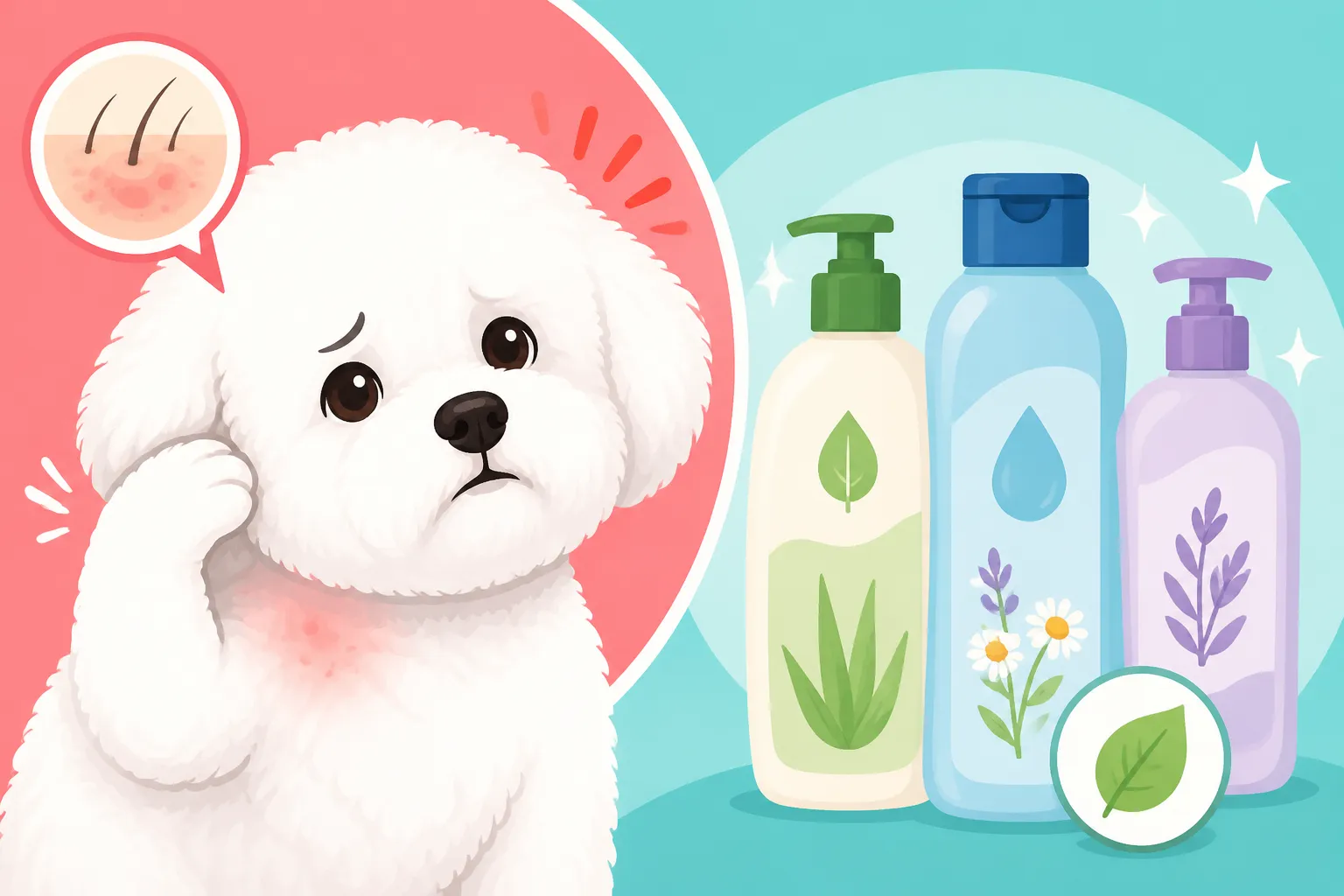
- Colloidal Oatmeal: This is a classic for a reason! Finely ground oatmeal, when mixed with water, creates a soothing, anti-inflammatory barrier on the skin. It helps to calm irritation, reduce redness, and alleviate that maddening itch. It's often found in shampoos designed for general sensitive skin and mild allergies.
- Aloe Vera: Known for its healing and soothing properties, aloe vera can help moisturize dry skin and reduce inflammation. Just make sure it’s a pure, pet-safe formulation, as some human products contain alcohol or other irritants.
- Tea Tree Oil (in dilute, pet-safe concentrations): While potent, highly diluted tea tree oil can have antiseptic and anti-fungal properties. Caution is key here; always ensure the concentration is specifically formulated for dogs and used as directed, as high concentrations can be toxic. I often look for this in shampoos recommended by my vet for minor skin issues, not for everyday use.
- Essential Fatty Acids (Omega-3 & Omega-6): Ingredients like linoleic acid or gamma-linolenic acid (GLA) help support the skin's natural barrier function, improving its hydration and resilience. They're often included in shampoos to combat dry, flaky skin.
- Antihistamines (e.g., Diphenhydramine, Pramoxine HCl): These topical agents provide immediate, temporary relief from itching by blocking histamine receptors in the skin. Shampoos with pramoxine are particularly good for acute itch relief, offering comfort while other treatments take effect.
- Antifungal and Antibacterial Agents (e.g., Chlorhexidine, Miconazole): If your vet has diagnosed a yeast or bacterial infection, these ingredients are non-negotiable. Chlorhexidine is a powerful antiseptic that kills bacteria and some yeasts, while miconazole specifically targets fungal (yeast) infections. These are typically found in prescription or veterinary-grade over-the-counter medicated shampoos.
Ingredients to Absolutely Avoid
Just as important as knowing what to look for is knowing what to steer clear of. Many ingredients common in human shampoos can be harsh and irritating to canine skin, especially for a sensitive Bichon.
- Artificial Fragrances and Dyes: While we might love a shampoo that smells like a field of daisies, these additives are common irritants and allergens for dogs. They can dry out the skin, trigger allergic reactions, and worsen existing inflammation. Opt for unscented or naturally scented (e.g., with calming lavender essential oil in tiny amounts) options.
- Sulfates (e.g., Sodium Lauryl Sulfate, Sodium Laureth Sulfate): These are harsh detergents that create a rich lather but strip the skin of its natural oils, leading to dryness and irritation. Look for sulfate-free formulations, which are much gentler on sensitive skin.
- Parabens: These are preservatives that have raised some health concerns, and while the jury is still out on their long-term effects in pets, it's generally best to avoid them in products for sensitive skin.
- Phthalates: Often used in fragrances, these chemicals are also best avoided due to potential health concerns and their role as potential irritants.
- Alcohol: Avoid shampoos with alcohol high up on the ingredient list, as it's a drying agent that can exacerbate dry, itchy skin.
Understanding pH Balance for Canine Skin
This is a frequently overlooked but critical factor. Human skin has an acidic pH (around 5.5), which is why our shampoos are formulated to be acidic. However, canine skin is more neutral, typically ranging from 6.2 to 7.4. Using a human shampoo on your Bichon can disrupt their skin's natural protective barrier (the acid mantle), making it more susceptible to dryness, irritation, and infections.
Always choose shampoos specifically formulated for dogs. These products are pH-balanced to match a dog's skin, helping to maintain its integrity and natural defenses. Using the wrong pH can strip natural oils, leading to further itching and discomfort, effectively undoing any good you're trying to achieve.
Types of Therapeutic Shampoos for Itchy Bichons
Now that you know what to look for on a label, let's explore the different categories of therapeutic shampoos available. The best choice for your Bichon will depend entirely on the underlying cause of their itch.
Medicated Shampoos for Specific Conditions
If your vet has diagnosed a bacterial, fungal (yeast), or mixed infection, medicated shampoos are your frontline defense. These aren't just for cleaning; they're an active part of the treatment plan.
- Antifungal Shampoos: These typically contain ingredients like miconazole or ketoconazole, which are effective against yeast infections (like Malassezia, a common culprit behind itchy, greasy, and sometimes odorous skin in Bichons). You might notice your Bichon's skin in the armpits, groin, or paws turning reddish-brown and smelling "yeasty." An antifungal shampoo, used as directed by your vet, helps to reduce the yeast population on the skin.
- Antibacterial Shampoos: Ingredients such as chlorhexidine gluconate are powerful antimicrobials that kill bacteria. If your Bichon has secondary bacterial skin infections (pyoderma), which often appear as red bumps, pustules, or scabs, an antibacterial shampoo is essential. Some shampoos combine both chlorhexidine and miconazole to tackle both bacterial and yeast infections simultaneously, which is often the case when a Bichon presents with a mixed infection. These shampoos require specific contact times (often 5-10 minutes) to be effective, so be prepared for some patient bath time!
Soothing and Hypoallergenic Shampoos for General Irritation
For Bichons with allergies or simply very sensitive skin without an active infection, hypoallergenic and soothing shampoos are often the best choice. These focus on gentle cleansing, reducing inflammation, and moisturizing the skin without introducing potential irritants.
- Hypoallergenic Shampoos: These are formulated with a minimal number of ingredients and are free from common allergens like dyes, perfumes, and harsh chemicals. They are ideal for dogs with known sensitivities or a history of allergic reactions to other products. The goal here is to cleanse effectively without provoking further irritation. Many brands offer "sensitive skin" or "allergy relief" formulas that fall into this category. You can often find a good selection of these on platforms like Chewy, making it easier to compare options and read reviews from other pet parents.
- Colloidal Oatmeal Shampoos: As mentioned earlier, oatmeal is a superstar for soothing. Shampoos rich in colloidal oatmeal help to calm inflammation, reduce redness, and moisturize the skin. They create a protective barrier that can ease the sensation of itchiness, providing immediate comfort. These are excellent for dogs with environmental allergies (atopy) or general dry, itchy skin. A good quality oatmeal shampoo can be a staple in your Bichon's grooming routine, especially if they have What Atopic Dermatitis Does to a Bichon Frise.
Moisturizing Shampoos for Dry, Flaky Skin
Sometimes, the itch isn't due to an infection or overt allergy, but simply very dry, flaky skin. This can be exacerbated by environmental factors like dry winter air or excessive bathing with harsh products.
- Emollient Shampoos: These shampoos contain ingredients like fatty acids, ceramides, or lanolin that help replenish the skin's lipid barrier, locking in moisture. They are designed to hydrate and soften dry, scaly skin, reducing the flakiness and associated itch. If your Bichon's coat feels brittle and their skin looks tight or dusty, a moisturizing shampoo can make a big difference.
- Humectant Shampoos: Ingredients such as glycerin or urea act as humectants, drawing moisture from the air into the skin. These work well in conjunction with emollients to significantly boost skin hydration. Regularly using a good moisturizing shampoo can help prevent the skin from becoming overly dry and compromised, which in turn reduces the likelihood of that frustrating itch-scratch cycle starting. Look for formulas that specifically mention "moisturizing" or "hydrating" properties. For long-term skin health, combining these with good internal moisture from food (perhaps even a fresh food diet like Ollie for a consistent moisture intake) can be very beneficial.
| Shampoo Type | Primary Ingredients | Best For | Key Benefit |
|---|---|---|---|
| Antifungal | Miconazole, Ketoconazole | Yeast infections (Malassezia), smelly/greasy skin | Kills yeast, reduces odor/grease |
| Antibacterial | Chlorhexidine, Ethyl Lactate | Bacterial skin infections (pyoderma), red bumps, scabs | Kills bacteria, promotes healing |
| Soothing/Hypoallergenic | Colloidal Oatmeal, Aloe Vera, Minimal ingredients | General sensitive skin, mild allergies, post-infection recovery, prevention | Calms irritation, gentle cleansing |
| Moisturizing/Emollient | Fatty Acids, Ceramides, Glycerin, Lanolin | Dry, flaky skin, dull coat, environmental dryness | Hydrates skin, restores barrier, improves coat |
| Itch-Relief (Topical) | Pramoxine HCl, Diphenhydramine | Acute itch relief, hot spots (temporary), while underlying cause is treated | Provides immediate, temporary itch cessation |
The Art of Bathing an Itchy Bichon Frise Effectively
Choosing the right shampoo is only half the battle. How you actually bathe your Bichon Frise can dramatically impact the effectiveness of the shampoo and their comfort during the process. It's more than just getting them wet and rinsing.
Pre-Bath Prep: Brushing and Dematting
Never, ever put an unbrushed, matted Bichon Frise into the bath. Their dense, curly coat, which is Why a Bichon Frise Coat Grows Forever, is a magnet for tangles and mats. Water will only tighten these mats, making them incredibly difficult, if not impossible, to remove without resorting to shaving. More importantly, mats trap dirt, allergens, and moisture against the skin, creating a perfect breeding ground for bacteria and yeast, and preventing medicated shampoos from reaching the skin where they need to work.
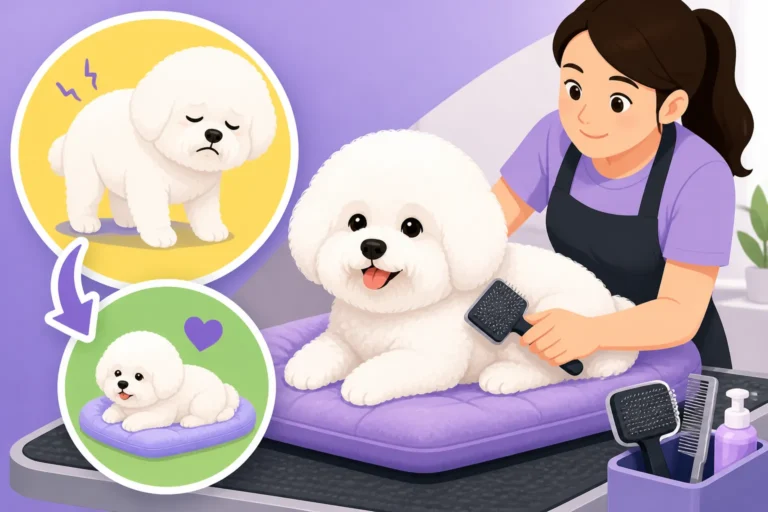
Before the bath, spend ample time line-brushing and combing through every inch of your Bichon's coat. Use a slicker brush and then follow up with a metal comb to ensure there are no tangles. This also helps to remove loose hair, dirt, and dander, allowing the shampoo to penetrate effectively. If your Bichon is severely matted, it's safer to get them professionally shaved before attempting a bath, or the bath itself could become a painful ordeal.
The Right Water Temperature and Application Technique
Just like Goldilocks, the water temperature needs to be "just right"—lukewarm, not too hot and not too cold. Hot water can further dry out and irritate sensitive skin, while cold water can be uncomfortable and make your Bichon shiver. Start by thoroughly wetting your Bichon's coat down to the skin. This can take longer than you think with their dense double coat.
Once wet, apply the shampoo in sections. Don't just dump a big blob on their back. Start with a small amount, rub it between your hands, and then gently massage it into the skin, not just the coat. Pay close attention to areas prone to itching and irritation, like the armpits, groin, belly, and paws. For the face, use a damp washcloth with a tiny bit of diluted shampoo to gently wipe clean, avoiding direct contact with the eyes. Remember, you're treating the skin, so ensure the shampoo makes good contact with it.
Crucial Contact Time and Thorough Rinsing
This is where many people fall short, especially with medicated shampoos. Most therapeutic shampoos, particularly those containing active antifungal or antibacterial ingredients, require a specific "contact time" to work effectively. This means the shampoo needs to stay on your Bichon's skin for 5 to 10 minutes (always check the product label or your vet's instructions). Set a timer! During this time, you can gently massage their skin, talk to them soothingly, or offer a distraction like a lick mat with peanut butter. It can feel like a long time, but it's crucial for the active ingredients to do their job.
Once the contact time is up, rinsing is equally, if not more, important. Because Bichons have such a thick, curly coat, it's incredibly easy to leave shampoo residue behind. Any shampoo left on the skin can become an irritant itself, leading to more itching, flakiness, or even secondary infections. Rinse, rinse, and rinse again! Run your hands through their coat, feeling for any slippery residue. The water should run completely clear, and their coat should feel clean, not slick. It might take significantly longer to rinse than to shampoo. For extra assurance, you can use a diluted conditioner designed for sensitive skin after rinsing the shampoo, as mentioned in Whether Rinsing a Bichon Frise Thoroughly Matters.
Beyond the Bath: Holistic Approaches to Managing Itchiness
While the right shampoo and bathing technique are powerful tools, managing an itchy Bichon Frise often requires a more holistic approach. True relief usually comes from a combination of external and internal strategies.
The Role of Diet and Supplements
What goes into your Bichon's body can have a profound impact on what's happening on their skin. Diet plays a huge role in skin health, and for many itchy Bichons, food allergies or sensitivities can be a major trigger. Your vet might recommend a prescription hypoallergenic diet or a novel protein diet to see if removing certain ingredients alleviates the itching. These specialized foods are designed to minimize allergic reactions and often contain ingredients that support skin barrier health.
Beyond food, supplements can be incredibly beneficial. Omega-3 fatty acids (like those found in fish oil) are powerful anti-inflammatory agents that can improve skin hydration, reduce itching, and support a healthy coat. Probiotics can also help by promoting a healthy gut microbiome, which is increasingly linked to overall immune function and skin health. Always discuss any dietary changes or supplements with your vet to ensure they are appropriate for your specific Bichon and won't interact with any existing conditions or medications. You can often find vet-recommended supplements and prescription diets through online pet supply retailers like Amazon or Chewy.
Environmental Management and Allergen Reduction
For Bichons with environmental allergies, reducing their exposure to triggers can be a game-changer. This isn't always easy, as pollen, dust mites, and mold are everywhere, but every little bit helps.
- Regular Cleaning: Vacuum frequently with a HEPA filter vacuum cleaner, wash pet bedding weekly in hot water, and use allergen-proof covers on human bedding if your Bichon sleeps with you.
- Air Filters: High-efficiency particulate air (HEPA) filters in your home's HVAC system or standalone air purifiers can help reduce airborne allergens.
- Wiping Paws and Coat: After outdoor adventures, especially during high pollen seasons, gently wipe down your Bichon's paws and coat with a damp cloth or pet-safe wipes. This can physically remove allergens before they have a chance to settle on the skin and cause irritation. Whether Pollen on the Coat Makes a Bichon Frise Itch really highlights how important this can be.
- Humidity Control: Use a humidifier in dry climates or during winter to prevent the skin from drying out, which can worsen itching.
Regular Grooming and Skin Care Routine
A consistent grooming routine is essential for all Bichons, but especially for those with sensitive or itchy skin. It’s not just about looking pretty; it’s about maintaining skin health.
- Frequent Brushing: Regular brushing (ideally daily or every other day) helps to distribute natural skin oils, remove loose hair and dander, and prevent mats that can trap irritants and moisture.
- Ear Cleaning: Bichons are prone to ear infections, which can be an extension of skin allergies. Regularly cleaning their ears with a vet-approved solution can prevent itch-inducing infections. How Often a Bichon Frise's Ears Should Be Cleaned offers more specific advice.
- Paw Care: For Bichons who lick their paws raw, regularly cleaning between their toes and trimming excess hair can reduce moisture and allergen accumulation.
- Spot Treatments: Your vet might recommend topical sprays, mousses, or wipes for specific itchy spots between baths. These can provide targeted relief and deliver active ingredients without the need for a full bath.
When to Seek Professional Veterinary Help
It's tempting to try and manage your Bichon's itchiness on your own, especially with so many products available. However, there are clear signs that indicate it's time to involve your veterinarian more deeply.
Recognizing Persistent or Worsening Symptoms
If your Bichon Frise continues to scratch despite your best efforts with appropriate bathing and environmental management, or if their symptoms seem to be getting worse, don't delay in seeking veterinary attention. Look out for:
- Intensified Scratching: If the itching becomes constant and disruptive to their sleep or daily activities.
- Skin Lesions: Open sores, scabs, crusts, or hot spots (red, moist, painful lesions that appear suddenly) indicate a more serious problem.
- Hair Loss: Significant patches of missing fur.
- Changes in Skin Texture or Color: Thickened, leathery skin, or darkened skin (hyperpigmentation).
- Odor: A strong, yeasty, or foul smell coming from their skin, even after bathing.
- Behavioral Changes: Lethargy, loss of appetite, or increased irritability due to discomfort.
These signs often point to underlying infections, severe allergies, or other medical conditions that require prescription medications, advanced diagnostics, or specialist care. Don't let your Bichon suffer needlessly; your vet can provide solutions that over-the-counter products cannot.
The Benefit of Veterinary Dermatology Consultations
For chronic or complex skin issues, a general veterinarian might recommend a referral to a veterinary dermatologist. Just like in human medicine, these specialists have advanced training and equipment dedicated solely to skin conditions. They can perform more in-depth diagnostics, such as biopsies, specialized allergy testing (intradermal skin testing), or advanced dietary trials.
A veterinary dermatologist can develop a highly customized treatment plan, which might include novel medications, immunotherapy (allergy shots or oral drops, as discussed in Whether Immunotherapy Shots Work on a Bichon Frise), or sophisticated management strategies that can offer long-term relief for even the most stubborn cases of Bichon itchiness. It's an investment, yes, but for a pet suffering intensely, the quality of life improvement can be immeasurable.
Combining Shampoo with Other Treatments
It's rare that shampoo alone will completely cure an itchy Bichon, especially if the cause is chronic or severe. Think of shampoo as one crucial tool in your toolbox, working alongside others. Your vet might prescribe oral medications, such as anti-itch drugs, antibiotics for bacterial infections, or antifungals for yeast. They may also suggest topical steroid creams for localized inflammation or even discuss newer allergy medications like Apoquel or Cytopoint, which specifically target the itch pathway. Whether Allergy Treatment Can Avoid Steroids covers some of these options.
The key is a synergistic approach: the right shampoo to treat the skin surface and provide relief, internal medications to address systemic issues or deeper infections, environmental controls to minimize exposure to allergens, and a supportive diet to promote skin health from within. Working closely with your vet to combine these strategies will give your precious Bichon Frise the best chance at a comfortable, itch-free life.
Disclaimer
This article is for general informational purposes only and does not constitute professional advice. Laws, prices and regulations vary by location and change over time. Consult a qualified professional for guidance on your specific situation.