Whether a Bichon Frise Coat Is Curly or Wavy
One of the most charming aspects of the Bichon Frise is their iconic fluffy coat, but new owners often find themselves wondering if that perfectly rounded "powder puff" look is naturally curly, wavy, or something else entirely. It’s a common point of confusion, especially when you see puppies with varying degrees of curl or encounter adult Bichons whose coats seem a bit… different. This guide will dive deep into the unique characteristics of the Bichon Frise coat, explaining what the breed standard truly means by its texture, how it develops from puppyhood, and what you can expect in terms of its appearance and maintenance.
Understanding the Ideal Bichon Frise Coat: More Than Just White Fluff
When you picture a Bichon Frise, you likely envision a cloud of pure white, soft fur, perfectly coiffed into that unmistakable "powder puff" silhouette. This image, deeply rooted in the breed standard, hints at a very specific coat type. It's not just about the color, which should be entirely white, but also about the texture and structure that contribute to its distinctive appearance.
The breed standard actually describes the Bichon Frise coat as a double coat, which is crucial to understanding its feel and look. You have a soft, dense undercoat that provides warmth and body, and a coarser, curly outer coat that gives the characteristic springiness and forms the "powder puff" shape. It’s this combination that creates the illusion of a soft, cottony texture that bounces back when touched. When brushed out, the coat should stand away from the body, giving it volume and a rounded appearance. Many people are surprised to learn that beneath all that softness, there's a definite curl.
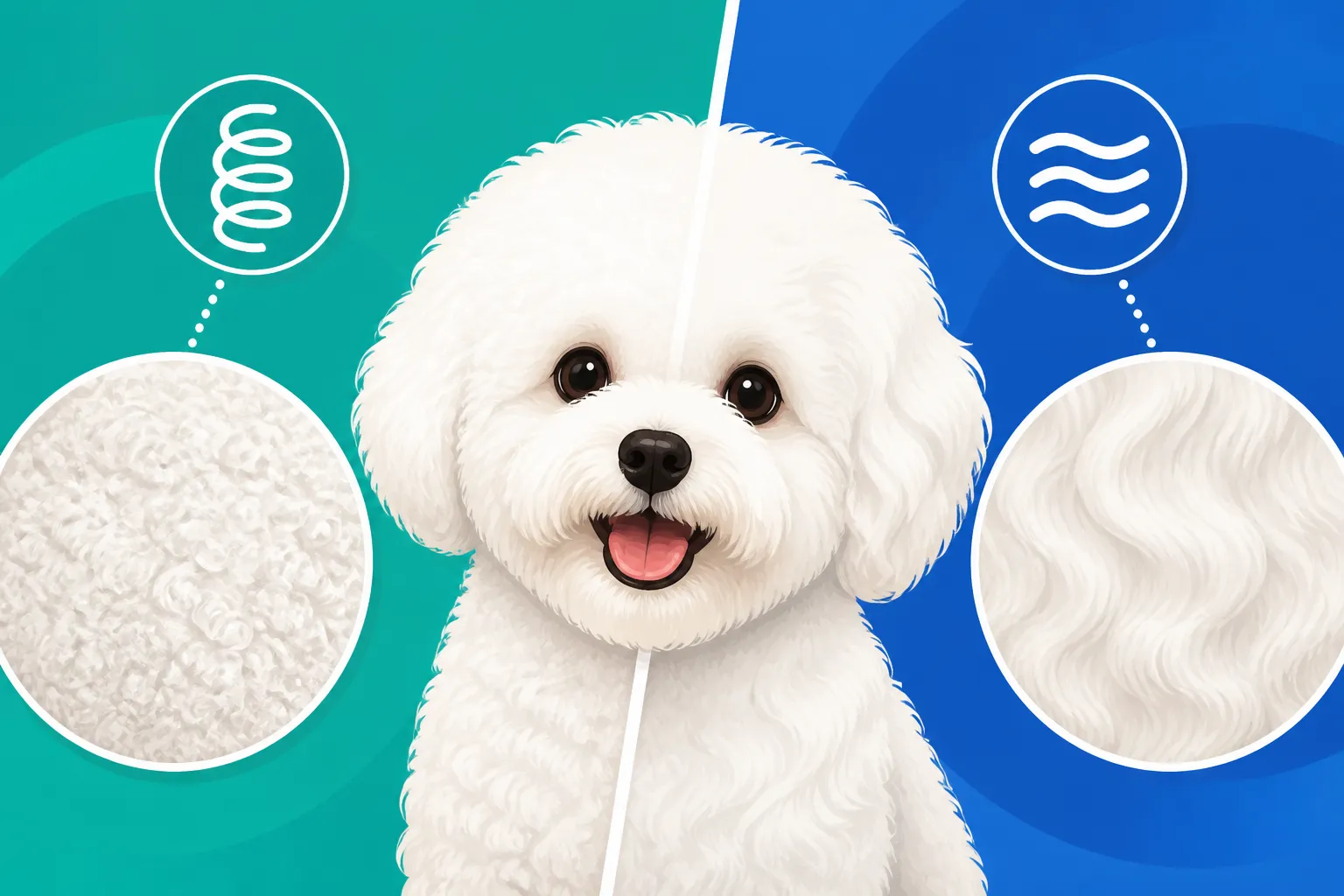
What does "curly" truly mean in the context of a Bichon? It's not the tight ringlets you might see on a Poodle, nor is it the loose waves of a Golden Retriever. Instead, think of a springy, dense curl that, when grown out, would naturally coil and fluff rather than lie flat or hang straight. It’s this robust curl that gives the Bichon Frise its substance and allows a skilled groomer to sculpt the coat into those beautiful, rounded contours. Without this underlying curl and density, the "powder puff" look simply wouldn't be possible. The Powder Puff Outline the Bichon Frise Standard Describes is a testament to this unique coat.
This particular coat type also has a practical benefit: it's one of the reasons Bichons are often considered "hypoallergenic." While no dog is truly 100% hypoallergenic, the Bichon's curly coat traps shed hair and dander within its layers, rather than releasing it into the environment. This means less allergen dispersal, which can be a huge relief for allergy sufferers. Of course, this trapping action means regular grooming is essential to prevent matting, a common challenge for Bichon owners. Whether a Bichon Frise Is Truly Hypoallergenic offers more insight into this aspect.
The Curly vs. Wavy Debate: What You Actually See in Real Life
So, is the Bichon Frise coat curly or wavy? The breed standard unequivocally states "curly," but it’s understandable why owners might observe variations that lean more towards wavy. This often boils down to several factors: age, genetics, and grooming.
Puppy Coat vs. Adult Coat Texture
One of the biggest reasons for perceived "waviness" is the puppy coat. When a Bichon Frise is very young, typically under six months, their coat often appears much softer and may indeed have a more noticeable wave than a tight curl. It’s a delicate, wispy texture that is adorable but also prone to matting because it's so fine. As the puppy matures, usually between 6 to 12 months, their adult coat starts to come in. This transition period is fascinating – you might notice a mix of textures, with the coarser, springier adult curls emerging through the softer puppy fluff. The Months a Bichon Frise Puppy Coat Changes can be a real rollercoaster for grooming!
During this phase, the coat can be particularly challenging to maintain, as the different textures easily tangle and mat together. What looked like a gentle wave on a four-month-old pup can transform into a denser, curlier adult coat by the time they are a year old. It’s a process of development, and patience (and consistent brushing!) is key. This adult coat is what allows for the classic "powder puff" look. If an adult Bichon maintains a distinctly wavy coat, it might be due to individual genetic variations, or it could be a coat that isn't being properly maintained to encourage its natural curl and stand-off.
Genetic Variations and Coat Quality
While the ideal Bichon Frise possesses that strong, springy curl, just like with any breed, there can be genetic variations. Not every Bichon will have the exact "perfect" coat described in the standard. Some might have a slightly softer, less dense coat that tends to lie flatter or exhibit a looser wave, even as adults. Others might have a coarser, almost wiry coat. These variations are often linked to the dog's lineage and genetics. A reputable breeder will strive to produce puppies with the correct coat texture because it's integral to the breed's health and iconic appearance, particularly its non-shedding qualities.
A coat that is too soft or too silky might be beautiful, but it often lacks the necessary body to hold the correct "powder puff" shape and can be even more prone to matting. Conversely, a coat that is too harsh or wiry can also be difficult to manage. The "correct" Bichon coat has a specific feel – resilient, not limp, and definitely not coarse to the touch, yet firm enough to stand out from the body. It's a fine balance that takes generations of careful breeding to achieve. This is why understanding Whether a Bichon Frise Breeder Tracks Stone History in the Line or other health traits from their breeding lines is important.
Factors Influencing Coat Texture and Appearance: Beyond Genetics
Beyond the natural progression from puppy to adult coat and inherent genetics, several external factors can play a significant role in how a Bichon Frise's coat looks and feels. Proper care isn't just about aesthetics; it profoundly impacts the coat's health and manageability.
Grooming Techniques and Tools
The way a Bichon Frise is groomed is perhaps the most critical factor in how its coat presents. A common misconception is that a short clip will make the coat less curly. While it might appear less curly because there's less length for the curl to express itself, the underlying texture remains. Professional groomers, or experienced owners, use specific techniques and tools to enhance and maintain the Bichon's natural curl and volume. How Long Brushing a Bichon Frise Takes is a good indicator of the commitment needed.
For example, line brushing from the skin out, using a slicker brush and then a metal comb, helps to separate the curls and remove any trapped undercoat, allowing the coat to fluff up properly. Which Brush Suits a Bichon Frise is essential here. Force drying (using a high-velocity dryer) while brushing is another technique that straightens each hair shaft slightly while it's wet, but as it dries, the natural curl reforms with incredible volume, creating that distinctive fluffy look. If a Bichon is simply air-dried without brushing, or if the wrong tools are used, the coat can appear matted, clumpy, or less defined in its curl. Using a dryer like the ones often found on Amazon can make a huge difference in achieving that desired volume. Regular grooming, every 4-6 weeks, is paramount. How Often a Bichon Frise Needs a Full Groom cannot be overstated.
Health and Nutrition
A dog's overall health and diet have a direct impact on the quality of their coat. A Bichon Frise that is healthy, receiving adequate nutrition, and free from underlying medical conditions will generally have a vibrant, well-textured coat. Conversely, a poor diet or health issues can lead to a dull, brittle, or sparse coat that may not hold its curl or fluff properly.
For instance, skin allergies, which are common in Bichons, can cause inflammation, itching, and excessive licking, leading to a damaged coat that loses its texture and becomes prone to matting. Nutritional deficiencies can also affect hair growth and strength. Ensuring your Bichon is on a high-quality dog food, like those offered by Ollie, rich in omega fatty acids, can promote a healthy skin and coat. Some owners also find specific supplements beneficial, though consulting a vet before introducing anything new is always wise. If you're using prescription diets for conditions like stones, ensuring the diet still supports coat health is also key.
Environmental Factors
While less impactful than genetics or grooming, environmental factors can also play a small role. High humidity can sometimes make a curly coat appear frizzier or even looser, as the hair absorbs moisture. Exposure to excessive sunlight might, over time, subtly change the texture or even cause slight yellowing in their pristine white coats. However, these factors are usually minor compared to the consistent grooming and health management required. A good quality shampoo and conditioner, easily found on Chewy, designed for white, curly coats can help mitigate some environmental effects, protecting the hair shaft and maintaining its integrity.
Maintaining the Signature Bichon Frise Coat: Embracing its Unique Texture
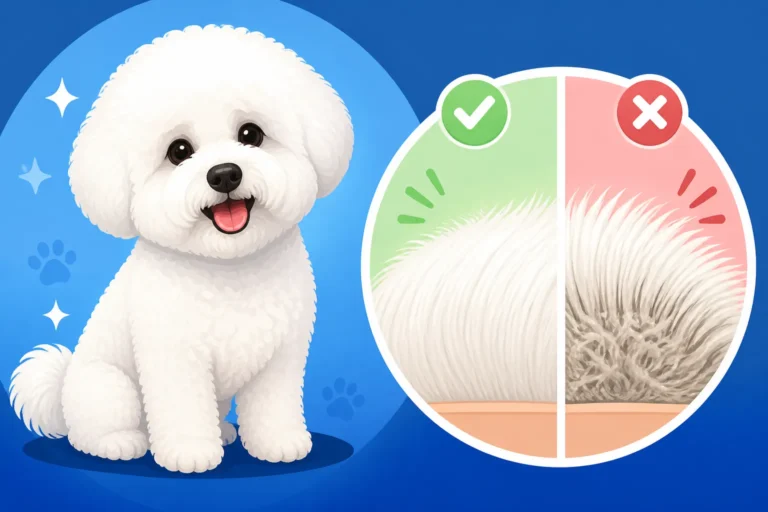
Embracing the natural curly texture of your Bichon Frise’s coat means committing to a regular, diligent grooming routine. This isn't just about aesthetics; it's vital for their comfort and health. A neglected Bichon coat can quickly become a matted mess, leading to skin infections, discomfort, and potentially painful shave-downs at the groomer.
The Daily Brushing Ritual
To maintain that iconic powder puff look and prevent matting, daily brushing is non-negotiable. It might sound like a lot, but for a Bichon, it's essential. This routine should involve a slicker brush to get through the outer layer and a metal comb to reach down to the skin, ensuring all tangles and shed undercoat are removed. Remember, Why a Bichon Frise's Shed Hair Stays in the Coat is precisely why daily brushing is so important – their shed hairs get caught in the curls, forming mats if not brushed out.
Start with your Bichon lying on its side, and work in sections, line brushing from the bottom up. This ensures you're getting all the way to the skin. Pay particular attention to areas prone to matting, such as behind the ears, under the legs, and where a harness might sit. A good quality slicker brush that reaches Whether a Slicker Reaches a Bichon Frise's Skin is crucial. If you encounter a mat, gently work it out with your fingers and a comb, using a dematting spray if needed, rather than pulling harshly.
Regular Professional Grooming
While daily home brushing is critical, it's usually not enough on its own. Most Bichon Frise owners opt for professional grooming every 4-6 weeks. A professional groomer has the expertise, tools, and experience to properly bathe, dry, and scissor the coat to maintain its proper shape and texture. They can ensure the coat is thoroughly dematted, shampooed with appropriate products (especially important for sensitive skin), and dried to achieve maximum fluff and curl.
The scissoring technique used by groomers is what truly creates the "powder puff" outline, shaping the curly coat into those soft, rounded lines. How the Round Head Is Scissored on a Bichon Frise is an art form. Attempting this at home without proper training can result in an uneven or incorrect coat shape. Think of it as investing in your Bichon's well-being and appearance.
The Role of Bathing
Bathing is a key part of maintaining coat health, but it needs to be done correctly. Too frequent bathing with harsh shampoos can strip the coat of natural oils, leading to dryness and breakage. However, Bichons, being white, often need regular baths to stay pristine. Using a gentle, moisturizing shampoo and conditioner designed for dogs is best. Always make sure to rinse thoroughly to avoid skin irritation from shampoo residue.
After bathing, the drying process is just as important as the wash. You'll want to towel-dry thoroughly, then use a hairdryer (on a cool or low heat setting) while brushing to fluff the coat out. This helps to encourage the natural curl to stand away from the body, giving that desired volume. Avoid letting your Bichon air dry completely, as this can lead to tangles and a less defined coat. Whether a Bichon Frise Needs a Force Dryer explains why professional dryers are so effective.
Dealing with Tear Stains and Other Discolorations
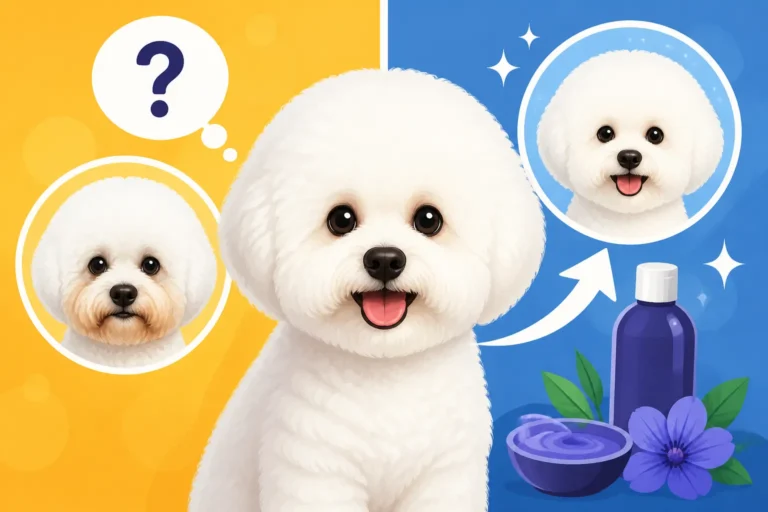
The brilliant white coat of a Bichon Frise is beautiful but also prone to tear stains, particularly under the eyes and on the muzzle. These reddish-brown stains are often caused by excessive tearing, yeast, or certain minerals in water. While they don't affect the coat's texture, they certainly impact its overall appearance. Regular gentle cleaning of the eye area with a damp cloth or a veterinarian-approved tear stain remover can help manage this. Some owners even report that filtered water helps reduce staining, and you can find various tear stain products on Amazon.
Ultimately, whether you perceive your Bichon's coat as more curly or wavy, the truth lies in its inherent springy curl and the consistent care you provide. With the right grooming routine and a keen eye on their health, you can ensure your Bichon Frise maintains their magnificent, fluffy, and truly unique coat.
Disclaimer
This article is for general informational purposes only and does not constitute professional advice. Laws, prices and regulations vary by location and change over time. Consult a qualified professional for guidance on your specific situation.