Whether Tear Stain Supplements Are Safe for a Bichon Frise
Few things are quite as frustrating for a Bichon Frise owner as those stubborn, reddish-brown tear stains that seem to stubbornly cling to their otherwise pristine white fur. You meticulously groom, you wipe, you try everything, and yet they persist, making your sweet fluffy companion look perpetually sad or dirty. It’s natural to feel desperate for a solution, and that's often when we turn to various tear stain supplements on the market. But before you add another bottle to your cart, let's really dig into whether these supplements are truly safe and effective for your beloved Bichon. This guide will help you understand the real science behind tear stains and explore the safety of common "solutions," so you can make the best choices for your furry friend.
Understanding Bichon Frise Tear Stains: More Than Just a Cosmetic Issue
When you first notice those reddish streaks marring your Bichon's angelic white face, it's easy to dismiss them as just a cosmetic bother. After all, it's not like your dog is in pain from a stained beard, right? But the truth is, persistent tear staining can sometimes be a sign of underlying issues, and understanding why your Bichon is staining is the first step toward managing it safely and effectively. It’s not just about aesthetics; it’s about their comfort and health too.
Why Bichons Are Prone to Staining
Bichon Frises, with their beautiful white coats and delicate facial structures, are unfortunately predisposed to tear staining. It’s not just bad luck; it’s a combination of genetics and anatomy. Their eyes are often a little more prominent, and they have shallower eye sockets compared to some other breeds, which can lead to tears not draining properly through the tear ducts. Instead of flowing down into the nasal cavity as they should, the tears spill over onto the fur. This overflow, medically known as epiphora, becomes a breeding ground for bacteria and yeast, which are the true culprits behind the unsightly reddish-brown or sometimes greenish stains.
Think about it like this: your Bichon's eyes are constantly producing tears to keep them lubricated and clean, just like ours. But if those tears can't get away efficiently, they sit on the fur. That dampness, especially in the warm environment of a dog's face, is a perfect little ecosystem for certain types of yeast and bacteria to thrive. The Porphyrin pigments naturally present in your dog's tears also react with light and air, contributing to the reddish color you see. If you've ever wondered What Causes a Bichon Frise's Tear Stains, it’s often this combination of tear overflow, bacterial/yeast growth, and natural pigments.
The True Culprits Behind the Reddish-Brown Marks
It's tempting to think that all tear stains are the same, but the color can actually give you clues. Reddish-brown stains are usually indicative of porphyrin, an iron-containing molecule that comes from the breakdown of red blood cells and is excreted through tears, saliva, and urine. When these tears sit on the white fur and are exposed to sunlight, they oxidize, creating that characteristic rust color. However, if the stains are more greenish or a very dark, thick brown, it often points to an overgrowth of yeast, specifically Malassezia. This yeast loves damp, warm environments and can cause a minor skin irritation or infection, adding to the problem.
Beyond these biological factors, there are environmental and physiological contributors too. Anything that irritates the eye can increase tear production, exacerbating the problem. This could be anything from dust and pollen to an ingrown eyelash, abnormal eyelids, or even allergies. Sometimes, the tear ducts themselves can be partially or completely blocked, preventing proper drainage. Imagine having a clogged drain in your sink; the water just backs up. It’s a similar principle with your Bichon’s tear ducts. Before jumping to supplements, it’s always wise to rule out these underlying medical issues with your vet. Sometimes, even the quality of the water your dog drinks can play a role, making you wonder Whether Filtered Water Reduces a Bichon Frise's Staining.
The Appeal and Concerns of Tear Stain Supplements
The market is absolutely flooded with products promising to banish tear stains. From powders you sprinkle on food to special chews, the appeal is undeniable. Who wouldn't want a quick fix for a persistent, unsightly problem? However, the world of tear stain supplements is fraught with both hope and significant concerns, particularly when it comes to the safety of some of their active ingredients.
What Are Tear Stain Supplements Supposed to Do?
Many tear stain supplements claim to work by altering the internal chemistry of your dog, reducing tear production, changing tear composition, or inhibiting bacterial/yeast growth from the inside out. Some claim to use natural enzymes, cranberry extract, or herbal blends to create an environment less hospitable to stain-causing microorganisms. Others tout ingredients like Tylosin, a broad-spectrum antibiotic. The idea is that if you address the internal factors, the external staining will disappear.
For a time, some of these supplements, especially those containing antibiotics, seemed to deliver dramatic results. Owners would report a significant reduction in staining, sometimes within weeks. This immediate visible improvement often cemented their popularity, leading to a widespread belief that they were the ultimate solution. The promise of a truly white face, free from those annoying red streaks, is incredibly attractive to any Bichon owner who has spent countless hours wiping and scrubbing.
The Hidden Dangers: When "Supplements" Aren't What They Seem
Here's where the critical safety concerns come into play. Many of the most "effective" tear stain supplements from years past contained undisclosed or improperly labeled antibiotics, most notably Tylosin. Tylosin is a prescription-only antibiotic in many countries, used to treat bacterial infections. When given continuously in low doses, it suppresses the bacterial growth on the face, which in turn reduces the visible staining. Sounds great, right? Not so fast.
The problem with this approach is multifaceted and serious. Firstly, using antibiotics continuously for a non-life-threatening cosmetic issue is a major contributor to antibiotic resistance. Every time you expose bacteria to an antibiotic, there's a chance they can evolve and become resistant. If your Bichon ever developed a serious bacterial infection that truly needed antibiotics, those drugs might not work because the bacteria in their system have become resistant due to long-term exposure from tear stain supplements. Secondly, antibiotics can disrupt the delicate balance of your dog's gut microbiome, potentially leading to digestive issues and other health problems over time. Administering antibiotics without veterinary supervision and a proper diagnosis is never a good idea. For a breed already prone to various health concerns, adding unnecessary medication is a risk.
Identifying Risky Ingredients to Avoid
When you're looking at tear stain supplements, be a savvy label reader. If a product claims to magically clear up stains in a short period and doesn't clearly list its active ingredients, or if it lists "proprietary blends," be very, very suspicious. Reputable companies will be transparent about what's in their products.
Here’s a table outlining some common ingredients found in tear stain supplements and their general safety considerations:
| Ingredient Category | Common Examples | Claimed Benefit | Safety Concerns |
|---|---|---|---|
| Antibiotics | Tylosin (often undisclosed) | Eliminates stain-causing bacteria | Leads to antibiotic resistance, disrupts gut flora, should only be used under vet supervision for diagnosed infections. |
| Herbal Extracts | Cranberry Extract, Eyebright, Marshmallow Root | Anti-inflammatory, urinary health, antimicrobial | Generally safe, but efficacy for tear stains is often anecdotal. Quality and concentration vary widely. |
| Digestive Enzymes | Amylase, Protease, Lipase | Improves digestion, reduces systemic inflammation | Generally safe. May help with overall health but direct impact on tear stains is unproven. |
| Probiotics | Lactobacillus, Bifidobacterium | Supports gut health, balances internal flora | Generally safe. Can improve overall health, which might indirectly help if gut imbalance is a factor. |
| Antioxidants | Vitamin C (high doses), Astaxanthin | Reduces oxidative stress | Vitamin C in high doses can contribute to urinary stone formation in predisposed breeds like Bichons. |
| Zinc & Copper | Trace minerals | General health, immune support | Excessive intake can be toxic; balance is crucial. |
Any product that causes dramatic "before and after" results quickly should raise a red flag, as it's highly likely to contain hidden antibiotics. It's simply not worth the long-term health risks for a purely cosmetic issue. You’re better off focusing on consistent care and veterinary consultation. Sometimes the "cure" is worse than the problem. You might want to think about Whether Vitamin C Is Bad for a Bichon Frise in high doses, for instance, given their predisposition to certain types of bladder stones.
Safer Approaches to Managing Your Bichon's Tear Stains
Instead of reaching for potentially risky supplements, let's focus on sustainable, safe, and truly effective methods for managing your Bichon Frise's tear stains. This involves a multi-pronged approach that addresses hygiene, diet, and environmental factors, all backed by good veterinary care. It’s less about a magic pill and more about consistent, dedicated care.
Addressing the Root Causes: Diet, Water, and Environment
Managing tear stains effectively often means looking beyond the eyes themselves and considering your Bichon's overall health and environment.
- Diet: A high-quality, balanced diet can make a significant difference. Some experts believe that certain ingredients or fillers in lower-quality foods can contribute to inflammation or allergies, which in turn might increase tear production and staining. If you're using a commercial food, ensure it's a reputable brand with wholesome ingredients. Consider trying a limited ingredient diet if you suspect food sensitivities might be at play. While there's no "magic" anti-stain food, reducing potential allergens and ensuring good digestion can certainly help. You might also want to explore Whether an Elimination Diet Helps a Bichon Frise if allergies are suspected, as this can often lead to a reduction in irritation-induced tearing.
- Water Quality: Tap water in some areas can contain high mineral content, which some believe can contribute to tear staining. Switching to filtered water or bottled water for your Bichon might seem like a small detail, but many owners report an improvement. It's a simple change that carries no risk and could potentially reduce staining. Think of it as giving your dog the purest hydration possible.
- Environmental Irritants: Just like humans, dogs can be sensitive to environmental allergens and irritants. Dust, pollen, household cleaners, and even scented candles or air fresheners can irritate your Bichon's eyes, leading to increased tearing. Keep your home as clean as possible, vacuum regularly, and use pet-safe cleaning products. If your Bichon spends a lot of time outdoors, consider wiping their face gently with a damp cloth after walks to remove pollen or dust. A clean environment means less irritation for those sensitive eyes.
Remember, a healthy gut contributes to overall well-being, and products rich in pre- and probiotics, which you can find on platforms like Chewy or Amazon, can support digestive health. Brands like Ollie, which focus on fresh, whole ingredients, might also be worth exploring if you're looking to optimize diet quality.
The Power of Consistent Grooming and Hygiene
When it comes to tear stains, consistent and meticulous grooming is your absolute best friend. It’s not glamorous, but it’s undeniably effective and completely safe.
- Daily Wiping: This is non-negotiable. Use a soft, damp cloth or a pet-safe tear stain wipe (ensure it’s free of harsh chemicals or antibiotics) to gently clean the area around your Bichon’s eyes at least once, ideally twice, a day. This removes fresh tears before they can oxidize and stain the fur, and also helps to prevent yeast and bacteria from building up. Be gentle and thorough. Always wipe away from the eye. You'll be amazed at the difference this simple routine can make. Whether Wiping Daily Keeps a Bichon Frise Clean is a resounding yes!
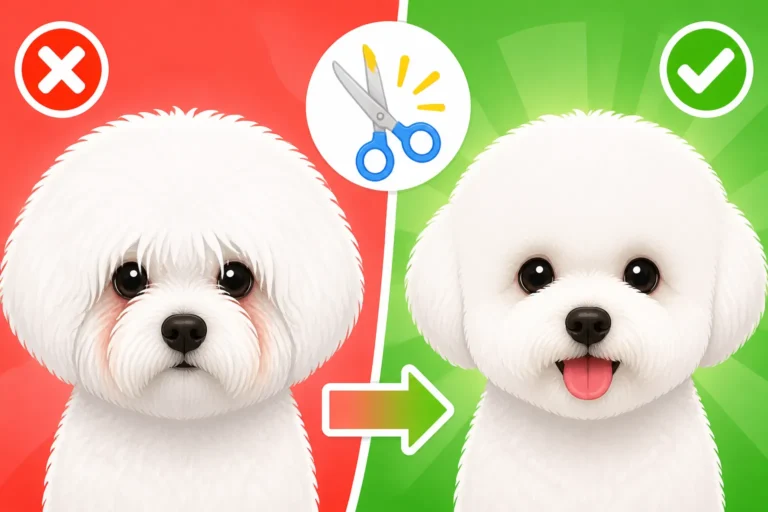
- Keeping the Hair Trimmed: The long, fluffy hair around a Bichon’s eyes can trap moisture and debris, creating the perfect environment for staining. Regularly and carefully trim this hair short. If you're nervous about trimming near the eyes, your professional groomer can easily do this for you. Keeping the hair short prevents it from wicking tears onto the face and minimizes the surface area for bacteria and yeast to cling to. It might not give your Bichon that perfect "round head" look temporarily, but it's crucial for hygiene. You'll find that Whether the Hair Under a Bichon Frise's Eyes Should Be Trimmed is a question with a clear answer: absolutely.
- Regular Baths and Face Washes: Incorporate regular facial washes into your Bichon’s bathing routine. Use a gentle, tearless shampoo specifically designed for dogs, paying extra attention to the stained areas. Some owners even use a tiny bit of diluted baby shampoo or specialized whitening shampoos (again, ensure they are pet-safe and don't irritate the eyes) to help lift existing stains. Just be sure to rinse thoroughly to avoid leaving any residue that could cause further irritation. Whether Medicated Baths Control a Bichon Frise's Infections can also be a helpful consideration if yeast is a significant factor.
Consulting Your Veterinarian for a Tailored Plan
Sometimes, despite your best efforts, tear stains persist, or even worsen. This is your cue to involve your veterinarian. They can conduct a thorough examination to rule out any underlying medical conditions that might be contributing to the excessive tearing.
- Medical Rule-Outs: Your vet will check for common issues like allergies, ingrown eyelashes (distichiasis or ectopic cilia), entropion (inward-rolling eyelids), corneal ulcers, glaucoma, or even a foreign body in the eye. They can also check the patency of the tear ducts to see if they are blocked. Identifying and treating these conditions is crucial, as resolving them will often resolve the tear staining naturally.
- Diagnosis and Prescription Treatments: If a bacterial or yeast infection is confirmed, your vet might prescribe a short course of appropriate, targeted antibiotics or antifungal medication to clear it up. This is very different from the continuous, untargeted use found in some supplements. For tear duct blockages, a vet might suggest flushing the ducts under sedation. For allergies, they might recommend specific allergy medications or even Whether Immunotherapy Shots Work on a Bichon Frise.
- Ongoing Management: Your vet can also offer advice on the best long-term management strategies tailored to your Bichon's specific needs, which might include specific dietary recommendations or safe topical treatments. They are your most valuable resource in ensuring your Bichon’s health and comfort, well beyond just superficial appearances.
Ultimately, dealing with tear stains in your Bichon Frise requires patience, consistency, and a partnership with your veterinarian. Avoid the allure of quick fixes that could compromise your dog's health. Focus on good hygiene, a healthy diet, and addressing any underlying medical issues, and you’ll be well on your way to a happy, healthy, and stain-free Bichon.
Disclaimer
This article is for general informational purposes only and does not constitute professional advice. Laws, prices and regulations vary by location and change over time. Consult a qualified professional for guidance on your specific situation.