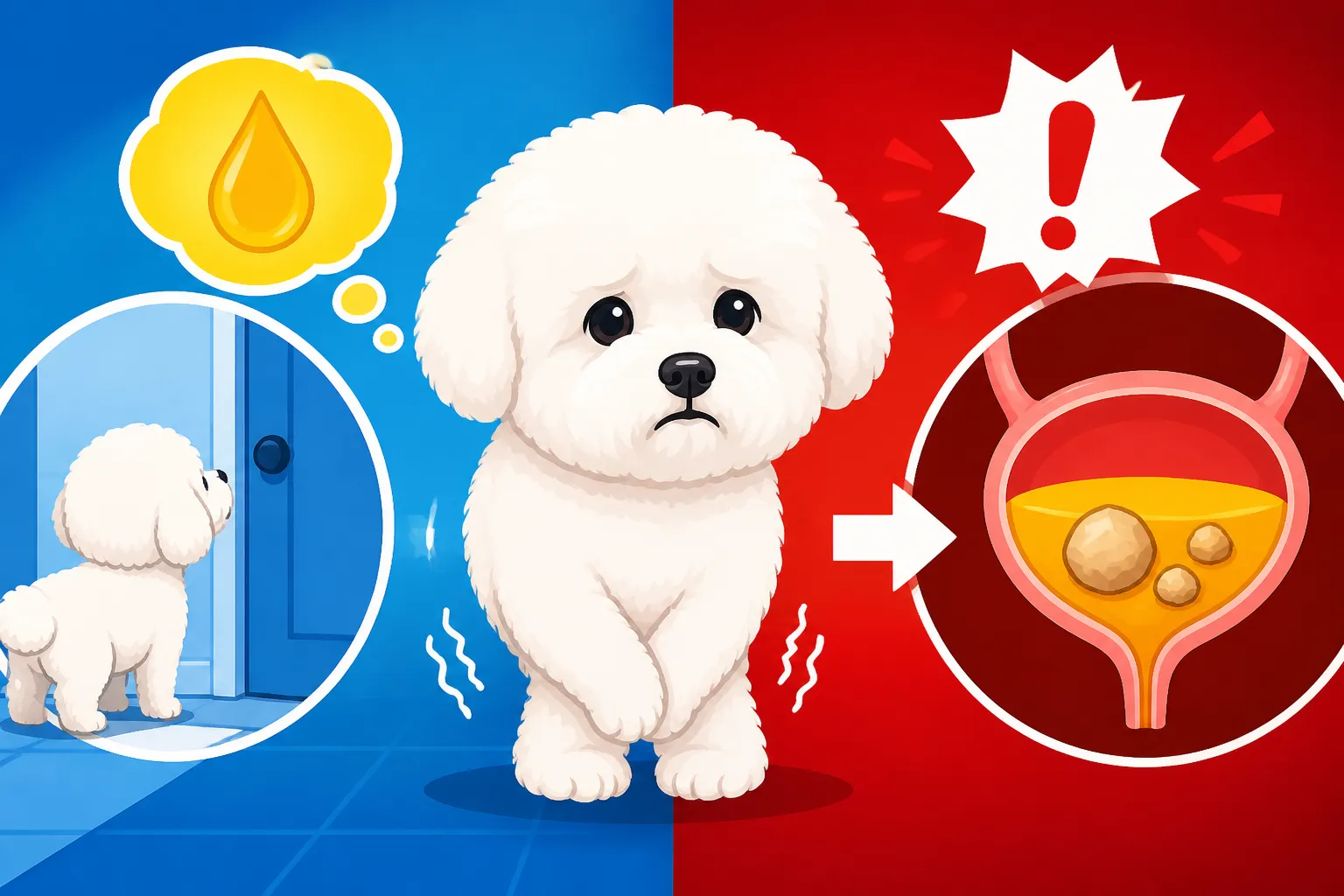
Whether Holding Urine Raises a Bichon Frise’s Stone Risk
It's a common worry for Bichon Frise parents: that moment when you realize your precious pup has been holding their potty for far too long, or maybe they just aren't going as often as you think they should. This seemingly innocent habit can actually pose a significant, often overlooked, risk for the development of bladder stones in our beloved curly-coated companions. This guide will dive deep into why holding urine can be problematic for Bichon Frises, what to look out for, and how you can proactively help your little cloud stay healthy and stone-free.
The Direct Link Between Holding Urine and Bladder Stone Risk in Bichon Frises
Let's get straight to it: yes, holding urine does raise a Bichon Frise's risk of developing bladder stones, particularly calcium oxalate stones, which this breed is famously prone to. It's not just a minor concern; it's a significant factor that contributes to the perfect storm for stone formation. Understanding why this happens is crucial for any Bichon owner.
How Urine Concentration Fuels Stone Formation
When your Bichon Frise holds their urine for extended periods, their bladder becomes a reservoir for highly concentrated urine. Think of it like a glass of water with a tablespoon of sugar stirred in versus a glass with half a cup of sugar. The more sugar you add, the easier it is for crystals to form and settle at the bottom. In your Bichon's bladder, the "sugar" is a collection of minerals, salts, and waste products, including calcium and oxalate, which are the building blocks of the most common stones in Bichons.
The longer these concentrated substances sit in the bladder, the more time they have to precipitate out of the solution, bind together, and form microscopic crystals. These crystals are the nascent stages of stones. If conditions remain favorable for their growth—meaning, consistently concentrated urine—those tiny crystals can snowball into larger, problematic stones that cause pain, blockages, and necessitate expensive and invasive surgery. It’s a vicious cycle where retention leads to concentration, which leads to crystallization, and ultimately, stone formation. This is particularly relevant for a breed like the Bichon Frise, which has a known predisposition.
Why Bichon Frises Are Especially Vulnerable to Calcium Oxalate Stones
Our fluffy Bichons, as wonderful as they are, come with a genetic predisposition that makes them much more likely to develop certain types of bladder stones compared to other breeds. Specifically, they are prone to calcium oxalate stones. This isn't just a random occurrence; there's a biological basis to it. For reasons that are still being fully explored by veterinary science, many Bichons excrete higher levels of calcium and oxalate in their urine. You can learn more about this by reading Why a Bichon Frise Forms Stones Twenty Times as Often.
Combine this inherent tendency with chronically concentrated urine from infrequent urination, and you have a recipe for disaster. Unlike some other stone types that can sometimes be dissolved with special diets, calcium oxalate stones typically cannot be dissolved once formed. This means surgical removal is often the only option, which is a major undertaking for a small dog. Understanding What a Calcium Oxalate Stone Is in a Bichon Frise truly highlights why prevention is so critical for our beloved Bichons. Every effort we make to keep their urine dilute and flowing freely is an investment in their long-term health and comfort.
Practical Implications: When Does "Holding It" Become a Problem?
It's natural for dogs to hold their urine for a few hours, especially overnight or while their humans are at work. The issue arises when "a few hours" stretches into excessively long periods on a regular basis. For a Bichon Frise, whose small stature also means a smaller bladder capacity, even what might seem like a reasonable interval for a larger dog could be too long for them.
Common Scenarios Where Bichons Hold Urine
Life happens, and sometimes our furry friends end up holding their pee longer than ideal. Here are some common scenarios:
- Owner's Work Schedule: This is probably the most frequent culprit. If you work a standard 8-hour day with a commute, your Bichon might be holding it for 9-10 hours or more. While some dogs can manage this, it's pushing the limits for a breed predisposed to stones. A mid-day dog walker or a trusted friend can be a lifesaver here.
- Adverse Weather Conditions: Many Bichons, with their delicate dispositions and fluffy coats, absolutely despise going out in the rain, snow, or extreme cold. They might rush their business or even refuse to go at all, preferring to hold it until the weather improves. This can be a real struggle, and you might find yourself negotiating with a very stubborn little white dog. Check out Whether a Bichon Frise Refuses to Go Out in Rain for more insights on this common problem.
- Anxiety or Fear: Some Bichons can be sensitive souls. If they're anxious about being outside, perhaps due to loud noises, other dogs, or unfamiliar environments, they might feel too stressed to relieve themselves properly. This can lead to holding it in until they feel safe, usually back inside the house.
- Lack of Consistent Potty Breaks: Without a predictable schedule, especially for puppies or newly adopted dogs, they might not learn to signal their needs effectively or simply aren't given enough opportunities to empty their bladders regularly. This is where The Toilet Routine That Finally Works on a Bichon Frise can be invaluable.
- Travel or New Environments: During road trips, flights, or stays in unfamiliar places, a Bichon might be hesitant to go potty in new spots, leading to prolonged urine retention.
The Visible Signs Your Bichon Might Be "Holding It"
It's not always obvious when your Bichon is holding their urine, especially if they're otherwise stoic. However, there are often subtle cues, and sometimes not-so-subtle ones, that can tip you off. Being observant is key:
- Restlessness or Pacing: They might seem unable to settle, pacing back and forth, or shifting positions uncomfortably.
- Excessive Licking: Licking their genital area more frequently than usual can indicate discomfort or a strong urge to urinate.
- Whining or Barking at the Door: This is their way of trying to tell you they need to go out. Don't dismiss it!
- Increased Urgency When Finally Outside: When they do get the chance, they'll often squat almost immediately and produce a large volume of urine, sometimes with a very strong odor, which is a tell-tale sign of concentration.
- Accidents Indoors: If a previously housetrained Bichon starts having accidents, especially large ones, it could be a sign they're holding it too long, or it could even point to an underlying urinary issue like a stone or infection. The First Signs a Bichon Frise Has Stones can give you more information on recognizing serious problems.
- Changes in Drinking Habits: Sometimes, a dog holding its urine might even subconsciously try to drink less to avoid the discomfort, which ironically makes the problem worse by further concentrating the urine.
Recognizing these signs allows you to intervene before a potential problem escalates. Early awareness and proactive management are your best tools against bladder stones.
Strategies to Encourage Frequent Urination and Dilute Urine
Now that we understand the risks, let's talk about solutions. The good news is that many preventative measures are within your control and can be integrated into your daily routine with a little effort and consistency.
Hydration Is Key: Water Fountains, Wet Food, and Timed Water Breaks
Diluting your Bichon's urine is paramount in the fight against stone formation. The more water they consume, the less concentrated their urine will be, making it harder for those pesky crystals to form and grow.
One of the best ways to encourage drinking is through a water fountain. Many dogs are naturally drawn to moving water, finding it more appealing than stagnant water in a bowl. Brands like PetSafe or Catit (which are also great for dogs!) offer a variety of options that keep water fresh and circulating, often with filters to improve taste. You can easily find these on platforms like Amazon or Chewy. Placing multiple water bowls or fountains around the house can also increase opportunities for them to drink throughout the day. You might be surprised at how much difference a simple fountain can make in Whether a Water Fountain Encourages a Bichon Frise.
Another excellent strategy is incorporating wet food into their diet. Wet food, by its very nature, has a much higher moisture content than dry kibble, adding essential hydration with every meal. Even if your Bichon is on a prescription dry diet for stone prevention, you can often find a wet food version, or add a little warm water to their dry kibble to soften it and increase its moisture. This simple trick can be a game-changer for Whether Wet Food Suits a Bichon Frise Better. Some owners also opt for fresh food brands like Ollie, though always consult your vet if your Bichon is on a specific therapeutic diet for stones to ensure any additions are appropriate.
Lastly, consider timed water breaks. Instead of just leaving water out all day (which you should still do!), offer fresh, cool water frequently, especially after walks, play sessions, or waking up from naps. Make it a positive experience. You can even add a tiny splash of low-sodium broth to their water once in a while to make it extra enticing – just be sure it's canine-safe and vet-approved. For more tips on this, read Getting Enough Water Into a Bichon Frise.
Consistent Potty Breaks: Routine, Designated Spots, and Weather Considerations
Establishing a predictable and frequent potty schedule is fundamental for preventing urine retention. Bichons thrive on routine, and a consistent schedule helps regulate their bladder and bowel movements.
- Scheduled Outings: Aim for potty breaks every 3-4 hours during the day, at a minimum. For puppies or older Bichons, you might need even more frequent trips. First thing in the morning, after meals, after waking from naps, and right before bedtime are non-negotiable times. Stick to these times as closely as possible, even on weekends.
- Designated Potty Spot: Having a consistent spot outside where your Bichon knows to go can speed up the process. Dogs often associate certain smells with toileting, so returning to the same area can trigger their urge.
- Weather-Proofing: As mentioned, many Bichons dislike inclement weather. Invest in a cute, waterproof jacket or coat for your Bichon if it rains or snows. Consider creating a covered outdoor potty area, such as a small section under an awning or a pop-up tent, so they have a dry place to go. You could even explore indoor potty solutions like a high-quality pee pad or an indoor grass patch for those truly awful weather days, though always prioritize outdoor relief when possible.
Remember, every time your Bichon empties their bladder, they're flushing out potential crystal-forming substances. Frequent trips are your best defense.
Environmental Factors and Their Role
Beyond just routines, the environment your Bichon lives in plays a huge role in their willingness to urinate frequently.
- Easy Access to Outdoors: If your Bichon has to wait for you to put on your shoes, grab the leash, and go down two flights of stairs every single time, they might try to hold it longer. Consider if there's a more immediate or convenient outdoor access point. For those living in apartments, this can be a particular challenge, highlighting the need for more frequent walks.
- Safe and Calm Potty Area: Ensure the area where your Bichon potties is safe, quiet, and free from distractions or perceived threats. A stressed dog is less likely to relax enough to empty their bladder fully. If your yard is often visited by stray cats or other animals, for instance, your Bichon might feel too vulnerable to take their time.
- Hygiene and Comfort: Keep their potty area clean. Dogs, especially fastidious Bichons, often prefer clean spaces. If their usual spot is dirty, they might avoid it. Additionally, ensure their paws are comfortable on the surface they are expected to use. Some dogs dislike rough concrete or prickly grass.
By optimizing these environmental factors, you make it as easy and comfortable as possible for your Bichon to go potty whenever nature calls, reducing the chances of urine retention and, by extension, stone formation.
Beyond Frequent Urination: A Holistic Approach to Stone Prevention
While encouraging frequent urination and diluted urine is crucial, it's just one piece of the puzzle when it comes to preventing bladder stones in Bichon Frises. A comprehensive approach involves diet, regular veterinary check-ups, and a keen eye for any changes in your dog's habits.
The Role of Prescription Diets
For Bichon Frises, especially those with a history of calcium oxalate stones or a high risk, diet is arguably the most powerful tool in prevention. Prescription urinary diets are specifically formulated to alter urine chemistry in ways that make stone formation less likely.
These diets typically:
- Reduce Calcium and Oxalate Levels: By controlling the intake of these minerals, the diet directly limits the building blocks available for stone formation.
- Increase Urine Volume: Many prescription diets are designed to encourage water intake or contain higher moisture levels to dilute the urine, achieving the same goal as frequent drinking.
- Adjust Urine pH: While calcium oxalate stones are less pH-dependent than struvite stones, maintaining an appropriate, slightly alkaline urine pH can sometimes help. However, over-alkalinizing can increase the risk of other stone types, so this is a delicate balance best managed by a vet-prescribed diet.
It's vital that if your vet recommends a prescription urinary diet, your Bichon Frise stays on this diet for life, with no exceptions for treats or table scraps that aren't approved. Even a small amount of "off-diet" food can throw off the delicate balance the diet is trying to maintain and trigger stone recurrence. Learn more about the commitment to specialized nutrition in The Diet a Bichon Frise Stays On for Life and Feeding a Bichon Frise That Must Not Form Stones. Many vets offer these diets directly, or you can often purchase them through online retailers like Chewy or Amazon with a veterinary authorization.
Regular Monitoring and Early Detection
Even with the best preventative measures, some Bichon Frises may still be prone to stone formation. This is where regular veterinary monitoring becomes indispensable.
- Yearly Urine Tests: Routine urinalysis can detect microscopic crystals, changes in urine pH, or signs of urinary tract infections (which can sometimes precede stone formation) long before your dog shows any outward symptoms. This proactive testing allows for early intervention, potentially preventing large stones from developing. It's often recommended that Bichons prone to stones have these tests more frequently than just annually. Whether a Bichon Frise Should Be Urine Tested Yearly dives deeper into this.
- Regular Bladder Imaging: For high-risk Bichons, or those with a history of stones, your vet might recommend periodic ultrasound or X-ray imaging of the bladder. These imaging techniques can detect stones when they are still small, before they cause significant problems or blockages. Catching them early often means simpler, less invasive management options. Knowing What Urine Testing Costs a Bichon Frise Owner Yearly can help you budget for this essential care.
- Awareness of Symptoms: Despite all efforts, if a stone does form, recognizing the signs of urinary trouble is critical. Symptoms like straining to urinate, frequent small urinations, bloody urine, or crying out during urination warrant an immediate veterinary visit. A blocked urinary tract is a life-threatening emergency. Knowing How a Vet Confirms Stones in a Bichon Frise is important for prompt action.
By combining diligent daily care, a vet-prescribed diet, and regular professional monitoring, you provide your Bichon Frise with the best possible defense against the painful and dangerous reality of bladder stones. It’s an ongoing commitment, but one that is absolutely worth it for the health and happiness of your furry family member.
| Factor | Concentrated Urine | Dilute Urine |
|---|---|---|
| Water Intake | Low | High |
| Urination Frequency | Infrequent, long holding periods | Frequent, regular bladder emptying |
| Mineral Concentration | High levels of calcium, oxalate, etc. | Lower levels of calcium, oxalate, etc. |
| Crystal Formation | Increased likelihood of crystal precipitation | Reduced likelihood of crystal precipitation |
| Stone Risk (Bichon Frise) | Significantly higher risk of calcium oxalate stones | Significantly lower risk of calcium oxalate stones |
| Urine Odor | Stronger, more pungent | Milder, less noticeable |
| Hydration Status | Potentially dehydrated | Well-hydrated |
Disclaimer
This article is for general informational purposes only and does not constitute professional advice. Laws, prices and regulations vary by location and change over time. Consult a qualified professional for guidance on your specific situation.