Caring for a Bichon Frise Past Eleven
Watching your beloved Bichon Frise gracefully enter their golden years is a beautiful, yet often anxiety-inducing, journey. As they slow down, you start to notice little changes that make you wonder, "Is this just old age, or is something more serious happening?" This comprehensive guide is here to walk you through the unique aspects of caring for a Bichon Frise past the age of eleven, offering practical advice and empathetic understanding for navigating these precious later years.
Understanding the Senior Bichon Frise
The transition into seniorhood for a Bichon Frise is less about hitting an arbitrary calendar date and more about observing subtle shifts in their behavior, energy levels, and physical capabilities. It's a time when their needs evolve, and our care must evolve with them.
Defining Seniority in Bichons
While some might consider a dog "senior" around seven or eight years old, for a small breed like the Bichon Frise, who often enjoys a lifespan of The Fourteen to Fifteen Years a Bichon Frise Lives, the true senior phase, where noticeable changes become more prevalent, often begins closer to eleven or twelve. This isn't a hard and fast rule, of course; every dog is an individual. However, from this age, you'll typically see a more consistent pattern of age-related developments.
It's important to differentiate between merely being an "older" dog and a "geriatric" dog. A Bichon Frise at eleven might be in their senior phase, still relatively active and engaged, while a fifteen-year-old would likely be considered geriatric, with more pronounced physical and cognitive decline. Understanding these stages helps us anticipate needs and tailor our care appropriately, ensuring they maintain the best possible quality of life.
Recognizing the Early Signs of Aging
The earliest signs of aging in your Bichon Frise are often subtle. You might notice them sleeping a little more soundly, taking longer to get up after a nap, or perhaps being less enthusiastic about their usual playtime. Their once boundless energy might now be replaced by shorter bursts of activity followed by longer periods of rest. These aren't necessarily alarming; they're often just a natural slowing down.
Beyond energy, look for changes in their senses. Their hearing might not be as sharp, and their once keen eyesight could start to dim. You might find them bumping into furniture in dim lighting or not responding to their name as readily. It’s also common to see their beautiful white coat thinning slightly or becoming coarser, and some minor grey hairs might appear around their muzzle or eyes. Paying close attention to these nuances, as discussed in detail in guides like The Signs a Bichon Frise Is Getting Old, allows you to adapt your home and routine proactively.
Normal Aging vs. Health Issues
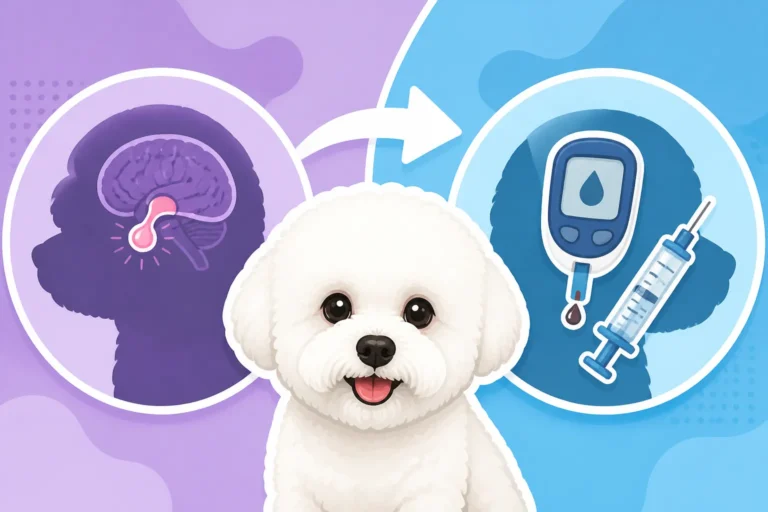
One of the biggest anxieties for any pet parent with a senior dog is distinguishing between what's "normal" for an aging Bichon Frise and what might signal an underlying health problem. It's a fine line, and often, what seems like normal aging can indeed be an early symptom of a treatable condition. For instance, increased thirst could be simple dehydration or a sign of kidney disease or Diabetes in a Bichon Frise.
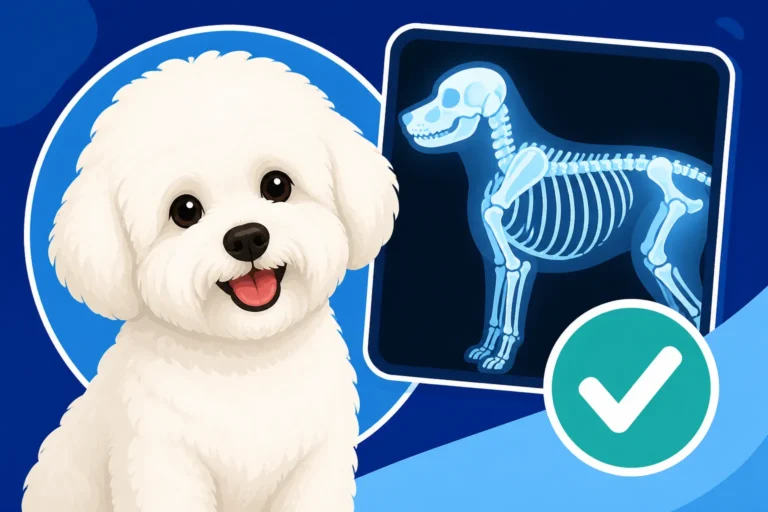
A gradual decline in activity might be natural, but sudden lameness or severe stiffness could indicate Arthritis in a Bichon Frise at Eleven. Changes in appetite, unusual weight loss or gain, persistent coughing, or changes in bathroom habits all warrant a vet visit. The key is never to assume; if you're worried, a quick check-up is always the best course of action. Early detection significantly improves the prognosis for many age-related ailments.
| Sign of Aging (Often Normal) | Potential Health Concern (Warrants Vet Visit) |
|---|---|
| Increased sleeping | Sudden lethargy, difficulty waking |
| Reduced play intensity | Persistent lameness, yelping in pain, reluctance to move |
| Gradual greying of muzzle/face | Excessive hair loss, skin changes, new lumps |
| Mild stiffness after rest | Limping, inability to bear weight, refusal to use stairs |
| Slightly reduced appetite at times | Significant weight loss/gain, complete refusal to eat |
| Occasional confusion/forgetfulness | Disorientation, staring blankly, getting stuck in corners |
| Less keen hearing or eyesight | Sudden blindness, complete unresponsiveness to sound |
| Minor accidents due to urgency | Frequent straining, blood in urine, uncontrolled leakage |
| Decreased interest in long walks | Panting, difficulty breathing, collapsing during activity |
Common Health Concerns in Senior Bichons
As Bichons age, they become more susceptible to certain health conditions. Being aware of these common issues empowers you to spot signs early and work with your veterinarian for timely intervention and management.
Managing Arthritis and Joint Pain
Arthritis, or osteoarthritis, is incredibly common in senior dogs, including our beloved Bichons. It's the inflammation of the joints, leading to pain, stiffness, and reduced mobility. You might notice your Bichon struggling to jump onto the sofa, hesitating before going up or down stairs, or becoming noticeably stiff after a long nap. Cold or damp weather can exacerbate their discomfort, making them even more reluctant to move.
Managing arthritis often involves a multi-faceted approach. Your vet might recommend anti-inflammatory medications (NSAIDs) to alleviate pain and swelling. Supplements containing glucosamine and chondroitin, like those from reputable brands such as Nutramax Dasuquin or Cosequin, can support joint cartilage health. Low-impact exercises, maintaining a healthy weight, and providing orthopedic beds for cushioning are also crucial. Remember, while we can't cure arthritis, we can significantly improve their comfort and quality of life with consistent management.
Addressing Cognitive Dysfunction Syndrome
Just like humans, dogs can experience cognitive decline as they age. This is known as Canine Cognitive Dysfunction Syndrome (CDS), and it can manifest in various ways, often summarized by the acronym DISHA: Disorientation, Interactions (changed), Sleep-wake cycles (altered), House soiling, and Activity levels (changed). Your senior Bichon might get stuck in corners, stare blankly at walls, or seem to forget familiar commands. They might wander aimlessly or vocalize more at night, disrupting their own and your sleep cycle. We delve deeper into this specific concern in Whether an Old Bichon Frise Gets Confused.
While there's no cure for CDS, there are ways to manage it and slow its progression. Your veterinarian might prescribe medications designed to improve brain function, such as selegiline (Anipryl). Environmental enrichment, maintaining a consistent routine, and providing puzzles or gentle training can help keep their minds engaged. It's heartbreaking to see your bright, cheerful Bichon seem to lose their spark, but with patience and the right support, you can help them navigate this challenging phase with dignity.
Dealing with Organ Disease
Senior Bichons are at a higher risk for various organ diseases, including heart, kidney, and liver conditions. Heart disease, often manifesting as mitral valve disease, can lead to a cough, reduced stamina, and labored breathing. Kidney disease can cause increased thirst and urination, appetite loss, and weight loss. Liver issues, though less common as a primary age-related disease, can also affect senior dogs.
Regular veterinary check-ups are paramount for early detection of these conditions. Your vet will perform blood tests, urinalysis, and sometimes imaging (like X-rays or ultrasounds) to monitor organ function. For instance, monitoring for Whether a Bichon Frise Gets Mitral Valve Disease becomes critical in their later years. Dietary changes, medications, and fluid therapy are common treatments. Managing these conditions requires close collaboration with your vet and often involves strict adherence to medication schedules and specialized diets to support organ function and slow disease progression. Pet insurance, such as a policy from Healthy Paws, can be incredibly helpful in covering the ongoing costs of diagnostics and medications for these chronic conditions.
Monitoring for Cancer
Unfortunately, cancer becomes a more significant concern as dogs age. Bichon Frises, like many purebreds, can be susceptible to various forms of cancer. Lumps and bumps are common in older dogs, and while many are benign fatty tumors (lipomas), any new growth should always be examined by a veterinarian. Other signs to watch for include unexplained weight loss, loss of appetite, lethargy, persistent lameness, or difficulty breathing.
Early detection is key in cancer treatment. During routine senior wellness exams, your vet will perform a thorough physical examination, feeling for any unusual masses. They might recommend blood work, X-rays, or ultrasounds as part of a screening protocol. If a suspicious lump is found, a fine needle aspirate or biopsy may be performed to determine if it's cancerous. Remember, a quick check can make all the difference, potentially allowing for surgical removal or other treatments before the cancer progresses.
Nutrition and Hydration for the Aging Bichon
A senior Bichon Frise's nutritional needs change significantly. What worked in their younger years might not be suitable now, and a thoughtful approach to their diet and water intake can make a huge difference to their health and comfort.
Dietary Adjustments for Seniors
As Bichons age, their metabolism often slows down, and their activity levels decrease. This means they generally require fewer calories to maintain a healthy weight. Continuing to feed them the same amount of food they ate as a spry youngster can easily lead to obesity, which exacerbates joint problems and increases the risk of other health issues like Diabetes in a Bichon Frise. Look for senior-specific dog foods that are typically lower in calories but still provide high-quality protein to maintain muscle mass.
Beyond calorie count, consider the nutrient profile. Senior foods often contain added joint support ingredients like glucosamine and chondroitin, as well as omega-3 fatty acids for anti-inflammatory benefits and cognitive health. Some diets might also be formulated with lower phosphorus levels to support kidney function, especially if your vet has identified early signs of renal aging. For a deeper dive into appropriate feeding, refer to Feeding an Old Bichon Frise. Always consult with your veterinarian before making significant dietary changes, especially if your Bichon has underlying health conditions.
Encouraging Adequate Water Intake
Hydration is crucial for senior Bichons. Many older dogs tend to drink less, which can put a strain on their kidneys and urinary tract. This is particularly important for Bichons, who are predisposed to bladder stones, as diluted urine helps prevent their formation. Ensuring your senior Bichon drinks enough water is a simple yet effective preventative measure.
There are several ways to encourage them to drink more. Provide multiple fresh water bowls around the house, ensuring they're always clean and easily accessible, perhaps even elevated if your dog has arthritis. A pet water fountain can entice some dogs with its circulating, fresh water. Adding a bit of low-sodium broth to their water or incorporating wet food into their diet can significantly increase their fluid intake. Even adding water to their dry kibble can help. If your Bichon is still prone to bladder stones, this increased water intake and urine dilution is paramount to prevention, as explored in the article Whether Water Intake Changes a Bichon Frise's Risk.
Supplements for Senior Health
While a balanced senior diet should provide most necessary nutrients, targeted supplements can offer additional support for specific age-related concerns. For joint health, glucosamine, chondroitin, and MSM are popular choices, helping to maintain cartilage and reduce inflammation. Omega-3 fatty acids (fish oil) are excellent for their anti-inflammatory properties, benefiting joints, skin, coat, and even cognitive function.
For cognitive support, ingredients like medium-chain triglycerides (MCTs) and antioxidants can be beneficial. Probiotics can aid in maintaining a healthy gut, which is often a good idea for any aging dog. However, it’s vital to remember that not all supplements are created equal, and some can interact with medications or existing health conditions. Always discuss any potential supplements with your veterinarian to ensure they are safe and appropriate for your individual Bichon Frise.
Maintaining Mobility and Comfort
As our Bichons age, their physical capabilities naturally diminish. Ensuring their home environment is safe and comfortable, and encouraging gentle movement, are key to maintaining their quality of life.
Adapting the Home Environment
Simple modifications to your home can make a world of difference for a senior Bichon struggling with mobility or vision changes. Place non-slip rugs on slippery floors (hardwood, tile) to prevent falls and provide better traction. Ramps or steps can help them access favorite spots, like the sofa or your bed, without straining their joints. Consider a baby gate to block off stairs if they've become a hazard.
For Bichons with declining eyesight, try to keep furniture in consistent locations to help them navigate by memory. Providing a soft, easily accessible orthopedic bed in a quiet, warm spot will encourage restful sleep and alleviate pressure on sore joints. A warm blanket can also provide comfort, especially for those sensitive to cold. These small adjustments can significantly reduce their risk of injury and boost their confidence in their surroundings.
Gentle Exercise and Physical Therapy
While an older Bichon won't be as spry as a puppy, maintaining a moderate level of appropriate exercise is still vital. Regular, short, gentle walks help keep their muscles toned, maintain joint flexibility, and prevent excessive weight gain. Avoid strenuous activities, long hikes, or intense play sessions that could overtax their bodies. Listen to your Bichon; if they seem tired or sore, it's time to rest.
For Bichons with significant arthritis or recovering from injury, physical therapy can be incredibly beneficial. This might include hydrotherapy (underwater treadmill), massage, passive range of motion exercises, or therapeutic laser treatments. These therapies, often administered by a certified canine rehabilitation therapist, can reduce pain, improve muscle strength, and restore a greater degree of mobility. Your vet can advise if these options are suitable and provide referrals to specialists.
Pain Management Strategies
Addressing pain is paramount in senior care. Chronic pain, often from arthritis or other degenerative conditions, can severely impact a Bichon's quality of life, leading to lethargy, irritability, and even aggression. Beyond prescription medications like NSAIDs, your vet might explore other options, such as gabapentin for neuropathic pain, or even newer therapies like Librela (monoclonal antibody therapy) for osteoarthritis.
Beyond medication, complementary therapies can also play a role. Acupuncture, therapeutic massage, and even chiropractic adjustments by a qualified veterinary professional can offer relief for some dogs. Warm compresses on sore joints, providing comfortable bedding, and avoiding cold, damp environments are simple at-home strategies. The goal is a holistic approach to pain management, ensuring your Bichon is as comfortable and happy as possible in their golden years.
Grooming an Older Bichon Frise
Grooming a senior Bichon Frise requires extra patience, gentleness, and attention to detail. What was once a routine task can become a challenge if they're stiff, sensitive, or easily stressed.
Adjusting Grooming Routines
The signature "powder puff" look of a Bichon Frise requires diligent grooming, and while an older Bichon might not be winning beauty pageants, regular grooming remains essential for their health and comfort. However, you'll need to adjust your approach. Shorten grooming sessions to prevent over-tiring them, and take frequent breaks. If standing is difficult, consider using a grooming table with a comfortable mat or grooming them while they lie down. For more insights on this, read Grooming an Old Bichon Frise That Cannot Stand Long.
Use a soft brush and be extra gentle, as their skin can become thinner and more sensitive with age. Mats can be incredibly painful, pulling on delicate skin, so it’s better to keep their coat shorter if regular brushing becomes too much. If professional grooming is too stressful, discuss options with your groomer, such as shorter appointments, specialized handling, or even in-home grooming services. The priority is comfort over aesthetics.
Dealing with Coat Changes and Matting
As Bichons age, their coat can change. It might become thinner, coarser, or more prone to matting. Some owners report that their Whether an Old Bichon Frise's Coat Thins and becomes harder to manage. This isn't just a cosmetic issue; severe matting can cause skin irritation, infections, and hide underlying lumps or parasites. If the coat becomes too difficult to maintain, consider a shorter, more manageable clip. Whether an Old Bichon Frise Should Be Kept Clipped explores the practicality and benefits of a shorter style for seniors.
Brushing should still be a regular activity, but adapted to their comfort level. Use a soft slicker brush and a wide-toothed comb to gently work through tangles, focusing on areas prone to matting like behind the ears, under the legs, and around the sanitary areas. If you encounter a mat that's too tight or painful to remove, it's always better to seek help from a professional groomer or veterinarian rather than causing your Bichon distress.
Special Attention to Eyes, Ears, and Teeth
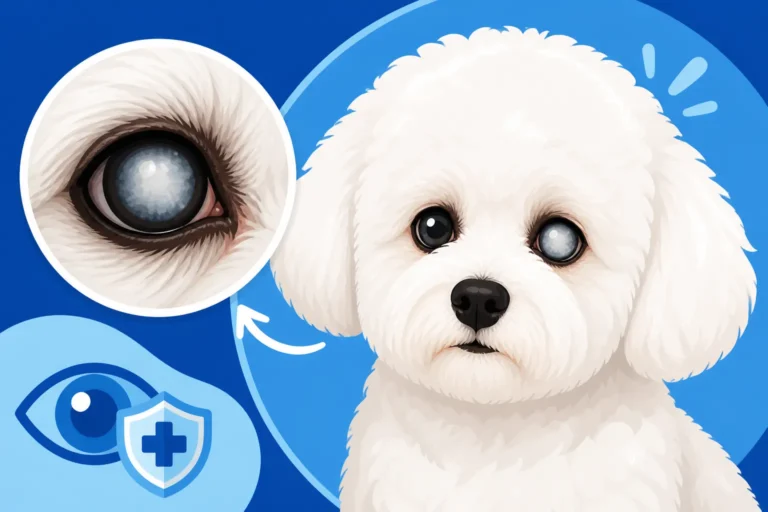
These areas require extra vigilance in senior Bichons. Their eyes might become cloudy with cataracts or develop "dry eye," necessitating daily drops. Regularly wipe around their eyes with a damp cloth to prevent tear staining and crust buildup, which can irritate the skin. Their ears can become more prone to infection as their immune system weakens or if hearing loss makes them less inclined to shake their head. Clean their ears weekly with a vet-approved cleaner and check for redness, odor, or discharge.
Dental health is paramount, yet often overlooked until severe problems arise. Older dogs are highly susceptible to periodontal disease, which can lead to pain, tooth loss, and even systemic infections affecting the heart, kidneys, and liver. Regular dental cleanings under anesthesia, as recommended by your vet, are crucial, as is daily tooth brushing at home if tolerated. Don't underestimate the importance of oral hygiene, as highlighted in topics like How Often a Bichon Frise's Teeth Need Scaling.
Mental Well-being and Enrichment
A senior Bichon's mental health is just as important as their physical health. Keeping their minds engaged and maintaining a sense of routine and security can prevent boredom, anxiety, and cognitive decline.
Keeping Their Minds Active
Even if their bodies are slowing down, a senior Bichon's mind still needs stimulation. Gentle mental enrichment can help slow cognitive decline and keep them happier. Interactive toys, like puzzle feeders that dispense treats, can challenge them without requiring much physical exertion. Short, simple training sessions to refresh old commands or learn new, easy tricks can also be very engaging.
Consider scent games, where you hide treats around the house for them to sniff out. This taps into their natural instincts and is mentally stimulating without being physically demanding. Even just rotating their toy selection can spark interest. The key is variety and keeping activities brief and positive to avoid frustration. Engaging their senses and providing novel experiences can make a big difference in their overall well-being.
Maintaining Social Connections
Bichon Frises are companion dogs at heart, thriving on interaction with their human family. As they age, it's vital to ensure they still feel connected and loved, even if they're less outwardly playful. Spend quality time with them, whether it's gentle petting sessions, quiet cuddles on the sofa, or simply having them near you as you go about your day.
If they enjoy the company of other calm, gentle dogs, controlled, supervised interactions can be beneficial. Avoid overwhelming social situations or boisterous puppies that might stress them. Maintaining a consistent routine also provides a sense of security and predictability, which is especially comforting for senior dogs who might be experiencing cognitive changes or increased anxiety. Your presence and reassurance are often the most potent form of enrichment for your aging furry friend.
Reducing Stress and Anxiety
Senior dogs can become more prone to anxiety due to declining senses, cognitive changes, or underlying discomfort. Loud noises, changes in routine, or unfamiliar visitors might become more stressful than they once were. Observe your Bichon for signs of anxiety, such as excessive panting, pacing, destructive behavior, or inappropriate urination.
Creating a calm, predictable environment is paramount. Provide a safe, quiet "den" where they can retreat when feeling overwhelmed. Pheromone diffusers, calming supplements, or even a thundershirt can sometimes help. If anxiety is severe, discuss it with your veterinarian, who might recommend behavioral modification techniques or, in some cases, anti-anxiety medication. Maintaining their routine and showering them with consistent love and reassurance are the best antidotes to age-related stress.
Veterinary Care and Monitoring
Regular and proactive veterinary care becomes even more critical for your Bichon Frise as they transition into their senior years. These visits are not just for when something is wrong, but for preventive care and early detection.
Importance of Regular Senior Check-ups
Think of senior wellness exams as essential tune-ups for your aging Bichon. Instead of annual visits, your vet might recommend check-ups every six months. These more frequent visits allow for earlier detection of age-related conditions, many of which can progress quickly if left unnoticed. During these exams, your vet will perform a comprehensive physical assessment, paying close attention to their eyes, ears, teeth, heart, lungs, and joints. They'll also discuss any behavioral changes you've observed, which can provide clues about their cognitive or physical health.
These appointments are also a perfect opportunity to discuss vaccinations, parasite prevention, and any concerns you might have about their diet, exercise, or general well-being. Proactive check-ups are key to ensuring your Bichon lives out their golden years as comfortably and happily as possible, potentially catching issues before they become serious and costly. While regular visits can add up, knowing that pet insurance providers like Healthy Paws can help manage these costs can bring immense peace of mind.
Diagnostic Testing and Screening
Beyond the physical exam, your senior Bichon will likely benefit from routine diagnostic screening tests. This typically includes a complete blood count (CBC) and a biochemistry panel, which provide valuable information about organ function (kidneys, liver), blood sugar levels, and potential inflammation or infection. A urinalysis is also crucial, offering insights into kidney function, hydration status, and the presence of urinary tract infections or early signs of bladder stones.
Sometimes, additional diagnostics like thyroid hormone testing, blood pressure checks, or even routine X-rays of the chest and abdomen might be recommended, especially if your vet has specific concerns. For instance, regular bladder imaging might be suggested for a breed like the Bichon Frise, known for stone formation. These tests establish baselines, track changes over time, and help pinpoint potential problems long before overt symptoms appear. This proactive approach to health screening is invaluable for managing chronic conditions and extending quality of life.
Working with Your Vet for a Care Plan
Caring for a senior Bichon Frise is a team effort, and your veterinarian is your most important ally. Don't hesitate to ask questions, voice your concerns, and actively participate in creating a personalized care plan for your dog. This plan should address their current health status, anticipate potential age-related issues, and outline a strategy for managing any chronic conditions.
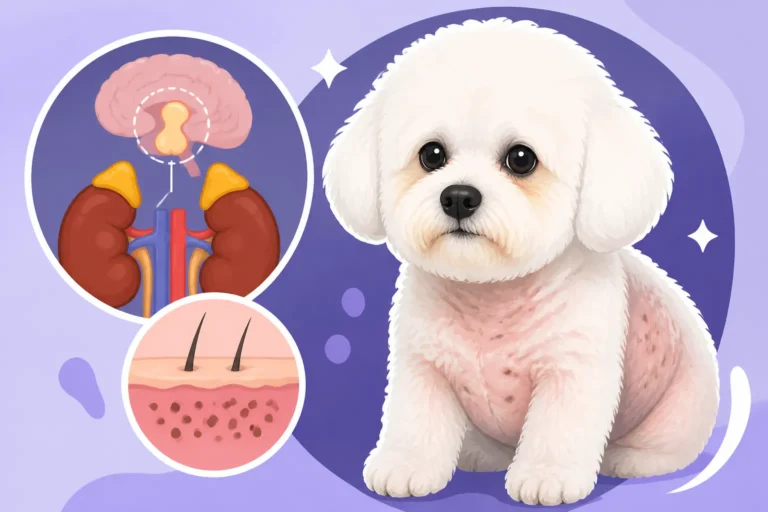
This collaborative approach might involve regular medication schedules, specific dietary recommendations, a plan for supplements, and advice on adapting their home environment. For conditions like Cushing's Disease in a Bichon Frise Past Seven or chronic arthritis, managing their care will be ongoing. Your vet can also help you understand prognosis, treatment options, and quality of life considerations. Having a strong, open relationship with your veterinary team ensures that every decision made is in the best interest of your beloved senior Bichon Frise.
Daily Care Routines and Adaptations
Maintaining a consistent and loving daily routine is one of the most powerful tools you have for supporting your senior Bichon Frise. It provides security, structure, and ensures their needs are met even as they change.
Establishing a Predictable Schedule
Senior Bichons thrive on predictability. A consistent daily schedule for feeding, potty breaks, walks, and rest helps them feel secure and reduces anxiety, especially if they're experiencing cognitive decline or sensory loss. Try to feed them at the same times each day and take them out for potty breaks frequently, as their bladder control may not be what it once was. You might find that Whether an Old Bichon Frise Needs More Toilet Trips is indeed true, necessitating more frequent excursions.
This routine also allows you to more easily spot deviations that might indicate a health issue. If your Bichon suddenly refuses to eat their regular meal or needs to go out much more often than usual, it's a clear signal that something might be amiss. Gentle play or cuddle times integrated into the schedule also ensure they receive the mental and emotional stimulation they still crave.
Managing Incontinence and Potty Accidents
One of the most frustrating, yet common, challenges with senior dogs is incontinence. Whether an Old Bichon Frise Becomes Incontinent is a question many owners face, and unfortunately, it's often a reality. This can stem from weakened bladder muscles, cognitive changes leading to forgetting house training, or underlying medical conditions like urinary tract infections, kidney disease, or even Cushing's disease. The first step is always a vet visit to rule out or treat any medical causes.
If medical causes are ruled out or managed, you can implement strategies to cope. Increase the frequency of potty breaks, especially after waking, eating, and drinking. Use absorbent pads or belly bands for male dogs (or doggy diapers for females) indoors, changing them frequently to prevent skin irritation. Invest in enzyme cleaners for accidents to eliminate odors and deter repeat marking. Patience and understanding are crucial here; your Bichon isn't doing it on purpose.
Providing Comfort and Affection
Above all, your senior Bichon Frise needs comfort and affection. They might not be able to romp and play like they used to, but their capacity for love and connection remains as strong as ever. Spend quiet moments with them, offering gentle strokes, ear rubs, and belly scratches. Talk to them in a soothing voice. Your presence and touch are incredibly reassuring, especially as their world might become a little more confusing or challenging.
Ensure their sleeping areas are warm, soft, and easily accessible. Offer them their favorite cozy blankets. If they enjoy car rides, take them on short, gentle trips. While adapting their care to their physical limitations, remember to cherish every moment and continue to treat them as the integral, loving member of your family they've always been. The love you share is the most vital medicine of all.
Disclaimer
The information provided in this article is for general informational purposes only and is not intended as a substitute for professional veterinary advice. Always consult with a qualified veterinarian regarding any medical concerns or before making any decisions about your Bichon Frise's health or treatment plan.