Whether Diluting Urine Prevents Bichon Frise Stones
It's incredibly frustrating for any Bichon Frise parent to constantly worry about those tiny, fluffy bundles of joy developing bladder stones. You've heard the advice, seen the online discussions, and maybe even faced the devastating reality of stone surgery. When it comes to prevention, one question often arises: can simply diluting your Bichon's urine really stop these pesky stones from forming? This guide delves deep into that very question, exploring the science, practical steps, and realistic expectations for using urine dilution as a key strategy in your Bichon's ongoing health.
Understanding Bichon Frise Urinary Stones
Before we dive into prevention, it’s crucial to understand why Bichon Frises seem to be such magnets for urinary stones in the first place. It’s not just bad luck; there are very real physiological reasons behind this common health challenge that many owners wrestle with.
Why Bichons are Prone to Stones
Bichon Frises, unfortunately, carry a significant genetic predisposition to developing certain types of bladder stones, primarily calcium oxalate stones. While any dog can form stones, Bichons appear to be at a much higher risk, sometimes even forming them twenty times as often as other breeds. This isn't just about their adorable looks; it’s rooted in their unique metabolism and how their bodies process certain minerals. Their urinary systems can be less efficient at managing calcium and oxalate, leading to an environment where these substances are more likely to crystallize. This susceptibility means that what might be a minor dietary indiscretion for another breed could easily trigger stone formation in a Bichon. It’s a constant battle against their inherent biology, and it certainly feels unfair sometimes.
The Role of Urine Concentration
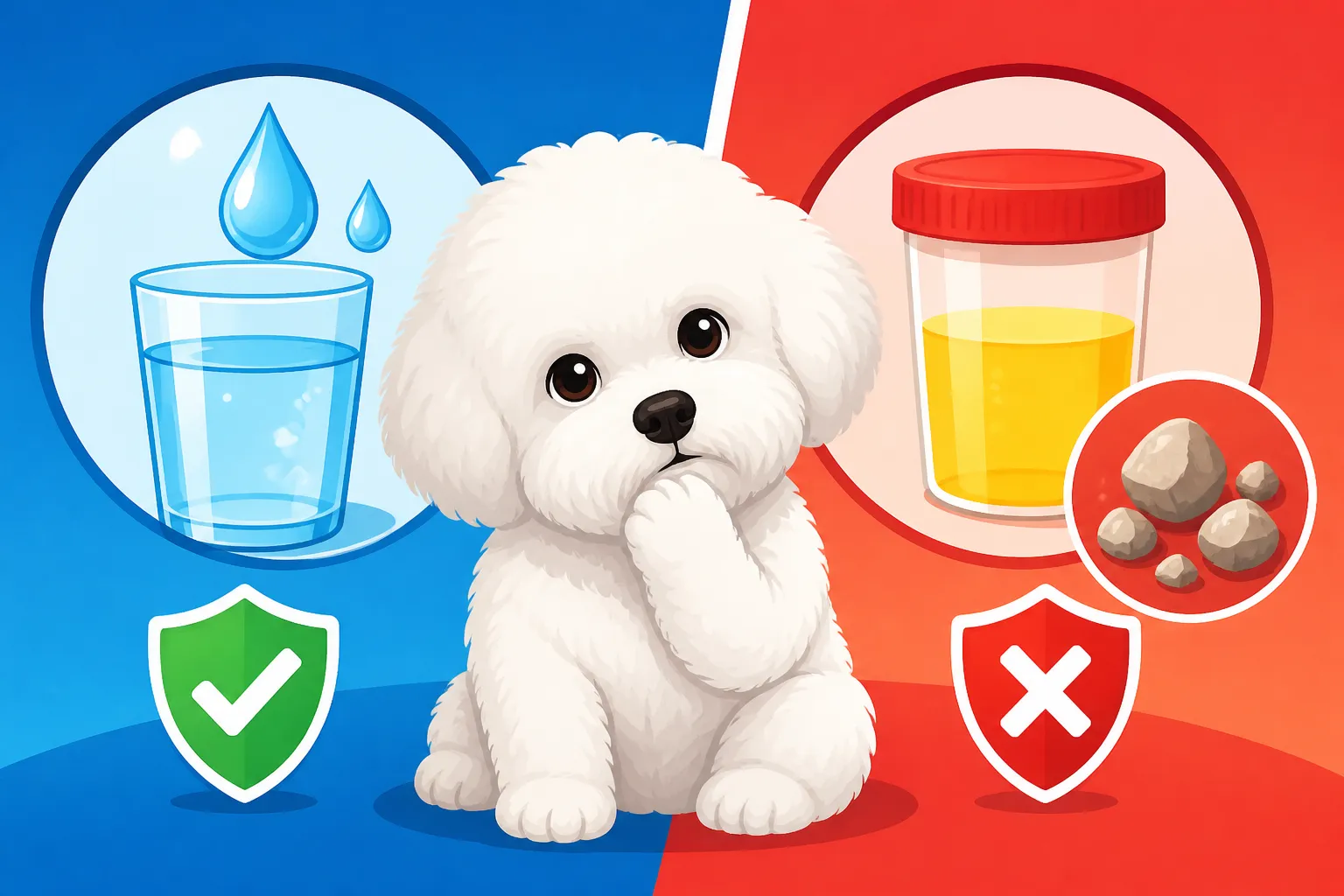
Imagine trying to dissolve a spoonful of salt in a tiny cup of water versus a large glass. The small cup will have a much higher concentration of salt. The same principle applies to your Bichon's urine. When a Bichon Frise doesn't drink enough water, or if their body is otherwise dehydrated, their urine becomes highly concentrated. This means there's a higher density of dissolved minerals like calcium and oxalate within a smaller volume of liquid.
This concentrated state is a prime condition for stone formation. When these stone-forming substances are packed closely together, they are much more likely to precipitate out of the solution and bond, forming microscopic crystals. Over time, these crystals can aggregate, growing larger and larger until they become visible stones. It’s a slow, insidious process that can easily go unnoticed until your furry friend starts showing distressing symptoms. Preventing this concentration is the cornerstone of urine dilution as a preventative measure.
The Science Behind Urine Dilution as a Preventative Strategy
The idea of simply "watering down" your dog's system might sound too good to be true, especially when dealing with something as serious as bladder stones. However, there's solid scientific reasoning behind why diluting urine is a powerful tool in the fight against stone formation in Bichon Frises.
How Dilution Works to Prevent Stone Formation
At its heart, diluting urine works by directly addressing the concentration issue we just discussed. When your Bichon has a higher water intake, their kidneys produce a larger volume of urine, which naturally means the concentration of minerals and other stone-forming compounds is reduced. Think of it as increasing the amount of water in that analogy of salt and water; the salt is still there, but it’s much less likely to clump together if it's widely dispersed.
This principle is known as reducing supersaturation. Stones form when the urine becomes "supersaturated" with certain substances – meaning there's more of a particular mineral than the liquid can comfortably hold in solution. By increasing urine volume and diluting these substances, you move the urine out of this supersaturated state, making it far less likely for crystals to form and then aggregate into stones. The goal is to keep the urine's specific gravity (USG), a measure of its concentration, consistently low, usually below 1.020, but your vet will advise on the ideal target for your individual Bichon. Regular monitoring with urine tests is crucial to ensure you're hitting that sweet spot. You can learn more about this process and why it's so important in Whether a Bichon Frise Should Be Urine Tested Yearly.
Practical Methods for Increasing Water Intake
So, how do you actually get more water into a dog that might not naturally be a big drinker? It's not always as simple as putting down a bowl, especially for a discerning Bichon Frise.
One of the most effective strategies is to incorporate more moisture-rich foods into their diet. Switching from dry kibble to wet food, or at least mixing wet food with dry, can significantly boost their daily water intake. Many wet prescription urinary diets are formulated with this in mind, and they often become a cornerstone of prevention for Bichons with a history of stones. You might find that wet food helps a Bichon Frise's stones more than you'd expect, simply due to the added hydration.
Another trick is to add water directly to their dry kibble. Some dogs love this; it can soften the food and make it more palatable. You can also try offering ice cubes as treats, especially on warm days. For some Bichons, a pet water fountain can be a game-changer. The moving, filtered water often entices them to drink more than a stagnant bowl would. Placement matters too; having multiple water stations around the house can encourage more frequent sips. Beyond just drinking, encouraging frequent urination is vital, as it helps flush the bladder regularly, preventing any nascent crystals from settling and growing. This forms part of The Toilet Routine That Finally Works on a Bichon Frise.
Implementing Urine Dilution for Your Bichon Frise
Successfully preventing bladder stones through urine dilution requires a concerted effort, often involving significant dietary adjustments and vigilant monitoring. It's not a one-and-done solution but an ongoing commitment to your Bichon's well-being.
Dietary Adjustments for Stone Prevention
While increased water intake is paramount, it's rarely enough on its own, especially for a breed as predisposed as the Bichon Frise. The type of food your Bichon eats plays a monumental role in manipulating urine chemistry to discourage stone formation. For calcium oxalate stones, a specific prescription urinary diet is usually recommended by veterinarians. These specialized diets, like those from Royal Canin Urinary SO or Hill's Prescription Diet c/d Multicare, are formulated to reduce the concentration of stone-forming components (like calcium and oxalate) and to help maintain an appropriate urine pH (often slightly alkaline) that discourages crystal formation.
These diets are not just about mineral content; many are also designed to increase water intake through higher moisture content, particularly the wet food varieties. This dual action — altering urine composition and promoting dilution — makes them incredibly effective. It's truly The Diet a Bichon Frise Stays On for Life once they've had stones. Consistency is key, and this means being incredibly strict about what your Bichon eats. Even a single treat that isn't compatible with the urinary diet can potentially disrupt the delicate balance you're trying to maintain and increase the risk of How Often a Bichon Frise's Stones Return.
Monitoring Urine Dilution and Overall Health
You can't just assume your Bichon's urine is dilute enough. Regular monitoring is a critical component of any stone prevention plan. Your veterinarian will typically recommend periodic urine analyses, which include checking the urine specific gravity (USG). This simple test measures how concentrated your Bichon's urine is. The goal is often to maintain a USG below 1.020, or sometimes even lower, depending on your individual dog's history and the type of stones they tend to form.
Beyond just USG, these urine tests also check for the presence of crystals, blood, and signs of infection, all of which can contribute to stone formation or indicate existing issues. In some cases, your vet might also recommend monitoring urine pH to ensure it's in the optimal range to prevent stone growth. Knowing Whether a Bichon Frise Needs Urine pH Monitored is crucial for tailoring a prevention plan. For dogs with a history of stones, routine imaging like X-rays or ultrasounds might be advised to catch new stone formation early, before they become large or cause blockages. These ongoing diagnostic tests and specialized diets can add up, which is why many Bichon parents find value in pet insurance providers like Healthy Paws, helping to cover the costs of these essential preventative measures and treatments. This proactive monitoring can literally be a lifesaver, allowing interventions before emergency situations arise, especially considering Why a Bichon Frise Forms Stones Twenty Times as Often.
| Hydration Method | Description | Pros | Cons |
|---|---|---|---|
| Wet Food | High moisture content, often prescribed urinary diets. | Significantly increases water intake; often formulated to balance urine chemistry. | Can be more expensive; some Bichons might be picky; messy. |
| Adding Water to Kibble | Mixing water or broth into dry kibble. | Easy to implement; adds moisture; can make food more palatable; cost-effective. | Some dogs don't like soggy food; may not be sufficient for very high hydration needs. |
| Water Fountains | Circulating water often entices dogs to drink more. | Encourages natural drinking behavior; filtered water can be appealing; provides fresh water. | Requires electricity; needs regular cleaning and filter changes; some dogs may be wary of new objects. |
| Ice Cubes/Frozen Treats | Offering ice cubes or frozen low-sodium broth treats. | Fun, refreshing way to hydrate, especially in warm weather; low calorie. | Not a primary source of hydration; can be a choking hazard for some dogs if too large. |
| Multiple Water Bowls | Placing several fresh water bowls around the house. | Simple, cost-effective; increases accessibility; encourages more frequent sips. | Requires frequent refilling and cleaning; doesn't directly increase desire to drink. |
Potential Challenges and Considerations
While urine dilution is a powerful tool in preventing Bichon Frise bladder stones, it's not without its hurdles. Owners often encounter challenges that require patience, creativity, and a close partnership with their veterinarian.
Managing Fussy Drinkers and Eaters
Bichon Frises, with their charming personalities, can sometimes be notoriously finicky about their food and water. This can make implementing a urine dilution strategy particularly challenging. If your Bichon is a reluctant drinker, simply providing more water might not be enough. You might need to experiment with different types of bowls (ceramic, stainless steel, glass), or even offer water in unexpected places. Using purified or filtered water can sometimes improve palatability. Flavoring water with a tiny bit of low-sodium chicken broth can also work wonders, making it more appealing.
Transitioning to a prescription urinary diet can also be a battle. These diets often have a different taste and texture than what your Bichon is used to. It's crucial to make the transition slowly, gradually mixing increasing amounts of the new food with their old food over several days to a week. If your Bichon still refuses, your vet might have suggestions for different brands or formulations, including Whether a Fussy Bichon Frise Refuses the Urinary Diet. Remember, consistency is vital, so finding a prescription diet they'll actually eat is half the battle. This dedication is paramount in preventing further issues like The Stone That Comes Back a Year After Bichon Frise Surgery.
The Holistic Approach to Stone Prevention
It's important to understand that while urine dilution is a critical component, it's just one piece of a comprehensive stone prevention puzzle for Bichon Frises. These dogs are predisposed to What a Calcium Oxalate Stone Is in a Bichon Frise, and simply drinking more water, though beneficial, might not entirely override their genetic tendency.
A truly holistic approach involves a multi-faceted strategy that includes:
- Strict Adherence to a Prescription Urinary Diet: As discussed, these diets are formulated to specifically alter urine chemistry.
- Encouraging Frequent Urination: Regular trips outside help to flush out any crystals before they have a chance to clump together. Whether Frequent Urination Protects a Bichon Frise is certainly a factor.
- Managing Urinary Tract Infections (UTIs): UTIs can sometimes contribute to stone formation or worsen existing stone issues. Prompt and effective treatment is essential.
- Regular Veterinary Check-ups and Monitoring: This includes routine urine tests and, for some dogs, periodic imaging to detect new stones early. Pet insurance, like policies offered by Healthy Paws, can certainly ease the financial burden of this ongoing care, making it more accessible for owners.
- Genetic Awareness: If your Bichon has a history of stones, it's important to be aware of the genetic component, particularly if you are considering breeding, though Whether a Bichon Frise With Stones Should Be Bred is a complex ethical consideration.
Ultimately, while you can't completely eliminate the risk of stones in a genetically predisposed Bichon Frise, diligently focusing on urine dilution as part of a broader preventative strategy significantly lowers the chances of recurrence and helps ensure your fluffy companion can enjoy a healthier, happier life. Even if stones can't entirely dissolve, as Whether Oxalate Stones Dissolve in a Bichon Frise clarifies, prevention is always better than treatment.
Disclaimer
The information provided in this article is for general informational purposes only and is not intended as a substitute for professional veterinary advice, diagnosis, or treatment. Always seek the advice of your veterinarian or other qualified health provider with any questions you may have regarding a medical condition or treatment plan for your Bichon Frise.