Whether a Bichon Frise Races Around the House
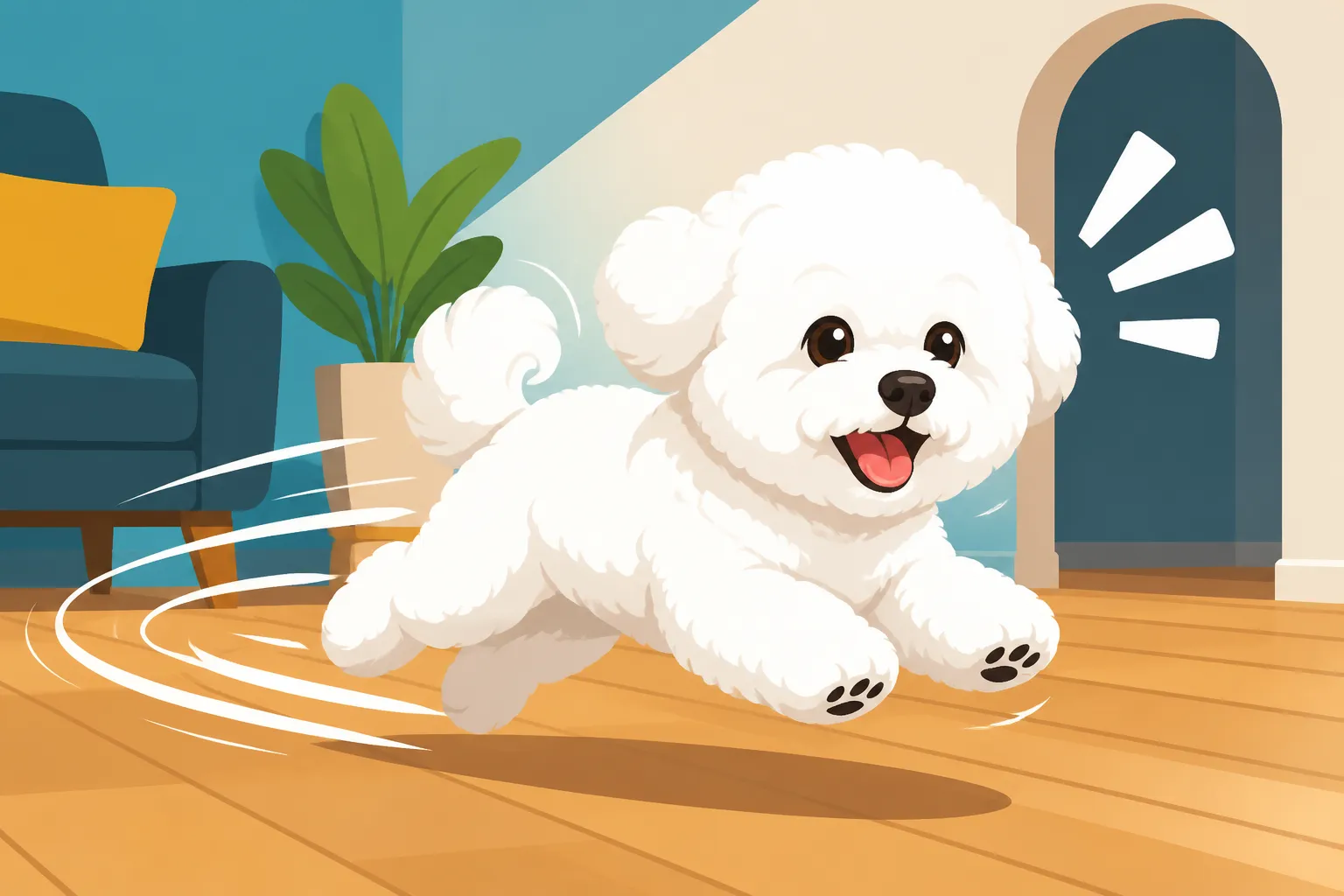
If you’ve ever owned a Bichon Frise, you’ve probably witnessed it: that sudden, inexplicable explosion of energy where your sweet, fluffy companion transforms into a tiny, white blur, tearing through your living room at top speed, skidding around furniture, and perhaps even barking joyfully at thin air. It’s an endearing, often hilarious, but sometimes puzzling phenomenon that leaves many new Bichon parents wondering if their little dog has suddenly lost its mind. This guide will dive deep into understanding these bursts of energy, why they happen, and how to best manage them so both you and your Bichon can enjoy a calmer, happier home.
The Iconic "Bichon Blitz": What It Looks Like
The sight of a Bichon Frise suddenly launching into a high-speed dash through the house, often involving quick pivots, jumps, and a general air of joyful mayhem, is something truly unique to the breed. It's often dubbed "the Bichon Blitz" or, more formally in the canine world, a Frenetic Random Activity Period, or FRAP. But what does this really entail, and how can you tell if what you're seeing is the normal, delightful exuberance of a Bichon?
Defining the Frenetic Random Activity Periods (FRAPs)
FRAPs are essentially sudden, intense bursts of energy that seem to come out of nowhere. For a Bichon Frise, this usually means a rapid-fire sequence of running, spinning, jumping, and sometimes playful nipping at the air or furniture. It's not a focused play session with a toy, nor is it directed aggression; it's more like an undirected explosion of pent-up vitality. Imagine your dog suddenly decides the house is a race track, and it’s determined to break a speed record.
These episodes typically last a few minutes, sometimes less, and then, as quickly as they began, they end. Your Bichon might suddenly flop onto the floor, panting and ready for a nap, or look up at you as if nothing out of the ordinary just happened. It's a completely natural behavior for many dog breeds, but it seems particularly pronounced and frequent in the high-spirited Bichon. The sheer contrast between their usually calm, cuddly demeanor and these wild outbursts is what makes them so striking.
Typical Scenarios for a Bichon's Burst of Energy
The "Bichon Blitz" often happens in predictable patterns, though sometimes it can catch you completely off guard. One of the most common times you'll see it is right after a bath. There's something about being clean, fluffy, and perhaps a little damp that sends many Bichons into a joyous frenzy, shaking off water and zooming around to dry themselves off with pure kinetic energy. It's a universal Bichon experience, and if you haven't seen it, you probably will! This post-bath phenomenon is so common, many owners practically brace themselves for it as soon as the towel comes out. You might find your Bichon running laps around your kitchen island or bouncing off sofa cushions, treating every surface as part of their impromptu obstacle course.
Another common trigger is after being let out of a crate or after a period of confinement, like coming home from a vet visit or even just waking up from a long nap. It's almost as if they need to stretch every muscle and release all the stored-up excitement and anticipation. Think of it as a canine equivalent of a child running wild on a playground after being cooped up indoors all day. You might also notice it when you first come home after being away, during particularly exciting play sessions, or even just when the mood strikes. For more on this, you might find What Sets Off a Bichon Frise's Zoomies insightful.
Why Do These Adorable Fluffballs Get the Zoomies? Unpacking the Triggers
Understanding why your Bichon suddenly starts racing around the house can help you manage these episodes and ensure their well-being. It's rarely a sign of naughtiness and almost always rooted in a dog's natural instincts and emotional state.
Expressing Pent-Up Physical Energy
One of the most common reasons for the Bichon Blitz is simply a buildup of physical energy that needs to be released. Despite their small size, Bichon Frises are active dogs with a surprising amount of stamina. They might not need miles of running like a Border Collie, but they absolutely need regular exercise and opportunities to expend their energy. If your Bichon hasn't had enough walks, playtime, or mental stimulation throughout the day, that excess energy has to go somewhere, and a full-speed dash through the house is often the outlet.
This isn't just about walks around the block. Bichons also thrive on interactive play, like fetch in the yard or even a good game of tug-of-war indoors. If their daily routine lacks these energy-burning activities, those zoomies might become more frequent and intense. It's their way of saying, "Hey, I've got energy to burn, and since we haven't done it outside, I'm making my own fun in here!" Consider whether What a Bichon Frise Needs Every Day provides enough activity to prevent these intense bursts.
The Thrill of Excitement and Overstimulation
Sometimes, the Bichon Blitz is a pure expression of joy and excitement. Imagine the moment you come home after a long day, and your Bichon greets you with unbridled enthusiasm. That rush of happiness can translate directly into a burst of zoomies. The same can happen during a particularly engaging play session, when a favorite family member arrives, or even when you simply pick up their leash for a walk. These moments of heightened emotion can be a powerful trigger.
However, overstimulation can also lead to FRAPs. A busy household with a lot of comings and goings, loud noises, or new people can sometimes be overwhelming for a sensitive Bichon. Racing around might be their way of coping with too much sensory input, a kind of internal reset button. They're not necessarily distressed, but rather processing all the excitement in a highly energetic way. It’s part of their The Merry Temperament the Bichon Frise Standard Demands.
Stress Relief or Emotional Release
While often playful, zoomies can also be a form of stress relief or emotional release. Just like humans might pace or fidget when anxious, dogs can use physical activity to burn off nervous energy. If your Bichon has had a stressful experience – perhaps a trip to the vet, a loud thunderstorm, or an unfamiliar visitor – a subsequent burst of zoomies could be their way of decompressing. It's a natural coping mechanism, allowing them to discharge pent-up tension.
It’s important to pay attention to the context of the zoomies. Are they occurring after an unsettling event? Are there other signs of stress, such as excessive licking, yawning, or a tucked tail? While the racing itself might look like pure fun, understanding the underlying emotional state can help you address potential stressors in their environment. For instance, a Bichon who cries when you leave might experience separation anxiety, leading to zoomies upon your return as a way to relieve the stress of your absence. This could be explored further by reading Whether a Bichon Frise Cries When You Leave.
Normal Behavior vs. Cause for Concern: When Racing Becomes More Than Play
While the Bichon Blitz is largely a normal and healthy expression of canine joy and energy, it's always wise to observe your dog's behavior for any deviations that might suggest an underlying issue. Most of the time, it's just your dog being a happy, energetic Bichon, but sometimes, excessive or unusually frantic activity could be a subtle clue that something else is going on.
Age, Breed Temperament, and the "Merry" Disposition
The frequency and intensity of zoomies can vary significantly based on your Bichon's age and individual personality. Puppies, as you might expect, are notorious for their boundless energy and will likely have more frequent and prolonged FRAPs. As they mature into adulthood, these bursts might become a little less frequent or intense, though a healthy adult Bichon will certainly still enjoy a good zoomie session now and then. Don't be surprised if your senior Bichon still gets the urge to race around, however; many Bichons remain playful well into their golden years. You might find this interesting: Whether a Bichon Frise Is Playful Into Old Age.
The Bichon Frise breed standard specifically mentions a "merry temperament," and this joyfulness often manifests in energetic play. So, in many cases, what you're seeing is simply your Bichon living up to its breed characteristics – a happy, spirited little dog letting loose. It’s important to differentiate between playful exuberance and something that feels truly out of character for your specific dog.
Underlying Discomfort or Health Issues
While rare, sometimes what looks like frantic play could be linked to an underlying health problem. If your Bichon's racing around is accompanied by other symptoms, such as excessive panting even when not exerted, changes in appetite or thirst, lethargy after the outburst, or signs of pain (like yelping or difficulty moving), it's definitely time for a vet visit. For example, some dogs might act restless or agitated if they are experiencing discomfort from an injury or even from something internal like bladder stones. While less common to manifest purely as zoomies, a sudden, inexplicable change in energy levels or an inability to settle warrants investigation.
Additionally, certain conditions, like hyperthyroidism (though less common in Bichons) or even neurological issues, could potentially manifest as restlessness or unusual energy bursts. If the zoomies seem disproportionate, occur with extreme frequency, or your dog appears distressed rather than joyful during them, don't hesitate to consult your veterinarian. They can rule out any medical causes and provide peace of mind. For example, if your Bichon constantly seems restless and gains weight despite exercise, it might warrant investigation into conditions like Whether an Overweight Bichon Frise Risks Diabetes.
Behavioral Indicators of Anxiety or Boredom
Sometimes, the racing around can be a sign of boredom or anxiety rather than just playful energy. A bored Bichon, one that lacks sufficient mental stimulation or physical exercise, might create its own "fun" by zooming around, especially if there's nothing else to do. This isn't ideal, as it means their needs aren't being fully met. They might also exhibit other signs of boredom, such as destructive chewing, excessive barking, or bothering you constantly for attention.
Anxiety can also manifest as restless activity. If your Bichon is anxious, it might race around, pace, or engage in repetitive behaviors as a way to self-soothe or release nervous energy. This might not look like typical playful zoomies; it could seem more frantic or repetitive, without the joyous bouncing and tail wags. Observing the context, your dog's body language, and whether these bursts lead to relaxation or more agitation can help you determine if anxiety is a factor. In such cases, professional guidance from a vet or certified dog behaviorist might be beneficial.
Harnessing the Energy: Practical Management Strategies
So, you have a zoomie-prone Bichon. Great! This means you have a happy, lively companion. The key isn't to stop the zoomies entirely, as they're a natural part of being a dog, but rather to understand and channel that energy in constructive ways. This is all about setting your Bichon up for success and ensuring their overall well-being.
Providing Ample Exercise and Mental Enrichment
The best defense against overwhelming zoomies is a good offense: making sure your Bichon gets enough appropriate exercise and mental stimulation throughout the day. Remember, a tired dog is often a well-behaved dog. This doesn't mean your Bichon needs to run a marathon, but regular walks are essential. Aim for at least two walks a day, ideally with opportunities for sniffing and exploring, which is incredibly enriching for dogs. Consider different routes to keep things interesting. A good walk should help your Bichon settle afterwards, as discussed in Whether a Bichon Frise Settles After Exercise.
Beyond physical exercise, don't underestimate the power of mental enrichment. Bichons are intelligent little dogs and thrive on challenges. Puzzle toys, snuffle mats, and training sessions can engage their minds and burn energy just as effectively as physical activity. Hide-and-seek with treats or toys is a fantastic indoor game. Even short, consistent training sessions (5-10 minutes a few times a day) where you work on basic obedience or fun tricks can make a huge difference in their overall contentment. Websites like Amazon offer a wide array of interactive toys that can keep your Bichon's brain busy.
Creating a Predictable and Calming Environment
Dogs, especially smaller breeds like Bichons, often thrive on routine and predictability. A consistent daily schedule for meals, walks, playtime, and rest can significantly reduce anxiety and help your dog feel more secure. When they know what to expect, they're often calmer. Try to avoid abrupt changes and introduce new experiences gradually.
A calm home environment can also help. Provide your Bichon with a designated "safe space" where they can retreat when feeling overstimulated or just needs some quiet time. This could be a comfy dog bed in a low-traffic area, or a crate covered with a blanket. Ensure they have access to fresh water and comfortable resting spots. Using calming music or a diffuser with dog-safe pheromones might also help some sensitive Bichons relax, especially if their zoomies seem stress-induced.
Incorporating Training Techniques to Channel Energy
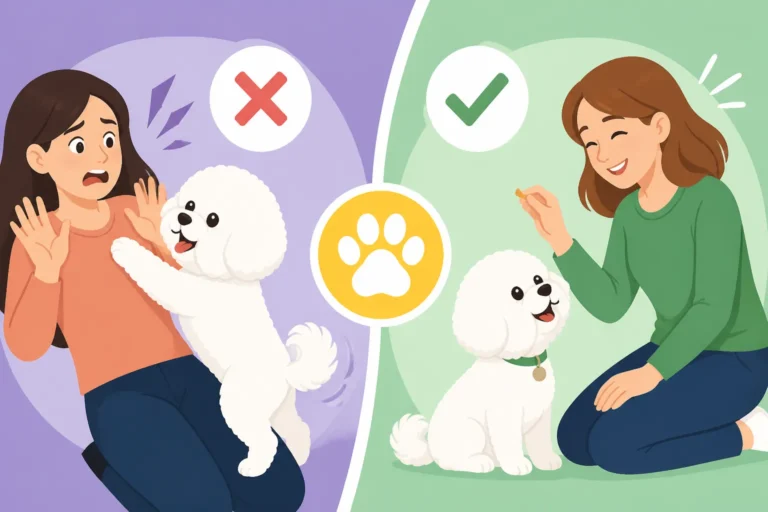
Training isn't just about obedience; it's also a powerful tool for channeling and managing your Bichon's energy. Teaching impulse control exercises, like "sit" or "stay" before being released to play, can help your dog learn to manage its excitement. You can also teach a "go to your mat" or "place" command, giving them an alternative behavior when they start to get revved up.
Positive reinforcement is key here. Reward calm behavior generously. When your Bichon is settled and relaxed, praise them and offer a quiet treat. If you notice the beginnings of a zoomie session that you want to redirect, try tossing a favorite toy away from breakable objects or initiating a structured play session outdoors if possible. A reputable online training program, like BAXTER & Bella, can provide guidance on teaching these commands effectively and consistently, helping you manage your Bichon's energy in a positive way.
Equipping Your Home for the Blitz: Tools and Resources
While the Bichon Blitz is natural, ensuring your home is prepared can make these energetic bursts safer and more enjoyable for everyone. The right tools and environment can prevent accidents and help redirect your Bichon's playful energy.
Safe Spaces and Play Areas
Before your Bichon launches into its next zoomie session, take a moment to "Bichon-proof" the common areas where these bursts tend to occur. Clear away any fragile items, loose rugs that could cause skidding, or low-hanging cords. Ensure there's enough clear space for them to run without bumping into furniture or walls too hard. Think of it like creating a mini-obstacle course, but a safe one!
For those times when the zoomies are just too much, or if you need to contain the energy to a specific spot, consider using a playpen or baby gates to create a designated "zoomie zone." This way, your Bichon can still run and play without endangering themselves or your household items. You can often find good quality playpens on Amazon that are perfectly sized for a Bichon, allowing them plenty of room to stretch their legs without causing chaos in the main living areas. This can be especially helpful during peak zoomie times, like after bath time, if you need a moment to gather yourself before they do.
Interactive Toys and Grooming Aids
Having the right toys on hand can be a game-changer for redirecting and channeling your Bichon's energy. Instead of letting them just race aimlessly, you can engage them with a fun, interactive toy. Fetch toys, squeaky balls, or even a flirt pole can provide a fantastic outlet for their speed and agility, turning chaotic energy into focused play. Remember that these small dogs often love toys that are appropriately sized for their mouths, so ensure whatever you choose isn't too large or heavy.
Beyond play, certain grooming aids can sometimes contribute to post-grooming zoomies. While it's delightful to see their joy, ensuring a smooth, stress-free grooming process can sometimes help. If your Bichon gets particularly energetic after a bath, ensure you're using a dog-specific shampoo that cleans effectively without irritating their sensitive skin. For tips on managing the grooming process, especially if your Bichon is prone to post-bath excitement, you might find Whether a Bichon Frise Learns to Enjoy Being Scissored helpful, as a positive grooming experience can reduce overall stress that might contribute to frantic energy release.
When to Call in the Pros: Seeking Veterinary or Trainer Guidance
While most Bichon Blitz episodes are harmless and a sign of a happy dog, there are specific situations where seeking professional advice is the best course of action. Trust your gut; if something feels off, it probably is.
Persistent, Excessive, or Destructive Zoomies
If your Bichon's racing around becomes persistent, significantly more frequent or intense than usual, or if it starts leading to destructive behavior (like consistently running into furniture, knocking things over, or damaging property), it's time to consider professional help. A veterinarian can rule out any underlying medical conditions that might be contributing to the excessive energy or restlessness. Conditions like chronic pain, metabolic imbalances, or even certain medications can sometimes alter a dog's energy levels and behavior.
Once medical causes are ruled out, a certified professional dog trainer or behaviorist can be invaluable. They can observe your Bichon's behavior in its home environment, identify specific triggers, and develop a tailored plan to manage the zoomies more effectively. This might involve refining your exercise and enrichment routine, implementing specific training protocols, or addressing any underlying anxiety or boredom with targeted strategies. Remember, they aren't there to judge you but to help you and your furry friend.
Accompanying Behavioral or Physical Changes
It’s crucial to look at the zoomies in context with your Bichon’s overall behavior and physical health. If the racing around is accompanied by other worrying signs, such as:
- Changes in appetite or thirst: Drinking significantly more or less, or refusing to eat.
- Changes in bathroom habits: Accidents in the house, straining to urinate, or changes in stool consistency. Read The First Signs a Bichon Frise Has Stones if you notice these.
- Lethargy or unusual fatigue outside of the zoomie episodes.
- Aggression or increased irritability: Snapping, growling, or being unusually withdrawn. Refer to Whether an Itchy Bichon Frise Is Grumpier for insights on discomfort-related mood changes.
- Excessive panting, drooling, or restlessness that isn't just post-run breathing.
- Lameness or difficulty moving before, during, or after the zoomies.
- Weight loss or gain that can't be explained by diet changes.
Any of these combined with persistent zoomies warrant an immediate call to your veterinarian. Early detection and intervention can make a significant difference in your Bichon's health and quality of life. Sometimes, what seems like a quirky behavior is actually a subtle cry for help, and a vet is the best person to decode those signals.
| Zoomie Behavior Trait | Usually Normal (Green Flag) | Potentially Concerning (Red Flag) |
|---|---|---|
| Frequency | Occasional (daily/few times a week) | Multiple times a day, very long episodes |
| Duration | Few minutes, then settles quickly | Extended periods, hard to interrupt or calm |
| Context | After bath, waking up, greeting, exciting play | Unpredictable, seemingly unprovoked, during stressful events |
| Body Language | Loose, wagging tail, relaxed posture, happy expression | Stiff, tucked tail, wide eyes, anxious panting, repetitive motions |
| Effect on Dog | Appears joyful, settles to rest/cuddle | Seems distressed, agitated, or unable to relax afterwards |
| Accompanying Issues | None other than happy play | Destructive behavior, changes in appetite/thirst, lethargy, aggression |
Disclaimer
This article is for general informational purposes only and does not constitute professional advice. Laws, prices and regulations vary by location and change over time. Consult a qualified professional for guidance on your specific situation.