Whether a Litter Box Works for a Bichon Frise
Many Bichon Frise owners find themselves in a constant battle with housetraining, often wondering if there’s an easier way than battling the elements or dealing with endless accidents. The idea of an indoor potty solution like a litter box can be incredibly appealing, especially with their small size and sometimes finicky nature when it comes to outdoor conditions. This guide will delve deep into whether a litter box is a viable, sustainable option for your fluffy companion, exploring the pros, cons, and practical steps to see if this method could bring some much-needed peace to your home.
The Appeal of a Litter Box for Your Bichon Frise
Let's be honest, housetraining a Bichon Frise can feel like an uphill battle. You’re not alone if you’ve thrown your hands up in exasperation after yet another puddle on the rug, especially when you feel like you've tried everything. The persistent struggle often leads owners to search for alternative solutions, and an indoor litter box frequently comes to mind.
The Housetraining Hurdles Many Bichon Owners Face
Bichon Frises, for all their charm and delightful personalities, have a bit of a reputation when it comes to housetraining. It's often said that they are Why a Bichon Frise Is Famously Hard to Housetrain, and many owners would nod in agreement. Their small bladders mean they need to go frequently, sometimes more often than we anticipate, especially when they're puppies. This can lead to frustration for both you and your little one. You might be religiously taking them out every hour, praising profusely, and still finding accidents.
Then there's the weather factor. Oh, how many Bichons I know who simply refuse to step paw on wet grass! Or the ones who shiver dramatically at the first hint of a chilly breeze. It's a real thing. It's not just stubbornness; sometimes they genuinely dislike the feel of cold or wet ground under their delicate paws. This aversion can completely derail even the most consistent outdoor potty routine, leaving you with a dog who holds it until they're back inside on your favorite rug. Moreover, factors like a Whether a Bichon Frise's Small Bladder Is the Problem can compound these challenges, making accidents an everyday occurrence rather than an occasional slip-up.
The Allure of an Indoor Potty Solution
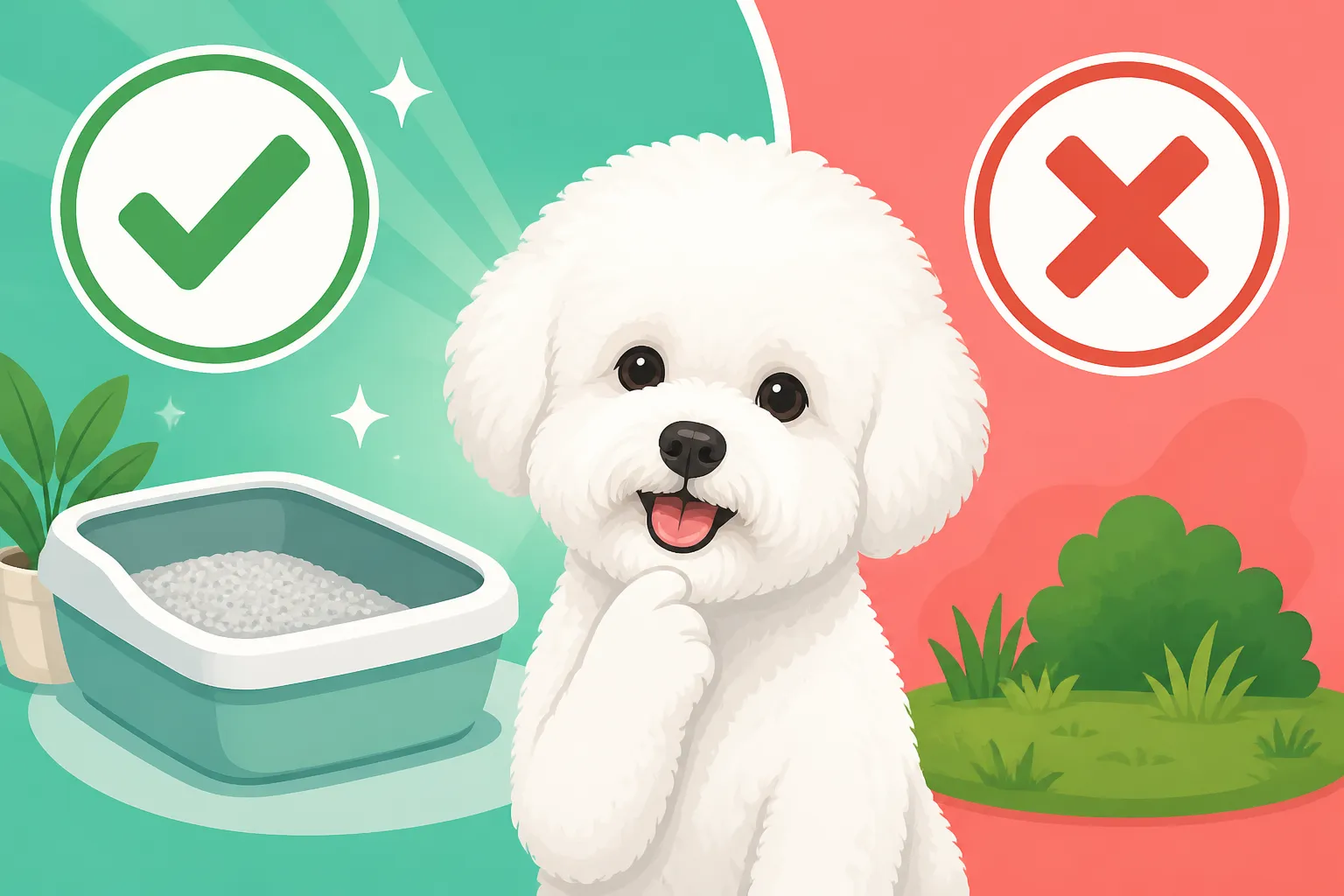
Given these common struggles, it's easy to see why the idea of an indoor litter box holds such appeal. Imagine a solution that isn't dependent on the whims of the weather or your availability to rush outside every half hour. For apartment dwellers, or those with mobility issues, or even just during those long, cold winter nights, an indoor potty area sounds like a dream come true. It offers convenience, consistency, and a sense of control over a seemingly uncontrollable situation.
A dedicated indoor spot means your Bichon always has access to a place to relieve themselves, reducing the likelihood of accidents due to holding it too long or simply not wanting to go out. This can be especially helpful for puppies who are still learning bladder control or senior Bichons who might be experiencing Whether an Old Bichon Frise Loses Bladder Control or other age-related issues. The promise of a clean, contained solution within your home environment can be a huge relief, saving your floors and your sanity.
How to Successfully Introduce a Litter Box to Your Bichon Frise
If you've decided to give a litter box a try, the key to success lies in a consistent, positive, and patient training approach. It’s not simply placing a box down and hoping for the best; it requires structured guidance to help your Bichon understand what you want them to do.
Choosing the Right Setup and Materials
First things first, you need the right equipment. For a small dog like a Bichon Frise, you'll want a litter box that's easily accessible with low sides. Think kitten litter boxes or even a shallow storage bin. Avoid anything too deep that might be difficult for them to step into.
When it comes to the "litter" itself, traditional cat litter is generally not suitable. It can be dusty, ingested, or irritating to a dog's paws. Instead, look for dog-specific products.
You have a few options:
- Puppy Pads: These are widely available and can be placed directly in the litter box or tray. They absorb urine and help contain odors. Many brands offer scented pads to attract dogs, but sometimes unscented is better for sensitive noses.
- Artificial Grass Patches: These offer a more natural feel for your dog and are often easier to clean. Many come with a drainage system underneath to collect urine, which can then be emptied. You can find excellent options for these on sites like Amazon.
- Pellets: Some dog litter systems use absorbent paper or wood pellets. These can be good for odor control and absorbency, but ensure they are dog-safe and non-toxic if ingested.
Regardless of your choice, place the litter box in a consistent, easily accessible location. A quiet corner, away from their food and sleeping areas, is ideal. You want it to be a dedicated potty zone, not a play area.
The Training Process: From Crate to Crate
The training process itself shares many similarities with traditional housetraining. The core principle is to manage their environment and reward them for going in the right place. If you're using a crate as part of your overall training strategy, this can be integrated. Whether Crate Training Works on a Bichon Frise is often a successful method for creating a den-like space where dogs are less likely to soil.
Here's a step-by-step approach:
- Establish a Schedule: Just like with outdoor training, a predictable schedule is crucial. Take your Bichon to the litter box first thing in the morning, after naps, after playtime, after meals, and before bedtime. Whether a Bichon Frise Should Be Taken Out Hourly is a good guideline for puppies, and the same frequency should apply to their indoor potty spot.
- Lead Them to the Box: When it's potty time, gently lead your Bichon to the litter box. You can use a specific command like "potty" or "go pee" as you do this. Keep them on a leash if necessary, to keep them focused on the task at hand rather than wandering off to play.
- Wait and Reward: Once they are in or near the box, wait patiently. Avoid distractions or playing. The moment they relieve themselves in the box, offer immediate and enthusiastic praise, along with a high-value treat. This instant reward helps them connect the act of going in the box with a positive outcome.
- Clean Up Accidents Thoroughly: If an accident happens outside the box, clean it up immediately using an enzymatic cleaner. This eliminates the odor that might attract your Bichon back to the same spot. Never punish them for accidents; this can lead to fear and hiding when they need to go, making training much harder.
- Use Scent Cues: For pads, you can leave a small amount of urine on the pad initially to help your Bichon recognize the scent and associate it with the appropriate potty area. Some people even transfer a soiled pad from an accident spot to the litter box as a cue.
A comprehensive training program, such as those offered by BAXTER & Bella, can provide structured guidance and support throughout this process. They often have resources that can be adapted for indoor potty training, emphasizing positive reinforcement and consistency.
Consistency and Positive Reinforcement Are Key
I can't stress this enough: consistency is paramount. Every time your Bichon needs to go, guide them to the litter box. Every time they use it successfully, reward them lavishly. This isn't a quick fix; it's a gradual learning process that requires your dedication. Imagine yourself setting up a Whether a Written Toilet Schedule Helps a Bichon Frise – this applies just as much to an indoor setup as it does to outdoor trips.
Remember, positive reinforcement builds confidence and a strong bond. Yelling or scolding only teaches fear, not proper potty etiquette. If you’re struggling, consider the possibility of underlying issues. Sometimes, Whether Frequent Squatting Means Stones Not Training can indicate a urinary tract infection or even bladder stones, which are unfortunately common in Bichons. If your previously housetrained Bichon suddenly starts having accidents, a vet visit is always a good idea to rule out medical causes. For more information on health, you might find Whether a Urinary Infection Undoes a Bichon Frise's Training helpful.
Realities and Challenges of Litter Box Training a Bichon Frise
While the idea of a litter box sounds perfect, it's essential to approach it with realistic expectations. There can be downsides and situations where it just isn't the right fit for your dog or your lifestyle.
Potential Downsides and Hygiene Considerations
One of the biggest concerns with indoor potty solutions is hygiene. While designed to be absorbent, these systems still need regular cleaning. A soiled pad or grass patch can quickly become smelly and unsanitary if not changed or cleaned frequently. This is especially true if you have more than one dog. If you’re not diligent, your home can develop an unpleasant odor, and your Bichon might start avoiding the messy box altogether, leading to accidents elsewhere.
Another potential issue is tracking. Depending on the material you use, your Bichon might track bits of litter or even residual urine onto your floors. This is less common with pads or grass systems but can be a concern with pellet-based litters. Regular cleaning of the area around the box will be necessary.
Finally, while it solves the outdoor weather problem, it doesn't entirely eliminate your responsibility. You'll still need to empty trays, dispose of soiled pads, and clean artificial grass. It's a different kind of cleanup, but cleanup nonetheless.
Here's a quick comparison of common indoor potty options:
| Feature | Puppy Pads | Artificial Grass Patch | Dog Litter (Pellets) |
|---|---|---|---|
| Setup Cost | Low | Moderate to High | Moderate |
| Ongoing Cost | Moderate (pads need frequent replacement) | Low (reusable, but may need occasional replacement) | Moderate (pellets need replacement) |
| Odor Control | Fair (can be an issue if not changed often) | Good (if drainage tray is emptied regularly) | Good (pellets absorb odors well) |
| Cleanup Effort | Moderate (dispose of pads, wipe tray) | Moderate (rinse grass, empty tray) | Moderate (scoop solids, change pellets) |
| Dog Preference | High (soft surface) | High (natural feel) | Varies (some dogs dislike texture) |
| Tracking Risk | Low (if secured in a tray) | Low | Moderate (pellets can scatter) |
When a Litter Box Might Not Be the Best Fit
Despite the benefits, a litter box isn't a universal solution. For some Bichons, it simply won't click. Some dogs are wired to prefer going outside, and forcing an indoor solution might cause stress or confusion. If your Bichon shows reluctance or consistently avoids the litter box despite consistent, positive training, it might not be the right path.
Another consideration is if you plan to travel frequently with your Bichon. While an indoor potty can be convenient at home, many hotels or public places won't accommodate a full litter box setup. If your dog is solely trained to an indoor box, transitioning to outdoor potty breaks while traveling can become a challenge. This leads back to the debate of Whether Pads Slow a Bichon Frise Down Later if your ultimate goal is outdoor elimination.
Furthermore, if your Bichon has specific medical conditions that cause them to produce large volumes of urine, or if they have mobility issues that make stepping into even a low-sided box difficult, an indoor litter box might not be practical or comfortable for them. Always consult with your vet when considering significant changes to your dog's routine, especially if health concerns are at play.
Transitioning if the Litter Box Doesn't Work Out
If you've given the litter box a fair shot and it's simply not working, don't despair! It doesn't mean you've failed or that your Bichon is untrainable. It just means that particular method isn't suitable for your situation. The good news is, you can always transition to another method.
You might revert to or refine an outdoor-only routine, perhaps installing a covered potty area outside for those rainy days, similar to a Whether a Covered Potty Area Helps a Bichon Frise. Or you might try a different type of indoor solution altogether, such as a different brand of artificial grass or a larger puppy pad. The key is to introduce any new method gradually, using the same principles of consistency, positive reinforcement, and environmental management. You may even find resources like BAXTER & Bella's comprehensive training modules helpful for adjusting your strategy.
Remember that Whether an Older Bichon Frise Can Still Be Housetrained is usually yes, so even if you're restarting with an adult dog, success is absolutely possible with patience and the right approach.
Beyond the Litter Box: Other Indoor Potty Solutions and Support
The world of indoor potty solutions extends beyond the classic litter box. It’s worth exploring other options that might be a better fit for your Bichon Frise and your home environment.
Grass Patches and Potty Pads as Alternatives
Many owners find great success with artificial grass patches, sometimes referred to as 'potty parks' or 'dog toilets'. These usually consist of a plastic grid, a collection tray, and a layer of synthetic grass on top. They come in various sizes and can be easily cleaned by rinsing the grass and emptying the tray. For a Bichon Frise, the texture can feel more natural than a pad, which some dogs prefer. They can also be a good bridge for dogs who eventually need to transition to outdoor potty breaks but are hesitant to go on actual grass. You can find many popular models of these on platforms like Amazon.
Potty pads, while often used within a litter box, can also be used stand-alone, secured to the floor. Whether a Bichon Frise Learns to Use a Pad is a common question, and many do quite well with them. They are disposable, which makes cleanup quick, though they do generate more waste. Some pads even come with adhesive strips to prevent sliding, which is a nice feature for an active Bichon. The key with pads, just like with a litter box, is consistent placement and positive reinforcement.
It's also worth noting the nuances of a Bichon's preferences. For instance, Whether a Bichon Frise Hates Wet Grass is a common trait that can make outdoor training challenging. An indoor grass patch or pad bypasses this aversion entirely, making it a stress-free option for your dog on a rainy day.
The Importance of a Structured Training Program
Regardless of whether you choose a litter box, a grass patch, or traditional outdoor training, having a structured training program is invaluable. It provides a roadmap, troubleshooting tips, and often, a community of support. Companies like BAXTER & Bella offer online puppy training programs that cover all aspects of basic obedience and housetraining. While not specifically geared only towards litter box training, their principles of positive reinforcement, consistent scheduling, and clear communication are universally applicable. They help owners understand canine behavior, making it easier to adapt any training method to their individual dog’s needs.
A good training program also helps you address specific challenges. For example, if your Bichon seems to have urgency problems, perhaps Whether a Bichon Frise Urgency Problem Looks Like Bad Training is actually a symptom of a health issue that needs veterinary attention. A holistic approach, combining good training practices with regular health checks, ensures the best outcome for your furry friend. Don't forget, a well-structured approach can also help you with other common Bichon behaviors, like The Window Barking a Bichon Frise Does or simply instilling good manners.
Ultimately, whether a litter box works for your Bichon Frise depends on a combination of your dog's personality, your commitment to training, and your lifestyle. With patience and the right tools, you can find a solution that keeps your home clean and your Bichon happy.
Disclaimer
This article is for general informational purposes only and does not constitute professional advice. Laws, prices and regulations vary by location and change over time. Consult a qualified professional for guidance on your specific situation.