Whether a Bichon Frise Learns to Fear the Groomer After Pain
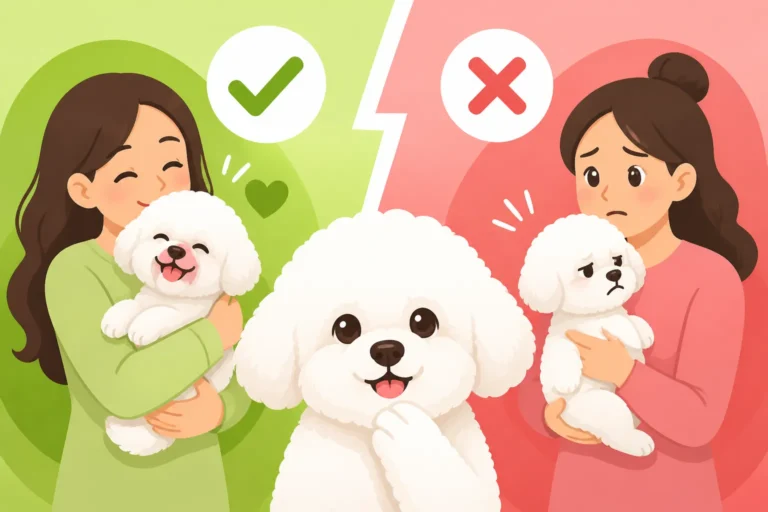
It’s a heartbreaking scenario many Bichon Frise owners eventually face: your fluffy, happy companion suddenly turns into a quivering mess at the mere mention of "groomer" or the sight of clippers. This dramatic shift often stems from a past painful experience, making every future grooming session a battle of wills. This comprehensive guide will delve into why a Bichon Frise can develop a deep-seated fear of grooming after pain, how to recognize the signs, and most importantly, how to lovingly rebuild their trust to make grooming a positive, stress-free experience once more.
The Sensitive Nature of a Bichon Frise and Pain Perception
Bichon Frises are renowned for their cheerful, outgoing personalities. They are often described as little bundles of joy, eager to please and deeply attached to their families. However, beneath that cloud-like exterior lies a sensitive soul, and this sensitivity extends to how they perceive and react to pain, especially when it comes to grooming.
Why Bichons are Particularly Sensitive
Bichons, by nature, are quite attuned to their environment and the emotions of their human companions. They thrive on routine, comfort, and positive interaction. When something disrupts this sense of security or causes physical discomfort, it can register deeply. Their small size means they can feel more vulnerable, and even minor discomforts can be amplified in their perception. Imagine a small mat being tugged by a brush; to us, it might seem trivial, but to a Bichon, that sharp pull on their delicate skin could be genuinely startling and painful. This breed is also known for being prone to certain health issues, like skin sensitivities or knee problems, which can make handling during grooming particularly uncomfortable. A groomer might unknowingly exacerbate a hidden issue, like a mild case of Slipping Kneecaps in a Bichon Frise, which makes standing for extended periods or certain positioning on the grooming table painful.
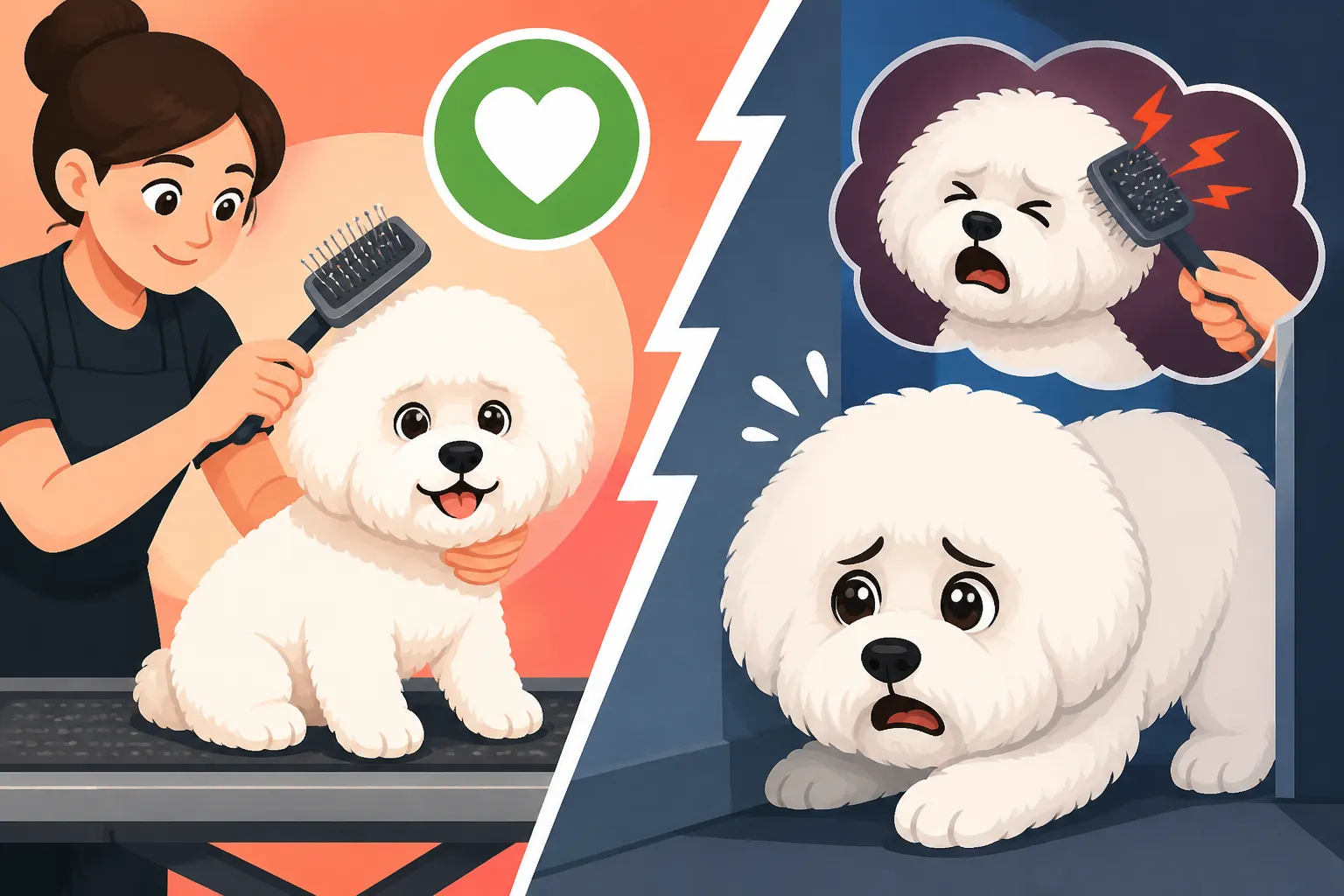
Moreover, their plush, dense coat, while beautiful, is a double-edged sword. It’s prone to matting if not meticulously cared for, and trying to brush out severe mats can be incredibly painful, feeling like constant pulling on their skin. A quicked nail during a trim, an ear hair plucked too aggressively, or even the accidental nick from clippers can turn an otherwise neutral grooming tool into an object of terror. Because they form such strong bonds with their owners, they often expect a level of gentle handling that might not always be met in a professional setting, especially if they’re not accustomed to it from puppyhood.
How a Single Painful Experience Can Create Lasting Impressions
Dogs are brilliant at associative learning. If an event (like a grooming session) is repeatedly paired with an unpleasant sensation (like pain), they quickly form a negative association. This isn't just about the specific tool that caused pain; it can extend to the entire environment, the people involved, and even the sounds and smells. Think of it like this: if you ate a specific dish and immediately got food poisoning, you'd likely avoid that dish and possibly even the restaurant for a long time. Your Bichon's brain works similarly.
A single, intensely painful experience can be enough to create a lasting impression, sometimes referred to as 'single-event learning'. For instance, if a Bichon had a severe mat pulled out roughly, or experienced a deep cut from clippers, the fear isn't just of the brush or clippers themselves. It can generalize to the grooming salon, the sound of the blow dryer, the smell of dog shampoo, the car ride there, or even the person doing the grooming. This means that even if a subsequent groomer is exceptionally gentle, your Bichon might still exhibit extreme fear because their brain has already hardwired that negative connection. This is a survival mechanism; dogs remember what causes them harm. This is why it's so crucial to make a Bichon puppy's first experiences with grooming incredibly positive. Starting positive exposure early can mitigate these risks significantly, as highlighted in The First Year With a Bichon Frise Puppy. Without this early foundation, any painful incident can set back their grooming acceptance significantly.
Recognizing the Signs of Grooming Fear and Trauma
It's easy to dismiss a dog's reluctance to be groomed as stubbornness or naughtiness. However, with a Bichon Frise, especially one who has experienced pain, these behaviors are almost always rooted in fear or anxiety. Learning to differentiate between playful resistance and genuine fear is crucial for their well-being and for successfully addressing the issue.
Behavioral Indicators of Fear Before and During Grooming
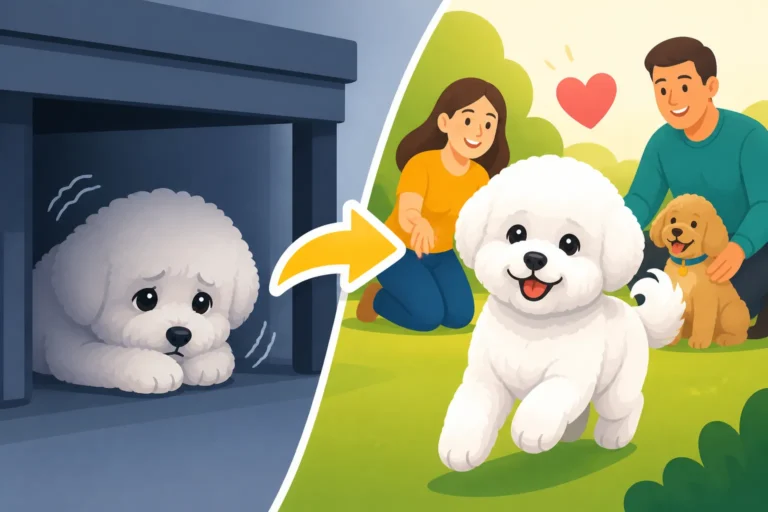
When a Bichon Frise has developed a fear of grooming, their body language will tell a story long before any growls or snaps occur. Before even heading to the groomer, you might notice them hiding under furniture, retreating to their crate, or becoming clingy and anxious when you get out the brush or towels. Some might even try to avoid the car if they associate it with the grooming salon.
During grooming, either at home or at the salon, the signs become more pronounced:
- Trembling or Shaking: Even when not cold, involuntary trembling is a classic sign of extreme anxiety.
- Lip-Licking and Yawning: These are common displacement behaviors, used by dogs to try and de-stress themselves or signal discomfort.
- "Whale Eye": When the whites of their eyes are visible, indicating stress.
- Panting: Excessive panting without physical exertion.
- Cowering or Hunching: Trying to make themselves smaller, often with their tail tucked tightly between their legs.
- Freezing: Becoming completely still, hoping the ordeal will end.
- Avoidance: Turning their head away, trying to pull away from brushes or hands, or attempting to jump off the table.
- Growling, Snapping, or Biting: These are usually last-resort warnings from a dog who feels trapped and terrified. If a Whether an Itchy Bichon Frise Bites When Handled, imagine how much more likely they are to do so if they expect actual pain. This is their way of saying, "Stop! I'm scared!"
It's vital not to punish these behaviors. Punishment only teaches your Bichon to suppress their warnings, leading to a sudden, unprovoked bite out of sheer terror in the future. Instead, recognize these as cries for help. Ignoring these subtle or overt signals can escalate their fear and make future handling much more difficult, potentially requiring more drastic measures like sedation for even basic care.
The "White Coat Syndrome" of Grooming
Just as some dogs develop a fear of veterinarians – often termed "white coat syndrome" because of the lab coats staff wear – a similar phenomenon can occur with grooming. For a Bichon who has experienced pain, the entire context of grooming becomes a trigger. It's not just the clippers; it's the smell of the grooming salon, the sound of other dogs barking, the specific grooming table, the restraint methods, or even the particular brand of shampoo used.
This generalized fear means that even if the painful stimulus is removed, the associated fear remains. Your Bichon might perfectly tolerate having their paws handled at home, but once they are on the grooming table at the salon, they become a different dog, panicking at the thought of nail trims or having their feet scissored. Whether a Bichon Frise with Sore Paws Refuses Nail Trims perfectly illustrates how localized pain can quickly generalize into a full-blown phobia.
Specific tools can also become potent triggers. The buzzing sound of electric clippers, the loud whoosh of a high-velocity dryer, the cold metal of nail trimmers, or the unfamiliar sensation of scissors around their sensitive face can all become objects of intense anxiety. It's not uncommon for a Bichon to have a specific grooming nemesis – for one, it might be the dryer; for another, the nail grinder. Understanding these specific triggers is the first step in creating a tailored plan to help them overcome their fear. This "white coat syndrome" makes every aspect of professional grooming a potential minefield for a traumatized Bichon, requiring patience, understanding, and often a change in approach.
Strategies for Rebuilding Trust and Positive Grooming Experiences
Rebuilding trust with a Bichon Frise who fears grooming takes time, patience, and a consistent, positive approach. It’s not a quick fix, but a journey of desensitization and counter-conditioning that focuses on changing their emotional response to grooming from fear to comfort, or at least tolerance.
Desensitization and Counter-Conditioning at Home
This is where the magic really happens. Desensitization means gradually exposing your Bichon to the feared stimulus (e.g., clippers, brush) at such a low intensity that they don’t react with fear. Counter-conditioning means changing their emotional response by pairing the feared stimulus with something positive, like high-value treats or praise.
Here’s how to put it into practice:
- Start Small, Start Slow: Don't try to do a full groom. Pick one specific, non-painful grooming task, like a few strokes of a soft brush on their back. Show your Bichon the brush, let them sniff it, then immediately give a super yummy treat (like cooked chicken or cheese) and praise. Don't even touch them with the brush at first if they're very fearful.
- Gradual Exposure: Once they tolerate the sight of the brush, gently touch it to their back for literally one second, then treat. Slowly increase the duration and intensity. This might mean one brush stroke, then two, then moving to a leg, then a paw. Always stop before they show signs of fear. The goal is to keep them relaxed and happy. This slow, methodical approach helps them understand that the brush is no longer a threat. You can find excellent, gentle grooming tools on platforms like Amazon, including quiet clippers or soft slicker brushes designed for sensitive skin, which can be less intimidating.
- Associate with Rewards: Every interaction with a grooming tool or process must be paired with something incredibly positive. If you’re introducing clippers, just show them, offer a treat. Turn them on in another room, offer a treat. Move them closer, offer a treat. Touch the back of the clippers (not the blade) to their body, treat. This forms new, positive associations. Training platforms like BAXTER & Bella offer online resources that can guide you through positive reinforcement techniques for handling and obedience, which can be adapted for grooming desensitization. These resources often emphasize short, fun sessions that build confidence, similar to how you’d teach a new trick.
- Target Specific Areas: Bichons often dislike their feet, ears, and faces being handled. Work on these areas individually. For paws, just touch a paw, treat. Lift a paw, treat. Touch a nail trimmer to a nail (no clip!), treat. Over time, you can progress to very small clips, always rewarding immediately. For ears, gently touch the ear, treat. Lift the ear flap, treat. Slowly build up to a quick peek inside or a gentle wipe with an ear cleaner. This is also where a diligent owner can ensure that any underlying conditions, like ear infections, are addressed, which can be a major source of pain during ear handling. Whether Treating the Skin First Makes Grooming Possible for painful skin issues applies here too.
Remember, consistency is key. Short, frequent sessions (5-10 minutes, several times a day) are far more effective than one long, stressful session. The aim is to create positive micro-experiences that gradually chip away at the fear. It's about teaching your Bichon that grooming equals good things, not pain.
Finding a Fear-Free or Low-Stress Groomer
Once you've made some progress at home, the next step might involve a professional groomer. However, not just any groomer will do. Look for groomers who prioritize a "fear-free" or "low-stress" approach. These professionals understand dog body language and employ techniques designed to minimize anxiety.
Here's what to look for and ask:
- Patience and Empathy: A good groomer for a fearful Bichon will be incredibly patient. They won't rush, won't force, and won't get frustrated. They understand that a dog's emotional state is paramount.
- Positive Reinforcement Techniques: Do they use treats and praise? Are they willing to take breaks? Will they stop if your dog shows signs of stress? A fear-free groomer will use these methods to build trust.
- Gradual Introductions: They might suggest "happy visits" where your Bichon comes in just for treats and praise, without any actual grooming, to simply get used to the environment. Subsequent visits might involve just a quick brush, then a bath, slowly building up to a full groom.
- Understanding Body Language: A skilled groomer can read your Bichon's subtle signals of stress and adjust their approach accordingly.
- Open Communication: They should be willing to discuss your Bichon's history and fears openly and provide updates on how your dog is doing during the groom.
Don't be afraid to interview potential groomers. Explain your Bichon's history and ask about their specific methods for anxious dogs. A good groomer will welcome these questions. In some cases, if the fear is severe and deeply ingrained, your veterinarian might recommend a mild sedative for grooming appointments to help break the cycle of fear and allow for a more pleasant experience. This is a conversation to have with your vet, not a groomer. For more specific advice, you might review Whether a Bichon Frise Needs Sedation for Grooming.
Maintaining a Consistent and Positive Home Grooming Routine
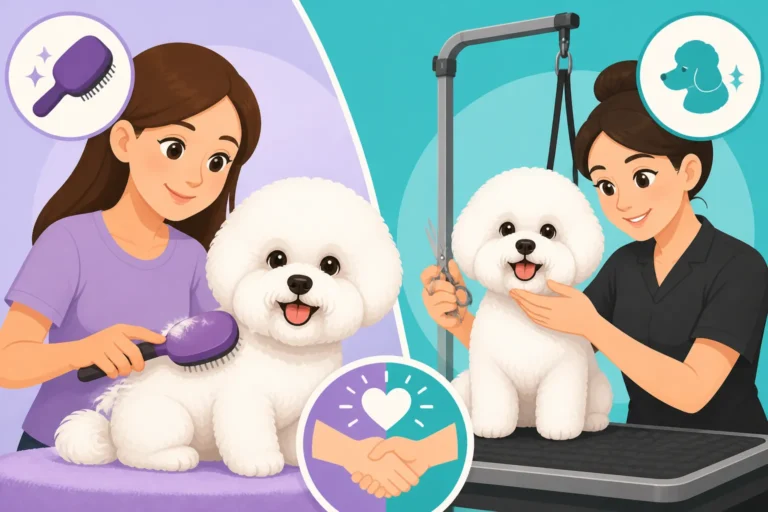
Even with a fantastic professional groomer, consistent home care is non-negotiable for a Bichon Frise, especially one prone to matting and fear. Regular home grooming reinforces the positive associations you've been building and significantly reduces the need for extensive, potentially uncomfortable, professional sessions.
- Daily Brushing: This is the cornerstone of Bichon coat care. Daily brushing, ideally with a slicker brush followed by a metal comb to check for mats, prevents tangles from becoming painful knots. Make these sessions short, gentle, and always end on a positive note with a treat and praise. For details on how to do this effectively, check out How Long Brushing a Bichon Frise Takes. This proactive approach ensures their coat remains manageable, minimizing the risk of a groomer having to perform painful de-matting.
- Regular Nail Trims: Don't let nails get overgrown, as this can be uncomfortable for walking and make future trims more challenging. If your Bichon tolerates it, aim for weekly or bi-weekly trims using clippers or a grinder, always with rewards. If you're struggling, your vet or groomer can help, but regular exposure at home is key.
- Ear Cleaning and Eye Wiping: Bichons are prone to ear infections and tear staining. Gentle weekly ear cleaning (if recommended by your vet) and daily wiping of their eyes can prevent discomfort and potential infections that make these areas painful to touch during professional grooming. Consider this as part of a daily pampering routine, not a chore. Information on ear care can be found in Whether a Bichon Frise's Ear Hair Should Be Plucked.
- Dental Care: While not strictly grooming, regular tooth brushing can make veterinary dental cleanings less stressful for your Bichon. Many dogs, especially small breeds, can develop dental disease, which, while not a grooming pain point directly, can add to overall discomfort during handling if not addressed.
By making home grooming a consistent, positive, and gentle part of your daily routine, you empower your Bichon to feel safe and comfortable. This proactive care directly impacts their experiences at the groomer, making it far less likely that they'll encounter pain or distress.
Preventing Future Grooming Trauma
The best defense against grooming trauma is a good offense. Establishing positive associations early and maintaining open communication with grooming professionals are key to ensuring your Bichon Frise has a lifetime of stress-free, happy grooming experiences.
Early Socialization and Positive Exposure for Puppies
For new Bichon Frise puppy owners, this stage is critical. The period between 8 to 16 weeks is often referred to as the "fear imprint period" or the critical socialization window. During this time, puppies are highly impressionable, and positive experiences can shape their entire outlook on the world.
- Introduce Handling Gently: From day one, gently handle your puppy all over their body – their paws, ears, tail, and mouth. Make it a game, pairing touches with treats and praise. This teaches them that being handled is safe and enjoyable.
- Familiarize with Grooming Tools: Introduce puppy-safe grooming tools like a soft brush or a silent nail file. Let them sniff them, play with them (supervised, of course), and always pair them with positive reinforcement. Turn on clippers or a hairdryer in the distance, offering treats, gradually decreasing the distance over days or weeks.
- "Puppy Package" Grooming: Many professional groomers offer special "puppy packages" or short, introductory visits for young pups. These aren't about getting a full haircut, but about positive exposure to the salon environment, the sounds, the smells, and being on the grooming table. A quick bath, a gentle brush, and lots of treats are the goals. Ask your chosen groomer about this. How Early a Bichon Frise Should Meet a Groomer is a topic worth exploring further.
- Exposure to Different People: Let friends and family (who know how to interact gently with puppies) handle your Bichon. This helps them generalize positive handling experiences to people other than you, making them more comfortable with a professional groomer.
By laying this positive foundation, you significantly reduce the chances of your Bichon developing fear or trauma from grooming later in life. It's about proactive prevention, making grooming a non-event rather than a dreaded appointment. It also helps foster their naturally The Merry Temperament the Bichon Frise Standard Demands by ensuring they aren't stressed by necessary care.
Communicating Effectively with Your Groomer and Vet
Open and honest communication with your professional groomer and veterinarian is paramount, especially if your Bichon has a history of grooming-related fear or pain. They are your partners in ensuring your dog's well-being.
- Share Your Bichon's History: Don't hold back any details about past negative experiences, sensitivities, or specific areas your Bichon dislikes. The more information your groomer has, the better they can tailor their approach to your dog's needs. If your Bichon has underlying skin conditions, for example, Whether Treating the Skin First Makes Grooming Possible becomes essential, and your groomer needs to know this.
- Discuss Health Concerns: Inform your groomer about any medical conditions your Bichon has, such as arthritis, luxating patellas, allergies, or anything that might make standing for long periods or being handled in certain ways uncomfortable. Your veterinarian can provide insights into these issues; What Bichon Frises Are Most Often Treated For can offer a general overview of common health concerns in the breed.
- Explore Sedation Options: If your Bichon's fear is severe, or if a specific procedure (like de-matting) is absolutely necessary and cannot be done without distress, talk to your veterinarian about pre-visit calming medications or mild sedation. This should always be a vet-prescribed and supervised option, never something a groomer decides. A low-dose sedative, when used appropriately, can sometimes help break a severe fear cycle by allowing the dog to experience grooming without intense panic, creating a window for positive re-association.
- Follow Up and Feedback: After a grooming session, provide feedback to your groomer. What went well? What was still challenging? This continuous dialogue helps refine the approach and ensures your Bichon's comfort remains the top priority.
By maintaining a collaborative relationship with your vet and groomer, you create a supportive network for your Bichon. This team approach, combined with consistent positive reinforcement at home, is the most effective way to help a Bichon Frise overcome a fear of grooming and prevent future trauma.
Comparison of Grooming Approaches for Fearful Bichons
When dealing with a Bichon Frise who has learned to fear grooming, the approach taken by caregivers and professional groomers can make all the difference. Understanding the contrast between a fear-free, positive reinforcement method and a more traditional, "get it done" approach is essential for rehabilitating your furry friend.
| Feature | Fear-Free/Low-Stress Grooming Approach | Traditional Grooming Approach |
|---|---|---|
| Primary Goal | Minimize stress, build trust, create positive associations, safe experience. | Get the grooming task done efficiently. |
| Pace | Slow, breaks taken, allows dog to acclimate. | Fast-paced, focused on completion, strict schedule. |
| Restraint | Minimal, gentle, focuses on voluntary cooperation, positive reinforcement. | May use more firm restraint, relies on physical control. |
| Communication | Reads dog's body language, responds to signs of stress, verbal reassurance. | May overlook subtle stress signals, direct commands. |
| Rewards | Uses high-value treats, praise, toys to reinforce calm behavior. | Less emphasis on rewards, may use them sparingly or not at all. |
| Pain Management | Proactive in identifying potential discomfort, may stop or refer to vet. | May push through minor discomfort to finish the groom. |
| Environment | Quieter areas, calming diffusers, non-slip surfaces, thoughtful setup. | Standard salon environment, may be noisy or busy. |
| Outcome for Dog | Reduced anxiety, increased tolerance, potentially enjoys grooming. | Continued fear, learned helplessness, potential behavioral issues. |
| Home Routine Alignment | Encourages owner involvement in desensitization at home. | May or may not provide guidance for home reinforcement. |
Disclaimer
This article is for general informational purposes only and does not constitute professional advice. Laws, prices and regulations vary by location and change over time. Consult a qualified professional for guidance on your specific situation.