Whether a Bichon Frise Learns to Lie on Its Side
One of the biggest struggles many Bichon Frise owners face is getting their fluffy companion to cooperate with the essential grooming and health checks that are a regular part of their lives. It's not just about a cute haircut; it’s about their health and comfort. This guide is all about tackling that challenge by teaching your Bichon Frise to comfortably lie on their side, transforming stressful struggles into cooperative care moments for both of you.
Why Teaching "Lie on Side" is a Game Changer for Your Bichon Frise
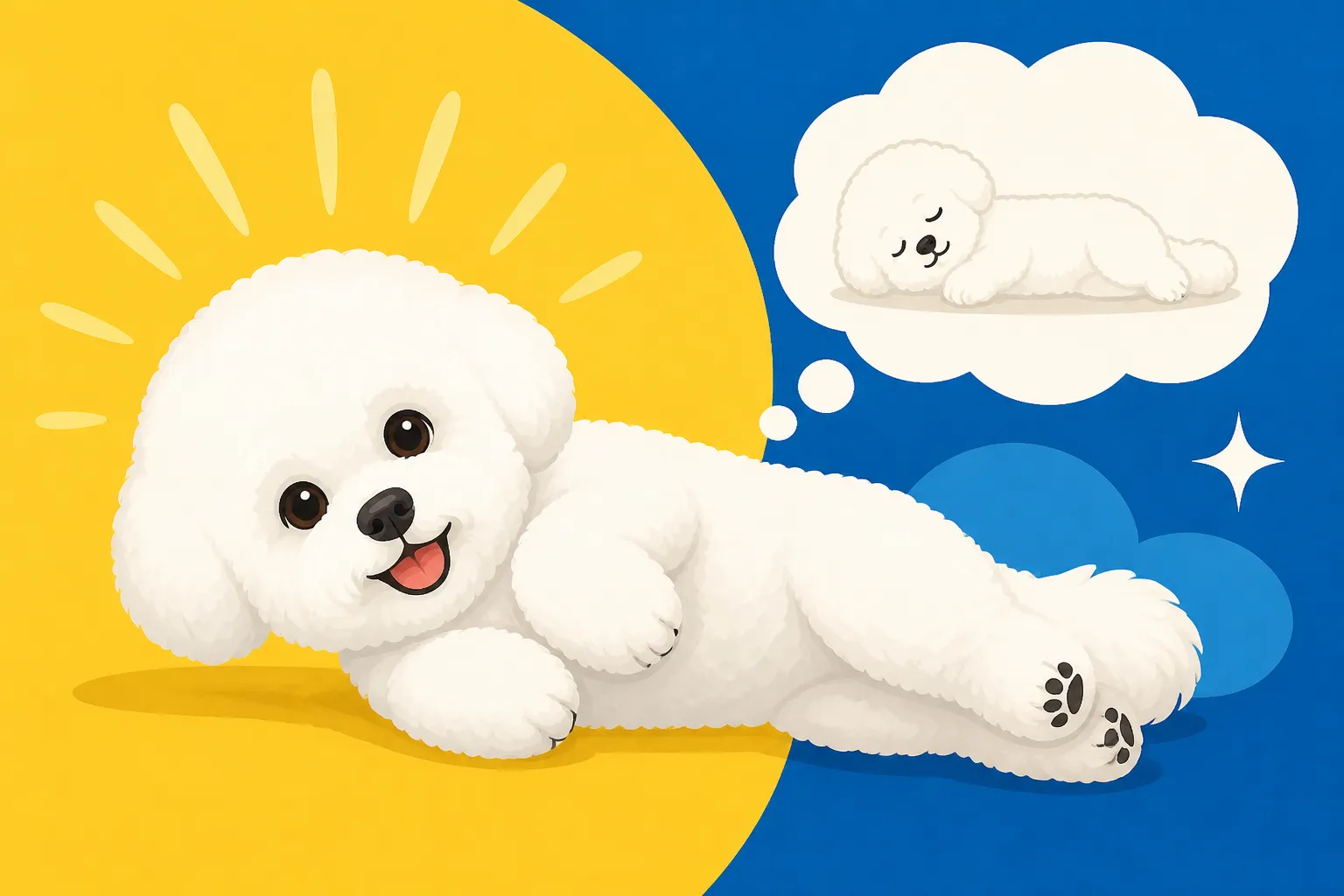
Let's be honest, those adorable Bichon Frise coats are a lot of work. They're prone to matting, they collect debris, and they need regular attention to stay healthy and clean. Beyond the aesthetics, regular grooming and health checks are non-negotiable for this breed. But trying to get a wiggly, sometimes resistant, little dog to lie still for extended periods, especially on their side, can feel like wrestling a fluffy cloud. That’s where teaching them to lie on their side comes in – it’s a foundational behavior that can make a world of difference.
The Grooming Grind: More Than Just Looking Pretty
Your Bichon Frise isn't just a pet; they're a living, breathing cotton ball that needs specific care to thrive. Their beautiful double coat, while minimal shedding (which is why many with allergies choose them), is prone to matting if not brushed and combed regularly. Mats can quickly become painful, pulling on the skin and even leading to skin infections. Getting your Bichon to lie on their side makes tasks like line brushing, dematting, or even scissoring those delicate areas around their legs, tummy, and armpits so much easier and safer.
Imagine trying to trim the hair between their paw pads or brush out a tangle from their flank while they're standing and constantly shifting. It’s not only frustrating for you but potentially scary or painful for them. A cooperative "lie on side" means you can expose their underside, check their skin, and thoroughly brush their entire body without them squirming or trying to nip. This is especially true when tackling more intensive grooming like the full "powder puff" outline that many groomers aim for. You can get a much cleaner, more even cut when your dog is relaxed and stable. For more tips on their unique coat, check out How Long Brushing a Bichon Frise Takes or The Powder Puff Outline a Bichon Frise Is Scissored Into.
Essential Health Checks and Cooperative Care
Beyond routine grooming, there are countless small health checks you perform at home, or that your vet needs to do, that are made significantly easier when your Bichon Frise will comfortably lie on their side. Think about nail trims. Trying to get a good angle on those little white nails, especially if they have some quick showing, can be a battle. If your dog is lying on their side, their paws are naturally exposed, making it much simpler to trim or grind their nails. The same goes for checking their paw pads for cuts, splinters, or irritation.
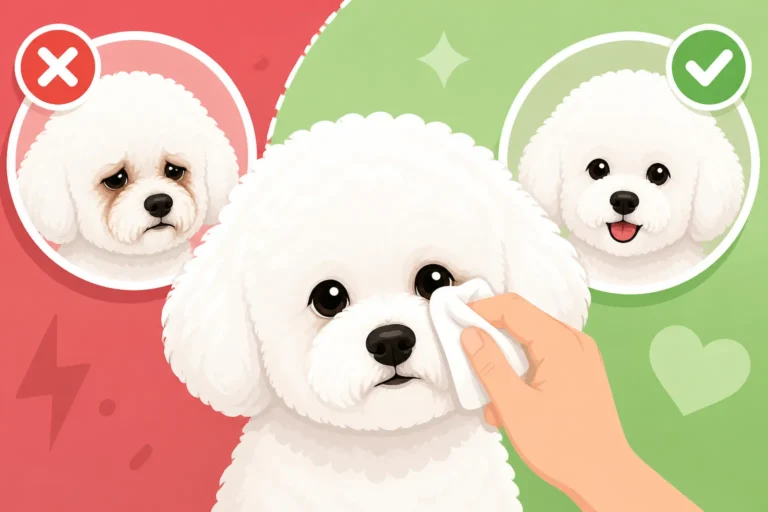
Then there are their ears. Bichons are prone to ear infections, and cleaning their ears or applying ear drops can be a real struggle if they're fighting you. With them calmly on their side, you have better access to the ear canal, and the whole process becomes less stressful for everyone involved. The Ears a Bichon Frise Needs Cleaned Every Week highlights just how important this is. Similarly, inspecting their teeth and gums, wiping away tear stains (a common Bichon issue—see Whether a Bichon Frise Tolerates Daily Eye Wiping), or applying topical medications to their skin becomes a gentle, manageable interaction instead of a wrestling match. This concept of "cooperative care" is about empowering your dog to participate in their own care through training, rather than simply restraining them.
Building Trust and Reducing Stress
Ultimately, teaching your Bichon Frise to lie on their side isn't just about convenience; it's about building a stronger bond based on trust and reducing stress for both of you. When you force a dog into a position, it can erode their trust and make future interactions even harder. They learn to associate handling with discomfort or fear. Conversely, when you use positive reinforcement to teach them a specific position, they learn that cooperating leads to good things – treats, praise, and a calm, happy owner.
This positive association is invaluable. Imagine going to the vet, and instead of your Bichon shaking with fear on the examination table, they calmly lie down on their side when prompted. This not only makes the vet's job easier but also means your dog experiences less anxiety. A calmer dog means better exams, more accurate diagnoses, and a happier life overall. You're teaching them a skill that benefits them emotionally and physically throughout their The Fourteen to Fifteen Years a Bichon Frise Lives.
Step-by-Step: Guiding Your Bichon Frise into the Sideways Position
Teaching a new behavior takes patience, consistency, and a whole lot of positive reinforcement. For "lie on side," we're essentially building on a few basic commands your Bichon Frise probably already knows or can learn quickly. Remember, short, positive training sessions are always more effective than long, frustrating ones.
Starting with a Comfortable Down Stay
Before you can ask your Bichon to roll onto their side, they need to be comfortable and reliable in a "down" or "lie down" position. This is the foundation. If your dog can't consistently lie down on command, start there. Use high-value treats – small, soft, and super tasty bits of cooked chicken, cheese, or specialized training treats are perfect.
- Lure to Down: Hold a treat near their nose and slowly move it towards the floor and then back between their paws. As their nose follows, their body will naturally drop into a down. As soon as their elbows touch the ground, say "Yes!" or click a clicker, and give them the treat. Repeat this several times.
- Add the Cue: Once they're reliably going into a down with the lure, start saying "Down" as their body is lowering. Gradually phase out the visible lure, just using the hand motion and cue.
- Practice Stay: Once they can "Down" reliably, start practicing a short "Stay." Begin with just a second or two, rewarding them for staying in position before you release them. Slowly increase the duration and distance. This stability in the "down" will be crucial for the next steps.
Make sure you're practicing in a quiet, distraction-free environment at first. Keep sessions short, maybe 5-10 minutes, several times a day.
Luring and Capturing the Roll
Now that your Bichon is a pro at the "down," we can introduce the side roll. This is where a soft, comfortable surface like a dog bed or a blanket comes in handy.
- Down Position: Ask your Bichon Frise to lie down. Reward them for doing so.
- Lure to the Side: With your dog in the down position, take another high-value treat and slowly move it from their nose towards their shoulder and then arc it over their back, towards their spine. Your goal is to get them to roll their head and then their body to follow the treat.
- As their head turns, they might shift their weight.
- As you continue to arc the treat, their body should start to tip over.
- The moment their shoulder blade and side touch the ground – even if it's just for a second – immediately say "Yes!" or click, and deliver the treat right there.
- Break it Down: Don't expect a full roll to the side on the first try. You might only get a head turn, then a shoulder lean. Reward any movement in the right direction. Gradually, only reward closer approximations of the full roll.
- Repeat and Refine: Practice this lure and reward sequence many, many times. The more they associate the rolling motion with a treat, the more likely they are to offer it. You can even try to "capture" the behavior if your dog naturally rolls onto their side when relaxing. The moment they do, say "Yes!" and reward them.
Adding the Verbal Cue and Hand Signal
Once your Bichon is reliably rolling onto their side with the treat lure, it's time to add a verbal cue and a consistent hand signal.
- Introduce the Cue: As you begin to move the treat in the luring arc, say your chosen verbal cue – "Side," "Roll," or "On Your Side" – clearly and calmly. Use the same cue every single time.
- Pair with Hand Signal: Simultaneously, create a consistent hand signal. This could be an open palm sweeping from their nose over their back, mimicking the treat lure without the treat in your hand.
- Phase Out the Lure: Gradually make the treat less visible. First, hold it in a closed fist as you lure. Then, use an empty hand for the lure/hand signal, and only present the treat after they've performed the behavior. Eventually, your Bichon should perform the "lie on side" with just the verbal cue and/or hand signal.
- Practice Both Sides: Don't forget to practice rolling to both their left and right sides! You might find one side is easier for them than the other initially. Be patient and work on both equally. This versatility will be incredibly useful for grooming and health checks.
Consistency is key here. Every time they offer the correct behavior, reward them quickly and enthusiastically. Companies like BAXTER & Bella offer excellent online resources that emphasize positive reinforcement and cooperative care, which can be invaluable for breaking down complex behaviors like this into manageable steps.
Overcoming Hurdles and Common Training Pitfalls
Even with the best intentions, training a Bichon Frise (or any dog!) can present its own unique set of challenges. It's easy to get frustrated, but remember, your Bichon is likely mirroring your emotions. Staying calm and persistent is crucial.
Dealing with Resistance and Anxiety
Some Bichons might be hesitant to roll onto their side. They might resist the lure, get up, or even snap if they feel uncomfortable or vulnerable. This is completely normal and tells you something important: you're going too fast, or they're not comfortable.
- Break It Down Further: If your Bichon isn't rolling, go back a step. Can you just get them to turn their head far enough that their weight shifts slightly? Reward that small shift. Maybe just a lean? Reward that. Build up gradually. Don't push for the full roll if they're not ready.
- Check for Discomfort: Is there any physical reason they might not want to lie on their side? Perhaps an old injury, arthritis, or even a sensitive tummy? If you suspect discomfort, a vet check is a good idea. Sometimes underlying pain can manifest as resistance to certain positions. For older Bichons, Arthritis in a Bichon Frise at Eleven might be a relevant read.
- High-Value Rewards: Is your treat really motivating? For some Bichons, plain kibble isn't enough. Find that super special treat they go absolutely crazy for. Sometimes a favorite toy or a quick game of tug can also be a reward for certain dogs.
- Positive, Calm Energy: If you're stressed, your dog will pick up on it. Keep your voice calm, your movements smooth, and your attitude positive. If you're both getting frustrated, take a break. End the session on an easy command they know, reward them, and try again later.
- Safe Space: Ensure the training environment is secure and free from anything that might make them feel exposed or anxious. A soft mat on the floor, or a bed, rather than a slippery, hard surface, can make a big difference.
Maintaining Consistency and Positive Reinforcement
Inconsistency is the silent killer of dog training. If one day you demand perfection and the next you let sloppy behavior slide, your Bichon will get confused.
- Everyone on Board: If multiple people interact with your Bichon, ensure everyone uses the same cues and rewards. This helps solidify the command.
- Short, Frequent Sessions: As mentioned, little and often is better. Five minutes, three to four times a day, is far more effective than one 30-minute session where attention wanes.
- Don't Forget to Reward: Even when your Bichon is proficient, occasionally reward them for a quick, correct "lie on side." It keeps the behavior strong. You don't need a treat every time, but unexpected rewards keep them motivated. You can even use life rewards – once they lie on their side, they get to have their favorite belly rub.
- Avoid Punishment: Never punish your Bichon Frise for not performing the command or for getting up. Punishment only creates fear and anxiety, making them less likely to cooperate in the future. If they don't do it, simply reset and try again, or make the task easier.
- Fade the Lure, Not the Reward: Remember, the goal is for them to perform the action based on your cue, not just because you're holding food. Gradually remove the visual food lure, but continue to reward them with the treat after they've done what you asked.
When to Seek Professional Guidance
Sometimes, despite your best efforts, you might feel stuck. Don't hesitate to reach out for professional help.
- Certified Professional Dog Trainer (CPDT-KA): A good dog trainer can observe your interactions, pinpoint areas for improvement, and offer tailored advice. They can help you break down the behavior even further, or troubleshoot specific issues like fear or stubbornness. Look for trainers who use positive, force-free methods.
- Veterinary Behaviorist: If your Bichon Frise exhibits extreme anxiety, aggression, or a deep-seated fear response to being handled or put in certain positions, a veterinary behaviorist might be necessary. These are veterinarians with specialized training in animal behavior who can address underlying medical or behavioral issues.
- Online Training Programs: While not a substitute for in-person help for severe issues, structured online programs can provide a wealth of information and step-by-step videos. Many offer virtual coaching. For instance, platforms like BAXTER & Bella provide comprehensive puppy and dog training programs that emphasize cooperative care and positive reinforcement, which aligns perfectly with teaching "lie on side." You might also find specific tools on Amazon, such as clickers or specialized grooming tables, that can aid your training efforts.
Remember, seeking help isn't a sign of failure; it's a sign of a responsible pet owner who wants the best for their Bichon Frise.
Integrating "Lie on Side" into Your Bichon's Routine
Once your Bichon Frise has mastered the "lie on side" command, it's time to put it to practical use. This isn't just a party trick; it's a valuable skill that will simplify so many aspects of their care and well-being.
Making Grooming Sessions Smoother
This is arguably where the "lie on side" command shines brightest for a Bichon Frise. Their fluffy coats demand constant attention, and without cooperation, grooming can turn into a nightmare for both dog and owner.
- Brushing and Combing: Instead of chasing a wiggling dog around the grooming table, you can now ask your Bichon to "side" and calmly brush out one entire side of their body, from neck to tail, top to bottom. This allows you to perform proper line brushing, ensuring you get down to the skin and prevent mats. Then, simply ask them to roll to the other side to repeat the process. This dramatically reduces stress and improves efficiency. For a thorough groom, this cooperative position is invaluable. You can also explore Getting a Bichon Frise Used to Scissors for specific techniques around sensitive areas.
- Paws and Pads: With your Bichon on their side, their paw pads are naturally exposed and relaxed. This makes trimming the hair between the pads, inspecting for burrs or cuts, and most importantly, trimming their nails, significantly easier. You can comfortably hold their paw and work without them pulling away. Many Bichons dislike having their feet handled, so this calm, controlled position can help build a positive association with paw care.
- Sanitary Trims: Trimming the hair around their private areas and tummy is essential for hygiene. The "lie on side" command provides perfect access, allowing you to quickly and safely perform these trims without risk of injury to your dog. It’s far better than trying to lift a leg or contort them into an awkward position.
- Eye and Ear Care: While not strictly needing them on their side for all eye and ear care, if you need to apply eye drops or clean deep inside their ears, having them relaxed and stable on their side can make the process much more manageable. Especially for sensitive Bichons, this calm positioning can prevent a struggle and potential injury. Whether a Bichon Frise Accepts Ear Drops Twice a Day explains the importance of this.
Enhancing Vet Visits and Home Health Checks
The benefits of a cooperative "lie on side" extend beyond grooming. It can make medical examinations and at-home health monitoring much less stressful and more effective.
- Vet Examinations: Imagine your vet needing to palpate your dog's abdomen, check their lymph nodes, or listen to their heart and lungs. If your Bichon is already trained to lie calmly on their side, the vet can perform these checks with greater ease and less stress for your dog. This can lead to more accurate findings and a more positive experience all around. It's truly a gift to both your dog and their healthcare team.
- Post-Surgery Care: If your Bichon Frise ever needs surgery, for example, for Why a Bichon Frise's Stones Must Be Cut Out or Whether a Bichon Frise's Kneecap Needs Surgery, they will likely need wound checks or medication application at home. Being able to ask them to lie on their side calmly can make these necessary (but often uncomfortable) tasks much simpler for you and less painful for them during recovery.
- Daily Health Spot Checks: At home, you can use the "lie on side" cue to routinely check for lumps, bumps, ticks, or skin irritations that might otherwise go unnoticed. Bichons can develop skin issues, so being able to easily examine their entire body thoroughly is a huge advantage. Early detection of problems is always best.
Keeping it Fun and Rewarding
Even after your Bichon Frise has mastered "lie on side," it’s important to keep the skill sharp and the association positive.
- Random Practice: Don't just pull out the command when it's grooming time. Occasionally ask for a "side" during playtime or when they're relaxing, reward them generously, and then release them. This keeps it from becoming solely associated with potentially uncomfortable procedures.
- Vary Rewards: While high-value treats are great for initial training, once the behavior is reliable, you can vary the rewards. Sometimes it's a treat, sometimes it's enthusiastic verbal praise, sometimes a favorite toy, or even a good belly rub that you can give because they're already in the perfect position!
- Short, Sweet Sessions: Even maintenance sessions should be brief. Just a minute or two of practicing the command a few times a week is often enough to keep it fresh in their mind.
- Build Confidence: The more your Bichon successfully performs this behavior and receives positive reinforcement, the more confident they will become in handling and cooperative care. This confidence will spill over into other areas of their life, making them a more well-adjusted and happier companion.
Teaching your Bichon Frise to lie on their side is a small investment of time and patience that pays huge dividends in their overall well-being and your peace of mind as an owner. It transforms essential care from a potential battle into a cooperative, bonding experience.
Disclaimer
This article is for general informational purposes only and does not constitute professional advice. Laws, prices and regulations vary by location and change over time. Consult a qualified professional for guidance on your specific situation.