Whether a Bichon Frise Begs at the Table
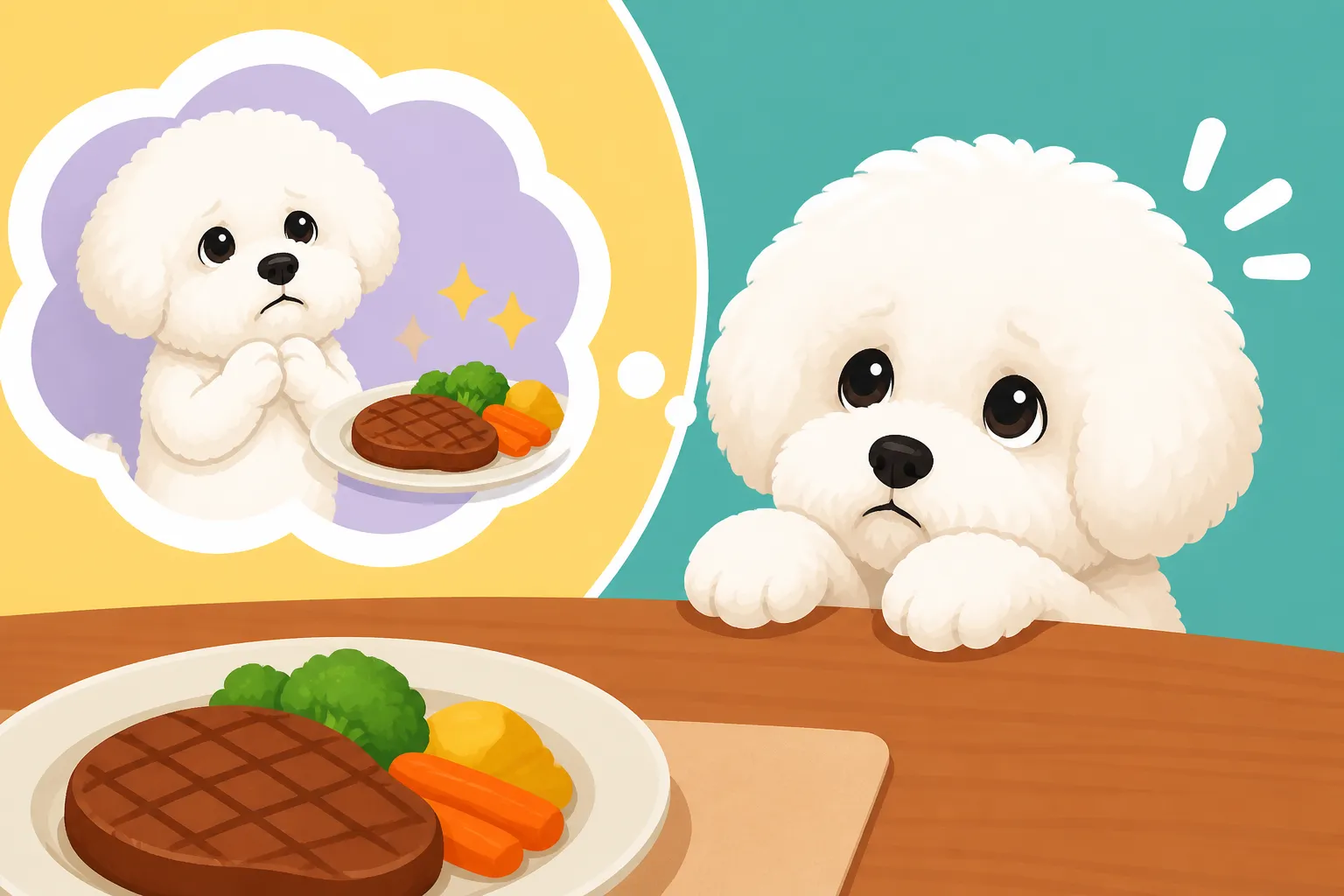
It's a scene many of us know all too well: you settle down for a quiet meal, perhaps a delicious Sunday roast or even just a quick sandwich, and suddenly, there they are. Those big, dark, soulful eyes, fixed intently on your plate, a tiny white cloud of a dog sitting perfectly still, sometimes even offering a tentative paw. It's almost impossible to resist, isn't it? But that adorable face begging at the table isn't just a minor annoyance; it's a habit that can be surprisingly hard to break and can lead to real health and behavioral challenges for your sweet Bichon Frise. This comprehensive guide will walk you through why your Bichon turns into a professional beggar, the potential pitfalls of giving in, and most importantly, how to kindly but firmly put a stop to it, ensuring a peaceful mealtime for everyone.
Why Your Bichon Frise Becomes a Table Beggar
It's easy to assume your Bichon is just being naughty, but understanding the root causes of their table begging can help you approach the problem with more empathy and effective strategies. They're not trying to manipulate you; they're simply being dogs, and very clever ones at that!
The Allure of Human Food
Let's be honest, human food is often far more aromatic and enticing than even the best kibble. Think about it: the rich smells of cooked meat, savory sauces, crunchy vegetables, or sweet desserts – these are incredibly stimulating to a dog's keen sense of smell. Your Bichon is naturally drawn to these novel and strong scents. From their perspective, your plate holds a treasure trove of exciting new flavors and textures that they don't get every day. It's like us walking past a bakery with freshly baked bread; the temptation is powerful! Even if they've just eaten their own meal, the sheer novelty and perceived deliciousness of what's on your plate can override their satiety. They're opportunists, and if there's a chance to get something tastier, they'll certainly try.
Unintended Reinforcement from Owners
This is where we, as devoted pet parents, often unintentionally create the problem. It starts innocently enough. Perhaps a tiny morsel falls to the floor, and your Bichon, quick as a flash, gobbles it up. Or maybe, those pleading eyes are just too much, and you offer a tiny piece of carrot or a crumb of toast. Just once, you tell yourself. The problem is, for a dog, "just once" is a powerful lesson. They learn that their presence, their stare, their little whimper, or their paw-pat can result in a reward.
Every single time a dog gets even a tiny scrap from the table, or even attention for begging, the behavior is reinforced. They don't understand that you only gave them that piece of chicken because you felt guilty or because it was a special occasion. They just know that sitting there, looking cute, sometimes pays off. This intermittent reinforcement is incredibly strong, making the behavior very resilient to extinction. It's like a slot machine; if you win sometimes, you keep playing. This is why it's so critical to be consistent – any deviation can undo weeks of training.
The Breed's Charming Persistence
Bichon Frises, with their captivating personalities, are inherently charming and intelligent dogs. They thrive on human interaction and can be surprisingly persistent when they want something. They were, after all, bred to be companion dogs, accustomed to being close to their human families. Their "merry temperament" often translates into a keen awareness of their owners' emotions and a desire to be involved in everything you do. The Merry Temperament the Bichon Frise Standard Demands is a great characteristic, but it can work against you when it comes to table manners.
They learn quickly what works to get your attention and, potentially, your food. A gentle nudge, a soft whine, or simply staring with unwavering focus – these are all tactics they've perfected. Their small size makes it easy for them to position themselves discreetly under the table or right by your feet, making them hard to ignore. They know how to use their cuteness to their advantage, and if you've ever found yourself giving in to that fluffy face, you're not alone! Their persistence isn't malicious; it's simply a testament to their intelligence and their strong bond with you.
The Hidden Dangers of Table Scraps for Bichon Frises
While a tiny scrap might seem harmless, consistently feeding your Bichon Frise from the table can have serious repercussions for their health and well-being. What tastes good to us can be genuinely detrimental, if not outright dangerous, for our furry friends.
Undoing the Stone Diet
One of the most significant concerns for Bichon Frise owners is their breed's notorious predisposition to bladder stones, particularly calcium oxalate stones. These aren't just uncomfortable; they can be life-threatening if they cause a blockage. Many Bichons are placed on very specific prescription diets designed to alter urine pH, reduce mineral content, and dilute the urine to prevent stone formation and recurrence. Whether Table Scraps Undo a Bichon Frise's Stone Diet is a critical question for many owners.
Even small amounts of human food, especially those high in oxalates, sodium, or protein, can completely undermine the effectiveness of these specialized diets. A single bite of cheese, a piece of lunch meat, or a few potato chips might seem insignificant to you, but they can drastically change your Bichon's urinary chemistry, making them more susceptible to stone formation. For a Bichon on a strict stone prevention diet, consistency is absolutely key to their long-term health. Feeding them table scraps is like taking one step forward with their prescription food and two steps back with every forbidden treat. This can lead to repeat vet visits, painful episodes, and even costly surgeries down the line.
Nutritional Imbalance and Weight Gain
Commercial dog foods, especially high-quality ones, are carefully formulated to provide a balanced nutritional profile for your dog. They contain the right ratios of protein, fats, carbohydrates, vitamins, and minerals. When you start adding human food, especially in significant quantities, you disrupt this delicate balance. Our food is often much higher in calories, fat, and sodium than what a dog needs.
This can quickly lead to weight gain, which is a problem for any dog, but particularly for small breeds like Bichons. Excess weight puts strain on their joints, especially if they are prone to conditions like luxating patellas. Grading a Bichon Frise's Luxating Patella is a common vet discussion for these dogs, and extra weight only exacerbates it. Obesity also increases the risk of other serious health issues, including diabetes. Whether an Overweight Bichon Frise Risks Diabetes is a very real concern. Beyond weight, nutritional imbalances can lead to deficiencies or excesses of certain nutrients, manifesting as skin problems, dull coat, digestive upset, or even more serious long-term organ damage.
Toxic Foods and Digestive Upset
Many common human foods are outright toxic to dogs. Onions, garlic, grapes, raisins, chocolate, xylitol (a common sweetener), and even certain nuts can cause severe illness, organ failure, or be fatal. While you might be careful to avoid these obvious dangers, sometimes seemingly innocent foods can cause trouble. High-fat foods like bacon, gravy, or fatty meats can lead to pancreatitis, a very painful and serious inflammation of the pancreas that can require hospitalization. Bones, especially cooked ones, can splinter and cause internal damage or blockages.
Even non-toxic foods, when given in large quantities or as a sudden change to their diet, can cause digestive upset like vomiting and diarrhea. A Bichon Frise has a sensitive digestive system, and sudden dietary changes can really throw them off. The discomfort for your dog, and the worry and vet bills for you, are simply not worth the momentary pleasure of a table scrap. It's far safer to stick to their regular, balanced diet and vet-approved treats.
Effective Strategies to Stop Table Begging
Putting an end to table begging requires a united front, consistency, and a little bit of patience. But trust me, a peaceful mealtime is well within reach, and your Bichon will thank you for it in the long run!
Establishing Clear Boundaries
The absolute first rule of stopping table begging is this: never, ever give in. This means no scraps, no accidental drops, and no giving them the plate to lick clean. If your Bichon learns that begging never results in food, the behavior will eventually fade. This might feel harsh at first, especially when they're giving you those famous puppy-dog eyes, but it's truly for their own good.
One of the most effective ways to establish boundaries is to teach your Bichon a "place" command. This means teaching them to go to a specific mat, bed, or crate and stay there quietly during meal times. Start with short durations and reward them heavily for staying in their place while you're preparing or eating. The BAXTER & Bella online puppy school or similar positive reinforcement training programs often have excellent modules on teaching this kind of impulse control. Once they understand "place," you can gradually increase the time they need to stay there. Consider using a baby gate or keeping them in a separate room during meals if they struggle initially. Many options are available on Amazon, from tension-mounted gates to freestanding ones, which can be invaluable tools for management during training.
Management and Prevention Techniques
Beyond direct training, managing your environment is crucial to preventing begging. "An ounce of prevention is worth a pound of cure," as the saying goes.
- Mealtime Routines: Feed your Bichon their own meal before you sit down to eat. A full belly often reduces the urgency to beg, making them less interested in your food. Ensure they have access to fresh water beforehand too.
- Physical Barriers: As mentioned, baby gates are fantastic for creating a physical boundary between your dog and the dining area. Another option is a comfortable crate in an adjacent room where they can relax with a special chew toy or puzzle feeder while you eat. This ensures they're not practicing the begging behavior.
- Interactive Toys: Provide a distraction. A KONG stuffed with a safe treat (like a little peanut butter or some of their own kibble soaked and frozen) or an interactive puzzle feeder can keep your Bichon happily occupied in their "place" while you enjoy your meal in peace. Look for durable, mentally stimulating toys on Amazon that dispense treats slowly. This makes mealtime a positive, yet separate, experience for them.
- Strict "No Human Food" Rule: Make it clear to everyone in the household, including guests, that the Bichon never gets human food from the table. Consistency from every single person is paramount. Even well-meaning visitors can inadvertently undermine your efforts by slipping a scrap.
Positive Reinforcement for Good Behavior
While it's important to stop rewarding bad behavior, it's equally important to reward the good behavior you want to see. When your Bichon is calmly lying in their bed, or simply not begging while you're eating, acknowledge and reward that.
- Verbal Praise and Affection: A quiet "Good dog!" or a gentle pat on the head (after mealtime, not during) can go a long way. This teaches them that calm, non-begging behavior earns positive attention.
- Special Chew Toys/Treats: Offer a high-value, long-lasting chew or a favorite toy only during your meal times. This makes their "place" a rewarding spot to be, associating your mealtime with their special treat time.
- Reinforce "Settle": Teach your Bichon to settle calmly in various situations, not just during meals. This general calmness will naturally extend to meal times. How Fast a Bichon Frise Learns a New Cue is often quite quickly with positive reinforcement, as Bichons are eager to please and intelligent. They respond wonderfully to praise and small, appropriate treats as rewards. Whether a Bichon Frise Works for Food or Praise – often a combination of both, but positive interaction is key for this companion breed.
Here's a quick comparison of begging prevention methods:
| Method | Description | Pros | Cons |
|---|---|---|---|
| "Place" Command | Teach dog to go to a designated spot during meals and stay. | Teaches impulse control; creates clear boundary. | Requires consistent training; initial effort. |
| Baby Gates/Crating | Physically separate dog from dining area. | Immediate prevention; very effective for new behaviors. | Dog might whine initially; requires space for gate/crate. |
| Pre-feeding Dog | Feed your Bichon their meal before you eat. | Reduces hunger-driven begging; simple to implement. | May not stop begging entirely if driven by novelty. |
| Distraction Toys | Provide interactive toys or chews during your meal. | Keeps dog occupied and happy; diverts attention. | Toys must be safe and engaging enough to hold interest. |
| Ignoring Begging | No eye contact, no speaking, no touching when dog is begging. | Removes reinforcement; eventually extinguishes behavior. | Requires strong willpower from owners; takes time. |
| Consistent "No" | Firmly and calmly tell dog "No" and redirect to "place" or remove from area. | Clear communication of boundaries. | Must be calm and consistent, not angry or harsh. |
Long-Term Consistency for a Peaceful Mealtime
Stopping table begging isn't a one-time fix; it's an ongoing commitment, especially with a breed as endearing and persistent as the Bichon Frise. Long-term success hinges on unwavering consistency from everyone in the household.
Involving the Whole Family
This is often the trickiest part, particularly if you have children or frequent guests. It only takes one person to give in "just once" to set your training back weeks. Your Bichon won't differentiate between mom's rules, dad's rules, or grandma's rules; they'll simply learn that sometimes begging works.
Hold a family meeting and explain why it's so important not to feed the dog from the table – highlight the health risks, especially the potential for bladder stones, as discussed earlier. Make sure everyone understands the agreed-upon rules and consequences (e.g., if the dog begs, they go to their crate for the duration of the meal). For younger children, it can be helpful to give them a specific job, like giving the Bichon a safe toy in their designated "place" before you start eating. You could even involve them in training using a structured program, like those offered by BAXTER & Bella, which emphasize family involvement in dog training. This makes them part of the solution rather than potentially part of the problem.
Guests should also be politely informed of your policy. You can say something like, "Fluffy is on a very strict diet for health reasons, so we never give her human food from the table. We really appreciate your help with this!" Most people will understand and respect your rules when they know it's for the dog's well-being.
Addressing Relapses and Staying Strong
Even with the best intentions and consistent training, relapses can happen. Perhaps you had a particularly busy day, or a new, exciting food was served, and your Bichon tried their luck again. Don't get discouraged! Think of it as a momentary setback, not a failure.
When a relapse occurs, calmly and immediately redirect the behavior. If they're begging, quietly lead them to their "place" or to another room for the duration of the meal. Do not scold them or give them attention, as even negative attention can be a form of reinforcement. Just calmly remove the opportunity to beg and ignore the behavior. Once the meal is over, you can re-engage with your Bichon, perhaps with a short play session or some praise for being quiet.
Remember that changing established behaviors takes time and patience, particularly for a long-tail issue like table begging that has been reinforced over time. Focus on celebrating the small victories – the meals where they stayed in their place, the times they didn't even attempt to beg. Over time, with unwavering consistency and positive reinforcement, your Bichon Frise will learn that meal times are for humans, and their own delicious meals and special treats come at other, appropriate times. This not only makes your life easier but also safeguards their health and teaches them valuable self-control.
Disclaimer
This article is for general informational purposes only and does not constitute professional advice. Laws, prices and regulations vary by location and change over time. Consult a qualified professional for guidance on your specific situation.