Whether a Bichon Frise Cries When You Leave
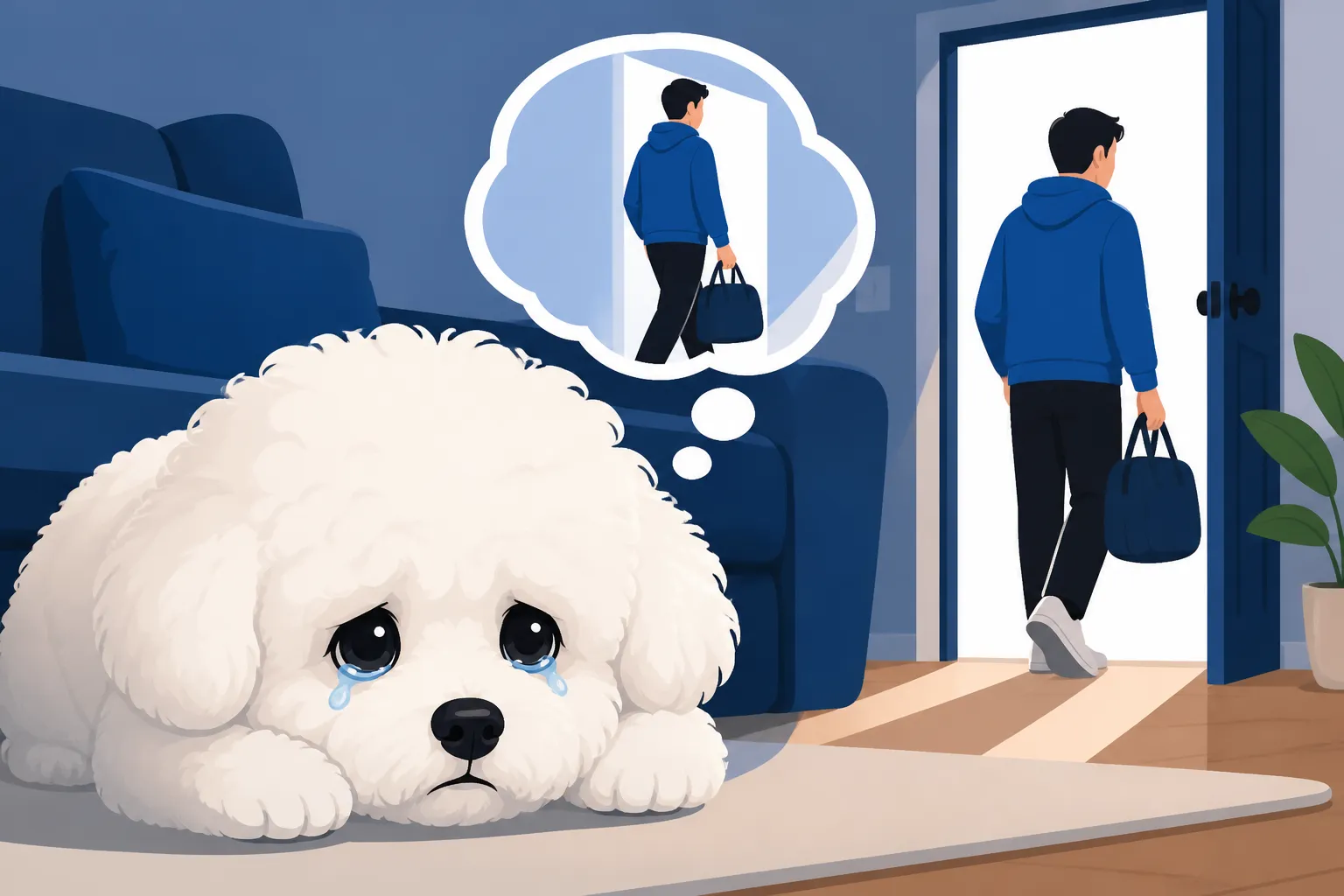
It's truly heartbreaking to leave your fluffy little Bichon Frise at home only to return to complaints from neighbors, or worse, knowing they've spent the entire time distressed. That mournful howling, the frantic barking, or even quiet whimpering can tear at your heartstrings and make you question every outing. This comprehensive guide will delve deep into why your beloved Bichon might be crying when you leave, how to tell if it's normal protest or something more serious like separation anxiety, and most importantly, what practical steps you can take to help them feel safe and content when they're home alone.
Understanding Why Your Bichon Frise Cries When You Leave
The sound of your Bichon crying after you've closed the door can be incredibly distressing. It's not just a sad sound; it often comes with a hefty dose of guilt for us dog parents. But before we can address the crying, we need to understand why it's happening. There isn't just one reason, and digging into the possibilities is the first step toward finding a solution.
The Inherent Social Nature of Bichon Frises
Bichon Frises were quite literally bred to be companions. Their history traces back to being lapdogs for European nobility and later, performers who thrived on human interaction. This isn't a breed designed for long stretches of solitary confinement; they are velcro dogs, often forming extremely strong bonds with their human families. When you leave, especially if they are a true "lap dog" who spends most of their waking hours snuggled up to you, it's a stark contrast to their natural inclination. This intense desire for companionship means that being left alone can feel profoundly unnatural and upsetting to them. It's a fundamental part of their The Merry Temperament the Bichon Frise Standard Demands, which thrives on interaction.
Think about it from their perspective: one minute they're in the warmth of your presence, and the next, their entire world shrinks to an empty house. For a breed that thrives on social connection, this can be genuinely alarming. They aren't trying to manipulate you; they are expressing a deep-seated need that's going unmet.
Boredom and a Lack of Mental or Physical Stimulation
Sometimes, the crying isn't necessarily a panic attack, but rather a vocal expression of sheer boredom or pent-up energy. Bichons, despite their small size, are intelligent and can be quite playful. If your Bichon hasn't had adequate physical exercise or mental enrichment before you leave, that energy and intelligence have to go somewhere.
Imagine yourself stuck in a room with nothing to do for hours on end. You'd probably get antsy, maybe even a little grumpy, right? Your Bichon experiences something similar. If their day before you leave involves only a quick potty break and then immediately being put away, they haven't had a chance to "fill their cup." This can lead to excessive barking, howling, or whining simply because they are under-stimulated. They might even engage in destructive behaviors like chewing on furniture, not out of anxiety, but out of a desperate need for something to do. A good walk or a solid play session before you head out can make a world of difference. It's one of those things What Nobody Warns a Bichon Frise Buyer About – their need for engagement.
Separation Anxiety Versus Situational Protest
This is a critical distinction that many Bichon owners struggle with. Is your dog just mildly annoyed you've left, or are they experiencing genuine psychological distress? Understanding the difference is paramount because the approach to managing each situation is completely different.
Situational protest is often milder and shorter-lived. Your Bichon might whine or bark for a few minutes after you leave, perhaps even paw at the door. But then, they usually settle down, maybe nap, and wait patiently for your return. They're communicating their displeasure, but they're not falling apart emotionally. It's a transient expression of "Hey, where are you going? Come back!"
True separation anxiety, on the other hand, is a much more severe and debilitating condition. It's not just about missing you; it's a panic disorder triggered by your absence. The crying is intense and prolonged, often escalating to howling or incessant barking. It can be accompanied by a host of other distressing behaviors. This isn't a minor inconvenience; it's a welfare issue for your dog. For some, it might even manifest as Whether a Bichon Frise Has Excitement Wetting upon your return, linked to the intense emotional swings.
To help you differentiate, let's look at some key indicators:
| Symptom Category | Situational Protest (Mild) | Separation Anxiety (Severe) |
|---|---|---|
| Vocalization | Whining or barking for a few minutes, then quieting down. | Prolonged, intense howling, incessant barking, distressed whimpering that doesn't stop. |
| Destructive Behavior | Mild chewing on appropriate toys, maybe a little exploration. | Chewing on doorframes, windowsills, scratching at exits, self-mutilation (licking paws raw). |
| Elimination | Generally no inappropriate urination/defecation. | Urinating or defecating indoors, even if recently pottied, despite being house-trained. |
| Physical Signs | May pace a bit, but generally calm down and rest. | Excessive drooling, panting, trembling, frantic pacing, attempting to escape the enclosure. |
| Behavior upon Return | Happy greeting, normal excitement. | Over-the-top, frantic greeting; may take a long time to settle; exhaustion. |
| Triggers | Owners leaving. | Owners preparing to leave (keys, shoes), even short absences. |
| Recovery | Settles relatively quickly after owner leaves. | Remains distressed for the entire duration of owner's absence. |
If your Bichon's behavior aligns more with the "Separation Anxiety" column, it's crucial to acknowledge the severity and seek appropriate help, as it can significantly impact their quality of life.
Decoding the Cries: Is It Just Protest or Something More Serious?
Distinguishing between a typical doggy protest and genuine separation anxiety isn't always straightforward, especially for devoted owners who just want their furry friend to be happy. Many people feel overwhelmed by the thought that their dog might be genuinely unhappy when they're gone. It's important to remember that this isn't a reflection of your love or care, but a behavioral challenge that can be overcome with understanding and a strategic approach.
The Subtle Nuances of Vocalizations
A Bichon Frise, being a companion breed, will naturally object to your departure. A few barks as you grab your keys, a brief whine as the door closes – this is often their way of saying, "Hey, wait for me!" or "I'd rather you stay!" It's a short-lived expression, and often, if you were to surreptitiously check in with a pet camera or ask a neighbor, you'd find they settle within 10-15 minutes and often drift off to sleep. This kind of "protest" is common and generally not indicative of deep distress. They are simply voicing their preference, then accepting the situation.
However, if those initial barks or whines quickly escalate into a sustained, high-pitched howl or an incessant, frantic barking marathon that lasts for your entire absence, that's a red flag. The tone will often be different – more desperate, truly mournful, or panicked. It's not just noise; it's a cry for help. Imagine the sound of a puppy crying for its littermates; it’s that level of primal distress. This prolonged and intense vocalization suggests an underlying anxiety rather than just mild disappointment. For some, the vocalizations are so severe that concerned neighbors might even reach out, which can add to the owner's stress.
The Telling Signs Beyond Sound
Beyond vocalizations, a Bichon experiencing separation anxiety will often display a range of other behaviors that clearly indicate distress. One of the most common and distressing is destructive chewing, specifically around exit points. They might gnaw on doorframes, scratch at the carpet near the door, or even try to chew through window sills. This isn't naughty behavior; it's a desperate attempt to reunite with you. Another hallmark sign is inappropriate urination or defecation, even in a dog that is perfectly house-trained. If your Bichon always relieves themselves outside but consistently has accidents indoors only when left alone, it's a strong indicator of anxiety, not a lapse in training. For a breed like a Bichon, which can be notoriously challenging to housetrain to begin with, as discussed in Why a Bichon Frise Is Famously Hard to Housetrain, this can be particularly confusing for owners.
Physical manifestations of anxiety can also be evident: excessive drooling, even if they haven't been eating or drinking; frantic pacing, often in a repetitive pattern; trembling, even if the house isn't cold; and an almost manic energy when you return, where they are so overwhelmed with relief that they can't calm down. They may cling to you, follow you everywhere, and take a long time to settle back into their normal routine. These behaviors, especially when observed together, paint a clear picture of a dog in genuine distress. It's a far cry from The Merry Temperament the Bichon Frise Standard Demands that makes them such joyful companions.
Practical Strategies to Help Your Bichon Frise Feel Secure When Alone
Once you've determined that your Bichon Frise is truly struggling with being left alone, whether it's mild protest or more severe anxiety, the good news is there are many proactive steps you can take. Consistency and patience are key here, as resolving these issues takes time and dedication. Remember, your goal is to teach your Bichon that your absence is not a cause for panic, but a normal, predictable part of their day.
Gradual Desensitization and Alone Time Training
This is the cornerstone of helping a dog with separation issues. The idea is to slowly accustom your Bichon to your absence, starting with very short periods and gradually increasing the duration. It's often best to begin by practicing "mock departures." Grab your keys, put on your shoes, open the door, then close it and sit back down. Repeat this several times a day without actually leaving. This desensitizes them to your "leaving cues."
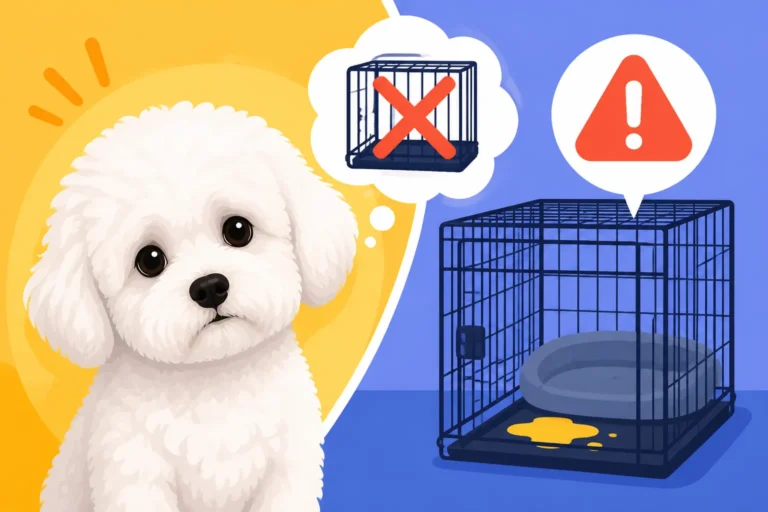
Once they are calm with mock departures, start leaving for extremely brief periods – literally just a minute or two. Step outside, close the door, wait a minute, and come back in. Don't make a fuss when you leave or return; keep it calm and low-key. The goal is for them to learn that you always come back. Gradually, very, very slowly, increase the time you're away. If your Bichon starts to show signs of distress, you've gone too far, too fast, and need to reduce the time for the next session. This process can take weeks or even months. For puppies, incorporating this into The First Year With a Bichon Frise Puppy training is ideal. If you're using a crate, ensure it's a positive, safe space, as discussed in Whether a Bichon Frise Puppy Should Be Crated at Night, and never use it for punishment.
Enrichment and Mental Stimulation
A tired dog is often a happy, calm dog. Ensuring your Bichon Frise gets adequate physical exercise and mental stimulation before you leave can significantly reduce anxiety. A good walk, a vigorous play session, or even a game of fetch in the yard can help burn off excess energy.
Mental stimulation is equally, if not more, important for an intelligent breed like the Bichon. Interactive puzzle toys, like those found on Amazon, where they have to work to get treats, can keep them occupied for a good chunk of time. A frozen Kong stuffed with peanut butter, yogurt, or their regular kibble can be a fantastic distraction. Snuffle mats, lick mats, or even just hiding treats around the house for them to find can engage their brains. These activities divert their attention from your absence and provide a positive association with being alone. They help shift their focus from "Mom/Dad is gone!" to "Time to solve this puzzle!"
Establishing a Predictable Routine and Calm Departures
Dogs thrive on routine. A predictable schedule for feeding, walks, play, and alone time can provide a sense of security. If your Bichon knows, generally, what to expect throughout their day, they might feel less anxious about unexpected departures.
Your departure and return rituals also play a huge role. Many owners, ourselves included, unknowingly exacerbate anxiety with overly emotional goodbyes and hellos. A drawn-out, teary goodbye or a boisterous, exciting reunion can heighten your Bichon's emotional state. Instead, aim for calm, understated departures and greetings. When you leave, quietly walk out. When you return, wait a few minutes until they've settled a bit before offering a calm pat or a quiet word. This teaches them that your comings and goings are not emotionally charged events, but rather normal parts of life. Avoiding big emotional displays can help keep their anxiety in check.
Considering Professional Guidance
Sometimes, despite your best efforts, the anxiety persists. That's when it's time to consider professional help. A certified professional dog trainer or a veterinary behaviorist can assess your Bichon's specific situation and develop a tailored plan. Online resources, such as those offered by BAXTER & Bella, can also provide structured guidance and support for owners dealing with various behavioral challenges, including separation anxiety. They often provide step-by-step training modules and access to trainers who can offer personalized advice, which can be a lifeline for owners struggling with these issues. For dogs with severe anxiety, a vet might also discuss medication options, as explored in Whether Medication Helps an Anxious Bichon Frise, to help manage the panic while behavioral modifications are implemented.
Knowing When to Call in the Experts
It's completely normal to feel overwhelmed when your Bichon Frise is crying when you leave. You've tried the tips, you've been patient, but sometimes, the problem is just too big to tackle alone. Knowing when to escalate your efforts and bring in professional help is a sign of a responsible and loving pet owner, not a failure. This isn't about giving up; it's about giving your Bichon the best chance at a calm, happy life.
When Your Veterinarian Can Help
The very first stop when dealing with persistent crying or any new, concerning behavior should always be your veterinarian. While separation anxiety is primarily a behavioral issue, there are various underlying medical conditions that can cause a dog to vocalize or have accidents when left alone, mimicking anxiety. For example, a urinary tract infection, bladder stones (which Bichons are prone to, as detailed in Why a Bichon Frise Tops the Stone Risk List), or even pain from arthritis could lead to inappropriate elimination or discomfort that manifests as distress. Hormonal imbalances or certain neurological conditions can also alter behavior.
Your vet can perform a thorough physical examination, conduct blood tests, and check urine samples to rule out any medical causes. If everything comes back clear, they can then discuss the possibility of behavioral medication. For severe separation anxiety, medication is often not a standalone solution, but it can be an invaluable tool to reduce your Bichon's panic enough that they are receptive to behavioral modification training. It can take the edge off their intense fear, allowing them to learn new coping mechanisms. Your vet can advise on suitable options and monitor your dog's response and any potential side effects.
The Role of a Certified Professional Dog Trainer or Behaviorist
If medical issues have been ruled out, or if your vet confirms the behavioral nature of the problem, the next step is often to consult with a certified professional dog trainer or a veterinary behaviorist. These professionals specialize in understanding canine behavior and creating tailored modification plans. A regular dog trainer can be very helpful for milder cases of protest and general obedience, but for true separation anxiety, a certified professional dog trainer with experience in anxiety or a veterinary behaviorist (who has a DVM degree plus specialized training in animal behavior) is crucial.
They will conduct a thorough assessment, often asking about your Bichon's history, daily routine, and observing videos of your dog when you're away (if you have them). They can identify specific triggers, help you implement a desensitization protocol, and teach you how to manage your departures and arrivals more effectively. They can also recommend appropriate enrichment tools and strategies. This personalized guidance is far more effective than generic advice found online. They can show you how to truly build your Bichon's confidence in being alone, turning a distressing experience into a neutral, even positive one. Remember, whether your Bichon is a young puppy starting out in The First Year With a Bichon Frise Puppy or an older dog being helped to settle from Settling a Rehomed Bichon Frise, professional guidance can make all the difference. Sometimes, a professional might even suggest options like a dog walker to break up long periods of solitude, as discussed in Whether a Bichon Frise Needs a Dog Walker, or looking into doggy daycare or What Boarding a Bichon Frise Costs for extended absences.
Disclaimer
This article is for general informational purposes only and does not constitute professional advice. Laws, prices and regulations vary by location and change over time. Consult a qualified professional for guidance on your specific situation.