Whether Air Drying Ruins a Bichon Frise’s Look
Many Bichon Frise owners adore that iconic fluffy, cloud-like appearance, but maintaining it at home can often feel like an impossible task. One of the biggest mistakes that can completely undermine your efforts to preserve their signature look is simply allowing your Bichon to air dry after a bath. This comprehensive guide will explore why air drying is detrimental to this unique breed's coat and equip you with the knowledge and techniques to achieve and maintain their beautiful, characteristic "powder puff" aesthetic.
Understanding the Bichon Frise Coat: Why It's Different
Before we dive into the drying process, it's crucial to understand the very unique nature of the Bichon Frise coat. It's not just a cute white fluff; it's a meticulously structured double coat that requires specific care to look its best. Without this foundational understanding, it's easy to inadvertently damage its texture and appearance.
The Double Coat and Its Unique Texture
Unlike many shedding breeds with coarse topcoats, the Bichon Frise boasts a distinctive double coat comprised of a soft, dense undercoat and a coarser, curly outer coat. This combination is what gives them their incredible plushness and springy texture. The outer coat, often described as a "powder puff," stands off the body, giving that characteristic rounded shape. Because of this structure, the Bichon Frise is often considered "hypoallergenic," as their hair tends to get trapped within the coat rather than shedding all over your home.
However, this non-shedding trait comes with its own set of responsibilities. The trapped loose hair, combined with the curly texture, acts like Velcro. If left to its own devices, especially when wet, these hairs will quickly intertwine and form tight, uncomfortable mats right down to the skin. It's a gorgeous coat, yes, but it's also a high-maintenance one that demands consistent attention. You can learn more about this in Why a Bichon Frise Coat Grows Forever and Whether Loose Hair Trapped in the Coat Causes Mats.
The "Powder Puff" Ideal
The breed standard for the Bichon Frise specifically calls for a "powder puff" appearance, which is a round, balanced outline created by careful scissoring and precise drying. This isn't a look that just happens naturally; it's the result of diligent grooming. When you see a Bichon with that perfectly sculpted head, full chest, and well-rounded body, you're seeing a dog whose coat has been properly prepared and dried. The curls need to be meticulously straightened during drying to achieve this voluminous, yet refined, outline. It's an art, really, to get that soft, yet crisp, finish that truly makes a Bichon stand out. This ideal is precisely why grooming practices, particularly drying, are so critical.
The Unfortunate Reality of Air Drying Your Bichon Frise
So, you've given your Bichon a lovely bath, and they smell fresh and clean. The temptation to just let them shake off and air dry, especially on a warm day, can be strong. But for a Bichon Frise, air drying is a recipe for disaster for their unique coat. It simply doesn't allow for the necessary manipulation of the hair that is essential for both their health and their aesthetic.
The Matting Nightmare
When a Bichon Frise's coat air dries, those delicate, curly hairs shrink and intertwine. The natural curl tightens, pulling the individual hairs closer together, and any shed undercoat that hasn't been thoroughly brushed out becomes instantly fused with the damp outer coat. This process creates mats, and not just any mats—these can be tight, painful tangles that pull at the skin. Imagine trying to untangle wet, curly human hair that has been left to dry in a tangled mess; it's nearly impossible without causing breakage and discomfort. For a Bichon, it's even worse due to the density and texture of their double coat.
Even a small mat can quickly grow into a larger, more severe one, especially in areas of friction like behind the ears, under the legs, and around the collar. If your Bichon enjoys a good roll on the carpet while damp, those mats will set in even faster. These aren't just cosmetic issues; severe matting can restrict movement, hide skin infections, and even cause skin tears. It's a common and deeply frustrating issue many Bichon owners face if they don't understand the intricacies of proper drying. You might find yourself researching Whether a Matted Bichon Frise Must Be Shaved much sooner than you'd like.
Frizz, Dullness, and Loss of Shape
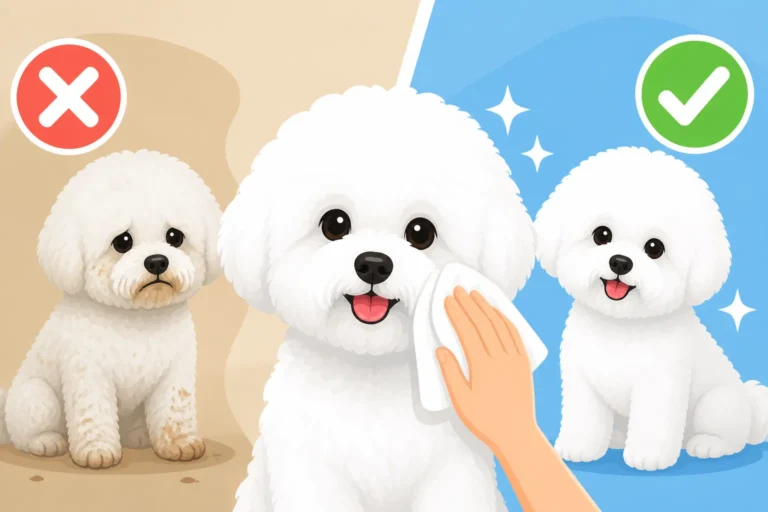
Beyond the matting, air drying fundamentally ruins the "powder puff" look. The individual hairs, instead of being blown straight and fluffed out, dry in their natural, tight curl. This results in a frizzy, unkempt appearance that lacks the volume and smooth finish synonymous with the breed. The coat won't stand off the body in that beautiful, rounded way. Instead, it will lay flatter, appearing duller and smaller than it should.
Think of it like trying to style hair without a blow dryer – you might get volume at the roots, but the strands themselves remain curly and frizzy rather than smooth and flowing. For a Bichon, this means the meticulously sculpted head and body outlines disappear, replaced by a somewhat shapeless, matted mess. The lovely white coat can also appear duller as the light doesn't reflect off the straightened, fluffy hairs in the same way. It's a stark contrast to the lively, bright white most owners desire.
The Art of the Fluff Dry: Achieving That Signature Look
Achieving that quintessential Bichon Frise "powder puff" look isn't magic; it's a technique known as "fluff drying" or "force drying." It involves a combination of the right tools and a systematic approach to ensure every hair is dried, straightened, and fluffed to perfection. This is where you truly set the foundation for a stunning groom.
Essential Tools for Proper Drying
Before you even think about bathing, make sure you have your drying arsenal ready. These tools are non-negotiable for a successful Bichon groom:
- High-Velocity Dryer (Force Dryer): This is the MVP. It blows water off the coat, not just warm air. The force of the air helps to straighten the curls and separate the hairs, significantly reducing drying time and preventing mats. Brands like Flying Pig or K9 II are popular choices, and you can often find a good selection on Chewy or Amazon.
- Slicker Brush: A good quality, firm slicker brush is crucial for line brushing during the drying process. It helps to pull each hair straight as it dries. Make sure the pins are not too harsh for your dog's skin. You can find excellent options from Chris Christensen or Andis, available on platforms like Amazon.
- Metal Comb: A fine-toothed metal comb is your final check. It ensures no tangles or mats have been missed.
- Detangling Spray or Grooming Spray: Applied lightly to a damp coat, this can help lubricate the hair, making brushing smoother and preventing breakage.
- Pin Brush (optional, for finishing): While a slicker is for the main work, a pin brush can be lovely for adding a final fluff and softness.
Here's a quick overview of essential grooming tools:
| Tool | Purpose | Why It's Essential for a Bichon Frise |
|---|---|---|
| High-Velocity Dryer | Blasts water from coat, straightens hair | Prevents matting, dramatically reduces drying time, creates volume |
| Slicker Brush | Detangles, removes loose undercoat, fluffs coat while drying | Crucial for separating every single curly hair |
| Metal Comb | Checks for missed tangles and mats, ensures thoroughness | Guarantees a mat-free finish, essential for areas like ears and tail |
| Detangling Spray | Lubricates coat, eases brushing and helps prevent static | Reduces hair breakage, makes coat more manageable during drying |
| Pin Brush | Gentle fluffing, adds volume, finishes coat without pulling | Ideal for lighter brushing, especially after initial drying with slicker |
Step-by-Step Fluff Drying Technique
This is where the magic happens. Remember, patience is key!
- Towel Dry Thoroughly: After bathing, squeeze out as much excess water as possible by hand, then towel-dry your Bichon thoroughly. Use a super absorbent towel to blot the coat, not rub, which can create tangles.
- Apply Detangling Spray: Lightly mist your detangling or grooming spray over the damp coat. This provides a protective barrier and makes brushing easier.
- Start with the Force Dryer: Begin by using your high-velocity dryer to blow off as much water as possible. Keep the nozzle moving, directing the air against the natural growth of the hair. This initial blast helps to open up the coat and begin straightening the curls. Always ensure the air temperature is comfortable—never too hot.
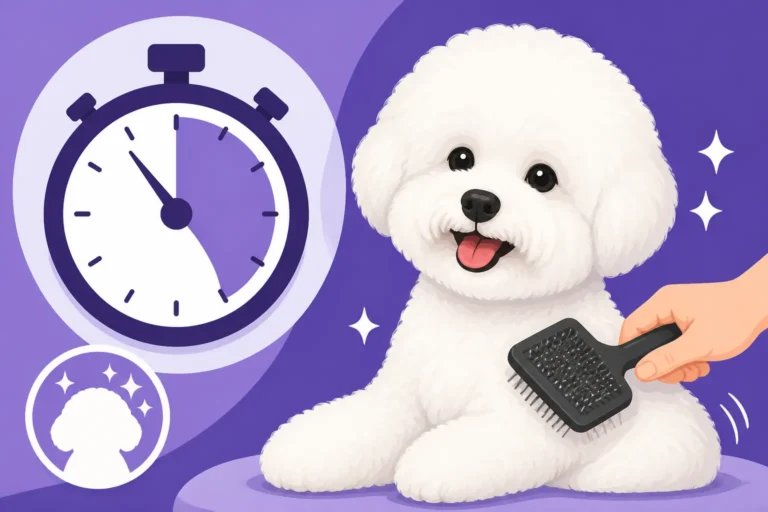
- Line Brushing with the Slicker: This is the most critical step. As you continue to dry with the force dryer, use your slicker brush to "line brush." Start at the bottom of a section (e.g., a leg), separating the hair so you can see the skin. Hold the hair above the section up, and brush downwards, directing the dryer's airflow onto the section you're brushing. Work your way up the leg, then move to the body, head, and tail, always drying and brushing one small section at a time. The goal is for each individual hair to dry straight. This process takes time, often 30 minutes to an hour or more, depending on your Bichon's coat density. You'll thank yourself for the effort when you see the results! This process ensures that you truly get to the root of the problem and address potential mats, as detailed in How Long Brushing a Bichon Frise Takes.
- Comb Through: Once a section feels completely dry and straight, follow up with your metal comb. The comb should glide through the hair easily, without snagging. If it catches, go back with your slicker and dryer to re-brush and dry that area until the comb passes smoothly. Pay extra attention to common matting spots like behind the ears, under the armpits, and around the tail.
- Repeat Until Bone Dry: Continue this process over your entire Bichon's body until every single hair is bone dry and straightened. Any damp spots will curl and mat later.
Setting the Coat for Success
Proper drying isn't just about getting the water out; it's about setting the coat in its ideal form. When you fluff dry, you are actively training the hair to lie straight and full, giving that desired bouncy, airy texture. This also helps to distribute natural oils, leaving the coat looking healthier and shinier. The process of Whether Brushing While Drying Sets the Coat is key here.
By meticulously line brushing and drying each section, you ensure that the coat stands away from the body, providing the perfect canvas for scissoring into that classic rounded shape. Without this foundation, a groomer would be trying to scissor a frizzy, matted coat that simply won't cooperate, making it impossible to achieve the beautiful, defined outline that is so characteristic of the breed. It truly is the most important step in the entire grooming process for a Bichon Frise, paving the way for a stunning final look.
What Happens When You Skip the Proper Drying Steps
Choosing to air dry your Bichon Frise might seem like a time-saver, but in reality, it leads to a host of problems that cost more time, money, and frustration in the long run. It's not just about aesthetics; improper drying can have tangible negative impacts on your dog's health and your wallet.
Increased Grooming Costs and Frustration
The most immediate consequence of air drying is matting. If your Bichon's coat becomes matted, you're looking at increased costs at the professional groomer. Groomers often charge extra for dematting, as it's a time-consuming and difficult process that can be uncomfortable for the dog. In severe cases, where mats are tight against the skin and cannot be safely brushed out, a groomer may have no choice but to shave your Bichon down completely. This not only removes their beautiful "powder puff" look but also forces you to wait months for the coat to regrow, starting the cycle all over again. A discussion of these costs can be found in What a Full Bichon Frise Groom Costs and Whether a Groomer Charges Extra for a Matted Bichon Frise.
Beyond the financial aspect, it's incredibly frustrating for both you and your Bichon. Dealing with painful mats can make your dog dread grooming sessions, leading to a negative association with brushes, baths, and even simple handling. This can escalate into behavioral issues where your dog struggles or even nips during grooming, making future sessions even harder. It really does become a vicious cycle that's best avoided by investing the time upfront in proper drying techniques.
Skin Health Implications
Beyond the immediate cosmetic impact, frequent air drying and subsequent matting can lead to significant skin health issues for your Bichon Frise. Mats, especially those tight to the skin, trap moisture and prevent proper air circulation. This creates a warm, damp environment that is a perfect breeding ground for bacteria and yeast. You might notice your Bichon developing "hot spots," which are painful, red, oozing skin infections, or generalized skin irritation and itchiness. The skin beneath mats can become inflamed, raw, and incredibly uncomfortable.
Furthermore, these trapped mats can hide external parasites like fleas or ticks, making them harder to spot and treat. The constant pulling of the mats on the skin is also irritating, leading to scratching and licking, which further exacerbates any skin problems and can even cause secondary infections. It's a cruel irony that trying to save a few minutes by air drying can lead to weeks of veterinary treatments and discomfort for your beloved pet. Protecting their skin with proper bathing and drying is just as important as protecting it from What Atopic Dermatitis Does to a Bichon Frise. Maintaining a clean, mat-free coat is a fundamental part of responsible Bichon ownership and vital for their overall well-being.
Practical Tips for Maintaining the Perfect Bichon Frise Coat
Mastering the fluff dry is just one piece of the puzzle when it comes to maintaining your Bichon Frise's iconic coat. It's an ongoing commitment, but with a few consistent habits, you can keep your Bichon looking their best and prevent common grooming woes.
Regular Brushing Between Baths
Even if you've perfected the fluff dry after a bath, regular brushing between grooming appointments is absolutely essential. The Bichon Frise's non-shedding coat means that loose hair doesn't fall out; it stays trapped in the curls, ready to form mats. A daily or every-other-day brushing routine using a good slicker brush and a metal comb will prevent these loose hairs from intertwining and becoming problematic. Focus on line brushing, just as you would during drying, to ensure you're getting down to the skin.
This isn't just about mat prevention; it also stimulates blood flow to the skin, distributes natural oils, and keeps the coat looking fresh and vibrant. Make it a bonding experience—a quiet time for cuddles and gentle grooming. Consistent brushing also makes bath time and professional grooming sessions much easier and more pleasant for your dog. For more in-depth advice on daily care, check out What a Bichon Frise Needs Every Day. You can stock up on high-quality grooming tools on platforms like Chewy or Amazon to keep your routine consistent.
The Importance of a Professional Groomer
While home grooming is vital, regular visits to a professional groomer who understands the Bichon Frise coat are indispensable. A professional groomer has specialized equipment, like powerful force dryers and sharp, quality scissors, that are difficult and expensive to replicate at home. More importantly, they have the experience and skill to precisely scissor your Bichon into that perfect "powder puff" outline and maintain proper coat length for easy home maintenance.
These appointments are typically recommended every 4-6 weeks to keep the coat in optimal condition and prevent matting from becoming unmanageable. The groomer can also address other necessary tasks like nail trims, ear cleaning, and checking for any skin issues you might miss. Think of your groomer as a partner in maintaining your Bichon's health and beauty. They can offer advice, demonstrate techniques, and ensure your dog always looks their absolute best. How Often a Bichon Frise Needs Grooming is a good read to help you plan these visits.
Embracing the Reality of Bichon Frise Grooming
Let's be real: owning a Bichon Frise means signing up for a grooming commitment. Their magnificent white, curly coat isn't a low-maintenance affair, and trying to cut corners by air drying will only lead to greater challenges down the road. It's a breed that truly demands dedicated care, but the rewards—a happy, healthy dog with a stunning appearance—are absolutely worth it.
Embrace the brushing, invest in the right tools, and accept that proper drying is a non-negotiable step after every bath. While it might add a bit of time to your routine, it saves countless hours of frustration and potential heartache from severe matting and skin issues. Your Bichon will be more comfortable, look more beautiful, and you'll both enjoy a much more positive grooming experience. It's a commitment, yes, but it's a joyful one that strengthens the bond with your fluffy companion.
Disclaimer
This article is for general informational purposes only and does not constitute professional advice. Laws, prices and regulations vary by location and change over time. Consult a qualified professional for guidance on your specific situation.