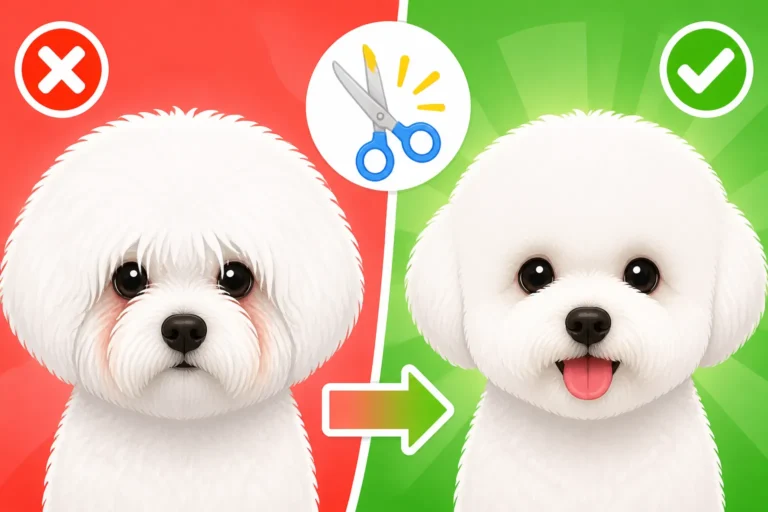
Whether Six Weeks Is Too Long for a Bichon Frise
One of the biggest questions I hear from fellow Bichon Frise parents is about grooming. We all adore that fluffy, cloud-like coat, but keeping it pristine feels like a constant battle, doesn't it? Many of us try to stretch out the time between professional grooming appointments, wondering if we can really make it six weeks. The honest truth is that for most Bichons, six weeks between full professional grooms can be a dangerously long stretch, leading to discomfort for your beloved pet and a higher bill (or even a shave-down) at the groomer. This guide will dive deep into why that seemingly short period can be too long for a Bichon's unique coat and what you can do to manage it better.
Understanding the Unique Bichon Frise Coat
The Bichon Frise coat is truly a marvel, a soft, resilient cushion of curls that defines their adorable look. But it's also a high-maintenance affair that often surprises new owners. If you've ever found yourself battling tangles and mats, you know exactly what I mean.
The Double Coat and Its Growth Cycle
Unlike many breeds that shed profusely, scattering hair everywhere, Bichons are often hailed as "hypoallergenic" because they don't shed in the traditional sense. Their hair is constantly growing, much like human hair, and loose hairs get trapped within the dense undercoat instead of falling out. This is a blessing for allergy sufferers, but it's also the root cause of their extensive grooming needs. Imagine trying to untangle a ball of yarn where new strands are constantly being woven in, and old ones are just getting stuck deeper inside. That's essentially what's happening on your Bichon's skin.
The Bichon's coat consists of a soft, dense undercoat and a coarser, curly outer coat. These two layers work together to create that signature powder puff look, but they are also a perfect storm for matting. Every time your Bichon moves, rolls, or gets wet, these trapped hairs, along with the continuously growing new hair, start to intertwine. Without regular intervention, these small tangles quickly become formidable mats, tightening closer and closer to the skin. It's a continuous process, and the six-week mark simply allows too much time for this intertwining to become unmanageable. Many owners underestimate just Why a Bichon Frise Coat Grows Forever and Why a Bichon Frise's Shed Hair Stays in the Coat, leading to coat care struggles.
Why Matting Is the Enemy
Matting isn't just a cosmetic issue; it's a serious welfare concern that can lead to significant discomfort and health problems for your Bichon. Imagine wearing a tight, constricting sweater that's slowly shrinking, pulling at your skin with every move. That's what a matted coat feels like to your dog. Mats pull on the skin, causing irritation, pain, and even bruising. They can restrict blood flow and lead to secondary skin infections because moisture and debris get trapped underneath, creating a perfect breeding ground for bacteria and yeast.
Beyond the physical pain, severe matting can hide underlying issues, making it difficult for you or your vet to spot lumps, bumps, or parasites. Mats can be so tight that they impede movement, making walking, running, or even lying down uncomfortable. They can also affect your dog's temperature regulation, making them prone to overheating in warm weather or getting chilled if the mats get wet and stay damp. The risk of these problems increases exponentially the longer you go between thorough grooming sessions, turning a simple grooming need into a potential emergency. When your Bichon is really matted, it's often the case that Whether a Matted Bichon Frise Must Be Shaved, which is distressing for both dog and owner.
The Ideal Grooming Schedule: More Than Just a Trim
Thinking about "six weeks" for a Bichon's professional groom often comes from comparing them to other breeds, or perhaps from memories of easier-to-maintain dogs. But a Bichon Frise needs a multi-pronged approach to coat care, involving consistent home efforts and regular professional attention.
Daily Home Care: Brushing, Combing, and Maintenance
This is the non-negotiable foundation of Bichon coat care. Daily brushing is absolutely crucial, and it's more than just a quick run-through with a brush. It needs to be a thorough session, reaching down to the skin to separate those continually intertwining hairs. A proper line brushing technique, where you part the hair and brush in layers, is essential. You'll need a good quality slicker brush and a metal comb. The slicker brush helps to get through the coat, while the comb is your ultimate weapon against mats. If the comb can't pass through the coat from skin to tip, you've missed a tangle.
This daily ritual not only prevents painful mats but also serves as a wonderful bonding experience with your dog. It’s also an opportunity to check their skin for any irritations, hot spots, or new lumps that might be hidden under all that fluff. Consistency is key here. Missing a day or two might seem harmless, but for a Bichon's coat, it can quickly snowball into a much larger problem. Many owners wonder How Long Brushing a Bichon Frise Takes, and the answer is usually longer than they think for a proper job.
Professional Grooming Frequency: Why Six Weeks Can Be a Stretch
For most Bichons, a professional grooming appointment every 3 to 4 weeks is the sweet spot. This allows the groomer to thoroughly bathe, dry, and scissor the coat before mats have a chance to take hold. They can expertly clean ears, trim nails, and give your Bichon that perfectly sculpted "powder puff" look. Going beyond four weeks, and certainly pushing it to six, means the coat has had an additional two weeks of continuous growth and matting potential.
What happens at six weeks? Those small tangles have now become tight, dense mats, especially in high-friction areas like behind the ears, under the legs, on the belly, and where a harness might sit. A groomer facing a six-week-old coat often spends significantly more time on dematting, which can be painful for your dog and adds to the service cost. In many cases, if the matting is severe, the only humane option is a complete shave-down, which means losing that iconic Bichon look for a while. It's a disappointing outcome for owners, but prioritizing the dog's comfort and health is paramount. You really need to consider How Often a Bichon Frise Needs a Full Groom when budgeting your time and money.
The Consequences of Stretching Grooming Too Long
When you consistently try to push the grooming schedule past the ideal 3-4 week mark, you’re not just risking a bad hair day for your Bichon; you're inviting a host of problems.
- Pain and Discomfort: As mentioned, mats are painful. They pull on the skin, restricting movement and causing chronic irritation. Your happy-go-lucky Bichon might become irritable, reluctant to be touched, or even snap if you try to brush them, leading to a breakdown in trust and making future grooming sessions even harder. This can lead to situations where Whether a Bichon Frise Learns to Fear the Groomer After Pain becomes a real concern.
- Skin Issues: Trapped moisture and debris within mats create an anaerobic environment, perfect for bacterial and yeast infections. You might notice redness, odor, or scabs beneath the mats. These infections can be itchy and painful, requiring veterinary intervention with antibiotics or antifungal medications, adding more cost and stress.
- Increased Grooming Costs and Trauma: When a groomer has to spend extra time dematting, they often charge an additional fee for the specialized work and time involved. If the matting is too severe, a complete shave-down becomes necessary. This is often done with a very short blade, close to the skin, which can leave the skin exposed and susceptible to sunburn or irritation. It's a stressful experience for your dog, and nobody wants their pet to associate grooming with pain.
- Behavioral Changes: A dog in constant discomfort from matting might become withdrawn, less playful, or even aggressive. They might resist being handled or touched, particularly in sensitive areas, which can impact your bond and their overall quality of life.
Factors Influencing Your Bichon's Grooming Needs
While the 3-4 week rule is a good general guideline, every Bichon is an individual, and several factors can influence just how frequently your particular fluffy friend needs professional attention.
Lifestyle and Activity Level
Think about your Bichon's daily routine. Does Fido love to roll in the grass, explore muddy puddles, or romp through tall weeds at the park? An active, outdoorsy Bichon will accumulate dirt, burrs, and tangles much faster than a pampered couch potato. Dogs that frequently play outside, especially in damp conditions, or those who enjoy swimming (even wading in a kiddie pool) will see their coats mat up more quickly. Water, especially if not thoroughly dried, is a prime accelerator of matting. For example, a Bichon who loves to splash around the local creek will need far more frequent grooming, or at least thorough home care immediately after, than one who mainly enjoys indoor snuggles. Even a simple Whether a Harness Mats a Bichon Frise will factor into how quickly their coat develops issues in that area.
Coat Condition and Type
Believe it or not, not all Bichon Frise coats are exactly alike! While they all share the signature double coat, some Bichons have a softer, finer coat texture that is notoriously more prone to matting. Others might have a slightly coarser, more resilient outer coat that is a bit easier to maintain. Age also plays a role; puppies go through a "coat change" phase around 6-12 months where their adult coat comes in, and this period is often a nightmare for matting. Older Bichons might have drier, more brittle coats that tangle easily. If your Bichon has an exceptionally dense or fine coat, or is going through a coat change, you might find that even five weeks is pushing the limit, and they truly thrive on a strict three-week schedule. Understanding your individual dog's coat is key to tailoring their grooming routine.
Owner's Commitment to Home Grooming
This is perhaps the biggest variable of all. If you are diligent about daily, thorough line brushing, complete with a slicker brush and a metal comb that reaches the skin, you might be able to stretch professional grooms to four, or even five, weeks occasionally. However, "diligent" means 15-30 minutes every single day without fail, making sure the comb can glide effortlessly from root to tip.
If home grooming is more of an "every few days" or "when I remember" activity, then even four weeks might be too long, and you should aim for closer to three. There's no judgment here—life happens, and not everyone has the time or physical ability for extensive daily home care. The important thing is to be realistic about your capacity. If you know you can't commit to daily brushing, then you need to commit to more frequent professional appointments. Skipping on either end of the spectrum will inevitably lead to matting and unhappiness for your Bichon. Remember, Whether Home Brushing Makes Salon Visits Easier is a resounding yes!
Practical Tips for Extending Time Between Professional Grooms (Responsibly)
Okay, so we've established that six weeks is often too long, but what if you're trying to find a sweet spot that works for your schedule and budget, while still keeping your Bichon happy and mat-free? It all comes down to proactive home care.
Essential Home Grooming Tools
Investing in the right tools is half the battle. Don't skimp here; cheap brushes can be ineffective or even damage the coat.
- Slicker Brush: Look for one with fine, bent wire bristles. This is your primary tool for getting through the coat.
- Metal Comb: A good quality, sturdy metal comb with both wide and fine teeth is indispensable. This is how you confirm if you've really brushed out all the tangles down to the skin.
- Dematting Tool/Rake: For those stubborn little knots that form despite your best efforts. Use with extreme caution and never try to rip through mats.
- High-Quality Shampoo and Conditioner: Products designed for white, curly, or sensitive skin breeds can make a huge difference. Brands like those available on Chewy or Amazon often have excellent options tailored for specific coat needs.
- Force Dryer (Optional but Recommended): A professional-style force dryer can drastically reduce drying time and help "stretch" the coat straight, making it easier to brush and preventing mats from forming during the drying process.
- Scissors with Blunt Tips: Useful for carefully trimming around the eyes, paw pads, and sanitary areas in between grooms. Just be incredibly careful!
Having these tools at the ready means you're prepared for the daily battle against mats. You might find a great kit on Amazon to get you started. To learn more about selecting the right tools, check out Which Brush Suits a Bichon Frise.
The Art of Thorough Brushing and Dematting
This isn't just about brushing; it's about technique. As mentioned earlier, "line brushing" is key.
- Start at the bottom: Begin with your Bichon lying on their side. Part the hair in a horizontal line, starting near their belly or leg.
- Brush in sections: Hold the hair above the line with one hand and use the slicker brush to brush the section below, working away from the skin.
- Work your way up: Once that section is tangle-free, move your hand up a bit, creating a new line, and repeat.
- Comb check: After you've brushed a section, use your metal comb. If the comb glides smoothly from the skin to the tip of the hair, that section is mat-free. If it catches, go back with the slicker brush until it's clear.
- Address all areas: Pay special attention to "hot spots" for mats: behind the ears, under the chin, armpits, groin, tail, and where the collar or harness sits.
- Gentle Dematting: If you find a small mat, don't pull! Use a dematting spray (available from pet stores or online retailers) to help loosen it. Gently tease the mat apart with your fingers or the fine teeth of your metal comb, working from the outside of the mat inwards. If it's stubborn, you can try to carefully split it lengthwise with a blunt-tipped scissor before combing. Remember, Whether Dematting Hurts a Bichon Frise depends on how gently and carefully you work.
Make this a positive experience with plenty of praise and high-value treats (like those from Ollie). Consistency will make it quicker and easier for both of you.
Strategic Baths and Drying
You might think bathing more often helps, but if not done correctly, it can actually cause mats.
- Pre-Bath Brush: Always thoroughly brush and comb your Bichon before bathing. Any existing tangles or mats will tighten into concrete knots when wet, making them nearly impossible to remove.
- Quality Shampoo and Conditioner: Use a good quality shampoo designed for white coats, followed by a conditioning rinse. The conditioner helps to smooth the hair shaft, making it less prone to tangling and easier to brush.
- Thorough Rinsing: Rinse, rinse, rinse! Any shampoo or conditioner residue left in the coat can irritate the skin and make the hair sticky, attracting dirt and contributing to matting.
- Proper Drying: This is critical. After towel-drying as much as possible, use a pet-specific dryer or even a human hairdryer on a cool setting. Brush while you dry! This helps to straighten the curly coat and ensures it dries thoroughly without tangling. If you let a Bichon air dry, their curls will tighten, and mats will form with astonishing speed. Blow-drying and brushing simultaneously also helps to achieve that fluffy The Powder Puff Outline a Bichon Frise Is Scissored Into.
Bathing every 2-3 weeks, combined with daily brushing, is generally a good schedule. If your Bichon gets particularly dirty between baths, a quick wipe-down with pet-safe grooming wipes (again, many great options on Chewy) might suffice for minor messes.
Here's a quick comparison of different grooming frequencies:
| Grooming Schedule | Professional Grooming | Daily Home Brushing | Bathed & Dried at Home | Typical Outcome |
|---|---|---|---|---|
| Every 3-4 Weeks | Yes (Full Service) | Consistent | As needed (2-3 weeks) | Excellent coat condition, minimal matting, happy dog. |
| Every 4-5 Weeks | Yes (Full Service) | Very Diligent | As needed (2-3 weeks) | Good coat condition, occasional small mats if home care lapses. |
| Every 6 Weeks | Yes (Full Service) | Variable/Lax | Infrequent | Moderate to severe matting, potential for shave-down, discomfort for dog. |
| Longer than 6 Weeks | Yes (Full Service) | Rare | Rare | Severe matting, likely shave-down, skin issues, high cost, stressful for dog. |
In conclusion, while we all want to save a little time and money, pushing a Bichon Frise's professional grooming past four, or at most five, weeks is rarely in the best interest of your beloved pet. Their unique coat demands consistent attention, both from you at home and from a skilled professional. Prioritize prevention through daily thorough brushing, and your Bichon will thank you with a comfortable, beautiful, fluffy coat.
Disclaimer
This article is for general informational purposes only and does not constitute professional advice. Laws, prices and regulations vary by location and change over time. Consult a qualified professional for guidance on your specific situation.