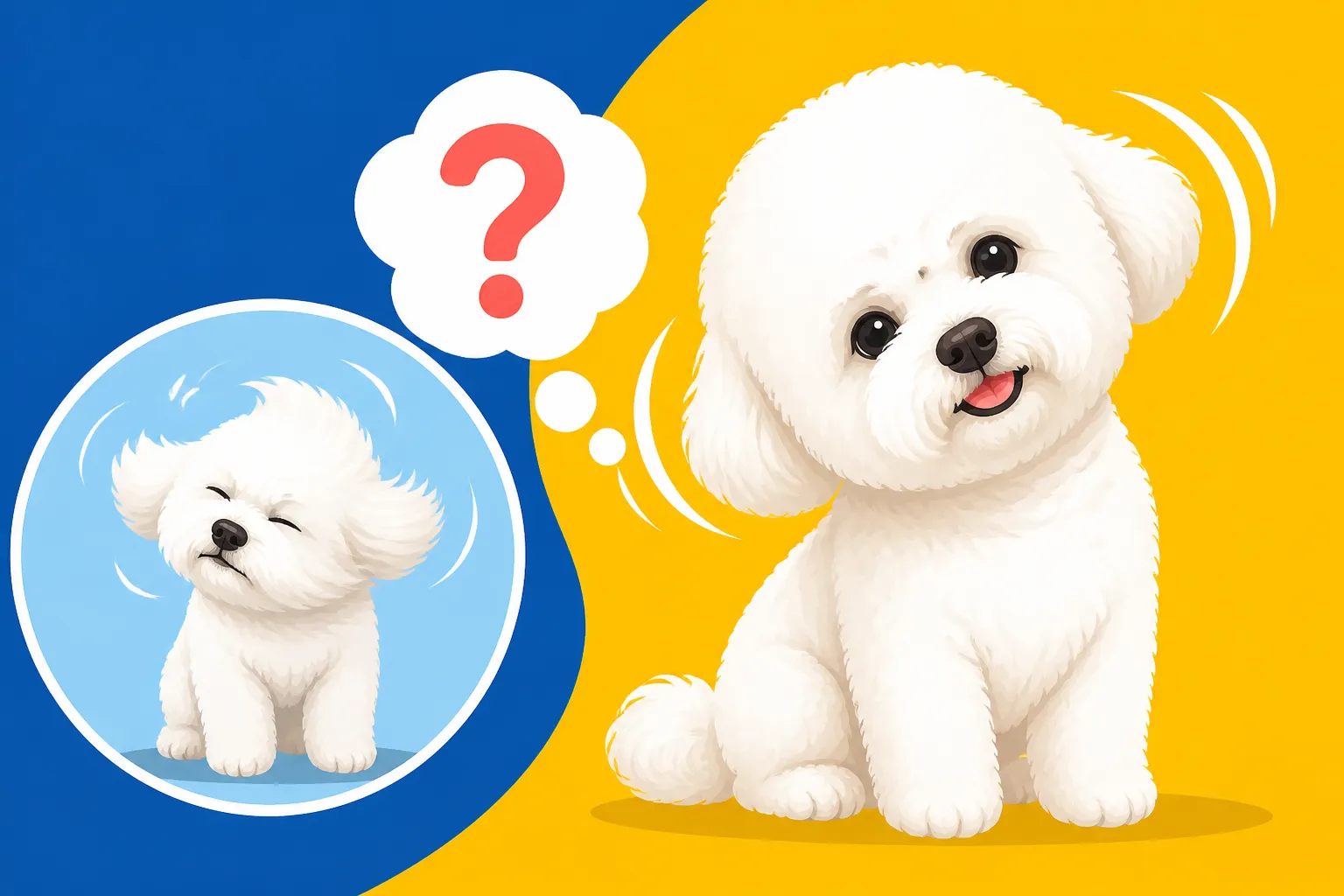
Whether a Bichon Frise Shakes Its Head
It can be incredibly unsettling to see your adorable Bichon Frise suddenly start shaking their head, sometimes violently. You might wonder if it's just a funny habit, a momentary itch, or something far more serious that needs your immediate attention. This comprehensive guide is here to walk you through the common, and less common, reasons why your Bichon might be shaking their head, what symptoms to look for, and when it’s absolutely time to call your veterinarian.
Why Your Bichon Frise Might Be Shaking Their Head
When your fluffy companion starts shaking their head, it's almost always an attempt to relieve discomfort or irritation. It's not usually a quirk; it's a symptom, and understanding the potential underlying causes is the first step toward helping them feel better. Bichon Frises, with their distinct physical characteristics, are particularly predisposed to certain conditions that can lead to this behavior.
The Instinctive Reaction to Discomfort
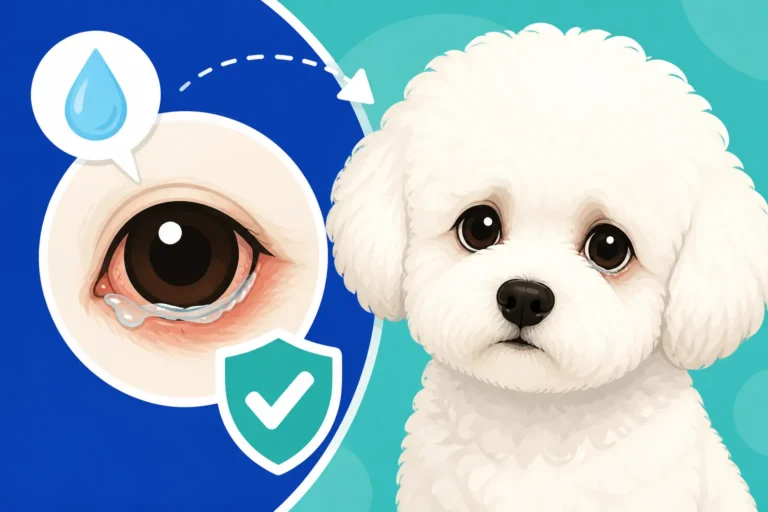
Think about it: if you had an itch you couldn't reach, or something tickling deep inside your ear, your natural reaction would be to shake your head or try to dislodge it. Dogs are no different. For a Bichon Frise, a vigorous head shake is a primary way to try and clear out whatever is bothering them. This could be as simple as a drop of water that got trapped in their ear during bath time or after a splash in a puddle.
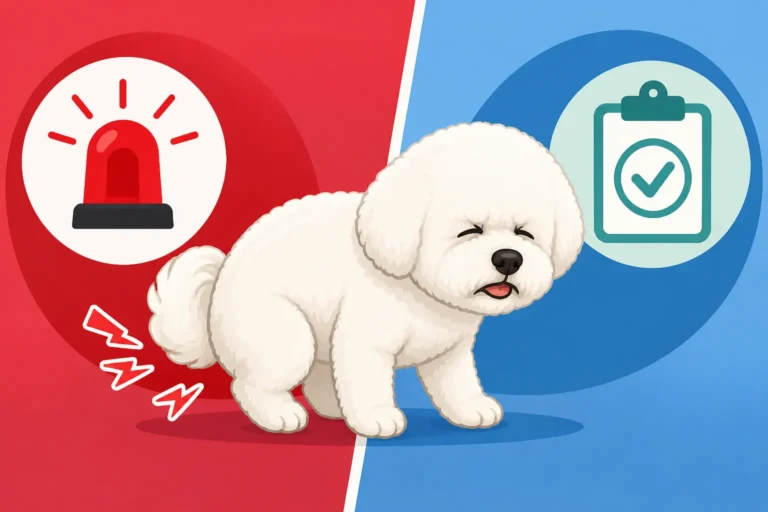
However, it can also signal something more persistent and irritating, like a foreign object, an allergic reaction, or the early stages of an infection. It's crucial to distinguish between a casual, infrequent shake – perhaps after a good nap or a stretch – and a more intense, repeated, or frantic shaking that seems to cause distress. If the shaking is accompanied by pawing at the ear, rubbing their head on furniture, or whining, your Bichon is definitely telling you something is wrong.
Behavioral vs. Medical Head Shaking
It's helpful to observe the nature of the head shaking. Is it just one or two quick shakes and then they're fine, back to playing and being their usual merry selves? That might be more behavioral, like a quick reset or an occasional itch that resolves on its own. It's part of a dog's normal repertoire of behaviors. However, if the head shaking becomes a frequent event, if it's sustained for longer periods, or if it increases in intensity, then it very quickly moves into the realm of medical concern.
A Bichon Frise owner should pay close attention to the context. Does it happen after they've been outside? Does it seem to occur more frequently after meals or at certain times of the year? Is it happening consistently every day? These details can provide valuable clues to your vet. For instance, if you notice your Bichon shaking their head almost every time they wake up, but otherwise seem okay, it might be less concerning than if they're constantly scratching at their ears and shaking their head throughout the day, looking visibly uncomfortable. The frequency, duration, and associated signs are key indicators that can help you determine if it’s time to intervene.
The Top Culprit: Ear Infections in Bichon Frises
If there's one thing almost every Bichon Frise owner eventually encounters, it's ear trouble. This breed is unfortunately highly predisposed to ear infections, and head shaking is often the very first, and most prominent, sign that something is amiss.
The Perfect Storm for Ear Troubles
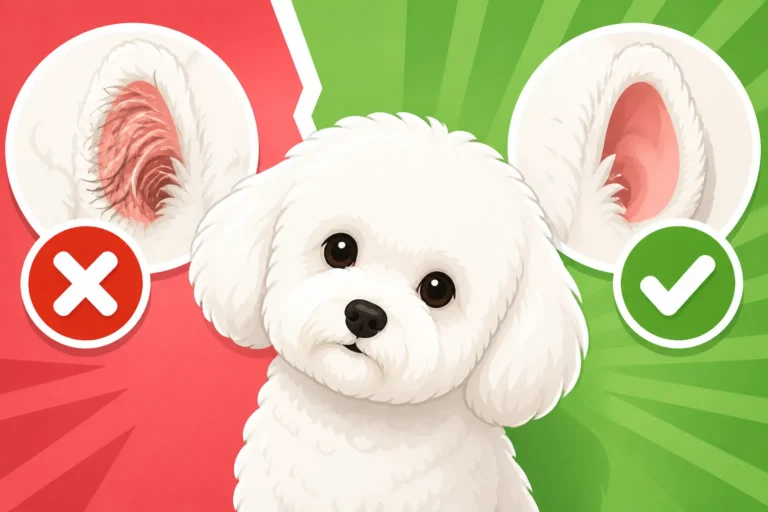
Why are Bichons so prone to ear infections? It's a combination of genetics and anatomy. Firstly, they have adorable, floppy ears. Unlike dogs with erect ears, floppy ears tend to cover the ear canal, trapping moisture and reducing vital airflow. This creates a warm, dark, and often damp environment – the absolute perfect breeding ground for bacteria and yeast. Secondly, Bichon Frises have hair growing inside their ear canals. This hair can trap wax, debris, and moisture, further exacerbating the issue. Over time, this buildup can lead to chronic irritation and infection. It's no wonder that many Bichon owners deal with Recurrent Ear Infections in a Bichon Frise.
When an infection takes hold, you might notice more than just head shaking. Look for a foul odor emanating from the ear, which can range from musty to downright pungent. There might be visible discharge – anything from dark brown and waxy (often yeast) to yellowish or greenish and pus-like (usually bacterial). The ear flap itself might be red, swollen, or warm to the touch. Your Bichon might resist having their head or ears handled, pull away, or even yelp in pain. They may also scratch vigorously at the ear, sometimes causing secondary trauma to the skin around the ear or even on the ear flap itself.
The Role of Allergies in Ear Infections
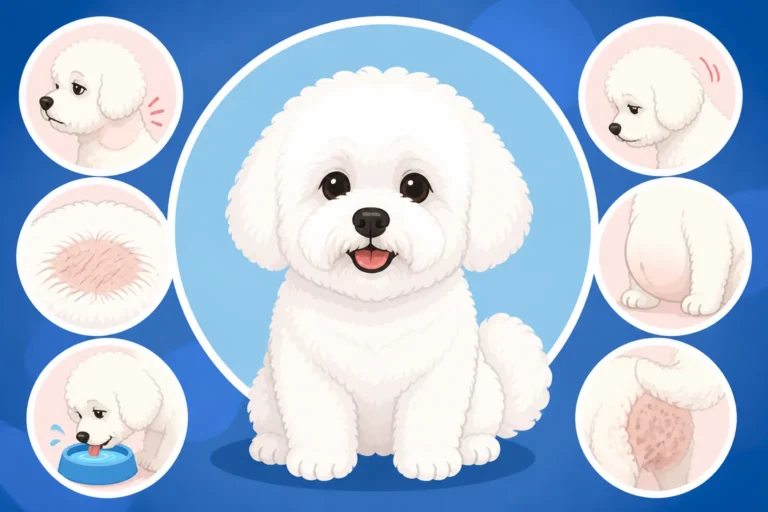
Here’s where things get a bit more complex, and often, frustrating for owners. Many chronic ear infections in Bichons aren't just isolated bacterial or yeast problems; they are often secondary to underlying allergies. Bichon Frises are well-known for their propensity for allergies, and The Atopic Skin a Bichon Frise Is Born With frequently manifests as inflammation in the ears. This means their immune system overreacts to something, causing the skin lining the ear canal to become inflamed, itchy, and swollen. This altered environment then makes it incredibly easy for yeast and bacteria to take over, even if they were present in normal numbers before.
It’s a vicious cycle: allergies cause inflammation, which leads to infection, which then causes more discomfort and head shaking. Identifying the underlying allergy is paramount for long-term ear health. This could be an environmental allergy (like pollen, dust mites, or molds), or it could be a food allergy. Sometimes, it's even a combination of both. Trying to figure out Whether a Bichon Frise's Itching Is Food or Pollen can be a long and challenging journey, often involving elimination diets or allergy testing, but it's a critical step in breaking the cycle of recurring ear infections. Without addressing the root cause, you might find yourself treating ear infections repeatedly, only for them to return shortly after the medication runs out.
Other Medical Reasons for Head Shaking
While ear infections are certainly the most common cause of head shaking in Bichon Frises, they are not the only one. A thorough veterinary examination is crucial to rule out other potential problems.
Foreign Objects and Parasites
Sometimes, something physical gets lodged in the ear canal, causing immense irritation. One of the most common culprits, especially if your Bichon spends time outdoors in grassy areas, is a grass awn or foxtail. These insidious plant seeds are designed to burrow, and they can easily work their way deep into the ear canal, causing sudden and intense head shaking, pawing, and pain. They rarely come out on their own and require prompt veterinary removal.
Parasites, primarily ear mites, are another frequent cause, particularly in puppies or dogs from shelters or less-than-ideal breeding situations. Ear mites are tiny insects that live inside the ear canal, causing intense itching and irritation. You might notice a characteristic dark, crumbly discharge that looks like coffee grounds. While less common in well-cared-for adult dogs, they can certainly be transferred from other animals. Beyond these, any small piece of debris or even a tick lodged deep in the ear could cause similar symptoms.
Aural Hematomas and Trauma
Vigorous, persistent head shaking and scratching, often due to an untreated ear infection or foreign object, can unfortunately lead to another painful condition: an aural hematoma. This is essentially a blood blister that forms between the cartilage and skin of the ear flap. It happens when tiny blood vessels rupture due to the force of the dog repeatedly hitting their ear against their head or scratching it violently. The ear flap will swell dramatically, feeling soft and puffy, and it can be quite painful for your Bichon.
An aural hematoma is usually a consequence of another underlying issue, not the primary problem itself. Treating the hematoma often involves draining it or performing surgery, but it's equally important to identify and address what caused the intense shaking in the first place. Other forms of trauma, such as a scratch, a bite from another animal, or even irritation from improper grooming practices like aggressive ear plucking (a debated practice, so understanding Whether a Bichon Frise's Ear Hair Should Be Plucked is important), can also lead to discomfort and head shaking.
Dental Pain and Neurological Issues
While less directly associated with head shaking, severe dental pain can sometimes manifest in ways that might resemble ear discomfort. An abscessed tooth, especially one in the upper jaw near the eye, or widespread Dental Disease in a Bichon Frise causing intense gum inflammation, can cause pain that radiates up towards the ear. If the head shaking seems one-sided and is accompanied by pawing at the mouth, reluctance to eat on one side, or drooling, your vet might want to check their teeth.
On rarer occasions, head shaking can be a sign of neurological problems. Vestibular disease, which affects balance, can cause a sudden onset of head tilting, disorientation, stumbling, and sometimes rapid eye movements (nystagmus), along with head shaking. While frightening, it's often more common in older dogs and can sometimes resolve on its own, though it always warrants veterinary investigation. Another very rare possibility could be focal seizures, where only a part of the brain is affected, leading to localized twitching or shaking of the head or face. However, these conditions typically come with a host of other pronounced neurological symptoms that would make the cause clearer to a vet.
When to Seek Veterinary Attention
It's natural to observe your Bichon for a little while if you notice a new behavior, but with head shaking, especially if it's persistent, there are definite signs that indicate it's time to call your vet. Delaying treatment can lead to more serious complications and prolonged discomfort for your beloved pet.
Red Flags You Shouldn't Ignore
You know your Bichon Frise best, so trust your gut. If you see any of the following symptoms accompanying head shaking, don't wait:
- Persistent or Frequent Head Shaking: If it's more than just an occasional shake, or if it happens multiple times an hour or day.
- Vigorous Scratching or Pawing at Ears: This is a clear indicator of intense itching or pain.
- Redness, Swelling, or Discharge: Any visible changes to the ear flap or inside the ear canal.
- Foul Odor: A bad smell coming from the ear is almost always a sign of infection.
- Sensitivity or Pain: Your Bichon yelps, pulls away, or growls when you try to touch their head or ears.
- Head Tilt or Loss of Balance: These could indicate a more serious inner ear infection or vestibular issue.
- Changes in Behavior: Lethargy, loss of appetite, irritability, or reluctance to play.
- Visible Foreign Object: If you can see something stuck in the ear, don't try to remove it yourself, as you could push it deeper or cause damage.
Remember, ear infections and other causes of head shaking are often painful. The sooner you seek help, the sooner your Bichon can get relief. It's much better to be safe than sorry, and an early diagnosis can prevent a minor issue from becoming a major one, potentially saving you from greater discomfort for your pet and higher vet bills. Pet insurance providers like Healthy Paws are designed to help cushion the financial impact of unexpected illnesses and conditions like ear infections, especially if they become chronic.
What to Expect at the Vet
When you bring your Bichon Frise to the vet for head shaking, your veterinarian will start with a thorough physical examination. This will include a close inspection of both ears using an otoscope, a special instrument that allows them to look deep inside the ear canal and at the eardrum. They’ll be looking for redness, swelling, discharge, foreign objects, and the integrity of the eardrum. If your Bichon is very painful, sedation might be necessary for a complete and safe examination, especially if a foreign object is suspected or if the ear canal is severely swollen.
The vet will likely take a swab from the affected ear(s) for a procedure called cytology. This involves looking at the sample under a microscope to identify whether yeast, bacteria, or ear mites are present, and in what quantities. This helps them determine the best course of treatment, whether it's specific antibiotics, antifungal medications, or antiparasitic drugs. Depending on the findings, treatments can range from specialized ear cleaners and topical medications applied directly into the ear, to oral antibiotics, antifungals, or anti-inflammatory medications. For chronic or particularly stubborn cases, or if allergies are strongly suspected, your vet might recommend a referral to a veterinary dermatologist. This specialist can perform advanced allergy testing and develop a long-term management plan. Healthy Paws can be particularly beneficial here, covering the costs of diagnostics, medications, and even specialist referrals, making comprehensive care more accessible.
Preventative Care and Ongoing Management
Dealing with head shaking and ear issues can be a constant battle for Bichon Frise owners, but proactive care and diligent management can make a significant difference in your dog's comfort and overall health.
A Proactive Approach to Ear Health
Preventing ear problems is always easier than treating them. For a Bichon Frise, regular ear cleaning is paramount. Use a vet-approved ear cleaning solution and follow your veterinarian's instructions on how often to clean their ears – usually once a week, or more frequently if they're prone to infections, especially after swimming or baths. Make sure to dry their ears thoroughly after bathing, using a soft towel or even a low-setting hairdryer to prevent moisture from being trapped.
Routine grooming is also key. Keeping the hair around and inside the ear canals trimmed can significantly improve airflow and reduce the chances of moisture and debris buildup. While some owners opt for ear plucking, discuss this with your vet or professional groomer, as for some dogs, plucking can cause irritation and inflammation, making them more susceptible to infection. Regular at-home checks are also essential; take a quick peek and sniff your Bichon's ears daily or every few days. Look for any redness, discharge, or unusual odors. Catching an issue early can prevent it from escalating. Understanding How Often a Bichon Frise Needs Grooming will also ensure the ears and coat are kept in top condition, reducing potential issues.
Addressing Underlying Issues
As we've discussed, many ear issues in Bichon Frises stem from underlying allergies. If your vet suspects allergies, they might recommend strategies like an elimination diet to rule out food sensitivities or prescribe medications like Apoquel or Cytopoint to manage environmental allergies. For dogs with severe or chronic allergies, medicated baths using specialized shampoos can also be a game-changer, helping to soothe inflamed skin and control yeast and bacterial overgrowth. These Medicated Baths Control a Bichon Frise's Infections and reduce overall skin inflammation.
It's vital to remember that persistent head shaking is rarely "nothing" for a Bichon Frise. It's their way of communicating discomfort, and often, significant pain. Regular veterinary check-ups are not just for vaccinations; they're an invaluable opportunity for your vet to perform a thorough physical exam, including checking the ears, teeth, and skin. These routine visits can catch subtle issues before they become major problems. For a breed like the Bichon Frise, which is prone to several specific health challenges, including urinary stones and patellar luxation, these yearly examinations are particularly important for monitoring their overall health. Indeed, ear infections are among What Bichon Frises Are Most Often Treated For. Having a good pet insurance policy, such as one from Healthy Paws, can provide immense peace of mind. It helps cover the costs of these diagnostics, treatments, and ongoing management, ensuring you can always provide the best care without undue financial stress. When considering What a Bichon Frise Costs a Year to Keep or even The Full Cost of Fifteen Years With a Bichon Frise, factoring in potential chronic health issues and the benefits of insurance is a smart move for any owner.
| Common Causes of Head Shaking in Bichon Frises | Associated Symptoms | Urgency for Vet Visit |
|---|---|---|
| Ear Infections | Redness, discharge, odor, scratching, pain on touch, swelling | High |
| Ear Mites | Dark, waxy "coffee-ground" discharge, intense itching, scratching | Moderate |
| Foreign Object (e.g., Grass Awn) | Sudden, intense head shaking, pawing, often unilateral, pain | Immediate |
| Allergies | Itching, skin redness, recurrent ear infections, paw licking, body scratching | High (for diagnosis & management) |
| Aural Hematoma | Swollen, puffy ear flap (blood blister), pain | High (usually secondary to other issues) |
| Dental Pain | Pawing at mouth, reluctance to eat, drooling, bad breath | Moderate |
| Vestibular Disease | Head tilt, loss of balance, stumbling, disorientation | Immediate |
| Water in Ears (post-bath/swim) | Occasional shaking, resolves quickly, no other symptoms | Low (monitor) |
Disclaimer
This article is intended for informational purposes only and is not a substitute for professional veterinary advice. If your Bichon Frise is shaking their head or showing any signs of discomfort, please consult with your veterinarian immediately for a proper diagnosis and treatment plan.