Whether an Old Bichon Frise Loses Bladder Control
It’s a heart-wrenching moment for any Bichon Frise parent when their previously perfectly housetrained companion suddenly starts having accidents indoors. You might wonder if it’s just a natural part of getting old, a sign of their cognitive decline, or something more serious. This guide will delve deep into the causes, diagnostics, and compassionate management strategies for older Bichon Frises experiencing bladder control issues, helping you understand and support your beloved senior dog.
Understanding Bladder Control in Senior Bichons
Watching your cherished Bichon Frise transition into their senior years brings a mix of joy and concern. While you treasure every gray hair and slower pace, new challenges can emerge, and bladder control issues are certainly one of the most frustrating and often misunderstood. It's easy to jump to conclusions or feel overwhelmed, but understanding what's truly happening is the first step.
What "Losing Bladder Control" Really Means for an Older Dog
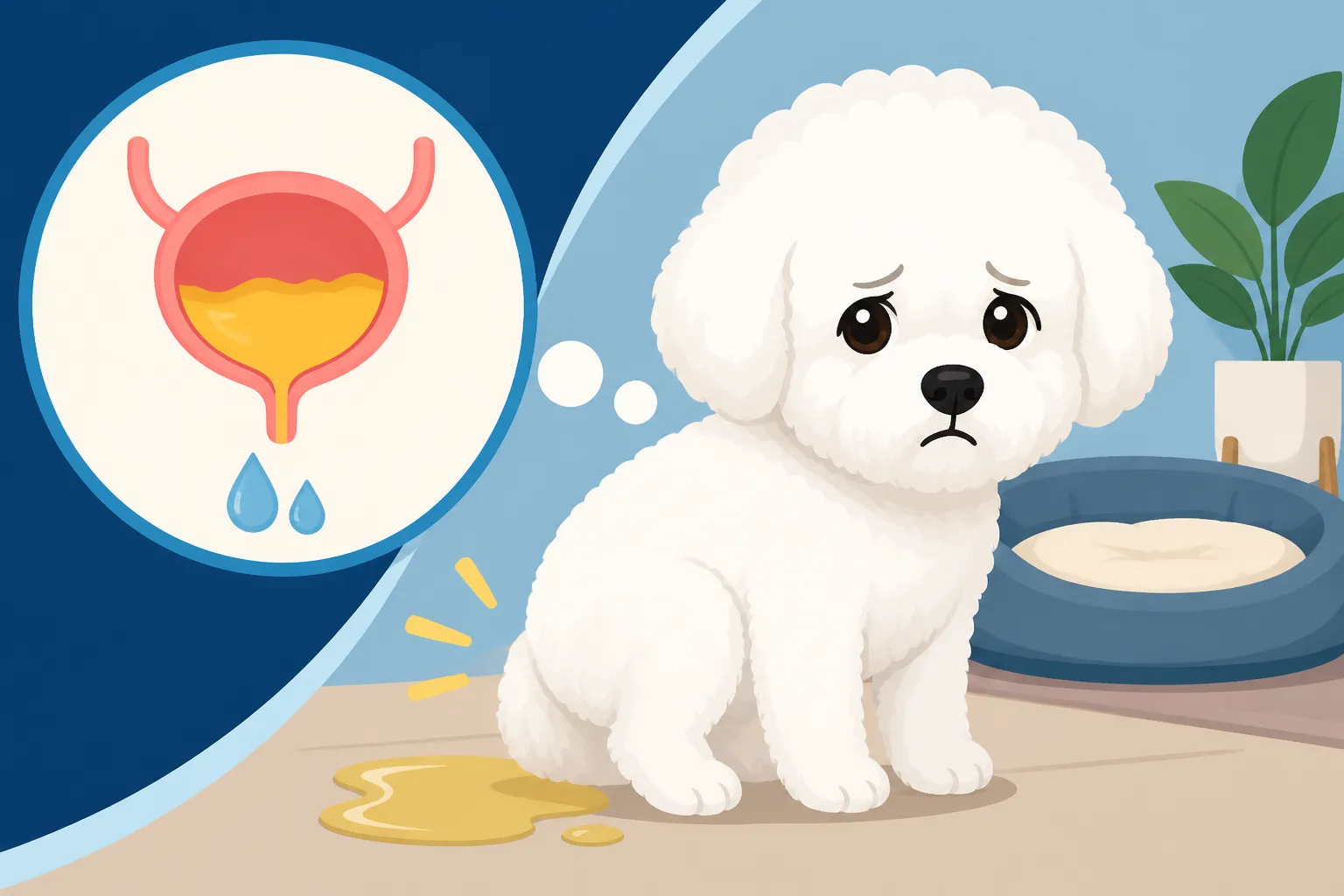
When we talk about an older dog losing bladder control, we're essentially referring to urinary incontinence. This isn't just about a sudden accident; it can manifest in several ways. Sometimes it's a small puddle discovered after a nap, or perhaps a constant dribbling that leaves a damp spot wherever your Bichon rests. Other times, it might be a full-blown puddle right after they've just been outside. It’s not a behavioral defiance, but rather an involuntary leakage of urine, meaning your dog isn't consciously choosing to urinate in inappropriate places. Their body simply isn't holding it like it used to, and it's important not to punish them for it. This can be incredibly frustrating for both you and your Bichon, who might also feel distressed by their accidents.
Is it Just Aging, or Something More?
This is the million-dollar question for many owners. While it's true that as dogs age, their bodies, including their urinary systems, can become less efficient, it's rarely just "old age" in isolation. Think of it this way: our own bodies change as we get older, but an underlying medical condition often contributes to significant new problems. For a Bichon Frise, the elasticity of the bladder muscles might decrease, or the sphincter that holds urine in might weaken. However, these age-related changes often expose or exacerbate underlying health issues. It's crucial to remember that new incontinence should always prompt a vet visit, because it’s usually a symptom of something treatable rather than just an inevitable decline. You might be surprised to learn how many common senior Bichon health issues can impact bladder function. The Age a Bichon Frise Counts as Senior offers more insights into what to expect in their golden years.
Normal Aging vs. Concerning Symptoms
It’s a fine line sometimes, distinguishing between the natural slowing down of an older dog and a symptom that needs immediate attention. Normal aging might mean your Bichon needs to go out a little more frequently, perhaps sleeping through the night becomes a bit harder, or they take longer to "empty the tank." You might notice they wake up to ask to go out, or they just can't hold it for the same long stretches they once could. These are typically managed by simply increasing potty breaks and being more vigilant.
Concerning symptoms, however, are those involuntary leaks. If you find wet spots where your dog was sleeping, if they're dribbling while walking, or if they urinate without assuming the typical squatting or lifting leg posture, that's a red flag. Increased thirst and urination, straining to urinate, or blood in the urine are also serious signs. It's about involuntary leakage, not just needing to go out more. If your once reliably housetrained Bichon suddenly starts having accidents, especially if they seem unaware of them, it’s a clear signal that a veterinary check-up is in order.
Medical Causes of Incontinence in Older Bichons
For many senior Bichons, bladder control issues aren't a standalone problem but rather a symptom of an underlying medical condition. These little dogs, while generally robust, are prone to certain health challenges as they age, many of which can directly impact their urinary system. Ignoring these signs can lead to discomfort for your pet and a worsening of the condition.
Urinary Tract Infections and Their Persistence
Urinary tract infections (UTIs) are incredibly common in older dogs, and Bichons are certainly no exception. As dogs age, their immune systems can weaken, making them more susceptible to bacterial infections in the bladder. An untreated UTI can cause significant discomfort, leading to frequent urination, straining, and, yes, accidents. The bladder becomes inflamed and irritated, reducing its capacity to hold urine. What makes this particularly tricky in senior dogs is that the symptoms might not always be as obvious as in younger pups. You might not see obvious blood in the urine, but rather just increased frequency or dribbling. Sometimes, a UTI can become chronic or recurrent, especially if not fully cleared with the appropriate antibiotics. This is why a simple urine test is often the first step in diagnosing incontinence in older dogs, and your vet might recommend testing your Bichon's urine yearly Whether a Bichon Frise Should Be Urine Tested Yearly.
Hormonal Imbalances and Spay Incontinence
One of the most frequent causes of incontinence in spayed female dogs, particularly as they age, is urethral sphincter mechanism incompetence (USMI), often referred to as "spay incontinence." After spaying, the removal of the ovaries leads to a decrease in estrogen levels. Estrogen plays a role in maintaining the strength and tone of the urethral sphincter, the muscle that controls urine flow. As estrogen declines with age (or due to spaying), this sphincter can weaken, leading to involuntary leakage, especially when the dog is relaxed, sleeping, or suddenly gets up. While more common in larger breeds, it certainly occurs in smaller breeds like Bichons too. It typically manifests as urine leakage while resting. Luckily, this type of incontinence often responds very well to medication that helps strengthen the urethral sphincter.
Kidney Disease and Increased Urination
Kidney disease is another unfortunately common condition in aging dogs, and it often goes hand-in-hand with changes in urination. The kidneys are vital organs that filter waste products from the blood and produce urine. As kidney function declines, the kidneys become less efficient at concentrating urine. This means the dog has to drink more water to flush out waste, leading to a significant increase in both thirst and urination (polydipsia and polyuria). Your Bichon might seem to be drinking constantly Whether a Cushing's Bichon Frise Drinks Constantly and then needing to go outside much more often, struggling to hold it for their usual intervals. This isn't strictly "incontinence" in the sense of involuntary leakage, but the sheer volume of urine and the increased frequency can lead to accidents simply because they can't physically hold it any longer.
Other Health Issues: Diabetes, Cushing's, and Stones
Several other systemic health issues prevalent in senior Bichons can contribute to bladder control problems:
- Diabetes: Diabetes in a Bichon Frise is characterized by high blood sugar levels. When blood sugar is too high, the kidneys try to excrete the excess sugar through urine, pulling a lot of water along with it. This results in greatly increased thirst and urination, similar to early kidney disease, making accidents more likely.
- Cushing's Disease: This condition, also common in older Bichons Cushing's Disease in a Bichon Frise Past Seven, involves the overproduction of cortisol. One of the classic signs of Cushing's is increased thirst and urination. The excess cortisol affects various bodily functions, including kidney and bladder function, leading to frequent and voluminous urination, which can overwhelm even a well-trained bladder.
- Bladder Stones: Bichon Frises are unfortunately genetically predisposed to forming certain types of bladder stones, particularly calcium oxalate stones What a Calcium Oxalate Stone Is in a Bichon Frise. These stones can irritate the bladder lining, cause inflammation, and act as a foreign body, leading to symptoms like frequent urination, straining, blood in the urine, and even partial blockages. A stone-filled bladder simply can't hold urine effectively, and it can cause a lot of pain and urgency, leading to accidents. If your Bichon has a history of stones, or if you're seeing signs like straining, it's important to consider The Stone That Comes Back a Year After Bichon Frise Surgery as a possibility.
Neurological Issues and Mobility Challenges
Beyond the urinary tract itself, neurological conditions and mobility problems can also contribute significantly to incontinence in older Bichons.
- Spinal Issues: Degenerative disc disease or other spinal problems can affect the nerves that control bladder function. If the signals from the brain to the bladder (and vice versa) are interrupted or damaged, the bladder sphincter might not function correctly, leading to involuntary leakage. This can be subtle at first, perhaps just a slight weakness, but can progress to more overt incontinence.
- Cognitive Dysfunction Syndrome (CDS): Often compared to Alzheimer's in humans, CDS affects an older dog's brain function. Dogs with CDS might become disoriented, forget their housetraining, or simply not remember to ask to go outside. They might even urinate in their sleep because they're not fully aware. Whether an Old Bichon Frise Gets Confused delves deeper into this challenging condition. This isn't a physical inability to hold urine but a cognitive failure to understand and execute appropriate toileting behaviors.
- Arthritis and Mobility: While not a direct cause of incontinence, severe arthritis or other mobility issues can certainly contribute to accidents. If your Bichon finds it painful or difficult to stand up, walk to the door, or get outside in time, they might have accidents simply because they can't physically make it. A dog struggling with joint pain might be reluctant to move or ask to go out until it's too late. This is a common concern when caring for a Caring for a Bichon Frise Past Eleven.
Behavioral & Environmental Factors
Sometimes, the root of an older Bichon's bladder control issues isn't solely medical, or it’s a complex interplay between physical changes and their mental or environmental state. Understanding these factors can help you provide a more holistic approach to managing incontinence.
Changes in Routine and Anxiety
Senior dogs, including our sensitive Bichons, thrive on routine. Any significant change can be unsettling and lead to anxiety, which can, in turn, affect bladder control. A change in your work schedule, moving to a new house, the loss of a family member (human or pet), or even new furniture can disrupt their sense of security. Anxious dogs might experience an increase in urination frequency, or even stress-related accidents. They might feel insecure about going outside, especially if they perceive a new threat or discomfort. This isn't intentional misbehavior but a physical manifestation of stress. Ensuring a stable, predictable routine and a calm environment can go a long way in helping an anxious senior Bichon feel more secure and less prone to stress-induced accidents.
The Impact of Cognitive Dysfunction Syndrome
As briefly mentioned earlier, Cognitive Dysfunction Syndrome (CDS) is a significant non-medical factor that can lead to housetraining breakdowns in older dogs. It's truly heartbreaking to watch a once-bright, responsive companion become disoriented or confused. Dogs with CDS may forget their learned housetraining behaviors, including the concept of asking to go outside or even associating certain areas with toileting. They might wander aimlessly and then just squat and relieve themselves without any prior signal or awareness that they are doing something "wrong." You might observe other signs of CDS, such as staring blankly at walls, pacing, changes in sleep-wake cycles, or reduced interaction. When assessing bladder control issues in a senior Bichon, it's vital to consider if these cognitive changes are playing a role, as the management approach will differ from purely physical incontinence. The Signs a Bichon Frise Is Getting Old often include cognitive changes.
Accessibility Issues Around the Home
Imagine needing to use the restroom urgently but finding it difficult to even get to the door, let alone outside. This is a reality for many older Bichons with mobility issues. As they age, arthritis, joint pain, or general weakness can make navigating the home and getting outside a challenge.
Consider these scenarios:
- Stairs: A flight of stairs to the backyard might become an insurmountable obstacle.
- Slippery Floors: Hardwood or tiled floors, while easy to clean, can be very slippery for a dog with wobbly joints, making them hesitant or slow to move.
- Doggy Doors: A once-easy doggy door might become too stiff to push open, or the step up/down might be too painful.
- Outdoor Conditions: Rain, snow, or even extreme heat can make outdoor potty breaks unappealing or difficult for a senior Bichon, especially if their vision or hearing is also declining.
These environmental barriers can lead to accidents simply because your dog can't get to their designated potty spot in time or without pain. Making simple adjustments to your home, such as adding ramps, non-slip rugs, or ensuring easy access to an outdoor area, can make a huge difference.
Diagnosing the Root Cause: What to Expect at the Vet
When your senior Bichon Frise starts having accidents, the first and most important step is always a visit to your veterinarian. It’s natural to feel worried or even a bit embarrassed, but remember, this is a common issue, and your vet is there to help pinpoint the cause and create a plan. Don’t delay, as early diagnosis can prevent further discomfort for your pet and potential worsening of a treatable condition.
Initial Examination and Urine Tests
Your vet will start with a thorough physical examination, paying close attention to your Bichon’s abdomen, urinary tract, and neurological responses. They’ll want to know about the frequency, timing, and nature of the accidents – for instance, is it dribbling, large puddles, while sleeping, or when awake? They'll also ask about any other changes you've noticed, such as increased thirst, changes in appetite, or mobility issues.
A urinalysis is almost always the first diagnostic test performed. Your vet will need a fresh urine sample, ideally collected by them via cystocentesis (a sterile method of collecting urine directly from the bladder with a needle) to avoid contamination. This test looks for signs of infection (bacteria, white blood cells), inflammation (red blood cells), crystals (which can indicate a predisposition to stones), and assesses the urine's concentration. If bacteria are found, a urine culture and sensitivity test will likely follow to identify the specific type of bacteria and determine which antibiotics will be most effective. This step is critical because treating a suspected UTI without knowing the specific bacteria can lead to recurrent infections and antibiotic resistance.
Advanced Diagnostics: Bloodwork and Imaging
If the urinalysis doesn't provide a clear answer, or if other symptoms suggest a more systemic issue, your vet will likely recommend further diagnostics.
- Bloodwork: A comprehensive blood panel (including a complete blood count and a biochemistry profile) can reveal underlying issues like kidney disease, diabetes, or Cushing's disease. These tests assess organ function, blood sugar levels, and other markers that can indicate systemic problems affecting urination. For example, elevated glucose points to diabetes, while changes in kidney values suggest kidney compromise.
- Imaging: X-rays and ultrasound are invaluable tools for visualizing the urinary tract.
- X-rays can help detect bladder stones How a Vet Confirms Stones in a Bichon Frise, which are common in Bichons, and look for any structural abnormalities in the spine that might indicate neurological issues.
- Ultrasound provides a more detailed view of the bladder wall, kidneys, and surrounding structures. It can identify bladder tumors, inflammation, subtle stones not visible on X-rays, and assess the architecture of the kidneys. Whether an Ultrasound Finds a Bichon Frise's Stones is a common question, and yes, it's very effective for seeing many types of stones and other bladder issues.
These advanced diagnostics help paint a complete picture, ensuring that no stone is left unturned in determining the precise cause of your Bichon's incontinence.
Keeping a Detailed Log of Accidents
Before your vet appointment, and throughout the diagnostic process, keeping a detailed log of your Bichon's accidents and related observations can be incredibly helpful for your vet. This isn't just about counting puddles; it's about providing context.
Here's what to track:
- Date and Time: When did the accident happen?
- Location: Was it in their bed, on the rug, or near the door?
- Amount of Urine: Was it a few drops, a small puddle, or a large volume?
- Circumstances: Was your Bichon sleeping? Just woken up? Excited? Straining?
- Appearance of Urine: Was it clear, cloudy, or reddish (indicating blood)?
- Water Intake: How much are they drinking? (Estimate if you can).
- Frequency of Urination: How often do they go outside or try to go?
- Other Symptoms: Any changes in appetite, energy levels, mobility, or behavior?
This detailed information provides your vet with invaluable clues, helping them narrow down the potential causes and guiding their diagnostic recommendations. For example, involuntary leakage while sleeping strongly suggests a sphincter problem, while straining and frequent small puddles might point to a UTI or stones.
Management Strategies for Incontinent Senior Bichons
Once your vet has identified the cause of your senior Bichon's bladder control issues, the good news is that many solutions exist. The approach will vary significantly depending on the underlying problem, but the goal is always to restore comfort and quality of life for your furry friend, and peace of mind for you.
Medical Treatments and Medications
For many forms of incontinence, medical treatments are highly effective.
- Antibiotics for UTIs: If a urinary tract infection is diagnosed, a course of antibiotics will be prescribed. It’s crucial to complete the entire course, even if your Bichon seems better, to ensure the infection is fully cleared and prevent recurrence. Your vet might also recommend follow-up urine cultures to confirm the infection is gone.
- Hormonal Incontinence Medications: For spay incontinence (USMI), medications like Phenylpropanolamine (PPA) or synthetic estrogen (e.g., diethylstilbestrol, DES) are often prescribed. PPA works by increasing the tone of the urethral sphincter muscle, while estrogen supplements help strengthen the urethral tissues. These medications typically need to be given long-term, but they can dramatically improve or completely resolve the leakage.
- Medications for Underlying Diseases: If conditions like diabetes or Cushing's disease are the cause, managing these primary diseases will often alleviate the incontinence. This could involve insulin therapy for diabetes Managing an Insulin Dependent Bichon Frise or specific medications for Cushing's Whether Trilostane Works on a Bichon Frise. Addressing the root cause is key.
- Anti-inflammatory and Pain Relief: For Bichons with arthritis or spinal issues contributing to incontinence, pain management and anti-inflammatory medications can improve mobility and reduce discomfort, allowing them to get to their potty spot more easily. Supplements like glucosamine and chondroitin can also support joint health.
Dietary Adjustments and Hydration Management
Diet plays a vital role, particularly if your Bichon's incontinence is linked to kidney disease, diabetes, or bladder stones.
- Prescription Diets: For kidney disease, specific prescription diets with controlled protein, phosphorus, and sodium levels can help slow the progression of the disease and reduce the strain on the kidneys, often decreasing excessive thirst and urination. Similarly, diabetic diets are carefully formulated to help stabilize blood sugar. For Bichons prone to calcium oxalate stones, a special prescription urinary diet is essential. This diet, like Royal Canin or Hill's urinary care formulas, is designed to create a less stone-forming environment in the bladder by modifying urine pH and mineral content. Remember, for a Bichon with a history of stones, The Diet a Bichon Frise Stays On for Life is often crucial.
- Water Intake: While it might seem counterintuitive to encourage more drinking when your dog is leaking, adequate hydration is essential for urinary tract health, especially for preventing and managing UTIs and stones. Dilute urine is less likely to form crystals and helps flush out bacteria. Ensure fresh water is always available. You can encourage drinking by offering multiple water bowls, a pet water fountain (many Bichons love these!), or by adding a little water to their food. Whether Water Intake Changes a Bichon Frise's Risk for stones is a common concern, and indeed, good hydration is protective.
Practical Solutions: Diapers, Pads, and Frequent Potty Breaks
Even with medical management, some senior Bichons may still experience occasional leaks, especially as their body ages. This is where practical management strategies come in to keep your home clean and your dog comfortable.
- Dog Diapers: For persistent leakage, dog diapers can be a lifesaver. Brands like Simple Solution or Wegreeco offer washable and disposable options. Look for sizes specifically for small dogs, ensuring a snug but comfortable fit around the waist and legs to prevent leaks. You might need to experiment to find the best fit for your Bichon's unique physique. While not a cure, they can protect your home and allow your dog to move freely without worrying about accidents. You can find a range of suitable diapers on platforms like Amazon.
- Absorbent Pads: "Pee pads" or "training pads" are useful for areas where your Bichon frequently has accidents or sleeps. They provide an absorbent surface that protects your flooring. Place them in strategic locations, especially near their bed or commonly frequented resting spots. For dogs with mobility issues, a low-entry litter box with absorbent liners can also be an option.
- Frequent Potty Breaks: This is perhaps the simplest yet most effective management strategy. Increase the frequency of outdoor potty breaks, especially after waking up, eating, and before bedtime. If your Bichon is a napper, take them out immediately after they stir. A consistent schedule helps them empty their bladder more regularly, reducing the chance of an overflow accident. Don't assume that because they just went out, they won't need to go again soon. Setting an alarm to take them out, even in the middle of the night, can prevent waking up to a mess. Remember, Whether a Housetrained Bichon Frise Suddenly Starts Leaking often means they simply cannot hold it.
Addressing Mobility and Environmental Needs
Making your home more accessible can significantly reduce accidents caused by physical limitations.
- Non-Slip Surfaces: Place rugs or carpet runners on slippery floors to provide better traction, making it easier and safer for your senior Bichon to move around, especially when they need to get outside quickly.
- Ramps or Steps: If your Bichon struggles with stairs or getting onto furniture (where they might then leak), consider ramps or pet steps. This not only prevents accidents but also protects their joints from further strain.
- Easy Outdoor Access: Ensure they have easy, quick access to an appropriate outdoor toileting area. If your yard has difficult terrain, create a small, flat, easily accessible spot. If they are hesitant to go out in bad weather, a covered outdoor area or even a designated indoor potty area (like an artificial grass patch or large pee pad holder) might be necessary.
- Crates and Beds: For Bichons with CDS or severe incontinence, consider washable bedding and dog beds with waterproof liners. If using a crate, ensure it’s comfortably sized and has absorbent bedding. However, never leave an incontinent dog in a crate for extended periods if they will be lying in their own urine, as this can lead to skin irritation.
Living with a Senior Bichon and Incontinence: Maintaining Quality of Life
Discovering that your senior Bichon Frise is struggling with bladder control can be disheartening. It often feels like a step backward after years of successful housetraining. However, with patience, understanding, and the right approach, you can manage this challenge effectively and ensure your beloved companion continues to enjoy a high quality of life. Remember, this isn't their fault, and they need your compassion more than ever.
Emotional Support and Patience
One of the hardest parts of dealing with incontinence is the emotional toll it takes on both you and your Bichon. You might feel frustrated by the messes, and your dog might feel distressed or anxious about their accidents. It's vital to approach the situation with boundless patience and empathy. Your Bichon isn't doing this on purpose; they are struggling with a physical or cognitive issue. Scolding or punishing them will only increase their anxiety and could worsen the problem, potentially making them hide when they need to relieve themselves.
Instead, respond calmly to accidents. Clean them up thoroughly with an enzymatic cleaner (like Nature's Miracle or Rocco & Roxie, widely available on Amazon) to eliminate odors that might encourage repeat accidents. Reassure your Bichon with gentle words and comforting touches. Celebrate successful outdoor potty breaks with praise and a small, approved treat. Maintaining a positive and supportive environment helps your senior Bichon feel secure and loved, even when facing new challenges. For ongoing training and behavioral support, resources like BAXTER & Bella offer invaluable guidance on building a strong, positive relationship with your dog, which can be particularly helpful when navigating new behavioral challenges in their senior years.
Maintaining Hygiene and Comfort
When your Bichon is having accidents, maintaining their hygiene becomes paramount to prevent skin irritation, odor, and secondary infections. Urine left on the skin can cause scalding, urine burns, and even lead to bacterial or yeast infections in sensitive areas.
- Regular Cleaning: If your Bichon is dribbling or having accidents, gently wipe their hindquarters and inner thighs with pet-safe, unscented wet wipes or a damp cloth after each incident. Pay extra attention to their soft, fluffy coat, as urine can cling to it.
- Bathing: Regular, gentle baths are essential. Use a mild, hypoallergenic dog shampoo to keep their coat clean and fresh. Consider a "sanitary trim" to keep the hair around their private parts very short, making it easier to keep clean and prevent urine from accumulating on their fur. You can discuss with your groomer about Whether a Bichon Frise's Sanitary Area Needs Trimming to help with hygiene.
- Bedding: Ensure their bedding is washable and changed frequently. Consider using waterproof bed liners or washable incontinence pads under their regular blankets to protect furniture and make cleanup easier.
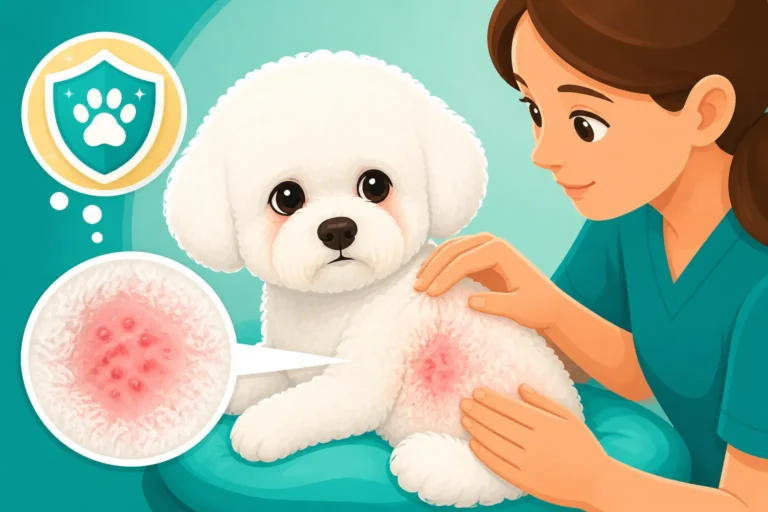
- Skin Checks: Routinely check your Bichon's skin in the perineal area, inner thighs, and tail for any redness, irritation, or dampness. If you notice any signs of skin issues, consult your vet for appropriate treatment.
When to Seek Specialized Care
While your primary veterinarian is your first and most important resource, there might be times when specialized care is beneficial.
- Internal Medicine Specialist: If your Bichon's incontinence is linked to complex conditions like advanced kidney disease, difficult-to-manage diabetes, or complicated endocrine disorders (like atypical Cushing's), an internal medicine specialist can provide advanced diagnostics and treatment plans.
- Neurologist: For suspected spinal or neurological issues affecting bladder control, a veterinary neurologist can offer specialized imaging (like MRI) and neurosurgical options if appropriate.
- Rehabilitation Specialist: If mobility issues are a significant contributing factor, a rehabilitation specialist can design a program of exercises, hydrotherapy, or other modalities to improve strength and mobility, helping your Bichon get to their potty spot more easily.
- Behavioralist: If cognitive dysfunction or severe anxiety is the primary cause and your vet has ruled out all medical issues, a veterinary behaviorist can offer advanced behavioral modification strategies and, if necessary, medication to manage cognitive decline or anxiety.
These specialists work in conjunction with your regular vet to provide the most comprehensive care for your senior Bichon.
By understanding the diverse causes of incontinence, from medical conditions like UTIs and kidney disease to behavioral and environmental factors, you can work effectively with your veterinarian to find solutions. With patience, appropriate medical management, practical adjustments, and a generous amount of love, you can help your senior Bichon Frise maintain their comfort and dignity through their golden years, even with bladder control challenges.
Common Causes of Incontinence in Senior Bichons
Here's a quick overview of some common reasons an older Bichon Frise might experience bladder control issues, along with key indicators and typical management.
| Cause | Key Indicators | Typical Management |
|---|---|---|
| Urinary Tract Infection (UTI) | Frequent urination, straining, small puddles, blood in urine, strong odor, inappropriate urination. | Antibiotics, increased water intake, follow-up urine culture. |
| Spay Incontinence (USMI) | Involuntary leakage while resting, sleeping, or getting up, more common in spayed females. | Medications to strengthen urethral sphincter (PPA, DES), dog diapers. |
| Kidney Disease | Increased thirst and urination, dilute urine, accidents due to high volume, weight loss, lethargy. | Prescription renal diet, fluid therapy, medications to manage symptoms. |
| Diabetes Mellitus | Excessive thirst and urination, weight loss despite good appetite, sweet-smelling urine. | Insulin therapy, prescription diabetic diet, regular monitoring. |
| Cushing's Disease | Excessive thirst and urination, pot-bellied appearance, thin skin, hair loss, increased appetite. | Medications to control cortisol production (e.g., Trilostane), regular monitoring. |
| Bladder Stones (Calcium Oxalate) | Straining to urinate, frequent urination, blood in urine, discomfort, recurrent UTIs, dribbling. | Surgery to remove stones, lifelong prescription urinary diet, increased water intake. |
| Cognitive Dysfunction Syndrome (CDS) | Disorientation, forgetting housetraining, staring, pacing, changes in sleep-wake cycle, urinating anywhere. | Medications for cognitive support, strict routine, increased potty breaks, environmental enrichment, patience. |
| Mobility Issues (Arthritis) | Difficulty standing, walking, climbing stairs, slowness to get outside, hesitant movement. | Pain medication, joint supplements, ramps, non-slip surfaces, easy-access potty areas. |
Disclaimer
This article is for general informational purposes only and does not constitute professional advice. Laws, prices and regulations vary by location and change over time. Consult a qualified professional for guidance on your specific situation.