Whether a Bichon Frise Still Plays at Twelve
It's a common, heartfelt concern for us Bichon Frise owners as our beloved companions enter their golden years: will they still have that spark, that playful bounce that defines the breed? Seeing a once-energetic fluffball start to slow down can be worrying, making you wonder if the joyous games you once shared are a thing of the past. This guide will explore how play evolves in a twelve-year-old Bichon Frise, how to keep their spirits bright, and what to look out for to ensure their continued happiness and well-being.
The Shifting Nature of Play as a Bichon Frise Ages
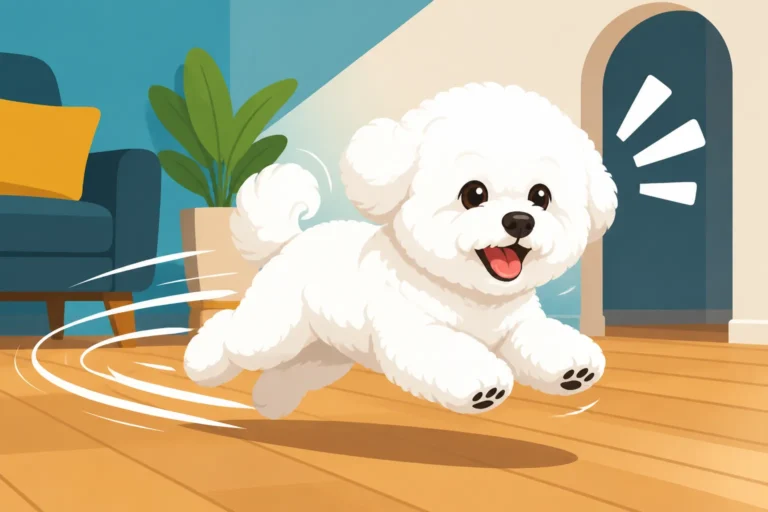
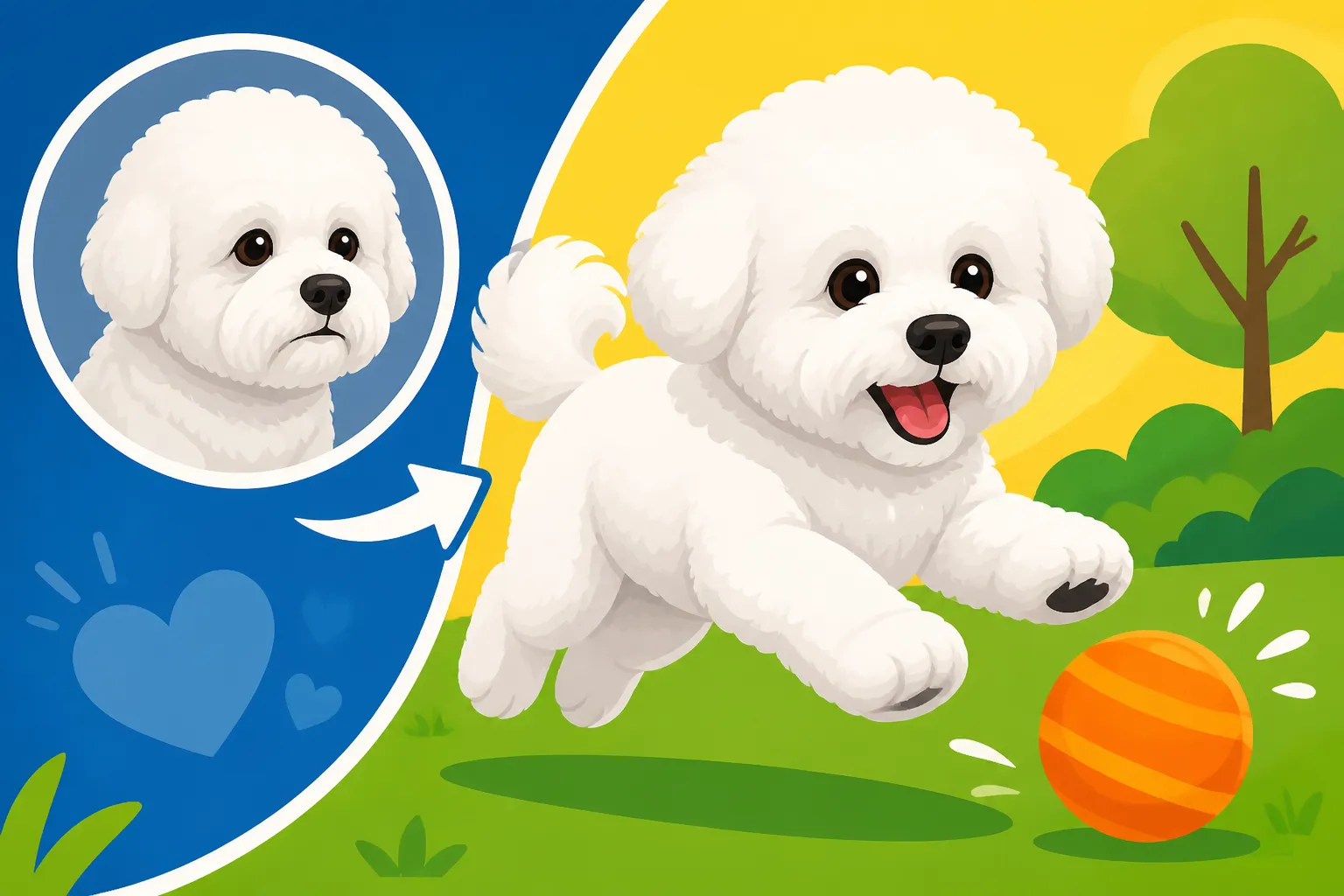
When your Bichon Frise hits the twelve-year mark, they are firmly in their senior years. Just like us, dogs experience a natural decline in energy and physical capabilities as they age. But here’s the wonderful truth: play doesn’t just disappear! It simply transforms. The boisterous, hour-long fetch sessions of their youth might give way to more measured, gentle, and often shorter bursts of activity. The key is understanding these changes and adapting with them.
Understanding Normal Age-Related Changes
Imagine your own body after a long day – you might feel a bit stiffer, maybe not as keen to leap off the sofa. It’s similar for our senior Bichons. Their joints might not be as supple, their stamina for chasing a ball around the yard might dwindle, and their eyesight or hearing might not be as sharp as it once was. This is perfectly normal. A twelve-year-old Bichon might still initiate play, but it could be a softer nudge with their nose, a gentle paw tap, or a quiet offering of a toy rather than a full-blown "Bichon Blitz."
You might notice that they sleep more deeply and for longer periods. Their reflexes might be a tad slower, and they might not react as quickly to sounds or movements. These are all natural signs of aging. The important thing is to differentiate between a normal decrease in intensity and a complete withdrawal from play, which could signal something more serious. Remember, even if the grand leaps are fewer, the desire for connection and joy through play often remains strong. Think of it as evolving from a marathon runner to a leisurely stroll in the park – still moving, just at a different pace. If you're wondering about the typical timeline for these changes, you might find insight in The Age a Bichon Frise Counts as Senior.
The Difference Between Decreased Play and Pain
This is perhaps the most crucial distinction for any senior dog owner. A reduction in playfulness can indeed be a natural part of aging, but a sudden or complete cessation of play, especially if accompanied by other behavioral changes, is a massive red flag for pain or discomfort. Our furry friends are incredibly stoic and often hide their pain until it becomes unbearable.
If your Bichon, who once loved to play with squeaky toys, now ignores them, or if they seem reluctant to get up, walk, or engage, it's time to take note. Look for subtle signs:
- Difficulty getting up or lying down: They might struggle, take longer, or whimper.
- Stiffness after rest: Especially noticeable after a nap.
- Limping or favoring a leg: Even subtle shifts in weight distribution.
- Reluctance to jump: Avoiding stairs, furniture, or their favorite spot. This could be related to conditions like Slipping Kneecaps in a Bichon Frise.
- Changes in appetite or thirst: Could indicate underlying illness.
- Irritability or snapping: If they used to tolerate handling but now react negatively when you touch certain areas, it's a strong indicator of pain.
- Excessive licking: Especially paws or joints, which can be a self-soothing behavior.
Conditions like arthritis are incredibly common in senior dogs, including Bichon Frises. Arthritis in a Bichon Frise at Eleven can make movement painful, understandably dampening their desire to play. Similarly, untreated Dental Disease in a Bichon Frise can cause significant pain, making them less inclined to engage in tug-of-war or even carry a toy. Always remember: old age is not a disease, but it can bring a higher risk of health issues that do cause pain. Your vet is your best partner in distinguishing between normal aging and treatable discomfort.
Encouraging Play and Mental Stimulation in Your Senior Bichon Frise
Just because your Bichon is a senior doesn't mean their world has to shrink to just sleeping and eating. Keeping them engaged, both physically and mentally, is vital for their quality of life. It’s about meeting them where they are and adapting activities to suit their changing abilities.
Adapting Playtime for Senior Comfort
The key here is gentle engagement. Forget high-impact games and focus on activities that are easy on their joints and less demanding on their stamina.
- Soft Toy Retrieval: Instead of throwing a hard ball, roll a soft plush toy a short distance. If they bring it back, great! If not, go retrieve it yourself and offer it again. This keeps the game low-impact.
- Gentle Tug-of-War: Use a soft fabric toy rather than a hard rope. Keep the tugging gentle and short, focusing more on the interaction than the power. Be mindful of their teeth, as older Bichons are more prone to dental issues.
- "Find the Treat" Games: Hide small, low-calorie treats around the room (or even under a towel) and let their excellent sense of smell do the work. This is a wonderful way to engage their mind and body without putting stress on their joints. You can find some fantastic puzzle feeders on Amazon that make these games even more engaging.
- Short, Frequent Walks: Instead of one long walk, try several shorter, slower strolls throughout the day. This keeps them moving without overexertion. Even a leisurely sniff around the garden counts as mental and physical activity.
- Interactive Play: Sometimes, simply sitting on the floor and gently interacting with a toy, letting them mouth it or push it, is enough. Your presence and attention are often the biggest reward.
When adapting playtime, always prioritize their comfort. Observe their body language carefully. If they show any signs of discomfort or fatigue, stop immediately. It's better to have several short, positive play sessions than one long one that leaves them sore or anxious.
Mental Enrichment Beyond Physical Games
Physical play might diminish, but a senior Bichon's mind still craves stimulation. Keeping their brain active is just as important as keeping their body moving. It helps prevent cognitive decline, often referred to as "doggy dementia," and keeps them feeling vital and engaged with their world.
- Puzzle Toys: These are fantastic for senior dogs. They encourage problem-solving and can be adapted to various difficulty levels. Again, Amazon offers a wide range of these, from simple snuffle mats to more complex treat dispensers. Just be sure to choose appropriate sizes and difficulty levels to avoid frustration.
- Scent Work: Dogs naturally love to use their noses. Hide treats or their favorite toys and let them track them down. This is incredibly stimulating and requires very little physical exertion. You can create a simple scent game by hiding a treat under one of three cups and shuffling them.
- Continued Training (Gentle Edition): Even an old dog can learn new tricks, or perhaps more realistically, enjoy reinforcing old ones. Simple commands like "sit," "stay," or "paw" can be practiced in short, positive sessions. This builds confidence and strengthens your bond. Resources like BAXTER & Bella provide online training programs that can be tailored and adapted for senior dogs, focusing on positive reinforcement and mental engagement. It’s about keeping their cognitive wheels turning, not preparing them for a dog show!
- New Experiences (Calm Ones): A short, slow car ride to a new, quiet park for a sniff-walk can be a huge mental boost. Meeting a calm, well-mannered new dog (under supervision) can also be enriching. The goal is novelty without stress.
- Plenty of Affection: Don't underestimate the power of quiet cuddles, gentle massages, and loving words. This connection provides immense comfort and mental well-being for an aging dog.
Remember, the goal is to keep their minds sharp and their spirits high. A mentally stimulated Bichon is often a happier, more content Bichon, even if their body is starting to show its age. Caring for a Bichon Frise Past Eleven often focuses on finding these balanced approaches to their daily life.
Recognizing and Addressing Health Issues Impacting Play
As mentioned, a decrease in play is sometimes more than just "getting old"; it can be a sign of underlying health issues. Being vigilant about your senior Bichon's health is paramount to ensuring they remain as active and comfortable as possible. Early detection and intervention can make a world of difference.
Common Ailments That Reduce Playfulness
Several health conditions are more prevalent in senior Bichon Frises and can significantly impact their desire and ability to play:
- Arthritis and Joint Pain: This is perhaps the most common culprit. Degenerative joint disease makes movement painful, stiff, and uncomfortable. You might notice them walking slower, struggling with stairs, or being reluctant to jump.
- Dental Disease: Chronic dental pain from tartar buildup, gum disease, or rotten teeth can make eating, carrying toys, or even opening their mouth uncomfortable. Many senior dogs suffer in silence from this.
- Vision and Hearing Loss: As their senses fade, they might become more hesitant to move around, especially in unfamiliar environments. A dog that can't see the ball or hear you call might lose interest in games. Whether a Bichon Frise Goes Blind covers this more broadly.
- Heart Conditions: A Whether a Bichon Frise Gets a Heart Murmur can reduce stamina and lead to fatigue, shortness of breath, and a general reluctance to exert themselves.
- Cognitive Dysfunction Syndrome (CDS): Often called "doggy dementia," CDS can manifest as confusion, disorientation, changes in sleep patterns, and a reduced interest in familiar activities, including play. Whether an Old Bichon Frise Gets Confused delves into this.
- Other Chronic Illnesses: Conditions like diabetes, kidney disease, or even certain cancers can cause general malaise, pain, or weakness, making play far less appealing. Even a chronic issue like Recurrent Ear Infections in a Bichon Frise can make them feel unwell and disinclined to play.
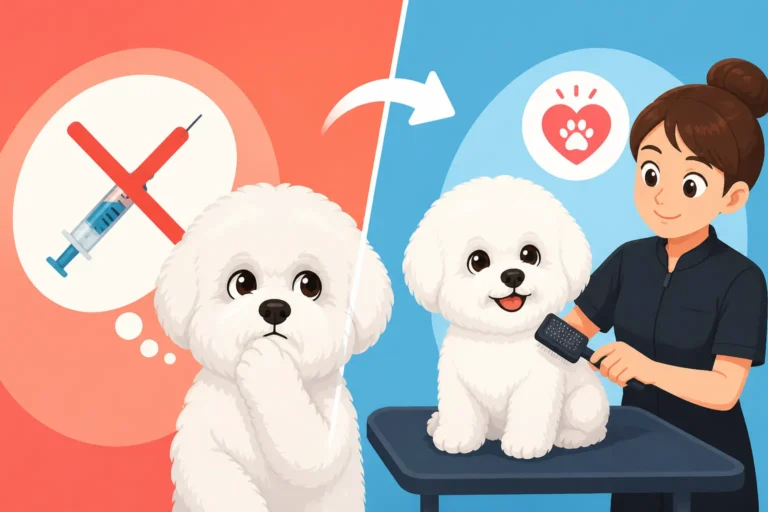
If you observe any of these symptoms, or a noticeable change in your Bichon's behavior, it's always best to consult your veterinarian. Don't simply attribute it to "old age"; seek a diagnosis and explore treatment options.
The Importance of Regular Senior Vet Checks
Regular veterinary check-ups become even more critical as your Bichon Frise ages. Think of them as preventative maintenance for your furry family member. These visits allow your vet to:
- Perform thorough physical exams: Checking joints for stiffness, palpating for pain, listening to their heart and lungs, and examining their teeth and eyes.
- Recommend diagnostic tests: Blood work, urine analysis, and X-rays can detect underlying issues like organ dysfunction, diabetes, or arthritis before they become severe and dramatically impact quality of life. For instance, Whether a Bichon Frise Should Be Urine Tested Yearly is crucial for detecting urinary issues which can also impact behavior.
- Discuss pain management options: If arthritis or other painful conditions are diagnosed, your vet can recommend medications, supplements (like glucosamine), or other therapies to keep your Bichon comfortable.
- Evaluate diet and nutrition: Ensuring your senior Bichon is on an appropriate diet for their age and any existing health conditions can support their overall well-being and energy levels.
- Address cognitive decline: Your vet can offer strategies and sometimes medications to help manage cognitive dysfunction.
By proactively managing health concerns, you can help your Bichon Frise live a longer, more comfortable, and yes, more playful life. A vigilant approach to their health means catching problems early and giving them the best chance to continue enjoying their favorite pastimes, even if those pastimes look a little different now. Consider this table summarizing how different health issues can affect play:
| Health Condition | Common Symptoms Impacting Play | Impact on Play |
|---|---|---|
| Arthritis/Joint Pain | Stiffness, limping, reluctance to jump/climb stairs | Reduced mobility, avoidance of physical games, pain during movement |
| Dental Disease | Bad breath, pawing at mouth, difficulty eating, dropping food | Reluctance to carry toys, avoids tug-of-war, decreased interest in chews |
| Vision/Hearing Loss | Bumping into objects, startles easily, unresponsiveness | Disorientation during play, difficulty tracking toys, decreased engagement |
| Heart Conditions | Coughing, lethargy, easily winded, reduced stamina | Quick fatigue, shortness of breath, avoidance of strenuous play |
| Cognitive Dysfunction | Confusion, staring, altered sleep, forgetting commands | Reduced interest in interaction, aimless wandering, changes in play behavior |
| Diabetes | Increased thirst/urination, lethargy, weight changes | General malaise, low energy, reduced enthusiasm for play |
Lifestyle Adjustments for a Playful Senior Bichon
Maintaining a playful spirit in a senior Bichon isn't just about managing health; it's also about making their daily environment supportive and comfortable. Small adjustments can have a big impact on their willingness to engage and enjoy life.
Creating a Supportive Environment
Your home is your Bichon's world, and making it senior-friendly can prevent injuries and encourage activity.
- Orthopedic Beds: A plush, supportive orthopedic bed can make a huge difference for aching joints. Having several comfy spots around the house encourages them to rest comfortably and get up more easily when it's time to play. Many excellent options are available on Amazon that provide superior cushioning.
- Non-Slip Surfaces: Hardwood floors or tiles can be treacherous for a dog with stiff joints. Lay down rugs, carpet runners, or anti-slip mats in high-traffic areas to give them better traction and prevent slips and falls. This is especially important for breeds prone to Slipping Kneecaps in a Bichon Frise.
- Ramps and Steps: If your Bichon loves to join you on the couch or bed, consider pet ramps or steps. This prevents them from having to jump, which can strain their joints, especially their knees and spine. Encouraging them to use these instead of jumping off furniture can be a crucial preventative measure. You'll find many suitable options for this on Amazon too.
- Easy Access to Essentials: Make sure their food, water, and potty area are easily accessible. If they struggle with stairs, ensure they have everything they need on one floor. For the potty, Whether a Covered Potty Area Helps a Bichon Frise could be a consideration for those who struggle to get out quickly.
- Consistent Routine: Older dogs often thrive on routine. Predictable mealtimes, walks, and potty breaks reduce anxiety and help them feel secure, making them more likely to relax and engage in play.
By thoughtful arrangement, you can create a sanctuary that supports their physical needs while nurturing their desire for interaction and comfort.
Nutritional Support and Weight Management
What goes into your Bichon's bowl plays a significant role in their energy levels, joint health, and overall longevity.
- Senior-Specific Diets: Many dog food brands offer formulas tailored for senior dogs. These often contain fewer calories to prevent weight gain (as activity levels decrease), higher fiber for digestive health, and added joint supplements like glucosamine and chondroitin. Discuss these options with your vet to find the best fit for your dog.
- Joint Supplements: Beyond diet, your vet might recommend specific joint supplements to help cushion cartilage and reduce inflammation. These can make a noticeable difference in their comfort and mobility, thus enhancing their willingness to play.
- Weight Management: Keeping your senior Bichon at a healthy weight is paramount. Extra pounds put enormous strain on already aging joints and can exacerbate conditions like arthritis. If your Bichon is overweight, work with your vet on a safe weight loss plan. This might involve adjusting their food intake or exploring low-calorie treats. Even a few extra pounds can make the difference between a dog that still enjoys a short walk and one that struggles.
- Hydration: Ensuring your Bichon drinks enough water is always important, but particularly for seniors, especially those with kidney concerns or those on certain medications. Whether a Water Fountain Encourages a Bichon Frise could be a great strategy to keep them hydrated, which is vital for overall health and joint lubrication.
By providing excellent nutritional support and keeping their weight in check, you’re giving your twelve-year-old Bichon Frise the best possible foundation to remain comfortable, active, and yes, still playful for many more years to come. Ultimately, The Fourteen to Fifteen Years a Bichon Frise Lives are best enjoyed with thoughtful care and adaptation to their changing needs.
Disclaimer
This article is for general informational purposes only and does not constitute professional advice. Laws, prices and regulations vary by location and change over time. Consult a qualified professional for guidance on your specific situation.