Whether Wipes Help a Bichon Frise After Walks
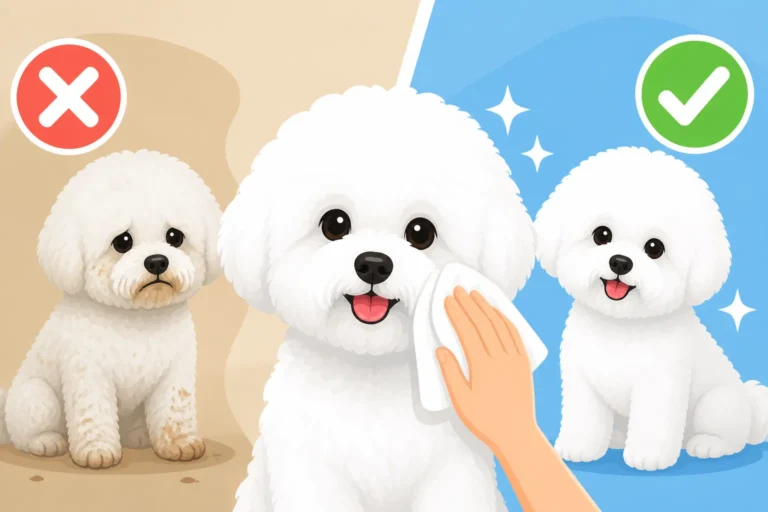
One of the most common frustrations for any Bichon Frise owner is watching their pristine, fluffy companion transform into a walking dust bunny or a muddy mess after a simple stroll. It feels like you've just spent hours grooming them, only for a five-minute walk to undo all your hard work. This guide will dive deep into whether pet wipes are truly effective for post-walk cleanups, helping you maintain your Bichon's dazzling white coat and ensuring their comfort.
The Daily Grime: Why Your Bichon Frise Gets So Dirty on Walks
Keeping a Bichon Frise sparkling white can sometimes feel like a full-time job, especially if your dog loves to explore the great outdoors. It's not just that their coat is white; it's the very nature of their beautiful double coat that makes them magnets for every speck of dirt, every stray leaf, and every splash of mud. Understanding why they get so dirty is the first step in tackling the problem effectively.
The Bichon Frise Coat: A Magnet for Mess
The Bichon Frise boasts a glorious double coat: a soft, dense undercoat and a coarser, curly outer coat that gives them their signature "powder puff" appearance. While this coat is often celebrated for being low-shedding and hypoallergenic, it comes with a trade-off – it's incredibly efficient at trapping debris. Imagine a tiny, fluffy broom sweeping the ground with every step your Bichon takes. That's essentially what their coat does. It's not just dirt that gets caught; leaves, twigs, burrs, grass seeds, and even pollen cling to the curls and burrow deep into the undercoat. When your Bichon dashes through a patch of tall grass, they're not just running; they're collecting nature's confetti. This constant accumulation means that even a short walk can leave them looking dishevelled and surprisingly dirty, especially on their legs, belly, and around their paws. The sheer white color, of course, magnifies every smudge, making even the smallest spot seem glaringly obvious.
Common Outdoor Messes Your Bichon Frise Encounters
The types of messes your Bichon encounters vary widely depending on where you walk. If you're strolling through urban parks, you might find their pristine white fur picking up dust, general street grime, bits of discarded food, or even remnants of pavement salt and de-icers during colder months. These substances can be irritating to their paw pads and skin if not removed promptly. A walk through a wooded trail or a grassy field brings its own set of challenges: mud is a given, especially after rain, but also sticky sap, pollen from various plants, and those annoying grass awns that seem to embed themselves deep into fur and paw pads.
Even a simple trip to the backyard can result in a dirty Bichon. Freshly mowed grass clippings can stick like glue, turning their white legs green. If they love to dig, you'll be dealing with mud and soil embedded deep within their fur. Puddles, no matter how small, become irresistible opportunities for a quick dip and an instant transformation into a mottled, grey dog. It's a constant battle, and it's completely normal to feel like you're fighting an uphill battle against the elements to keep their fluffy white coat pristine. These common encounters highlight why a quick and effective cleaning method is so crucial for daily maintenance.
Are Wipes the Wonder Solution for Post-Walk Cleanups?
For many Bichon Frise owners, the idea of a quick wipe-down after a walk sounds like a dream come true. You avoid the full bath ordeal, save time, and keep your home cleaner. But are these convenient cloths truly effective, or are they just a temporary fix? Let's explore the pros and cons to see if wipes fit into your Bichon's grooming routine.
The Convenience Factor: When Wipes Shine
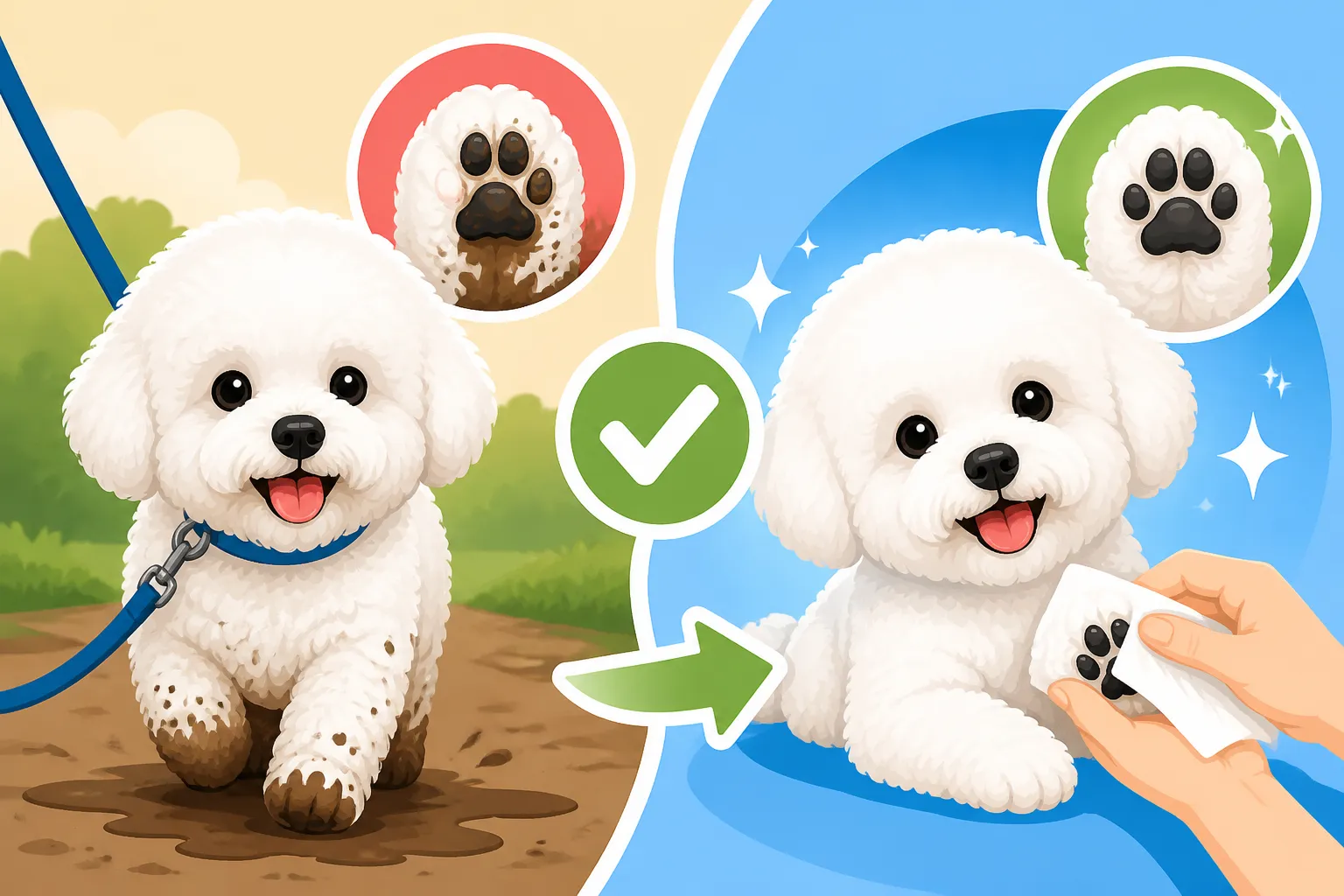
Wipes are undeniably handy, offering a level of convenience that's hard to beat for busy dog owners. They are perfect for those 'in-between' moments – when your Bichon has had a light walk and picked up a bit of dust, or after a quick potty break on damp grass. Instead of wrestling your fluffy friend into the tub for a full bath, a few swipes with a dog-specific wipe can quickly remove surface dirt, mud splashes, and paw prints. This immediate cleanup prevents tracking dirt through your house, keeping floors and furniture significantly cleaner.
They are also incredibly portable, making them ideal for car rides home from a park or a longer adventure. Imagine your Bichon diving into a muddy puddle at the dog park – instead of letting them sit in the car marinating in grime, you can give them a quick once-over to remove the worst of it before they even get a chance to shake it all over your upholstery. Wipes come in various formulations too; you can find options designed for moisturizing, deodorizing, or even those specifically for sensitive skin. Brands available through retailers like Chewy or Amazon offer a wide selection, so you can often find one that suits your Bichon's specific needs, whether it's an extra gentle formula or one that helps combat a little doggie odor. This convenience is truly where wipes earn their keep, making daily maintenance far less daunting.
Limitations of Wipes: When They Fall Short
While wipes are fantastic for minor cleanups, it's crucial to understand their limitations. They are not a substitute for a thorough bath, especially when your Bichon Frise has truly embraced their inner mud monster. For heavy soiling, where dirt has penetrated deep into their dense double coat, a wipe will only manage to remove the surface layer. The deeper grime, along with any lingering odors or potential irritants like pollen, will remain trapped, necessitating a proper wash. Wipes also struggle with really sticky substances like sap or tar, which require specialized cleaners or even professional grooming intervention.
Another common pitfall is that some wipes can leave a residue on your dog's coat if not formulated carefully. This residue might make the fur feel tacky, attract more dirt, or even irritate a Bichon's sensitive skin, potentially leading to itching or redness. It's especially important to avoid using human baby wipes on your Bichon, as their pH levels are designed for human skin and can be too harsh for a dog's more alkaline skin, stripping natural oils and causing dryness or irritation. A good quality pet wipe, on the other hand, is specifically formulated to be gentle and safe, but even then, they are designed for spot cleaning rather than deep purification. Think of them as a quick shower for hands, not a full body scrub. For comprehensive cleanliness and coat health, regular grooming and proper bathing, as discussed in Whether Bathing a Bichon Frise Weekly Is Too Much, are indispensable.
Choosing the Right Wipes for Your Bichon Frise
Selecting the right wipe is paramount for your Bichon Frise's delicate skin and fluffy coat. The market is flooded with options, but not all are created equal for our white, sensitive-skinned companions. Your first priority should always be pet-specific wipes. These are formulated with a dog's unique skin pH and sensitivities in mind, making them much safer than human baby wipes. Look for keywords like "hypoallergenic," "fragrance-free," and "alcohol-free." Alcohol can be very drying and irritating to dog skin, stripping away essential oils and leading to flakiness or itching, which is the last thing you want for a breed already prone to skin issues.
Ingredient lists matter. Opt for wipes that contain soothing ingredients like aloe vera, chamomile, or oatmeal extracts. These can help calm any minor skin irritation and keep the paw pads moisturized. Avoid harsh chemicals, artificial dyes, or strong perfumes, as these can trigger allergic reactions or simply be unpleasant for your dog. For Bichons who might have allergies, even to common environmental factors, choosing a wipe with minimal, natural ingredients is a wise move. Companies like Ollie, while primarily known for fresh food, often emphasize natural, gentle ingredients in their broader pet product philosophy, and similar quality considerations should be applied when selecting wipes. Always check reviews from other small dog owners, especially those with Bichons, to get an idea of how a particular brand performs and if it causes any adverse reactions.
| Wipe Feature | Benefits for Bichon Frise | What to Avoid |
|---|---|---|
| Pet-Specific | pH balanced for dog skin, safe ingredients | Human baby wipes (wrong pH, potentially harsh chemicals) |
| Hypoallergenic | Reduces risk of allergic reactions or skin irritation | Strong fragrances, artificial dyes |
| Alcohol-Free | Prevents dryness and irritation to skin and paw pads | Any wipes containing alcohol |
| Fragrance-Free | Avoids irritation and synthetic perfumes | Heavily scented wipes |
| Soothing Ingred. | Aloe vera, oatmeal, chamomile help calm sensitive skin | Harsh detergents, chemicals |
| Durability | Strong enough to clean paws without tearing | Thin, flimsy wipes that disintegrate quickly |
Best Practices for Using Wipes and Enhancing Cleanliness
Even with the right wipes, how you use them and how they fit into your broader grooming routine makes all the difference. Wipes are a tool in your arsenal, not the entire grooming kit. By combining them with smart habits, you can keep your Bichon Frise looking and feeling fresh.
Step-by-Step Guide to Post-Walk Wipe Down
Implementing a consistent and effective wipe-down routine after every walk is key to managing dirt and maintaining your Bichon's cleanliness. When you come back inside, make it a habit to stop at the door or in a designated cleaning area. First, have your wipes ready. Start with the paws, as they are often the muddiest and pick up the most debris. Gently spread your Bichon's toes and wipe thoroughly between the paw pads, removing any trapped dirt, pebbles, or sticky substances. Don't forget the top of the paw and the hair around the pads – this is a prime area for dirt to accumulate. Being thorough here can also help prevent issues that lead to Whether a Bichon Frise Licks Its Paws Raw.
Next, move to the lower legs. For a Bichon's fluffy 'pants' or feathering, you'll need a few wipes to clean away splashes and grime. Use gentle, sweeping motions, working against the grain of the fur initially to dislodge dirt, then with the grain to smooth and clean. Pay attention to the underbelly, especially if your Bichon is low to the ground and prone to picking up mud or wet grass. Finally, if your Bichon has rubbed their face in something interesting (or unidentifiable!), a fresh, clean wipe can be used gently around the muzzle, making sure to avoid the eyes. Always use a clean section of the wipe for each new area, or grab a fresh wipe if one becomes too soiled. This systematic approach ensures no spot is missed and minimizes the spread of dirt.
Combining Wipes with Other Grooming Habits
Wipes, while excellent for quick cleanups, truly shine when integrated into a broader, consistent grooming regimen. They are a supplement, not a full replacement for regular brushing and bathing. Think of them as the daily touch-up that helps prolong the time between more intensive grooming sessions. For instance, after using wipes to remove surface dirt, a quick brush-through, especially on the legs and belly, can help dislodge any remaining loose debris and prevent matting. A good quality slicker brush, followed by a metal comb, is essential for a Bichon's coat to ensure proper grooming. Regular brushing, as covered in How Long Brushing a Bichon Frise Takes, also helps distribute natural oils, keeping the coat healthy.
On days when your Bichon has ventured into particularly muddy or wet areas, wipes might not be enough. In such cases, a quick paw rinse in a shallow basin or a targeted shower for their lower legs and belly is often more effective. Always follow up with thorough drying, especially between their toes, to prevent moisture-related skin issues. Many Bichons dislike wet grass or snow, as detailed in Whether a Bichon Frise Hates Wet Grass and Whether a Bichon Frise Refuses to Toilet in Snow, making thorough drying even more critical. If your Bichon is prone to skin irritations or ear infections, integrating medicated baths or ear cleaning, as suggested in Whether Medicated Baths Control a Bichon Frise's Infections, might be necessary alongside daily wipe-downs to maintain optimal hygiene.
Beyond Wipes: Preventing Excessive Dirt Accumulation
While wipes are a reactive solution, a proactive approach to dirt management can significantly reduce the amount of cleaning required. One of the most effective strategies is to keep the hair on your Bichon's paw pads and around their feet neatly trimmed. Long hair in these areas acts like tiny sponges, soaking up moisture and trapping dirt. A skilled groomer can give your Bichon a neat "round foot" trim, or you can learn to do it carefully at home, as discussed in Whether a Bichon Frise's Feet Need Trimmed Round. This small change alone can make a huge difference in how much grime they bring indoors.
For walks in particularly wet, muddy, or snowy conditions, consider protective gear. Dog booties or paw protectors can shield their feet from harsh elements and keep them significantly cleaner. Dog coats or rain slickers can also prevent their body fur from becoming saturated with rain or covered in mud. When you return home, establish a dedicated "mudroom" or entry area where you immediately attend to your Bichon. This might involve keeping a small towel, a spray bottle of paw rinse, and your wipes conveniently located. By minimizing the spread of dirt from the outset, you reduce the overall cleaning burden and keep your home much tidier.
Maintaining Overall Bichon Frise Hygiene for a Happier Pet
Beyond just looking good, maintaining your Bichon Frise's hygiene is fundamental to their overall health and happiness. A clean dog is often a more comfortable and healthier dog, especially for a breed known for its beautiful yet sometimes challenging coat and sensitive skin.
The Link Between Cleanliness and Skin Health
For a Bichon Frise, cleanliness isn't just about aesthetics; it's a critical component of their skin health. Their dense, curly double coat, while lovely, can be a breeding ground for problems if not properly cared for. Dirt, moisture, pollen, and other allergens trapped in the coat can lead to skin irritation, redness, hot spots, and even secondary bacterial or yeast infections. This is particularly true for Bichons who might be genetically predisposed to conditions like atopic dermatitis, where environmental allergens can easily trigger intense itching and inflammation. What Atopic Dermatitis Does to a Bichon Frise describes how crucial proper hygiene is for these sensitive pups.
Regular cleaning, whether it's through daily wipe-downs or routine baths, removes these irritants and prevents them from festering against the skin. Allowing moisture to sit in the coat, especially after a damp walk, can create a humid environment perfect for yeast to thrive, often manifesting as brown staining, a yeasty odor, and incessant itching. By diligently cleaning and thoroughly drying your Bichon, you create a healthier skin environment, minimizing discomfort and reducing the need for veterinary intervention for skin issues. A well-cared-for coat reflects a healthy dog, inside and out.
Long-Term Grooming for the Bichon Frise Coat
While wipes offer a daily helping hand, they are part of a larger, long-term commitment to grooming that every Bichon Frise owner signs up for. The iconic "powder puff" outline, which is so distinctive of the breed and described in The Powder Puff Outline a Bichon Frise Is Scissored Into, requires consistent attention. This means regular professional grooming appointments, typically every 4-6 weeks, or a dedicated home grooming routine that mimics this frequency. These full grooms involve thorough bathing, drying, brushing, and scissoring to maintain the breed's shape and prevent mats.
Without this consistent, deeper care, the Bichon's coat will quickly mat and become uncomfortable. Mats pull on the skin, causing pain and creating prime spots for skin infections underneath. Even with daily wipe-downs, a coat that isn't regularly brushed and trimmed will eventually become unmanageable. The goal is to make the groomer's job easier and your Bichon more comfortable, which in turn makes daily maintenance, including the use of wipes, more effective. Think of wipes as maintaining the 'in-between' cleanliness, allowing the professional groomer to focus on the overall structure and health of the coat, as highlighted in How Often a Bichon Frise Needs a Full Groom.
Food and Supplementation's Role in Coat Health
It might seem indirect, but what goes into your Bichon Frise can have a profound impact on the health and manageability of their coat, ultimately influencing how easily they get dirty and how effectively you can clean them. A high-quality diet, rich in essential fatty acids like Omega-3 and Omega-6, provides the building blocks for healthy skin and a lustrous coat. A well-nourished coat tends to be stronger, less prone to breakage, and can even repel dirt a little better than a dry, brittle one.
Conversely, a diet lacking in proper nutrition can lead to a dull, dry, or excessively oily coat, which can be more prone to matting and attracting grime. For example, some owners choose premium foods from brands like Ollie, which are formulated with high-quality ingredients designed to support overall health, including skin and coat vitality. Discussing your Bichon's diet with your veterinarian can help ensure they're receiving all the necessary nutrients. Sometimes, supplements specifically targeting skin and coat health, such as fish oil, can also be beneficial. A healthy coat is more resilient, easier to brush, and contributes to a dog that feels good from the inside out, making the daily battle against dirt a little less challenging.
Disclaimer
This article is for general informational purposes only and does not constitute professional advice. Laws, prices and regulations vary by location and change over time. Consult a qualified professional for guidance on your specific situation.