Whether a Male Bichon Frise Marks Indoors
It's incredibly frustrating, isn't it? You've worked so hard on housetraining your sweet male Bichon Frise, only to discover him lifting his leg on your favorite armchair or leaving little "messages" near the front door. This guide is here to help you understand why male Bichon Frises might mark indoors, differentiate it from regular accidents, and, most importantly, provide actionable steps to prevent and manage this challenging behavior so you can reclaim your home.
Understanding Why Male Dogs Mark Indoors
Let's get one thing straight: when your male dog marks indoors, he's not usually doing it out of spite or because he's forgotten his housetraining. It's often a deeply ingrained canine behavior, and for many male dogs, it's a primary way they communicate with the world. Understanding the root causes is the first step toward finding a solution that works for both of you.
The Instinctual Drive to Mark Territory
Think of marking as your dog's version of a social media post, a way to leave his "business card" for other dogs to find. Dogs have scent glands in their paws and urine, and a quick leg-lift allows them to deposit scent signals at nose height. These signals convey a lot of information: the dog's sex, reproductive status, and even how long ago they were there. It's a primal way to say, "I was here, this is my space," and it's particularly strong in environments where they perceive a need to assert themselves or where other dogs have been. This instinct doesn't just apply to the great outdoors; if your dog feels his territory (your home) is being encroached upon or challenged, he might feel compelled to mark inside. This could be due to a new pet, a new baby, or even the scent of another animal brought in on your shoes or clothing.
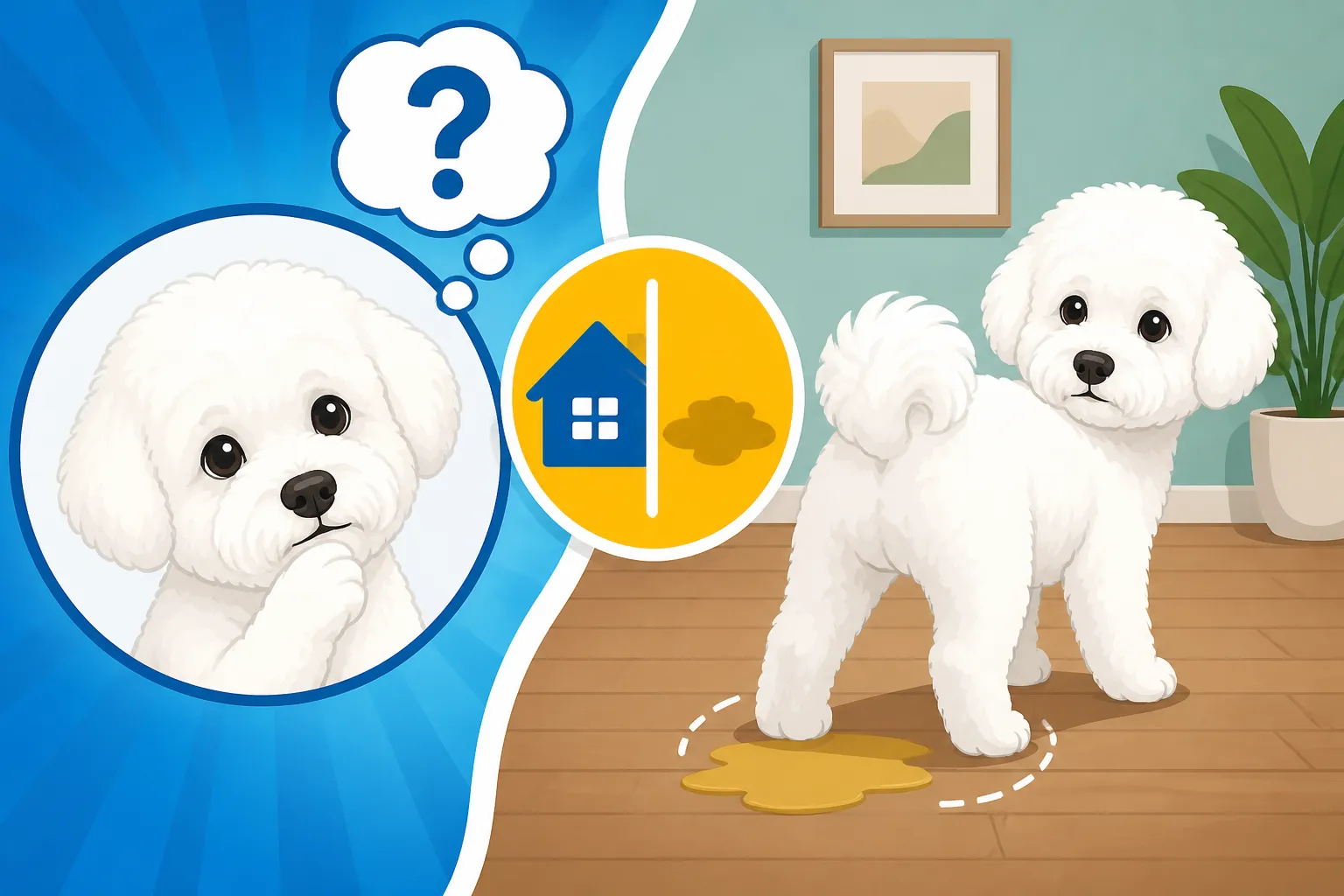
It's a subtle distinction, but marking is usually about communication, not merely emptying the bladder. A dog will typically only release a small amount of urine when marking, often in multiple spots, whereas a housetraining accident is usually a full bladder void. This small volume, often aimed at vertical surfaces like furniture legs, curtains, or even bags left on the floor, is the hallmark of marking. It's not about being "full"; it's about making a statement. For a tiny Bichon Frise, even a small mark can feel like a huge problem in your home, and that's completely understandable. The urge to respond to these invisible scent messages can be incredibly powerful for them, even if there's no visible "rival" in your living room.
Hormonal Influences and Neutering's Role
Testosterone plays a significant role in a male dog's drive to mark. Intact (unneutered) male dogs are far more likely to engage in marking behavior than neutered males. Their bodies are constantly producing hormones that tell them they need to broadcast their presence to potential mates and rivals. If your male Bichon Frise is still intact, neutering can significantly reduce, or even eliminate, indoor marking in about 50-60% of cases. It's not a guaranteed cure, but it drastically reduces the hormonal impetus behind the behavior.
However, it's important to understand that neutering isn't a magic bullet for every dog. If marking behavior has become a deeply ingrained habit over a long period, even after the hormones subside, the dog might continue the behavior out of habit. Imagine trying to quit a habit you've had for years – it takes conscious effort even after the initial trigger is removed. Similarly, a dog that has been marking for a long time might need continued management and training even after neutering to break the learned pattern. Discussing the timing and potential benefits of neutering with your vet is always a good idea, especially if marking is becoming a persistent problem in your home. It’s also important to consider if marking after neutering is still a concern, as some might retain the habit.
Stress, Anxiety, and Environmental Triggers
Sometimes, marking isn't just about territory or hormones; it can be a manifestation of stress or anxiety. A change in routine, a new person or pet in the house, loud noises, separation anxiety, or even feeling insecure in their environment can trigger marking behavior. For a sensitive breed like the Bichon Frise, subtle shifts in their world can have a big impact. If your dog suddenly starts marking, consider if anything in their environment or daily life has changed recently.
For instance, if you've recently moved, renovated, or even just brought home a new piece of furniture that smells unfamiliar, your Bichon might feel the need to "re-mark" his territory to feel secure. Even something as seemingly benign as a new cleaning product with a strong scent could be perceived as an intrusion. When a dog feels anxious, marking can be a self-soothing behavior, a way for them to reinforce their presence and regain a sense of control in an unsettling situation. Observing when and where the marking occurs can provide valuable clues. Is it always when you leave the house? Is it only near the new baby's crib? These patterns can point to underlying stress factors that need to be addressed alongside the marking itself.
Why Male Bichon Frises Face Unique Marking Challenges
Bichon Frises are adorable, intelligent, and generally eager to please, but like all breeds, they come with their own set of characteristics that can influence behaviors like indoor marking. Their small size, communication style, and sensitivity can create a perfect storm for marking challenges if not managed carefully.
Small Breed Bladders and Communication Nuances
While marking is distinct from a full bladder accident, the reality is that small breeds like the Bichon Frise naturally have smaller bladders. This means they need more frequent potty breaks than larger dogs, and if they're not getting them, what started as an urgent need to go could easily morph into a quick leg-lift to mark if they perceive an opportunity or feel insecure. This is especially true if you are still working on How Many Weeks a Bichon Frise Takes to Be Clean. Their physical capacity combined with their keen sense of smell means they are constantly processing environmental cues, and a small bladder can make them more prone to "just a little bit" marking.
Furthermore, Bichons are known for being vocal and expressive, but their subtle body language regarding needing to go outside can sometimes be missed by busy owners. A tiny whine or a quick dart towards the door might be all you get before they decide to take matters into their own paws. This isn't an excuse for marking, but it highlights the need for owners to be incredibly vigilant and proactive with potty breaks. Over-communication on your part, by frequently offering outside access, can preempt many marking attempts. Whether a Bichon Frise's Small Bladder Is the Problem is a common concern among owners, and while it exacerbates the issue, it’s rarely the sole cause of marking.
Past Experiences and Learned Behaviors
Dogs are creatures of habit, and if a male Bichon Frise has a history of marking indoors, whether in a previous home, a rescue environment, or even in his puppyhood before full housetraining, that behavior can be deeply ingrained. Every time a dog marks and isn't immediately interrupted or redirected, the behavior is reinforced. He learns that "this is a place I can mark." This is particularly true if previous owners were inconsistent with training or if the dog spent time in an environment where marking was common or ignored.
Consider a rescue Bichon Frise, for example. We often take in dogs around eight years old at our local rescue center, and sometimes they've spent years in situations where indoor toileting or marking was their only option. It’s not their fault; they simply learned a coping mechanism. Unlearning that behavior requires immense patience, consistency, and often a completely fresh start. It’s not just about the act itself, but the entire chain of events leading up to it – the smell, the location, the feeling of relief. These learned associations are powerful and require dedicated re-training to overcome. This is why addressing Whether a Rescue Bichon Frise Arrives Clean Indoors can be a long-term project for many new owners.
Health Issues Mimicking Marking
It's absolutely crucial to rule out any underlying health issues that could be mimicking marking or contributing to it. A dog who suddenly starts urinating indoors, whether marking or full accidents, needs a vet check. Urinary tract infections (UTIs) are incredibly common in dogs and can cause increased urgency, discomfort, and frequent, small urinations that look exactly like marking. Stones in the bladder or kidneys can also cause similar symptoms, making a dog feel like they constantly need to go, even if only a few drops come out. The First Signs a Bichon Frise Has Stones can be very subtle, including frequent squatting or straining.
Other conditions like diabetes, kidney disease, or even Cushing's disease can lead to increased thirst and urination, making a dog more prone to accidents or marking. For a Bichon Frise, known to be prone to certain health issues, it's never safe to assume a sudden change in potty habits is purely behavioral. Always consult your veterinarian first. They can perform a urinalysis, blood tests, and possibly imaging like X-rays or ultrasound to rule out medical causes. Only once medical issues are excluded can you focus solely on behavioral solutions with peace of mind. Without this crucial step, you could be trying to train away a problem that's causing your dog physical discomfort, which is unfair to them and ultimately ineffective. A key question is often Whether Frequent Squatting Means Stones Not Training.
Distinguishing Between Marking and Housetraining Accidents
It’s easy to lump all indoor peeing incidents under the umbrella of "accidents," but understanding the subtle differences between a true housetraining accident and marking is vital for effective intervention. Your approach to solving the problem will differ depending on what's truly going on.
Key Differences in Behavior and Volume
The most obvious difference often lies in the volume of urine and the location. A housetraining accident typically involves a full or near-full bladder void, often on a horizontal surface like the floor, a rug, or a dog bed. It happens because the dog couldn't hold it any longer, or because they weren't let out in time. The posture might be a full squat for both male and female dogs. A male dog having a full accident might still lift a leg, but the intent is clearly to relieve himself entirely.
Marking, on the other hand, usually involves a small amount of urine, a mere squirt, often on a vertical surface. Think table legs, chair legs, curtains, walls, or even the side of a plant pot. The dog often seems quite deliberate, walking up to a spot, sniffing, lifting a leg (even if they're typically a squatter for full urination), and depositing a small "calling card." They're not emptying their bladder; they're leaving a message. They might do this multiple times in different spots around the house. They might also do it shortly after having been outside for a full potty break. This table highlights some key distinctions:
| Feature | Marking Behavior | Housetraining Accident |
|---|---|---|
| Volume of Urine | Small squirts, often just a few drops | Full bladder void, larger puddle |
| Location | Primarily vertical surfaces (legs, walls) | Primarily horizontal surfaces (floor, rug) |
| Frequency | Multiple small spots within a short time | Less frequent, usually one larger puddle |
| Motivation | Communication, territory, anxiety | Urgency, inability to hold it |
| Timing | Can happen shortly after outdoor potty break | Often occurs when dog needs to go badly |
| Body Language | Deliberate leg lift, sniffing before | Urgency, sometimes pacing or whining |
Recognizing these nuances is incredibly helpful. If your Bichon is leaving small, targeted squirts, especially on vertical surfaces, you're likely dealing with marking. If it's larger puddles on the floor, you might need to revisit The Toilet Routine That Finally Works on a Bichon Frise.
The Importance of a Full Veterinary Check-up
I can't stress this enough: always start with a trip to the vet. This isn't just a recommendation; it's a non-negotiable first step. As we discussed, a variety of medical conditions can either cause or exacerbate indoor urination, making it look like a behavioral issue when it's actually a physical one. For a breed like the Bichon Frise, which has certain predispositions, it’s even more critical.
Your vet will likely perform a thorough physical exam, a urinalysis to check for infection, crystals, or other abnormalities, and potentially blood work to assess kidney function or look for endocrine diseases like diabetes or Cushing's. If these initial tests are clear, they might suggest imaging, such as X-rays or an ultrasound, especially if stones are a concern, as Bichons are known for forming bladder stones. How a Vet Confirms Stones in a Bichon Frise often involves these imaging techniques. Even if your dog seems perfectly fine otherwise, a hidden UTI or early-stage kidney issue could be the culprit behind the sudden change in habits. Ruling out these medical causes first ensures that any behavioral training you undertake isn't masking an underlying health problem.
Keeping a Detailed Log of Incidents
Once you've cleared your Bichon Frise medically, the next powerful tool in your arsenal is a detailed log. Grab a notebook or use a simple spreadsheet. For every incident of indoor urination, record:
- Time of day: When did it happen?
- Location: Where exactly in the house? (e.g., "living room, on the leg of the coffee table," or "by the front door")
- Volume: Was it a tiny mark or a full puddle?
- Circumstances: What was happening just before? (e.g., "delivery driver came," "I left the room," "new dog walked past window," "I just got home")
- Your action: How did you respond? (e.g., "cleaned it up," "interrupted with a clap")
- Last outdoor potty break: When was the last time they were successfully outside?
This data might seem tedious to collect, but it will reveal patterns you might otherwise miss. You might discover your Bichon only marks when visitors come over, suggesting anxiety. Or perhaps it's always near the window after another dog walks by, indicating territorial marking. Maybe it only happens when you've been gone for more than two hours, pointing to a potential need for more frequent outings or a dog walker. This log becomes your detective toolkit, providing concrete evidence to tailor your training strategies. It also helps you differentiate between a true need to relieve themselves versus a deliberate act of marking. This meticulous record-keeping is invaluable, even if you feel like you're already doing all you can to understand Whether a Bichon Frise Learns to Use a Pad or otherwise housetrain your pup.
Practical Strategies for Preventing and Managing Marking
Once you've ruled out medical issues and understood the distinctions between marking and accidents, it's time to implement practical strategies. This isn't just about stopping the behavior; it's about setting your Bichon Frise up for success and teaching them appropriate outlets for their instincts.
Effective Management Tools and Products
Management is key, especially in the initial stages. You need to prevent your dog from having the opportunity to mark indoors, thereby breaking the habit and preventing further reinforcement.
- Belly Bands: For male dogs, a belly band is a lifesaver. This is a washable fabric wrap that goes around your dog's waist, covering their private parts. It has an absorbent pad (or you can use a disposable sanitary pad inside) that catches any urine. It’s not a punishment, but a management tool. It prevents urine from hitting your furniture, saving your home, and the sensation of being wet often deters the dog from continuing to mark. You can find a wide variety of belly bands on retailers like Amazon, from simple fabric ones to more elaborate designs. Always ensure it's comfortable and not too tight, and change the pad frequently. A belly band can be particularly useful when you have guests or are in a new environment, preventing mistakes before they happen. Whether a Belly Band Suits a Bichon Frise really depends on the individual dog's comfort and your consistency in using it.
- Crates and Pens: When you can't actively supervise your Bichon, a crate or an exercise pen is invaluable. Most dogs are reluctant to soil their sleeping area. This safe, confined space prevents them from wandering off to mark unsupervised. Ensure the crate is appropriately sized – just big enough for them to stand up, turn around, and lie down comfortably. If it's too large, they might use one end as a potty area.
- Enzyme Cleaners: This is absolutely non-negotiable. Regular household cleaners might make a spot look and smell clean to you, but they don't eliminate the microscopic scent markers that only your dog can detect. If your Bichon smells old urine, even if you can't, it acts as an invitation to re-mark. Use a high-quality enzymatic cleaner, readily available from pet stores or online retailers like Amazon. Saturate the soiled area, let it sit for the recommended time (this allows the enzymes to break down the urine proteins), and then blot it up. Follow the product instructions carefully. This step is critical because failing to properly neutralize the odor is like leaving a giant "pee here" sign for your dog. Whether Enzyme Cleaner Matters for a Bichon Frise is not a question, it's a necessity.
Reinforcing a Rock-Solid Housetraining Routine
A consistent and proactive housetraining routine is the bedrock of preventing all indoor accidents, including marking. Even if your Bichon is "housetrained," if marking is an issue, you need to treat them like a puppy in training again.
- Frequent Potty Breaks: Take your Bichon outside much more frequently than you think they need. Aim for every 1-2 hours initially, especially after waking up, eating, drinking, and playing. The more opportunities they have to go outside successfully, the less likely they are to feel the need to mark indoors. Always go to the same designated potty spot.
- Reward Success: Every single time your Bichon urinates outside in the appropriate spot, reward them enthusiastically with praise, a small high-value treat, and perhaps a quick game or belly rub. Make it the most exciting thing in the world! This positive reinforcement teaches them that outdoor elimination is highly rewarding.
- Supervision, Supervision, Supervision: This is probably the hardest part, but it's essential. When your Bichon is indoors and not in a crate or pen, they must be under your direct supervision. This means they are either on a leash tethered to you, in the same room with you, or within your direct line of sight. This constant supervision allows you to anticipate when they might be about to mark (e.g., sniffing intently at a vertical surface) and interrupt them immediately. If you see them about to mark, calmly but firmly interrupt with a clap or a sharp "Ah-ah!" and immediately take them outside to their designated potty spot. If they finish outside, reward lavishly. Whether a Written Toilet Schedule Helps a Bichon Frise is usually a resounding yes, as consistency is key.
Behavior Modification Techniques
Beyond management, you need to actively work on changing your Bichon's behavior and associations with marking.
- Interrupt and Redirect: If you catch your Bichon in the act of marking indoors, interrupt them with a quick noise (a clap, "eh-eh!"), pick them up (if safe and practical), and immediately take them outside. Do not scold or punish them after the fact, as they won't understand why they're being reprimanded. The key is to interrupt during the act. Once outside, encourage them to finish, and if they do, praise and reward generously. This teaches them that marking indoors leads to an interruption and an immediate trip outside, while going outside is highly rewarding.
- Desensitize and Counter-Condition: If marking is triggered by specific stimuli (e.g., guests, new objects), you can work on changing your dog's emotional response. For example, if your Bichon marks when new people visit, keep him on a leash and reward him for calm behavior when guests arrive. Have guests toss treats his way. The goal is to make the presence of triggers a positive experience, reducing the underlying anxiety or territorial urge. You might also want to explore more structured online training programs like those offered by BAXTER & Bella, which provide comprehensive guidance on puppy training and behavior modification, potentially covering specific marking issues in their curriculum. They often have resources that can help with impulse control and appropriate indoor behavior.
- Reduce Opportunity, Increase Success: The more opportunities your Bichon has to mark indoors, the more entrenched the habit becomes. The fewer opportunities, the more chances to succeed with outdoor potty breaks. This means really leaning into supervision, crating, and belly bands until the behavior is under control. Every time they don't mark indoors and do go outside, you're building a new, desired habit. Consider if Whether Frequent Urination Protects a Bichon Frise by simply reducing the volume available to mark.
Tackling Established Indoor Marking Habits
It's one thing to prevent a new habit from forming, and quite another to break an established one. If your male Bichon Frise has been marking indoors for a while, you're going to need extra patience, consistency, and a multi-pronged approach. This is where many owners get disheartened, but stick with it – it's solvable!
The Critical Role of Thorough Odor Removal
I mentioned enzymatic cleaners before, but it bears repeating with emphasis: if you're battling established marking, odor removal is paramount. If your dog can smell even a trace of old urine, that spot becomes a magnet for future marking. It's like a neon sign flashing "Bathroom Here!" in their language. You need to break that cycle completely.
Go beyond just cleaning the visible stain. Urine can seep into carpet padding, hardwood floor seams, and upholstery. You might need to lift carpet, treat the subfloor, or even replace stained areas if the problem is severe and long-standing. For furniture, consider professional cleaning or, in some cases, specialized ozone treatments if the smell has truly permeated. Remember, while a spot cleaner makes your carpet look good, it often just masks the smell to human noses. It's the enzymes that break down the uric acid crystals, which are the real culprits in lingering odors. Don't be afraid to invest in high-quality enzymatic cleaners, available through various channels including Amazon, and use them liberally according to the product's instructions. Skipping this step, or doing it half-heartedly, is often the reason marking issues persist despite other training efforts. Whether Enzyme Cleaner Matters for a Bichon Frise cannot be overstated.
Consistent Supervision and Interrupting the Act
When dealing with an established marking habit, your Bichon Frise needs to be under constant, active supervision whenever they are not in their crate or wearing a belly band. This means keeping them on a leash in the house, or having them in a pen with you, at all times. This isn't just about watching them; it's about being ready to intervene the moment they even think about marking.
As soon as you see your Bichon start to sniff intently at a vertical surface, or even give a subtle shift in posture that precedes a leg-lift, calmly but firmly interrupt them. A sharp, non-scolding "No!" or "Ah-ah!" combined with a quick grab of the leash or a physical block (without punishment) is usually enough. Immediately take them outside to their designated potty spot. The goal is to consistently prevent them from successfully marking indoors, thereby removing the reinforcement they get from the act. Each successful indoor mark reinforces the behavior; each prevented mark, followed by a successful outdoor potty, chips away at the habit. It takes immense vigilance, especially when you’re dealing with a breed often prone to Why a Bichon Frise Is Famously Hard to Housetrain.
Re-establishing Boundaries and Expectations
Part of breaking an established habit is clearly re-establishing the rules. Your home is not a giant toilet or message board; it's a sacred space. This often means temporarily restricting access to areas where marking has occurred frequently. Use baby gates or close doors to limit your Bichon to rooms where you can supervise them effectively, or where marking has never been an issue.
It's also about setting clear expectations for their behavior within the home. This might involve revisiting basic obedience commands, ensuring they understand "leave it" or "come" reliably. Consistency in all aspects of their routine – feeding times, walk times, and especially potty times – contributes to a dog who feels secure and understands what's expected of them. If your Bichon is marking due to anxiety, a predictable routine can be incredibly calming. Furthermore, any changes in the household that might trigger marking, such as new furniture or objects, should be introduced slowly and positively, with plenty of praise and treats for your Bichon's calm acceptance. You want to teach them that the entire house is your den, and marking inside is simply not an option.
When to Seek Expert Help for Persistent Marking
Even with all your best efforts, some marking behaviors can be incredibly stubborn. This isn't a reflection on you or your Bichon; sometimes, the problem is more complex than can be solved with standard housetraining techniques. Knowing when to call in the professionals can save you a lot of frustration and ensure your beloved companion gets the most appropriate help.
Consulting Your Veterinarian for Medical Causes
I know I’ve emphasized this, but seriously, if marking persists or reappears after a period of success, a return trip to the vet is absolutely in order. Medical conditions can develop or recur, and what initially seemed like a behavioral issue might have a physiological root. Even a slight change in diet, water intake, or environment can sometimes trigger a recurrence of problems like urinary crystals or stones. The Stone That Comes Back a Year After Bichon Frise Surgery is a real possibility for this breed, and can certainly trigger marking-like behavior.
Your vet can re-evaluate your Bichon for urinary tract infections, changes in kidney function, diabetes, or even conditions like Cushing's Disease in a Bichon Frise Past Seven, which can lead to increased thirst and urination. They might also discuss medication options if anxiety is playing a significant role in the marking, particularly if behavioral modification alone isn't enough. It's a partnership between you and your vet to ensure your dog is healthy, and a healthy dog is much more likely to be a well-behaved dog. Don't feel like you're bothering them; persistent urination problems are always worth re-investigating medically.
Working with a Certified Professional Dog Trainer
If all medical causes have been ruled out and the marking continues, it's time to enlist the help of a certified professional dog trainer or a behavior consultant. These professionals have experience dealing with a wide range of behavioral issues, including complex marking. They can offer an objective perspective on your dog's behavior, your routine, and your interactions, often spotting subtle cues or missed opportunities that you might overlook.
A good trainer will come to your home, observe your Bichon in their natural environment, and help you develop a customized training plan. They can provide hands-on guidance for things like leash-tethering techniques, effective interruption strategies, and advanced positive reinforcement methods. They can also help you identify specific triggers for your Bichon's marking that you might not have recognized. For instance, if you're struggling with consistent training, resources from organizations like BAXTER & Bella, which offer comprehensive online training programs, can complement a professional trainer's guidance, providing additional tools and support for you to implement the strategies effectively. They often have modules on housetraining and addressing unwanted behaviors. Seeking professional help isn't admitting defeat; it's investing in your dog's well-being and your peace of mind.
Considering a Veterinary Behaviorist for Complex Cases
For the most challenging and entrenched cases of marking, especially those involving significant anxiety, fear, or aggression, a veterinary behaviorist might be the most appropriate specialist. These individuals are veterinarians who have gone on to complete extensive training and certification in animal behavior. They can prescribe medication in conjunction with behavior modification plans, offering a more holistic and integrated approach to treatment.
A veterinary behaviorist will conduct a thorough assessment, taking into account your Bichon’s medical history, behavioral patterns, environment, and your family dynamics. They understand the intricate interplay between physiology and psychology in dogs. If your Bichon's marking is linked to severe separation anxiety, generalized anxiety, or territorial aggression that seems unmanageable, a behaviorist can provide insights and treatment options that a general vet or dog trainer might not be equipped to offer. This level of specialized care ensures that all potential factors contributing to your Bichon's persistent marking are addressed, giving you the best chance for a successful resolution and a happier, cleaner home for everyone.
Disclaimer
This article is for general informational purposes only and does not constitute professional advice. Laws, prices and regulations vary by location and change over time. Consult a qualified professional for guidance on your specific situation.