What a Calcium Oxalate Stone Is in a Bichon Frise
Discovering that your beloved Bichon Frise might have bladder stones can be incredibly alarming and confusing. It's a diagnosis that throws many pet parents into a spiral of worry, especially when you start hearing complex terms like "calcium oxalate." This guide is here to demystify what these stones are, why our fluffy companions are particularly susceptible, and what steps you can take to understand, treat, and most importantly, prevent them, giving you peace of mind and your Bichon a healthier future.
Understanding Calcium Oxalate Stones in Bichon Frises
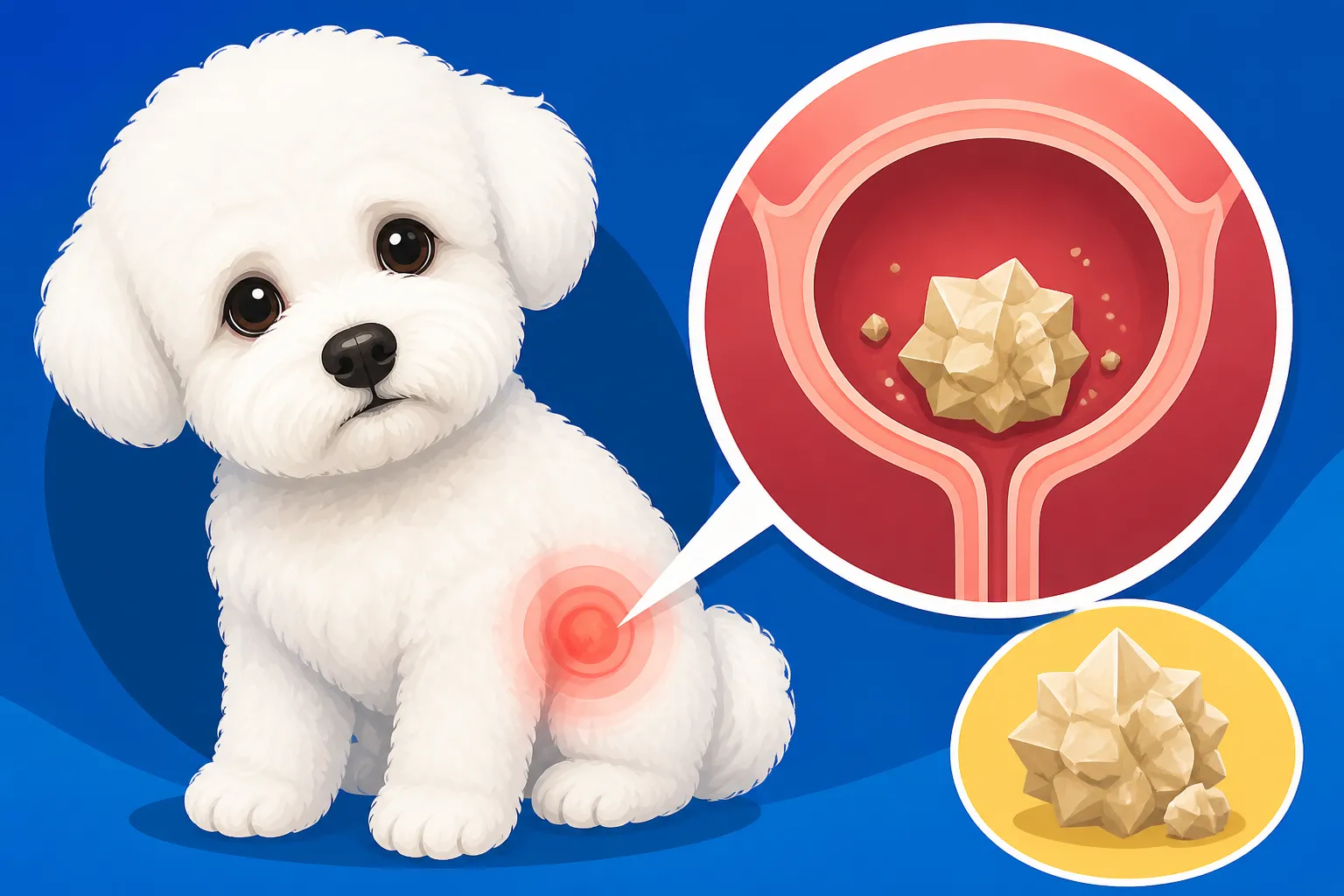
When your vet mentions "bladder stones," it can feel like a sudden, serious problem has appeared out of nowhere. For Bichon Frises, unfortunately, bladder stones aren't just a possibility; they're a common reality, and calcium oxalate stones are often the culprit. These aren't just little pebbles; they're hardened mineral deposits that form in your dog's urinary tract, causing everything from discomfort to life-threatening blockages.
The Chemical Makeup and Formation Process
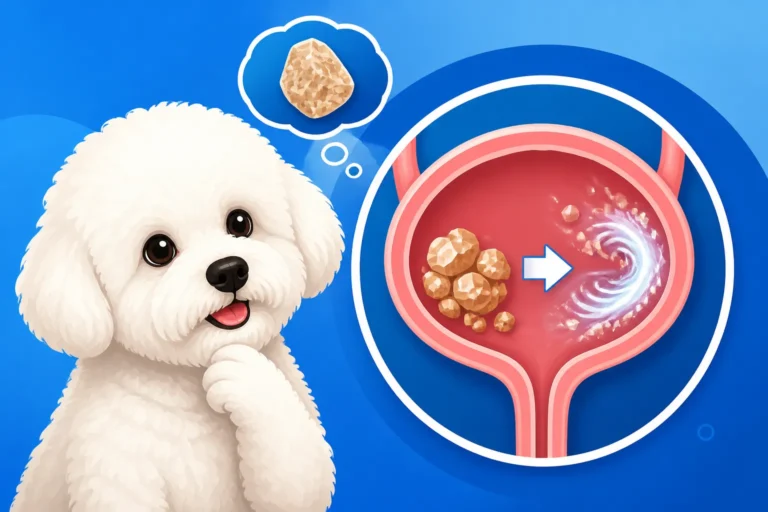
Calcium oxalate stones are primarily composed of calcium and oxalic acid, which crystallize in the urine. Think of it like hard water deposits in a kettle, but inside your dog. Normally, these minerals are present in urine, but at healthy concentrations, they remain dissolved. The trouble starts when the urine becomes supersaturated with these components, or when there are other factors that encourage them to bind together and form microscopic crystals. These tiny crystals then act as seeds, gradually growing larger over time, layer by layer, until they become visible stones. The process isn't usually fast; it can take weeks, months, or even years for a significant stone to form, quietly growing while causing subtle, or sometimes not-so-subtle, issues for your furry friend.
One of the key frustrating aspects of calcium oxalate stones is that once they form, they generally don't dissolve. Unlike some other types of stones, like struvite, which can sometimes be dissolved with a special prescription diet, oxalate stones typically require removal, often through surgery. This makes early detection and aggressive prevention strategies all the more crucial for Bichon owners. Understanding Whether Oxalate Stones Dissolve in a Bichon Frise is vital for managing this condition.
Where These Stones Typically Form
While we often refer to them generally as "bladder stones," calcium oxalate stones can actually form anywhere along the urinary tract. The most common location, and often the site of the biggest problems, is the bladder. Here, the urine sits for periods, allowing crystals ample time to settle and aggregate into stones. However, stones can also form in the kidneys (nephroliths) or travel down into the ureters (ureteroliths), the tubes that connect the kidneys to the bladder. From the bladder, smaller stones can then move into the urethra (urethroliths), the tube that carries urine out of the body.
Stones in the urethra, especially in male Bichons, are particularly dangerous. Their urethra is narrower and longer than a female's, making them much more susceptible to a complete urinary blockage. This is an absolute emergency. If your male Bichon Frise suddenly can't urinate or is straining intensely with no urine output, it’s critical to get to an emergency vet immediately. Recognizing Whether a Straining Bichon Frise Is an Emergency can literally be life-saving.
The Difference Between Oxalate and Struvite Stones
It's really important for your vet to identify the type of stone your Bichon has, because the treatment and prevention strategies are vastly different. The two most common types are calcium oxalate and struvite.
Here's a quick rundown of the main differences:
| Feature | Calcium Oxalate Stones | Struvite Stones |
|---|---|---|
| Primary Cause | Genetic predisposition, high calcium/oxalate in urine, acidic urine, low water intake | Urinary tract infections (often by urease-producing bacteria), alkaline urine |
| Dissolution | Generally do not dissolve with diet | Often can dissolve with specific prescription diets |
| Treatment | Surgical removal (cystotomy), lithotripsy (rarely), voiding urohydropropulsion | Prescription diet, antibiotics for infection, surgical removal if diet fails |
| Recurrence | High risk, managed with lifelong diet and monitoring | High risk if underlying infection isn't cleared and diet isn't maintained |
| Breed Risk | Bichon Frise, Miniature Schnauzer, Lhasa Apso, Shih Tzu | Miniature Schnauzer, Labrador Retriever, Cocker Spaniel (though any breed can get them) |
Knowing What a Calcium Oxalate Stone Is in a Bichon Frise is the first step, but understanding how it differs from a struvite stone is crucial for effective management. Your vet will often send any removed stones for laboratory analysis to determine their exact composition, which guides the ongoing preventative care.
Why Bichon Frises Are Prone to Oxalate Stones
It's a frustrating reality that some breeds just seem to draw the short straw when it comes to certain health conditions, and for Bichon Frises, calcium oxalate stones are high on that list. It's not just bad luck; there are very real physiological reasons why these adorable dogs often find themselves struggling with this particular issue. It's why many vets will immediately suspect oxalate stones if a Bichon comes in with urinary symptoms. Indeed, the question Why the Bichon Frise Tops the Stone Risk List is a frequent and unfortunate reality.
Genetic Predisposition in the Breed
The single biggest factor contributing to calcium oxalate stone formation in Bichon Frises is their genetics. It's believed that there's an inherited metabolic glitch that makes them uniquely susceptible. This isn't just a theory; studies have shown that certain genetic markers are more prevalent in breeds like the Bichon Frise that commonly develop these stones. This predisposition means that even if a Bichon has what seems like a perfectly normal diet and drinks plenty of water, they can still form stones.
This inherited trait likely involves how their bodies process calcium and oxalate, leading to higher concentrations of these minerals in their urine compared to other breeds. It also might affect how well their kidneys excrete inhibitors that normally prevent crystal formation. This means that, through no fault of your own or your dog's, the dice are somewhat loaded from birth. If you're considering a Bichon Frise puppy, understanding Whether a Bichon Frise's Stone Risk Is Inherited is an important conversation to have with any potential breeder.
Metabolic Factors and Urine Chemistry
Beyond genetics, the specific chemistry of a Bichon Frise's urine plays a huge role. For calcium oxalate stones to form, several conditions often align:
- High Calcium Excretion (Hypercalciuria): Some Bichons excrete more calcium in their urine than normal. This excess calcium can bind with oxalate to form crystals.
- High Oxalate Excretion (Hyperoxaluria): Similarly, increased oxalate in the urine, either from diet or the body's own metabolism, provides more building blocks for stones.
- Acidic Urine pH: Calcium oxalate crystals are more likely to form and grow in acidic urine (lower pH). Many small breed dogs, including Bichons, naturally tend to have more acidic urine.
- Low Urine Volume/Concentrated Urine: If a Bichon isn't drinking enough water, their urine becomes more concentrated. This means the minerals are packed into a smaller volume, increasing the likelihood they'll precipitate out and form crystals. This is why hydration is so important for stone prevention. You can learn more about Whether Water Intake Changes a Bichon Frise's Risk.
- Lack of Inhibitors: Healthy urine contains natural inhibitors that prevent crystal formation. If a Bichon's urine is lacking these, stones can form more easily.
These metabolic imbalances create a perfect storm for calcium oxalate stone development. It's a complex interplay, which is why managing these stones often requires a multi-faceted approach involving diet, hydration, and regular monitoring.
Other Contributing Risk Factors
While genetics and urine chemistry are the big players, several other factors can increase a Bichon Frise's risk of developing calcium oxalate stones:
- Gender: Male Bichons are statistically at a slightly higher risk of developing stones, and more importantly, they are at a much higher risk of life-threatening urethral obstruction due to their anatomy. Their narrower, longer urethra makes it easier for stones to get lodged and cause a complete blockage.
- Age: While stones can form at any age, they are more commonly seen in middle-aged to older Bichons, typically between 5 and 12 years old. This gives the crystals time to accumulate and grow. Curious about specifics? Look into The Age a Bichon Frise Forms Its First Stone.
- Diet: While not the sole cause, certain dietary factors can exacerbate the problem. Diets high in calcium, oxalates, or protein can contribute to the mineral overload in urine. Conversely, a diet too high in sodium can also increase calcium excretion. This is why a specific prescription diet is often a cornerstone of prevention.
- Medications: Certain medications, especially diuretics or corticosteroids, can alter urine chemistry or increase calcium excretion, potentially contributing to stone formation. If your Bichon is on long-term medication, discuss this risk with your vet.
- Lack of Frequent Urination: Holding urine for too long can allow crystals more time to settle and grow in the bladder. Ensuring your Bichon has frequent opportunities to empty their bladder helps flush out crystals before they can aggregate.
It's a lot to consider, but understanding these interconnected factors empowers you as a pet parent to work proactively with your veterinarian.
Spotting the Signs and Symptoms
One of the most frustrating things about bladder stones is that our dogs can't tell us what's wrong. It's up to us to be observant and recognize the subtle (or sometimes not-so-subtle) clues they give us. The signs of calcium oxalate stones are largely related to irritation or obstruction of the urinary tract, and they can vary depending on the size and location of the stones.
Changes in Urination Habits
This is often the first and most noticeable indicator that something isn't quite right. Your Bichon might suddenly start acting differently around potty time, and it's easy to mistake these changes for behavioral issues or incomplete housetraining.
- Increased Frequency (Pollakiuria): Your Bichon might ask to go outside much more often than usual, or start having accidents indoors despite being perfectly housetrained. This is because the stones irritate the bladder lining, making the dog feel like they constantly need to relieve themselves, even if there's very little urine to pass.
- Straining to Urinate (Stranguria): You might notice your dog squatting or lifting a leg repeatedly, sometimes for a prolonged period, with little or no urine coming out. This straining is a clear sign of discomfort and potential obstruction. It's a distress signal that should never be ignored.
- Urinating in Unusual Places (Periuria): A previously housetrained Bichon having accidents inside, especially in new or inappropriate spots, can be a sign of urinary discomfort or urgency rather than defiance. They might be trying to tell you something is wrong by associating their usual potty spot with pain.
- Small, Frequent Urinations: Even if your dog is passing urine, it might be in very small amounts each time, often accompanied by straining. This indicates that their bladder isn't emptying properly or that the irritation is causing them to feel the need to urinate constantly.
Any sudden shift in your Bichon's urination routine warrants a call to the vet. These subtle signs are often The First Signs a Bichon Frise Has Stones.
Blood in the Urine and Discomfort
Beyond changes in how they urinate, the physical discomfort and visible signs of irritation are also critical to recognize.
- Blood in the Urine (Hematuria): This can range from a faint pink tinge to bright red streaks, or sometimes even dark, rusty-colored urine. The sharp edges of calcium oxalate stones can rub against the delicate lining of the bladder or urethra, causing inflammation and bleeding. Seeing Whether Blood in a Bichon Frise's Urine Means Stones is a strong indicator of a problem. Sometimes, the blood might only be visible under a microscope, so don't rule out stones just because you don't see overt red.
- Pain and Discomfort: Your Bichon might appear restless, uncomfortable, or reluctant to be touched around their abdomen. They might whine or cry when attempting to urinate, or even appear hunched over. Some dogs might lick their genital area excessively due to irritation. This discomfort can be persistent or come and go.
- Lethargy and Loss of Appetite: If stones are causing significant pain, discomfort, or an infection, your Bichon might become generally unwell. They could be less playful, sleep more, or show a decreased interest in food. These are more general signs of illness, but combined with urinary changes, they definitely point to a problem.
Remember, if your male Bichon is straining and no urine is coming out, this is an immediate emergency. Spotting a Blocked Bichon Frise in Time is crucial because a complete blockage can lead to kidney damage and be fatal within 24-48 hours.
Diagnosing Calcium Oxalate Stones
When you bring your Bichon Frise to the vet with symptoms suggestive of urinary issues, your veterinarian will embark on a diagnostic journey to pinpoint the problem. It’s crucial to get an accurate diagnosis because, as we've discussed, treatment for different types of stones varies wildly. You'll want to know How a Vet Confirms Stones in a Bichon Frise.
Initial Veterinary Examination and Urinalysis
Your vet will start with a thorough physical examination, feeling your dog's abdomen, potentially palpating the bladder, and observing their overall demeanor. They'll ask you a lot of questions about your Bichon's symptoms, how long they've been occurring, and any changes you've noticed. This initial conversation is incredibly important, so try to be as detailed as possible.
The next critical step is a urinalysis. This involves collecting a urine sample, ideally through a sterile procedure called cystocentesis (where a needle is used to collect urine directly from the bladder). A urinalysis can reveal several key pieces of information:
- Presence of Crystals: The lab will look for microscopic crystals, specifically calcium oxalate crystals, which are typically shaped like tiny envelopes or dumbbells. While crystals in the urine don't automatically mean stones are present, they are a strong indicator of an environment conducive to stone formation.
- Blood Cells: The presence of red blood cells (hematuria) confirms irritation or bleeding in the urinary tract, a common finding with stones. White blood cells might indicate an infection.
- pH Level: Calcium oxalate stones often form in acidic urine, so a low urine pH would support this diagnosis.
- Specific Gravity: This measures how concentrated the urine is. Highly concentrated urine can contribute to stone formation.
- Bacterial Infection: While calcium oxalate stones are less commonly caused by infection than struvite stones, a secondary bacterial infection can sometimes occur due to irritation.
A urinalysis gives your vet a lot of clues, helping them decide the next steps in the diagnostic process.
Imaging Techniques: X-rays and Ultrasound
While urinalysis provides strong hints, the definitive diagnosis of bladder stones usually requires imaging.
-
X-rays (Radiographs): X-rays are an excellent tool for identifying calcium oxalate stones because these stones are radiopaque, meaning they show up clearly on an X-ray. Your vet will likely take several views of your Bichon's abdomen to get a comprehensive picture of the bladder and kidneys. X-rays can confirm the presence of stones, their approximate size, number, and location within the urinary tract. They're often the first imaging modality used due to their accessibility and effectiveness for these types of stones. Your vet might even suggest Whether a Bichon Frise Should Be X Rayed Yearly for stone monitoring.
-
Ultrasound: A urinary ultrasound provides even more detailed information than an X-ray. It's particularly useful for:
- Confirming Stones: Ultrasounds can detect stones that might be missed on an X-ray, especially very small ones or those obscured by bone.
- Evaluating Kidney and Ureter Health: It allows the vet to visualize the kidneys and ureters for any stones there, as well as assess for signs of hydronephrosis (swelling of the kidneys due to urine backup) which can indicate an obstruction.
- Assessing Bladder Wall Thickness: An irritated bladder wall, thickened by inflammation, is easily seen on ultrasound.
- Identifying Other Abnormalities: The ultrasound can also pick up other issues, such as bladder tumors, that might mimic stone symptoms.
Often, both X-rays and ultrasound are used together to get the most complete picture. For many, knowing Whether an Ultrasound Finds a Bichon Frise's Stones is a key part of understanding the diagnostic process. These imaging tools are invaluable for forming a precise treatment plan for your Bichon.
Treatment Options for Calcium Oxalate Stones
Once calcium oxalate stones are diagnosed in your Bichon Frise, the conversation quickly shifts to treatment. Unlike some other types of stones, calcium oxalate stones generally cannot be dissolved with dietary changes or medication. This often means a more direct approach is needed to remove them. This can be daunting, but thankfully, there are effective methods available.
Surgical Removal (Cystotomy)
For most Bichon Frises with calcium oxalate bladder stones, surgical removal, known as a cystotomy, is the most common and definitive treatment. It's a procedure that sounds intimidating, but it's routine for experienced veterinary surgeons.
During a cystotomy:
- Anesthesia: Your Bichon will be placed under general anesthesia. Pre-anesthetic bloodwork and a thorough physical exam are crucial to ensure your dog is a good candidate for surgery.
- Incision: The surgeon makes an incision in your Bichon's abdomen to access the bladder.
- Stone Removal: An incision is then made in the bladder wall, and the stones are carefully removed. The bladder is thoroughly flushed to ensure all stones and tiny crystals are retrieved.
- Closure: The bladder wall and abdominal layers are then meticulously sutured closed.
Post-surgery, your Bichon will receive pain medication and antibiotics if necessary. Recovery typically involves a period of rest, limited activity, and close monitoring for any complications. The stones are almost always sent to a specialized laboratory for analysis to confirm their composition and guide future prevention. For a deeper dive into the procedure, read What Stone Surgery Involves on a Bichon Frise. While surgery can be a financial strain, many Bichon Frise parents find a good pet insurance plan, like those offered by Healthy Paws, can really make a difference in covering these unexpected costs.
Non-Surgical Removal Options
While surgery is the most common route, your vet might discuss other, less invasive options depending on the size, number, and location of the stones, as well as the dog's individual health.
- Voiding Urohydropropulsion: This technique is best for very small stones. Under heavy sedation or light anesthesia, the bladder is filled with saline, and then the dog is held vertically, allowing gravity and manual pressure on the bladder to expel the tiny stones through the urethra. This is most successful with small, smooth stones that aren't yet lodged. It's generally not effective for larger or irregularly shaped calcium oxalate stones.
- Urethral Catheterization/Flushing (for Blockages): If a male Bichon has a urethral blockage due to a small stone, the vet might attempt to flush the stone back into the bladder using a catheter. Once in the bladder, it can then be removed via cystotomy. This is an emergency procedure to relieve the blockage and stabilize the dog, but it doesn't solve the core problem of stones in the bladder. Whether a Blocked Bichon Frise Can Die without immediate intervention highlights the urgency here.
- Lithotripsy (Extracorporeal Shock Wave Lithotripsy): This advanced technique uses shock waves to break up stones into smaller pieces that can then be passed naturally or removed via voiding urohydropropulsion. However, it's typically reserved for larger stones in the kidneys or ureters, and it's not widely available for bladder stones in dogs, especially smaller breeds. It requires specialized equipment and expertise found only in certain referral centers and can be quite costly.
It's important to understand that even with these non-surgical options, the goal is still to remove the stones, as dissolving them is generally not an option for calcium oxalate.
Prevention and Long-Term Management
The moment your Bichon Frise is diagnosed with calcium oxalate stones, treatment becomes paramount. But once those stones are out, the focus immediately shifts to prevention. The disheartening truth about these stones is their notorious tendency to recur. In fact, How Often a Bichon Frise's Stones Return can be quite high without diligent management. This isn't a one-time fix; it's a lifelong commitment to keeping your beloved companion healthy.
The Lifelong Prescription Diet
One of the most critical components of preventing future calcium oxalate stones is a specialized prescription diet. This isn't just "good quality" dog food; it's scientifically formulated to alter your Bichon's urine chemistry in specific ways that discourage oxalate crystal formation.
These diets typically work by:
- Lowering Calcium and Oxalate: Reducing the intake of these minerals minimizes their concentration in the urine.
- Controlling Protein Levels: While protein isn't the primary culprit, excess protein can contribute to an acidic urine environment. These diets offer balanced protein levels.
- Increasing Moisture Content: Many prescription urinary diets come in wet food formulations or are designed to be fed with added water. Increased water intake helps dilute the urine, making it less concentrated and less likely for crystals to form.
- Alkalinizing the Urine: These diets contain ingredients that help raise the urine pH, making it more alkaline. Calcium oxalate crystals are less likely to form and grow in alkaline urine.
- Adding Citrate: Some diets include citrate, which binds with calcium in the urine, making it less available to combine with oxalate.
Brands like Hill's Prescription Diet c/d Multicare, Royal Canin Urinary SO, and Purina Pro Plan Veterinary Diets UR Urinary are commonly prescribed. Your vet will recommend the best option for your individual Bichon. It's imperative that this diet is fed exclusively. Even a single treat or table scrap not approved by your vet can disrupt the delicate balance of urine chemistry these diets work so hard to achieve. This is genuinely The Prescription Diet a Bichon Frise Never Comes Off.
Ensuring Adequate Water Intake
Diluted urine is your Bichon's best friend when it comes to preventing stone recurrence. The more water they drink, the less concentrated their urine becomes, and the harder it is for calcium and oxalate to crystallize. It sounds simple, but getting some dogs to drink enough can be a real challenge!
Here are some strategies to encourage your Bichon to drink more:
- Provide Multiple Water Bowls: Place bowls in various locations around the house. Sometimes, sheer convenience is all it takes.
- Fresh Water Daily: Always ensure the water is fresh and clean. Some dogs are particular about stale water.
- Water Fountains: Many dogs are attracted to moving water. A pet water fountain can entice them to drink more frequently.
- Add Water to Food: If feeding dry kibble, moisten it with water (not broth, which can be too salty or contain unwanted ingredients). If feeding wet food, you can often add a tablespoon or two of water to that as well.
- Ice Cubes: Some Bichons love to crunch on ice cubes, which is a fun way to get a little extra water into them.
- Wet Food: If your Bichon is currently on dry food, transitioning to a wet prescription urinary diet is highly recommended because of its naturally higher moisture content. This is a crucial point, and you can delve deeper into Whether Wet Food Helps a Bichon Frise's Stones.
Aim for frequent, dilute urination. This not only helps prevent new stones but also flushes out any microscopic crystals before they have a chance to grow.
Regular Monitoring and Follow-Up
Even with the perfect diet and ample water, regular veterinary check-ups are non-negotiable for Bichons prone to calcium oxalate stones. Recurrence is common, and catching new stones when they're small is key.
Your vet will likely recommend a routine of:
- Urinalysis: Regular urine tests will monitor pH, specific gravity, and look for any new crystals, blood, or signs of infection. Whether a Bichon Frise Should Be Urine Tested Yearly is a definite yes for those with a stone history.
- Urinary Imaging (X-rays/Ultrasound): Periodic imaging, typically every 6-12 months, is essential to physically check for the presence of any new stones. Calcium oxalate stones can be sneaky and develop without outward symptoms until they're quite large or cause a blockage. Catching them early means they can potentially be removed with less invasive procedures or before they cause significant health issues. Many owners find peace of mind knowing a comprehensive pet insurance plan, such as those from Healthy Paws, helps cover these necessary, ongoing diagnostic costs.
- Dietary Compliance Discussions: Your vet will regularly review your Bichon's diet to ensure full compliance and address any challenges you might be facing.
This proactive approach dramatically improves your Bichon's chances of living a long, comfortable life free from recurrent stone episodes.
Disclaimer
This article is intended for informational purposes only and does not constitute medical advice. Always consult with a qualified veterinarian for any health concerns or before making any decisions about your Bichon Frise's medical care.