Handling a Bichon Frise Whose Skin Is Sore
It’s truly heartbreaking to see your fluffy, happy-go-lucky Bichon Frise suddenly scratching, licking, and chewing at their beautiful white coat, leaving angry red patches or even bald spots. As a devoted Bichon parent, you know that unmistakable shift from their usual joyful demeanor to one of discomfort and constant irritation. This guide is here to walk you through understanding, addressing, and managing sore skin in your beloved Bichon, offering practical advice and empathetic support to get them back to their bouncy best.
Understanding Why Your Bichon Frise's Skin is Sore
When your Bichon Frise starts showing signs of sore skin, it's natural to feel a pang of worry and a strong desire to fix it immediately. The skin is a complex organ, and for a breed like the Bichon, with their dense, non-shedding coat, issues can often hide until they become quite advanced. Pinpointing the root cause is the first critical step toward relief.
Common Culprits: Allergies and Sensitivities
Allergies are, without a doubt, one of the most frequent reasons a Bichon Frise will develop sore, irritated skin. It's a frustrating reality for many owners, watching their sweet dog constantly battle an itch they can't entirely escape.
Food Allergies: Specific Ingredients
Just like people, dogs can react to certain ingredients in their food. For Bichons, this often manifests as skin issues rather than digestive upset. We're talking about proteins like chicken, beef, dairy, or even grains like wheat or corn, though any ingredient can potentially be a trigger. Imagine your Bichon, after eagerly gobbling up their dinner, feeling an internal alarm go off that translates into an unbearable itch, forcing them to chew at their paws or rub their face raw. It’s not just about an upset tummy; it’s a systemic inflammatory response that shows up on their skin. Identifying these can be a long process, often involving strict elimination diets under veterinary guidance, which means no sneaky treats or table scraps! Whether an Elimination Diet Helps a Bichon Frise is a journey many Bichon owners find themselves on.
Environmental Allergies Atopy: Pollen, Dust Mites
Then there are the environmental allergies, also known as atopy. Think of it as doggy hay fever, but instead of just a runny nose, it's intensely itchy skin. Pollen from trees, grasses, and weeds, mold spores, and even microscopic dust mites living in your home can be huge triggers for a Bichon Frise. These dogs are genetically predisposed to developing sensitive skin, and it's something many are born with. You might notice your Bichon scratching more intensely during certain seasons when pollen counts are high, or perhaps year-round if dust mites are the primary culprit. Their little bodies react defensively to these otherwise harmless particles, leading to redness, inflammation, and that maddening itch. It's truly a challenge to manage, especially when the air itself seems to be the enemy. The Atopic Skin a Bichon Frise Is Born With explains this common breed trait in detail.
Contact Dermatitis: Detergents, Plants
Sometimes, the culprit isn't ingested or airborne, but something your Bichon's skin directly touches. This is contact dermatitis. Picture your Bichon rolling happily in the grass, only to come inside and start frantically licking their belly or paws. Certain plants, fertilizers, harsh cleaning products on your floor, or even the detergent you use to wash their bedding could be causing a localized reaction. It’s like a poison ivy rash for dogs. The skin will often show redness and irritation exactly where contact was made. This can be particularly tricky to pinpoint because you have to think about every surface and substance your dog comes into contact with daily.
Infections: Bacterial, Fungal, and Yeast
While allergies might be the initial instigator, often the constant scratching and licking break the skin's protective barrier, opening the door for opportunistic infections to move in and really make things worse.
Secondary Infections from Scratching
When a Bichon Frise is relentlessly scratching at an itchy patch, they can easily cause tiny abrasions on their skin. These microscopic cuts are perfect entry points for bacteria that normally live harmlessly on the skin surface. What starts as an innocent itch can quickly escalate into a secondary bacterial infection, often called pyoderma. The skin becomes redder, pustules might form, and it can become quite painful. This isn't just an itch anymore; it's an active infection that needs professional intervention, usually with antibiotics, to clear up. Without addressing the underlying itch, these infections can become a recurring nightmare.
Hot Spots: Acute Moist Dermatitis
Hot spots, or acute moist dermatitis, are perhaps the most dramatic and rapidly appearing skin issues. One moment your Bichon is fine, the next they've licked or chewed a small itchy spot into a raw, weeping, often painful lesion in just a few hours. These are typically triggered by something minor—a flea bite, a small scrape, or even a persistent itch—that the dog fixates on. The constant moisture from licking creates a perfect breeding ground for bacteria, leading to a quickly expanding, gooey, inflamed sore. They can be incredibly painful and often require immediate veterinary attention to clean, dry, and treat. The speed at which they appear and worsen is truly alarming for any owner.
Yeast Infections: Common in Folds, Paws, Ears
Yeast infections, primarily caused by Malassezia pachydermatis, are another common secondary issue, especially in breeds prone to allergies like the Bichon Frise. Yeast thrives in warm, moist environments, making areas like ear canals, paw pads (especially between the toes), armpits, and skin folds prime locations. You might notice a greasy feel to their fur, a distinct musty or "corn chip" smell, and the skin becoming thickened and darkened. Bichons with allergies often have compromised skin barriers, making them more susceptible. The itching from yeast can be profound, adding to their overall misery. Whether a Bichon Frise Gets Yeast on Its Skin is a common concern for many owners dealing with persistent skin issues.
Parasites and Other Irritants
Sometimes, the answer isn't a complex allergy but something more straightforward, though no less uncomfortable for your Bichon.
Fleas, Mites, and Insect Bites
The classic, age-old culprit: parasites. Even a single flea bite can cause an allergic reaction in a flea-sensitive Bichon Frise, leading to widespread itching and irritation, especially around the tail base and hindquarters. Mites, though invisible to the naked eye, can cause intense itching, hair loss, and scabbing. Sarcoptic mange mites (scabies) are notoriously itchy, causing dogs to scratch themselves raw. Demodectic mites, while often not itchy unless there's a secondary infection, can cause patchy hair loss. And then there are simple insect bites – a bee sting, a mosquito, or a spider bite – which can cause localized swelling, redness, and pain. It's a good reminder that consistent flea and tick prevention is absolutely essential, even for indoor Bichons, as parasites can hitch a ride into your home.
Chemical Irritants in Grooming Products
Given the Bichon Frise’s iconic white coat and frequent grooming needs, the products we use on them can sometimes be the source of irritation. Harsh shampoos, conditioners with strong fragrances, or even certain detangling sprays can contain chemicals that cause a reaction on sensitive skin. Imagine bathing your Bichon with a new shampoo, hoping to make them fresh and clean, only to find them scratching and red afterward. It’s a frustrating experience, highlighting the importance of choosing gentle, hypoallergenic grooming products specifically formulated for sensitive canine skin. Always do a patch test if you're introducing a new product, just as you would for yourself!
Recognizing the Signs of Sore Skin in Your Bichon Frise
Your Bichon Frise can't tell you in words that their skin is bothering them, so it's up to us, their devoted companions, to become skilled detectives. Learning to spot the subtle and not-so-subtle cues is crucial for early intervention and relief.
Visual Cues and Physical Manifestations
The skin itself often tells a clear story, if you know what to look for beneath that fluffy white coat.
Redness, Inflammation, Rashes, Bumps, Pustules
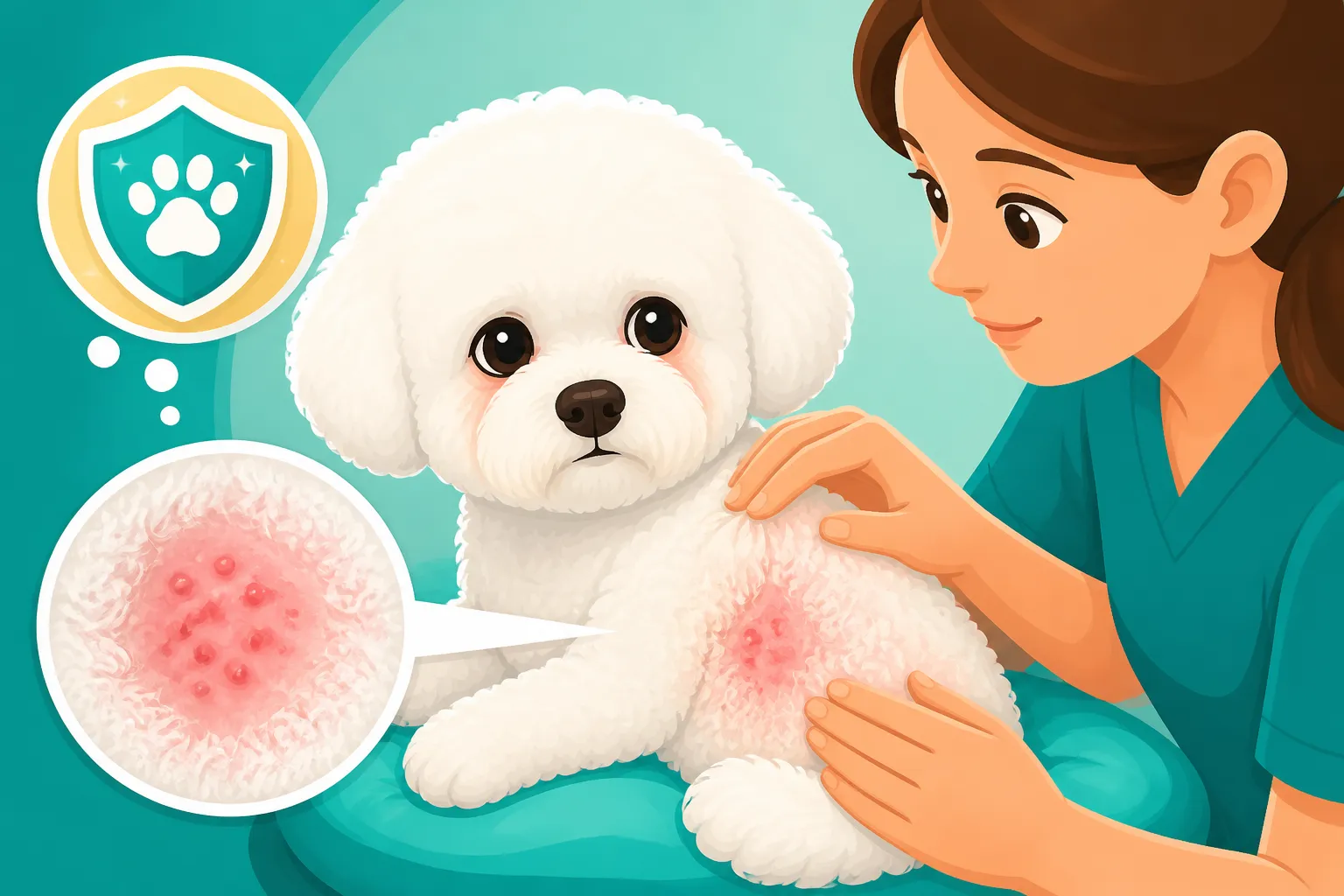
One of the most immediate visual signs is redness or inflammation. When you part your Bichon's fur, the skin underneath might appear pinker or distinctly red compared to its normal healthy pale tone. This can range from a generalized flush to angry, bright red patches. You might also spot rashes, which can look like small, bumpy areas, or even pustules—tiny, pus-filled pimples that indicate a bacterial infection. These can sometimes be hidden deep within the coat, so a thorough visual inspection, gently moving the fur aside, is really important. Imagine noticing a vibrant pink hue spreading on their belly or inner thighs where it was once pale; that’s a clear red flag. Whether a Bichon Frise's Skin Goes Pink is often one of the first indicators of a problem.
Hair Loss, Scabbing, Crusting
Persistent scratching, licking, and chewing inevitably take a toll on the coat. Areas where your Bichon has been focusing their attention will often show signs of hair loss. This can range from thinning fur to completely bald patches, sometimes quite raw and inflamed. In these areas, you might also find scabs or crusts, which are essentially dried serum, blood, or pus, indicative of skin trauma or infection. These might be small and scattered or large and prominent. For a breed known for its beautiful, full coat, hair loss is particularly noticeable and distressing. It’s a visible manifestation of their discomfort, a sign that their skin has been through quite a battle.
Thickened or Darkened Skin
Over time, if irritation and inflammation persist, your Bichon's skin can undergo changes in texture and color. Chronically itchy or inflamed areas can become thickened, feeling tough and leathery to the touch. This process is called lichenification. Additionally, the skin in these areas may start to darken, becoming hyperpigmented, often taking on a greyish or brownish hue. This is a tell-tale sign of long-standing irritation, suggesting the problem has been ongoing for some time, even if you’ve only recently noticed the more obvious scratching. It’s the body’s way of trying to protect itself, but it also signals a serious, chronic issue.
Behavioral Indicators of Discomfort
Beyond what you see, how your Bichon is acting can be a huge indicator that something is amiss with their skin.
Excessive Scratching, Licking, Chewing
This is probably the most obvious and common behavioral sign. Your Bichon Frise might be scratching with their back leg behind their ear, or frantically using their teeth to nibble at their flanks or tail. They might spend an unusual amount of time licking their paws or incessantly chewing at their legs, belly, or inner thighs. This isn't just a casual itch; it’s often intense and relentless, making them unable to settle down. Whether a Bichon Frise Licks Its Paws Raw is a common and distressing symptom often indicative of allergies or other skin issues. When this behavior becomes constant, it’s a clear signal that they are deeply uncomfortable.
Rubbing Against Furniture or Carpets
If direct scratching and licking aren't providing enough relief, a Bichon might resort to rubbing their body against furniture, door frames, or vigorously rolling and rubbing on the carpet. They might scoot their rear end across the floor if their hindquarters are itchy, or rub their face against the sofa cushions. This frantic rubbing is another desperate attempt to alleviate that maddening itch. It's a particularly clear sign when you see them going out of their way to find abrasive surfaces to rub against. You might even notice them doing this after a walk, trying to get relief. Whether a Bichon Frise Rubs Its Face is a common sign of facial itchiness, often linked to ear infections or environmental allergies.
Restlessness, Whining, Changes in Temperament
Beyond the physical acts of itching, chronic skin discomfort can deeply affect your Bichon’s overall mood and well-being. They might become restless, unable to find a comfortable position to lie down, constantly shifting or getting up. You might hear them sighing or even whining softly, expressing their underlying distress. A normally cheerful and playful Bichon might become more irritable, withdrawn, or less interested in their usual activities. This change in temperament is a significant indicator that their physical discomfort is truly impacting their quality of life. Whether an Itchy Bichon Frise Is Grumpier is absolutely a real phenomenon.
Changes in Coat Quality and Odor
The condition of their coat and any new smells can provide further clues.
Greasy or Oily Coat
In some cases, particularly with yeast infections or certain bacterial skin conditions, you might notice a change in the texture of your Bichon's fur. It could start to feel greasy or oily to the touch, even shortly after a bath. This is often due to an overproduction of skin oils as the skin tries to protect itself, or from the metabolic byproducts of yeast and bacteria. When you pet them, your hands might feel slightly slick or residue might be left behind. This is definitely not the soft, fluffy texture we expect from a healthy Bichon coat.
Dullness and Matting from Neglected Grooming
A Bichon with sore skin is often a Bichon that isn't groomed as regularly or effectively as they should be, simply because handling them is painful or difficult. The coat can quickly become dull, losing its characteristic bright white luster. More critically, the lack of regular brushing, combined with the constant rubbing and licking, can lead to severe matting. Mats are not just cosmetic issues; they pull on the skin, cause pain, and create microclimates that trap moisture and heat, exacerbating existing skin problems and preventing air circulation. This creates a vicious cycle where the mats worsen the skin, and the painful skin makes grooming impossible.
Unpleasant Smell (Yeasty, Bacterial)
A healthy Bichon should smell clean and fresh. If you start to notice an unusual or unpleasant odor emanating from their fur or skin, it's a strong indicator of an underlying issue. A distinctly musty or "corn chip" smell is often characteristic of a yeast infection. A strong, sour, or somewhat acrid smell can point to a bacterial infection. Sometimes, the smell is just generally "doggy" but much more pronounced than usual. These odors are produced by the microorganisms thriving on their irritated skin and are a clear sign that it’s time to investigate further.
Immediate Steps When You Notice Sore Skin
Discovering your Bichon Frise has sore skin can be alarming. Your immediate goal is to provide comfort, prevent further damage, and gather information for your vet. Don’t panic – there are practical steps you can take right away.
Gentle Cleaning and Soothing
Before you even think about calling the vet, sometimes a little gentle care can make a world of difference for your distressed pup.
Cool Compresses
For localized hot spots or intensely red areas, a cool compress can provide instant, temporary relief. Soak a clean, soft cloth (like a washcloth or a piece of an old cotton T-shirt) in cool, not ice-cold, water. Gently wring it out so it’s damp, not dripping. Then, carefully hold it against the inflamed area for 5-10 minutes. The coolness can help reduce inflammation and numb the itch a little, making your Bichon feel more comfortable. It’s a simple trick, but it can be surprisingly effective at calming an angry patch of skin, much like you'd use a cool cloth on your own irritated skin.
Hypoallergenic Wipes and Keeping the Area Clean and Dry
Keeping the affected skin clean is paramount, especially if there's any weeping or discharge. Use gentle, hypoallergenic, alcohol-free pet wipes to carefully clean around the irritated areas. Look for wipes specifically designed for sensitive skin, often available on platforms like Amazon or at your local pet supply store. These can help remove surface debris, allergens, or mild exudate without causing further irritation. After cleaning, it’s equally important to keep the area dry. Moisture traps bacteria and yeast, making things worse. You might gently blot the area with a clean, soft towel. If it’s on their paws, ensure they are thoroughly dried after outdoor adventures.
Epsom Salt Soaks for Paws
If the irritation is primarily on their paws, an Epsom salt soak can be wonderfully soothing. Epsom salts (magnesium sulfate) have natural drawing properties and can help reduce swelling and discomfort. Fill a shallow basin or your tub with enough warm water to cover your Bichon's paws, then dissolve about 1/4 to 1/2 cup of plain, unscented Epsom salts. Gently place your Bichon in the basin or hold their paws in the water for 5-10 minutes. Be sure to supervise them closely to prevent them from drinking the water. After the soak, rinse their paws thoroughly with clean water and pat them completely dry. This can be especially helpful if their paw pads are red, itchy, or swollen.
Preventing Further Irritation
Once you've done what you can to soothe the initial discomfort, the next crucial step is to prevent your Bichon from making the problem worse by continuing to scratch or lick.
Cone of Shame (Elizabethan Collar)
Ah, the dreaded cone! While no dog loves wearing an Elizabethan collar, or "cone of shame," it is often the most effective tool to prevent licking, chewing, and further self-trauma to sore skin. It creates a physical barrier that stops them from reaching the irritated area with their mouth. You can find various types of cones – rigid plastic, soft fabric, or inflatable donut collars – at pet stores or online on Amazon. While your Bichon might initially resist, most learn to navigate in a cone quite quickly. It’s a short-term inconvenience for long-term healing. Whether a Bichon Frise Wears a Cone Well is a common worry, but patience and positive reinforcement can make it easier.
Soft Recovery Suits or T-shirts
If the cone is absolutely unbearable for your Bichon, or if the sore spot is on their body where a cone doesn't offer full protection, a soft recovery suit or even a clean, old T-shirt can be a good alternative. Recovery suits are designed to cover and protect surgical sites or irritated skin on the torso, belly, or limbs. They are typically made from breathable, stretchy fabric, allowing the skin to breathe while still preventing direct licking. A child's T-shirt, depending on your Bichon's size, can also be creatively adapted to cover a problem area on their body. Just ensure whatever you use is clean, breathable, and doesn't restrict their movement too much.
Trimming Hair Around Affected Areas (Carefully)
For hot spots or very inflamed areas, the vet might recommend carefully trimming the hair around and within the lesion. This allows air to reach the skin, promotes drying, and makes it easier to clean and apply topical medications. However, this should be done with extreme caution, and ideally by a veterinary professional or an experienced groomer, especially if the skin is raw or infected. If you attempt it at home, use blunt-nosed scissors or small clippers specifically designed for pets. Always pull the skin taut and trim away from the body to avoid nicking the tender skin. If your Bichon is in pain or resists, stop immediately and seek professional help. Never try to cut out mats directly on sore skin, as you risk severely cutting them.
When to Seek Veterinary Attention
While some mild irritations might resolve with home care, it's crucial to know when to bring in the professionals.
Spreading Lesions or Worsening Pain
If the redness, inflammation, or lesions are spreading, getting larger, or new spots are appearing, it's a clear sign that the problem is escalating and professional help is needed. Similarly, if your Bichon seems to be in increasing pain, yelping when touched, becoming withdrawn, or showing signs of a fever (lethargy, decreased appetite), don't delay. These are indicators that a simple irritation has likely progressed into a more serious infection or underlying condition that requires medication.
Not Improving with Gentle Home Care After 24-48 Hours
You've tried cool compresses, gentle cleaning, and preventing licking, but after a day or two, there's no noticeable improvement, or perhaps it's even slightly worse. This is your cue to schedule a vet visit. Mild skin irritations should show some signs of improvement with basic care within a short timeframe. If they don't, it suggests the underlying cause is more complex or that a secondary infection has taken hold, and your vet can run diagnostics to figure out what's really going on. Trust your gut instinct; if you're worried, a vet visit is always the best course of action.
Working with Your Vet: Diagnosis and Treatment Plans
Once you've taken immediate steps, the next crucial stage is to partner with your veterinarian. They have the tools and expertise to accurately diagnose the problem and set up an effective treatment plan for your Bichon Frise's sore skin.
The Veterinary Examination and Diagnostic Tools
When you bring your Bichon Frise to the vet for skin issues, be prepared for a thorough investigation. A good diagnosis is the foundation of successful treatment.
Physical Exam and History Taking
The vet will start with a comprehensive physical examination, paying close attention to the affected skin areas. They’ll look for redness, bumps, scabs, hair loss, and any signs of infection. But just as important is the history you provide. Be ready to share details about when the symptoms started, how they’ve progressed, what food your Bichon eats, what grooming products you use, any changes in their environment, recent travel, or exposure to other animals. Did it start after a walk in a new park? After a particular treat? Does it get worse after a bath? These details are like puzzle pieces that help your vet narrow down the possibilities. This holistic view helps to distinguish between acute flare-ups and chronic issues.
Skin Scrapes, Cytology, and Cultures
To identify microscopic culprits, your vet might perform a few diagnostic tests right in the clinic. A skin scrape involves gently scraping the surface of the skin with a blade to collect samples for microscopic examination, looking for mites like Demodex or Sarcoptes. Cytology, often done with a "tape prep," involves pressing clear adhesive tape onto the affected skin, then staining and examining it under a microscope to identify bacteria, yeast, or inflammatory cells. If an infection is suspected and not responding to initial treatment, a culture might be recommended. This involves taking a sterile swab of the infected area and sending it to a lab to grow the bacteria or fungi, which then allows for precise identification and antibiotic sensitivity testing. How a Vet Confirms Stones in a Bichon Frise is a similar diagnostic process for internal issues, demonstrating the vet's methodical approach.
Allergy Testing: Food Trials and Environmental Panels
If allergies are strongly suspected, the diagnostic journey can become a bit more involved. For food allergies, the gold standard is often an elimination diet trial. This involves feeding your Bichon a novel protein and carbohydrate source (ingredients they’ve never eaten before) or a hydrolyzed protein diet (where the proteins are broken down so small the immune system doesn't react) for a strict period, typically 8-12 weeks. If symptoms improve, ingredients are slowly reintroduced to identify the trigger. For environmental allergies, your vet might recommend intradermal allergy testing (like a prick test on their skin) or blood tests to identify specific allergens like pollens, dust mites, or molds. Whether a Bichon Frise Needs Allergy Testing is a common question, and these tests can provide valuable insights, guiding targeted treatments like immunotherapy.
Common Treatment Approaches
Once a diagnosis is made, your vet will tailor a treatment plan specific to your Bichon’s needs.
Medicated Shampoos, Topical Creams, and Sprays
For many skin conditions, topical treatments are a cornerstone of therapy. Medicated shampoos containing ingredients like chlorhexidine (antibacterial), miconazole (antifungal), or oatmeal (soothing) can be prescribed. These often need to be used frequently, sometimes 2-3 times a week, with specific contact times (leaving the shampoo on for 10-15 minutes) for maximum effectiveness. Your vet might also prescribe topical creams, ointments, or sprays with antibiotics, antifungals, or anti-inflammatory steroids to target specific lesions. Which Shampoo Suits an Itchy Bichon Frise will depend entirely on the specific diagnosis. These treatments deliver medication directly to the affected area, often providing relief with fewer systemic side effects. Whether Medicated Baths Control a Bichon Frise's Infections highlights their importance.
Oral Medications: Antibiotics, Antifungals, and Anti-inflammatories
When infections are widespread or severe, or when itching is intense, oral medications become necessary. Antibiotics are prescribed for bacterial infections, and it’s critical to complete the full course as directed, even if your Bichon seems better. Antifungals are used for yeast or fungal infections. For severe itching and inflammation, corticosteroids (like prednisone) might be prescribed. These are powerful anti-inflammatories, offering rapid relief, but are typically used for short durations or at the lowest effective dose due to potential side effects with long-term use. Whether Allergy Steroids Give a Bichon Frise Cushing's is a valid concern, and your vet will weigh the benefits and risks carefully.
Newer Medications: Apoquel and Cytopoint
The past decade has brought incredible advancements in canine allergy management, offering relief without the broad side effects of steroids. Apoquel (oclacitinib) is an oral medication that specifically targets the itch pathway, blocking the signals that tell the brain to scratch. It can provide rapid and effective relief for many allergic dogs. Cytopoint (lokivetmab) is an injectable antibody therapy that works by neutralizing a specific protein involved in sending itch signals. It provides itch relief for 4-8 weeks with a single injection. Both are excellent options for managing chronic allergic itching with fewer systemic side effects than traditional steroids. Your vet will discuss which option might be best for your Bichon based on their specific situation. Whether a Bichon Frise Can Take Apoquel Instead and Whether Cytopoint Suits a Bichon Frise are common questions from owners seeking modern solutions.
Follow-Up and Long-Term Management with Your Vet
Treating sore skin is rarely a one-and-done visit. It's often a journey requiring ongoing partnership with your vet.
Adhering to Medication Schedules and Recheck Appointments
Once a treatment plan is established, strict adherence is key. Give all medications exactly as prescribed, for the full duration. Skipping doses or stopping early can lead to treatment failure or antibiotic resistance. Regular recheck appointments are crucial. Your vet will want to assess how your Bichon is responding to treatment, monitor for side effects, and make any necessary adjustments. These appointments allow them to see if the infection is clearing, if the itching has decreased, and if the skin is healing. They are not just optional; they are a vital part of the recovery process.
Adjusting Treatment as Needed, Potential Referrals
Sometimes, the initial treatment plan might need to be tweaked. Perhaps your Bichon isn't responding as expected, or new symptoms emerge. Your vet might adjust dosages, switch medications, or recommend additional diagnostics. For very complex or persistent cases, your vet might suggest a referral to a veterinary dermatologist. These specialists have advanced training and equipment specifically for skin conditions, offering deeper insights and more specialized treatment options for stubborn cases. Don't be afraid to ask about specialist referrals if your Bichon's skin isn't improving; sometimes, another set of expert eyes is exactly what's needed.
Managing Sore Skin Long-Term: Daily Care and Prevention
Once your Bichon Frise's acute skin issues are under control, the focus shifts to long-term management and prevention. This often involves daily routines and proactive measures to keep their sensitive skin healthy and happy.
Environmental Controls for Allergies
Since environmental allergies are a common trigger for Bichons, minimizing exposure to allergens in their home environment can significantly reduce flare-ups.
Dust Mite Reduction and Air Purifiers
Dust mites are tiny, invisible enemies that thrive in bedding, carpets, and upholstered furniture. For a Bichon Frise prone to environmental allergies, reducing their presence can be a game-changer. Regularly wash your dog's bedding in hot water (at least 130°F or 54°C) to kill mites, ideally once a week. Consider using washable covers for dog beds. Vacuum frequently with a HEPA-filter vacuum cleaner, especially in areas where your Bichon spends a lot of time. Investing in an air purifier with a HEPA filter can also help remove airborne allergens like dust mites and pollen from your home, creating a cleaner breathing and living environment for your sensitive pup.
Wiping Paws and Coat After Outdoor Exposure
Pollen and other environmental allergens can cling to your Bichon's fur, especially on their paws and belly, after they've been outside. Bringing these allergens indoors means continuous exposure. A simple yet effective strategy is to gently wipe down their paws and any exposed fur (belly, legs, muzzle) with a damp cloth or hypoallergenic pet wipe after every outdoor excursion. This physically removes pollen and other irritants before they can settle into the coat and trigger a reaction. It's a small habit that can make a big difference, especially during high pollen seasons. Whether a Bichon Frise's Paws Need Rinsing is a question that many allergy-prone owners should consider answering with a resounding "yes."
Avoiding Known Irritants and Chemical Exposure
If you've identified specific contact allergens, like certain plants in your yard or household cleaning products, the best defense is avoidance. Restrict access to those plants. Opt for pet-safe, non-toxic cleaning supplies, or ensure surfaces are completely dry and free of residue before your Bichon walks on them. Be mindful of where your Bichon plays, avoiding freshly treated lawns or areas where pesticides might have been sprayed. Simple changes in your routine and product choices can dramatically reduce the chances of a contact dermatitis flare-up.
Dietary Management and Supplements
Diet plays a crucial role not only in identifying food allergies but also in supporting overall skin health.
Hypoallergenic Diets and Limited Ingredient Diets
For Bichons with confirmed food allergies or strong suspicions, a prescription hypoallergenic or limited ingredient diet (LID) is often a long-term solution. These diets feature novel proteins (like duck, venison, or kangaroo) or hydrolyzed proteins that are less likely to trigger an allergic reaction. Sticking strictly to these diets, often for life, is paramount. This means absolutely no table scraps, unauthorized treats, or food from well-meaning friends or family. It's a commitment, but one that can bring immense relief to your Bichon’s itchy skin. The vet-prescribed options like Royal Canin or Purina Pro Plan Veterinary Diets are formulated for this purpose. Whether a Bichon Frise Must Stay on the Diet Forever is a common question, and for many, the answer is yes.
Omega-3 Fatty Acids for Skin Barrier Support
Omega-3 fatty acids, particularly EPA and DHA found in fish oil, are fantastic for supporting healthy skin and a robust skin barrier. They have natural anti-inflammatory properties that can help reduce the overall inflammatory response in allergic dogs. Many vets recommend supplementing a Bichon's diet with high-quality omega-3 supplements. Look for supplements specifically formulated for dogs, with clear dosage instructions. While not a cure, consistent supplementation can improve coat quality, reduce dryness, and help the skin become more resilient against environmental triggers. You can find reputable brands on Amazon or at your vet's office.
Avoiding Unauthorized Treats and Table Scraps
This cannot be stressed enough, especially for Bichons on specialized diets. Even a tiny piece of cheese, a crumb from your dinner, or a store-bought treat not approved by your vet can completely sabotage a food trial or trigger a flare-up in a dog with known allergies. It’s incredibly difficult to resist those adorable Bichon eyes begging for a bite, but consistency is key. Look for vet-approved, hypoallergenic treats or make your own simple, single-ingredient treats (like plain baked sweet potato) if your vet approves. Whether One Treat Can Restart a Bichon Frise Stone is a related concern, highlighting how sensitive their systems can be to dietary deviations.
Regular Skin and Coat Maintenance
Consistent and gentle grooming is essential for maintaining a Bichon Frise’s skin and coat health, particularly for those prone to skin issues.
Appropriate Shampoos and Conditioners
Regular bathing with the right products is a vital part of managing sensitive skin. Your vet might recommend specific medicated shampoos (as discussed earlier) or a gentle, hypoallergenic, soap-free shampoo for routine use. Always follow up with a good conditioner to help lock in moisture and protect the skin barrier. Look for products designed for sensitive skin, free from harsh dyes, perfumes, or parabens. Which Shampoo Suits an Itchy Bichon Frise will likely be a specific vet-recommended product. Remember, thorough rinsing is critical to remove all shampoo residue, which can itself be an irritant. Whether Rinsing a Bichon Frise Thoroughly Matters — it absolutely does!
Consistent Brushing to Prevent Matting
A Bichon Frise's coat grows continuously and is prone to matting. Mats not only look unsightly but also trap moisture, pull on the skin, and create a breeding ground for bacteria and yeast, exacerbating skin problems. Daily or every-other-day brushing is non-negotiable for a Bichon, especially one with sensitive skin. Use a slicker brush and a metal comb to gently work through the coat, making sure to reach the skin. This stimulates circulation, distributes natural oils, and prevents painful tangles. How Long Brushing a Bichon Frise Takes is often underestimated, but it's a critical investment in their health.
Preventative Flea and Tick Treatment
Even if your Bichon spends most of their time indoors, consistent year-round flea and tick prevention is crucial. A single flea bite can trigger a severe allergic reaction (flea allergy dermatitis) in a sensitive Bichon, causing widespread itching and leading to secondary infections. Discuss the best preventative options with your vet – there are many safe and effective oral or topical treatments available that can protect your Bichon from these common skin irritants.
Behavioral Changes and Training Adjustments for a Sore Bichon
A dog in pain or discomfort, especially from sore skin, won't behave like their usual self. Understanding these changes and adapting your approach is crucial for their well-being and recovery.
Understanding Pain-Related Aggression or Anxiety
It's natural for a dog experiencing discomfort to show behavioral shifts. These aren't intentional naughtiness; they're expressions of their distress.
Snapping, Growling When Handled
When your Bichon Frise’s skin is sore, raw, or infected, even the gentlest touch can cause pain. A dog that is usually sweet and amenable to handling might snap, growl, or pull away when you try to examine or treat their skin. This is not aggression in the typical sense; it’s a defensive reaction to anticipated pain. Imagine if someone tried to touch a bad sunburn or an open wound on you – you'd likely flinch or push them away. Your Bichon is doing the same. It’s important not to punish these reactions, but rather to understand them as a signal of their pain and fear. Whether a Bichon Frise Snaps When Its Ears Hurt is a prime example of how discomfort can alter their usual gentle nature.
Hiding, Reluctance to Interact
A dog in discomfort might also become withdrawn and seek solitude. Your normally social Bichon might hide under furniture, retreat to their crate, or simply seem less interested in engaging with you or other family members. They might avoid petting or cuddling because they fear being touched in a way that causes pain. This reluctance to interact is often a sign of underlying pain or anxiety. They're not trying to be aloof; they're simply trying to cope with how they feel, and sometimes that means retreating from potential sources of discomfort.
Increased Vocalization or Restlessness
Some Bichons might become more vocal when in pain, whining, sighing, or even whimpering, particularly when trying to get comfortable or if an itch becomes overwhelming. Others might exhibit increased restlessness, pacing, constantly shifting positions, or struggling to settle down for a nap or through the night. This constant state of unease speaks volumes about their internal discomfort. It’s like trying to get comfortable with a persistent itch you can't scratch, making it impossible to relax.
Adapting Training and Handling for Comfort
When your Bichon is struggling with sore skin, your usual training and handling methods need to be adjusted with extra sensitivity and patience.
Positive Reinforcement and Gentle Handling
This is more important than ever. Any interaction that involves examining or treating their skin must be paired with extreme gentleness, praise, and high-value treats. Make every attempt to associate handling with positive experiences. For example, before applying a cream, offer a delicious treat. Touch the area briefly and gently, then immediately follow with another treat and verbal praise. Avoid any force or punishment, as this will only increase their fear and make future handling more difficult. The goal is to build trust, showing them that you are there to help, not hurt.
Short, Calm Sessions and Desensitization
Your Bichon’s attention span and tolerance for handling will be significantly reduced if they are uncomfortable. Keep any training or necessary skin treatment sessions very short – just a minute or two at a time. Work in a calm, quiet environment with minimal distractions. For areas that need frequent attention, like ear cleaning or paw soaks, gradually desensitize them to the process. Start by just touching the area without doing anything, give a treat. Then progress to a quick wipe, treat. Slowly build up their tolerance over several short sessions, always ending on a positive note. Teaching a Bichon Frise to Accept Ear Treatment is a perfect example of this principle, especially when ears are often linked to skin issues.
Teaching Acceptance of Touch Through Desensitization
Beyond specific treatments, it’s beneficial to actively teach your Bichon to accept gentle touch all over their body, especially if they’ve become sensitive. Start with areas they are comfortable with, like their back or chest, and give continuous praise and soft strokes. Gradually move to more sensitive areas (but avoid the actively sore spots unless necessary for treatment), always watching their body language for signs of discomfort. If they stiffen, move away, or show any worry, back off and go back to an easier spot. The goal is to rebuild their confidence and comfort with being handled, which is vital for long-term care for a breed requiring frequent grooming. Consider resources like BAXTER & Bella that offer online training programs focusing on positive reinforcement and building a strong foundation of trust and cooperation, which can be invaluable when dealing with sensitive handling.
Mental Stimulation During Restricted Activity
Physical activity might be limited if your Bichon's skin is severely sore or they are recovering from a flare-up. However, mental stimulation is just as important for their well-being.
Puzzle Toys and Sniff Mats
When your Bichon can't run and play as much, their clever mind still needs to be engaged. Puzzle toys, where they have to figure out how to get a treat, are fantastic for mental enrichment. Sniff mats, which hide treats in fabric folds, encourage their natural foraging instincts and can be calming. These activities tire them out mentally without putting stress on their skin or requiring much physical exertion. They help redirect their focus from their discomfort and prevent boredom-related behaviors. Many excellent options are available on Amazon that cater to various difficulty levels.
Indoor Games and Calm Companionship
Short, gentle indoor games, like a slow game of fetch in the living room (with a soft toy that won't irritate their skin), or hide-and-seek with a favorite treat, can provide activity without overdoing it. But sometimes, the best stimulation is simply calm companionship. Spending quiet time together, offering gentle pats (on non-sore areas), or just having you nearby can be incredibly reassuring for a dog feeling unwell. A cozy spot near you where they can rest and observe without feeling pressure to interact can make a huge difference to their emotional state.
Special Considerations for Grooming a Bichon with Sore Skin
Grooming a Bichon Frise is already a significant commitment, but when their skin is sore, it becomes an even more delicate and critical task. It requires immense patience and a gentle touch to avoid causing further pain or trauma.
Pre-Grooming Assessment and Preparation
Before you even think about picking up a brush or turning on the faucet, a careful assessment is essential.
Checking Skin Thoroughly Before Bathing and Brushing
Always, always do a full skin check on your Bichon Frise before any grooming session, especially if they have a history of skin issues. Part their fur section by section, examining the skin for redness, bumps, scabs, hot spots, or any signs of irritation. Pay close attention to common problem areas like the armpits, groin, belly, paw pads, and behind the ears. If you find any open sores, severe inflammation, or hot spots, stop. Do not proceed with a full bath or vigorous brushing without consulting your vet. Trying to brush out mats on raw skin or bathe a hot spot can be incredibly painful and worsen the condition. This initial check dictates how (or if) you proceed.
Using Cool Water and Gentle Shampoos
If a bath is necessary and the skin irritation is mild, opt for cool or lukewarm water, never hot. Hot water can exacerbate inflammation and increase itching. Choose a gentle, hypoallergenic, soap-free shampoo, ideally one recommended by your vet for sensitive skin or specific skin conditions (e.g., medicated shampoo for yeast or bacterial issues). Avoid harsh, perfumed shampoos that can strip natural oils and irritate sensitive skin. Lather gently, focusing on areas that need cleaning, and try to avoid scrubbing inflamed spots. The goal is to cleanse without further irritating.
Ensuring Skin is Treated First Makes Grooming Possible
This is a golden rule: if your Bichon’s skin is acutely inflamed, infected, or has active hot spots, the priority is always to treat the skin first. Often, a vet will prescribe oral medications, topical treatments, or specific medicated baths before recommending a full groom. Trying to brush out severe mats or perform a thorough scissoring on painful skin is simply inhumane and counterproductive. Once the inflammation and pain subside, grooming becomes much more tolerable and safer. Whether Treating the Skin First Makes Grooming Possible is a concept many groomers will emphasize; a happy dog makes a happy grooming experience.
Gentle Grooming Techniques and Tools
Adapting your grooming approach is key to keeping your Bichon comfortable during this sensitive time.
Soft Brushes, Wide-Toothed Combs, and Avoiding Harsh Pulling
Put away any harsh brushes or tools that might scratch or pull at tender skin. Instead, opt for a soft slicker brush or a natural bristle brush. When detangling, always start with a wide-toothed comb on a small section of fur, working from the ends upwards, supporting the skin at the base to prevent pulling. Avoid vigorous brushing or scrubbing, especially over irritated areas. If you encounter a mat, do not yank or pull. Instead, gently try to separate it with your fingers or a mat splitter. If the mat is tight and close to the skin, it’s safer to let a professional groomer handle it, or even have the vet shave it under sedation if the skin beneath is severely inflamed.
Careful Clipping (Not Scissoring) if Skin is Too Sensitive or Matted
For areas with very sore skin, or for a severely matted Bichon Frise, clippers are often safer than scissors. Clippers, especially with a ceramic blade that runs cooler, can glide more easily through matted or thick fur without tugging. However, even with clippers, extreme care is needed. Use a guard comb to leave some length and protect the skin if possible, or a very short blade (like a 10 or 15) if the mats are very tight and close to the skin. Scissoring around inflamed skin is incredibly risky due to the uneven surface and potential for accidental cuts. In many cases, a severely matted Bichon with sore skin will need a full shave-down to allow the skin to heal and to get an accurate assessment of the damage. Whether a Bichon Frise Can Be Clipped Instead is sometimes a necessity for their comfort and health.
Professional Groomer with Experience in Sensitive Skin
If you're unsure or uncomfortable grooming a Bichon with sore skin, or if the mats are extensive, it is always best to seek a professional groomer who has experience with sensitive skin and special needs dogs. Communicate clearly with them about your Bichon's skin issues, showing them any problem areas. A good groomer will use extra gentle techniques, appropriate products, and may even recommend a shorter, more comfortable "pet clip" to make daily maintenance easier while the skin heals. Remember that How Often a Bichon Frise Needs Grooming should ideally be every 4-6 weeks, and maintaining this schedule helps prevent severe matting, which further aggravates skin problems.
Post-Grooming Care and Monitoring
The care doesn't stop once the grooming tools are put away.
Thorough Rinsing to Remove All Shampoo Residue
After bathing, this step is paramount: rinse, rinse, and rinse again! Any shampoo or conditioner residue left on the skin can act as an irritant, causing itching and flaking, or even triggering a new flare-up. Keep rinsing until the water runs completely clear and you can't feel any slickness on the coat or skin. This is especially true when using medicated shampoos that often need to be left on for a specific contact time before rinsing. Whether Rinsing a Bichon Frise Thoroughly Matters — it really is a non-negotiable step for skin health.
Gentle Drying, Avoiding Heat
Once rinsed, gently blot your Bichon’s coat with a soft towel. Avoid rubbing vigorously, which can irritate sensitive skin and cause tangles. If using a blow dryer, use it on a cool or low-heat setting and keep it moving constantly, never focusing on one spot. High heat can dry out the skin, worsen inflammation, and make existing irritation more uncomfortable. Many professional groomers use high-velocity dryers, but they must be used carefully to avoid "blowing out" inflamed areas or causing discomfort. Ensure your Bichon is completely dry, especially in areas prone to dampness like armpits, groin, and between paw pads, to prevent yeast and bacterial growth.
Applying Vet-Prescribed Topical Treatments
After bathing and drying, this is the ideal time to apply any topical medications prescribed by your vet, such as creams, sprays, or spot-on treatments. The clean skin will absorb the medication more effectively. Ensure you apply it exactly as directed, covering the affected area fully but gently. If your Bichon tries to lick the product off, use that trusty cone of shame or recovery suit to prevent ingestion and allow the medication to do its job. Consistent application, combined with patience, is key to helping their skin heal.
Creating a Calming Environment for Your Recovering Bichon
A calm, predictable, and comfortable environment plays a huge role in your Bichon Frise’s healing process. Stress can exacerbate skin conditions, and a dog recovering from sore skin needs all the support they can get.
Providing Comfort and Safety at Home
Your Bichon’s immediate surroundings should be conducive to healing and relaxation.
Soft Bedding and Elevated Beds if Needed
Ensure your Bichon has access to soft, clean, comfortable bedding. For dogs with sore skin, plush beds can prevent pressure points and offer a soothing surface to rest on. If your Bichon suffers from contact allergies, consider elevated beds with breathable mesh slings. These keep them off dusty floors and allow air circulation, which can be beneficial. Whatever type of bed, ensure it's easy to clean and regularly washed with hypoallergenic detergent to remove allergens, dust mites, and dander. A cozy, inviting bed is a small but significant comfort for a dog in recovery.
Quiet Space for Rest and Removing Environmental Triggers
Dogs need their rest to heal. Provide your Bichon with a quiet, undisturbed space where they can retreat and sleep without interruption. This might be their crate covered with a blanket, a quiet corner of a room, or their bed away from high-traffic areas. This "safe haven" is especially important if they are feeling vulnerable or irritable due to discomfort. Simultaneously, proactively remove any known environmental triggers from their immediate space – whether it's a new laundry detergent, a heavily scented air freshener, or a plant they tend to rub against. A consistent, quiet, and allergen-reduced environment helps their body focus on healing rather than reacting.
Maintaining a Consistent Routine
Dogs thrive on routine and predictability. During a time of discomfort or recovery, maintaining a consistent daily schedule for feeding, walks, potty breaks, and playtime can provide a sense of security and reduce stress. If their normal walk routine needs to be shortened due to discomfort, replace that time with mental games indoors or quiet cuddles. The familiarity of their routine helps them feel more in control and less anxious, which indirectly supports their immune system and healing process.
Managing Stress and Anxiety
Anxiety can make itching worse, creating a frustrating cycle. Addressing stress is part of comprehensive care.
Calming Pheromone Diffusers and Sprays
Pheromone products, such as those that mimic the calming pheromones released by a mother dog, can be incredibly helpful in reducing stress and anxiety in dogs. Diffusers can be plugged into an outlet in your Bichon's main living area, releasing a continuous calming scent (undetectable to humans). Sprays can be used on their bedding or in their crate. These products don't sedate your dog but help create a more serene emotional state, potentially reducing stress-induced scratching or restlessness. This can be especially useful during periods of increased handling for treatment.
Positive Interactions and Gentle Affection
Your presence and gentle affection are powerful healers. Spend quality time with your Bichon, offering calm, positive interactions. Gentle petting on non-sore areas, soft praise, and simply being near them can be incredibly reassuring. Avoid any scolding or harsh tones, as this will only add to their stress. If they are sensitive to touch, just sitting quietly with them, perhaps reading aloud, can be comforting. The bond you share is a vital component of their recovery, providing emotional support that complements their physical treatment.
Consistent Boundaries and Expectations
While showing extra care, it's also important to maintain consistent boundaries and expectations for your Bichon (within reason, considering their discomfort). Avoid inadvertently reinforcing anxious or attention-seeking behaviors if they are linked to their discomfort. For instance, if whining doesn't lead to attention normally, it shouldn't suddenly do so if they're simply being restless from an itch (unless it's a clear sign of acute distress). Consistency helps them understand what is expected, further reducing confusion and anxiety.
Encouraging Rest and Healing
Rest is fundamental for any healing process.
Limiting Over-Excitement and Rough Play
While it's wonderful to see your Bichon's spirits lift, it's important to gently discourage over-excitement or rough play, especially if their skin is still healing. Too much activity can lead to sweating, which irritates compromised skin, or it can cause them to bump or scratch themselves, undoing healing efforts. Redirect high-energy bursts into calmer activities, like a puzzle toy or a short, leashed sniff walk. The goal is a balance: enough mental and gentle physical activity to prevent boredom and stress, but not so much that it hinders their recovery.
Ensuring Good Nutrition and Hydration
A balanced, high-quality diet (especially a vet-prescribed one if needed for allergies) provides the essential nutrients for skin repair and immune function. Ensure your Bichon has constant access to fresh, clean water. Good hydration is crucial for skin elasticity and overall health, helping the skin barrier function optimally. If your Bichon isn't a big drinker, consider adding a little low-sodium broth to their water, offering wet food, or investing in a pet water fountain (many are available on Amazon) which often encourages increased water intake.
Patience and Observation
Finally, perhaps the most important element: patience and diligent observation. Healing takes time, and skin issues can be stubborn. There will be good days and perhaps some frustrating setbacks. Continue to closely monitor your Bichon's skin, noting any improvements or worsening of symptoms. Keep a journal of their diet, any medications given, and their skin's condition. This detailed information will be invaluable for your vet at follow-up appointments. Your calm, patient, and observant approach will not only aid their physical recovery but also reinforce the deep bond you share.
Disclaimer
This article is for general informational purposes only and does not constitute professional advice. Laws, prices and regulations vary by location and change over time. Consult a qualified professional for guidance on your specific situation.