Getting a Bichon Frise Used to Scissors
Many Bichon Frise owners find themselves in a wrestling match rather than a grooming session when it comes to trimming their beloved pet's coat, especially around delicate areas with scissors. This can be incredibly frustrating and even heartbreaking when your fluffy companion becomes stressed or fearful. This guide aims to walk you through a gentle, step-by-step process to help your Bichon Frise not just tolerate, but truly get used to and even enjoy being scissored, making grooming a bonding experience instead of a battle.
The Unique Challenge of Scissor Grooming for Bichon Frises
Bichon Frises are renowned for their beautiful, cloud-like coats. However, maintaining that signature "powder puff" look requires a good deal of scissoring, which can be a source of anxiety for many dogs and their owners. Understanding why this is a challenge is the first step toward overcoming it.
Why the Bichon Coat Demands Scissoring
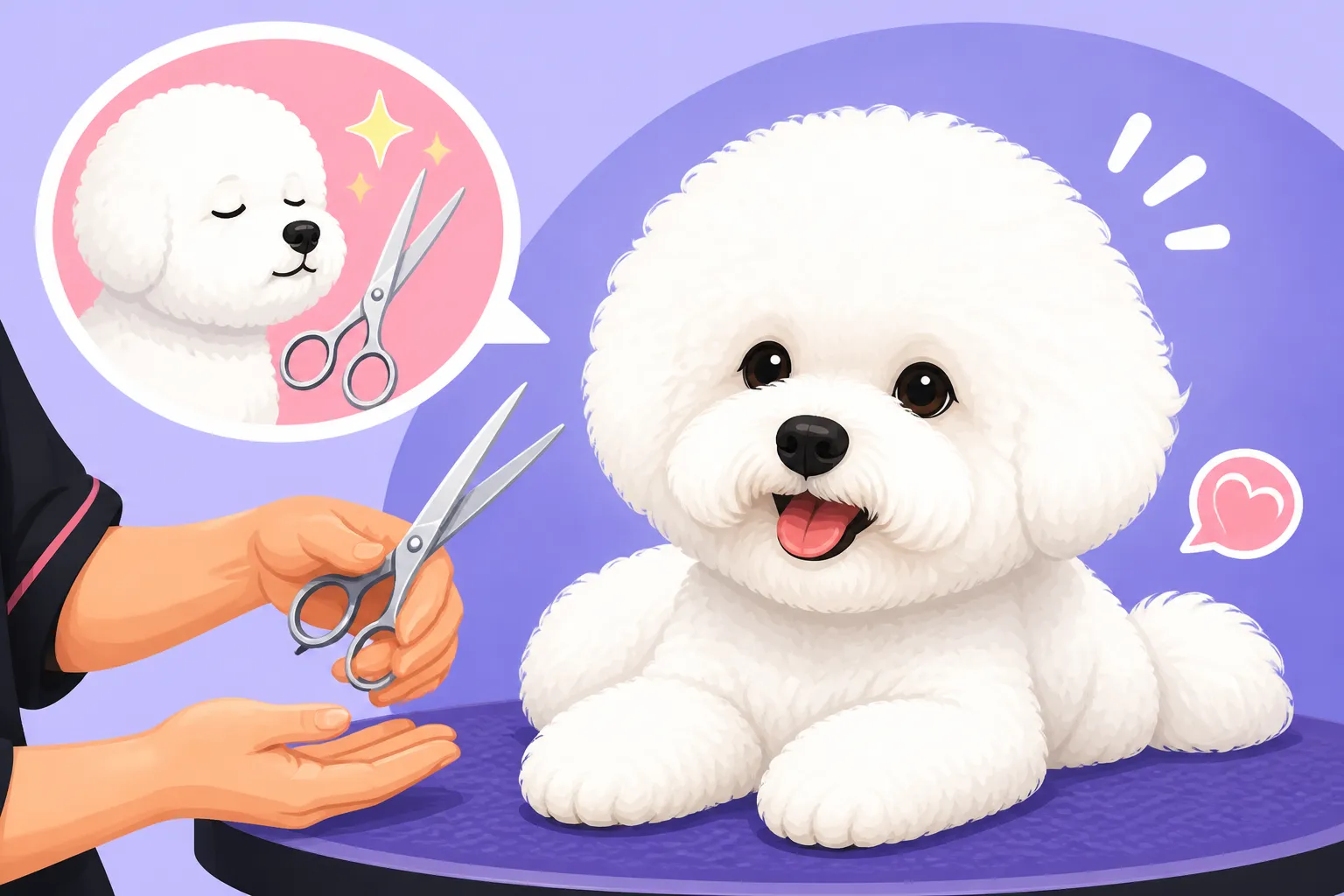
Unlike many breeds that are primarily clipped, the Bichon Frise's double coat, with its soft, dense undercoat and curlier, coarser outer coat, requires skilled scissoring to achieve its characteristic round shape. Clipping alone often leaves the coat looking flat or uneven, losing that bouncy, whimsical appearance. Areas like the face, paws, and tail are almost exclusively scissored for precision and to create the breed's distinct aesthetic. This means that regular exposure to scissors isn't just cosmetic; it's a fundamental part of How Often a Bichon Frise Needs a Full Groom and maintaining their breed standard look and comfort.
Imagine trying to sculpt a perfect sphere out of a fluffy cloud – that's essentially what a groomer does with a Bichon's coat. The scissors are the primary tool for this artistry. Because their coat grows constantly and sheds very little, trapping loose hair and forming mats, consistent grooming, which includes scissoring, is non-negotiable for their health and hygiene. Neglecting this leads to painful matting, skin issues, and discomfort for your dog, making the need for positive scissor association even more critical.
The Fear Factor: What Makes Scissors Scary?
For a dog, scissors can be quite intimidating. They are shiny, make a sharp "snip" sound that can be startling, and are wielded by a human who is getting very close to sensitive areas like eyes, ears, and paw pads. Dogs perceive the world differently than we do, and what seems harmless to us can be a major stressor for them. The feeling of the blades touching their hair, the slight tug if the hair isn't perfectly brushed, or even the air current created by the movement can be unsettling.
Furthermore, if a Bichon Frise has had a negative experience in the past – perhaps a quick, rushed trim that nicked them, or an impatient groomer – they will associate scissors with fear and pain. This makes future grooming sessions even more challenging, as they will anticipate discomfort. Even the sound of the scissors opening and closing can trigger a fear response if they've learned to associate it with an unpleasant sensation. It's not about being "naughty" or "stubborn"; it's a legitimate fear response that needs patient, empathetic desensitization.
The Impact of Early Experiences (or Lack Thereof)
A Bichon Frise's early experiences with grooming tools profoundly shape their attitude towards them later in life. Puppies are like sponges, soaking up all new sensations and forming associations. If a puppy is never introduced to grooming tools gently and positively, or worse, has a traumatic first experience, it sets them up for a lifetime of struggle. Conversely, early, positive exposure can create a dog that views grooming as a pleasant routine.
Puppyhood is a critical window for socialization and habituation. Breeders or new owners who neglect early grooming exposure often find themselves with an adult Bichon Frise that genuinely fears grooming tools. This often leads to battles, requiring professional groomers to spend extra time, or even vet-assisted sedation for necessary trims. This is why it's so important to start training early, even before their adult coat fully comes in, to prevent fear from ever taking root. You can learn more about this in How Early a Bichon Frise Should Meet a Groomer.
Laying the Foundation: Puppyhood and Positive Associations
The key to a well-behaved Bichon Frise during grooming lies in early and consistent positive reinforcement. Starting in puppyhood builds a solid foundation of trust and comfort that will last their lifetime.
Introducing Tools Before They're Used
Before you even think about cutting hair, introduce the scissors as a neutral, or even positive, object. Let your puppy see them, sniff them, and hear the soft "snip" sound from a distance. Don't force interaction; just let them exist in the puppy's environment. The goal here is desensitization – making the presence and sound of scissors unremarkable. This is similar to the approach you'd take when Teaching a Bichon Frise to Accept a Dryer, where the noise and sensation can be frightening initially.
Place the closed scissors on the floor near your puppy while they're eating or playing happily. Occasionally pick them up, make a soft snipping sound away from the puppy, and immediately give a treat. The idea is to associate the sound and sight of scissors with good things. Do this in very short, casual bursts, just a few seconds at a time, several times a day. You can find safe, rounded-tip grooming scissors on platforms like Amazon that are less intimidating for initial training, both for you and your puppy.
The Power of Touch and Handling Exercises
Bichon Frises need extensive handling for their regular grooming needs. Start by gently touching your puppy all over their body – their ears, paws, tail, and face. Use a soft, encouraging voice and offer tiny, high-value treats for calm acceptance. The more comfortable they are with being touched, especially in sensitive areas, the easier scissor work will be. Practice holding their paws, separating their paw pads, and gently touching around their eyes and muzzle.
Make these handling sessions short, positive, and frequent. A good training program, like the online puppy training offered by BAXTER & Bella, often includes sections on handling for grooming, emphasizing gentle desensitization from a young age. This kind of hands-on approach builds confidence and trust, which are invaluable when you eventually introduce actual scissor contact. This early handling also sets the stage for tasks like Whether a Bichon Frise Tolerates Daily Eye Wiping or Whether a Bichon Frise Accepts Ear Drops Twice a Day.
Short, Sweet, and Rewarding Sessions
Remember, puppies have short attention spans. Keep your grooming and desensitization sessions extremely brief, perhaps just one to two minutes, especially at the beginning. Always end on a positive note, even if it's just for successfully letting you touch their paw or hear the scissors snip once. Lavish praise and high-value treats are crucial. You want your Bichon Frise to think, "Oh, scissors mean tasty treats and happy attention!" rather than "Oh no, grooming time again!"
If your puppy shows any signs of stress – yawning, lip-licking, turning their head away, or trying to escape – stop immediately. Pushing them will only create negative associations. Take a break, come back later, and try a less intense step. The goal is progress, not perfection. Over time, these brief, positive sessions will accumulate into a solid foundation of comfort and cooperation.
Creating a Calm and Safe Grooming Environment
The environment where you groom your Bichon Frise plays a huge role in their comfort level. A chaotic or unfamiliar space can heighten anxiety, making scissor work even more challenging.
Choosing the Right Grooming Spot and Equipment
Select a quiet, well-lit area in your home where you and your Bichon Frise won't be interrupted. A non-slip surface, like a rubber mat on a table, is ideal, as it provides stability and prevents them from feeling insecure. Feeling wobbly or unsteady can add to their stress. It’s important to have everything you need within arm's reach before you start, so you don't have to leave your dog unattended or fumble around. This means your scissors, brushes, comb, treats, and any calming aids should be ready.
Consider a dedicated grooming table if you plan to do a lot of home grooming. These often come with a grooming arm and loop to safely secure your dog, preventing them from jumping off and injuring themselves or you. While an initial investment, products available on Amazon or specialty pet stores can make a huge difference in creating a professional, safe, and calm grooming experience. A secure dog is a calmer dog, which is essential for detailed scissor work, especially around sensitive areas.
Essential Tools for a Positive Scissor Experience
Having the right tools is paramount, not just for the quality of the groom but for your Bichon's safety and comfort. You'll need good quality grooming scissors with rounded tips for safety, especially for beginners or around delicate areas. Sharp blades are crucial, as dull scissors can pull hair, causing pain and a negative association. In addition to scissors, a slicker brush and a metal comb are indispensable for ensuring the coat is thoroughly brushed out before any scissoring, preventing painful tugging and accidental nicks.
Before grooming, ensure your Bichon Frise's coat is clean, dry, and completely mat-free. Attempting to scissor a matted or dirty coat is not only ineffective but also very painful. A good quality deshedding brush or slicker brush (you can check Which Brush Suits a Bichon Frise) will help prepare the coat. For those who want to be prepared, a comprehensive What a Home Grooming Kit Costs a Bichon Frise Owner will include all the essentials. Remember, every time a grooming session is comfortable, you reinforce a positive association.
The Role of Calming Aids and Comfort
If your Bichon Frise is particularly anxious, incorporating calming aids can make a significant difference. Pheromone sprays or diffusers designed for dogs can help create a more relaxed atmosphere. Some owners find that calming chews or supplements given an hour before a grooming session can take the edge off severe anxiety. Always consult your vet before introducing any supplements to ensure they are appropriate for your dog.
Music designed for calming pets or even a familiar, soothing playlist can also help mask the startling sound of scissors. For very nervous dogs, a grooming apron or even a Thundershirt-like garment can provide gentle, comforting pressure. The goal is to make the entire experience as pleasant and low-stress as possible, transforming it from something to be endured into a routine they can relax into. For dogs with skin issues that make them sensitive, understanding Whether Medicated Baths Control a Bichon Frise's Infections can also contribute to overall comfort before grooming.
A Step-by-Step Desensitization Guide to Scissor Work
Once your Bichon Frise is comfortable with general handling and the presence of grooming tools, you can gradually introduce the actual sensation of scissoring. Patience and consistency are your greatest allies here.
Phase One: Sight and Sound Familiarization
Start by revisiting the basics. With your Bichon Frise relaxed and perhaps enjoying a chew toy or a lick mat, simply bring the closed scissors into their view. Reward them for simply looking at the scissors without showing fear. Progress to opening and closing the scissors away from them, making the snipping sound, and immediately following with a treat. Do this for just a few seconds, then put the scissors away. Repeat this several times a day.
Once they are calm with the sound from a distance, gradually bring the scissors closer while snipping, still not touching your dog. Hold them near their shoulder, then their side, then their leg, always snipping in the air, never near their coat, and rewarding calmness. The idea is to normalize the sight and sound of the scissors in their immediate vicinity. This phase can take days or even weeks, depending on your dog's initial anxiety levels. Remember, the goal isn't speed, but comfort.
Phase Two: Gentle Touch and "Mock" Scissoring
Now it's time to introduce the sensation without cutting hair. Begin by gently touching your dog's coat with the closed blades of the scissors. Just touch and release, immediately offering a treat and praise. Focus on areas where you'll eventually need to scissor, like the paws, legs, and around the face. Make sure your dog is calm and comfortable before moving on.
Once they accept the closed blades, start performing "mock" scissoring. Hold the scissors in the scissoring position, open and close them very lightly in the air just above their coat, mimicking the motion of cutting without actually touching their hair or cutting anything. This helps them get used to the movement and feel of air displacement without the commitment of a real cut. Reward constantly for any calm behavior. Think of it as a dry run, preparing them for the real deal. This practice is crucial for getting your Bichon Frise comfortable with the specific actions involved in grooming, much like when Teaching a Bichon Frise to Hold Still on a Table.
Phase Three: Short Bursts of Actual Scissoring
This is the moment of truth. With your dog calm and receptive, begin with a tiny, non-critical area, like a single snip on an outer leg hair, away from the skin. Make one snip, immediately reward, and praise them lavishly. Then, you're done! The session might literally be one snip and then treats and playtime. Build up from there. The next session, you might do two snips, or one snip on another leg.
Gradually, increase the number of snips and the duration of the scissoring, always watching for signs of stress. Never force it. If they start to resist, go back to an easier step, or simply end the session on a good note. Always use sharp, high-quality scissors to ensure a clean cut and prevent pulling. Remember the goal is to associate the act of scissoring with positive outcomes, even if it means grooming takes much longer initially. For more detailed instructions, a platform like BAXTER & Bella often provides video tutorials demonstrating these gentle techniques, breaking down complex tasks into manageable steps.
Addressing Fear, Anxiety, and Resistance
Even with the best intentions, a Bichon Frise might still show signs of fear or resistance. It’s vital to understand these signals and know how to respond effectively.
Recognizing Stress Signals in Your Bichon Frise
Dogs communicate their discomfort through various subtle and not-so-subtle cues. It’s crucial to be fluent in these "dog speak" signals. Look for:
- Yawning or Lip-licking: Often out of context, not after eating.
- Head Turning or Averting Gaze: Trying to disengage from the situation.
- Tail Tucked Low or Between Legs: A clear sign of anxiety or fear.
- Trembling or Shaking: A physiological response to stress.
- Stiff Body Posture: Tense muscles, unwilling to relax.
- Whining or Growling: More overt signs of discomfort or warning.
- Snapping or Biting: A last resort when other signals have been ignored.
If you observe any of these, your dog is telling you they are uncomfortable. Pushing past these signals will only escalate their fear and potentially lead to them becoming defensive. Understanding these nuances can help you avoid situations where Whether an Itchy Bichon Frise Bites When Handled or Whether a Bichon Frise Snaps When Its Ears Hurt due to discomfort during grooming.
What to Do When Your Bichon Freezes or Fights
If your Bichon Frise freezes, tries to escape, or even growls when you bring out the scissors, it's a clear sign you've moved too fast or they've had a negative experience. First, stop what you are doing. Don't punish them for their reaction; they are genuinely afraid. Gently disengage from the grooming setup.
Take a step back in your training. Re-evaluate at which phase they became uncomfortable. Did it happen when they saw the scissors? When they heard the snip? When they felt a touch? Start again from an earlier, easier step where they were comfortable. Increase the value of your treats significantly – use something truly irresistible like boiled chicken or cheese. Keep sessions even shorter, perhaps just 30 seconds, and always end before they show signs of stress. Remember that sometimes the issue isn't just the scissors, but discomfort from a pre-existing condition, such as chronic ear infections (see Recurrent Ear Infections in a Bichon Frise), which can make general handling painful.
When to Seek Professional Guidance
Sometimes, despite your best efforts, a Bichon Frise's fear of scissors or grooming is so deeply ingrained that you need professional help. This is not a failure on your part! A certified professional dog trainer or a positive reinforcement groomer can provide invaluable assistance. They have specialized knowledge and tools, like desensitization techniques and counter-conditioning protocols, to help dogs overcome severe fears.
A vet behaviorist might even be necessary in extreme cases, especially if the fear manifests as aggression or severe panic. They can assess if there are underlying medical conditions contributing to the anxiety and, if appropriate, discuss medication to help reduce anxiety during training. Don't hesitate to reach out for help; your dog's emotional well-being and the practicality of their essential grooming are worth the investment. For some dogs, Whether a Bichon Frise Needs Sedation for Grooming might be a temporary necessity while working through severe anxiety.
Maintaining a Positive Grooming Relationship Long-Term
Building a positive relationship with grooming isn't a one-time fix; it's an ongoing commitment. Consistency and continued positive reinforcement are vital for long-term success.
Consistency is Key for Ongoing Comfort
Regularity is crucial. Don't just groom when your Bichon Frise is matted or overgrown. Incorporate short, positive scissor touch-ups into your weekly or even daily routine, especially around their face, paws, and sanitary areas. This keeps them habituated to the tools and prevents them from developing anxiety between longer professional grooms. For example, a quick 30-second session of touching their face with closed scissors, followed by a treat, can reinforce good habits.
Think of it like brushing your own teeth – it's a consistent routine, not something you only do when you have a problem. The more normalized and routine grooming becomes, the less intimidating it will be. This consistency ties into the overall care of their coat and can prevent issues like Whether a Matted Bichon Frise Must Be Shaved.
The Importance of High-Value Rewards
As your Bichon Frise progresses, don't stop using high-value rewards! Even an adult dog who "tolerates" grooming will be much happier and more cooperative if there's still a delicious incentive involved. High-value treats aren't just for puppies; they maintain a positive association and reinforce the idea that grooming is a pleasant activity. Save their absolute favorite treat exclusively for grooming sessions.
Consider a rotating variety of high-value treats to keep them interested and engaged. Praise, gentle strokes, and happy talk are also important, but a tangible reward helps solidify the positive emotional response. This sustained positive reinforcement ensures that grooming remains a positive experience throughout your Bichon Frise's life, helping them to Whether a Bichon Frise Learns to Enjoy Being Scissored.
Making Grooming a Routine Part of Life
Ultimately, you want grooming to be just another normal, accepted part of your Bichon Frise's life, like walks or meal times. It should be a calm, quiet, and predictable routine. By consistently applying positive reinforcement, gentle handling, and gradual desensitization, you can transform a potentially stressful experience into a bonding opportunity. Your Bichon Frise will learn to trust you with their care, making both your lives much easier and more enjoyable.
The investment of time and patience in training for scissor grooming will pay dividends for years to come, ensuring your Bichon Frise not only looks their best but also feels comfortable and secure during their essential beauty regimen. Remember that a well-groomed Bichon Frise is a happy and healthy Bichon Frise, ready to bounce through life with that signature merry temperament. Whether Home Brushing Makes Salon Visits Easier is definitely true, and consistent home care extends to positive scissor associations too.
| Desensitization Stage | Activity | Key Goal | Rewards & Duration |
|---|---|---|---|
| Stage 1: Sight & Sound | Present closed scissors visually. Snip away from dog. | Dog ignores scissors; associates sound with positive things. | High-value treats, praise; 30-60 seconds. |
| Stage 2: Gentle Touch | Touch closed scissors to dog's body, then hair. | Dog accepts non-threatening physical contact with scissors. | High-value treats, praise; 1-2 minutes. |
| Stage 3: Mock Scissoring | Mimic scissoring motion above coat (no cutting). | Dog accepts movement and air current near sensitive areas. | High-value treats, praise; 1-2 minutes. |
| Stage 4: Actual Snips | One tiny, quick snip on a non-critical area. | Dog tolerates brief, real cutting sensation. | Jackpot treats, lavish praise; 15-30 seconds. |
| Stage 5: Gradual Increase | Increase snips & duration in short, positive sessions. | Dog becomes increasingly comfortable with full scissor grooming. | High-value treats, consistent praise; 2-5 minutes. |
Disclaimer
This article is for general informational purposes only and does not constitute professional advice. Laws, prices and regulations vary by location and change over time. Consult a qualified professional for guidance on your specific situation.